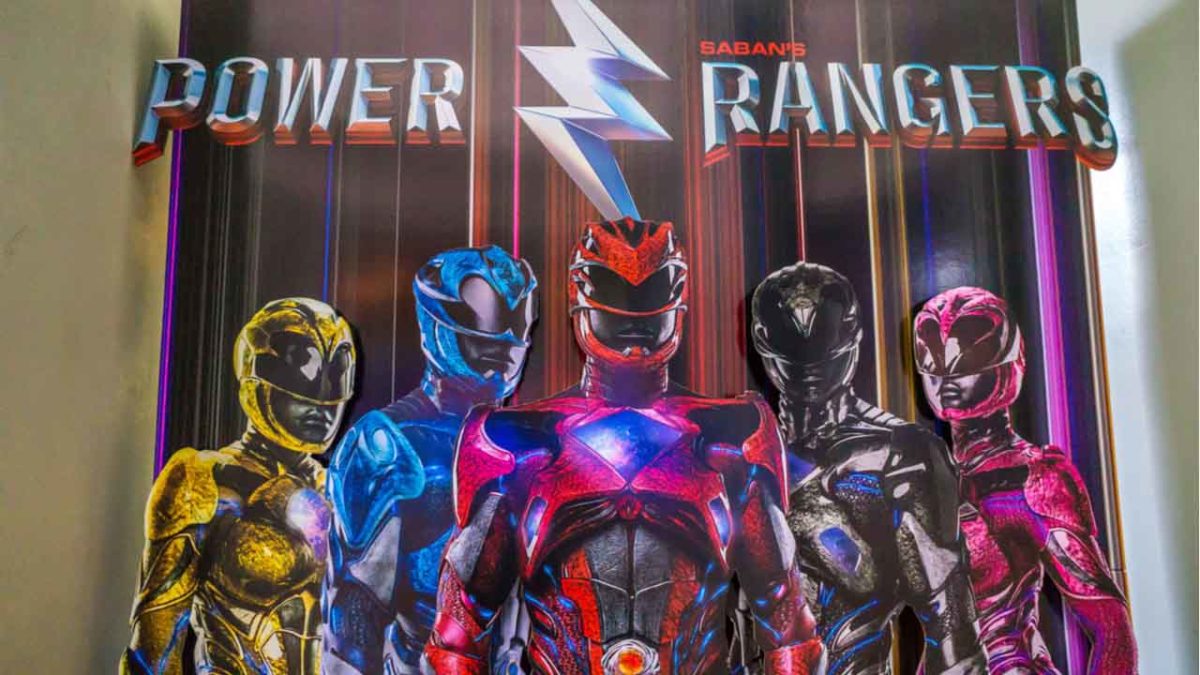
The series without which 'Power Rangers' would not exist comes to an end after almost 2500 episodes

The iconic Japanese series Super Sentai bids farewell to national television after more than 50 years of uninterrupted broadcasts, starting its journey on April 5, 1975. With an impressive total of 2,457 episodes, this series has left an indelible mark on popular culture, not only in Japan but also in the West, where it inspired the famous Power Rangers franchise. Through an announcement on its official Twitter account, which has received over 200,000 likes, it has been confirmed that the series is entering an indefinite hiatus, marking the end of an era. […]

The iconic Japanese series Super Sentai bids farewell to national television after more than 50 years of uninterrupted broadcasts, starting its journey on April 5, 1975. With an impressive total of 2,457 episodes, this series has left an indelible mark on popular culture, not only in Japan but also in the West, where it inspired the famous Power Rangers franchise. Through an announcement on its official Twitter account, which has garnered over 200,000 likes, it has been confirmed that the series is entering an indefinite hiatus, marking the end of an era.

Don’t go, Power Rangers

Super Sentai has had a significant impact, especially in the 90s, when Power Rangers, as a direct adaptation of the original, raised the impressive figure of 6 billion dollars. This connection has allowed the characters and stories of Super Sentai to remain in the collective memory of several generations of fans, both in Japan and around the world.

Although this decision marks the end of the main series, it does not imply the total cessation of the Super Sentai franchise. It is likely that other related projects will continue to be explored, such as crossovers and independent series. These products have maintained their popularity in Japan, suggesting that the essence of Super Sentai will continue to live on through new narratives and collaborations in the future.

Despite the rumors about the future state of the franchise, enthusiasts can expect that the rich tradition of Super Sentai will continue to fuel content creation, reflecting the medium’s ability to evolve over time. In a world where nostalgia and innovation intertwine, the possibilities for Super Sentai seem vast, ensuring that its legacy endures.

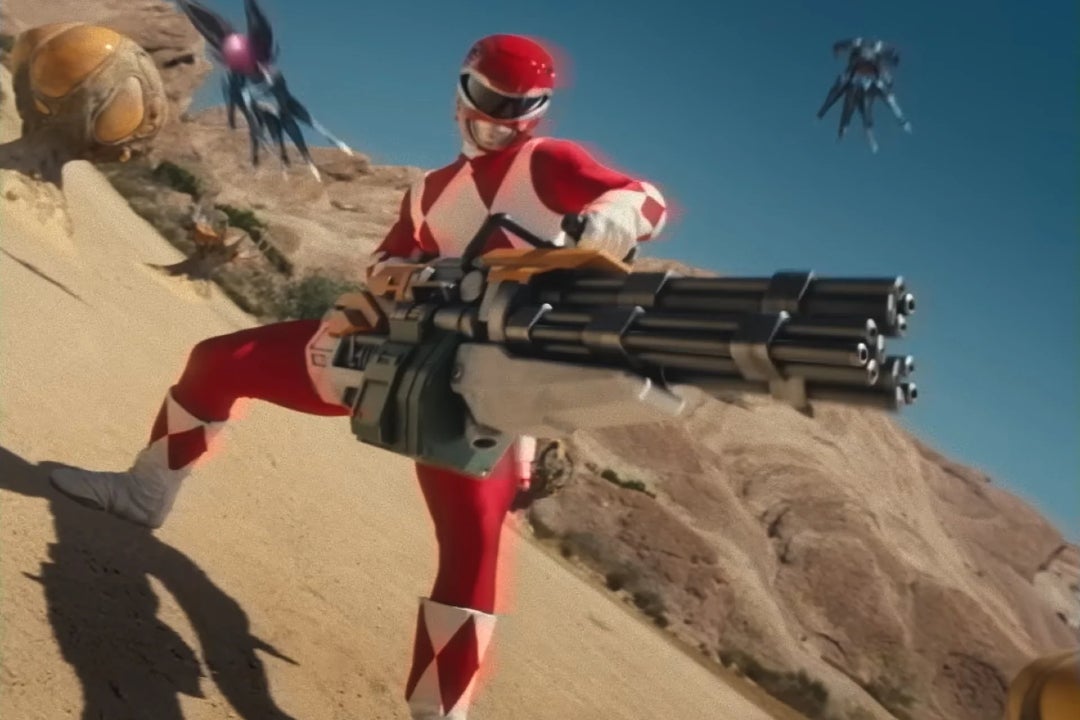
The Japanese 'Power Rangers' has just gotten into the biggest controversy of its 50 years on air

On August 28, 1993, the Power Rangers series made its debut in the United States, quickly becoming a cultural phenomenon among teenagers. This production, however, is a re-packaging of Super Sentai, a Japanese program that has been airing since 1975. As Super Sentai prepares to conclude after the airing of No.1 Sentai Gozyuger, the series faces turbulence that reflects social and cultural tensions in Japan. Drinking is not a great pleasure No.1 Sentai Gozyuger, which premiered in February of this year, introduces a novelty by featuring a woman as the Ranger […]

On August 28, 1993, the Power Rangers series made its debut in the United States, quickly becoming a cultural phenomenon among teenagers. This production, however, is a repackaging of Super Sentai, a Japanese program that has been airing since 1975. As Super Sentai prepares to conclude after the airing of No.1 Sentai Gozyuger, the series faces turmoil that reflects social and cultural tensions in Japan.

Drinking is not a great pleasure

No.1 Sentai Gozyuger, which premiered in February of this year, introduces a novelty by featuring a woman as the Black Ranger, Maya Imamori, a rising young actress. However, her participation was abruptly interrupted due to a scandal related to underage drinking before reaching the legal age in Japan, which is 20 years old. Despite her commitments as a Japanese idol, Imamori was expelled from the series after being the subject of rumors and media harassment that questioned her personal life.

The decision to remove Imamori from the series has sparked a debate about sexism and racism in the Japanese entertainment industry. The actress, of Filipino descent, was the target of disproportionate criticism and social pressure led her to publicly apologize, an act that reflects the strict expectations faced by idols in Japan.

As a result of her expulsion, the episode in which she was to appear as the protagonist was removed, and her character is now played by another actress. Starting from episode 40, which will air on November 30, Imamori will be permanently replaced. These types of situations, common in the environment of Japanese celebrities, highlight the culture of cancellation and the severe consequences that mistakes can bring in a society threatened by tradition and public scrutiny.

Power Rangers is getting a new movie with a new cast

With Hasbro at the helm, the Power Rangers are getting a new movie with a new cast.

Power Rangers

Dacre Montgomery, the Red Ranger from the 2017 Power Rangers movie, has announced that there will be another Power Rangers movie, but it will star a new cast.

Montgomery spilled the beans in an interview with IGN. If you didn’t see “Power Rangers,” you probably know Montgomery from his role as Billy on “Stranger Things.”

Last year, Hasbro purchased the rights to Power Rangers from the entertainment company Saban. Hasbro is working with Paramount Pictures to make the new movie. A release date has not been set.

This is a bit worrisome as Hasbro doesn’t exactly have a good history with making movies. Does anyone remember the Battleship movie or the Ouija movie?

Woof.

Still, Hasbro hit a box office grand slam with the loud, noisy, stupid Transformers movies. Maybe they’ll ring that bell again.

We’re going to keep our expectations low. They were low for the 2017 film, but clearly, they should have been subterranean. Hopefully, Hasbro sees the error of their ways and writes a better story, uses better actors and actresses, and gets a budget for better CG.