The second season of Frieren has begun airing with great anticipation among anime lovers. With a total of ten confirmed episodes, the first episode has been received with applause, achieving a rating of 9 on IMDb. This figure reflects the audience’s enthusiasm, although some fans already feel that this return has been brief, eager to delve deeper into the elf’s universe. A series with a dedicated audience However, it is not easy to maintain interest, as the original series is on an indefinite hiatus due to the need for rest from its creators, the […]
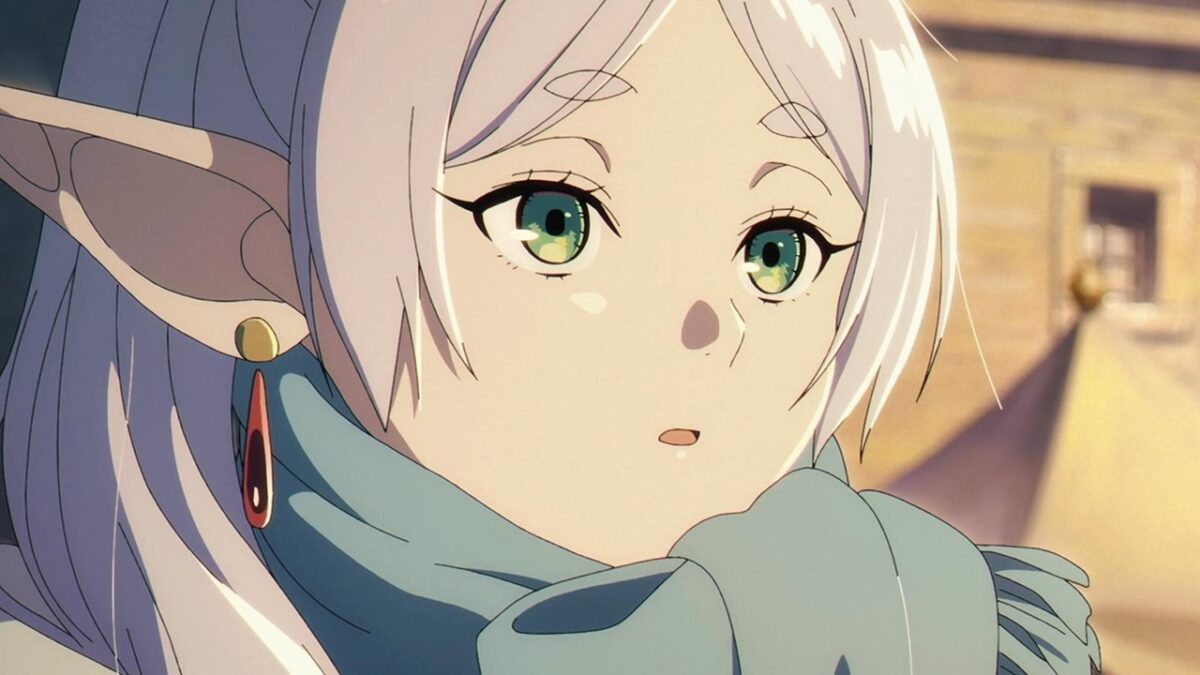
The second season of Frieren has begun airing with great anticipation among anime lovers. With a total of ten confirmed episodes, the first episode has been received with applause, achieving a rating of 9 on IMDb. This figure reflects the audience’s enthusiasm, although some fans already feel that this return has been brief, eager to delve deeper into the elf’s universe.
A series with a devoted audience
However, it is not easy to maintain interest, as the original series is on an indefinite hiatus due to the need for rest from its creators, which has led to the pause in the publication of the manga. To fill this void, a prequel light novel titled Frieren: Prelude has been released. Supervised by the original creators, this work contains five short stories that explore the adventures of well-known characters such as Frieren, Fern, and Stark. While the novel has already begun serialization in Japan in 2024, it is expected to reach other countries, including its English translation scheduled for March 2026.
The Japanese audience has responded enthusiastically to the prequel, placing it in second place in the manga sales ranking in Japan, with 3,458 copies sold according to Oricon data. This figure has only been surpassed by Lycoris Recoil: Gluttony Days, which has reached 7,542 copies. Although Frieren: Prelude may not receive the same attention as its main counterpart, it is seen as a way to keep the magic of the Frieren universe alive while waiting for the return of the manga.
In this way, Frieren continues to captivate its audience, not only through its new season but also by expanding its rich narrative universe.
In an unprecedented event, Hisako Sakai, a 92-year-old Japanese woman, was crowned champion of Tekken 8 during the Care Esports tournament held in November. This tournament is part of a series organized by Care, an entity that seeks to promote the social and mental well-being of the elderly in Japan by creating an environment where seniors can participate in esports competitions. The elderly are making a strong impact Since 2019, Care has been holding these tournaments in the prefectures of Mie, Gifu, and Aichi, bringing together senior competitors who compete in various video games. In […]
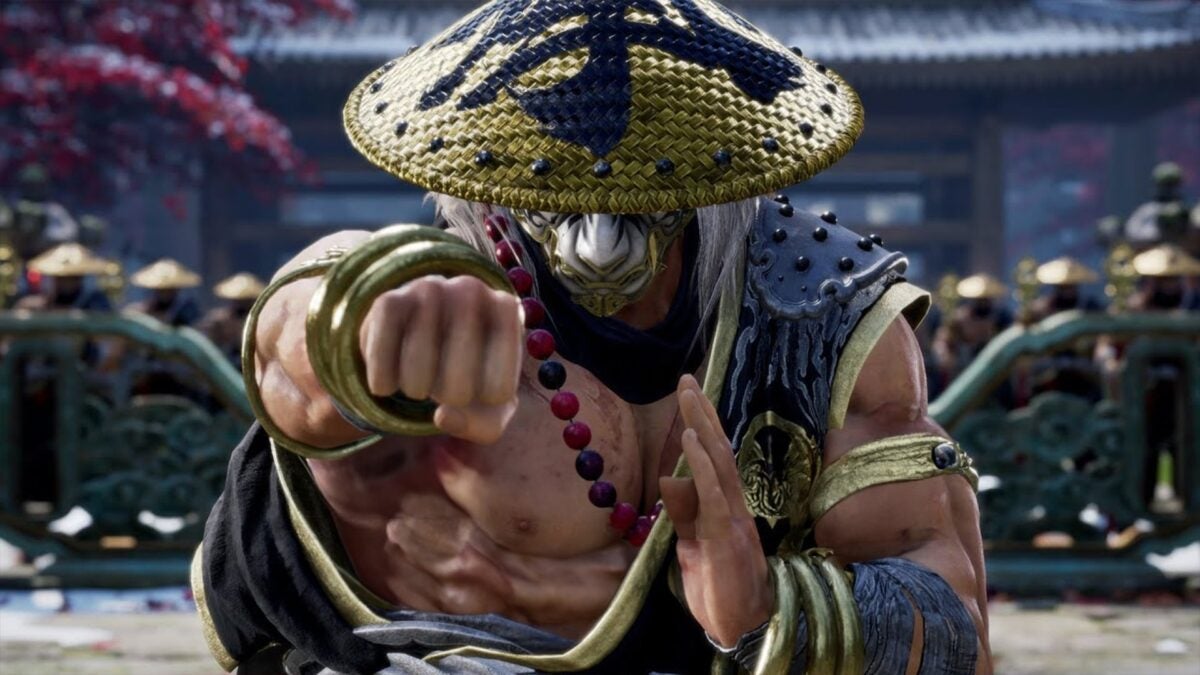
In an unprecedented event, Hisako Sakai, a 92-year-old Japanese woman, was crowned champion of Tekken 8 during the Care Esports tournament held in November. This tournament is part of a series organized by Care, an entity that seeks to promote the social and mental well-being of the elderly in Japan by creating an environment where seniors can participate in esports competitions.
The elderly are coming in strong
Since 2019, Care has been holding these tournaments in the prefectures of Mie, Gifu, and Aichi, bringing together senior competitors who compete in various video games. In this latest edition, the event was streamed live on Care’s YouTube channel, offering professional production and real-time commentary, allowing a global audience to enjoy the exciting matches. The competition included players up to 95 years old, highlighting both the technical mastery and the excitement experienced during the contests.
The tournament, whose matches were described as some of the most experienced of the King of Iron Fist Tournament, showcased moments of true climax, where Sakai demonstrated his skill by defeating seven rivals, earning him the trophy. After his victory, he expressed his happiness at receiving the recognition, an emotion that resonated among the enthusiastic spectators who applauded his gaming prowess.
The competition not only focused on technical skill but also highlighted the social aspect of gaming among older adults. With post-game sessions that included interviews and statistics, Care is setting a precedent in the esports universe, demonstrating that the passion for video games transcends generations. Although there is still a long way to go, the organization hopes to expand these tournaments nationally in the future.
There are those who believe that Studio Ghibli ends with My Neighbor Totoro and Spirited Away, but the truth is that its production is almost ungraspable: 24 films (including The Red Turtle, which is actually a delightful co-production with several French producers), a television series, a good number of commercials, four plays, and even two video games (the legendary Ni No Kuni). Oh! And even more, if you want to see all the previous work of its leaders, such as Lupin III: The Castle of Cagliostro, Future Boy Conan, or Nausicaä of the Valley of the Wind. Everything […]
Some believe that Studio Ghibli ends with My Neighbor Totoro and Spirited Away, but the truth is that its production is almost ungraspable: 24 films (including The Red Turtle, which is actually a delightful co-production with several French producers), a television series, a good number of commercials, four plays, and even two video games (the legendary Ni No Kuni). Oh! And even more, if you want to see all the previous work of its leaders, such as Lupin III: The Castle of Cagliostro, Future Boy Conan, or Nausicaä of the Valley of the Wind. All wonders.
Trip to Japan!
Surely more than once you have planned your dream trip to Japan or, even better, you have boarded a plane to go to the Land of the Rising Sun. And you know then that one of the things that every serious movie buff must do is visit the Ghibli Museum, a must-see stop near Tokyo where you will see originals, learn how animation is done, see Hayao Miyazaki’s study table, and many more things, with fascinating architecture and where, perhaps, its only downside (depending on how you look at it) is that photos are not allowed.
What not everyone knows is that the entrance to this magical place is a random frame from one of its lesser-known products: the short films that can only be seen at the Ghibli Museum and that rotate throughout the months. They are small masterpieces, some of them directed by Miyazaki himself, that have never been released in physical format and cannot be seen in any way outside of that place. I have had the opportunity to see two of them on two different visits, and they are pure Ghibli, a feast of wonder. I only regret not being able to see each and every one of them!
Among the short films there is a kind of sequel to My Neighbor Totoro (Mei and the Kittenbus) in which Mei goes out at night again with the Kittenbus, a miniature version of the Catbus, and encounters all kinds of adventures. It is also the place where, hopefully, you will be able to see Boro the caterpillar, in which Miyazaki animated for the first time using CGI instead of classic hand-drawn animation, because he couldn’t find another way to tell this story, which the director had been contemplating since the era of Princess Mononoke.
And surely, if you are like me, you are already thinking “Well, but there must be a way to see them, right? They must be filtered on the Internet, where there is everything.” And… the truth is that no. There is some stuff here and there, and even transcripts of the shorts that can be purchased at the Ghibli Museum shop, but that’s about it: they are not lost media because they are more than located in the world, but it is something that is not on the Internet. Perhaps that’s why it is so refreshing to go to the museum and enjoy seeing something for the first time, almost as if you were an audiovisual explorer in search of the lost Atlantis.
While Hayao Miyazaki continues to work on his next film (which he insists will be the last, but we’ve fallen for that lie several times already), there is always the dream and hope that, no matter what happens, there will always be something more from Studio Ghibli to unearth, even if it’s just some shorts in the coolest cinema you will ever be in your life. I don’t think you were exactly lacking the desire to go to Japan, but it doesn’t hurt to add more fuel to the fire.
On August 28, 1993, the Power Rangers series made its debut in the United States, quickly becoming a cultural phenomenon among teenagers. This production, however, is a re-packaging of Super Sentai, a Japanese program that has been airing since 1975. As Super Sentai prepares to conclude after the airing of No.1 Sentai Gozyuger, the series faces turbulence that reflects social and cultural tensions in Japan. Drinking is not a great pleasure No.1 Sentai Gozyuger, which premiered in February of this year, introduces a novelty by featuring a woman as the Ranger […]
On August 28, 1993, the Power Rangers series made its debut in the United States, quickly becoming a cultural phenomenon among teenagers. This production, however, is a repackaging of Super Sentai, a Japanese program that has been airing since 1975. As Super Sentai prepares to conclude after the airing of No.1 Sentai Gozyuger, the series faces turmoil that reflects social and cultural tensions in Japan.
Drinking is not a great pleasure
No.1 Sentai Gozyuger, which premiered in February of this year, introduces a novelty by featuring a woman as the Black Ranger, Maya Imamori, a rising young actress. However, her participation was abruptly interrupted due to a scandal related to underage drinking before reaching the legal age in Japan, which is 20 years old. Despite her commitments as a Japanese idol, Imamori was expelled from the series after being the subject of rumors and media harassment that questioned her personal life.
The decision to remove Imamori from the series has sparked a debate about sexism and racism in the Japanese entertainment industry. The actress, of Filipino descent, was the target of disproportionate criticism and social pressure led her to publicly apologize, an act that reflects the strict expectations faced by idols in Japan.
As a result of her expulsion, the episode in which she was to appear as the protagonist was removed, and her character is now played by another actress. Starting from episode 40, which will air on November 30, Imamori will be permanently replaced. These types of situations, common in the environment of Japanese celebrities, highlight the culture of cancellation and the severe consequences that mistakes can bring in a society threatened by tradition and public scrutiny.
In a recent interview, actor Takehiro Hira, known for his role as Ishido Kazunari in the series Shogun, revealed that he has had access to only one script for the highly anticipated second season. Although his contact with the material is limited, Hira suggests that he has a clear idea about the fate of his character, although he refrains from offering specific details. “I can’t talk much about it, but it seems that my character doesn’t survive long after the events narrated,” Hira commented, leaving fans intrigued about the future of Ishido Kazunari. It seems we will have more Shogun The series […]
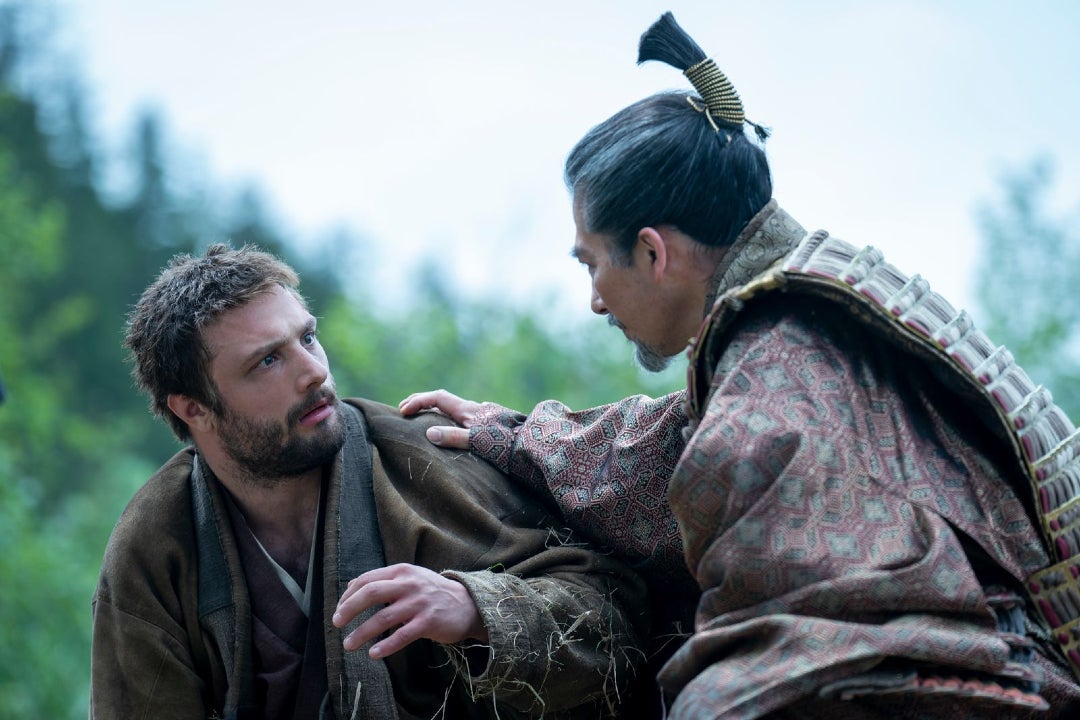
In a recent interview, actor Takehiro Hira, known for his role as Ishido Kazunari in the series Shogun, revealed that he has had access to only one script for the highly anticipated second season. Although his contact with the material is limited, Hira suggests that he has a clear idea about the fate of his character, although he refrains from offering specific details. “I can’t talk much about it, but it seems that my character doesn’t survive long after the events narrated,” Hira commented, leaving fans intrigued about the future of Ishido Kazunari.
It seems we will have more Shogun
The Shogun series, which has captured the audience’s attention for its focus on historical accuracy, is based on a rich cultural background and characters inspired by real historical figures. This not only adds a layer of depth to the narrative but also reflects the creators’ commitment to the authenticity of Japanese history, resulting in a more realistic portrayal of the feudal era.
Hope surrounding the second season of Shogun continues to grow, although Hira mentions that details are scarce. This leads fans to speculate about the direction the series will take, as the fate of the central characters, particularly that of Ishido Kazunari, may already be determined by the historical events that the series aims to reflect. Furthermore, the connection between the fictional characters and real historical figures suggests that the narrative could follow a path that fans might consider inevitable.
As more news develops about the second release, Shogun fans can expect more revelations about the direction of the series and the fate of their favorite characters. For now, fans must be content with the few details that Hira has been able to share and let their imagination run wild while waiting for more news.
Yuji Horii, the creator of the iconic Dragon Quest series, has been recognized with the prestigious Order of the Rising Sun, Gold Rays with Rosette, becoming the first video game designer to receive this honor. This award, which dates back to 1875, is given to individuals who have made notable contributions to Japan, highlighting their work in promoting culture. An honor that is only given to the highest excellence in a field Horii, whose work has been fundamental in the creation and popularization of JRPGs (Japanese role-playing games), appeared humble in the face of this recognition, […]
Yuji Horii, the creator of the iconic Dragon Quest series, has been recognized with the prestigious Order of the Rising Sun, Gold Rays with Rosette, becoming the first video game designer to receive this honor. This award, which dates back to 1875, is given to individuals who have made notable contributions to Japan, highlighting their work in promoting culture.
An honor that is only given to the highest excellence in a field
Horii, whose work has been fundamental in the creation and popularization of JRPGs (Japanese role-playing games), was humble in the face of this recognition, expressing his gratitude towards his team and the fans who have followed the series over the years. “It is thanks to all the staff who helped create the games with me, and to all the users who have always supported us,” declared Horii.
While Horii is the first video game designer to be awarded, other prominent members of the industry have also received the award, such as the late founder of Namco, Masaya Nakamura, and composer Koichi Sugiyama, known for his work on the Dragon Quest series.
The Dragon Quest series has maintained its relevance over time, with recent releases including the remake of Dragon Quest 1 and 2, which was released last week, and the expectations for the remake of Dragon Quest 7 next February. These releases keep the interest in the series alive, especially with the anticipated Dragon Quest 12 on the horizon, which is speculated to introduce significant innovations.
Square Enix has asked fans not to disclose spoilers about the remakes, suggesting that a “major surprise” is on the way. With a 38-year history, Dragon Quest remains a cornerstone in the history of video games, showcasing the lasting influence of its creator, Yuji Horii.
The anime industry in Japan has reached a historic market value in 2024, being valued at 3.84 billion yen, equivalent to approximately 25.25 billion dollars. This remarkable growth was highlighted by the Japanese Animation Association (AJA) during a presentation at TIFFCOM, the commercial arm of the Tokyo International Film Festival. Anime, richer than ever The event has established itself as an essential meeting point for the industry, where trends and future projections are discussed. During the session, the Toho Global studio, known worldwide for its iconic Godzilla franchise, also offered presentations […]
The anime industry in Japan has reached a historic market value in 2024, valued at 3.84 trillion yen, equivalent to approximately 25.25 billion dollars. This remarkable growth was highlighted by the Japan Animation Association (AJA) during a presentation at TIFFCOM, the commercial arm of the Tokyo International Film Festival.
Anime, richer than ever
The event has established itself as an essential meeting point for the industry, where trends and future projections are discussed. During the session, the studio Toho Global, known worldwide for its iconic franchise Godzilla, also offered presentations on its plans for international expansion, reflecting the growing interest in anime and its influence on the global entertainment market.
This increase in the value of the industry could be attributed to several factors, including the rise in production, the growing global demand for anime content, and the emergence of streaming platforms that have facilitated access to these products. As more people become interested in anime, its popularity is expected to continue rising, offering even more opportunities for creators and companies involved.
Likewise, the growth of the industry presents a continuous development landscape for international collaborations and cultural exchange. With the projection of studies like Toho, Japanese anime not only strengthens its presence in its local market, but also positions itself as a key player in the global entertainment arena.
At a time when Japanese entertainment continues to gain traction beyond its borders, the anime industry not only demonstrates its resilience but also its potential to enter new markets and conquer diverse audiences, which paves the way for exciting future developments.
In 2023, the indie game The Exit 8, developed by Kotake Create, has gained notable popularity on Steam. This walking simulator, set in the liminal hallways of a Japanese subway, offers a unique experience where the player faces temporal anomalies, being able to choose between moving forward or backward in their exploration. An overwhelming box office success The game’s narrative lacks an explicit central plot, which makes its mechanics particularly interesting. This approach has been a source of inspiration for the recent live-action film adaptation of The Exit 8, which has performed remarkably […]
In 2023, the indie game The Exit 8, developed by Kotake Create, has gained notable popularity on Steam. This walking simulator, set in the liminal hallways of a Japanese subway, offers a unique experience where the player faces temporal anomalies, being able to choose between moving forward or backward in their exploration.
An overwhelming success at the box office
The game’s narrative lacks an explicit central plot, which makes its mechanics particularly interesting. This approach has inspired the recent live-action film adaptation of The Exit 8, which has performed remarkably at the box office, grossing 133 million dollars in its first two weeks. Despite the simplicity of the original material, the film has found a common thread based on the premise of its protagonist, nicknamed “the lost man,” played by Kazunari Ninomiya.
Producer Yuto Sakata has commented that the story of the film unfolds from the character’s experience, who explores their surroundings and challenges their understanding of reality through the anomalies encountered. These ironic situations are designed to reflect the information overload we face daily in the digital age. “From there, we wanted to accentuate the surprise and interest in the ordinary changes that we often overlook,” Sakata stated.
The Exit 8 is currently available on Steam for an affordable price of 3.99 euros and can be completed in about an hour, making it an attractive option for those looking for a brief yet meaningful gaming experience. With its blend of simple gameplay and thought-provoking content, the title has managed to capture the interest of both players and critics, a combination that bodes well for the future of this franchise.
The movie Demon Slayer: Kimetsu no Yaiba – The Movie: Infinity Castle has demonstrated its incredible popularity by leading the box office in South Korea for three consecutive weekends. In the last weekend, from September 5 to 7, the film managed to raise 3.8 million dollars through 499,120 tickets sold, consolidating its position as a cinematic phenomenon in the region. A movie with great success in Asia To date, the film has accumulated a total of 30.7 million dollars, achieving the sale of 3.96 million tickets. This impressive performance […]
The movie Demon Slayer: Kimetsu no Yaiba – The Movie: Infinity Castle has demonstrated its incredible popularity by leading the box office in South Korea for three consecutive weekends. In the last weekend, from September 5 to 7, the film managed to raise 3.8 million dollars through 499,120 tickets sold, consolidating its position as a cinematic phenomenon in the region.
A movie with great success in Asia
To date, the film has accumulated a total of 30.7 million dollars, achieving the sale of 3.96 million tickets. This impressive box office performance has been recorded by Kobis, the service that tracks the film industry in South Korea. Demon Slayer’s ability to attract massive audiences not only reflects its success within the country but also the growing influence of anime in global cinema.
Since its premiere, the movie has captivated fans with its emotional narrative and high-quality animation, features that are a hallmark of the Demon Slayer franchise. The investment in the production and promotion of the film has been key to its access to the wide audience it has generated, a trend that film studios are watching closely.
The continued strength of Demon Slayer at the box office suggests that South Korean audiences are eager for content that combines action, drama, and fantastical elements, something that anime knows how to implement perfectly. However, there are no references to indicate whether this success will hold up against the competition from future releases in the South Korean film circuit.
MAPPA has finally confirmed the long-awaited return of the third season of Jujutsu Kaisen, after a year and a half of silence, a period during which millions of fans have been on the edge of their seats. During a special live event by Toho Animation, a first teaser was presented that promises to raise expectations even higher, suggesting that the new installment will be more intense and unpredictable than the second. Jujutsu Kaisen returns with a third season very soon The third season is scheduled to premiere in January 2026, marking the return of the protagonists in a […]
MAPPA has finally confirmed the eagerly awaited return of the third season of Jujutsu Kaisen, after a year and a half of silence, a period during which millions of fans have been on the edge of their seats. During a special live event by Toho Animation, a first teaser was presented that promises to raise expectations even higher, suggesting that the new installment will be more intense and unpredictable than the second.
Jujutsu Kaisen returns with a third season very soon
The third season is scheduled to premiere in January 2026, marking the return of the protagonists in a context filled with new characters and confrontations that will test their survival skills. As seen in the preview, the plot will feature a series of challenges that the characters must face in one of the most severe games in the Jujutsu Kaisen universe.
In addition, the release of a movie has been announced for November in Japan, which will summarize the Shibuya arc and present the first two episodes of the third season. This approach will allow fans to catch up with the narrative before the new season begins.
The third part of Jujutsu Kaisen will cover three story arcs: the execution arc, which takes place right after the events of Shibuya; the preparation arc, which will move to a new setting, highlighting an important character; and the Extinction Journey arc, which will unfold in a battle royale format between sorcerers and curses, surely providing an exciting experience for the series’ fans.