According to a recent McKinsey survey for the fourth quarter of 2025, 50% of healthcare organizations in the United States have implemented generative artificial intelligence (genAI) solutions. This milestone marks the first time that adoption has reached 50% since McKinsey began tracking this trend in 2023. The survey covers a wide range of entities, including healthcare providers, insurers, and health technology and services companies. Artificial health The adoption of genAI is not only seen as a management tool; in fact, 54% of organizations use this technology for […]
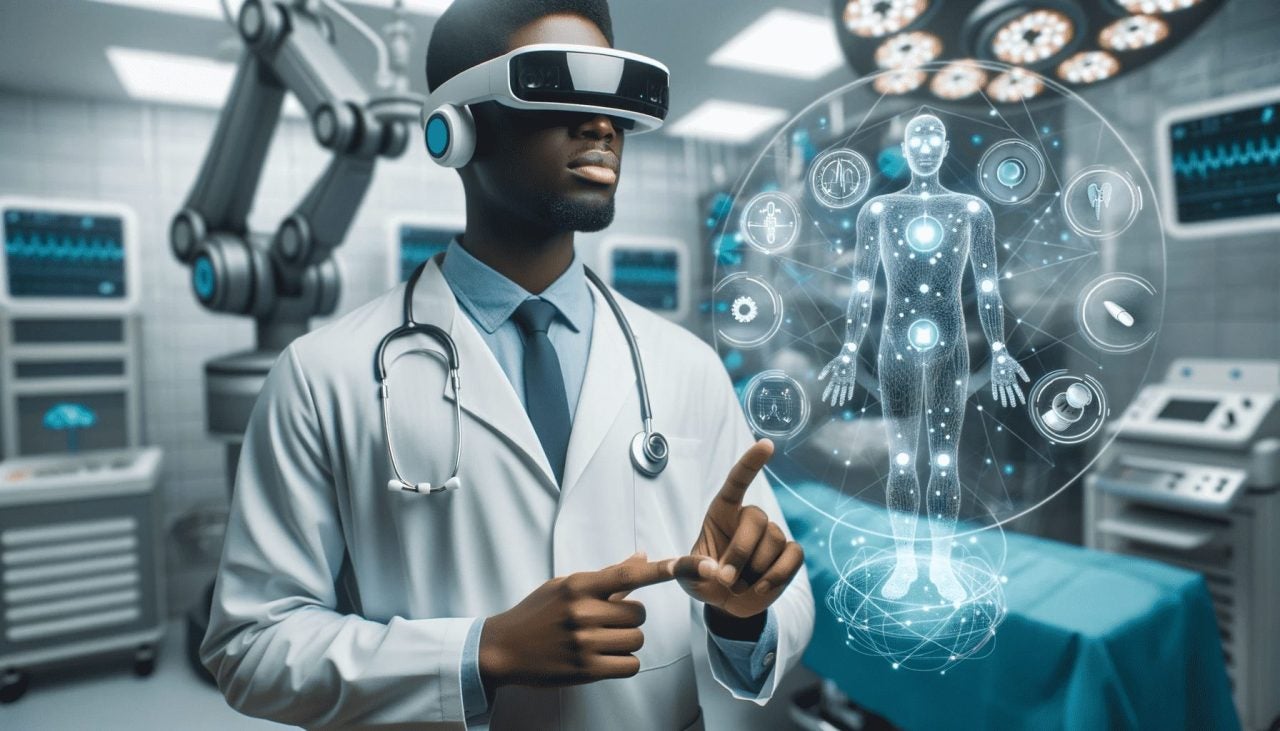
According to a recent McKinsey survey for the fourth quarter of 2025, 50% of healthcare organizations in the United States have implemented generative artificial intelligence (genAI) solutions. This milestone marks the first time that adoption has reached 50% since McKinsey began tracking this trend in 2023. The survey covers a wide range of entities, including healthcare providers, insurers, and health technology and services companies.
Artificial Health
The adoption of genAI is not only seen as a tool for management; in fact, 54% of organizations use this technology to improve clinical productivity, making it the most common use case. Potential applications include assistance in patient care, medical literature search, note transcription, and support in diagnostics. This underscores a significant shift towards the integration of advanced technologies in the clinical field.
A revealing fact is that 87% of healthcare organizations believe that genAI can have a significant impact on improving administrative efficiency. Although many organizations are still in the pilot phase, those that have already implemented genAI expect to achieve a return on investment (ROI) of between 2 and 4 times, especially through labor cost reduction and increased staff productivity.
However, measuring ROI in the clinical field presents challenges. This makes initial acceptance by physicians and user adoption crucial. According to a recent AMA survey, it is essential to have clear training materials and solid clinical evidence to support the use of genAI, highlighting accuracy in diagnostics and the interpretation of medical images.
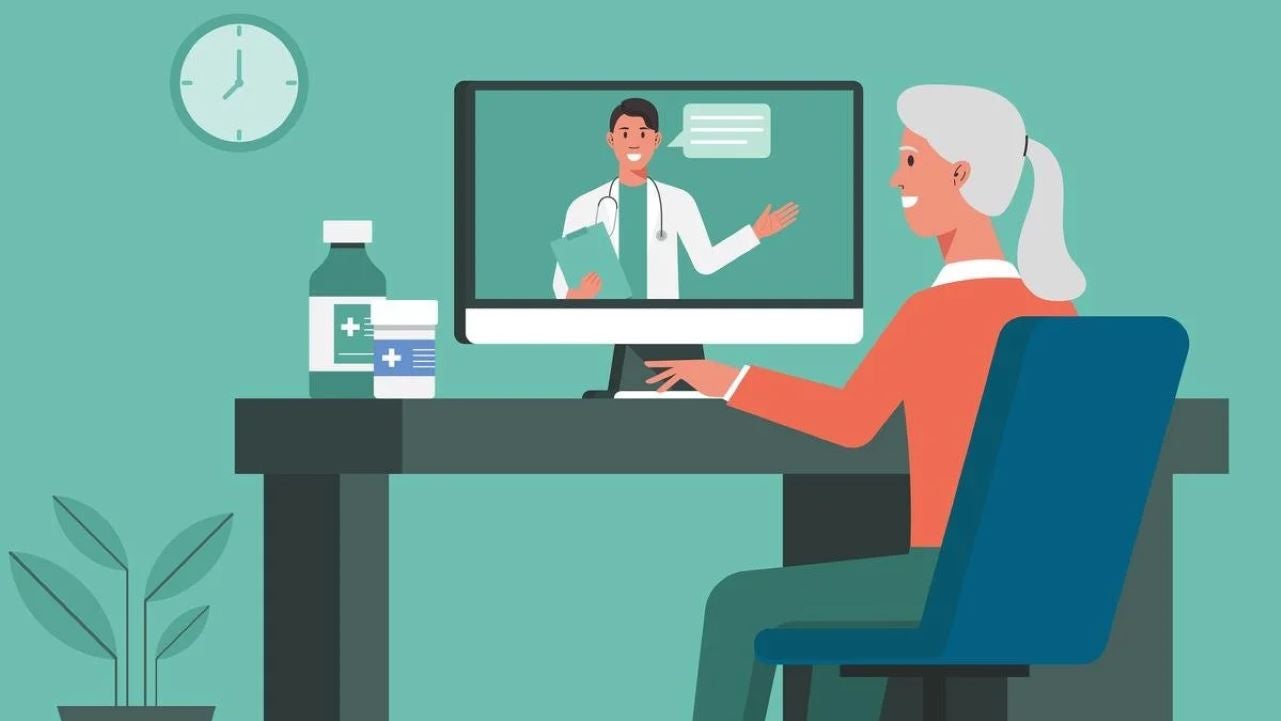
Telemedicine companies are expanding their services specifically aimed at women’s health, in response to a growing interest and demand from this segment of the population. Among the new offerings are medications for weight loss and menopause management programs, aimed at addressing health needs that have often been overlooked. Health by webcam According to a recent report titled Women’s Health Habits, statistics reveal that women use telemedicine services more than men, which translates into […]
Telemedicine companies are expanding their services specifically aimed at women’s health, in response to a growing interest and demand from this segment of the population. Among the new offerings are weight loss medications and menopause management programs, aimed at addressing health needs that have often been overlooked.
Health by webcam
According to a recent report titled Women’s Health Habits, statistics reveal that women use telemedicine services more than men, which translates into a higher overall consumption of health services and greater spending on medical care and prescription medications. This phenomenon suggests that health decisions and expenditures are predominantly controlled by women, both for themselves and for their families.
With the shift towards telehealth care, telemedicine providers are required to adapt their services to capture this new consumer behavior. Experts suggest that these companies should not only focus on offering diverse health services, but also on personalizing the user experience in order to align with the expectations and needs of women. In this sense, it is vital for telemedicine providers to recognize that their offering must go beyond just a simple virtual consultation.
In a context where women control health spending, the transition from in-person care to telemedicine opens up a wide range of opportunities for companies. It is crucial that these organizations develop services that are not only accessible, but also relevant and specific to the unique concerns that women face at different stages of their lives.
If a few years ago you were told that you would trust what a machine says about your body, you would laugh. However, here we are: the search for information driven by artificial intelligence (AI) has become the norm, especially in critical areas like health. Although AI offers instant answers, this immediacy can lead users to not explore original sources or relevant nuances. A recent MIT study indicates that this phenomenon can have a significant cognitive cost, and it may suppress the critical thinking necessary to question the validity of […]
If a few years ago you were told that you would trust what a machine says about your body, you would have laughed. However, here we are: the search for information driven by artificial intelligence (AI) has become the norm, especially in critical areas like health. Although AI offers instant answers, this immediacy can lead users to not explore original sources or relevant nuances. A recent MIT study indicates that this phenomenon can have a significant cognitive cost and may suppress the critical thinking necessary to question the validity of the information presented.
AI is fine
A personal investigation into digital health trends revealed how responses generated by AI tools can mask the lack of credibility in their sources. When analyzing a statistical data point that was gaining relevance, it was discovered that the source was a blog without authority or proper credentials, even though the data had been correctly referenced. This type of misunderstanding can be dangerous in the health field, where misinterpretation of data can lead to harmful decisions for individuals’ well-being.
The excessive use of AI tools can also affect critical reading skills that are essential in healthcare. The lack of questioning about the origin and context of the information can result in a blind acceptance of what is presented as objective truth by AI. This raises questions about who benefits from the messages conveyed and what perspectives may be missing.
Both individuals and health organizations have the responsibility to promote critical consumption of information. To ensure that people access accurate and well-referenced content, it is essential to reinforce basic literacies and demand high standards of transparency in technological platforms. Collaboration between health brands, educators, and regulators is essential to ensure that AI does not replace critical thinking but rather complements access to quality information.
A 72-year-old retiree has found a new purpose and happiness through Pokémon GO, a mobile video game that combines physical exercise with entertainment. After a medical recommendation to increase her physical activity, the woman decided to try the popular game, thanks to her son’s suggestion. Since then, her life has changed, turning daily walks into an exciting adventure where she can catch Pokémon and participate in raids. One thing is to play Pokémon GO, another is to do it the way she does. What makes the story even more striking is that this […]
A 72-year-old retiree has found a new purpose and happiness through Pokémon GO, a mobile video game that combines physical exercise with entertainment. Following a medical recommendation to increase her physical activity, the woman decided to try the popular game, thanks to her son’s suggestion. Since then, her life has changed, turning daily walks into an exciting adventure where she can catch Pokémon and participate in raids.
One thing is to play Pokémon GO, another is to do it like she does
What makes the story even more striking is that this enthusiastic player has taken her passion to the next level by using up to six mobile devices at the same time. This approach allows her not only to reduce waiting times between actions but also to maximize her participation in battles and fights within the game. By having multiple accounts, she is better equipped to face challenges in raids and competitions like the Dynamax.
To manage all these devices effectively, a friend designed a clever solution for her: a wooden table that holds each of the phones, attached to her neck. This way, she can play comfortably while walking, enjoying long periods of outdoor activity. This invention not only provides her with comfort but also allows her children and grandchildren to join her, taking the opportunity to share family moments while exploring the virtual world of Pokémon GO.
Although the game allows the option to play from home, the experience is significantly enriched by going out into the street, which this retiree has fully embraced. In this way, she has become an example of how technology and video games can improve the social life and health of older adults.
After the visit from Professor Willow, choose your Pokémon trainer and go out to catch some creatures. You must be careful because it won't be an easy task; first, you have to catch one of the three Pokémon available to you, between Squirtle, Bulbasaur, and Charmander. Once you have done that, your adventure will begin. Navigate through the map to capture your little monsters and make use of all the alternatives and possibilities of Pokémon GO.
Researchers acknowledge that there is still much work to be done, but the initial capabilities of the Med-Gemini model are certainly promising.
Google Research and Google’s AI research lab, DeepMind, have detailed the impressive scope of Med-Gemini, a family of advanced AI models specialized in medicine. This is a huge breakthrough in clinical diagnosis with enormous potential in the real world.
Los médicos tratan a una multitud de pacientes todos los días, con necesidades que van desde simples hasta muy complejas. Para brindar una atención efectiva, deben estar familiarizados con el historial médico de cada paciente y mantenerse actualizados sobre los últimos procedimientos y tratamientos.
Y luego está la relación extremadamente importante entre médico y paciente, basada en la empatía, la confianza y la comunicación. Para que una IA se parezca a un médico de la vida real, debe ser capaz de hacer todas estas cosas.
Google just announced Med-Gemini for medical tasks.
Los modelos son expertos en lenguaje y conversación, en comprender información diversa para la cual han sido entrenados, y en lo que se llama “razonamiento de largo contexto”, es decir, razonar a partir de grandes cantidades de datos, como horas de video o docenas de horas de audio.
Med-Gemini has all the advantages of the foundational Gemini models, but it has perfected them. Researchers tested these medicine-focused adjustments and included their findings in the article.
Para llegar a un diagnóstico y formular un plan de tratamiento, los médicos deben combinar sus propios conocimientos médicos con una gran cantidad de información relevante: síntomas del paciente, historial médico, quirúrgico y social, resultados de laboratorio y otros resultados de pruebas de investigación, y la respuesta del paciente a tratamientos anteriores.
Los tratamientos son un “festín móvil” en el que se actualizan los existentes y se introducen nuevos. Todo esto influye en el razonamiento clínico del profesional.
Por eso, con Med-Gemini, Google incluyó acceso a búsquedas web para permitir un razonamiento clínico más avanzado. Al igual que muchos modelos de lenguaje extensos (LLMs) enfocados en medicina, Med-Gemini fue entrenado con MedQA, preguntas de opción múltiple representativas del Examen de Licencia Médica de Estados Unidos (USMLE) diseñadas para evaluar el conocimiento médico y el razonamiento en diversos escenarios.
【Googleが発表した最新の医療AI、Med-Gemini】 医師の視点から解説します。
Googleから、"Med-Gemini" が発表されました。 いくつかのタスクにおいて、
①AIが人間の医師を超え、 ②そして Med Gemini が、過去全てのAIを超えた (SoTA)
However, Google also developed two new datasets for their model. The first one, MedQA-R (Reasoning), expands MedQA with synthetically generated reasoning explanations called “Chain-of-Thoughts” (CoTs). The second one, MedQA-RS (Reasoning and Search), provides the model with instructions to use web search results as additional context to improve answer accuracy.
Si una pregunta médica conduce a una respuesta incierta, se le pide al modelo que realice una búsqueda en Internet para recopilar más información y resolver la incertidumbre.
Google’s Gemini Crushed OpenAI’s GPT-4
Med-Gemini fue probado en 14 pruebas médicas de referencia y estableció un nuevo estado del arte (SoTA) en 10 de ellas, superando a la familia de modelos GPT-4 en todos los casos en los que se pudo realizar una comparación.
En la prueba de referencia MedQA (USMLE), Med-Gemini logró una precisión del 91.1% utilizando su estrategia de búsqueda guiada por la incertidumbre, superando al anterior LLM médico de Google, Med-PaLM 2, en un 4.5%.
FINE-TUNING DE LOS LLMs EN MEDICINA ?Atención a la familia multimodal Med-Gemini de Google: https://t.co/rdUH6icMN6
?Un trabajo complejo, de lectura y análisis mandatorio, que refleja la importancia del interplay médico-ingeniero en #IA.
¿Hacia dónde nos dirigimos? Los investigadores reconocen que aún queda mucho trabajo por hacer, pero las capacidades iniciales del modelo Med-Gemini son sin duda prometedoras. Y lo que es más importante, planean incorporar principios de IA responsable, como la privacidad y la equidad, a lo largo del proceso de desarrollo del modelo.
Según investigadores, “las consideraciones de privacidad, en particular, deben basarse en las políticas y regulaciones de salud actuales que rigen y protegen la información del paciente”.
But ultimately, Med-Gemini looks like a tool for good.
By offering a tool that encourages personal reflection, stress management and emotional well-being, Apple demonstrates, once again, its commitment to health care.
Apple may be preparing to launch a new iPhone diary app, according to a report published by The Wall Street Journal. The app, which will allow users to record their daily activities, marks another step in the company’s efforts to delve into the world of health, both physical and mental.
Sleep is essential and being able to understand it well is essential to maintaining good health. That is exactly why studies like this one that stars the Apple Watch are launched.
The Apple Watch has proven time and again to be a tremendously valuable tool for measuring key metrics of our health, including sleep. In this field it is able to detect sleep patterns, sleep duration and sleep quality. And subsequently, with this data in hand, we can better understand our sleep habits and, if necessary, improve them.
Sleep tracking may seem like just another metric, but the truth is that it can provide important information about overall health, as the quality and quantity of sleep is directly related to health and can indicate irregularities, such as obesity, diabetes and even heart disease. To better understand all this is precisely the aim of the study that has been carried out with data from the Apple Watch and that reveals something (that we all already knew) about our sleep habits.
Five more minutes, please
Data generated by the Apple Watch for the Apple Heart and Motion Study in cooperation with Brigham and Women’s Hospital indicate that most people do not get enough sleep at night. The study was started in 2019 to initially look for early signs of atrial fibrillation (AFib) in conjunction with the American Heart Association. However, an updated version of the data focusing on sleep shows that we should be getting more sleep.
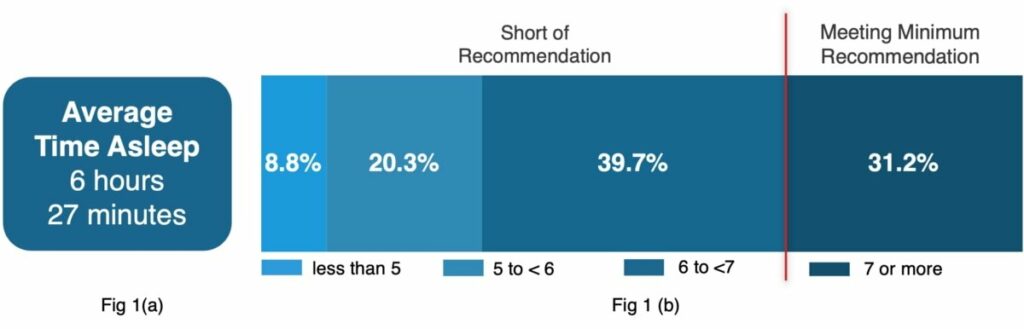
Data collected by the Apple Watch from people who have chosen to participate in the study reveal that the average time spent sleeping is 6 hours and 27 minutes. Only 31.2% of people manage to sleep seven or more hours, which meets the minimum recommended by the American Heart Association. Most participants sleep between six and seven hours, with 39.7% of them achieving that figure. Another 20.3% sleep between five and six hours a night, and 8.8% sleep less than five hours.
It is well known that sleep is an important area for health and well-being. The duration and consistency of this rest is related to several health issues, according to Brigham and Women’s Hospital. The catch here is that, until now, conducting studies of this type has been tremendously complicated. Not only that, but the reliability of the data was very different. We have already seen, to give just one example, how the GPS accuracy of the Apple Watch Ultra exceeded all expectations or how it saved the lives of its owner and a friend.
In this sense, what the Apple Watch can do in terms of collecting accurate data to feed scientific research is truly amazing. Gathering more than 42,000 people, as reported by Apple Insider, to organize a study of these characteristics is now a much simpler task and, of course, totally respectful of the privacy of the participants who can see what data they provide at all times and decide whether to continue. A great advantage that, as the study aims, sooner rather than later may yield conclusions that have a positive impact on our rest and day to day.
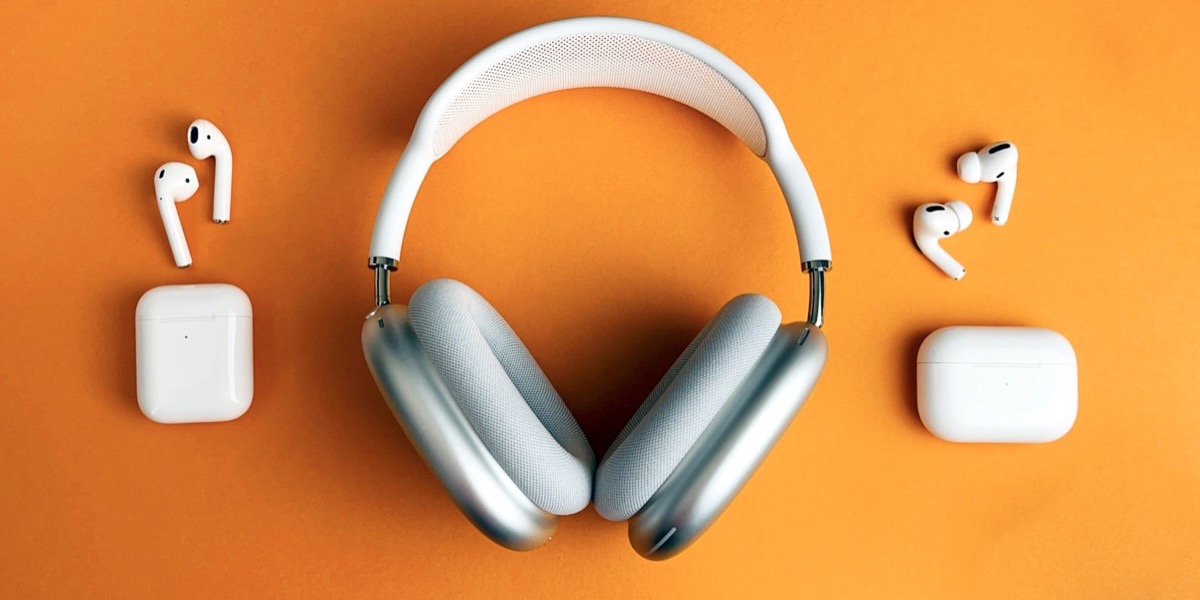
AirPods can go much further than just playing music. A leak gives us hints at Apple’s long-term goal for these devices.
Apple’s AirPods have become one of the most popular wireless headphones on the market, with their sleek design, ease of use and simple connectivity with all Apple devices. In addition to their popularity in technology and even fashion, AirPods also have great potential in the health and wellness field.