Samsung could make the biggest mistake of its life with the Galaxy Z Flip 7

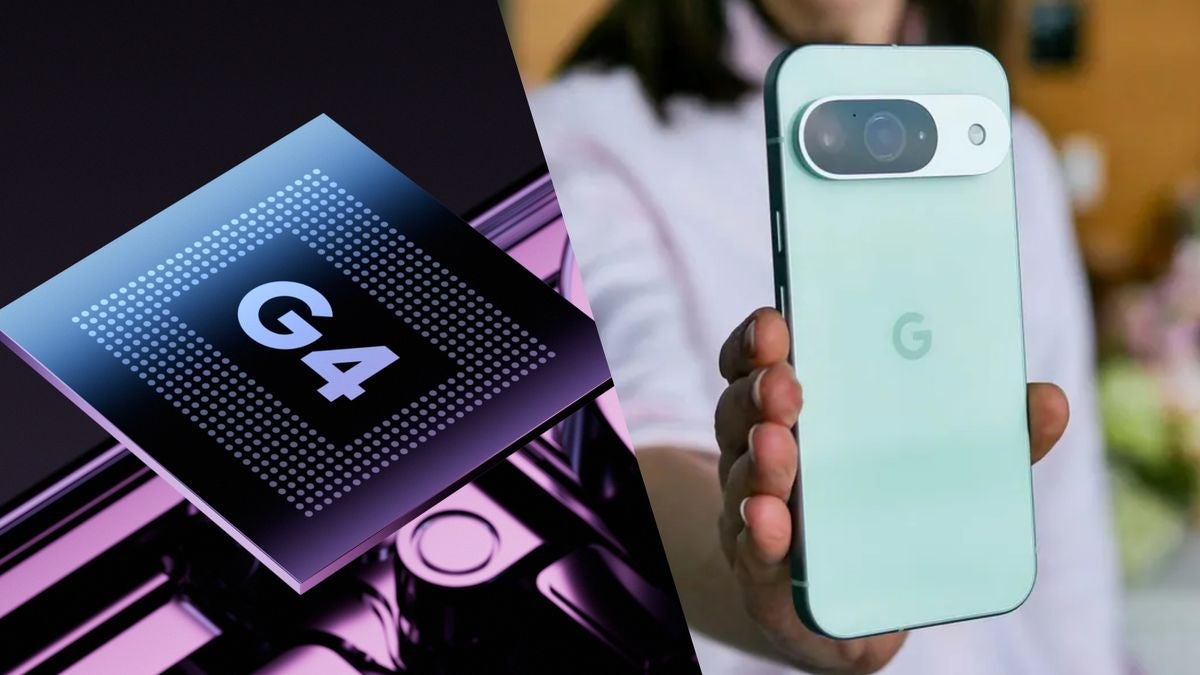
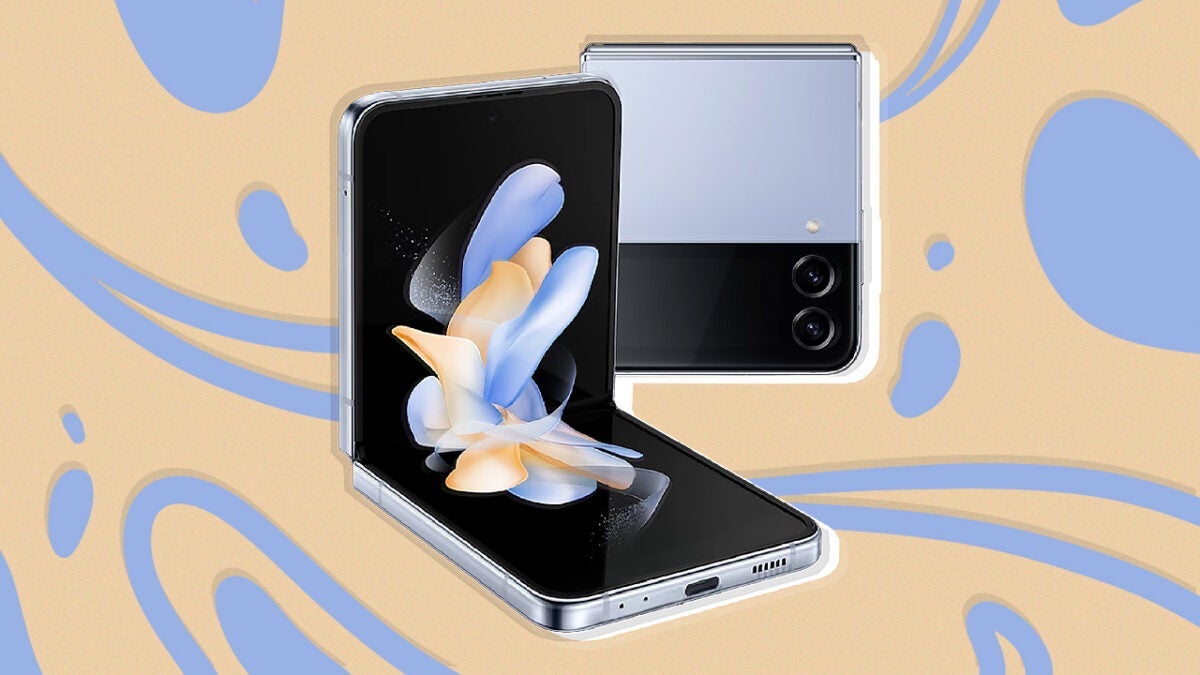
Samsung has made the decision to integrate its own chip system, the Exynos 2500, into the highly anticipated Galaxy Z Flip 7. According to data from The Chosun Daily, despite the low estimated performance rates between 20% and 40%, the South Korean company is moving forward with this plan, marking a significant shift from the previous preference for Snapdragon chipsets. Although the manufacturing of the Exynos 2500 does not meet the ideal performance rate of 60% in mass production, it is expected to be used in the Galaxy Z Flip 7, which sets it apart from others […]

Samsung has made the decision to integrate its own chip system, the Exynos 2500, in the highly anticipated Galaxy Z Flip 7. According to data from The Chosun Daily, despite the low estimated performance rates between 20% and 40%, the South Korean company is moving forward with this plan, marking a significant shift from its previous preference for Snapdragon chipsets.

Although the manufacturing of the Exynos 2500 does not meet the ideal yield rate of 60% in mass production, it is expected to be used in the Galaxy Z Flip 7, which sets it apart from other Samsung products that require more reliable and powerful processors.

This decision is based on the assessment that the reduced shipping volumes of foldable models like the Z Flip 7 facilitate the implementation of the Exynos. Come on, since it sells little, they can afford it.

The presentation of the Galaxy Z Flip 7 will be in July

The Galaxy Z Flip 7, which is rumored to be unveiled during a Galaxy Unpacked event in New York in July, will begin mass production throughout this month.

In contrast, the Galaxy Z Fold 7 is expected to maintain a Snapdragon processor, reflecting a differentiated strategy for each model in Samsung’s foldable product line.

The persistent challenge facing Samsung Foundry in chip manufacturing has led the company to rely on processors from MediaTek and Qualcomm in its latest devices. Although the Galaxy S24 series included the Exynos 2400 in some regions, the Galaxy S25 was launched with Qualcomm’s Snapdragon 8 Elite chipsets globally, highlighting the complexity of the current semiconductor production landscape.

In conclusion, the shift to the Exynos 2500 in the Galaxy Z Flip 7 reflects a strategic adaptation by Samsung in response to the challenges of chip production and market fluctuations. This new approach is expected to generate both interest and skepticism among technology enthusiasts.
Will the anticipated Google Pixel 10 have a display that takes care of all of us?

Google is in the midst of developing the Pixel 10 smartphones, following its usual release schedule. However, what stands out the most is the special attention the company is paying to the screens of these devices, focusing on identifying how their panels affect users sensitive to pulse-width modulation (PWM). Pulse-width modulation is a technique used in OLED screens that causes flickering to enhance visual quality and brightness perception. Google is focusing on screen sensitivity in the upcoming […]

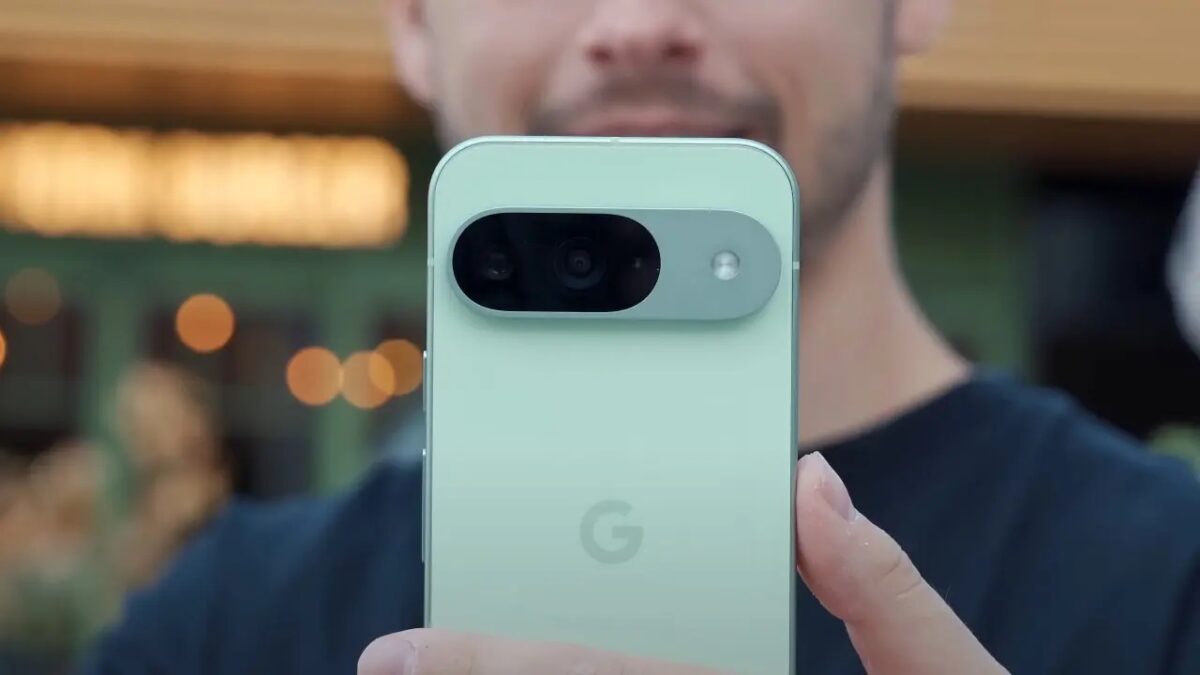
Google is in full development of the Pixel 10 smartphones, following its usual release schedule.

However, what stands out the most is the special attention that the company is paying to the screens of these devices, focusing on identifying how their panels affect users sensitive to pulse-width modulation (PWM).

Pulse width modulation is a technique used in OLED screens that causes flickering to enhance visual quality and brightness perception.

Google focuses on screen sensitivity in upcoming Pixel 10 smartphones

Although this is technically beneficial, it can trigger headaches and other symptoms in people who are sensitive to this type of flicker. So far, Pixel phones have stood out for having lower PWM rates compared to other high-end smartphones, suggesting the need for a flicker reduction option.

According to information provided to Android Central, Google is “aware and investigating” this issue and has promised updates later this year.

While there are no guarantees that the improvements will be implemented in the Pixel 10, it is reasonable to speculate that the next generation of devices could benefit from these innovations. It is rumored that the Pixel 10 could improve the PWM rate to 240 Hz or even 480 Hz, following in the footsteps of competitors like Samsung, Honor, and OnePlus.

For users who suffer from sensitivity to blinking, it could be crucial for Google to integrate an accessibility mode that reduces blinking, a feature that has already been adopted by other brands in the industry.

Although there are still no specific details about the announcement date of the Pixel 10 smartphones, Google’s attention to PWM sensitivity is a positive step in the right direction, not only for those who are susceptible to these issues but for all users in general.

Motorola wants to change the way we use the phone

Motorola has unveiled its new line of Razr 2025 models, offering options ranging from budget-friendly experiences to premium alternatives. This launch marks a renewed attempt by the company to regain its relevance in the smartphone market, following a period of difficulties that left it in the background due to Google’s decisions. The company is confident that its offerings will attract both users with limited budgets and those willing to invest more in cutting-edge technology. Motorola presents the Razr 2025 range with budget and premium options One of the highlights of these […]

Motorola has introduced its new line of Razr 2025 models, which offers options ranging from budget experiences to premium alternatives.

This launch marks a renewed attempt by the company to regain its relevance in the smartphone market, after a period of difficulties that left it in the background due to Google’s decisions.

The company is confident that its proposals will attract both users with limited budgets and those willing to invest more in cutting-edge technology.

Motorola presents the Razr 2025 range with budget and premium options

One of the highlights of these new models is the integration of Perplexity AI, a decision that has generated both excitement and concern.

While the inclusion of this artificial intelligence allows for advanced functions, such as sending messages or performing tasks directly from the device, it also raises serious concerns about Perplexity’s data security and protection practices. The company has faced scrutiny over its data-sharing practices, which could be problematic for its users.

The capabilities of Perplexity AI go beyond those of other artificial intelligence applications by deeply integrating with the device’s operating system.

However, users should be aware that for Perplexity to perform these tasks, it needs access to personal information, which could compromise their privacy. As discussed in recent reports, tech companies, including Motorola, do not always have users’ interests in mind, but rather seek to monetize them.

Despite these concerns, many users may be drawn to the promising features of Perplexity AI. However, the use of an artificial intelligence that has faced significant criticism for its safety should be considered with caution.

Android Central has contacted Motorola for clarification on how they will handle user data in collaboration with Perplexity and will update their article as soon as they receive a response.

After the great blackout, everyone wants a smartphone with FM radio

The recent power outage that left Spain disconnected for an entire day has highlighted a feature that many modern smartphones have discarded: the FM radio. At a time when communications became critical, many users opted to turn to older devices to listen to the radio, as current models lack the necessary chip to tune into FM stations. Although the need for FM radio did not seem imperative, the blackout demonstrated its usefulness in emergency situations. Xiaomi and Motorola continue to offer FM radio Currently, the situation of […]

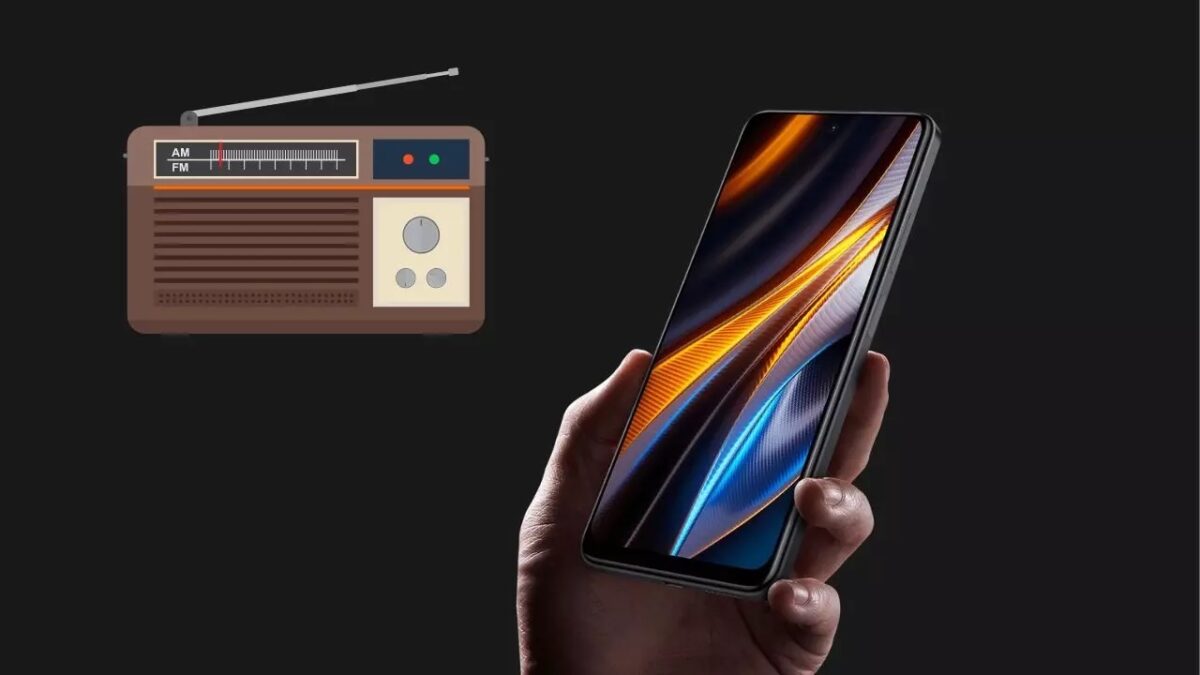
The recent power outage that left Spain disconnected for an entire day has highlighted a feature that many modern smartphones have discarded: the FM radio.

At a time when communications became critical, many users opted to turn to older devices to listen to the radio, as current ones lack the necessary chip to tune into FM stations.

Although the need for FM radio did not seem imperative, the blackout demonstrated its usefulness in emergency situations.

Xiaomi and Motorola continue to offer FM radio

Currently, the market situation is concerning, as most smartphones have eliminated this functionality, reflecting a trend to forget this feature. However, there are still exceptions in the market, specifically in the brands Xiaomi and Motorola, which offer devices with FM radio support.

The Xiaomi Redmi Pad SE 8.7 tablet, although it is one of the most basic in its catalog, includes this functionality, becoming one of the few options available for those who need access to FM radio.

On the other hand, Motorola has also maintained support in some of its entry-level models, such as the Moto E15 and the Moto G35, although it seems to be a feature that is still in decline.

Despite their convenience, devices with FM radio face additional challenges, such as a lack of applications that support this feature and battery life issues.

As technology advances, support for FM radio has been relegated, along with the possibility of having a communication option in critical situations. Perhaps the recent crisis serves as a reminder of the importance of this means of communication, even if it is considered obsolete today.

Google Photos Introduces Exciting Ultra HDR Effect for Photo Enhancements

In an exciting update for photography enthusiasts, Google Photos has introduced the ability to enhance images with its new Ultra HDR effect.

This feature can be applied not only to newly taken photos but also to those previously uploaded, allowing users to revamp their photo libraries with enhanced vibrancy and saturation.

The rollout of the Ultra HDR functionality has begun, with select Google Photos users already experiencing the enhancement.

Google Photos Introduces Exciting Ultra HDR Effect for Photo Enhancements

However, it remains unclear if the feature will be limited to high-end Android devices or if it will eventually expand to a broader range of smartphones. As of now, users eager to try this feature may need to exercise patience as it becomes more widely available.

The Ultra HDR mode promises significant improvements in the color palette of standard images. Users can look forward to a more vibrant and saturated look, which should elevate the overall quality of their photos. Importantly, this new effect is backward compatible, meaning that even users without HDR display capabilities will still enjoy enhanced images, albeit with traditional color ranges.

Previously spotted in development as early as September 2024, the Ultra HDR feature has finally made its way into version 7.24.0.747539053 of the Google Photos app.

Users can find the capability within the Adjust section of the editing tools, where a slider will enable them to control the intensity of the HDR effect. This will replace the existing HDR Effect option, making for a more streamlined editing experience.

While there’s no confirmed timeline for a full rollout to all users, the quick deployment to some suggests that the feature could become widely accessible sooner rather than later. As excited users await this update, they can preview the Ultra HDR effect on GitHub—just ensure that you’re using an HDR-compatible device to fully appreciate its capabilities.

Nothing presents its new super cheap smartphone under the CMF brand

The company Nothing has announced the launch of its new CMF Phone Pro 2, scheduled for April 28, 2025. This device was showcased in various social media posts, where the company highlighted both its design and functionality, using the slogan “Playful and Powerful.” The CMF Phone Pro 2 maintains a design similar to its predecessor, with rounded edges and a triple camera setup on the back. Discover the CMF Phone Pro 2 along with the new Buds 2a and Buds 2 Plus The new phone features a main camera of 50 MP, […]

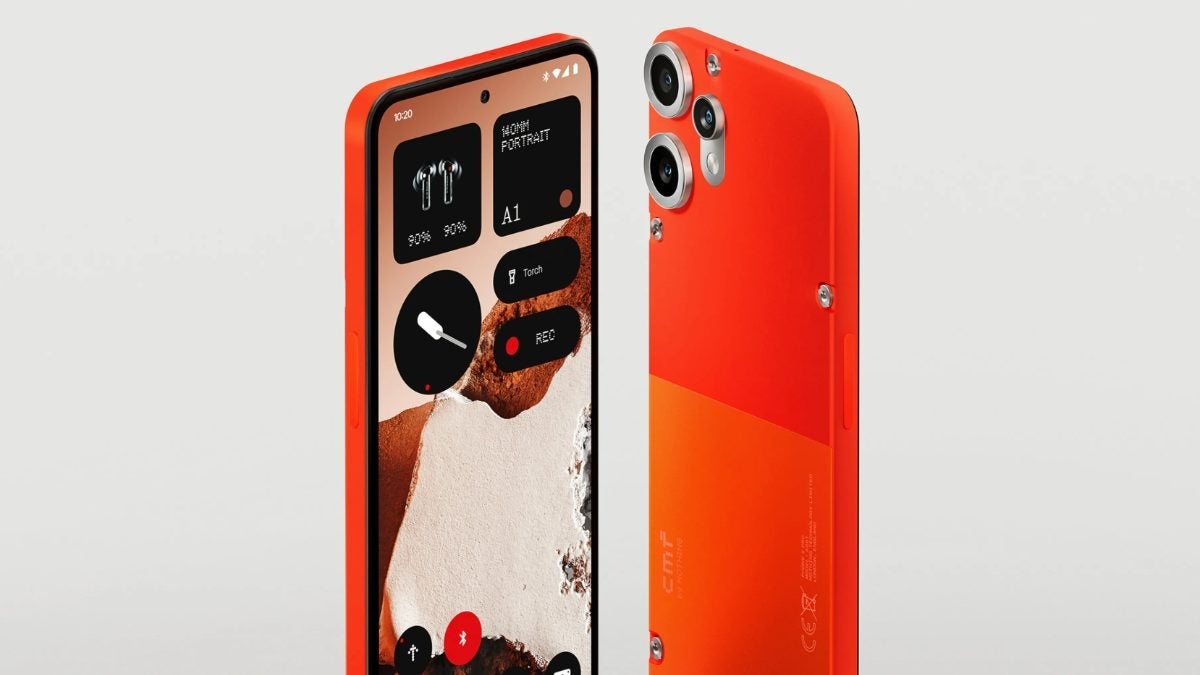
The company Nothing has announced the launch of its new CMF Phone Pro 2, scheduled for April 28, 2025.

This device was showcased in various social media publications, where the company highlighted both its design and functionality, using the slogan “Playful and Powerful”.

The CMF Phone Pro 2 maintains a design similar to its predecessor, with rounded edges and a triple camera setup on the back.

Discover the CMF Phone Pro 2 along with the new Buds 2a and Buds 2 Plus

The new phone features a 50 MP main camera, a 50 MP telephoto lens, and an 8 MP ultrawide sensor, offering impressive photographic capabilities.

The company has commented in its forum that the device has been redesigned both internally and externally, with a matte finish and a paper-like texture on the bottom of the back. Additionally, the large screws on the back have been highlighted, allowing for a unique customization of the device.

Regarding performance, the CMF Phone Pro 2 is equipped with the MediaTek Dimensity 7300 chip, which offers 5G compatibility. Adjustments have been made to improve performance compared to the first generation. A new action button has also been incorporated, which will activate the ‘Essential Spaces’ feature, powered by artificial intelligence. This functionality will allow for capturing, organizing, and acting on information more efficiently.

In addition to the phone, Nothing will launch the Buds 2a and Buds 2 Plus alongside the CMF Phone Pro 2. The new earbuds offer up to 55 hours of playback and active noise cancellation support, with an estimated cost of $59. With a joint launch, Nothing aims to reaffirm its presence in the competitive mobile device market.

Google wants the Pixel 9a to copy a key feature from Apple

The Google Pixel 9a has made significant progress on its way to launch, having recently completed the registration process with the Federal Communications Commission (FCC) in the United States. This news is a direct indication that the official presentation of the device is near, and multiple leaks suggest that brand fans may be enjoying its arrival on March 19. Among the standout features of the Pixel 9a is its satellite emergency communication capability, which will allow users to send messages even in circumstances where there is no cellular or WiFi coverage. […]

The Google Pixel 9a has made significant progress on its way to launch, having recently completed the registration process with the Federal Communications Commission (FCC) in the United States.

Disney+ DOWNLOAD

This news is a direct indication that the official presentation of the device is near, and multiple leaks suggest that brand fans may be enjoying its arrival on March 19.

Among the standout features of the Pixel 9a, its satellite emergency communication capability stands out, which will allow users to send messages even in situations where there is no cellular or WiFi coverage.

A very powerful feature for Google

This functionality, which was introduced in the Pixel 9 series, aligns the 9a with the current trend in smartphones, where it will compete directly with the iPhone 16e, which already includes satellite messaging capabilities.

In terms of design, the Pixel 9a will boast a noticeably different aesthetic as it will not have the iconic camera bar present in its predecessors.

This change will result in a cleaner and more compact design, helping the device to sit completely flat on surfaces like tables or wireless charging pads. The phone is expected to be offered in three colors —black, dirty white, and light purple— with the possibility of a pink option later on.

Disney+ DOWNLOAD

The leaks have also revealed that the Pixel 9a could include several extras such as official wallpapers and a plastic case. Additionally, it is believed that the front camera will be larger, thus improving the experience in photography and video calls. Although these features come from rumors and leaks, they reflect the growing expectations surrounding this new model from Google.

Is it bad for the sector not to have a One Plus Open 2 in 2025?

OnePlus has decided not to launch the highly anticipated OnePlus Open 2 this year, describing the decision as a “recalibration” of its plans in the foldable device sector. This announcement, made by a product manager in a community note published on the company’s website, has left many surprised, considering that the OnePlus Open, launched in 2023, had set a new standard in the foldable phone market. The OnePlus Open received praise for its slim design, its hinge that minimized the visible crease, and its innovative multitasking system called Open Canvas. We all want a new […]

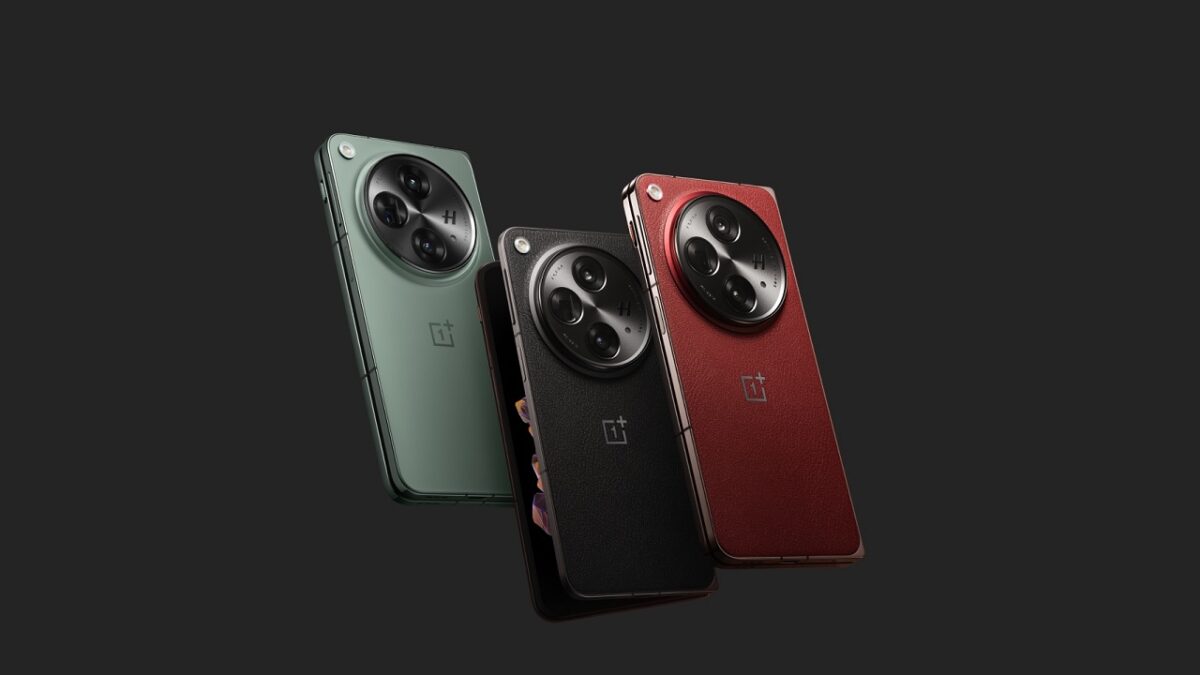
OnePlus has decided not to launch the anticipated OnePlus Open 2 this year, describing the decision as a “recalibration” of its plans in the foldable device sector.

YouTube Music DOWNLOAD

This announcement, made by a product manager in a community note published on the company’s website, has left many surprised, considering that the OnePlus Open, launched in 2023, had set a new standard in the foldable phone market.

The OnePlus Open received praise for its slim design, its hinge that minimized the visible crease, and its innovative multitasking system called Open Canvas.

We all want a new One Plus Open 2

This last one allowed users to easily switch between full-screen applications, significantly improving productivity. However, the lack of a successor raises concerns about the future of innovation in this market segment.

The OnePlus Open 2 was expected to be inspired by the Oppo Find N5, which supposedly promised better camera performance and a lighter design.

With the OnePlus Open 2 out of the equation, there are now concerns that the pace of innovation in foldable devices may slow down. Additionally, rumors about future launches from competitors, such as the Galaxy Z Fold 7, suggest changes that could be primarily iterative, without offering significant advancements.

Rumors about a possible Galaxy G Fold with triple fold and a more affordable Galaxy Z Flip FE model are circulating, which could bring relief to the market.

YouTube Music DOWNLOAD

Despite the absence of a OnePlus Open 2, while the competition remains active, the lack of this model could lead other manufacturers to rethink their strategies to stay relevant in an increasingly competitive landscape of foldable phones.

We already have the price of the Pixel 9a in Europe: Apple trembles

The prices of the anticipated Pixel 9a have just been leaked in several European countries, revealing that the basic model of 128 GB could be priced at €549 in Belgium, France, Germany, Italy, and Spain, while the 256GB version could sell for €649. In Ireland, the figures could rise to €559 and €659, respectively. In the UK, the smartphone is expected to cost £499 for the 128GB model and £599 for the 256GB one. Meanwhile, in Canada, a price of $679 and $809 is expected for the same configurations. Google wants to maintain […]

The prices of the anticipated Pixel 9a in several European countries have just been leaked, revealing that the basic model of 128 GB could be priced at €549 in Belgium, France, Germany, Italy, and Spain, while the 256GB version could be sold for €649.

ChatGPT DOWNLOAD

In Ireland, the figures could rise to €559 and €659, respectively. In the United Kingdom, the smartphone is expected to cost £499 for the 128GB model and £599 for the 256GB model. Meanwhile, in Canada, a price of $679 and $809 is expected for the same configurations.

Google wants to keep its economic model cheap, unlike Apple

The leaked prices suggest that Google has no plans to drastically increase the price of the Pixel 9a, keeping figures similar to those of the Pixel 8a.

In the United States, it is rumored that prices could be around $499 for the entry-level model and $559 for the more advanced version, maintaining the same pricing strategy as in previous years.

Regarding the specifications, the Pixel 9a will feature a 6.3-inch OLED display with a 120 Hz refresh rate and will be powered by Google’s Tensor G4 processor. One of the most notable features of this model is its new dual-camera design, which eliminates the prominence of the rear camera, providing a sleeker and more harmonious finish.

It is believed that the photographic capability will be comparable to that of the Pixel 9, with a main lens of 48 MP and an ultrawide lens of 13 MP.

ChatGPT DOWNLOAD

The launch of the Pixel 9a is rumored to be on March 26, 2025, continuing Google’s tradition of introducing its mid-range devices in spring. Despite the leaks, brand fans remain hopeful about what this new model can offer in the competitive smartphone market.