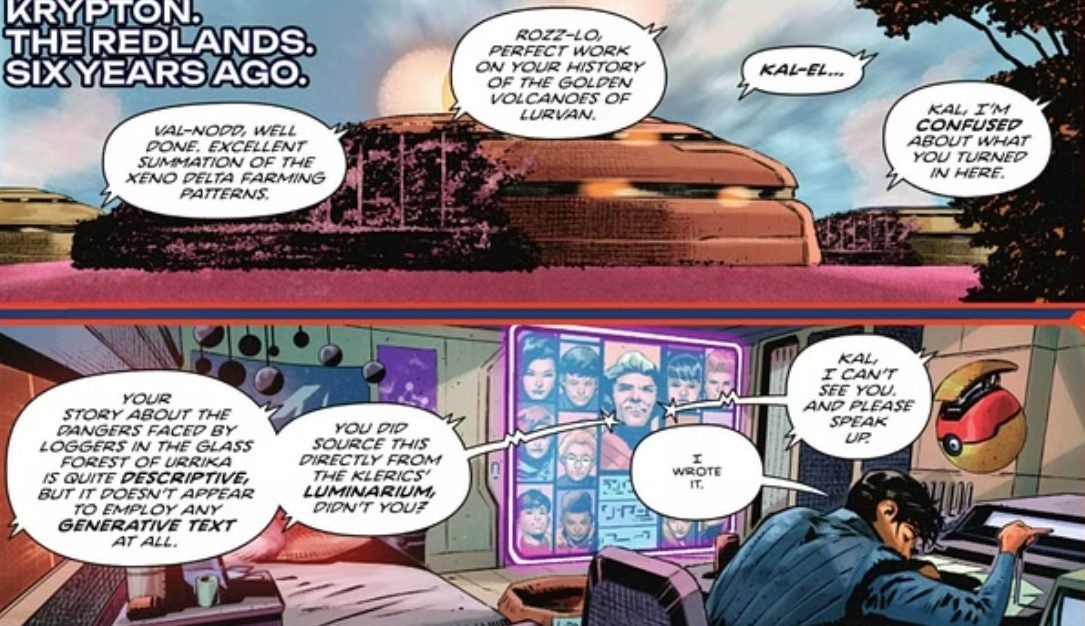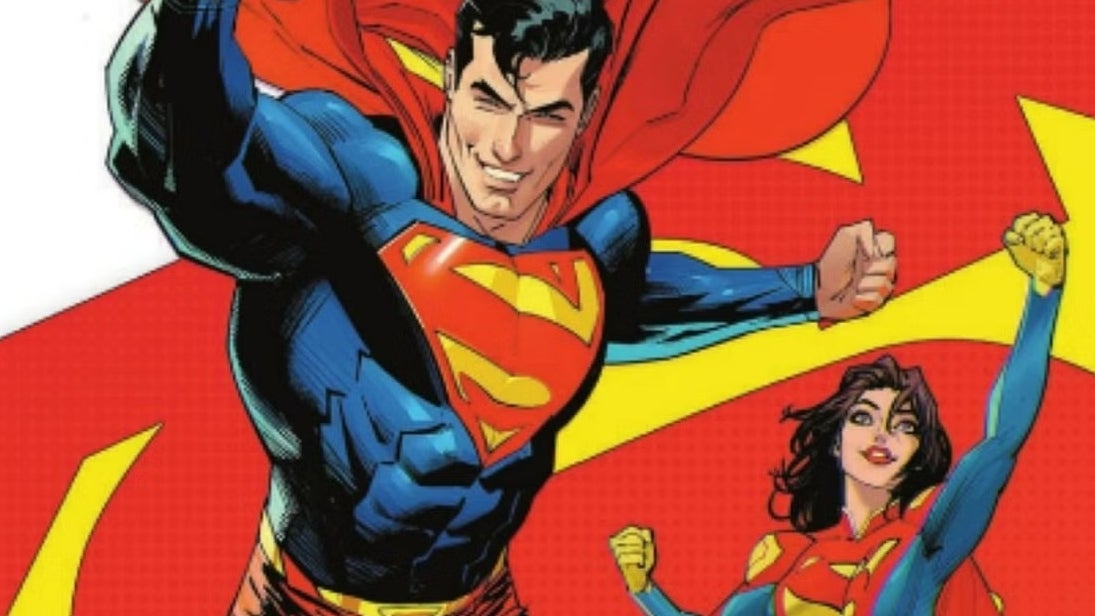
Superman introduces a mysterious new Superwoman by his side, but we have all guessed who she is

Lois Lane first appeared in a comic book in June 1938, 86 years ago, and, as you can guess, she has experienced all kinds of things and suffered misfortunes over the decades, especially in the “golden age” where she had her own comic book title, which lasted 137 issues and featured some of the most bizarre covers in the history of comics. And the new modern times haven’t exactly forgotten about her…

Comics++ DOWNLOAD

What a (super) woman!

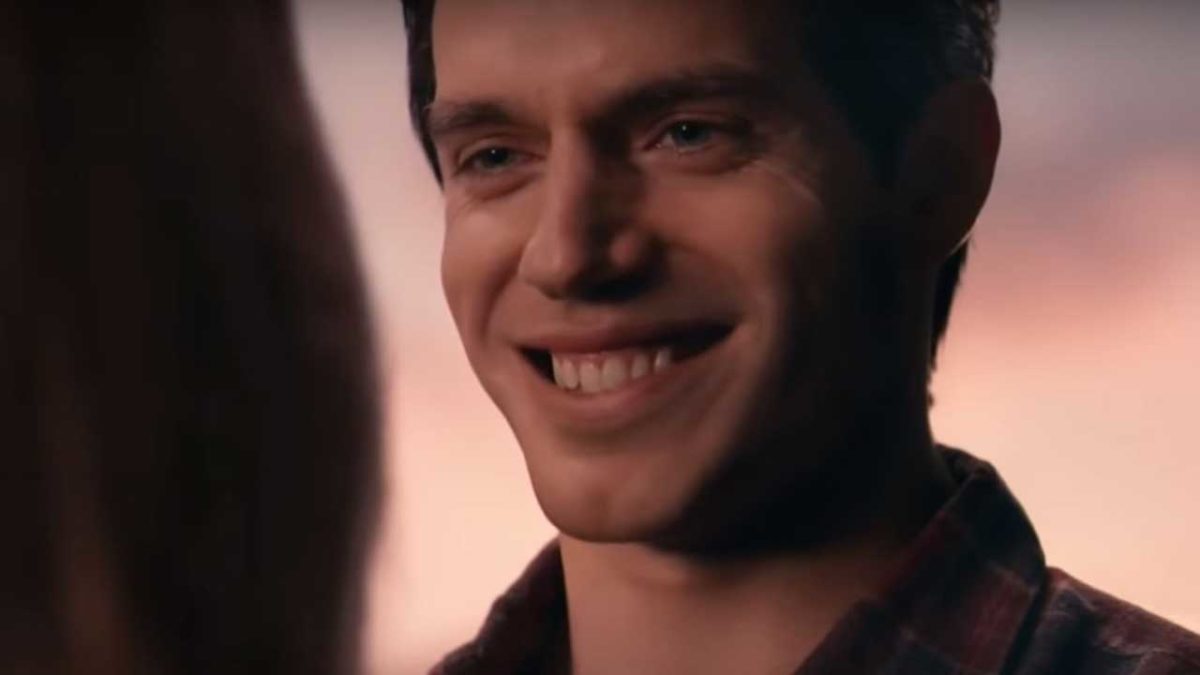
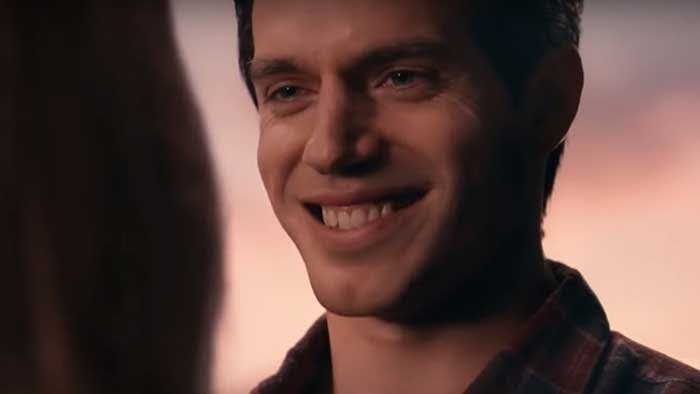
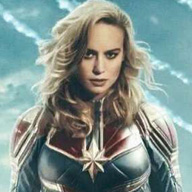
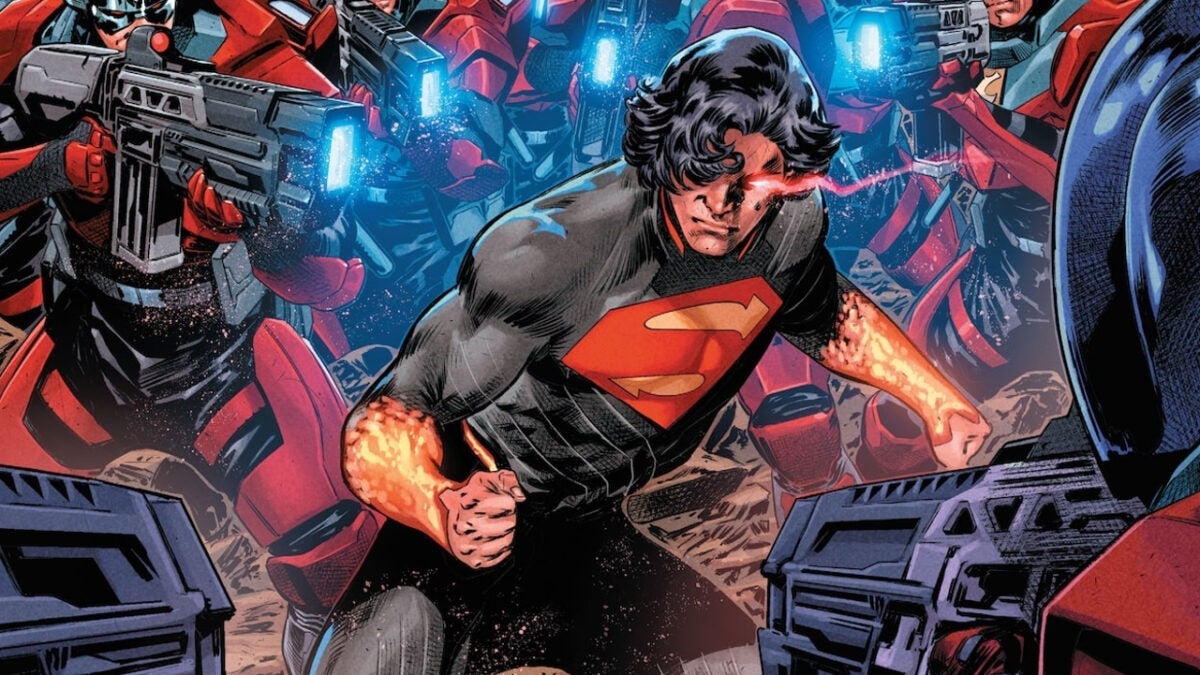
The new comic series, Superman, has been announcing for a while that a new Superwoman was coming who would fight alongside our hero, but her identity would be very mysterious…if it weren’t for the comic’s own synopsis revealing that it is Lois Lane. And this is not the first time she has gained powers: in fact, she has already been Superwoman not long ago, in 2016, during the “Rebirth” era.

But hey, the first time the superheroine’s suit was tested was in issue 60 of “Action Comics” and the most memorable one was in the epic “All-Star Superman.” So, it’s not a surprise to anyone that now, suddenly, she has powers again. In the end, in the comics of DC and Marvel, everything changes… to going back to being the same.

Comics++ DOWNLOAD

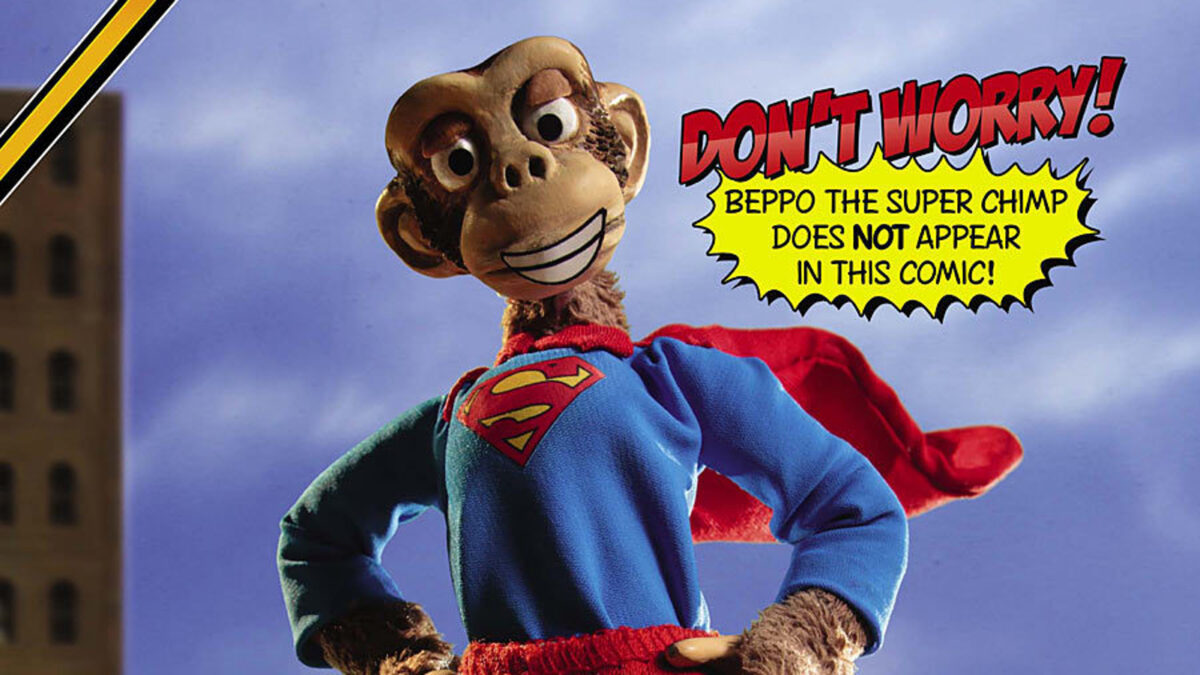
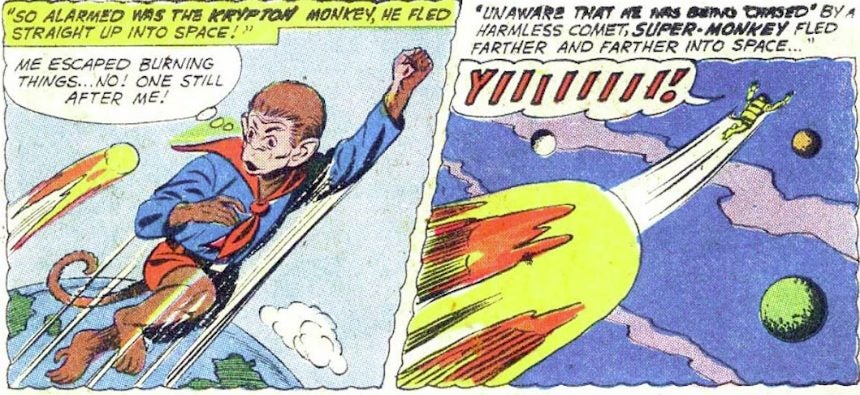
Superman once had a pet monkey: the unsuperheroic story of Beppo

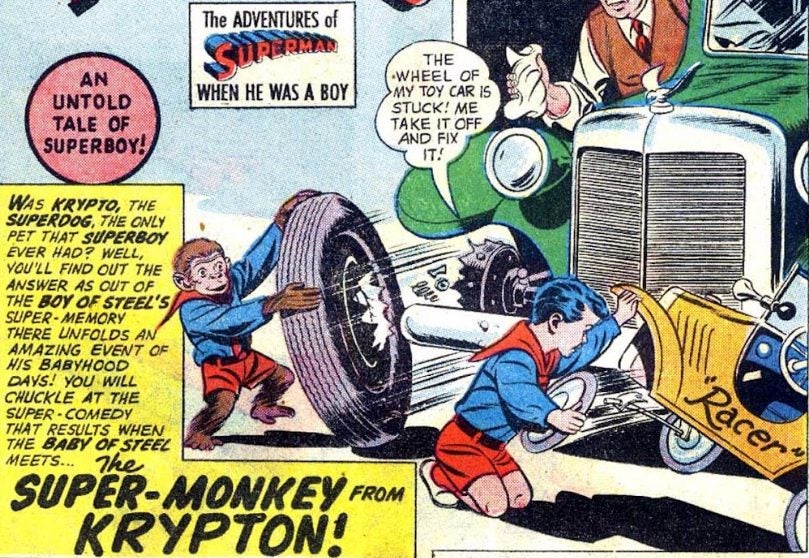
Beppo appeared for the first time in a vignette in October 1959, during issue 76 of Superboy where his story was explained to us. Phew.

Superhero comics in the Golden Age, back in the 50s and 60s, were strange, being generous. Until Marvel came to make other types of characters with other types of problems, DC was content to make weird and unconnected stories that today serve us to throw a few laughs. One example is Beppo, the super-monkey, who came from Krypton to… make a fool of himself.

LEGO DC Super-villains DOWNLOAD

Do the super-monkey!

Superboy’ was born in 1949, eleven years after Superman, with his adventures as a child and teenager in Smallville, and became a real bestseller until the 70’s when the public began to ask for a different set of things. However, in this period of time, the scriptwriters of the time, imprisoned by the Comics Code, had time to make real barbarities that are as funny today as they are absolutely hallucinogenic.

That was the case with Superman’s mascots. It all started with Krypto the super-dog in 1955, who was sent to Earth in a test rocket before the explosion of Krypton (and, in fact, still appears from time to time, although without powers). After his success, it was time to create more animals: Streaky the super-cat, in 1960, Comet the super-horse, in 1962, and the icing on the cake: a super-monkey. Of course.

Beppo appeared for the first time in a cartoon in October 1959, during issue 76 of ‘Superboy’, where his story was explained. Phew. It turns out that the Kryptonian super-monkey snuck into the rocket that saved Superman from the explosion (how? You never know) and when he arrived on Earth he used his strength to escape to a jungle, the famous jungle of Smallville, and appear a few years later to make a mess.

In the end, after setting fire to the fireworks Pa Kent was saving for the Fourth of July, he flew off into space, never to return. Well, until two years later, when he became part of The League of Super-Pets. The character continued to come out regularly until 1969, when it was decided that the concept was absolutely ridiculous and everyone pretended it had never happened. Oh, Beppo the super-monkey, we carry you in our hearts. You did the best you could. Well, sort of.

LEGO DC Super-villains DOWNLOAD

DCEU movies ranked from worst to best

There are good DCEU movies? You’ll have to read to find out!

Superman

While Marvel kept making hit after hit with its cinematic universe, DC just never seemed to get it right. While some of the films have small, cult followings, most people agree that pretty much every film in the DC Extended Universe is hot garbage. 

From bad casting, to bad writing, to REALLY bad special effects, there is a lot of muck to sift through. However, the DCEU does have a shining light amongst all of the trash. What is that shining light you may ask? You’ll just have to read to find out.

DCEU movies ranked from worst to best

7. Suicide Squad

Suicide Squad
#NotMyJoker

This movie is about as far from “squad goals” as you can get.

“Suicide Squad” was a movie that was ruined by its production team. Basically, the MCU was making tons of money with movies that were universally loved. The DCEU was turning into a laughing stock after “Batman v. Superman: Dawn of Justice” deflated any interest fans had in the series.

In an attempt to regain the support of fans, the DCEU filmmakers decided that the smartest thing to do was to make “Suicide Squad” more like an MCU movie. Halfway through the making of “Suicide Squad,” Warner Bros. spent millions of dollars to make the movie more “lighthearted.” 

What was the result? One of the worst superhero movies ever created.

The movie made next to no sense. It’s about Amanda Waller (played by Viola Davis) wanting to create a league of meta-humans that would be able to take down a Superman-level threat. The problem is that her plan is stupid!

First off, trying to make a team of heroes out of a bunch of villains is a horrible idea. Aside from Enchantress, none of the members of the Suicide Squad really seem that threatening. The rest of the members just feel like a typical Tuesday for Batman.

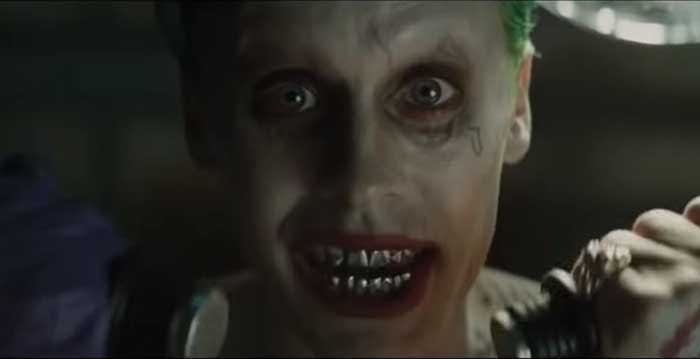
Also, adding Harley Quinn to the squad (who has nothing to bring to the table) just means that you will have Joker on your tail. Speaking of the Joker…

This was the worst on-screen Joker we have ever seen. When we first saw him with his tats and grills, we knew something was wrong. Think about it: can you picture the Joker, the most clinically insane individual on the planet, sit perfectly still for multiple tattoos? The answer is “absolutely not.”

From the awful story, to the poorly executed characters, to the sub-par action, “Suicide Squad” failed to be DC’s saving grace and instead became their ultimate nightmare.

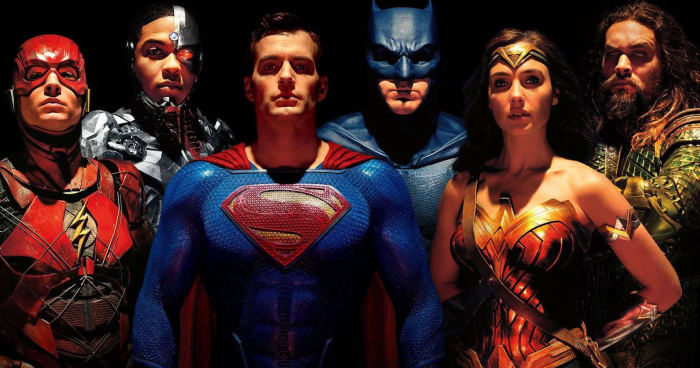
6. “Justice League”

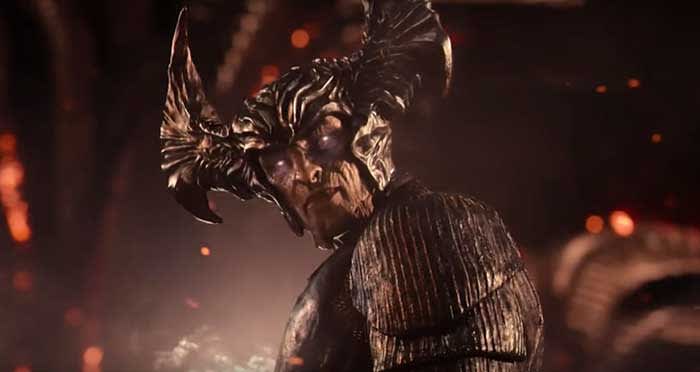
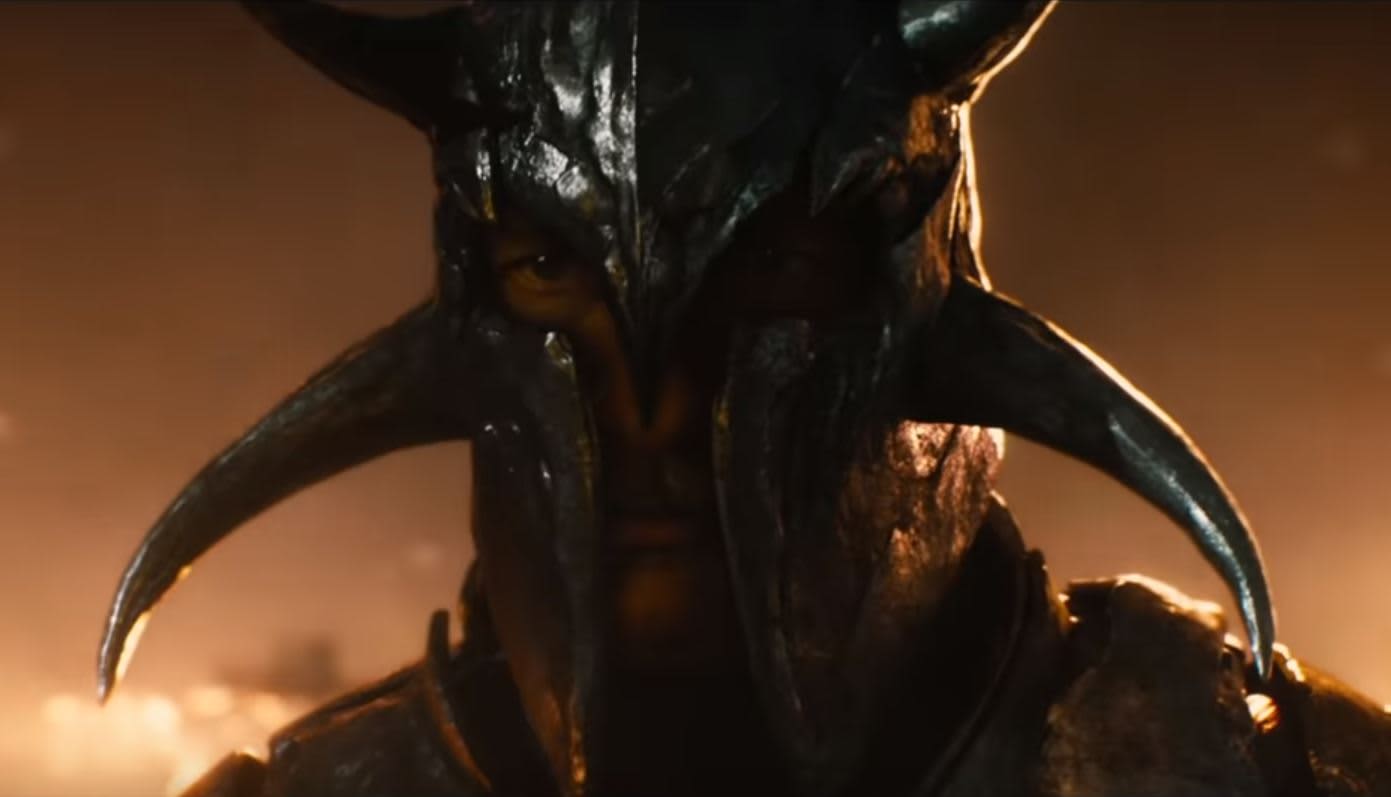
Steppenwolf
Who even remembers this guy’s name?

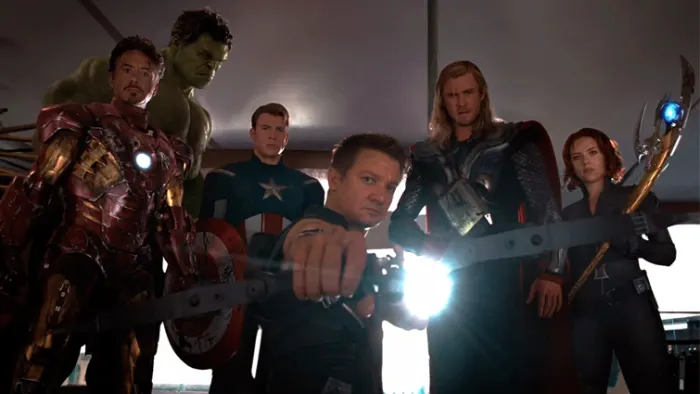
Let’s go back to 2012 when “The Avengers” was coming to theaters. At the time, it was one of the most highly anticipated movies in history. For the most part, it lived up to the hype. However, when looking back on the MCU as a whole, it was a bit middle-of-the-road. Despite all of that, the movie still made a boatload of money and was the MCU’s highest-grossing film at the time.

When “Justice League” came to theaters, it had one of the worst box offices in the entire DCEU. This was absolute proof that the hype was dead. Fans have been begging for a Justice League movie for years. Even though we finally got one, fans knew that these filmmakers were going to screw it up. As much as the fans didn’t care, the filmmakers clearly cared even less.

The movie was awful. It had an incredibly forgettable villain, a forgettable story, and beloved characters played by forgettable actors. Heck, when crafting this list, we actually forgot this movie was even made!

The movie just seemed incredibly poorly timed. Only half of the members of the Justice League had prior movies establishing their characters. Flash, Cyborg, and Aquaman had none of that. Instead, the filmmakers had to hope that the people that actually came to see this trash were all fans of the comics and had done their research. Unfortunately, even if you read the comics, you were going to still be confused throughout the movie.

It’s not as unwatchable as “Suicide Squad,” but it’s two hours of your life that you’ll never get back. 

5. “Aquaman”

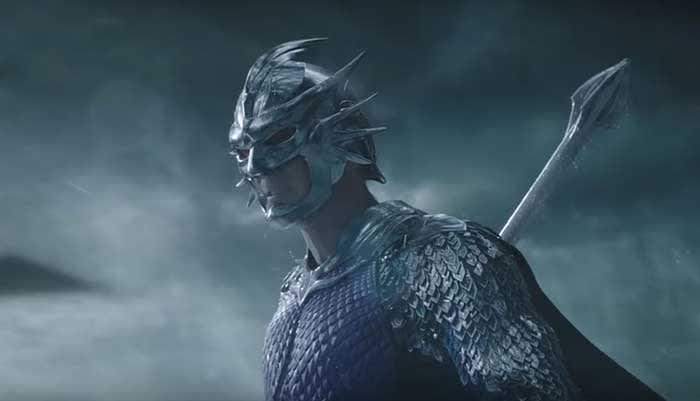
Ocean Master
I didn’t know Shredder from Ninja Turtles was in this movie!

“Aquaman” felt like it was made by a bunch of frat boys one step away from flunking out of school. The movie is basically just one-liners and Jason Momoa smoldering for the camera. Just watch this:

The acting is absolutely atrocious. If “Game of Thrones” taught us anything about Jason Momoa, it’s that he is at his best when he isn’t talking. Every line out of the lord of the bro-cean’s mouth is ridiculously cheesy.

The movie actually did exceptionally well at the box office. Thanks to foreign ticket sales, the movie made more than $1 billion. 

That’s not to say that the movie isn’t garbage. It’s painfully hard to get through. Do yourself a favor let this flick sink to the bottom of the ocean.

4. “Man of Steel”

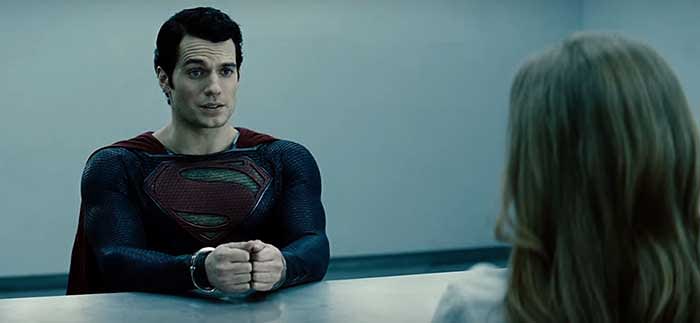
Superman
The S stands for “Sucks,” because this movie really really sucks.

Superman is a hard character to get right.

He’s a god living among men and he’s trying to find out how to fit in the world. To be fair, that’s what “Man of Steel” explores. The only problem is that it gets everything wrong in the process.

While Superman struggles to find his purpose in “Man of Steel,” we as the audience struggle to get through the movie. “Man of Steel” was the first movie in the DCEU, and boy-oh-boy did it give it a rocky start. Need an example? Watch the most pointless death in any superhero movie:

The movie is infamous for being overly dark, joyless, and even colorless.

The main problem with the movie is that they hired the brainless robot Henry Cavill to play Superman. He’s definitely no Christopher Reeve, but he’s also just not a very good actor. Granted, the writers don’t give him much to work with:

If you think Cavill’s acting as Superman is hokey, just take a look at Michael Shannon as General Zod:

Director Zac Snyder watched that line delivery and said, “Yeah, that was good. Let’s go with that take.”

“Man of Steel” could have been the start of DC’s golden age of comic book movies. Instead, it was the start of a long series of disappointments.

3. “Batman v. Superman: Dawn of Justice”

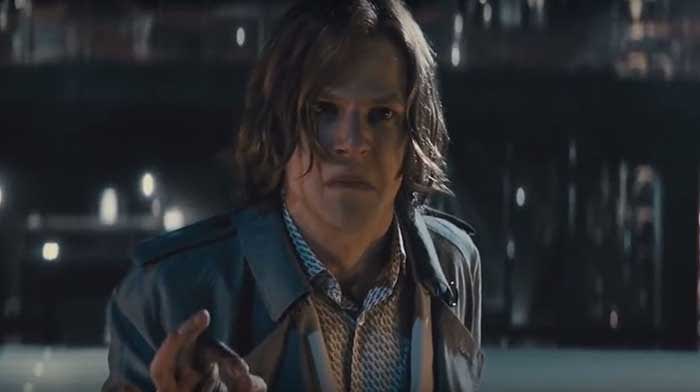
Lex Luthor
Could you imagine what would’ve happened if HIS mother’s name was Martha?!?!

It’s really easy to hate this movie.

From start to finish, “Batman v. Superman: Dawn of Justice” is poor decision after poor decision. From casting Jesse Eisenberg to play Lex Luthor, to the world’s greatest detective falling for a middle school level scheme, to… “Martha,” the movie is awful.

You’re probably asking yourself, “If this movie is so bad, then why is it so close to the top?” Well, a lot of it has to do with the fact that it doesn’t have much in terms of competition. Secondly, the movie does have a few redeemable qualities. First off, Ben Affleck does a phenomenal job as Batman. The character’s worst qualities clearly aren’t Affleck’s fault, but the fault of the writers.

Secondly, although a lot of the action is pretty lame, this scene is awesome:

This one scene of Batman kicking butt is the best action scene in the entire DCEU. 

What made this movie rub so many people the wrong way is because this could have been the greatest superhero movie ever created. Buried beneath all of the bad CGI and awful writing there is a good movie somewhere in here.  Those who watch DC’s animated movies will tell you just how good “The Dark Knight Returns” is. The two movies contain what most agree is the best on-screen confrontation between the Son of Krypton and Bat of Gotham.

Dawn of Justice couldn’t even channel a fraction of that film’s energy, and instead became the living meme we all know today. 

The film’s biggest issue lies in how much it tries to cram in. It has to establish Batman, establish Lex Luthor, create the Batman versus Superman story, set up the Justice League, introduce Wonder Woman, introduce and execute Doomsday, and then play out the Death of Superman storyline. It fails on all accounts and just comes off as a bloated mess. 

2. “Wonder Woman”

Ares
Eat some chocolate, Professor Lupin. You’re not you when you’re hungry.

“Wonder Woman” is far from a perfect film. However, it does deserve most of the praise it gets.

The story and characters were the best the DCEU had given us by far up until this point. Wonder Woman was likable, and she was thrown into a story that made perfect sense for her character. 

The movie plays a lot like “Captain America: The First Avenger,” as it takes place during a World War with the main character out to defeat the overwhelming German forces. However, it is also a fish-out-of-water story as Wonder Woman struggles to learn how to live in our world after being raised with the Amazons. In this sense, it’s a lot like “Thor.” 

The movie does have two pretty big issues. The first is the special effects. A lot of the action scenes look pretty bad.

Gal Gadot’s fight choreography is fine, but when she jumps around fighting people, the special effects look about as convincing as middle school theater. 

The second worst part is the villain. Wonder Woman believes that the God of War Ares (sorry, Kratos) is the cause of all the suffering going on in the world. At first, it looks like Ares isn’t real. At this point, you think the movie is going to actually be pretty smart by showing that humans are flawed and that there aren’t always supernatural causes for our misdoings. However, Ares then reveals himself resulting in quite possibly the worst villain casting of all time.

Who was chosen to play the God of War? Why, Professor Lupin from Harry Potter, of course!

He isn’t the least bit threatening. He looks like a complete dork throwing a hissy-fit. Rather than feeling scared, you just laugh at the screen as the poindexter tries to act all-powerful.

All in all, “Wonder Woman” is a decent flick by DCEU standards, but it is far from a great superhero movie.

1. “Shazam!”

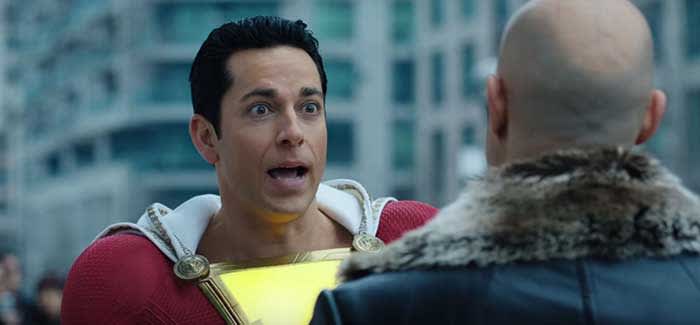
Shazam
My face when I made a better movie than Superman, Batman, Wonder Woman, Joker, and Aquaman.

If you were to have gone back in time to when we were in elementary school and would’ve told us, “In the future, there is going to be an Aquaman movie, a Batman vs. Superman movie, and a Justice League movie, but they’re all going to suck. However, there is going to be an awesome Shazam movie,” we would’ve called you insane.

However, that was exactly the case. “Shazam!” is a blast from start to finish. The DCEU filmmakers decided that rather than trying to make a cinematic universe, a dark film, or a something monumental, they would just make something fun. “Fun” is the best way to describe this flick.

If we had to nitpick at one part of the movie, it would be the special effects. Sometimes the movie looks like a PlayStation 2 game.

The dogs in “Ghostbusters” look more convincing.

However, it doesn’t take away from the rest of the film.

Zachary Levi does a great job of playing a child in a superhero’s body. He’s believably cocky and arrogant while also being hilariously awkward when trying to interact with people.

The main character Billy Batson is a likable kid with a rough past. It’s very easy to get invested in him and to root for him to succeed. When he gets his powers, he does what any other kid with superpowers could do; he tests them and makes YouTube videos. This results in quite possibly the best scene in the entire DCEU:

If “Shazam!” were an MCU film, we would probably put it between “Guardians of the Galaxy: Vol. 2” and “Spider-Man: Far From Home” on our list. The fact that we think this movie is better than almost half of the movies in the MCU is crazy given the fact that pretty much everything else on here would plummet to the bottom of the list.

“Shazam!” is far from a perfect movie, and it is nowhere near the level of movies like “Avengers: Endgame.” However, it is easily the best movie the DCEU has to offer. 

Wrapping up

If you happened to like one of the movies we ripped apart, more power to you. We’ll just agree to disagree. There are a ton of Marvel movies with issues, but the DCEU just seems to get it wrong over and over again. With that being said, we would like nothing more than to see great movies involving these characters. 

The main thing DC needs now is time. The movie industry is so saturated with superhero flicks that DC needs to wait for things to die down before throwing their hat back into the ring. Once some time has passed, they should be able to get some fresh ideas on what to do with these beloved characters.

Got a different opinion? Head over to our Softonic Solutions topic to share your voice!

10 best superhero casting choices

From classic Superman films to the groundbreaking MCU, these performances paved the way for the franchise!

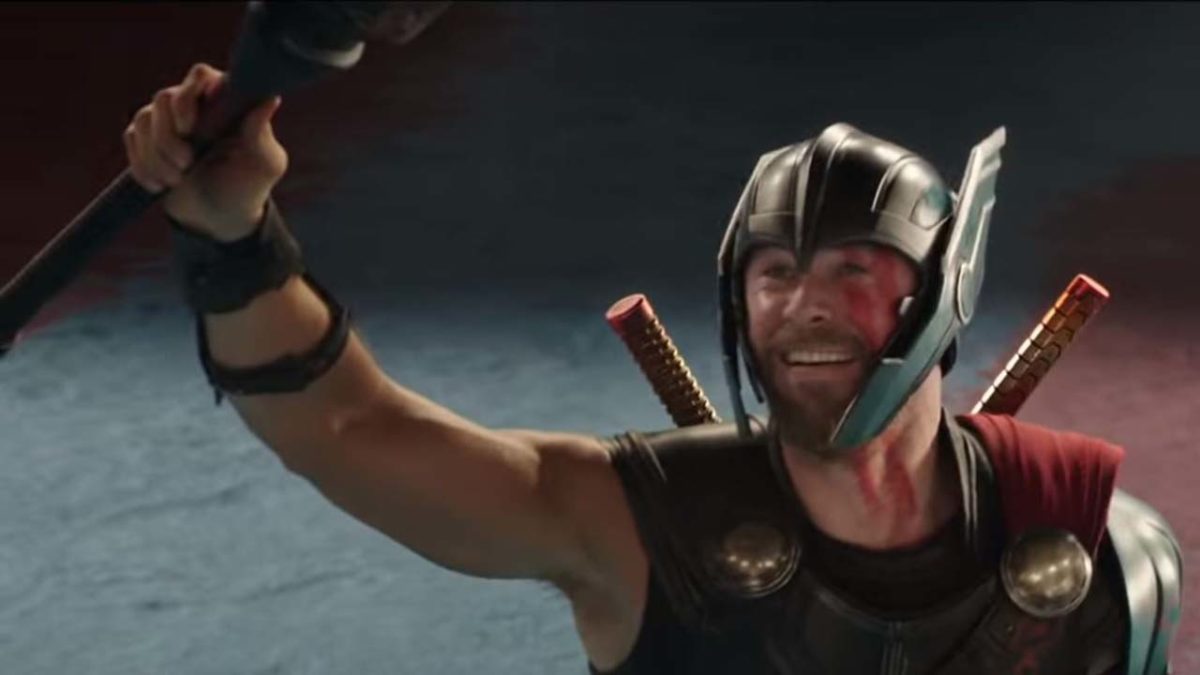
Thor

The choice of who you cast in your superhero flick can have huge consequences, both positive and negative.

When Disney cast Brie Larson for “Captain Marvel,” fans who disliked the actress review-bombed the movie on Rotten Tomatoes until it had an artificially low percentage. This was a factor that led to Rotten Tomatoes changing its review system entirely. 

Clearly, casting decisions can have a huge impact. That said, which choices were the best? Which actors transcended the screen, and truly became their characters?

Let’s find out!

10 best movie superhero casting choices

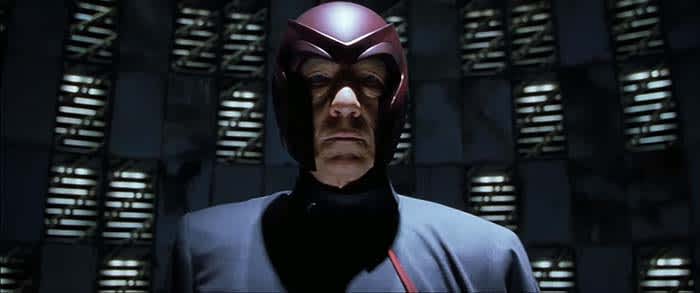
10. Ian McKellen as Magneto
Magneto

As far as comic book villains go, you’d be hard pressed to find a better-written villain than Magneto.

The Nazis put him in a concentration camp after killing his family for being Jewish. After this, Magneto realizes that he must fight back against those who challenge his very existence. Lo and behold, Magneto is a mutant, and there are also people who want him dead because of that.

Ian McKellen captures both his tragedy and motivations perfectly. Also, when showing off his abilities, he does so with such a quiet power. You just have this feeling that he could wipe out an entire building with a flick of his wrist.

McKellen’s final scene as Magneto happens toward the end of “X-Men: Days of Future Past.” In the scene, the last hope for the mutant race is about to be extinguished. Before recent events, Magneto fought against the X-Men as he believed that a future war was coming. Professor X didn’t deny this, but he believed in pursuing peace.

It turns out, both of them were right. However, Magneto realizes that it was his fault that mutants couldn’t come together to find peace with humans.
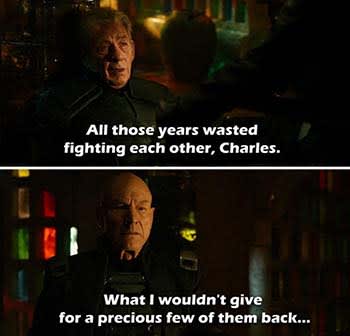
Magneto X CharlesMcKellan makes the character both powerful and tragic. That’s all we could have asked for our favorite master of magnetism. 

9. Michael B. Jordan as Killmonger
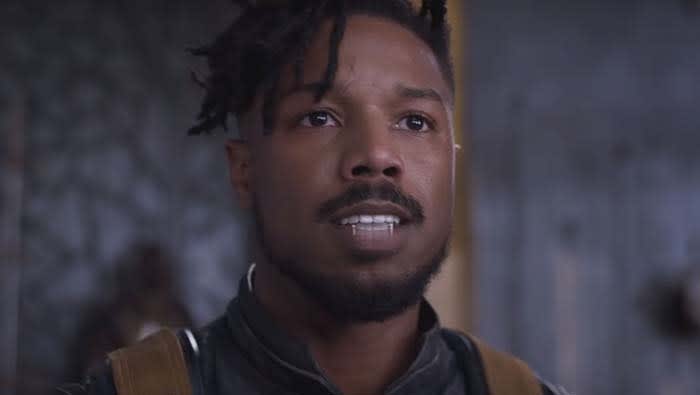
KillmongerWhen it comes to the MCU, villains typically aren’t considered the strong point of the films. Sure, actors like Robert Downey Jr. and Chris Hemsworth can really carry the film as the main hero, but their villains just pale in comparison. Can you even give the names of the villains in all three Iron Man movies?

Michael B. Jordan’s performance as Killmonger in “Black Panther” was what really broke the mold for a lot of fans. He commands the screen in all of his scenes.

Let’s look at the scene where he reveals to the king’s counsel that he is Wakandan, and he is challenging the throne:

He approaches the situation calmly at first by allowing himself to be taken in as a prisoner. He lets T’Challa make the first move to help dictate how the situation will unfold. However, once he is asked who he is, he reveals that he is Wakandan, by speaking it in isiXhosa, an actual language spoken in Africa.

Once everyone believes him, all the balls are in his court. T’Challa has to accept his challenge in order to abide by traditions. He also compromised T’Challa’s leadership by stating that T’Challa’s father, King T’Chaka, killed Killmonger’s father.

To be fair, one of the things that makes Jordan’s performance so poignant is the phenomenal writing. This line perfect:

Jordan commanded the screen as Killmonger so well, that we actually kinda wish he would’ve ended up on Wakanda’s throne.

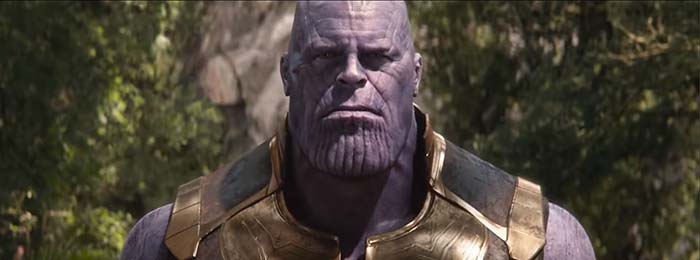
8. Josh Brolin as Thanos

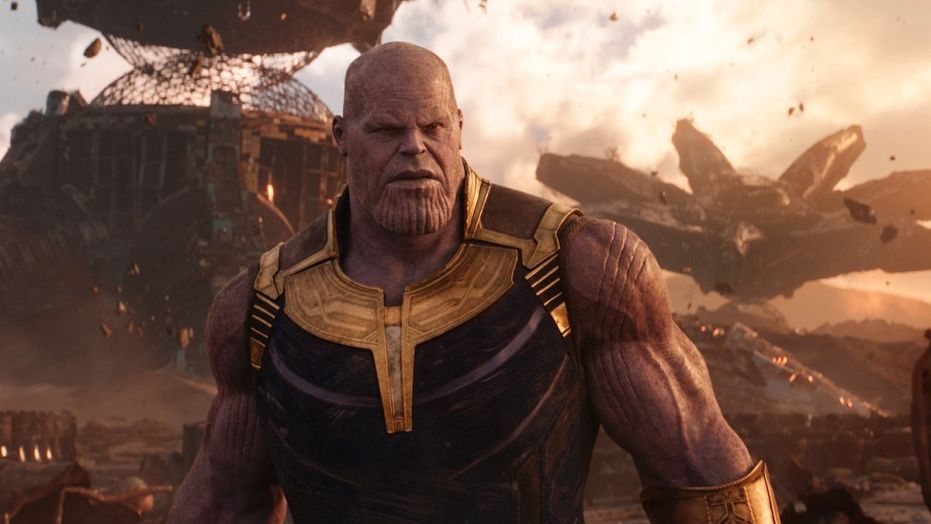
ThanosWow, three villains in a row!

Josh Brolin did not have an easy task ahead of him when he agreed to play the mad Titan Thanos. He had to somehow capture all the hype leading up to a character we had been waiting to see for more than five years.

He not only nailed it, but “movie Thanos” was better than “comic book Thanos.”

Yeah, yeah, yeah. that was a pretty bold statement, but let’s take a look at the comics. There, Thanos wanted to gather the Infinity Stones so that he could woo the female embodiment of death.

Seriously, we’re not kidding.
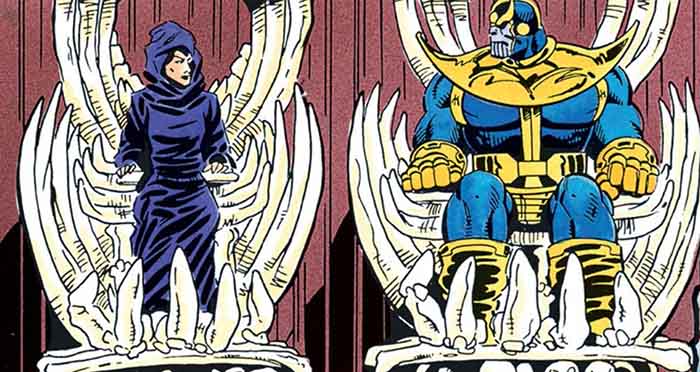
thanos and deathSure, Thanos’s motivations in “Avengers: Infinity War” are not pure, but they are stronger than what we were given in the comics.

Brolin was menacing, well-written, and well-performed. There were so many movies leading up to his arrival, and yet Brolin was able to make the wait worthwhile. And he’s a completely digital creation!

Hopefully, Marvel will showcase a great new villain in the MCU now that he’s gone. If not, fans will be at the theaters shouting, “Bring us Thanos!”

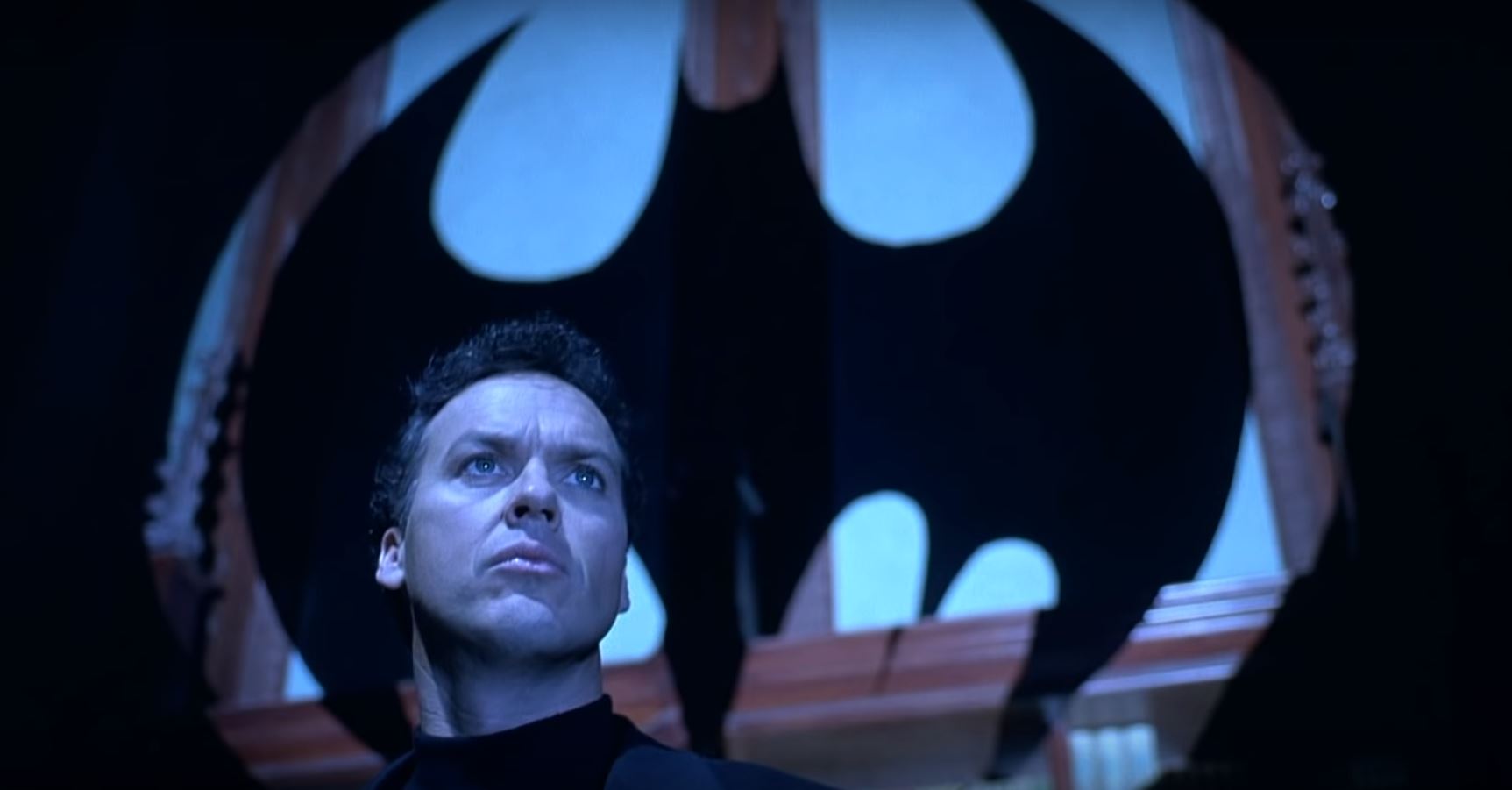
7. Michael Keaton as Batman
Batman

In major Hollywood Batman films, we’ve had Adam West, Christian Bale, Val Kilmer, George Clooney, Ben Affleck, and, of course, Michael Keaton don the cape and cowl. With so many different Batman (Batmans? Batmen?) to choose from, what makes Keaton come out as the best?

The answer is simple, Keaton was able to be a good Bruce Wayne AND a good Batman.

Sure, other actors who have played the bat have done well. Christian Bale was a menacing Batman, but he was a forgettable Bruce Wayne. Also, don’t even get us started on his voice:

Adam West is the OG Batman for a lot of people, but he lacked the dark and ominous feel the character is known for having.

Ben Affleck was one of the only interesting parts of “Batman v. Superman: Dawn of Justice” and “Justice League.” However, flat dialogue and meandering storylines gave the bat nothing to work with.

Keaton’s performances in  “Batman” and “Batman Returns” were coupled with great writing from Tim Burton. Pair Keaton’s performance with other great villains like Joker and Penguin, and you have something special.

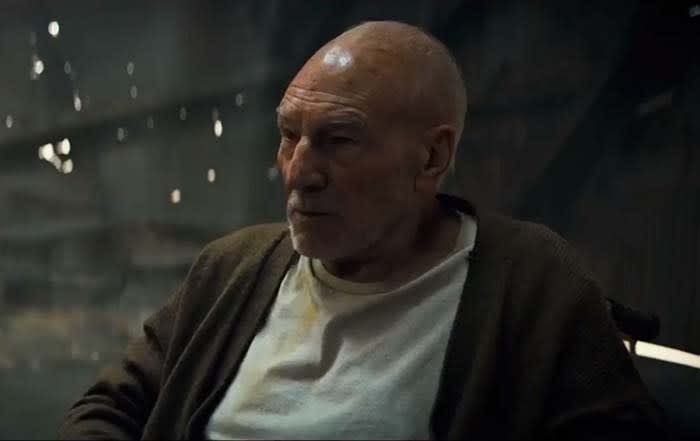
6. Patrick Stewart as Professor X

Charles Xavier

Patrick Stewart had a difficult task ahead of him when he chose to play Professor Charles Xavier. He had to take the character from humble beginnings as a teacher and leader of the X-Men, to a freedom fighter trying to save the mutant race, to a frail old man seeking redemption.

Despite the varying quality of the X-Men movies, Patrick Stewart was consistently one of the best parts. Each word out of his mouth is filled with hints of both his experience and his pain.

In “Logan,” Xavier is battling dementia and is in recovery after he caused the death of nearly every one of the X-Men.  After discovering a child with mutant powers that needs his help, Xavier begins a journey toward redemption.

The story gives a tragic, yet fitting conclusion to Xavier’s journey. That journey would have felt far less fulfilling if not for the work of Patrick Stewart.

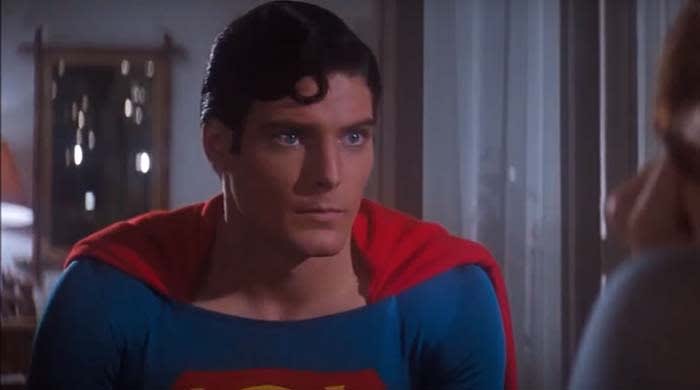
5. Christopher Reeve as Superman
Christopher Reeve

Superman is not an easy character to play.

Most superheroes have to overcome overwhelming odds and break their limits in order to save the day, but not Superman. Superman has no limits and instead needs to figure out how to be a god living amongst men.

For this reason, it is often hard for fans to relate to the Man of Steel. However, Christopher Reeve absolutely nailed the character.

Reeve’s Superman is both strengthened and incapacitated by his human upbringing. His Kryptonian biology might make him the strongest being in the universe, but his humanity is what makes him use his powers for good.

In “Superman II,” Supes decides to give up his powers in order to pursue a life with Lois Lane. Despite the fact that others dream of having abilities like his, Supes makes the selfish decision to abandon what can keep the world safe in order to be “normal.”

True, he does end up restoring his powers so he can duke it out with General Zod (complete with him throwing a random cellophane S).

What made Reeve a great Superman was his ability to get us to identify with an unidentifiable character. Superman constantly walked the line between what is good for others and what is good for him.

Sure, none of us can move faster than a speeding bullet, or be more powerful than a locomotive. However, throwing aside what makes us unique for the chance to be normal is something we can all understand. For that, we have Reeve to thank.

4. Robert Downey Jr. as Iron Man

First, let’s do introductions:

Robert Downey Jr. was a very risky pick to play Tony Stark. His battle with addiction made him far from a slam dunk choice, and failure meant that the MCU simply wouldn’t happen. 

Luckily, Robert Downey Jr. blew expectations out of the water. If you’ve ever read an Avengers or Iron Man comic book, you probably have a decent grasp of what kind of person Tony Stark is. He’s both cocky and arrogant, but he does have a very blunt view of justice (for better or worse).

Basically, if Stark believes something is right, it’s very difficult to prove him wrong.

That scene took place right after Stark created Ultron. Even after creating what is essentially an AI-powered weapon of mass destruction, he still defends his motives and the need to create it.

This scene made people hate Stark. Nobody could believe that he would still defend his actions after creating such an evil force. Here’s the thing though: that’s exactly who Iron Man is.

Even when faced with the reality of his actions, Stark rejects that reality for his own. Guess what else? He was right!

The world did need more protection, and it did need a suit of armor. Thanos made sure of that. Although the Avengers did defeat Thanos, Stark was right in assuming the team would not be enough.

You can poke holes in MCU movies and in the Iron Man movies until the cows come home. However, at the end of the day, RDJ was right, he IS Iron Man.

3. Heath Ledger as Joker
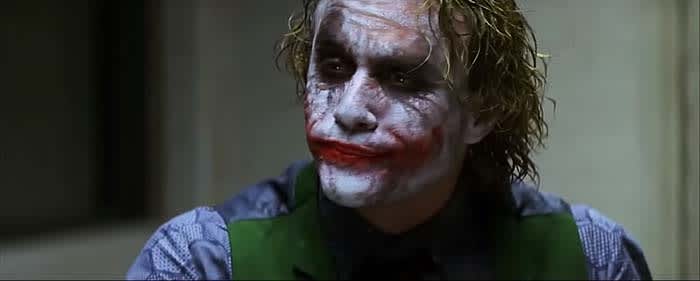
Joker

Nope, Heath Ledger didn’t get our #1 spot.

Sure Jack Nicholson gave us a pretty unbelievable Joker. However, Heath Ledger blew Nicholson out of the water with just one chilling scene from “The Dark Knight“:

Despite what many people think, Joker is actually a very versatile character. Sure, at his core he’s a criminal who dresses up as a clown, but he can be portrayed in many different ways.

Nicholson’s approach was to make Joker act more like a gangster. Cesar Romero made Joker focus more on the clown antics and gags. Jared Leto… did whatever this was:

However, nobody even came close to match Ledger’s madness and sense of anarchy. Throughout the movie, Ledger is two steps ahead of the mob, the police, Batman, and even the audience. There is simply no reasoning behind his actions other than the fact he wants to cause chaos.

He blows up a hospital and almost gets himself killed just for a chance to make Harvey Dent turn on Gotham.

Look, we can talk about Ledger’s Oscar-winning performance all day, and show you clips from the movie, and it still might not convince you. For a last-ditch effort, we’ll try a magic trick:

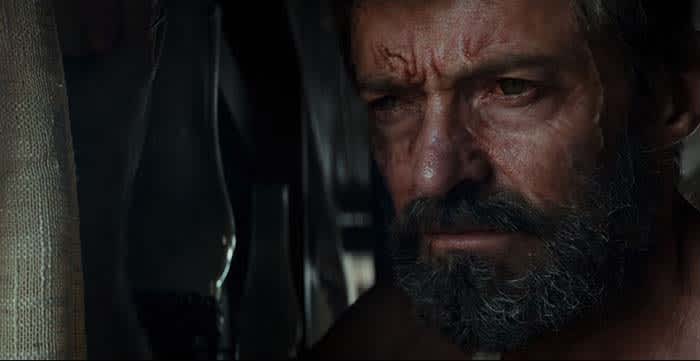
2. Hugh Jackman as Wolverine

Logan

Hugh Jackman played Wolverine in nine different X-Men movies. However, he only needed to be in one to cement himself as Wolverine for all eternity.

From the start, Jackman gave us exactly what we wanted Wolverine to be. He was tough but only had the best intentions. He was strong but also weakened by his unstable mentality. He was tragic but always triumphant.

He was Logan.

Sure, Jackman was able to be an incredible action star when portraying Wolverine, but he was also able to bring some real drama to the character.

Down the road, we are probably going to get a new incarnation for most of the characters we have already named. Heck, we already know about the next Batman.

However, there is nobody else who can become Wolverine like Hugh Jackman.

At this point, you are probably wondering, “Who could possibly have the #1 spot?”

Sure, we named off some incredible talent up until now. However, the next entry was someone so good that not only does he represent one of the best parts of the movie(s), but his character has never been recast since.

1. J.K. Simmons as J. Jonah Jameson
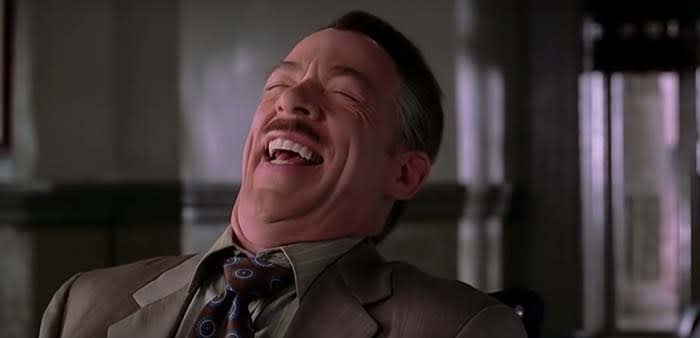
J. Jonah Jameson

Since Tobey Maguire first put on the Spidey suit in 2002, we have had three different live-action Spider-Man, two different Gwen Stacy, three different MJ‘s, two different Harry and Norman Osborns, three different Aunt May, and two different Uncle Ben.

However, we have only had one man and one man only play J. Jonah Jameson, and for good reason.

J.K. Simmons feels like he was ripped right from the pages of the comic books. He’s hammy, he’s over-the-top, but he’s a true comic book character.

Walk over to a comic book store, and find the shelf with all the Spider-Man comics. Throw a rock at the shelf, and read whatever issue it hit. No matter what, you will see that J.K. Simmons’s portrayal was 100% spot on to the comics.

He commands the screen in every scene he’s in. He’s a miserable jerk, but you can’t help but smile every time he opens his mouth. They could have taken out an entire action sequence from one of the movies and replaced it with more J. Jonah Jameson and nobody would have complained.

You can disagree with us all you want. However, before you go throwing this list out the window, answer this one question, “Who else could have played him better?”

Honorable mention
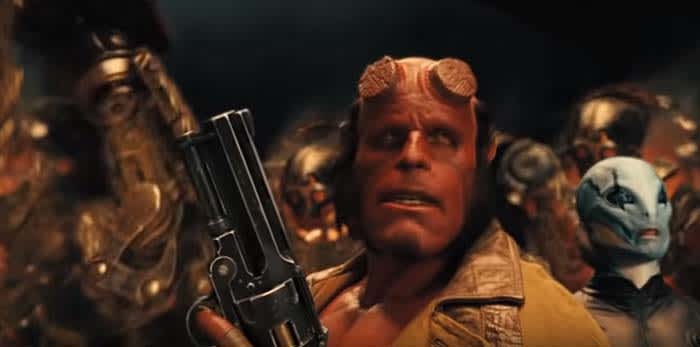
Hellboy

Yes, it hurt us not to include Ron Perlman’s performance as Hellboy.

Perlman captured the character perfectly, giving us the perfect comic book adaptation. Unfortunately, there were just 10 choices that were better.

We still love you, Ron.

Wrapping up

Whether or not you agree with our list entirely, you can’t help but admit that these were all some stellar performances.

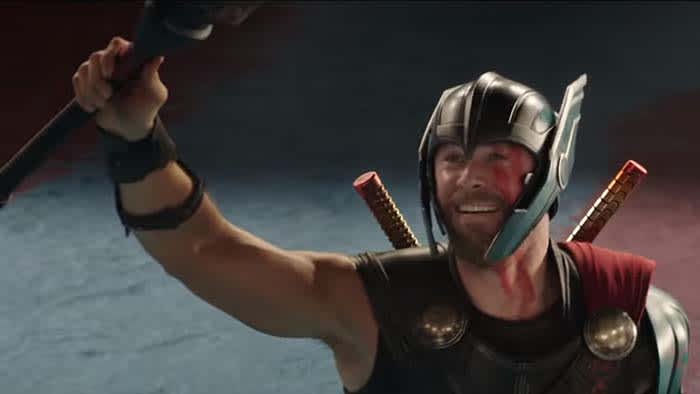
At the end of the day, there have been so many other great performances in superhero movies. Emma Stone was the first actress who truly was able to give Gwen Stacy the justice she deserved. Gene Hackman was the only good movie villain Superman has ever had. Chris Hemsworth gave the god of thunder the charisma and character he desperately needed.

We’re in an age where comic book movies are being taken seriously, and aren’t just popcorn thrillers for the summer. These performances are what got them to this level.

Let us know in the comments below who you think should have made the list!
Why the Marvel Cinematic Universe works (and others don’t)

Why did the Avengers succeed while the Justice League flopped? Find out now!
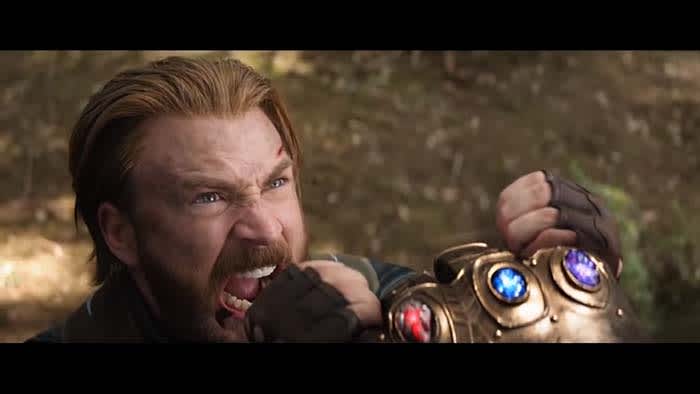
Cap Thanos

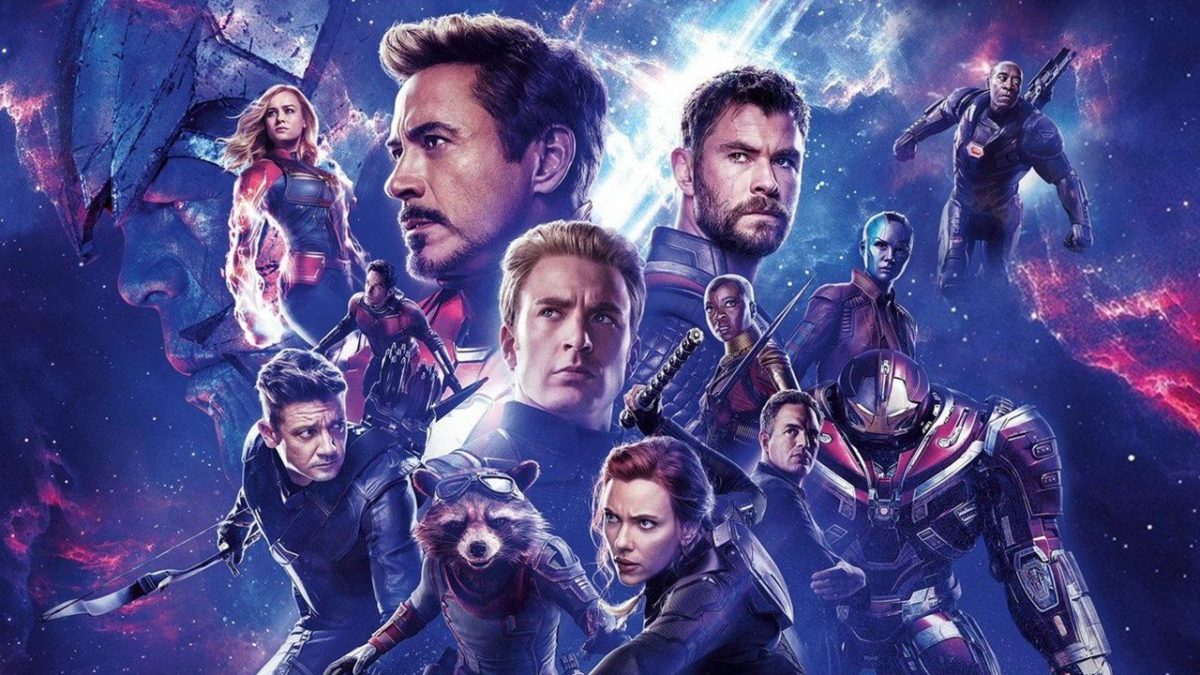
The enormous success of the Marvel Cinematic Universe cannot be overstated. In just a few weeks, “Avengers: Endgame” has passed “Titanic” as the second highest grossing movie of all time, and is rapidly approaching “Avatar’s” number 1 spot. In fact, MCU movies make up half the spots of the top 10 highest box office grosses ever.

This brings us to the billion dollar question, “How did Marvel overtake mega-franchises like Harry Potter and Star Wars with characters that were once barely a blip in pop culture? Also, why have all the other cinematic universes failed to match its success?

Why the Marvel’s Cinematic Universe works (and others don’t)

Building a universe (in a cave with a box of scraps)

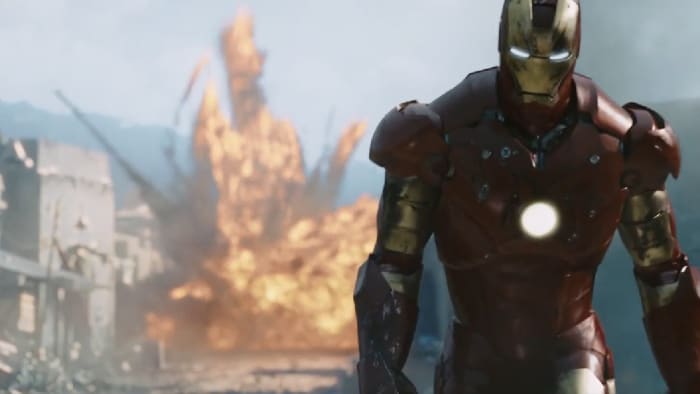
iron man 2008 start of mcu

In the 1990s, Marvel, like most comic book companies, was facing financial ruin. After filing for bankruptcy, Marvel attempted to save itself by selling off the film rights to its most popular characters.

Movie studios jumped at the chance to gain the rights to cultural powerhouses like Spider-Man and the X-Men (whose film rights were sold to Sony and Fox, respectively). Other Marvel characters, while beloved for decades by dedicated comic audiences, failed to break into the mainstream pop culture sphere. Characters like Thor and Iron Man are objectively cool, but they didn’t have the same draw as characters like Spidey or Wolverine.

After the breakout successes of Sam Raimi’s Spider-Man franchise and Fox’s X-Men series, Marvel decided to take out a loan of $500 million to create Marvel Studios. The idea behind Marvel Studios was that Marvel could use some of the lesser-known characters from its comic history to create a shared cinematic universe.

If the venture failed, the studio could simply liquidate itself and sell the film rights to its remaining characters to interested studios. Still owning the rights to the majority of the Avengers characters (most notably Captain America and Hulk), Marvel Studios attempted a bold strategy. They decided to make individual films of various characters before smashing them together in a massive blockbuster.

It was a bold and untried strategy at the time. Sure, studios had dabbled in crossing over their characters to modest success, (such as “Alien vs. Predator” or “Freddy vs. Jason”) but no studio had ever attempted to create a massive crossover universe out of an established property on this scale.

The only thing that was even close was the Universal Classic Monsters. From the ’20s through 1960, Universal created films with several monsters like Frankenstein’s Monster, Dracula, and the Wolf Man. From time to time, characters and their respective actors would cross over into other films. It was arguably a framework for the MCU, but it was a loose framework.

Marvel was the perfect property for this experiment, as the company had been crossing over its characters in the comics for decades.

Marvel Studios began with “Iron Man,” who was supposedly chosen to receive his own film due to his massive toy potential. The movie’s large budget, B-list main character, and at-the-time leperous main star Robert Downey Jr raised eyebrows among industry experts, who predicted a flop. In fact, Kevin Feige said Downey’s casting was the toughest fight he had with Disney. The 2008 movie was, as we all know, a massive success. It ended up singlehandedly recouping Marvel’s $500 million loan, convincing Marvel to move on with their experiment. The film made about $585 million, according to IMDb.

Iron Man’s approach to a cinematic universe was subtle. The film stood on its own, peppered with references to a larger universe (S.H.I.E.L.D, Nick Fury, the Avengers Initiative, etc) for hardcore Marvel fans to salivate over. The continued success of character films like “Captain America: The First Avenger” and “Thor” maintained Marvel’s momentum until the release of the groundbreaking first Avengers film in 2012.

In building up to “The Avengers,” Marvel focused on telling self-contained stories with compelling characters first, and on connecting these characters in a shared universe second. By making these formerly unknown characters worthy in the eyes of the public, they drummed up interest for their eventual crossover. It’s this sense of patience that allowed for Marvel to craft its cinematic universe into something that was worth keeping up with. Their system of “phases” made sure that every crossover paid off in a big way.

Avengers

By building up audience confidence in their brand, Marvel was able to successfully dive deeper into their character library. Eventually, they pulled out then-unknown characters like Black Panther, Ant-Man, Doctor Strange, and the Guardians of the Galaxy. While the rival DCEU hoped that the enduring legacies of Superman, Batman, and Wonder Woman would lead to massive box office success, Marvel built character legacies from the ground up.

With more than 20 movies in its universe, it can be hard to avoid audience fatigue. However, Marvel successfully navigated this by switching up genres and directors within its films. The films can range from spy-thriller (“Captain America: Winter Soldier”), heist-comedy (“Ant-Man”), cosmic misfit comedy (“Guardians of the Galaxy”), to Afrofuturist epic (“Black Panther”). Marvel’s signature style of loose dialogue and lighthearted, self-aware tone allowed them to create a consistent brand amongst its wide variety of characters without becoming repetitive.

Marvel Studios president and MCU brainchild Kevin Feige has stated that each movie is made for its own individual story first.

While the grand crossover outlines are there, directors and writers are given plenty of freedom to craft their own stories. This, along with Marvel’s patience in getting audiences invested in its characters, is the main reason the MCU has seen the success that it has. It builds naturally to crossover events instead of shoving a crossover movie in your face that tells you, not shows you, that these characters are important.

Why are other cinematic universes struggling?

justice league dceu

The runaway success of 2012’s “The Avengers” caught the attention of studio heads from across the world. The potential profits of a cinematic universe were massive, and every studio with recognizable characters immediately scrambled to follow Marvel’s lead. The most notable of these was, of course, DC.

With the release of 2013’s “Man of Steel,” DC had seemingly followed the formula set by “Iron Man:” create a standalone story with only cursory references to a larger universe. Unfortunately for DC, “Man of Steel” received only lukewarm reviews, with critics and audiences lamenting its dreary tone and color palette.

Sensing danger, DC decided to immediately move forward with its cinematic universe, or rather DC Extended Universe. DC continued with director Zack Snyder, whose bleak and pseudo-deep subversions of superhero narratives were clearly not resonating with audiences. The next film was “Batman v Superman: Dawn of Justice,” a film that was somehow overlong, stuffy, and unearned.

The movie immediately thrust new versions of Batman and Wonder Woman onto the big screen, failing to slowly build up the hype of a major crossover event.

By the time “Justice League” rolled around, DC showed that it still hadn’t learned how to properly build up a cinematic universe. It introduced more characters to the big screen without buildup (Aquaman, Flash, and Cyborg,) rapidly attempting to play catch-up with Marvel to no avail. It would have been ludicrous to think only 10 years ago that a movie starring a talking raccoon and a tree would become a cultural phenomenon while the Justice League’s long-awaited big-screen debut would get a lukewarm reception.

By not trusting audiences and slowly building up their characters, DC made their crossover movies feel like any old superhero movie instead of a massive crossover event. This, combined with DC announcing dozens of movies that have barely made it past development hell, shattered audience faith in DC to make a coherent cinematic universe.

DC has started to regain goodwill with their solo movies like “Wonder Woman,” “Aquaman,” and “Shazam!”  They are clearly moving away from lofty, pseudo-intelligent Snyder epics and more towards contained, tightly made stories. This has granted them significantly more critical and financial success, so it’s likely DC will focus on solo films for the near future.

Other cinematic universes have come and gone in the MCU’s lifetime. The X-Men franchise served as a sort of predecessor to the MCU, but its wildly inconsistent quality and haphazard continuity prevented it from fully achieving its potential.

Universal recently attempted combining their classic horror monsters into a modern cinematic universe known as the Dark Universe. Spearheaded with “The Mummy,” an action-packed Tom Cruise vehicle, the Dark Universe failed to take off before it really even started. Instead of creating a self-contained story that took place in a bigger world, “The Mummy” aggressively beat audiences over the head with setup for sequels and crossovers.

I mean come on, people; remember when they released a trailer for the movie without music?

This unsubtle, inauthentic buildup pushed audiences away, and the myriad of announced Dark Universe films are currently nowhere to be seen.

A particularly bold move is crossing over a bunch of properties that have nothing to do with each other (besides them all being owned by the same company). Hasbro is attempting to do this with its various properties such as GI Joe and Rom the Spaceknight. Hanna-Barbera is currently working on something similar with Scooby-Doo, Captain Caveman, and Wacky Races. It’s hard not to be cynical about mashups like these, as they seem to be brainchildren of studio executives throwing every remotely popular property they have into a blender. They are unfortunately completely skipping over the carefully laid groundwork of the MCU.

Wrapping up

All in all, the safest way to create a cinematic universe is simply to copy the foundation of the MCU. Create a bunch of compelling individual characters and then cross them over once audiences actually care. Do not simply throw a bunch of recognizable characters together, hoping it’ll have the same impact.

Planning must be careful and slow, and the studio must balance out their grand plans with the desires of individual filmmakers to craft independently satisfying films. If you can strike this balance successfully, you end up with the MCU. If you fail, you’ll simply land on top of the pile of other cinematic universe attempts.

5 best superhero games of all time

Discover the games that truly make you feel like you’ve got superpowers.

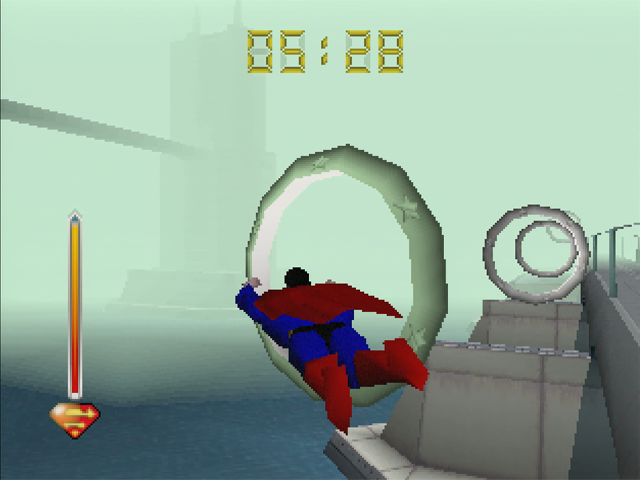
Licensed games are always a mixed bag. There are so many beloved characters and franchises that would make for excellent and creative games. Unfortunately, these games are often plagued by publisher interference and strict deadlines that hinder the developer’s ability to make a fun game that respects the source material. Superhero games are notorious for falling victim to this. With so many iconic heroes and inventive superpowers, you would think there’d be plenty of amazing superhero games, but unfortunately, the genre is home to many infamous duds like Superman 64.

You’ll believe a man can fly

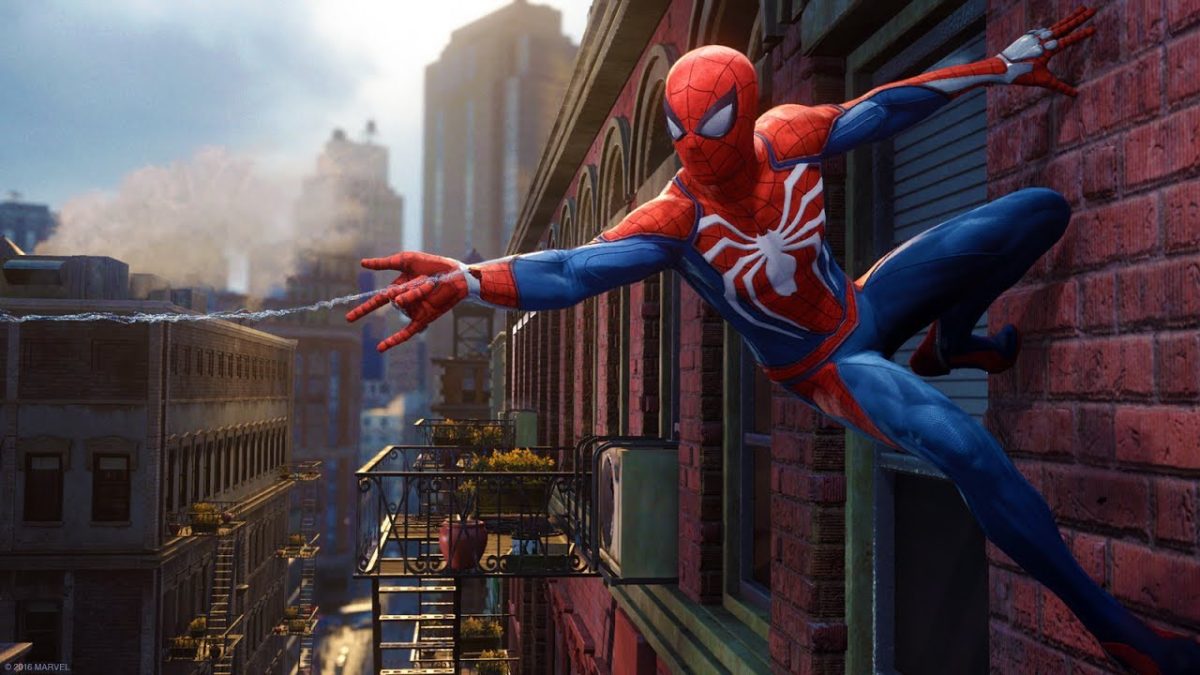
Despite all of this, there are some diamonds in the rough. Last summer, Insomniac’s Spider-Man breathed life into the superhero genre by giving players an expansive city, an original story, breathtaking movement options, and plenty of fan service. Because  Spider-Man PS4 came out so recently and would be such an obvious pick, we decided to look further back at some games that truly stand out as superhuman.

5 best superhero games of all time

5. Incredible Hulk: Ultimate Destruction

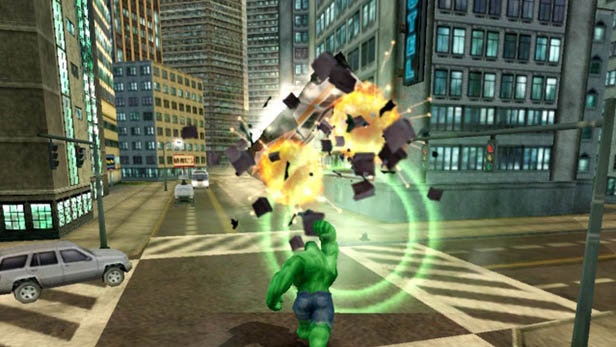
In the comics, the Hulk is a character study on the depths of human rage, fear, and loneliness, showcasing the struggle between a man’s cerebral and primal urges. While this has made for plenty of beloved Hulk comics throughout the years, while in video game form the Hulk should be about one thing and one thing only: smashing. The Incredible Hulk: Ultimate Destruction understands this perfectly, giving the player a huge, interactive playground to destroy. The game was developed by Radical Entertainment, who would go on to develop the similar Prototype series.

Players take control of the Hulk, who has access to dozens of upgradeable special moves, including the Weaponization system. The weaponization system allows the Hulk to transform environmental objects into useful weapons, such as ripping a car in half to use as boxing gloves, using a streetlight as a javelin, or surfing on a bus. The Hulk’s movements have a sense of weight and momentum to them. As the Hulk builds up speed and dashes forward, he will automatically destroy enemies and objects he crashes into without slowing down, truly giving players the feeling of controlling an unstoppable monster. Unlike previous Hulk games, Ultimate Destruction is open world, and the Hulk can rampage through two distinct levels, the badlands and the city, each with their own unique enemies, destroyable objects, and secrets to discover.

4. Spider-Man 2

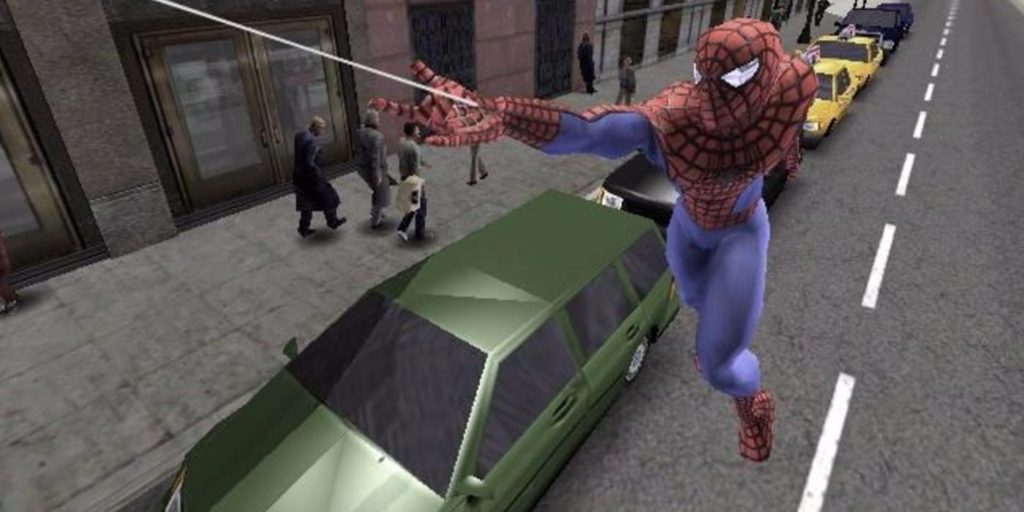
Spider-Man PS4 owes everything to this classic. Based off of the hit movie, Spider-Man 2 laid down the formula for open-world superhero games. Unlike the first Spider-Man movie game, Spider-Man 2 allowed players to freely explore New York City. At the time, such vast worlds were very uncommon in games, especially for licensed titles. The world was chock full of side missions, including infamous quests like retrieving balloons for children or delivering pizzas while that hilarious music played.

Even with its fleshed-out world and memorable missions, the most memorable part of the game is the web-swinging. Previous Spider-Man games had Spidey shooting out webs into the sky and swinging on nothing, at most able to alternate between a few different speeds. Spider-Man 2 completely revamped the web-swinging system, and the player must now shoot actual buildings and objects to swing. As the player swings toward an object, they feel a real sense of momentum as Spider-Man speeds closer towards the ground, ending as the hero detaches from the web into an explosive jump. The system had a learning curve, but a high skill ceiling and a surprising amount of depth. Even today, Spider-Man 2’s web-swinging is considered one of gaming’s best movement systems.

3. Marvel vs Capcom series

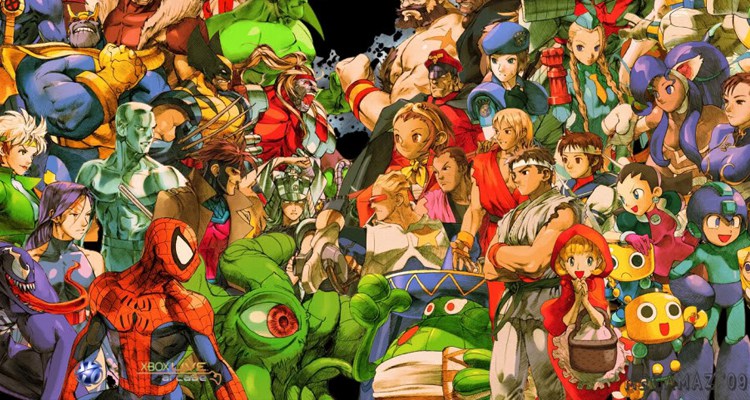
Back in the ’90s, Capcom dominated arcades with their star fighting game franchises like Street Fighter and Street Fighter Alpha. Eventually, they ended up getting the Marvel license, creating fighting game classics like X-Men: Children of the Atom and Marvel Super Heroes. Later on, someone at Capcom had the brilliant idea to mash these two megahit game series together, and Marvel vs Capcom was born. In addition to all of your Capcom favorites like Ryu and Mega Man, the MvC games featured a colorful cast of Marvel heroes both iconic (Spider-Man, Wolverine, Captain America) and hilariously obscure (Shuma-Gorath, Marrow, and at the time, Rocket Racoon).

The series took the versus gameplay popularized by X-Men COTA and dialed it up to 11. Players could select teams of three characters from a gigantic roster, customizing their assist attacks to form the best synergy they could. Combos in MvC games are infamously flashy, often lasting a long time and involving multiple characters and explosive super moves. The Marvel vs Capcom games are an absolute must play for anyone who enjoys fighting games, Marvel, or fast-paced, flashy games overall.

2. Marvel: Ultimate Alliance

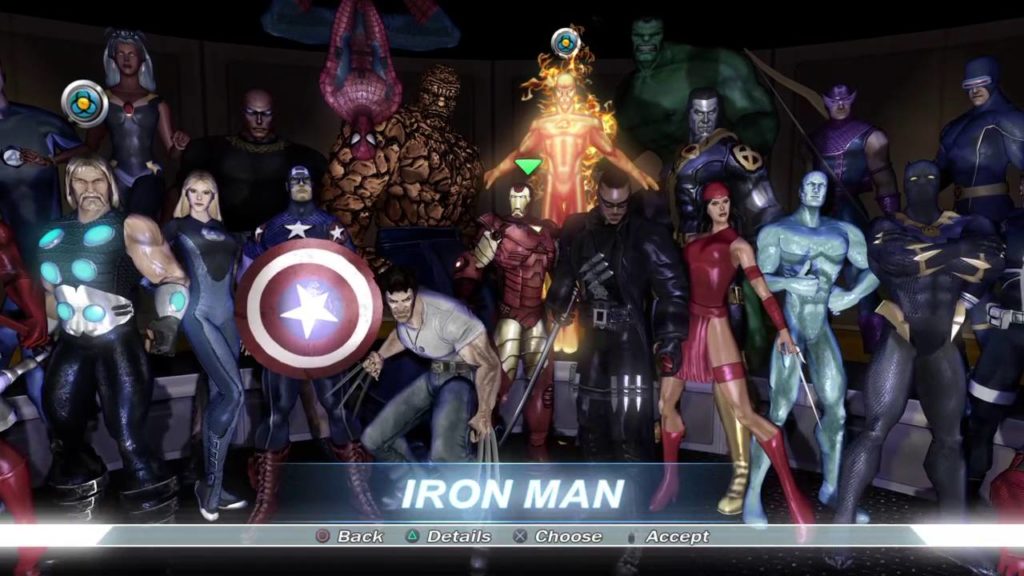
Back in the early 2000s, Raven Software’s X-Men Legends series was a critical and commercial hit. The game combined Diablo-style dungeon crawling and loot with an enormous roster of heroes, each with customizable powers, attributes, and costumes. Marvel: Ultimate Alliance kept this style of gameplay while expanding the storyline and roster to encompass the entire Marvel Universe. Playable characters include the Avengers, the X-Men, the Fantastic Four, and solo heroes like the Deadpool, Silver Surfer, Blade, and Daredevil.

The story is incredibly expansive, including treks to Atlantis, Asgard, and even Hell. Tough choices abound, as your decisions are often surprisingly morally grey and have you choosing who lives and who dies. These decisions alter the course of the story and the ending you receive. As you progress through the game, you face off against iconic Marvel baddies like Dr. Doom, Ultron, Loki, and even Galactus. Dialogue and story events with these villains change depending on which heroes you choose for your team. For example, Captain America laments having to fight a brainwashed Winter Soldier, and Bullseye taunts Elektra, reminding her that he murdered her in the past.

Marvel: Ultimate Alliance is the perfect evolution of the X-Men Legends series, and is one of the finest RPG experiences of its era. Stay on the lookout for Ultimate Alliance 3, which was recently announced as an exclusive for the Nintendo Switch.

1. Batman: Arkham series

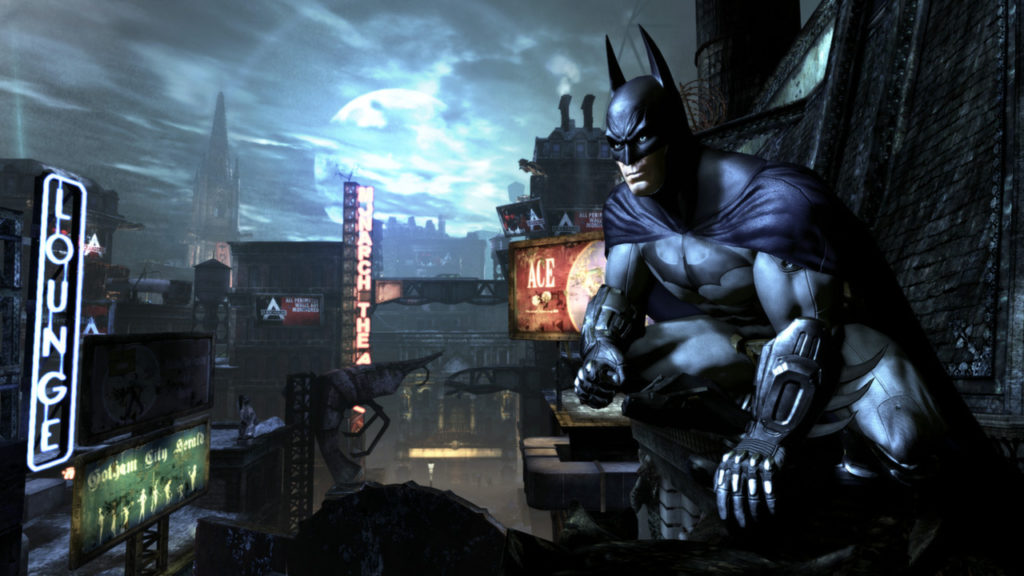
Obviously, we can’t make a list of top superhero games without mentioning the Arkham series. When Arkham Asylum was released in 2009, critics were blown away by the gripping storyline, chilling atmosphere, and detective-based gameplay. The Arkham games were the first Batman games that really tried to encompass the whole scope of Batman’s character: his sharp detective mind, his relationships with his enemies, and his brutal combat prowess.

In the Arkham games, Batman has access to a wide variety of gadgets that aid him in both puzzle-solving and combat. The developers did a fantastic job combing through Batman’s history for gadgets, as they included everything from his iconic Batarangs to his explosive gel. In addition to his gadgets, Batman can also use his Detective Vision, highlighting interactable objects and secrets. Speaking of secrets, every game in the series is full of secrets to collect, with most secrets either fleshing out the world (Riddler trophies) or providing fan service (Batman Beyond suit).

Batman: Arkham Knight DOWNLOAD NOW
7

Batman’s famous rogues’ gallery makes for some extremely memorable boss fights. The fight against Mr. Freeze in Arkham City is a methodic and tense fight that has Batman using his environment and gadgets to get the upper hand. Most notably, the Scarecrow fight in Arkham Asylum is creative and fourth-wall breaking, as it brilliantly leads the player to believe that their game is glitching out. These fights not only serve as creative gameplay segments but as character studies into the minds of Batman’s most iconic villains, showcasing the passion and lore knowledge of the development team.

The Arkham series’ combat system is easily the most influential of the last decade. So many games use “Arkham combat” nowadays because the system is so simple, yet fluid and stylish. Basically, as Batman attacks a group of enemies he automatically locks on to them and pummels them as you press the attack button. When an enemy telegraphs an attack, Batman can press the counter button to quickly dodge and strike back. If done correctly, every combat sequence should function as one continuous, free-flowing combo. While the system isn’t nearly as nuanced as a game like Devil May Cry or Bayonetta, it is accessible and flashy, focusing more on the flow of combat rather than tight button combinations.

The Arkham series is a true labor of love to one of the greatest superheroes of all time, and perfectly displays what happens when licenses are given to developers who are given ample resources and respect and love the source material.

Any superhero games we missed? Which ones are your favorites? Let us know!