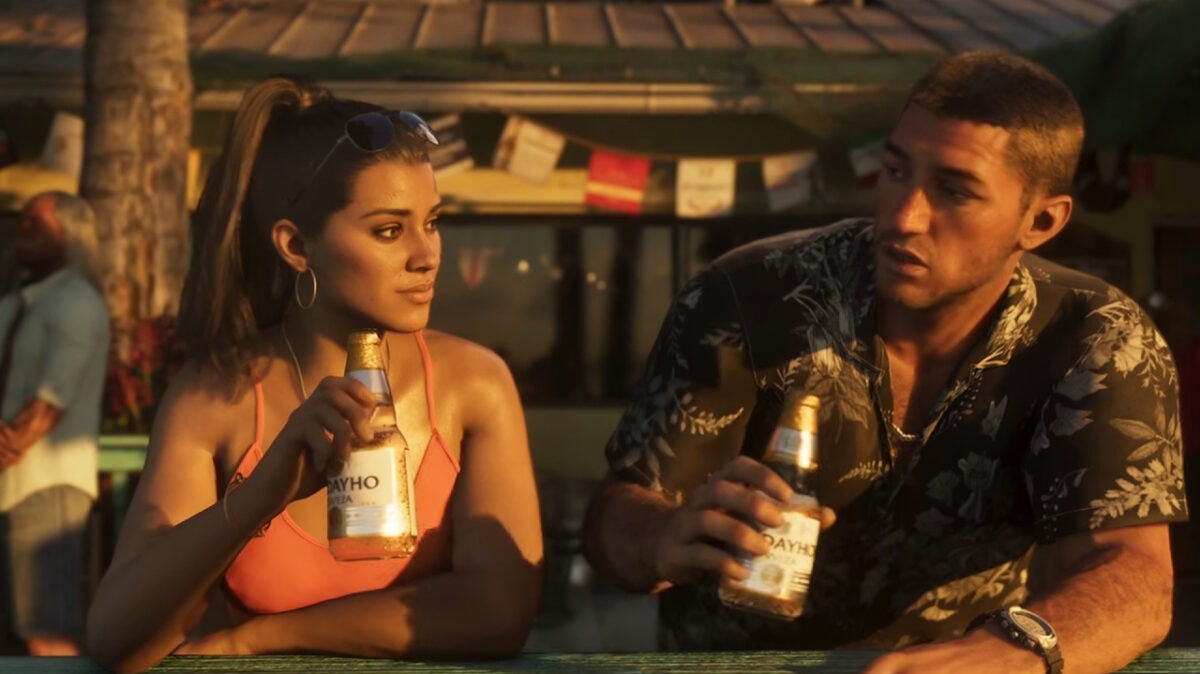
Sony has presented a patent that could transform the way digital content is consumed, titled “automatic and personalized editing of video content using artificial intelligence.” This technology allows for real-time modification of offensive content in video games and movies, using methods such as deepfake, blurring, or removal of sections. Users will be able to create custom filters to censor what they consider inappropriate.
Censorship or adaptation?
Among the possible uses of this innovation is parental control. For example, if a video game contains offensive language, parents could activate this system to mute or alter it, thus ensuring a more appropriate experience for minors. However, this type of technology would not be exclusive to parents, but would also allow any user to adapt the content to their own preferences, from avoiding situations that they find uncomfortable to omitting elements they consider offensive.
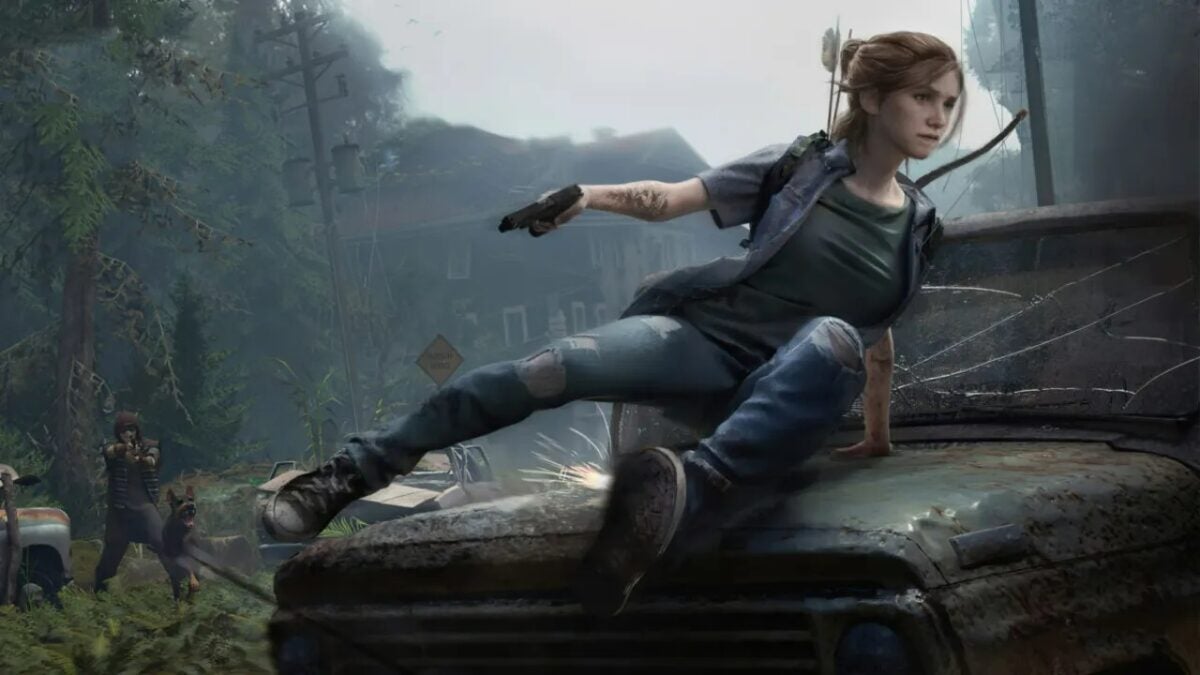
The introduction of an automated censorship system has raised concerns about its impact on the artistic experience of video games. Many experts argue that, in titles like The Last of Us Part 2, censorship could alter the original message of the game, as certain moments of violence are essential for understanding its narrative. The possibility of suppressing content could lead to significantly different and less impactful gaming experiences.
Despite the patent presentation, it is important to highlight that this does not guarantee its immediate implementation in future Sony products. Historically, the company has registered innovations that never made it to market, suggesting that this patent could simply be a way to protect exploitation rights without clear intentions for upcoming development.