5 games Myst fans will love

Find out why puzzle gamers need to add these titles to their list.

Myst

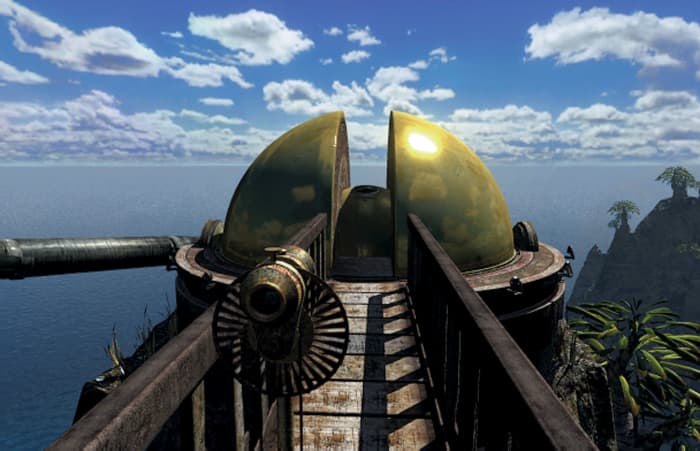
It’s been over 25 years since Cyan revolutionized the puzzle gaming genre with Myst. At a time where point-and-click adventure titles were leading the market, Myst was a clever first-person exploration game that centered around unlocking and traversing new Ages solving puzzles in order to correct a wrong made many years ago. If you’ve never played Myst, check it out here:

RealMYST Download
6
Uncover the secrets of the island

The gaming industry has exploded since Myst came out (way back in 1993!), and games of its ilk that blend easy controls with complex puzzles are few and far between. If you know where to look, though, there’s the rare gem that might let you relive the mind-bending puzzle of this classic game. Check out our list!
5. Prominence

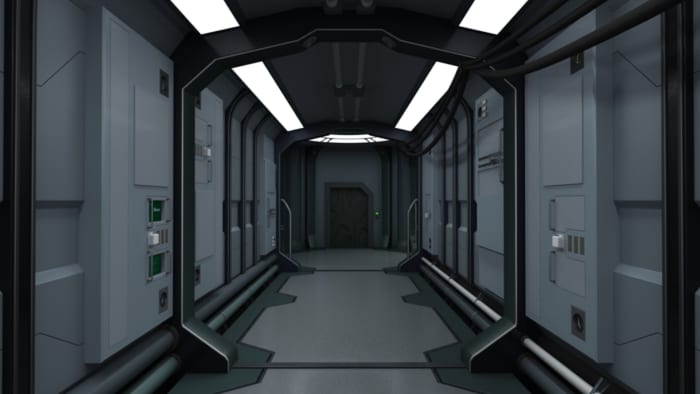
Prominence hallway Letarri
Discover the fate of the Letarri

Prominence is similar to Myst in that it’s a first-person puzzle game with compelling character arcs, a captivating narrative, and a rich atmosphere that keeps you excited to see what’s waiting around the next corner.

It’s a very different setting than Myst (Prominence is heavier sci-fi and takes place on an abandoned spaceship), and relies more on listening to messages and hacking terminals to progress and gather clues. There’s even a text-based interface that makes you feel like a La Forge from Star Trek.
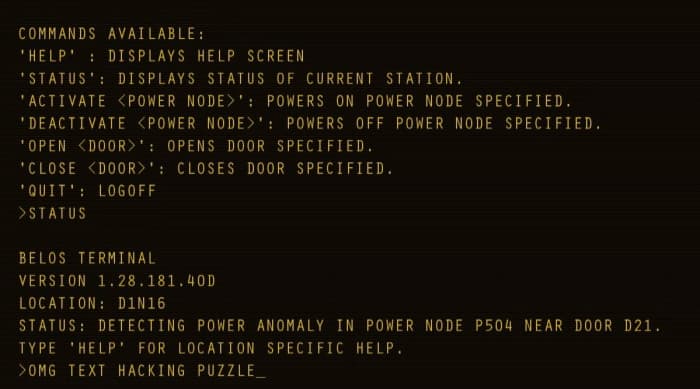
Prominence text hacking puzzle
“Shall we play a game?”

Some of the puzzles in Prominence are more difficult than others, but they’re arranged in a satisfying way; none feel illogical or forced. They all fit appropriately within the context of the story as it unfurls around you, and you as the character rise to meet them.

The soundtrack is exceptional, breathing life into the walking back-and-forth that might otherwise seem tiresome. If you want a more claustrophobic, space-faring Myst experience, Prominence will not disappoint!

4. The Witness
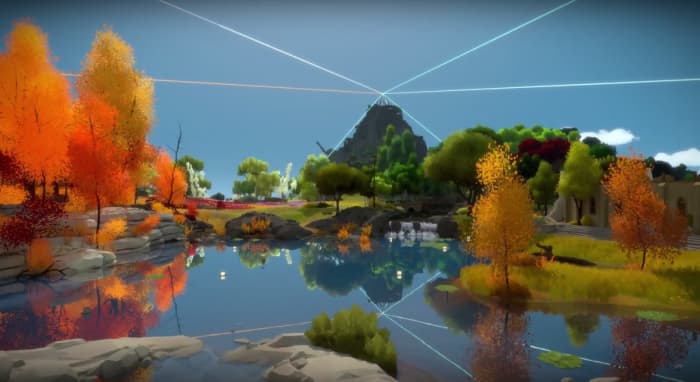
The Witness
Explore and unlock a rich, artistic world island brimming with mystery.

The tagline for The Witness is “you wake up, alone, on a strange island full of puzzles that will challenge and surprise you.” If that doesn’t sound like Myst nostalgia, nothing does! The moment you boot up the game and set foot on the gorgeous, expansive, island you’ll want to explore it fully. Thankfully there are over 500 puzzles to occupy your time, and bright, vivid colors to reward your travails.
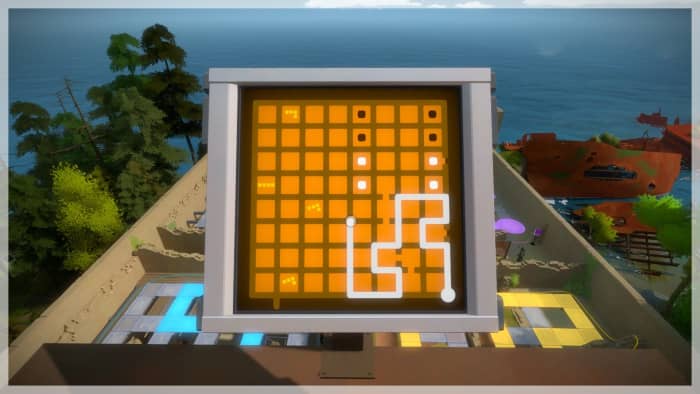
The Witness puzzle
Each small puzzle solved is a step closer to the truth.

The Witness differs from Myst in that in Myst the game was divided into separate Ages tied together with the theme of the island. The Ages of Myst all had their different quirks (using sound for Selenetic, or diverting water for Channelwood and Stoneship) that held the Age together and made it feel unique.

Conversely, The Witness is not a game where the player interacts with a puzzle per se. Rather you’re solving singular puzzles to make individual things work, kind of like Sudoku or crosswords. The game is still goal-oriented at its core, however, and you’ll still have plenty of incentive to explore new ground, discover new clues, regain your lost memory, and hopefully make your way back home.

3. The Room

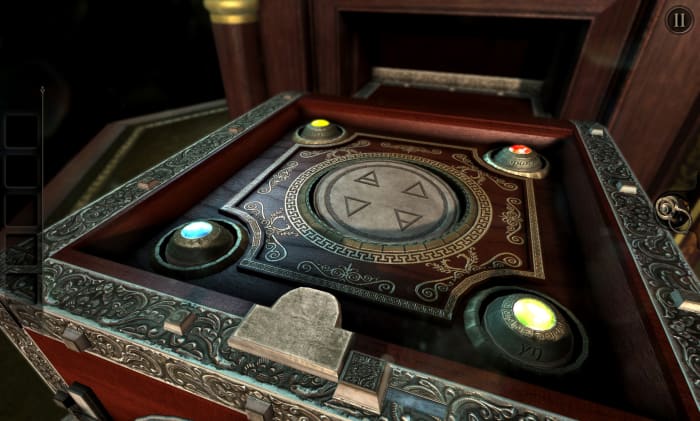
The Room color triangles panel
The Room has been gorgeously remastered for PC

Probably the most critically-acclaimed title in our list, The Room is simply a must-play, even for the less hardcore puzzle gamers. Why? It’s full of content, there’s a cohesive plot, the puzzles are delightful, the atmosphere is beautiful and dramatic, and we savored every moment of it.

The Room takes place in the steampunk-inspired attic of an abandoned house. A cast-iron safe looms ominously in the foreground and promises something wondrous and ancient concealed within. Can you figure out how to open it?
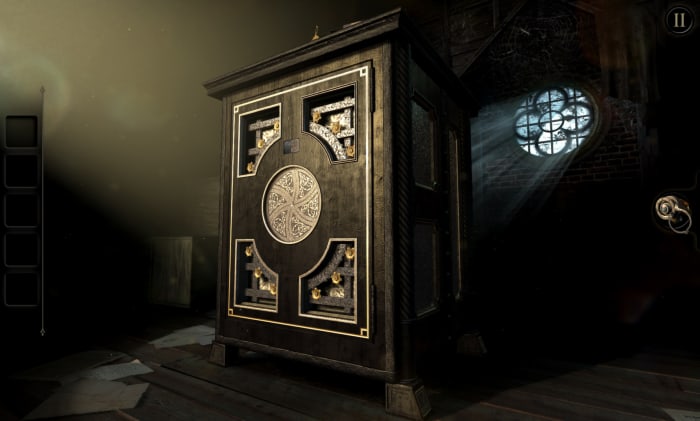
The Room puzzle box
Stuck? Try looking from a different angle.

The Room won a BAFTA and also spawned two more games, The Room Two and The Room Three, both of which also received overwhelmingly positive reviews on Steam. We’d say more about the game, but frankly, we don’t want to give anything away! Suffice it to say that all three games in the series are well worth your while, and we can’t wait for The Room Four!

2. Quern – Undying Thoughts
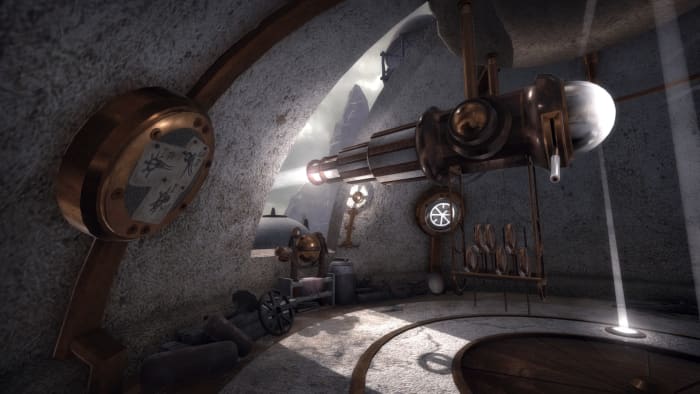
Quern light puzzle
Follow in the footsteps of the enlightened Professor Maythorn

Quern is one of our favorite games on this list because not only does it play like Myst (welcome back to an island full of unsolved puzzles!), it also looks and feels like it. The soundtrack and SFX are on point, and the UI is a step above and beyond the expectation.

As for its puzzles, Quern takes a different approach from most games. Rather than giving individual smaller puzzles like The Witness or wider, more macro puzzles like Myst sequels Riven or Exile, Quern teaches you mechanics that evolve and grow more complex as you explore further and further on the island.
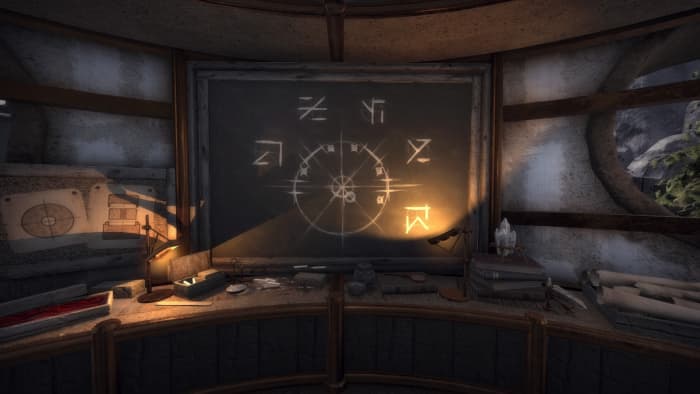
Quern symbols
Look important? Take a snapshot with your in-game notebook!

Early on you’ll also receive an in-game notebook that you can write in and use to sketch. While this system isn’t completely revolutionary, it is polished to perfection. Simply point your mouse and press a button, and a drawing of what you’re looking at will appear in your notebook for you to reference later on. It saves a lot of needless running back and forth that other games of the genre suffer from. After playing Quern, this was a feature we definitely missed in other games!

1. Obduction
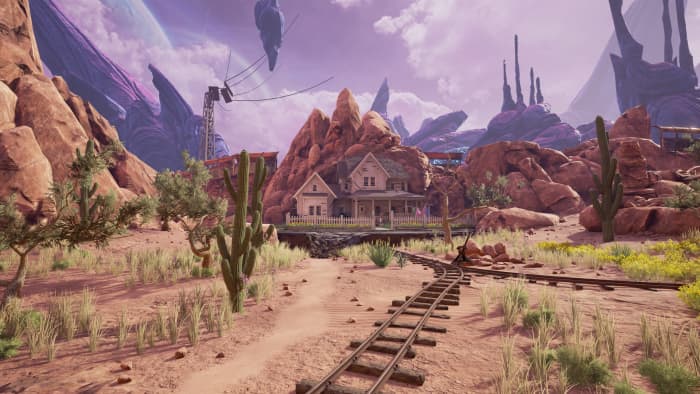
Obduction Hunrath
Robyn Miller dazzles with an original soundtrack reminiscent of Myst

If you’re looking for the experience closest to Myst, look no further than Obduction. Not only is it another expansive first-person puzzle game, it was even designed by the same company! As such you’ll see a lot of similarities to Myst, including a lot of world-hopping, extraterrestrial encounters, and heavy use of tracks and trolleys.

Obduction was even scored by the same composer (the outstanding Robyn Miller) which adds another layer to the nostalgia factor for any Myst fan.
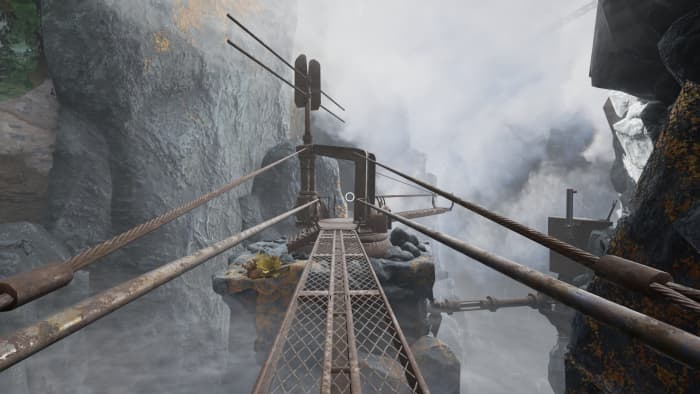
Obduction Kaptar
Explore alien planets and connect four different worlds

Similar to Myst, many of Obduction’s puzzles involve transporting between worlds, and the core of the game is finding a way to connect them to each other. That means you’ll be exploring a variety of memorable, colorful landscapes and vistas as you solve puzzles, open new doors, and uncover the secrets of what makes each location tick. If you love Myst, your collection simply isn’t complete without Obduction.
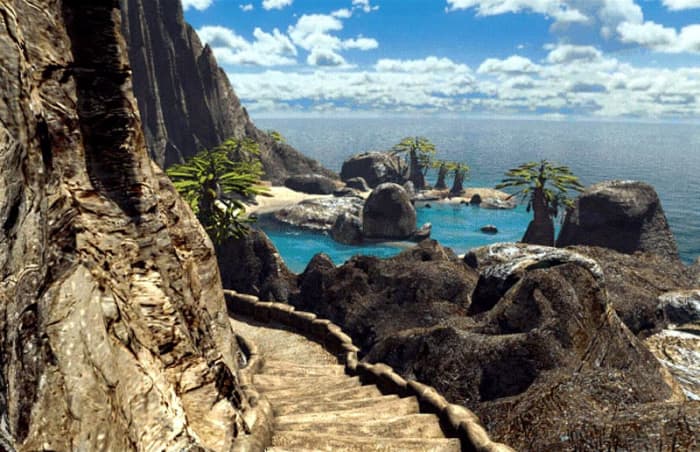
Riven
Riven still looks gorgeous over 20 years later

Lastly, it goes without saying that if you enjoyed Myst you should definitely give the sequel games a shot. Myst grew into a six-game series and if you’re like us you’ll be happy to see similar themes (Atrus, linking books, Ages, and puzzles galore) as you go through. As for other games worth your while, you might also want to put Discolored and Memorrha on your Steam wishlist. They look to be similar games as well, and both are coming out later this year!

In the meantime, let us know in the comments below which of these games in our list is your favorite, and stick with Softonic for more Myst!
Notre Dame fire: The apps that could help rebuild Paris’ historic cathedral

Need to rebuild an iconic landmark that’s been struck by tragedy? Don’t worry, there could be an app for that.

As the dust begins to settle on the frenzied and emotional days that followed the tragic fire that struck the Notre Dame cathedral in Paris, a plan of action is beginning to emerge. With hundreds of millions of dollars already raised to aid Notre Dame’s resurgence, and an architectural competition launched to redesign the Cathedral’s lost spire, it is clear that Notre Dame will rise from the ashes of the fire that claimed it. Will it be the same though, or is a lot of the Cathedral’s historical significance lost forever?

Well, there are apps for this exact kind of thing. Over the last few years, a number of conservation projects have been established, designed to digitally capture sites of historical importance so that they can be kept for posterity’s sake. Let’s take a look at a few of these in greater detail and see just how they could help restore Notre Dame to its former glory.

Need to rebuild an iconic landmark that’s been struck by tragedy? Don’t worry; there could be an app for that

digital and virtual representations of Notre Dame

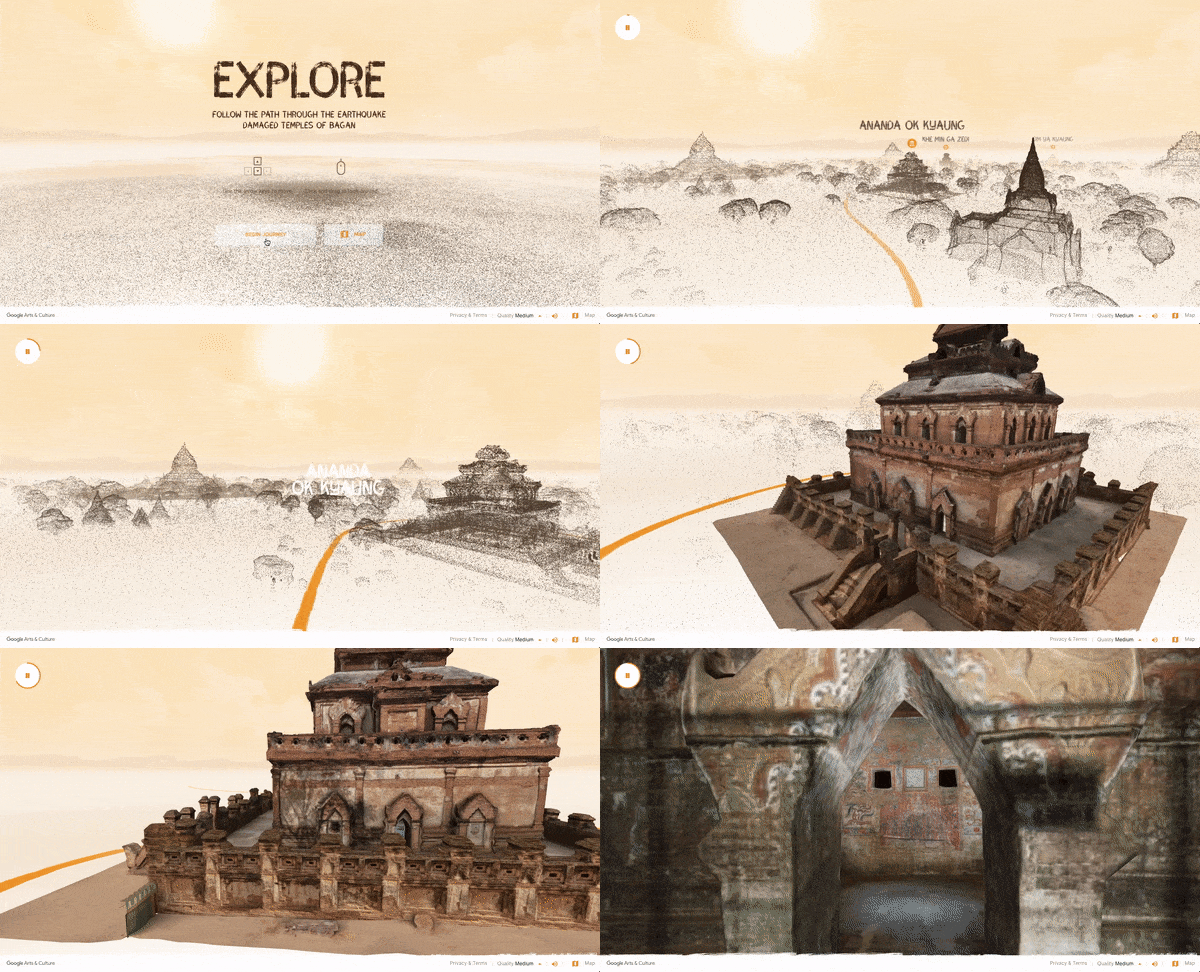
Last year, we first reported on the Open Heritage Project, which is a partnership between Google and the non-profit organization CyArk. The Open Heritage Project uses 3D laser scanners and drone-mounted DSLR cameras to capture areas of cultural and historical significance around the world that could be in danger due to political or geographical instability. Think about the destruction of Palmyra and Aleppo in Syria and you’ll have a good idea about the types of locations the Open Heritage Project is looking to digitally preserve.

The cool thing about the Open Heritage Project is that it has digitally recreated many of the landmarks it has scanned. These can be viewed from your desktop and in some cases even walked around and explored via virtual reality technology. To give this a go, you can visit the Open Heritage Project website or download the Google Arts and Culture app.

Google Arts & Culture Download Now
8

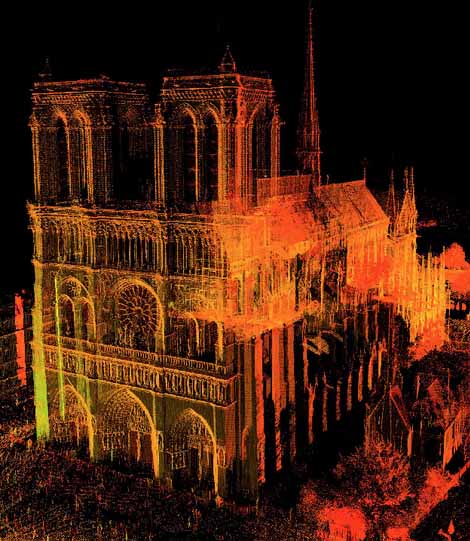
Unfortunately, and rather ironically, a Parisienne Cathedral wasn’t considered sufficiently at risk for the Open Heritage Project to scan. The good news, however, is that they’re not the only gunslinger in town. An organization called Mapping Gothic has also been using digital scanning technology to preserve the Gothic architectural wonders of France and they have complete digital scans of Notre Dame, which they took back in 2015.

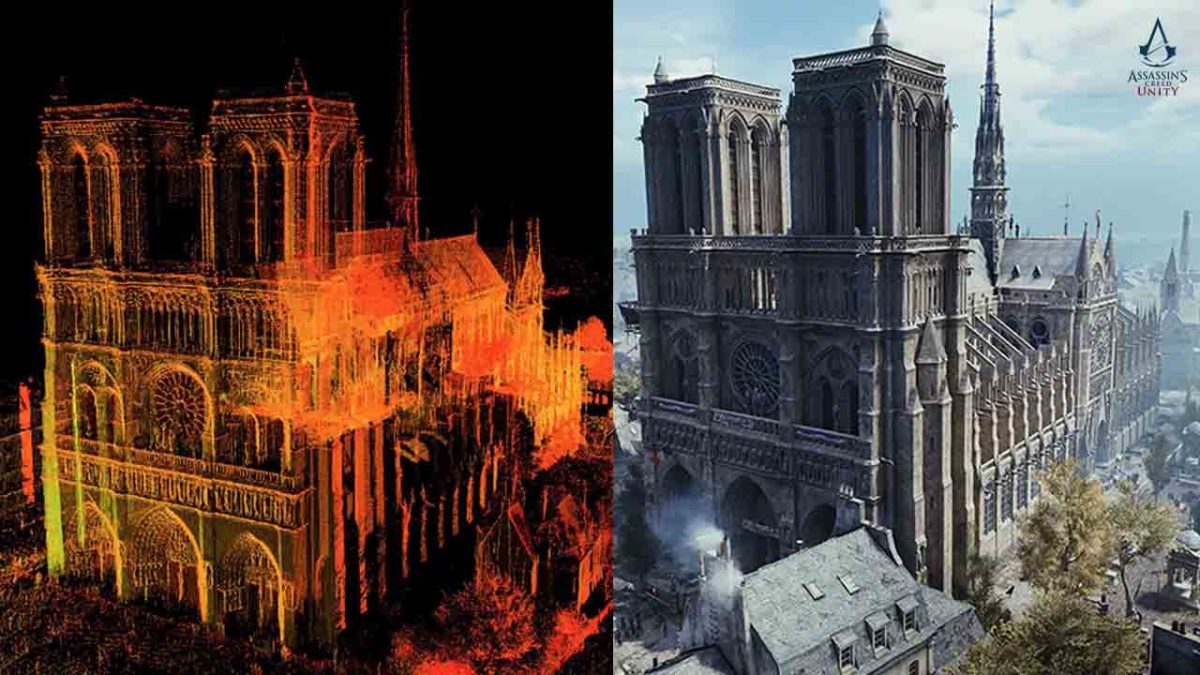
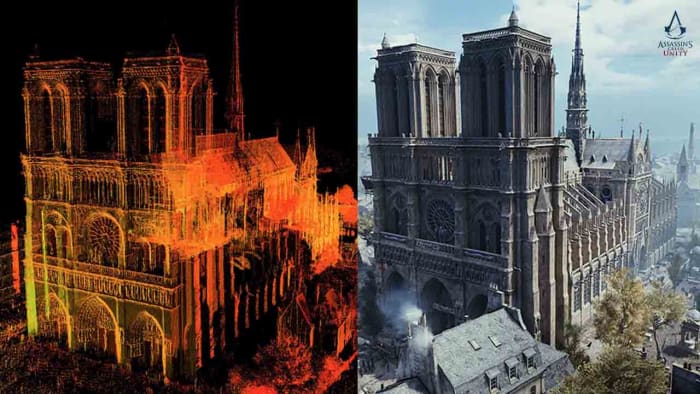
Digital representation of scanning data taken at Notre Dame
Image via: Extreme Tech

According to Extreme Tech, the Mapping Gothic team, led by art historian Andrew Tallon, used a similar digital laser scanner and high-resolution photography method to the one described above to capture an impressive digital recreation of the iconic French Cathedral.

“The actual laser modeling is done by mounting a laser from a tripod and shooting the gallery, taking time to measure the distance between the scanner and every point it hits. Each one of these points represents a distance — by mapping millions of points from a single location, historians can measure how the building expands and contracts during the day, as well as how it shifts over longer periods of time. By combining the point cloud data generated by the laser scanner with on-site photographs taken at the same time, Tallon has created extremely accurate models of the underlying structure and design of the cathedral, and identified points where the cathedral’s masons either deviated from the original plan or paused work to allow the ground to settle.”

National Geographic did a great video on Tallon’s methods when he captured the National Cathedral in Washington:

There is no news yet about whether the Mapping Gothic scans will be used to help rebuild Notre Dame, but they are there should they be needed. Interestingly enough, however, those scans are not the only recreation of Notre Dame out there. In fact, another one allows you to walk through the historic cathedral just like you can with some of the Open Heritage Project scans. Furthermore, this other recreation even allows you to climb all over the magnificent building. We’re talking here about Assassin’s Creed: Unity.

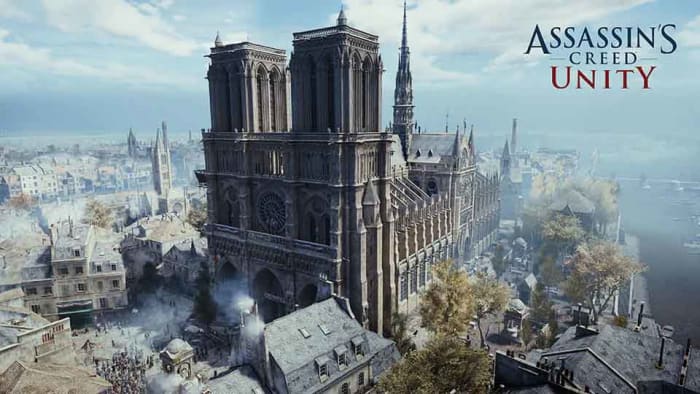
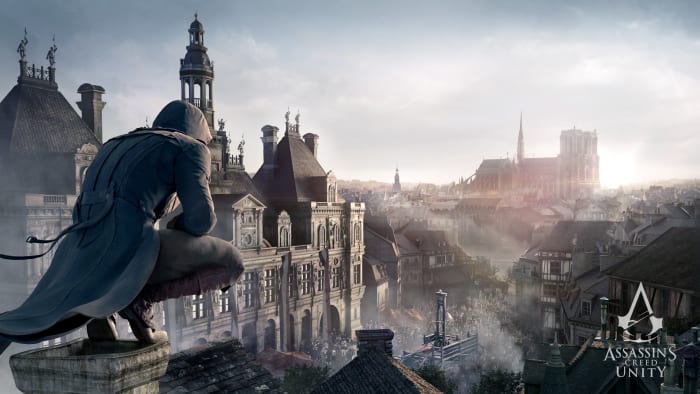
The thing about Assassin’s Creed: Unity is that it did a great job of recreating Paris at the time of the Revolution. The game looks great and a lot of work was put into making the virtual Paris look exactly like the real one back in the day. All except for one detail. At the time the game is set, Notre Dame’s famous Spires still hadn’t been added to the Cathedral. When making Unity, however, Ubisoft decided that it was too integral to the essence of the Notre Dame everybody knows and loves today so they put them in the game anyway. This makes the Unity recreation of Notre Dame complete, in the modern sense.

Notre Dame cathedral in Assassin's Creed
Image via: Ubisoft

To build Notre Dame in the game, one particular member of the Assassin’s Creed: Unity team, Caroline Miousse, spent two years modeling the real thing. In all, it took up about 80% of the work she did on the game. According to The Verge, Miousse spent years fussing over every tiny detail, including the texture and placement of every brick, and even which paintings were on which walls. The results are quite spectacular and should be seen to be believed.

A view of Notre Dame cathedral from ACU

France wants to rebuild Notre Dame in time for the Paris Olympics in 2024. This is a very short period of time to rebuild a Gothic masterpiece and will be a tough task. As we’ve seen though, there is plenty of information available to whomever gets the job and should they wish, they’ll have all the data they need to rebuild Notre Dame exactly as it once stood, in all its former glory. On top of that, we already have both digital and virtual recreations and we can still get up close and personal to the famous French Cathedral even as investigators still try to figure out what actually caused the fire.

How games made the transition from 2D to 3D

The pivot from 2D to 3D gaming was a tricky transition for game companies. Discover how they pulled it off.

How games transitioned from 2D to 3D

By the mid-’90s, the 16-bit era was coming to an end. The advancement in technology brought us some incredible games that looked, sounded, and played better than their 8-bit counterparts. Games like Super Mario World, Super Castlevania IV, and Mega Man X showed that developers had perfected 2D gameplay and level design.

But as gaming technology was advancing, gamers were looking towards the future for the next big thing: 3D. Some 16-bit games, like Star Fox or Pilotwings, simulated 3D gameplay, while others, like Donkey Kong Country and Mortal Kombat, imitated 3D graphics.  Though these games were great, the unveiling of the Nintendo 64 and PlayStation truly gave gamers their first look at the potential of 3D video gaming.

The challenge of 3D game design

Creating 3D games brought an entirely new set of challenges for game designers. With only one plane to work with, it’s much easier to design levels and obstacles for 2D sidescrolling games. The ability to move in infinite directions in 3D makes for significantly more complex level design.

Every part of a 3D level is much more spread out than it would be in a 2D level, causing poorly designed 3D worlds to feel empty. Empty levels were hardly ever a problem in 2D games because everything was designed to be tightly packed and compact. With infinite movement, exploration becomes a key part of 3D level design. In 2D levels, everybody knows that you’re supposed to head to the right, but 3D levels, in their resemblance to the real world, naturally encourage players to head off in different directions and explore. This makes designing linear levels a challenge, which could cause some players to get lost. Some 2D games were more natural conversions to 3D than others. It’s significantly easier to imagine a nonlinear game with a top-down perspective like The Legend of Zelda playing in 3D as opposed to a sidescroller like Mario. For games that didn’t transition as easily, the challenge for game designers was to create levels that incorporated elements of 2D games enough to retain fans while taking advantage of the 3D world to keep things fresh.

Nearly every major game franchise at least attempted to make the transition from 2D to 3D during this time. To show you how the transition was made from a game design perspective we’re going to look at two major platforming games and their first 3D entry: Super Mario 64 and Sonic Adventure.

Mario makes the jump to 3D

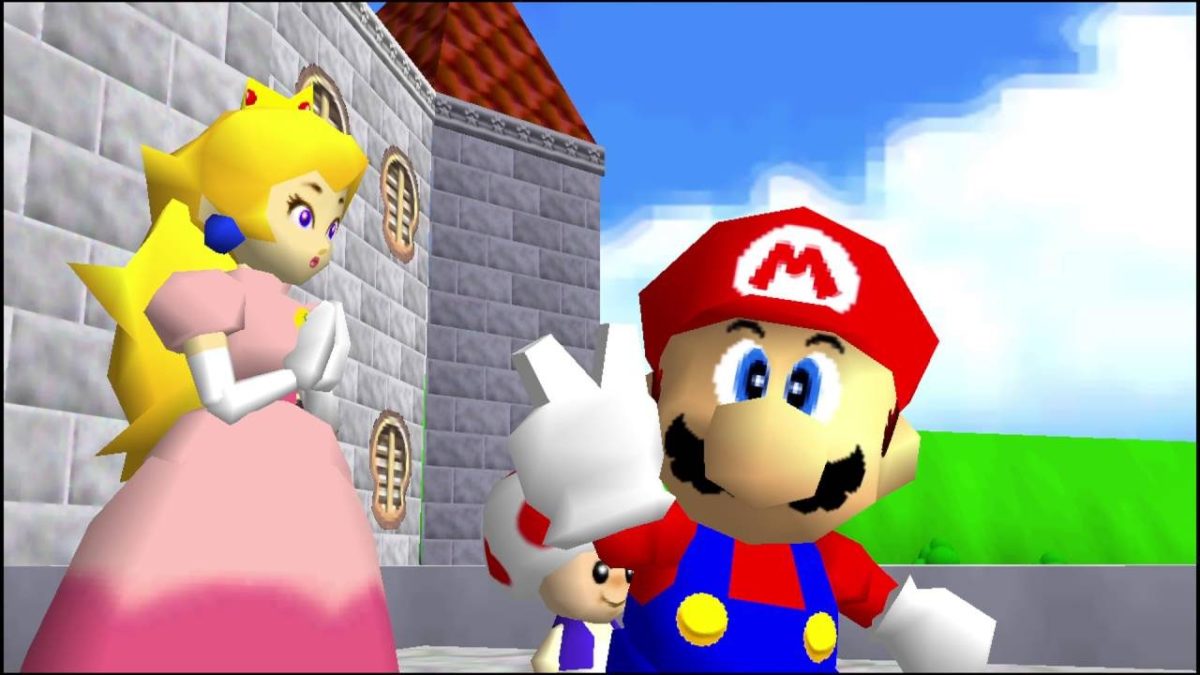
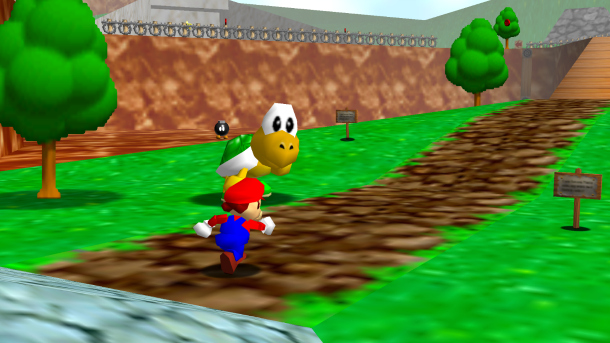
mario 3d

Nintendo knew right away that creating a 3D Mario game wasn’t as simple as changing the camera perspective. In the 2D Mario games, the objective was the same in every level: get to the end by running to the right. While this linear design was considered early on in Mario 64’s development, Nintendo quickly realized that moving around in 3D was fun enough on its own. 2D Mario basically had four moves: run, jump, crouch, and swim. The fun of 2D Mario games wasn’t in using those moves, but in avoiding obstacles to reach the end of the level.

In Mario 64, Mario’s moveset has been upgraded dramatically to match the more complex level design. Mario could now wall jump, triple jump, long jump, backflip, side jump, and more. This gave players significantly more options in choosing how to navigate a level, adding a high skill cap to the game without making it too complicated for more casual players. This moveset has proven so fun to use that it served as the base for every 3D Mario game since, including 2017’s Super Mario Odyssey.

The level design factored in this movement. It would be a waste to give Mario an expansive, in-depth moveset and have the goal be simply reaching the end of a level. Instead of having dozens of small levels, Mario 64 has 15 huge worlds, each with multiple objectives to complete.

There are two major reasons for this. First, 3D technology was in its early stages and development was expensive, so Nintendo saved time and money by creating 15 large varied levels as opposed to a huge number of small levels. Second, 3D level design is much more conducive to slower-paced, exploration-based worlds than tightly packed platforming challenges. Simply navigating a 3D world with Mario’s new moveset was fun enough, and having varied objectives allowed players to explore more lifelike worlds than were ever possible in 2D. The massive 3D worlds of Mario 64 blew people’s minds back in 1996, and their open-ended structure combined with Mario’s diverse moveset gave them a replay factor that was unmatched by 2D games in the series.

It’s pretty much unanimously agreed upon that Super Mario 64 is the best 2D to 3D transition in video game history. Nintendo made just the right adjustments to the popular Mario formula to help the game feel unique without overwhelming past fans. For being a first generation 3D game, Super Mario 64 holds up remarkably well today and is a shining example of Nintendo’s thoughtful game design.

Sonic speeds into the third dimension

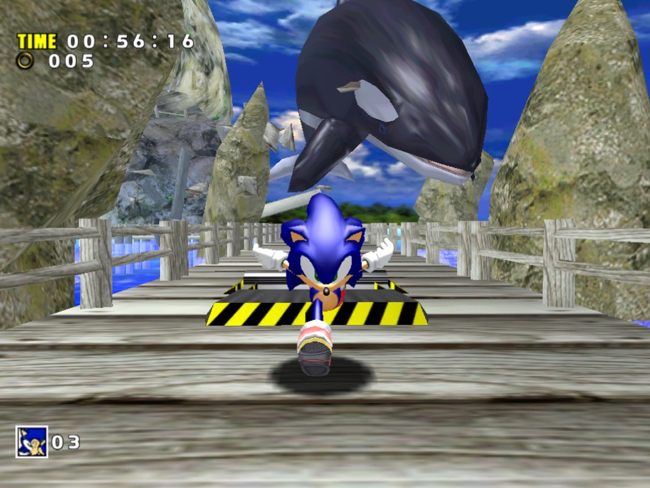
sonic 3d

The story of Sonic Adventure is very different than that of Super Mario 64. For starters, Adventure wasn’t Sega’s first attempt at a 3D Sonic game. Sonic 3D Blast and Sonic R were both early attempts by Sega to make 3D entries in the franchise and unfortunately, both games are awful (despite their wonderful soundtracks).

The Sonic franchise mostly took a backseat during the 64-bit early 3D era as Sega studied its competitors’ attempts at 3D game design. Unlike 2D Mario games, 2D Sonic games had a momentum-based platforming design that allowed skilled players to fly through levels by chaining bounces and jumps. Early Sonic games had much more spectacle than 2D Mario games, as technically impressive segments had Sonic flying through loops and running through pipes. Though these segments took control away from the player, they were impressive enough at the time to make up for it. Because Sonic is a significantly faster-paced platformer than Mario, it was technically unfeasible for Sega to create huge cinematic levels with N64/PSX/Sega Saturn era technology. Sega’s first big attempt at creating a non-spinoff 3D Sonic game came with the Dreamcast, a console with power more comparable to a PS2 than an N64.

While Mario 64 was an attempt by Nintendo to move forward with the Mario series, Sonic Adventure was an attempt by Sega to totally reboot it for the new generation. Sega tried to create a Sonic experience that was only possible on (what were at the time) next-gen consoles, complete with fully-voiced cutscenes, revamped character designs, and a complex story.

This cinematic approach to the game influenced the level design. Sonic Adventure features multiple hub worlds that unite all of the game’s levels. These hubs are massive and filled with secrets and NPC’s, making them seem more like lived-in worlds and less like 3D obstacle courses. These worlds were big enough to actually get lost in, but a helpful hint system mostly alleviates this.

The actual levels of Sonic Adventure resemble 2D Sonic levels in design and structure, as the goal of each Sonic level is to reach the end of the stage. (Note: There are seven playable characters in the game, but for the sake of simplicity we’ll be focusing on Sonic’s gameplay and levels). While Sonic’s moveset didn’t receive the overhaul that Mario got in 64, he received a simple but crucial move: the homing attack. By pressing the jump button in midair, Sonic will home in on enemies, springs, and other interactable objects. This simple addition helped alleviate the depth perception problem that plagued many 3D platformers, though it did arguably take some control away from the player. The only other significant addition to Sonic’s moveset is the ability to spin dash while moving, allowing the player to build up an insane amount of speed.

Sonic’s levels are focused on momentum and moving fast just like the 2D games, but they have a much greater focus on spectacle this time around. Moving far beyond simple loop-de-loops, Sonic Adventure had the blue hedgehog flying through a tornado, outrunning a killer whale, snowboarding down a mountain, and speeding down skyscrapers. These segments are flashy and entertaining, but they almost completely strip control away from the player. Attempting to jump or move around during these sections often breaks their scripting, either slowing Sonic to a screeching halt or sending him flying towards his doom. While it feels great to be moving so fast in a 3D space, the lack of direct control can make the game feel too much like a movie rather than a game. Each level is carefully crafted to be beaten in a certain way, and attempting to complete levels in an unorthodox way causes the level design to break down.

While Sonic Adventure succeeds in translating Sonic’s trademark speed to 3D, its focus on tightly scripted cinematic segments, as opposed to freeform gameplay, hurts the game as its flashy sections get less impressive with age.

What early 3D games are your favorite? Do they still hold up? Let us know!