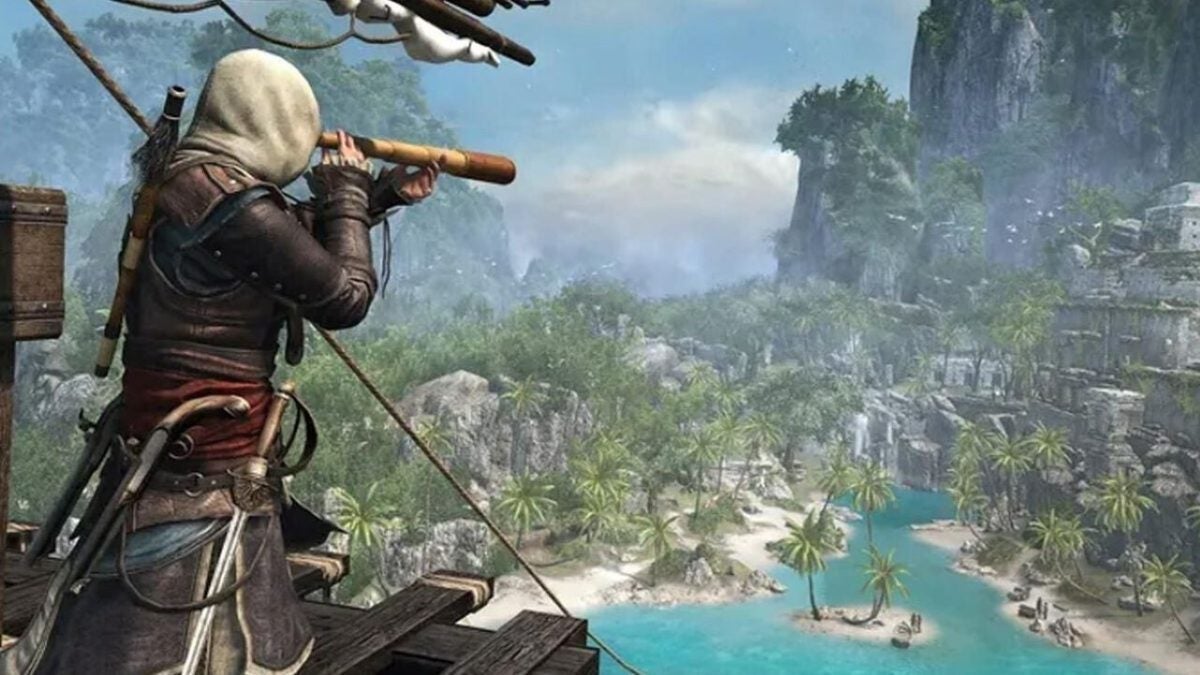
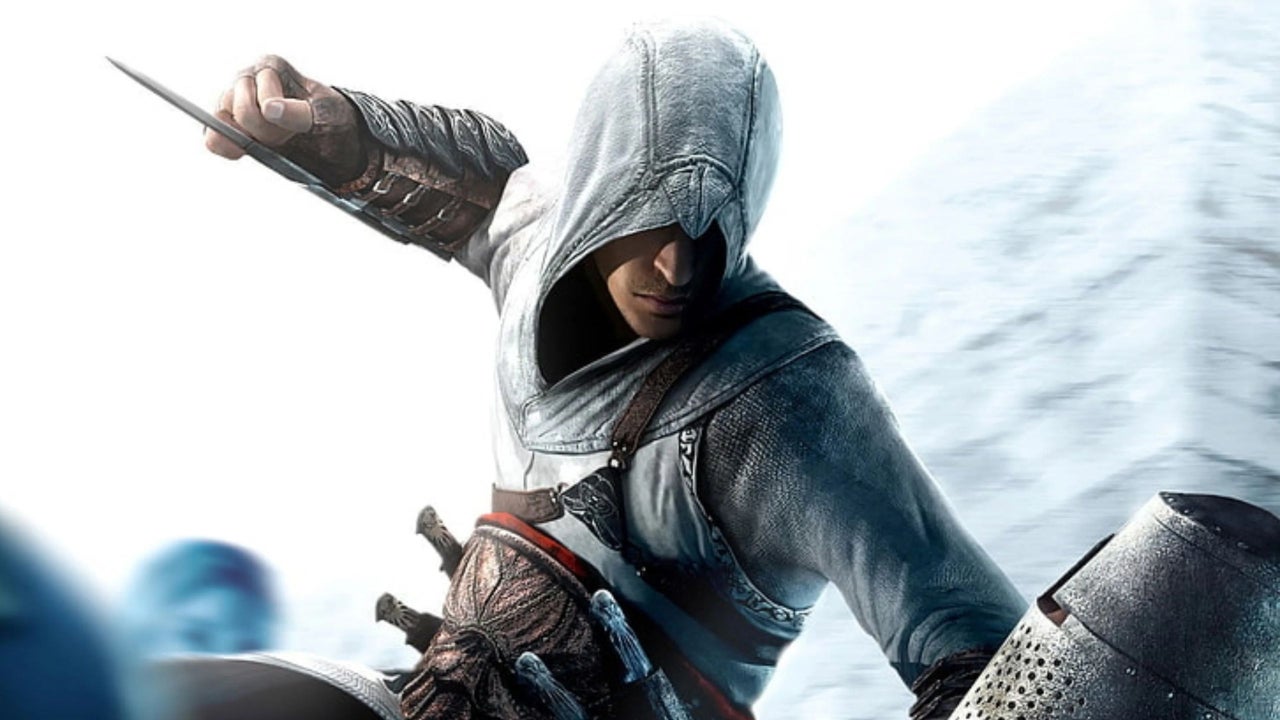
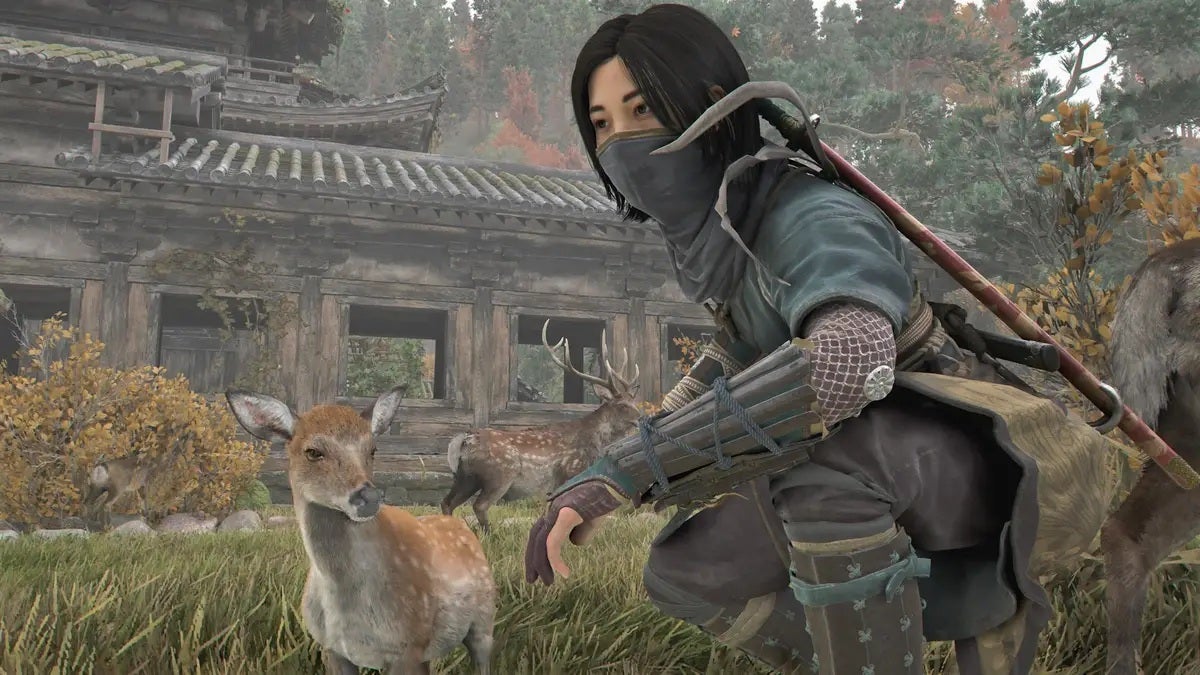
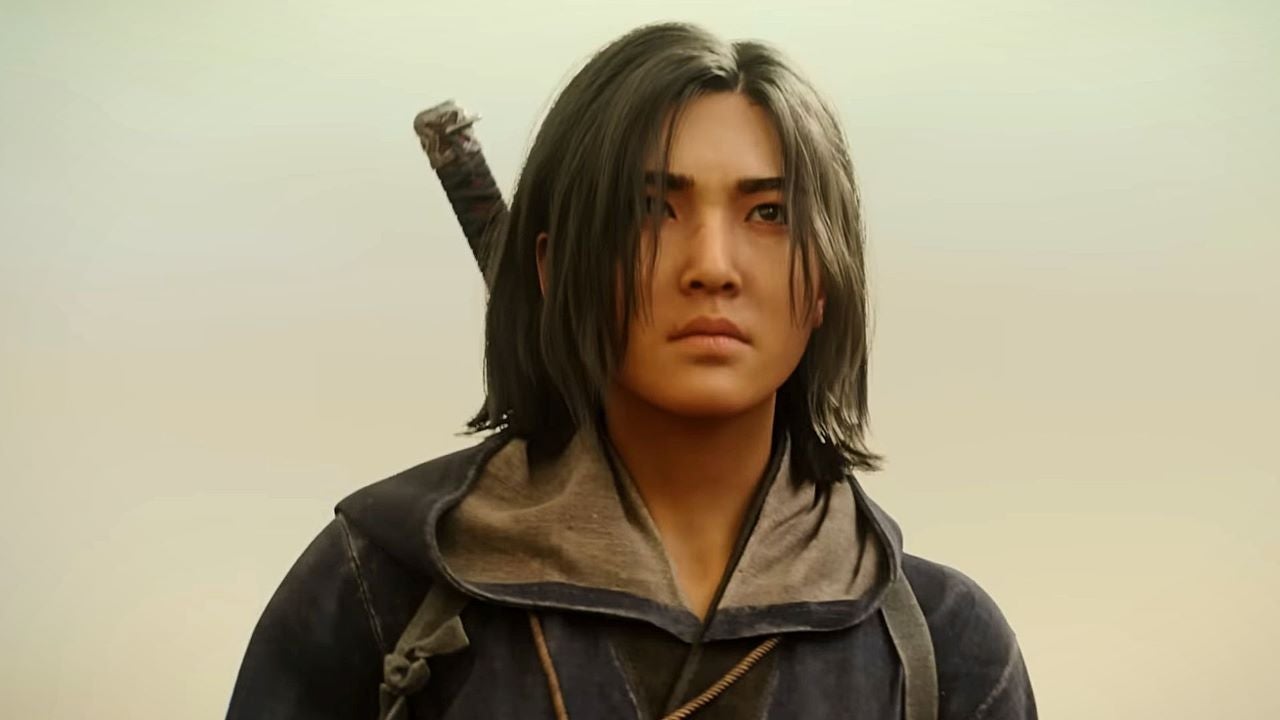
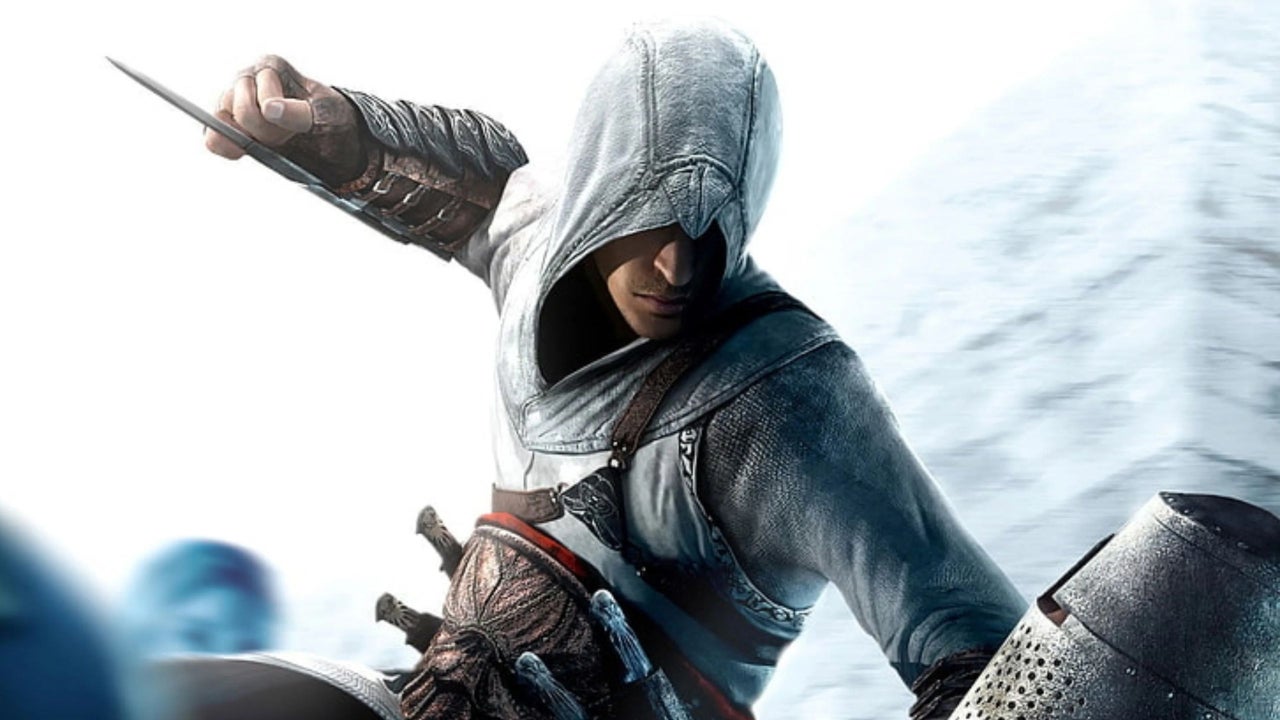
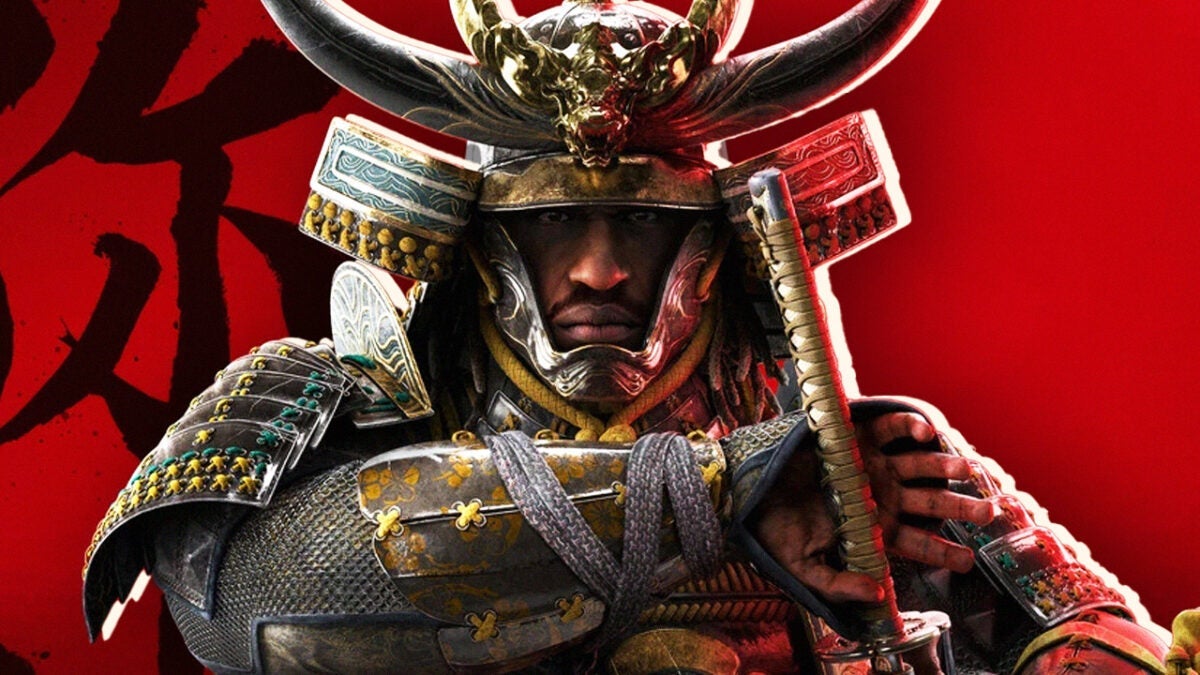
Ubisoft has appointed three new executives as leaders of its iconic video game franchise Assassin’s Creed. This leadership change comes at a time when the series, which has garnered a large fan base since its launch in 2007, is preparing for new challenges and releases. The appointees include Martin Schelling, who was part of the development team for the critically acclaimed Assassin’s Creed IV: Black Flag, a title that remains a favorite among fans of the saga. New hidden daggers Schelling has promised to bring a new vision to the project, emphasizing […]
Ubisoft has appointed three new executives as leaders of its iconic video game franchise Assassin’s Creed. This leadership change comes at a time when the series, which has garnered a large fan base since its launch in 2007, is preparing for new challenges and releases.
Schelling has promised to bring a new vision to the project, emphasizing the importance of maintaining the essence that has captivated players over the years.
Alongside him, two other executives have been selected, although their names have not yet been revealed by the company. This trio will lead the future of Assassin’s Creed, which has expanded its universe with multiple episodes and spin-offs, diversifying into genres and platforms.
We have an update on the future of Assassin’s Creed.
Today we’re introducing new members of the leadership team that will steer the franchise's ambitious new chapter.
– Martin Schelling – Head of AC Brand – Jean Guesdon – Head of Content – François De Billy – Head of… pic.twitter.com/1AJXxOhypu
The Assassin’s Creed franchise is operated by Vantage Studios, a subsidiary of Ubisoft that also manages other major titles like Rainbow Six Siege and Far Cry. This focus on internal collaboration aims to optimize development and innovation in these large properties.
With this new team in charge, Ubisoft seems determined to revitalize and possibly reinvent the way players interact with the world of Assassin’s Creed.
With the legacy of the past and the potential for new developments, fans of the series are eager to see how these changes will influence upcoming releases. Likewise, there are rumors about possible reimaginings of classic titles or the introduction of new mechanics that could change the early course of the franchise. Ubisoft has been able to adapt to market demands, and this new approach could be another step towards the innovative future that players expect.
Marc-Alexis Côté, who was responsible for the iconic Assassin’s Creed franchise at Ubisoft, has sued the company for 1.3 million Canadian dollars following his forced departure amid a restructuring that led to the creation of Vantage Studios. This situation has sparked an intense debate about the current direction of franchise management at Ubisoft and the emotional impact it can have on its employees. Emotional impact The lawsuit, filed in the Superior Court of Quebec, arises after Côté was moved to a lower role in the company, a situation he considers […]
Marc-Alexis Côté, who was responsible for the iconic Assassin’s Creed franchise at Ubisoft,has sued the company for 1.3 million Canadian dollars following his forced departure amid a restructuring that led to the creation of Vantage Studios. This situation has sparked an intense debate about the current direction of franchise management at Ubisoft and the emotional impact it can have on its employees.
Emotional Impact
The lawsuit, filed in the Superior Court of Quebec, arises after Côté was moved to a lower role in the company, a situation he considers a significant loss of power. Before the organizational changes, Côté reported directly to Ubisoft’s CEO, Yves Guillemot, but after the reorganization, he was offered a position where his supervisor would be in charge of other franchises like Rainbow Six and Far Cry. This change seems to have been a breaking point for Côté, who valued his influence in such a crucial role within the company.
According to reports from Radio-Canada, the lawsuit not only seeks compensation for loss of power but also an additional 75,000 Canadian dollars for moral damages, highlighting the psychological impact this decision has had on his career. Côté has expressed in his communications that he did not choose to leave the company, but was forced to resign in the face of the possibility of accepting a demotion.
The creation of Vantage Studios, which will oversee not only Assassin’s Creed but also other popular Ubisoft series, has also raised concerns about the company’s preference for employees based in France, which could have repercussions on the careers of many Canadian workers. This circumstance highlights a significant change in Ubisoft’s corporate culture at a time when the video game industry is facing numerous challenges and transformations.
Marc-Alexis Côté, the former head of the Assassin’s Creed series, has filed a lawsuit against Ubisoft just seven months after the successful launch of ‘Shadows’, one of the franchise’s standout titles. The lawsuit, filed in the Superior Court of Quebec, claims $1.3 million in damages, which includes two years of salary and $75,000 for moral damages. Côté argues that his departure from the company was the result of a ‘constructive dismissal’ stemming from hostile working conditions following the creation of Vantage Studios, which took over the direction of the series. Ubisoft once again in trouble Since its entry […]
Marc-Alexis Côté, the former head of the Assassin’s Creed series, has filed a lawsuit against Ubisoft just seven months after the successful launch of ‘Shadows’, one of the franchise’s standout titles. The lawsuit, filed in the Superior Court of Quebec, claims $1.3 million in damages, which includes two years of salary and $75,000 for moral damages. Côté argues that his departure from the company was the result of a ‘constructive dismissal’ stemming from hostile working conditions following the creation of Vantage Studios, which took over the direction of the series.
Ubisoft once again in trouble
Since joining Ubisoft in 2010, Côté had seen himself as the “captain” of the Assassin’s Creed ship. However, after the restructuring that led to the formation of Vantage Studios, his responsibilities and the scope of his work were drastically reduced. Côté expressed his discontent as early as October, noting that despite not having chosen to step down, he found himself in an unacceptable situation that forced him to make difficult decisions. Referring to his transition to a position with fewer powers, Côté said that his influence had “crumbled” since the creation of the new studio.
The former executive indicated that he was not considered for a higher position in Ubisoft’s structure, which solidified his perception of a hostile environment. The lawsuit reflects his perspective that the restructuring not only affected his position but also his professional integrity. His statements on LinkedIn and his recent legal action underscore a growing tension between Ubisoft’s management and its former executives, raising questions about the company’s future and its strategy towards a series that has historically been one of its greatest economic pillars.
Alexandre Amancio, former creative director of Ubisoft and famous for his work on the Assassin’s Creed series, has expressed his concern about the current state of AAA video game development. In a recent interview with GamesIndustry.biz, Amancio indicated that adding more personnel to a project does not solve existing problems and can, in fact, create “variable noise” that stagnates efficient teams. According to him, the future of AAA games lies in smaller, more autonomous development teams. Giant teams will soon come to an end. Using the case of Assassin’s Creed: Black Flag, Amancio illustrated how the […]
Alexandre Amancio, former creative director of Ubisoft and renowned for his work on the Assassin’s Creed series, has expressed his concern about the current state of AAA video game development. In a recent interview with GamesIndustry.biz, Amancio stated that adding more personnel to a project does not solve existing problems and can, in fact, create “variable noise” that stifles efficient teams. According to him, the future of AAA games lies in smaller, more autonomous development teams.
The giant teams will come to an end very soon
Using the case of Assassin’s Creed: Black Flag, Amancio illustrated how small teams can focus on specific systems and collaborate efficiently on larger projects. He emphasized that features like the game’s naval system could be delegated to a collaborating studio, allowing them to work independently under good direction, which increases the quality of the final product.
Amancio also mentioned that limitations, whether financial or technical, are fundamental to artistic creation. He stated that these restrictions foster innovation and lead developers to explore more creative ideas, a truth that, according to his experience, is vital in the video game production process.
Regarding the Assassin’s Creed series, Ubisoft has not yet made any official announcements about the next game in the franchise. However, there have been rumors about a possible remake of Black Flag, which could be titled Resynced, as well as a mobile game called Assassin’s Creed Jade and other titles in development such as Codename Hexe. A multiplayer game potentially called Assassin’s Creed Invictus.
Netflix has confirmed the development of a live-action series based on the popular video game franchise Assassin’s Creed, which has built a solid fan base since its launch. The platform has begun to reveal details about the main cast, which will feature Toby Wallace, known for his performance in Euphoria, and Lola Petticrew, star of Say Nothing. Both will be the central characters of this new adaptation. A top-notch cast The cast will also include Zachary Hart, recognized for his role in Slow Horses, and Laura Marcus, whom we have seen in Death by Lightning, […]
Netflix has confirmed the development of a live-action series based on the popular video game franchise Assassins Creed, which has built a solid fan base since its launch. The platform has begun to reveal details about the main cast, which will include Toby Wallace, known for his performance in Euphoria, and Lola Petticrew, star of Say Nothing. Both will be the central characters of this new adaptation.
A top-notch cast
The cast will also include Zachary Hart, known for his role in Slow Horses, and Laura Marcus, whom we have seen in Death by Lightning, taking on regular roles in the series. The inclusion of these fresh faces raises expectations about the directions the narrative will take and how the characters will integrate into the vast universe of Assassins Creed.
A crucial element in the development of this series is the choice of director. Johan Renck, an acclaimed Swedish filmmaker, has been selected to direct the project. Renck is known for his work on highly successful series like Chernobyl, which suggests that the adaptation of Assassins Creed could benefit from his meticulous approach and his ability to tell complex stories.
So far, Netflix has not provided a release date, and more details about the plot and other cast members are expected to be revealed in the coming months. Fans of the franchise, who have been waiting for a new representation of Assassins Creed since the 2016 movie, can anticipate that this live-action series could offer a deeper and more coherent view of the rich world created by Ubisoft, which has achieved success both in the realm of video games and in expansive narratives.
In recent weeks, Windows 11 users have experienced performance drops in several games due to a bug introduced by the cumulative update in October. This issue, which particularly affects titles that use DirectX 12, has led many players to seek solutions to improve their experience. The performance drops have been particularly noticeable in popular games like Assassin’s Creed, Battlefield 6, and Call of Duty: Black Ops 7, where stuttering has been a recurring problem. A patch that fixes everything In response to this situation, NVIDIA has released a hotfix driver, the […]
In recent weeks, Windows 11 users have experienced performance drops in several games due to a bug introduced by the cumulative update in October. This issue, which particularly affects titles that use DirectX 12, has led many players to seek solutions to improve their experience. The performance drops have been particularly noticeable in popular games like Assassin’s Creed, Battlefield 6, and Call of Duty: Black Ops 7, where stuttering has been a recurring problem.
A patch that fixes everything
In response to this situation, NVIDIA has released a hotfix driver, version 581.94, aimed at restoring lost performance and, in some cases, even improving frames per second (fps) in certain titles. For example, some users have reported an increase in fps in Assassin’s Creed, going from 55 to over 90 with the installation of the new driver. However, NVIDIA has clarified that this hotfix is considered a beta version, which means that users should proceed with caution when installing it.
NVIDIA indicates that this hotfix driver is recommended only for those gamers who have clearly noticed performance drops after updating to version KB5066835 of Windows 11. For those who have not experienced issues, installing the new driver is not mandatory. Additionally, it is mentioned that the problem may also affect users with AMD or Intel GPUs, highlighting the scope and severity of the issue.
The error highlights once again the complications that PC players often face with each operating system update. With Windows 11 being known for its tendency to cause errors in games after regular patches, many are wondering if Microsoft will address these types of issues more promptly in the future. In this context, NVIDIA’s intervention seems to have been a temporary, but necessary, solution.
Netflix is developing a new streaming series based on the iconic video game franchise Assassin’s Creed. This announcement has generated excitement among fans, especially with the confirmation of Toby Wallace as the first cast member, although his specific role has not yet been revealed. Wallace is known for his performance in The Bikeriders and for his upcoming participation in the third season of Euphoria, which is expected to premiere in 2026. An actor with a great future The Assassin’s Creed series promises to cover multiple time periods, maintaining the narrative essence that characterizes the […]
Netflix is developing a new streaming series based on the iconic video game franchise Assassin’s Creed. This announcement has generated excitement among fans, especially with the confirmation of Toby Wallace as the first cast member, although his specific role has not yet been revealed. Wallace is known for his performance in The Bikeriders and for his upcoming participation in the third season of Euphoria, which is expected to premiere in 2026.
An actor with a great future
The Assassin’s Creed series promises to cover multiple time periods while maintaining the narrative essence that characterizes the games in the franchise. According to reports, filming will begin in Italy in 2026, a country that will not only serve as the setting for the series but is also closely related to some of the franchise’s most beloved stories. This suggests that the adaptation could focus on the famous trilogy of Assassin’s Creed II, Assassin’s Creed: Brotherhood, and Assassin’s Creed: Revelations, which follows the exploits of the Italian assassin Ezio Auditore, an iconic character and fan favorite.
Although it has not been confirmed which character Wallace will play, he has been described as a “co-lead,” which may imply the presence of multiple killer protagonists throughout the episodes of the series. This could open the door to a more complex and rich narrative, similar to what players have enjoyed in the games.
Since its debut in 2007, the Assassin’s Creed franchise has released more than 30 games and explored various eras and characters, although the 2016 film adaptation, starring Michael Fassbender, did not capture the audience’s attention in the same way. Currently, there is no confirmed release date for this new Netflix series, leaving us all waiting for more details.
The legacy of Dante’s Inferno, a title remembered as an imperfect gem of the Xbox 360 and PS3 era, was recently enriched by the revelation of details about its canceled sequel, Dante’s Inferno 2: Purgatorio. Despite the successful sales of the original game, which reached half a million at launch, the proximity to God of War 3 and the subsequent problems of Visceral Games, which closed its doors six years later, left the game without the continuation it promised. A game so ambitious that it was never made. On the occasion of its fifteenth anniversary, IGN has […]
The legacy of Dante’s Inferno, a title remembered as an imperfect gem of the Xbox 360 and PS3 era, was recently enriched by the revelation of details about its canceled sequel, Dante’s Inferno 2: Purgatorio. Despite the successful sales of the original game, which reached half a million at launch, the proximity to God of War 3 and the subsequent issues of Visceral Games, which closed its doors six years later, left the game without the continuation it promised.
A game so ambitious that it was never made
On the occasion of its fifteenth anniversary, IGN has unveiled previously unreleased materials that reveal the sequel was going to be much more ambitious than previously thought. The writer of Assassin’s Creed 2, Joshua Rubin, completed a 240-page script, where the story promised a deeper and more intricate approach, intertwining the work of Dante Alighieri with elements of John Milton’s Paradise Lost. The narrative would have allowed Lucifer to transition from an absolute villain to a morally ambiguous figure, while Dante faced a total war between Heaven and Hell.
The story would begin in the Garden of Eden and continue through an epic journey with new characters like Lilith and the angels Gabriel, Uriel, and Michael. In a narrative twist, Dante would not only fight against demons but also against his own guilt, even questioning the existence of God. In terms of gameplay, the title aimed to distance itself from the hack and slash style, seeking a more fluid and cinematic system, evoking the influence of Uncharted 2.
Although it was never produced, the project was conceived as part of a trilogy that would culminate in Dante’s Inferno 3: Paradiso, where Dante would fight alongside his daughter against a corrupt divine system. This bold approach would have turned the trilogy into a radical reinterpretation of Christian theology.
The impact of Dante’s Inferno continues to resonate, with its narrative ambition influencing later titles such as Dead Space 3, Uncharted 3, and God of War (2018), which have inherited its blend of epic and reflection.
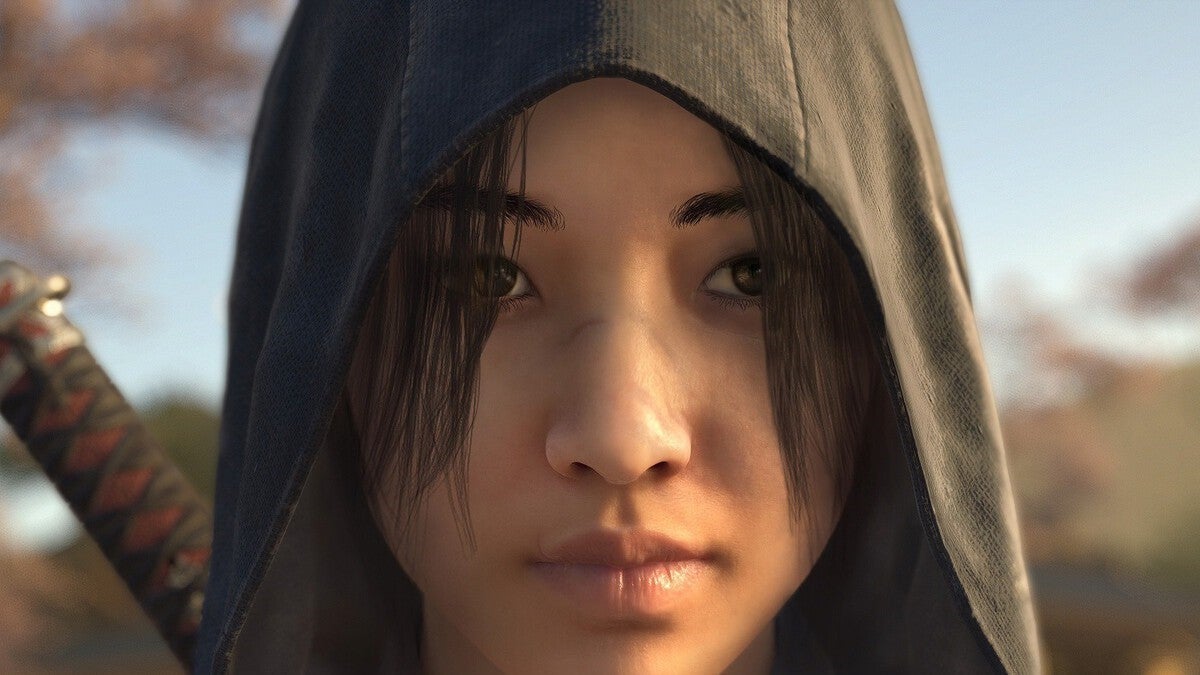
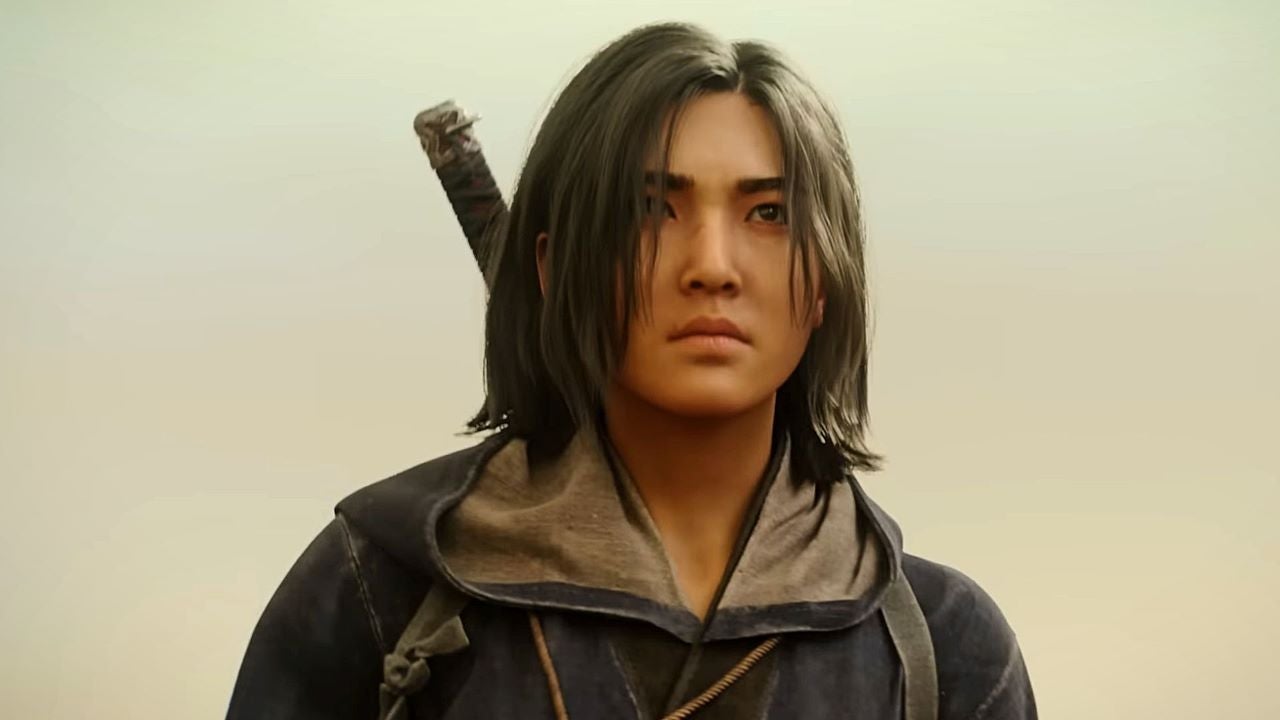
Ubisoft has canceled a video game set during the U.S. Civil War and the Reconstruction era due to concerns about current political controversy and negative reactions to other characters in its recent titles. According to reports from Game File, the decision was made in 2024 after the controversy generated by the portrayal of the black samurai Yasuke in Assassin’s Creed Shadows. This uproar exposed the vulnerabilities of the company’s leadership, which has been reluctant to address political themes in its games. A game about the origins of the Ku Klux Klan? Guaranteed chaos The canceled project was […]
Ubisoft has canceled a video game set during the U.S. Civil War and the Reconstruction era due to concerns about current political controversy and negative reactions to other characters in its recent titles. According to reports from Game File, the decision was made in 2024 after the controversy generated by the portrayal of the black samurai Yasuke in Assassin’s Creed Shadows. This uproar exposed the vulnerabilities of the company’s leadership, which has been reluctant to address political themes in its games.
A game about the origins of the Ku Klux Klan? Guaranteed chaos
The canceled project was going to follow the story of a black man who was previously enslaved and becomes part of the Assassin Brotherhood, facing the Ku Klux Klan. Although the developers were excited about the game’s potential to create a positive social impact, CEO Yves Guillemot stated that the company does not seek to promote political agendas, which contrasts with the initial support from management for the game’s concept.
The situation in the U.S., marked by a return to policies that dismantle civil rights legislation during the Trump administration, has led Ubisoft to consider the project too controversial and risky. This occurs in a complicated context for the company, which is facing delays in releases and weak financial performance, leading to a more conservative stance in development decisions.
While the game was still in the conceptual phase, the fact that it addressed such delicate human and social issues has been seen by some as a bold step, even within Ubisoft’s creative environment. However, the growing economic risk and concerns about public perception led to the cancellation of the project. In a tense political environment and mixed reactions on social media, the chances of the game resurfacing in the future are uncertain.
Most open-world games have a feature that can turn many people off: they are infinite. This, which can be a virtue for younger players or for those who only play one or two games a year, is a curse for the rest. Having huge amounts of side missions, icons to complete, and the main story never ending does not appeal to a significant portion of the audience. It feels like work. And that makes certain games disappointing. This was one of the reasons why Dying Light 2: Stay Human did not succeed
Most open-world games have a feature that can turn many people off: they are infinite. This, which can be a virtue for younger players or for those who only play one or two games a year, is a curse for the rest. Having vast amounts of side missions, icons to complete, and an endless main story does not appeal to a significant portion of the audience. It feels like work. And that makes certain games disappointing.
This was one of the reasons why Dying Light 2: Stay Human did not succeed. It was a game that was marketed as a parkour survival horror, but we spent as much time leveling up stats, exploring the terrain, having conversations with people, or fighting zombies as we did actually managing our resources or fleeing from threats. Not to mention running errands for people who really contributed nothing to the story or the world. This is something they wanted to address in Dying Light: The Beast in the simplest way possible: by making it much more straightforward.
Born as a DLC for Dying Light 2: Stay Human, Dying Light: The Beast starts where that one left off. But if you’ve never played any Dying Light, don’t worry, as it’s not necessary. The game takes care of explaining everything you need to know, and even without that, the story it wants to tell is perfectly understandable.
In the game, we embody Kyle Crane, a man immune to the strange disease that has come to the world in the post-apocalypse. Most of humanity is dead and, instead of lying eternally, they have decided to return to kill and eat those who are still alive. Kyle is not only immune, but they have also decided to experiment on him to test the possibility of turning him into a biological weapon, and from there arises one of the main mechanics of the game: the Beast Mode. A mode in which we can become a beastly entity to quickly and effectively eliminate enemies for a limited time.
Otherwise, the game is Dying Light. The entire emphasis of the game is on parkour from one place to another, fighting with melee weapons against all kinds of zombies and avoiding, as much as possible, fighting more than a couple of enemies at the same time, or doing so at night, as their strength increases significantly. Occasionally using vehicles and firearms, we will need them for the more dramatic encounters, and especially for some bosses that have just the right level of difficulty to force us to think about how we need to approach them to defeat them.
Neither 50 nor 100 hours ahead
That said, the great value point of Dying Light: The Beast is that it is brief. At least, if you want it to be. With about 12 to 15 hours of story ahead, it is perfectly possible to ignore the side missions and stick to the story and feel satisfied without feeling like you’ve missed anything. And if you want more? You can double your playtime, or even add a few more hours to that, by doing the side missions offered by the characters you encounter.
If you add to that the possibility of completely customizing the UI —we recommend playing in Immersive Mode, even if the game tells you not to do so in your first playthrough—, the game becomes tremendously enjoyable. A delight that is as simple as it is direct.
Because sometimes all you need is a fun game that knows what it wants to do, but doesn’t demand all your leisure hours. And that’s what Dying Light: The Beast does. Being a fun game that knows exactly what it wants to be, and that could even be polished in some aspects, is never less than a well of fun.