ChatGPT's traffic drops by 52% due to changes in content strategy

El tráfico de referencia a sitios web desde ChatGPT ha disminuido en un 52% desde el 21 de julio, según un análisis realizado por Profound, que examinó más de 1 mil millones de citas de ChatGPT y 1 millón de visitas de referencia de una muestra de sitios de diversos sectores. Este cambio significativo en el … Continúa leyendo “”

Referral traffic to websites from ChatGPT has decreased by 52% since July 21, according to an analysis conducted by Profound, which examined over 1 billion ChatGPT citations and 1 million referral visits from a sample of sites across various sectors. This significant change in traffic has raised concerns among digital marketing managers, especially those in the B2B space.

New Content Strategies

The findings indicate that ChatGPT now favors a smaller number of sources that provide direct answers, which has led to a decrease in visibility and referral clicks to brand websites. This reconfiguration of ChatGPT’s retrieval system is not a result of the launch of GPT-5, which took place on August 7, but rather a strategic decision by OpenAI that began weeks earlier. The company has started to prioritize content that directly satisfies user queries, to the detriment of conversion-oriented materials.

Para los marketers B2B, esto implica la necesidad de adaptarse a un enfoque basado en contenido que responda preguntas específicas, en lugar de centrarse únicamente en la conversión. Plataformas como Reddit y Wikipedia están ganando terreno en esta nueva dinámica, ya que abordan directamente las preocupaciones de los usuarios. Por lo tanto, la oportunidad de compromiso se vuelve masiva para las marcas dispuestas a hacer este cambio hacia un contenido que prioriza responder primero.

The future landscape is uncertain; OpenAI’s citation experiments may cause drastic fluctuations in traffic, suggesting that brands that do not provide real answers could be excluded from ChatGPT’s results. In this context, time is of the essence for companies to adjust their strategies and align with the new trends in content consumption in the digital environment.

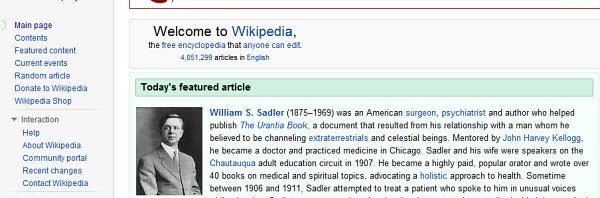
From Epic to Brief: Wikipedia’s Longest and Shortest Articles Defy All Predictions

Since the page on Afghanistan was created on January 16, 2001, the first article in history, more than 58 million articles have been created. And their records are staggering.

It sounds like the typical concept advertised in American magazines in the 1950s: In the future, everyone will have access to all universal knowledge on one screen! And yet Wikipedia exists. It is a miracle, in a way, and there is much to thank the collectivist Internet of the beginning of the century, because now we would not be able to do something similar (maintain it, yes, but create it from scratch?). Since the Afghanistan page was created on January 16, 2001, the first article in history, more than 58 million articles have been created. And their records are staggering.

Wikipedia DOWNLOAD
A free program for Windows' by Wikipedia Foundation

Wiki wiki scratch

You may have ever wondered what is the shortest article in all of Wikipedia (being considered a Good Article by the web): it is about Ydalir, a place that appears in some Norse poems and that nowadays, supposedly, is a town in Scotland. The shortest unrevised article, currently, is the one by Maria Amor Torres, which reads “She is a woman born in the Philippines”.

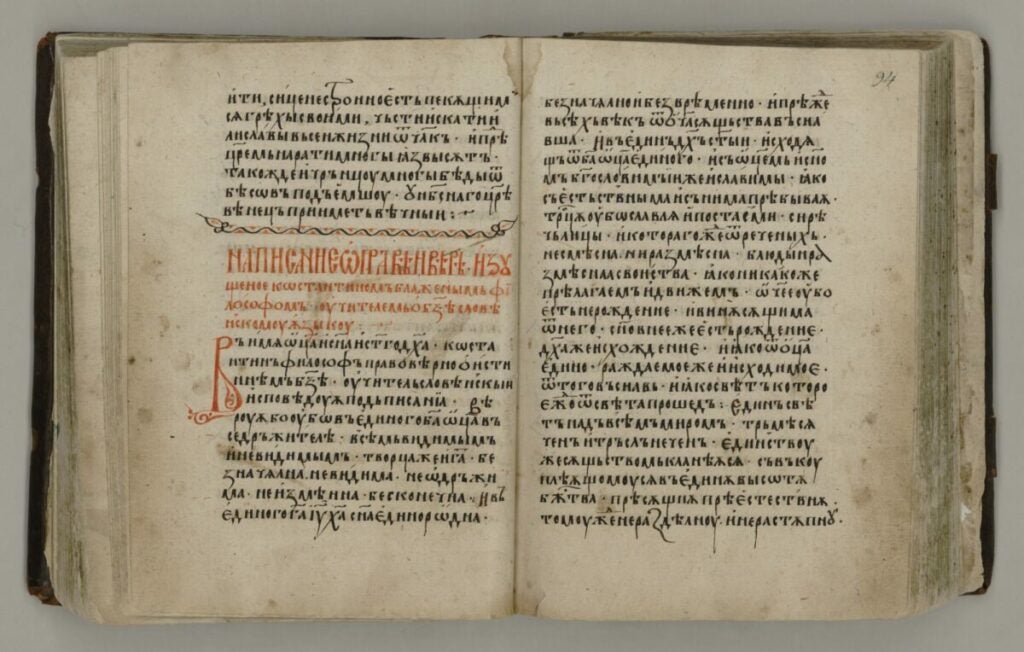
But what about its counterpart, which articles are longer than a day without bread? Well, you may be surprised because the subject is not what you would call fun, but… a list of glagolitic manuscripts, from the 10th to the 21st century. Out of lists we have to go to, of course, soccer. More specifically, the page dedicated to Dynamo Berlin. It may not be the most popular team in the world, but it is certainly the most dedicated. Try to read it: you won’t finish.

For its part, the longest biographical page, and without insults in between, is that of Boris Johnson (the way things are: there is a lot to cover in the time he was governing the United Kingdom). And the most visited article? Unsurprisingly, Wikipedia’s own, followed by Facebook and YouTube. In terms of people, Donald Trump and Elizabeth II, although the record is much sadder: on the day of his death, almost ten million people visited Chadwick Boseman’s profile.

A curiosity: the article with the longest name? It is a joke (but reality-based) scientific article entitled “Cneoridium dumosum (nuttall) collected by Hooker F. on March 26, 1960 at an elevation of about 1450 meters at Cerro Quemazon, 15 miles south of Bahia de Los Angeles, Baja California Mexico, Apparently for an extension to the southeast of about 140 miles.” Who said being a Wikipedia editor was easy?

Wikipedia DOWNLOAD
A free program for Windows' by Wikipedia Foundation

Some of the links added in the article are part of affiliate campaigns and may represent benefits for Softonic.