When the PlayStation 2 was released, Netflix was barely three years old and had just made the bold move that would lead to its success: a monthly subscription to order as many DVDs as you wanted without paying extra for each one. It would be many years before it launched into streaming video and put an end to the rest of its competitors, and, of course, Sony didn’t even consider that something like that would have the slightest interest.
In fact, the PS2 could connect to the Internet to play online (in a somewhat flawed way back then), but no one had even thought that something like apps could exist, and much less that they could show movies. However, sooner or later it had to adapt or die… in Brazil.
Netflix, but in physical form
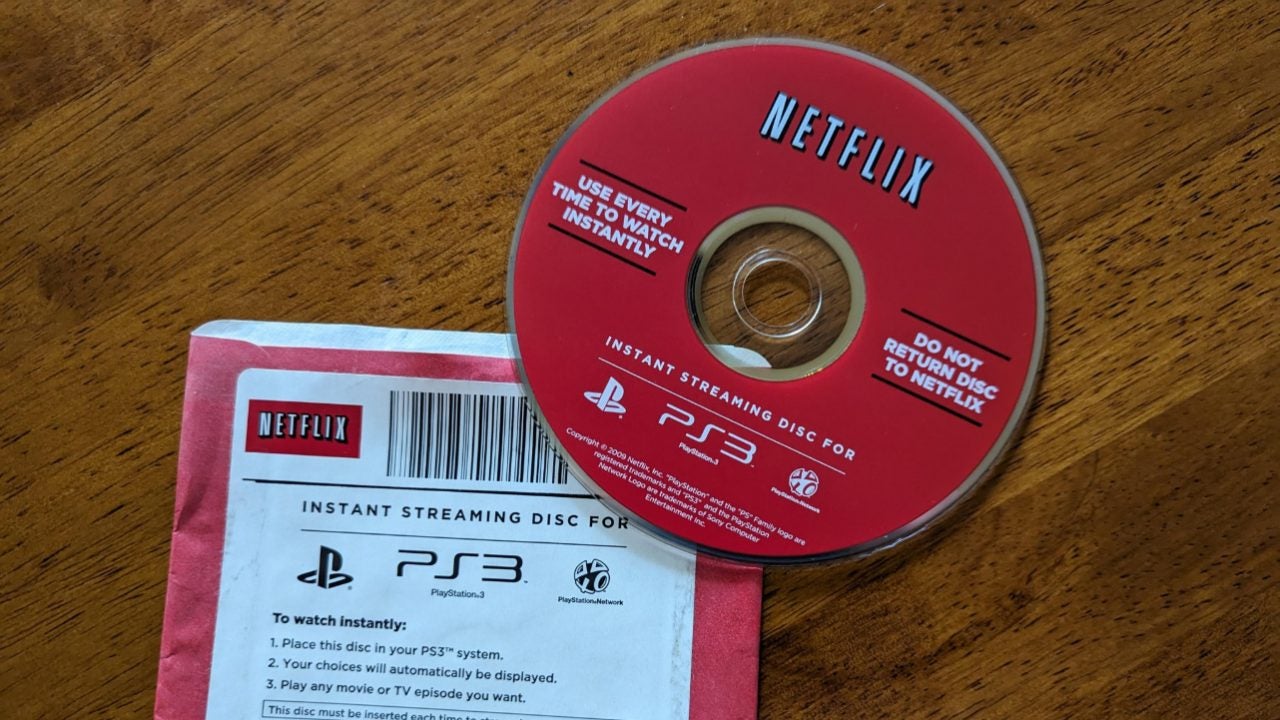
In its day, to have Netflix on PS3 and Nintendo Wii, users had to insert a disc into the console that allowed them to access the service then known as “Instant Watch.” Both devices already had an interface with applications, but Xbox 360 had this exclusively, in one of the strangest moves in the history of the console wars. To support this, instead of downloading a program, you had to insert the disc, and everything else worked the same way, depending, as is usually the case, on the quality of your Internet connection.
So far, everything is relatively: moves from the 90s, after all. The problem is that, while the rest of the world moved on, in Brazil, due to an issue with taxes and duties, they did not have PS2 consoles legally until 2009… Which does not mean they didn’t play, of course: they were bought on the black market and practically all games were pirated, because the alternative was excessive. In fact, games made in Brazil are still being released (the only ones for which no taxes have to be paid and, therefore, at a normal price on the shelves).
In the end, Sony and Microsoft ended up creating factories there to not lose the market and currently have PS5 and Xbox Series X/S, but PS2 still has a massive audience. So much so that Netflix decided that, just like it happened on PS3 and Wii, it had to release a disc to be able to watch it on PS2, exclusively for the Brazilian market, which obviously needs a console from the country. The experience, if you are very curious, is not going to change your life: it is what you expect, but with no movies in high definition.
Obviously, with the arrival of Smart TVs and mobile phones, little by little people stopped using Netflix on their PS2, they removed the disc and now it is a relic that, surprisingly, still seems to work. With many fewer frames than we are used to and with video quality that drops far below 4K, but working after all. By the way, PS2 is not the only retro console that still works today in Brazil: Master System, Sega’s console, is still going strong. Hey, who wants Cyberpunk 2077 when you can play a good Sonic?