WhatsApp wants to test nicknames in its new update

WhatsApp is implementing a highly anticipated feature that will allow users to start and manage conversations using usernames instead of phone numbers. This feature is currently in the testing phase in the beta version 2.26.1.32 of Android and aims to improve user privacy by reducing the risk of unwanted contact through phone numbers, especially in group chats and temporary conversations. With this new feature, usernames will become the main reference in conversations, appearing as the title of chats and being visible on the screen of […]

WhatsApp is implementing a highly anticipated feature that will allow users to start and manage conversations using usernames instead of phone numbers.

This feature is currently in testing phase in the beta version 2.26.1.32 of Android and aims to enhance user privacy by reducing the risk of unwanted contact through phone numbers, especially in group chats and temporary conversations.

With this new feature, usernames will become the main reference in conversations, appearing as the title of chats and being visible on the chat information screen.

Everything for privacy, just like on Telegram

This will make it easier for users to identify who they are interacting with without relying on the phone number, which may be linked to sensitive personal information.

The implementation of usernames not only aligns WhatsApp with other communication tools and social networks, but also reinforces user security. By hiding phone numbers, people will be able to interact with strangers more safely, which is especially useful in first contact situations, such as in group discussions or when interacting with businesses.

Despite the fact that WhatsApp has not provided a specific date for the general release of this feature, the expectation is that it will be available in the near future.

Businesses have already been invited to reserve their usernames, suggesting that the launch could occur in the coming months, possibly during the summer. However, the precise details of the implementation and final rollout remain uncertain, and users may need to stay tuned for future updates from the app.

Meta wants to further protect WhatsApp

Meta has launched a new tool called WhatsApp Research Proxy, aimed at researchers in its bug bounty program, with the goal of improving research on the WhatsApp network protocol. This initiative seeks to facilitate access to specific WhatsApp technologies, especially in a context where the application is an attractive target for state actors and commercial spyware providers. What’s up, WhatsApp? The company has also established a pilot program to invite research teams to focus on abuses on the platform, offering support in engineering and tools. “Our goal is to reduce the […]

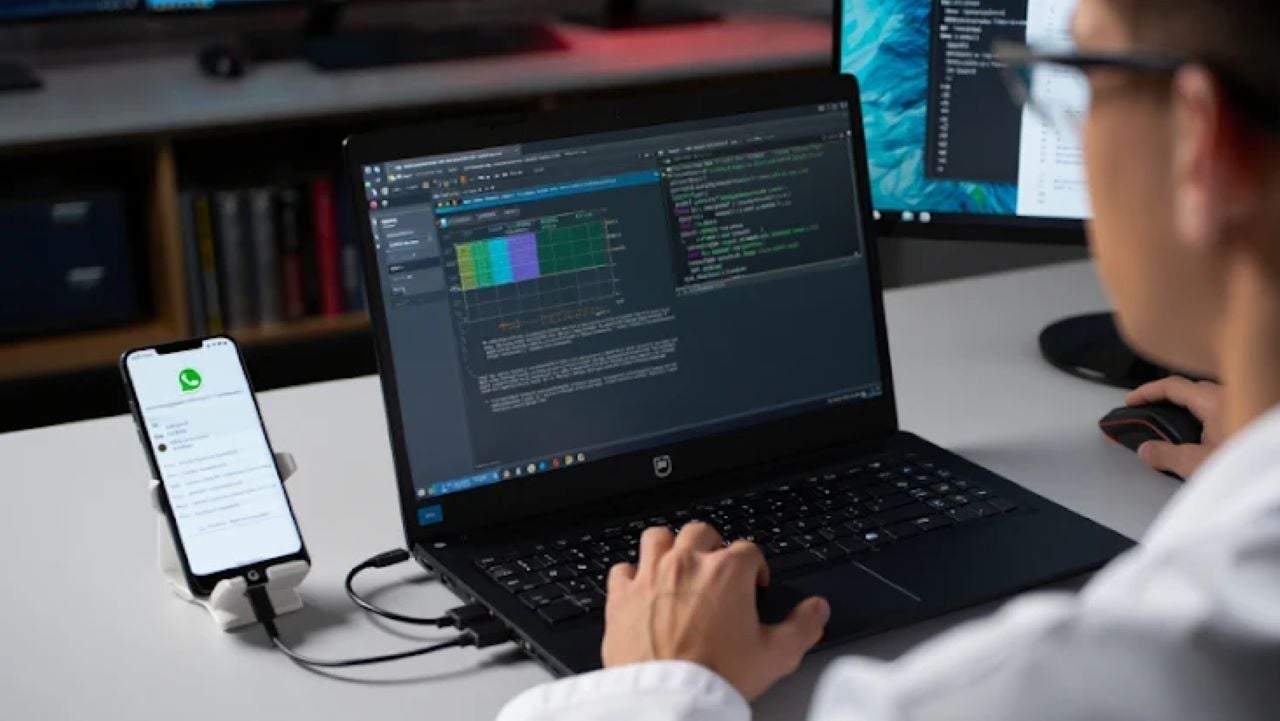
Meta has launched a new tool called WhatsApp Research Proxy, aimed at researchers in its bug bounty program, with the goal of improving research on the WhatsApp network protocol. This initiative seeks to facilitate access to specific WhatsApp technologies, especially in a context where the application is an attractive target for state actors and commercial spyware providers.

¿Qué pasa, Whatsapp?

The company has also established a pilot program to invite research teams to focus on abuses on the platform, offering engineering support and tools. “Our goal is to lower the entry barrier for academics and other researchers who may not be familiar with bug bounty programs, Meta noted.

In the last 15 years, the company has awarded more than 25 million dollars in rewards to over 1400 researchers from 88 countries, with more than 4 million dollars paid out just in the last year for nearly 800 valid reports. Among the notable vulnerabilities detected is an incomplete validation bug, which was fixed in recent versions of WhatsApp, although there is no evidence that this issue was exploited.

In addition, Meta has fixed a critical vulnerability (CVE-2025-59489) that allowed malicious applications on Quest devices to execute arbitrary code. This attack was discovered by Flatt Security researcher, RyotaK, who was recognized for his finding.

In response to a report about a method for enumerating WhatsApp accounts on a large scale in 245 countries, Meta has implemented new protective measures against scraping. Although no signs of malicious abuse were found, the investigation revealed that millions of phone numbers are registered in countries where WhatsApp is banned, including 2.3 million in China, raising concerns about privacy and the misuse of user data.

WhatsApp takes a big step towards interoperability with a new feature

WhatsApp is taking a significant step towards the interoperability of messaging applications, facilitating communication between users of different platforms. This new feature, which will start in Europe, will allow users to send messages, photos, and documents through third-party messaging applications, starting with BirdyChat as the only supported application so far. The implementation of this functionality responds to the demands of the Digital Markets Act (DMA) of the European Union, which requires large platforms to open their communication channels to other services. WhatsApp introduces end-to-end encryption for the […]

WhatsApp is taking a significant step towards the interoperability of messaging applications, facilitating communication between users of different platforms.

This new feature, which will start in Europe, will allow users to send messages, photos, and documents through third-party messaging applications, starting with BirdyChat as the only supported application so far.

The implementation of this functionality responds to the demands of the Digital Markets Act (DMA) of the European Union, which requires large platforms to open their communication channels to other services.

WhatsApp introduces end-to-end encryption for third-party chats

Although many users have been requesting this capability, WhatsApp’s move seems to be, in part, a reaction to regulations aimed at avoiding potential penalties for anti-competitive practices.

According to WABetaInfo, the recent beta version of WhatsApp includes a new setting in the Settings section that will allow users to manage chats with third-party applications. Although this feature will cover basic communication needs, such as sending messages and images, certain native WhatsApp features, such as statuses and stickers, will not be available.

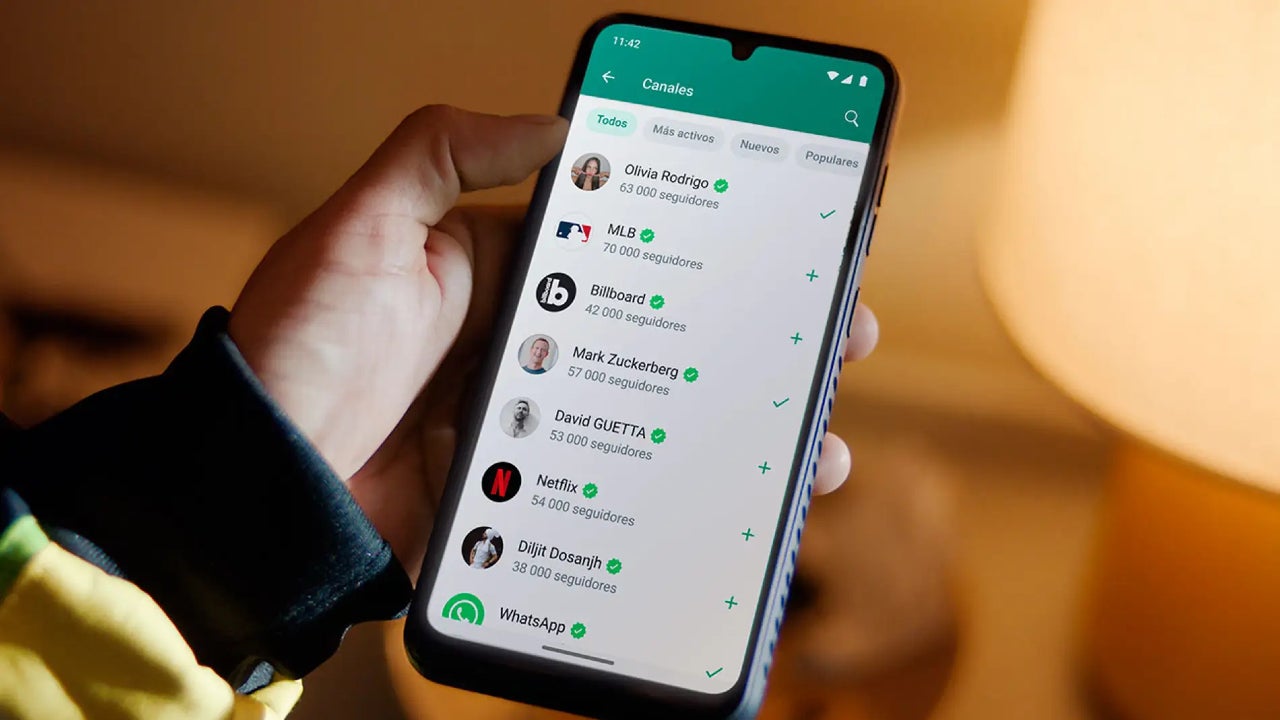
channels on Whatsapp

User privacy is also guaranteed, as messages will be end-to-end encrypted, meaning that WhatsApp will not be able to access the content exchanged in these chats. However, it is possible that, depending on the rules of third-party applications, people blocked on WhatsApp may be able to contact through these new features.

As this innovative functionality expands, it is expected that more applications will be compatible to enrich the communication ecosystem. This interoperability promises to simplify digital communication, reducing the need to have multiple applications installed and giving users greater control over how and with whom they communicate. The arrival of third-party chat functionality is anticipated to open new opportunities for WhatsApp in a competitive market.

The new spyware that mimics applications and can destroy your phone

A new and dangerous spyware known as ClayRat has emerged, affecting users in Russia through Telegram channels and phishing websites that mimic popular applications like WhatsApp, Google Photos, TikTok, and YouTube. According to a report from Zimperium, this malware is presented as the latest form of cyber attack, designed to deceive users into installing malicious software on their devices. The internet is a danger! Once ClayRat is activated, it has the ability to exfiltrate SMS messages, call logs, notifications, and device information. Additionally, it can take photos using […]

A new and dangerous spyware known as ClayRat has emerged, affecting users in Russia through Telegram channels and phishing websites that imitate popular applications like WhatsApp, Google Photos, TikTok, and YouTube. According to a report by Zimperium, this malware represents the latest form of cyber attack, designed to deceive users into installing malicious software on their devices.

The Internet is a danger!

Once ClayRat is activated, it has the ability to exfiltrate SMS messages, call logs, notifications, and device information. Additionally, it can take photos using the front camera and send SMS messages or make calls directly from the infected device. Attackers have shown aggressiveness in their tactics, spreading the malware by sending malicious links to all contacts in the compromised user’s address book, which exponentially increases the risk of infection.

In the last 90 days, more than 600 samples and 50 ClayRat installers have been detected, with each new iteration incorporating additional layers of obfuscation to bypass detection efforts. Researchers have noted that some examples of the malware act as lightweight installers, displaying fake Play Store update screens while hiding their encrypted payload. This installation method reduces the perception of risk and increases the likelihood that visits to web pages result in the installation of the spyware.

ClayRat not only captures sensitive information, but it also turns infected devices into malware distribution nodes, allowing attackers to quickly and automatically expand their reach. This situation is further exacerbated by recent studies revealing that some pre-installed applications on low-cost Android smartphones in Africa operate with elevated privileges, which could facilitate the collection of sensitive data.

WhatsApp intends to integrate a phone dialer into its application

Every now and then, WhatsApp adds new features and different innovations that refresh the user experience of Meta’s messaging service, so when there is talk of a future update, it doesn’t really surprise us. In that sense, it seems that the popular application intends to add its own phone dialer in an upcoming update.

WhatsApp Beta Download

As recently discovered by the WABetaInfo portal, with the new update of the WhatsApp beta version for Android, version 2.24.9.28, Meta is implementing the aforementioned integrated phone number dialer. Therefore, although there is a possibility that it may not ultimately reach the global WhatsApp app, it seems that sooner or later it will be fully integrated so that all users can use this dialer.

WhatsApp is working on its own phone dialer

Although the mentioned portal has made this discovery, they also comment that this feature is not even available for use by beta version users of WhatsApp, although it is a matter of time before they receive it through a future update. Obviously, although it is not known, as we said before; it is a matter of time before this addition reaches the version of the service used by everyone. However, the website has shared a supposed screenshot of how the dialer will look like when it is launched.

The truth is that this is quite similar to what we can already find on our smartphone, so surely its use will be almost identical. It is worth mentioning that, for now, there is not much more information about it, but certainly this can be a very interesting addition for many users, since we will be able to make calls to unknown people without having to save their number, for example. In addition, WhatsApp’s end-to-end encrypted audio and video calls would take place over the Internet, which would benefit those people who are using WiFi or certain data plans, as stated by WABetaInfo.

WhatsApp Beta Download

That being said, we will be keeping an eye on the news that will arise around this future update that WhatsApp will receive at some point. This phone markup is a quite striking feature, but it is not the only update that has arrived and will arrive to the Meta service.

Apple warns that WhatsApp and Threads are in trouble in China.

Tim Cook’s company said it removed the apps from the store to comply with the orders it received from the Cyberspace Administration of China.

We all know that being a technology company in China is very complicated. The Asian country closely monitors everything published within its borders, and it’s common for American services to be banned without apparent reason and without prior notice, overnight.

WhatsApp DOWNLOAD

Well, now Apple users in China will no longer be able to find and download WhatsApp and Threads from the App Store, according to The Wall Street Journal and The New York Times.

Tim Cook’s company said it removed the apps from the store to comply with orders it received from the Cyberspace Administration, China’s Internet regulator, “based on their national security concerns”.

Apple has not been able to oppose

Apple explained to the media that it is “obliged to comply with the laws of the countries in which it operates, even when it disagrees”.

The Great Firewall of China blocks many non-national applications and technologies in the country, forcing citizens to use a VPN if they want to access any of them. Facebook and Instagram are two of those applications, but WhatsApp and Threads could be downloaded until now.

The Chinese regulator’s order comes just before the Senate votes on a bill that could lead to the ban of TikTok in the United States. The reasoning of the Cybersecurity Administration – that the applications represent a national security problem – even coincides with the argument of US lawmakers to block TikTok in the country.

WhatsApp DOWNLOAD

In the current version of the bill, ByteDance will have one year to divest from TikTok or else the short video sharing platform will be banned from app stores.