8.5 million dollars: one of the largest robberies due to a Chrome extension

The hacking of the Trust Wallet Chrome extension, which occurred in November 2025, has exposed serious vulnerabilities in the company’s security, resulting in a theft of approximately 8.5 million dollars in assets. In a post-incident analysis, Trust Wallet revealed that the secrets of its GitHub repository were exposed, allowing the attacker to access the source code of the extension and the Chrome Web Store (CWS) API key. A million-dollar theft With full access to the CWS API thanks to the leaked key, the attacker managed to […]

The hacking of the Trust Wallet Chrome extension, which occurred in November 2025, has exposed serious vulnerabilities in the company’s security, resulting in the theft of approximately 8.5 million dollars in assets. In a post-incident analysis, Trust Wallet revealed that the secrets of its GitHub repository were exposed, allowing the attacker to access the source code of the extension and the API key for the Chrome Web Store (CWS).

A million-dollar robbery

With full access to the CWS API thanks to the leaked key, the attacker was able to upload malicious versions of the extension without going through the usual Trust Wallet review process. A malicious domain, “metrics-trustwallet[.]com”, was registered, where a trojanized version of the extension was distributed, designed to steal users’ mnemonic phrases and provide unauthorized access to their wallets.

This attack occurs in a broader context of a software supply chain incident known as Sha1-Hulud. This attack has affected multiple companies, allowing attackers to introduce malicious code through commonly used development tools. The new version of this malware, Shai-Hulud 3.0, has arrived with improvements in obfuscation and reliability, which could make its detection more difficult.
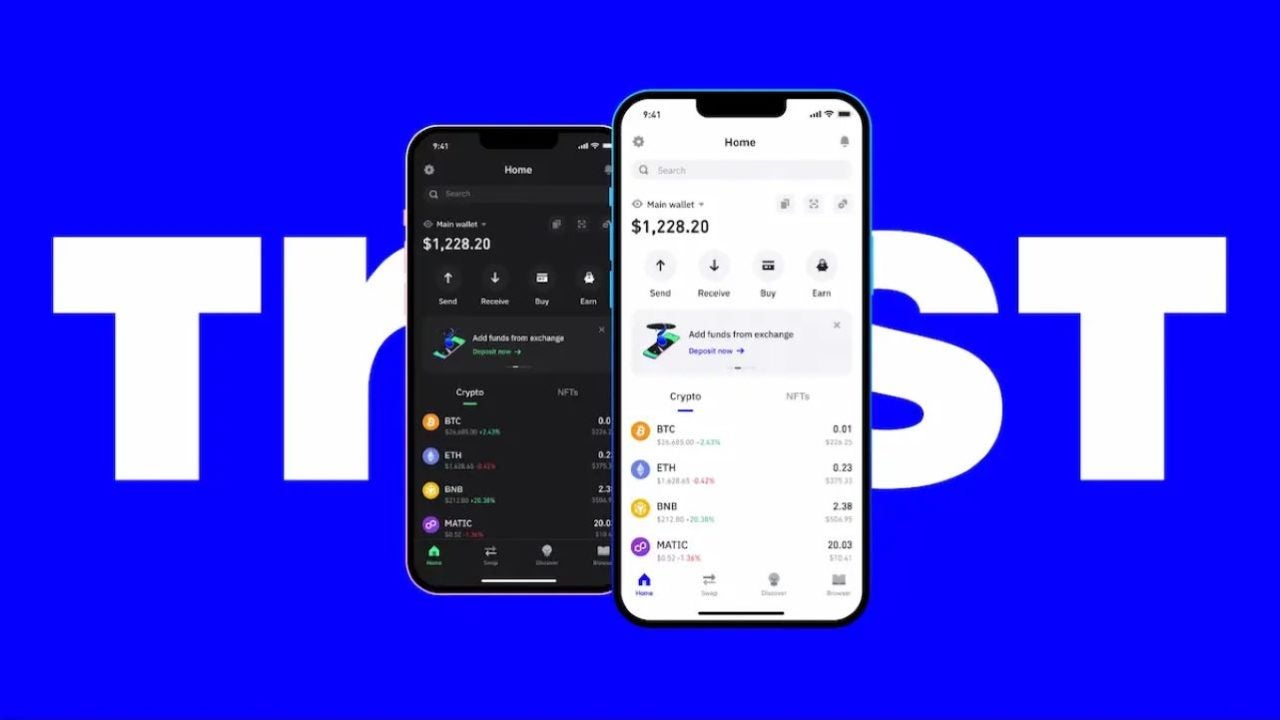
In light of this event, Trust Wallet has initiated a refund claim process for the victims, handling each case individually to protect against fraud. The company has also implemented additional monitoring capabilities and controls related to its launch processes, in order to prevent future incidents of this nature.

In a message following the attack, Trust Wallet warned about a million users of its extension to update to version 2.69, after a malicious update was made available. The recovery of stolen assets and the restoration of user trust will be essential in the coming months for the platform.


Google Chrome wants to help you reduce annoying notifications on your mobile

Google Chrome seems to be focusing on improving the user experience in 2024, which is quite significant considering that it is currently the most used browser. Therefore, Chrome will try to reduce notifications to users, as they can often become very annoying.

In this way, Chrome continues to consolidate the path it wants to take this year by improving the usability and convenience of users, something that rivals like Firefox are also currently doing. Therefore, they could not stay behind in this type of advances.

Google Chrome Download

Helping to reduce notifications

As Chromium has revealed, Google is working on the possibility for users to disable notification sending by the application. They could already be managed individually, but the possibility of a single button being able to disable all notifications of content by the application will help many users have a cleaner notification interface on their smartphone.

In addition, this option can be reversed whenever desired, so you don’t have to worry if you deactivate all notifications at once and later you want to activate them again. With this, Google gives the user greater control over what they want to see on their device.

Battle against cookies

On the other hand, Google Chrome is also running for this 2024 to offer a new browsing model, which is more beneficial for users tired of cookies, and that preserves privileges for websites and their data collections. Google wants to eradicate third-party cookies from the network, and for this it has a meticulous plan that is already starting to put to the test on selected users.

If it works as expected, it could mean that browsing becomes a much more satisfying experience, especially after cookie banners, despite helping manage user privacy, have made browsing much more annoying. Therefore, if Google succeeds in making the cookieless model thrive, where each session already has pre-collected data so that websites don’t have to use them, it could mean a permanent change in internet browsing as we know it today.

Google Chrome Download

Google Chrome plans to get rid of third-party cookies in its new version

Google Chrome will take a giant step forward in its version 120 by getting rid of third-party cookies. This version, which is already being tested for beta users, will select users from certain markets to test what browsing experience would be like without the cookies that websites leave on our devices.

At the moment, this is a test that Google will conduct through Chrome 120’s beta version, but they do not rule out the possibility of implementing a browsing experience without the presence of third-party cookies on our systems in the future.

Chrome Beta DOWNLOAD

Chrome Beta Against Cookies

The beta version of Chrome, which would be Chrome 120, aims to test in selected markets what a browsing experience without third-party cookies would be like. It might be inconvenient for certain users who have to log in daily for work-related reasons, but Google wants to test how this approach would work to envision a hypothetical future without third-party cookies in the browser.

Furthermore, currently, it is being tested in the beta version, so this will primarily be tested by beta users in specific markets. It is unclear whether, if the final version of Chrome 120 is perfected, this cookie test would be conducted on a larger scale. If they see positive results, it is possible that by 2024, the way we browse could change permanently.

Google Chrome on mobile devices leads by a significant margin compared to other browsers.

The advancements in web browsers

The web browser sector is red-hot when it comes to updates. Microsoft Edge is making significant changes to its browser and aims to increase its popularity. Other options like the open-source Vivaldi browser are becoming more appealing in the industry.

The fundamental functioning of web browsers hasn’t changed much over the years, but the quality of the services they encompass has improved considerably. Especially considering the capabilities of mobile devices, all companies competing in the browser sector strive to become stronger brands. However, Google Chrome continues to hold the crown in terms of popularity.

Chrome Beta DOWNLOAD

PassKeys arrives in the stable version of Chrome

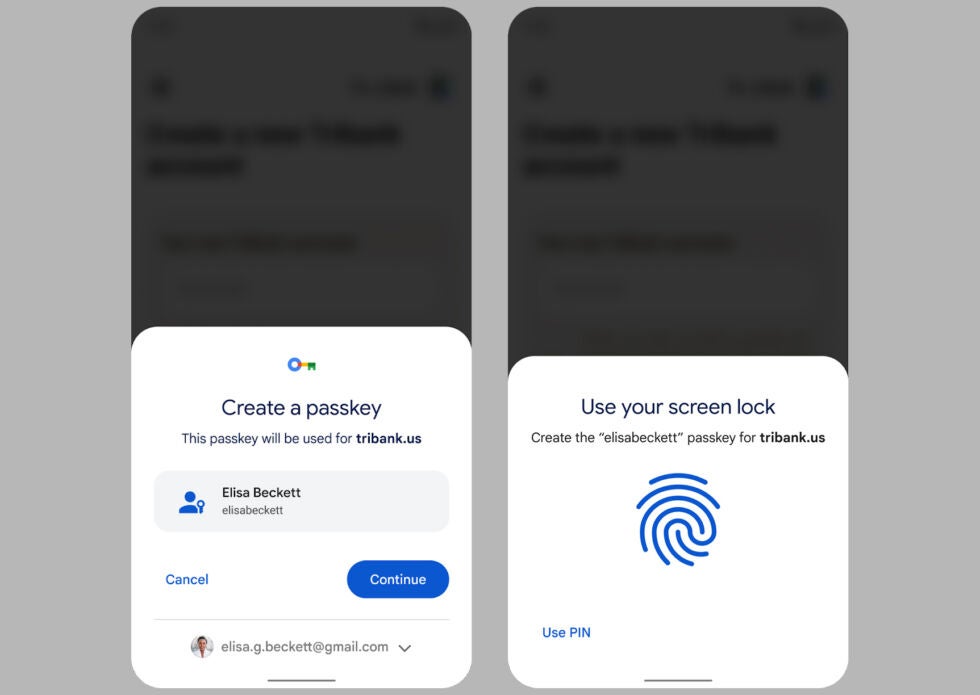
After some testing in the unstable version (Chrome Canary), PassKeys is becoming a reality in the stable Chrome environment. It’s set to change the way we access our online accounts so that we don’t have to insert a password anymore. However, that also means you’ll need a mobile device around you if you plan to sign in to any social or online platform.

The move to include PassKeys on Chrome is to improve online security. As you may recall, many browsers, including Google’s, suffered from major hacks in the past. While the password managers were meant to be safe, these hackers still managed to log into accounts and steal valuable credentials.

PassKeys provides a solution to this problem. When you try to log into an online account, it stores a secret in the cloud. With this measure in place, you’ll need to have your mobile device in hand to access the account with this secret. That means that it doesn’t matter if hackers somehow discover these secret PassKeys. Without your smartphone or tablet, they can’t do anything with it.

Chrome stable releases PassKeys

Right now, PassKeys is only compatible with a few devices. They’re still working on Android and macOS compatibility, but the issue is with Windows. You can only use it with Windows 11, which forms a minority of Microsoft OS users at the moment. Since 70% are still using Windows 10, PassKey availability will be limited.

It seems to be a step in the right direction, but only time will tell. Even if PassKeys provides a more secure way of logging in, that doesn’t mean you can relax. You still need to make sure you remain safe online and don’t try to enter phishing sites. At least you’ll have one less thing to worry about as long as you can work out how the PassKey system works.