Bad news for Destiny 2 fans. Bungie has announced that they will stop developing new content for their popular online shooter starting June 9. That will be the date they release their last content patch, at which point the game’s servers will remain open, but there will be no new game content. This final update, in any case, will be packed with content. Defined by the developers as “a love letter to the players,” it will add a version of the Portal Director, as well as bring back an old acquaintance for the veterans: the races […]
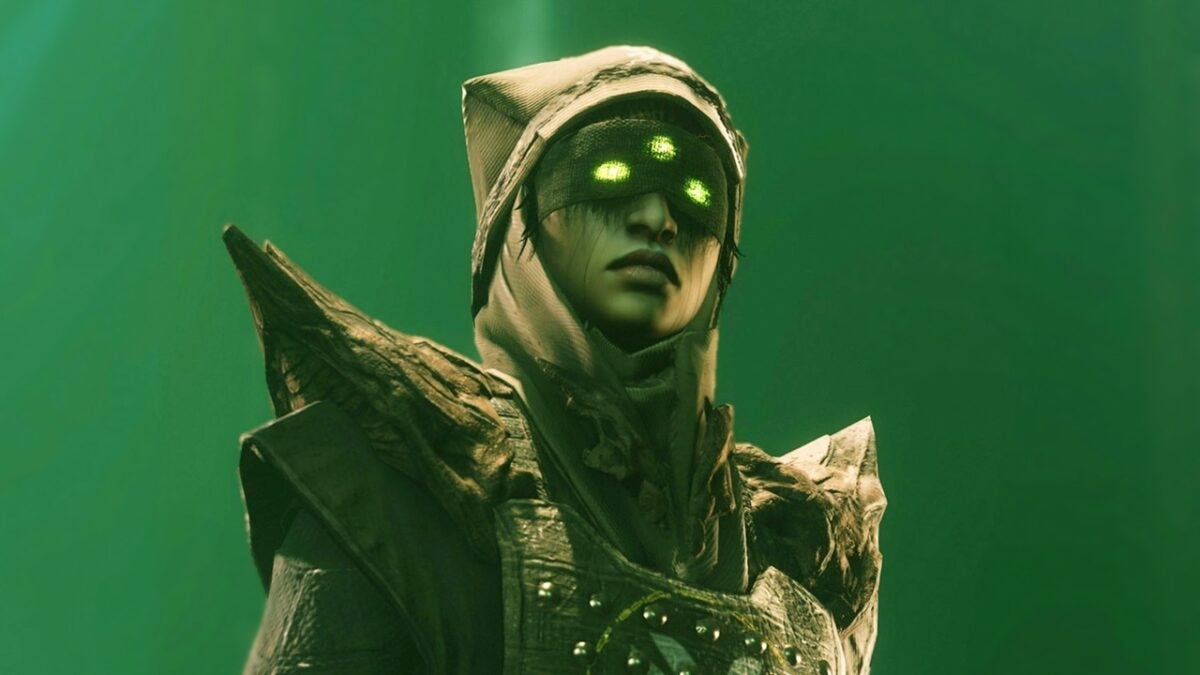
Bad news for Destiny 2 fans. Bungie has announced that they will stop developing new content for their popular online shooter starting June 9. That will be the date when they release their last content patch, at which point the game’s servers will remain open, but there will be no new game content.
This latest update, in any case, will be packed with content. Defined by the developers as “a love letter to the players,” it will add a version of the Director of the Portal, in addition to bringing back an old favorite for the veterans: the races of the Sparrow Racing League from Destiny. All of this in an update that was originally scheduled for last March but was delayed for reasons that were not commented on at the time.
A Study in Trouble
Bungie is currently in a very delicate situation. Marathon,which was released on March 5, is performing below Sony’s expectations, who bought the studio in 2022 for 3.6 billion dollars. Since then, Bungie has not met the expectations of the Japanese corporation regarding account performance, announcing a depreciation of almost 750 million dollars in its value.
This leads to the conclusion that, according to journalist Jason Schreier in Bloomberg, Bungie is not working on any new projects. Although they have proposed making Destiny 3, among other games set in the Destiny universe, Sony has not given them the green light for any of these projects. At the same time, Schreier claims that a series of massive layoffs are about to occur within the company. It seems that Bungie, with the end of Destiny 2, may also be at the end of an era for the company.
Bungie are experts in one thing: making games that feel good. Specifically, in making their weapons feel good. After decades of making shooters, they know how to make each of their weapons feel with the recoil, the heft, and the exact sound so that they differentiate from each other, feel pleasant to handle, and each person finds the one they feel comfortable with. Something that companies with much more popular franchises like theirs, such as Call of Duty or Fortnite, have never achieved in the same way. That’s why people haven’t stopped playing […]
Bungie are experts in one thing: making games that feel good. Specifically, making their weapons feel good. After decades of making shooters, they know how to make each of their weapons feel with the recoil, the heft, and the exact sound so that they stand out from each other, feel pleasant to handle, and each person finds the one they feel comfortable with. Something that companies with much more popular franchises like theirs, such as Call of Duty or Fortnite, have never managed in the same way.
That’s why people haven’t stopped playing Destiny. That’s why the Halo franchise up to Reach is considered legendary. And that’s why the Marathon trilogy is regarded as a milestone in FPS games. Practically no other game feels like the games Bungie makes. And Marathon, their new game, is no exception. Although that won’t guarantee its success.
It has never felt so good to shoot
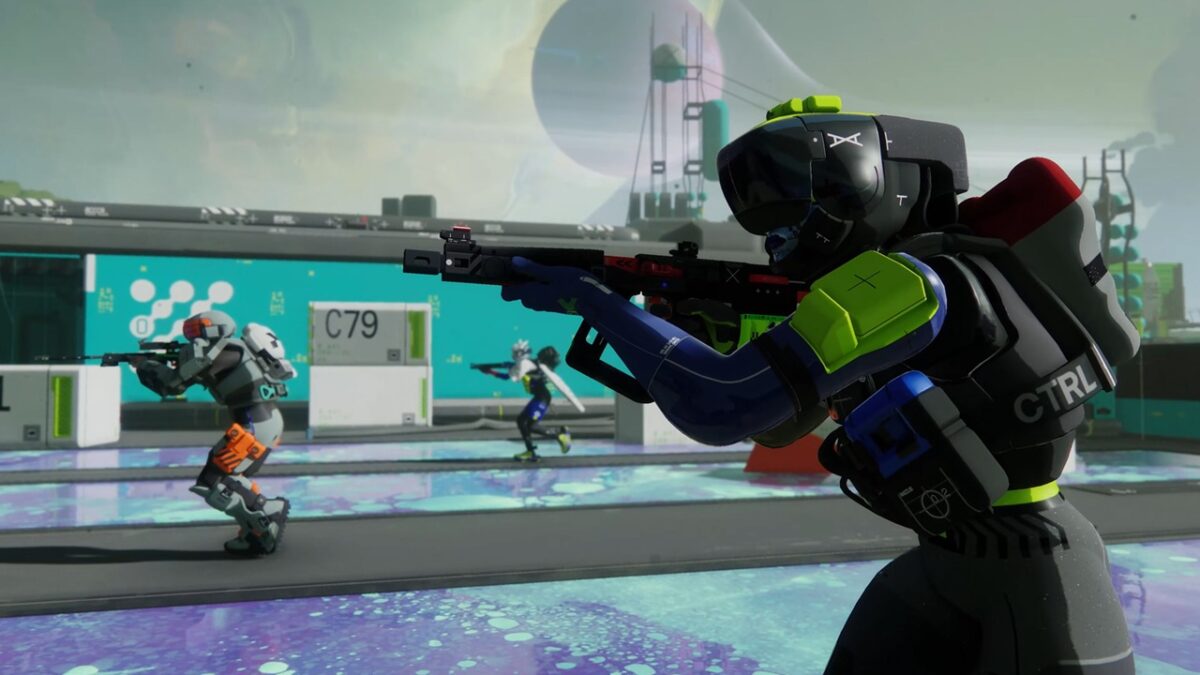
Marathon is a game set in the universe of the original trilogy, released on Mac in the 90s and that would define FPS as we know it. Although these were single-player adventures, the new Marathon is more in line with the times and, to the disappointment of most classic fans, it is an extraction shooter. Set in the year 2893, 99 years after the original, we will have to travel to the planet Tau Ceti IV to infiltrate colonies, achieve objectives, eliminate our rivals, and escape alive. A formula similar to that of Arc Raiders.
Similar, but not the same, because Marathon is very focused on PvP. While in Arc Raiders collaboration and coordination among players is expected, in Marathon aggression is expected to be the response to all encounters. Any encounter with another group of Runners, the names of the operatives traveling to Tau Ceti IV to fulfill the corporations’ objectives, will necessarily end in a shootout, as there are no incentives to collaborate and many incentives to eliminate enemies. This makes the game more similar to an extraction shooter with team deathmatch elements than to what we currently know as an extraction shooter.
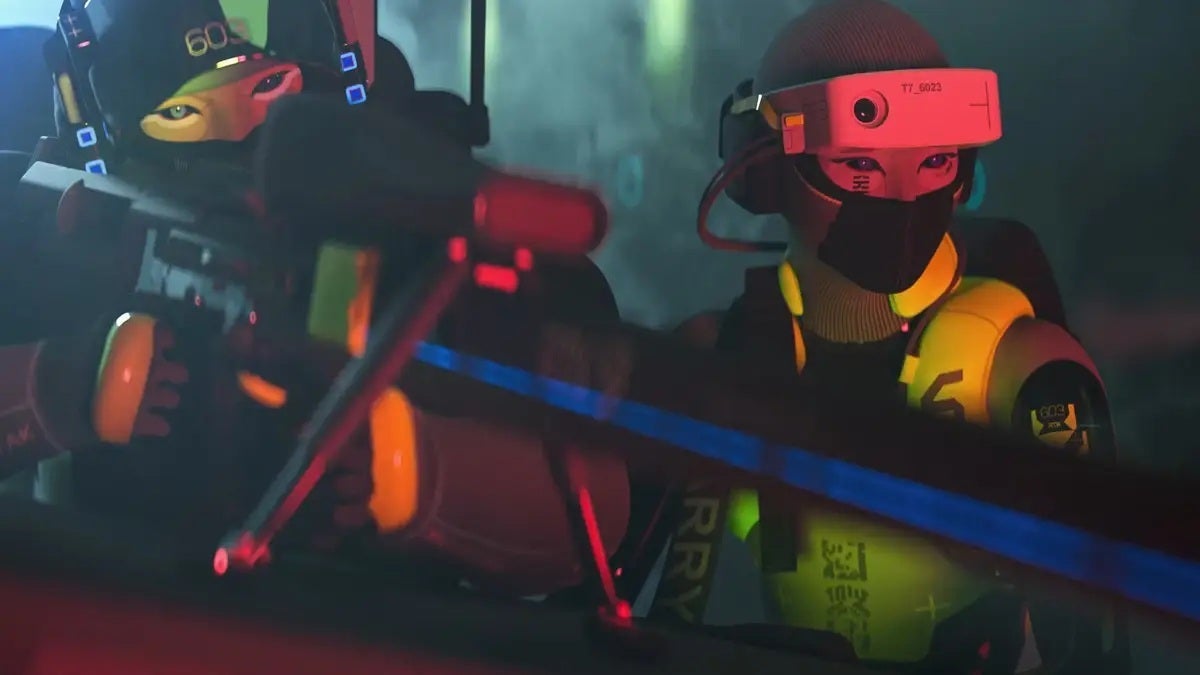
All of this is accompanied by a spectacular artistic section, with a very unique use of typography and graphic design. Although tremendously divisive, this gives it personality. And if we add a narrative developed in what are essentially visual novel scenes, all of this gives the game a lot of character.
What is the problem that Marathon faces? It’s coffee for hardcore coffee lovers. And we don’t say this as something negative, but as a fact. This is not a shooter for people who like Call of Duty to play with their friends, but for those who enjoy spending dozens of hours in Destiny because the weapons are tremendously satisfying and the gameplay loop is tense and addictive, making every fight feel like a brutally hard life-and-death battle. This creates two obvious problems. One from the audience and another from Sony.
From the audience’s perspective, it is evident that this is a niche game. It is not Arc Raiders. Whether it will become a mass-market game seems doubtful, as it demands a lot from players. Moreover, dedicated players already have their games to devote their time to. If Marathon can offer them something to make them abandon their current games to dedicate time to it, that will determine whether it is a success or a failure, in terms of total numbers. From Sony’s side, the situation is more delicate. After canceling several games-as-a-service projects and the failure of Concord, it does not seem they have any qualms about shutting down servers at the first opportunity. So it remains to be seen if good, but not excellent numbers — the most likely scenario for a game like this, even given its success as the third best-selling game on Steam currently — are enough for the survival of Marathon.
A good game that can fail
There is always room for surprise. That it could turn into another Arc Raiders. But while Arc Raiders was accessible and encouraged continued play without frustration, Marathon is the complete opposite: the more you play, the more reasons there are to abandon it unless you are deeply invested in its formula. For this reason, while we could very well be facing a great success like Helldivers 2, it seems doubtful that we are looking at a tremendous success like Arc Raiders.
Will this be enough for Sony? Only time will tell. With a release scheduled for March 5 and with previous server tests that have been a tremendous success, it has the potential to be a hit. Especially if it survives the inevitable player drop-off in the first two days and the first week without there being a discourse around how the new Concord or the new Highguard is. If that happens, it is unlikely that Marathon will recover. If it doesn’t happen, it is likely to perform well and have room to operate for a few months. And in that case, Bungie has a chance to move forward. Because against all odds with everything we had seen and all its controversies, Marathon has the legs for a good journey.
The controversy has struck The First Descendant again, a looter shooter game developed by Nexon, following the company’s decision to use AI-generated ads that mimic real people. This strategy has divided the content creator community, who feel betrayed by the choice to resort to AI instead of relying on their own members. With over 8,800 creators signed up for Nexon Creators, many claim that this approach is a direct slight to the community that could have given an authentic voice to the game. A game […]
The controversy has struck again at The First Descendant, a looter shooter game developed by Nexon, following the company’s decision to use AI-generated ads that mimic real people. This strategy has divided the content creator community, who feel betrayed by the choice to resort to AI instead of relying on their own members. With over 8,800 creators signed up for Nexon Creators, many claim that this approach is a direct slight to the community that could have given an authentic voice to the game.
A Game on the Tightrope
The ads, which have been criticized for their evident quality issues, such as faulty lip-syncing and unnatural voices, have gone viral on platforms like TikTok. Some users, like a prominent Redditor named iHardlyTriHard, have pointed out that in their search for these clips, they found several samples in a matter of minutes. Concern has grown in the community, where some believe that these ads could drive away potential players, generating distrust towards the product they are trying to promote.
Additionally, The First Descendant is not new to the realm of controversy. At its launch, the game had to remove several icons accused of copying Destiny 2 after a wave of negative reactions. This previous story has further fueled the debate about the ethics of using AI in the promotion of video games, with voices from the industry such as a former head of PlayStation comparing its impact to that of Excel on public accountants, highlighting the need for technical skill in creating authentic content.
As the discussion about the use of artificial intelligence in video game marketing continues, many are wondering if The First Descendant will be able to regain the trust of its fan base after this controversy.
This week, Bungie has released Destiny 2: The Edge of Fate, an expansion that begins a new saga for the popular action role-playing game. However, the reception has been mixed, with player activity clearly being significantly lower than in previous expansions. According to data from SteamDB, the game reached a peak of 99,120 concurrent players at its debut, a figure that falls short compared to the peak of 314,000 players recorded during the launch of The Final Shape last June. Is this the beginning of the end? The criticism towards The Edge of Fate […]
This week, Bungie has released Destiny 2: The Edge of Fate, an expansion that begins a new saga for the popular action role-playing game. However, the reception has been mixed, with player activity noticeably below that of previous expansions. According to data from SteamDB, the game reached a peak of 99,120 concurrent players at its debut, a figure that falls short compared to the peak of 314,000 players recorded during the launch of The Final Shape last June.
Is it the beginning of the end?
The criticisms of The Edge of Fate present a varied analysis; while many players believe that the campaign has interesting elements, they also express dissatisfaction with aspects such as the interface and progression systems. The new star map that replaces the world map has been received negatively, with users pointing out that the existing system had greater appeal and charisma. Additionally, the implementation of a transformation mechanic has divided the community: while some support it, others see it as a missed opportunity.
Bungie faces internal challenges, including layoffs and criticism regarding the development of other projects like Marathon, which has impacted the marketing of this new expansion. The studio’s focus for this year includes the release of two annual downloadable content batches and experimentation with new narrative mechanics, suggesting that significant changes will be attempted in the near future.
Despite the criticism, some players have begun to enjoy the content, appreciating the narrative shift towards cosmic mysteries and a less clear-cut villain focus. However, the future of the saga will depend on how Bungie addresses the community’s concerns and the quality of upcoming releases.
An unannounced MMO, codenamed Blackbird, which had been in development for seven years by ZeniMax Online, has been canceled as part of Microsoft’s restructuring, affecting more than 9,000 workers, approximately 4% of the company’s total workforce. This project, which promised an experience similar to titles like Destiny, was shut down indefinitely, surprising the 222 members of the ZeniMax Online Studios United (ZOSU-CWA) team who had been working on it. A union that has allowed workers to move forward The cancellation has generated a significant change in the […]
An unannounced MMO, codenamed Blackbird, which had been in development for seven years by ZeniMax Online, has been canceled as part of Microsoft’s restructuring, which has affected more than 9,000 workers, approximately 4% of the company’s total workforce. This project, which promised an experience similar to titles like Destiny, was shut down indefinitely, surprising the 222 members of the ZeniMax Online Studios United (ZOSU-CWA) team who had been working on it.
A union that has allowed workers to move forward
The cancellation has led to a significant change in the company’s structure, including the resignation of the studio director, Matt Firor. Despite the uncertainty, members of ZOSU-CWA have confirmed that, for the time being, they remain employees of ZeniMax Online with salary and benefits, although they admit that layoffs could be inevitable in the future for some of them.
In its statement, ZOSU-CWA criticized Microsoft for not providing the necessary support to its employees, emphasizing that the union has become a vital resource for its members in these difficult times. The union has focused on negotiating with Microsoft to secure better conditions and try to protect the interests of the developers affected by the cancellation of Blackbird.
This episode occurs in a broader context of cuts at Microsoft, which has led to the closure of flagship projects such as the reboot of Perfect Dark and Rare’s action-adventure Everwild, as well as workforce reductions in other internal studios. ZOSU-CWA expressed its commitment to continue fighting for the rights of its members and to establish a safer future for the developers of Elder Scrolls Online and other teams within the company.
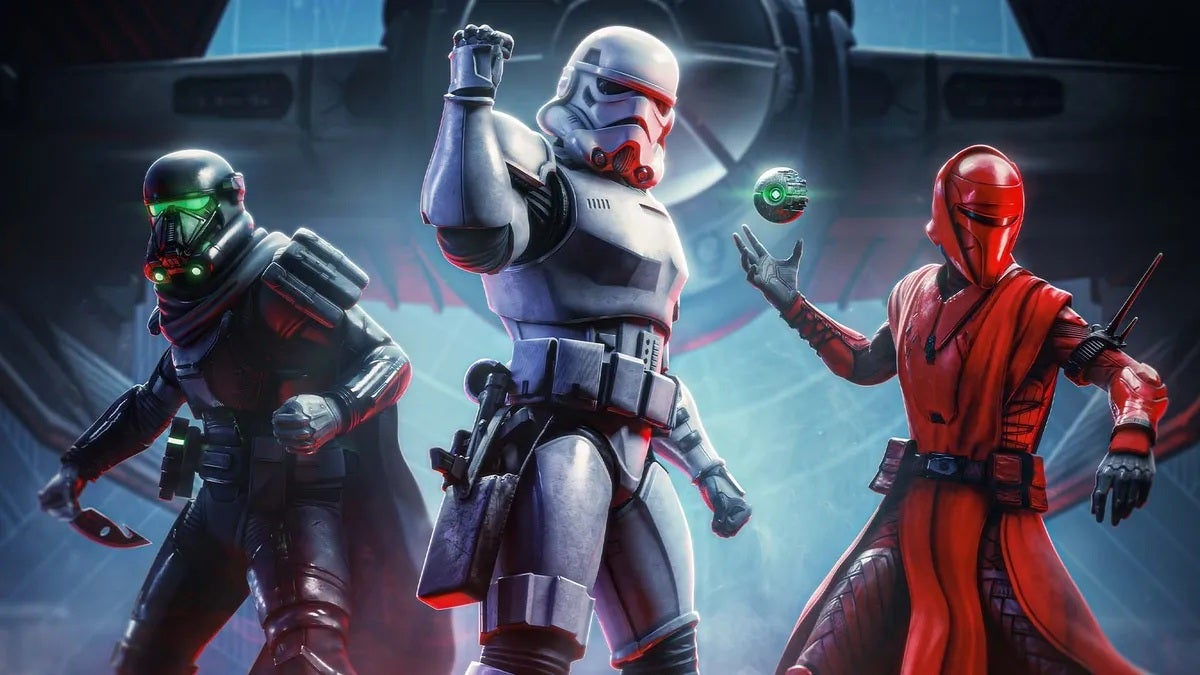
Bungie has made a significant announcement regarding Destiny 2, generating discussion in the player community. The developer has revealed plans for new expansions and updates, highlighting an unusual collaboration with the Star Wars universe. The upcoming expansion, titled ‘Renegades’, will be completely inspired by this iconic universe, including emblematic elements such as lightsabers and planets that evoke places like Tatooine. Those who pre-order the Ultimate edition of Destiny 2 will receive several digital rewards in return, including skins of recognizable Star Wars characters, such as Darth Vader and Kylo Ren. This move has generated […]
Bungie has made a significant announcement regarding Destiny 2, generating discussion in the player community. The developer has revealed plans for new expansions and updates, highlighting an unusual collaboration with the Star Wars universe. The upcoming expansion, titled ‘Renegades’, will be completely inspired by this iconic universe, including iconic elements such as lightsabers and planets that evoke places like Tatooine.
Those who pre-order the Ultimate edition of Destiny 2 will receive several digital rewards in return, including skins of recognizable characters from Star Wars, such as Darth Vader and Kylo Ren. This move has generated mixed feelings among fans, some of whom are excited, while others express their displeasure at the merging of two fictional universes they consider incompatible. Comparisons have arisen in the realm of pop culture, likening these crossovers to fusion cuisine, suggesting that while they are possible, they are not always desirable.
The announcement has sparked controversy over the integrity of the Destiny universe and Bungie’s creativity. The community has reservations about how this collaboration will affect the perception of the game, which has been marked by a rich lore and a distinctive aesthetic since its launch. Some players have already compared this strategy to a “Fortnitification” of service games, where monetization and collaborations with external brands seem to be taking precedence over the original gaming experience.
As fans awaited content more related to the Destiny universe, the focus on Star Wars has led many to question whether this is a solution to attract more players or a departure from the essence that made Destiny popular in the first place. Undoubtedly, this decision will mark a turning point in the game’s history and will be a topic of debate in the coming months.
The recent alpha of Marathon has sparked an intense debate among players, especially regarding the inclusion of aim assist for both controllers and keyboard and mouse. This feature, known as “aim magnetism,” is enabled by default and has generated polarized opinions among PC users, who traditionally value precision and control in first-person shooter games. Assistance that can be disabled, but which automatically puts you at a disadvantage. Users on the Marathon subreddit have expressed their discontent, suggesting that aim assist for keyboard and […]
The recent alpha of Marathon has sparked an intense debate among players, especially regarding the inclusion of aim assist for both controllers and keyboard and mouse. This feature, known as “aim magnetism,” is enabled by default and has generated polarized opinions among PC users, who traditionally value precision and control in first-person shooter games.
Assistance that can be disabled, but automatically puts you at a disadvantage
Users in the Marathon subreddit have expressed their discontent, suggesting that the aim assist for keyboard and mouse is excessive, which could harm the gaming experience. Comments like “this is absolutely crazy to have this in a serious keyboard and mouse game” have resonated within the community, highlighting concerns about “skill expression” in the game.
Bungie has stated that aim assist is simply a feature in testing during the alpha, aimed at balancing the experience between PC and console players. However, many players feel that this approach takes away the tension from the battles. It has been reported that the game feels boring and that mobility is limited, contributing to an experience where confrontations seem to occur on “autopilot”.
Despite the controversy, Marathon’s alpha allows players to disable aim assist, thus offering options to customize their experience. According to gameplay director Andrew Witts, the intention is to receive feedback and adjust gameplay based on players’ opinions, stating that “we don’t believe it’s in the most perfect place.”
Marathon, being Bungie’s first exclusive PvP shooter, navigates uncharted waters, especially in a genre where precision is key. With the alpha available until May 4th, time will tell how this conversation will affect the game’s development before its final release.
The anticipated reboot of Marathon by Bungie has revealed key details about its design and gameplay mechanics. This title will be a hero-based extraction shooter, similar to Escape From Tarkov, emphasizing gameplay that includes skills, economy, and an arsenal of weapon modifications that will appeal to fans of character building in Destiny. Additionally, features such as proximity chat, solo play, and cosmetics have been confirmed, although many questions remain unanswered. How much will Marathon cost? Not even Bungie knows. One of the most confusing aspects so far […]
The highly anticipated reboot of Marathon by Bungie has revealed key details about its design and gameplay mechanics.This title will be a hero-based extraction shooter, similar to Escape From Tarkov, emphasizing gameplay that includes skills, economy, and a range of weapon modifications that will appeal to fans of Destiny’s character building. Additionally, features such as proximity chat, solo play, and cosmetics have been confirmed, although many questions remain unanswered.
How much will Marathon cost? Not even Bungie knows
One of the most confusing aspects so far has been the cost of the game. During the recent official presentation, Bungie was reserved when addressing the topic of price. Although it was mentioned that Marathon will be a premium title, it was clarified that it will not be at full price, which has generated confusion among fans. This suggests that, while it is unlikely to cost 70 euros, the exact price has not yet been defined and could be in a considerably lower range.
Bungie developers have indicated that they are considering player feedback to determine the final price. In a recent interview, game director Joe Ziegler commented that each player has a different perception of what constitutes a fair price, which reinforces the idea that the team is handling this decision carefully.
With Sony showing high expectations for the financial performance of Marathon, it is clear that the company is betting big on this title. However, setting a price that does not deter players before its release is a challenge. Given that the multiplayer shooter market is competitive, overpricing could negatively impact the perceived value of the game.
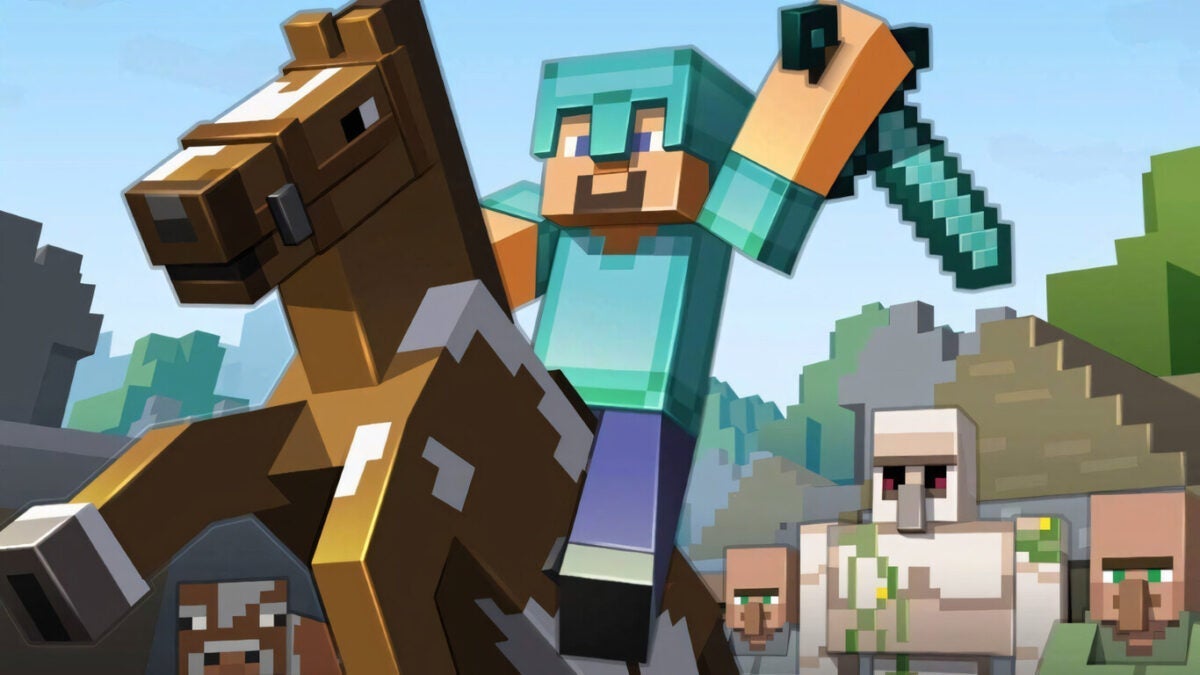
Mojang, the studio behind the global phenomenon Minecraft, has reaffirmed its commitment to a paid business model, ruling out any possibility of adopting a free-to-play approach. Ingela Garneij, executive producer of Minecraft Vanilla, stated in a recent interview that the company’s philosophy is to make the game accessible without relying on microtransactions. Monetization doesn’t work that way for us. It’s a purchase of the game and that’s it, Garneij said, which is very good for the wallets of millions of players. Buy the game and not pay again Since Microsoft acquired Mojang in […]
Mojang, the studio behind the global phenomenon Minecraft, has reaffirmed its commitment to a paid business model, ruling out any possibility of adopting a free-to-play approach. Ingela Garneij, executive producer of Minecraft Vanilla, stated in a recent interview that the company’s philosophy is to make the game accessible without relying on microtransactions. Monetization doesn’t work that way for us. It’s a purchase of the game and that’s it, Garneij said, which is very beneficial for the wallets of millions of players.
Buy the game and never pay again
Since Microsoft acquired Mojang in 2014 for 2.5 billion dollars, Minecraft has proven to be a significant financial success, generating approximately 100 million dollars annually. This remarkable figure highlights that the current business model is profitable and sustainable, allowing the developer to avoid the economic pressures often associated with free-to-play games.
Garneij also highlighted that other titles like Overwatch 2 and Destiny have had to adopt aggressive monetization strategies after transitioning to a free model, something that does not align with the philosophy of Minecraft. What is important for us is that many people can continue to enjoy it, he assured, reflecting the community-centered approach that has characterized the game since its launch more than a decade ago.
Agnes Larsson, the game director, emphasized that the values of Minecraft regarding accessibility and creative freedom are fundamental to its success. These principles are an integral part of the player experience and have contributed to maintaining the stability of its community over time.
Therefore, Mojang has made it clear that Minecraft will remain a paid experience, resisting the temptations of a market that is increasingly succumbing to microtransactions. Meanwhile, fans looking for free alternatives will face the harsh reality that few can replicate the essence of the iconic building title.
The Rite of the Nine event in Destiny 2, which was supposed to launch on April 1 along with Act 3 of Heresy, was accidentally activated before the scheduled date. Bungie, the game’s developer, has confirmed that this early launch was due to a technical glitch and that it will disable all activities related to the event “as soon as possible.” An event full of surprises Despite being a surprise for players, the available content includes temporary versions of the weapons inspired by the three dungeons that the event features: Prophecy, Spire of the […]
The Rite of the Nine event in Destiny 2, which was supposed to launch on April 1 along with Act 3 of Heresy, was accidentally activated before the scheduled date. Bungie, the game’s developer, has confirmed that this early launch was due to a technical glitch and that it will disable all activities related to the event “as soon as possible”.
An event full of surprises
Despite being a surprise for players, the available content includes temporary versions of the weapons inspired by the three dungeons that the event features: Prophecy, Spire of the Watcher, and Ghosts of the Deep. These weapons, while functional, lack final textures, giving them a rough appearance. Nevertheless, their utility could attract many players, as dungeons are highly valued activities in the community.
This event is also free for all Destiny 2 players, eliminating the need to own season passes or expansions, which should facilitate greater participation. However, Bungie has faced criticism for previous mistakes in handling the game, including unexpected changes in functionalities and content leaks. These incidents have generated frustration in the community, leading to increased expectations regarding what Rite of the Nine will be able to offer.
Despite the brief and premature appearance of the event, it is expected to return in its full and official version on April 1. Over the years, Bungie has consistently dealt with similar issues in Destiny 2, which has fueled doubts about its ability to effectively manage the title in the long term. The community eagerly awaits the announcement of the full event, which will undoubtedly be an incentive to return to combat in the exciting universe of the game.