The lost treasure made by Hayao Miyazaki before becoming a director is finally published

Luckily, an artist with his own sensitivity and style like him has managed to show it not only on a big screen, but also in the medium he loved since he was a child: manga.

Hayao Miyazaki‘s earliest memories are of destroyed cities, an unjust war that ravaged Japan, of fire, screams, and anguish. That’s why his filmography has always been linked to nature, to escaping reality, to the absurdity of wars. Luckily, an artist with his own sensitivity and style like him has managed to depict it not only on the big screen but also in the medium he loved since childhood: manga.

Crunchyroll DOWNLOAD

An incredible journey

Miyazaki wanted to be a mangaka, although he had no idea how to go about it. During high school, he drew thousands of pages for himself, trying to improve his skills with each attempt. Initially, he worked as an artist for series and movies at Toei Animation. Eventually, he managed to create a spin-off of one of those films, which later became Toei‘s symbol: ‘The Incredible World of Puss in Boots.’ From January to March 1969, the man who would later be regarded as one of the greatest directors in history was able to publish a manga based on the movie.

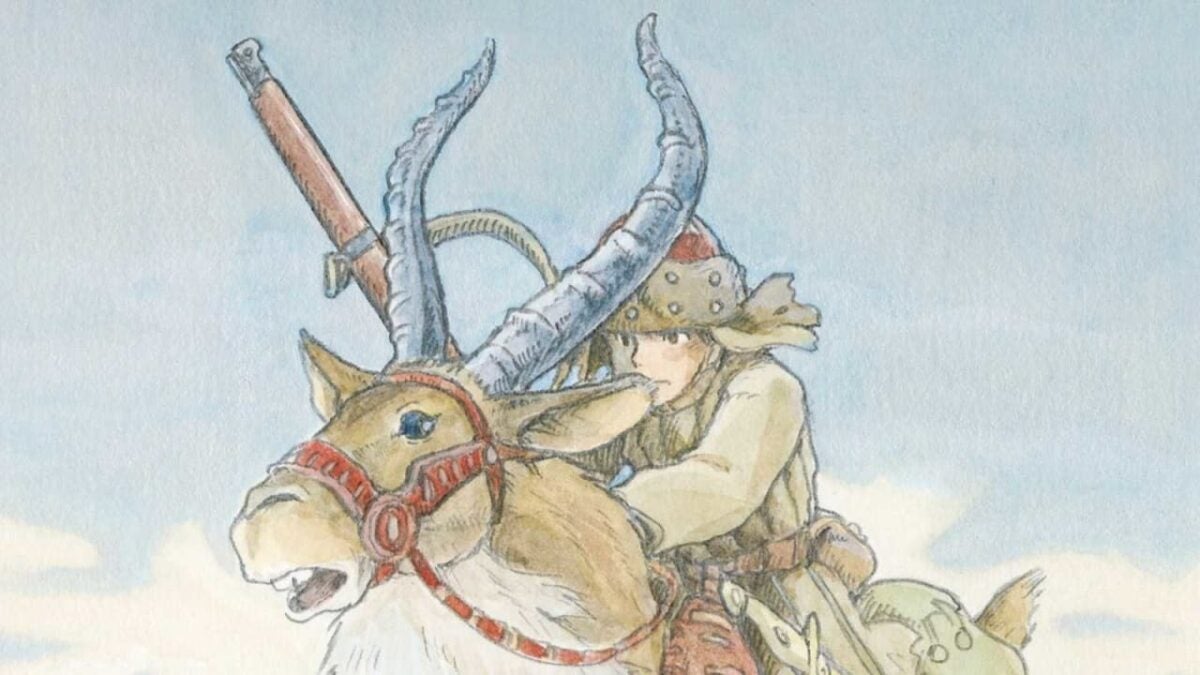
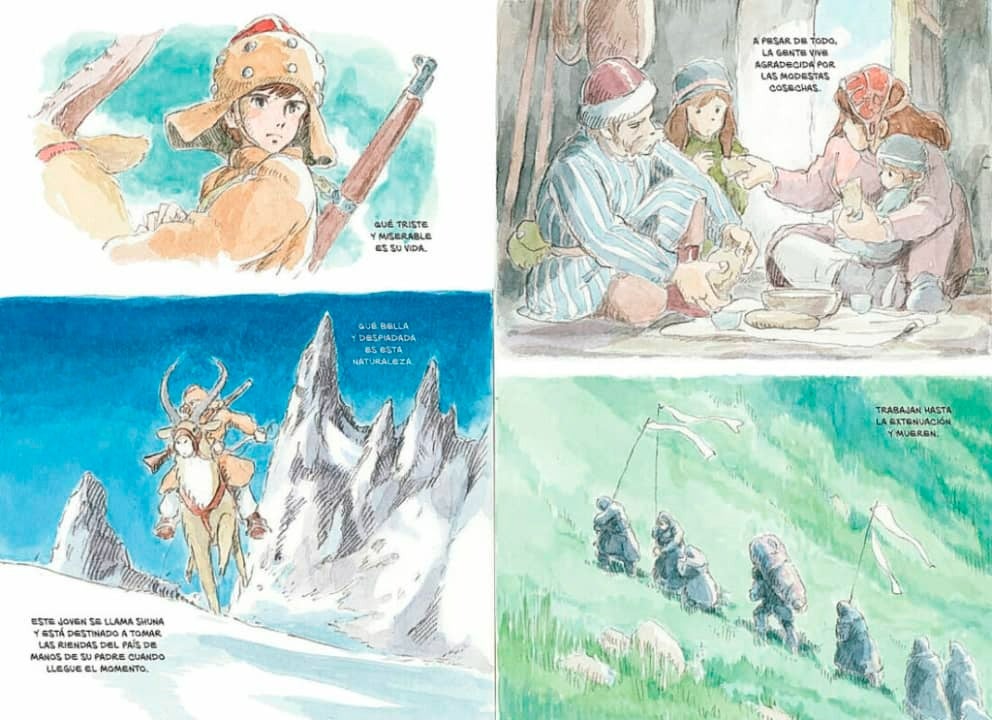
It was a way to enter the industry. Later on, he started publishing his own work. In 1983, he released his first graphic novel, ‘The Journey of Shuna,’ based on a traditional Tibetan tale. The story, presented in full color, captivated readers despite its simplicity. Yes, it was a very straightforward tale, but it was told in an incredible and unique way. It resonated so well that in 1989, it was adapted into a radio drama. However, what Miyazaki truly wanted was to turn it into his first original film. Up to that point, he had only directed the wonderful ‘Lupin III: The Castle of Cagliostro’ in the realm of anime.

Pages from the comic ‘The Journey of Shuna’ by Hayao Miyazaki (Salamandra Graphic)

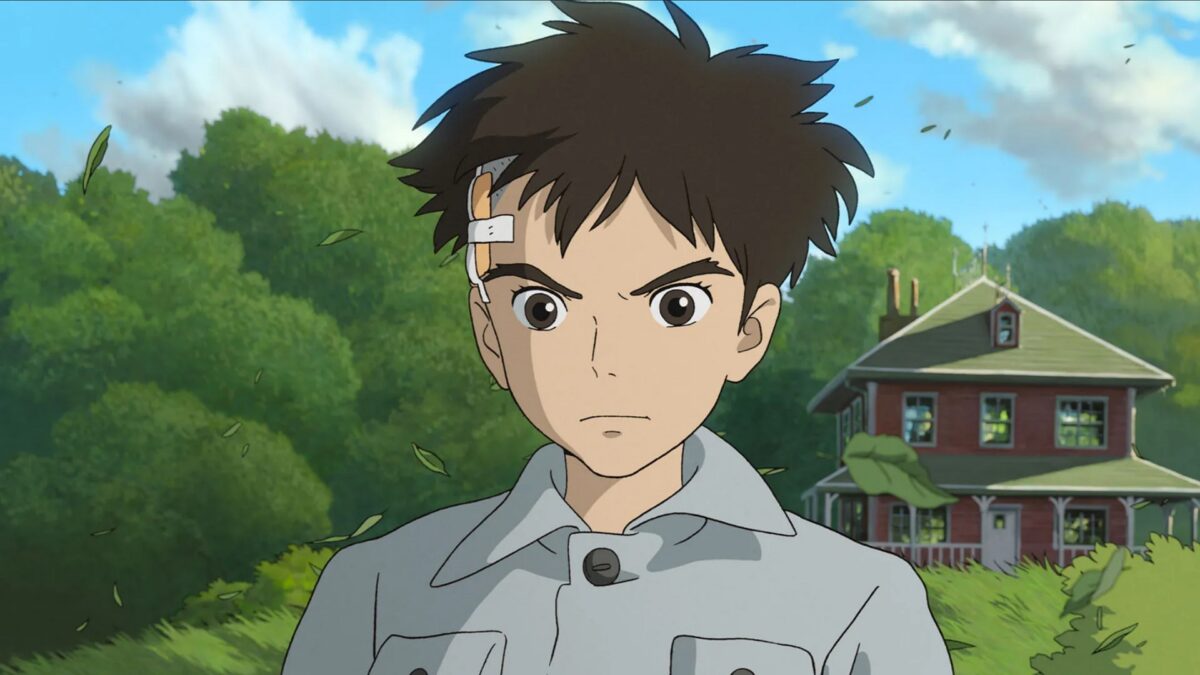
It didn’t come to fruition. However, interestingly, at the same time, he was publishing another manga titled ‘Nausicaä of the Valley of the Wind,’ which lasted for 12 years. Miyazaki had vowed never to adapt it into a film. He broke that promise, of course. The movie, Studio Ghibli’s first, was released in 1984. We know the rest of the story, and we can complete the puzzle of Hayao Miyazaki’s life with two key pieces: the first one being ‘The Boy and the Crane,’ his latest masterpiece.

The second one is ‘The Journey of Shuna,’ which, after years of being unpublished, has finally appeared this year in a fabulous 160-page edition. It won the Eisner Award for comics from Asia and has finally been published in Spanish. It is a must-read for Studio Ghibli fans, but also for those who appreciate Miyazaki’s subtle artistry. It’s a necessary addition to any respectable library. Forty years unpublished was far too long!

Crunchyroll DOWNLOAD

Nippon TV has acquired Studio Ghibli as a subsidiary: what does this mean?

Ghibli can make works of art, but that is not alien to the reality of capitalism, which is why it will soon become a subsidiary of Nippon TV

Studio Ghibli is an institution in the world of anime, but it is far from invulnerable. They are not swimming in money, and they are not oblivious to the fact that they exist in a capitalist society. Therefore, while their films are genuine works of art and undoubtedly enjoy resounding success, including a movie released this year, it doesn’t mean that as the years pass, the studio’s future is becoming increasingly uncertain. Its founders are not getting any younger, and there are no apparent successors in sight. That’s why it’s not surprising that they have had to reach agreements that may sound more concerning than they actually are.

Crunchyroll DOWNLOAD

We say this because Nippon TV has announced its intention to acquire 42.3% of Studio Ghibli’s shares. Once the transaction is completed, NTV will become the majority shareholder of Studio Ghibli. This will make the studio a subsidiary of Japan’s first commercial television network.

If this is less concerning than it may seem, it’s because this has actually happened with the consent of both parties. The acquisition was announced by Yoshikuni Sugiyama, Representative Director of Nippon TV, and Toshio Suzuki, founding member and president of Studio Ghibli. Suzuki emphasized during the press conference that the absence of a “successor” is what has led to this acquisition. He pointed out that Miyazaki is 82 years old, and Suzuki himself is 75, highlighting how they currently have no one who can fill the positions they occupy. Therefore, unless something changes, this should not alter the way Ghibli operates creatively, and it will continue to be an independent company.

He has also emphasized something that we already suspected but confirms that the relationship between the Miyazaki family members is, at the very least, strained. Ghibli has offered on several occasions for Goro Miyazaki to lead the studio when they step down, but he has refused each time. His own father, Hayao Miyazaki, has also declined this role.

Nippon TV has been discussing this potential acquisition with Ghibli since last year. While it may seem sudden, they have a long history of mutual cooperation. They were the first to broadcast Nausicaä of the Valley of the Wind on television in 1985, and since then, they have aired all of Ghibli’s films with very good viewership. This explains why they want to continue this close relationship now that the studio is starting to consider its future when Miyazaki and Suzuki can no longer lead Ghibli.

Crunchyroll DOWNLOAD

A good bomb in the anime world: trailer for Mari Okada's new film

Mari Okada returns to directing with an absolutely fascinating fantasy drama about one of her favorite themes: love and the end of the world.

“While stories with happy endings often perform better at the box office, the stories that become immortal are the great tragedies. They are larger-than-life stories that make us cry until we’re dehydrated, as if there is nothing else in the world but what’s happening on screen. It’s something quite normal if we think about it. Happy stories satisfy us in the moment, but sad stories leave us with deep wounds. And a specialist in the latter is the screenwriter and director, Mari Okada.”

Crunchyroll DOWNLOAD

Mari Okada is the screenwriter of famous anime such as Toradora!, Anohana: The Flower We Saw That Day, and Mobile Suit Gundam: Iron-Blooded Orphans. In addition, in 2018, she made her directorial debut by writing and directing “Maquia: When the Promised Flower Blooms,” an absolutely captivating fantasy film. Although it went relatively unnoticed in the West, it was a critical and commercial success in Asia and had a strong presence in the animation festival circuit.

Now, her next film has been announced, titled “Alice to Therese no Maboroshi Kōjō,” which can be translated as “Alice and Therese’s Illusion Factory.” She promises a story that is no less fantastical and certainly not less emotionally charged.

The movie focuses on a teenager named Masamune who lives in a town that has been isolated from the rest of the world due to an explosion at a steel factory. To prevent any further changes and perhaps one day return to normalcy, all the town’s inhabitants are forbidden from changing themselves. This leads to a monotonous and depressing life that changes when Masamune and a classmate named Mutsumi discover a feral girl inside the factory that exploded in the past. They are driven by their adolescent impulses, leading the town towards the destruction of the world.

With a release date in Japan set for September 15th, it will have to compete with the latest Miyazaki film. But if anyone can compete with the master, it’s Mari Okada and her perhaps sad, but undoubtedly memorable stories about love and memory.

Crunchyroll DOWNLOAD

Leave everything you are doing: we have a new film by Miyazaki and Studio Ghibli

The trailer for Hayao Miyazaki new film finally arrives, not without some controversy behind it, promising us perhaps the best film of his career.

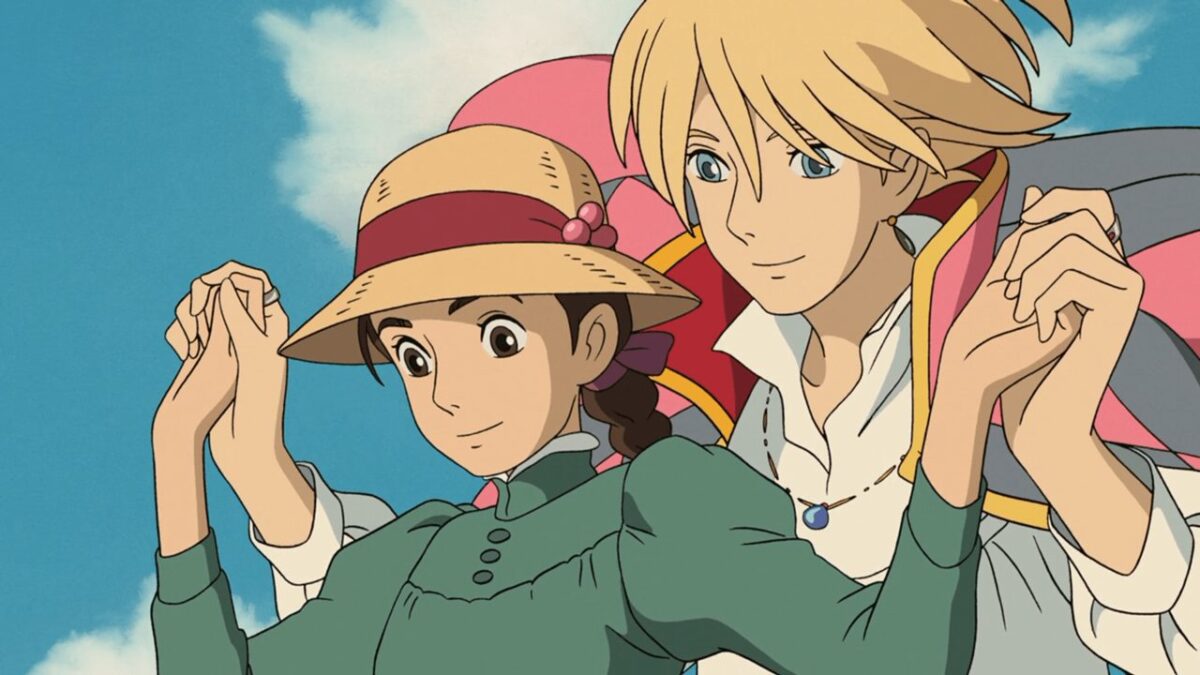
Hayao Miyazaki doesn’t need cover letters. Neither does Studio Ghibli. At this point, they don’t need to sell us their movies in any way. If they release a new movie, we’ll go see it. It is synonymous not only with anime or Japan, but with the highest quality and refinement. The best animation you can see, always. And that is why it is always worth celebrating that, once again, he failed to keep his promise to retire. Because Miyazaki is back. And as fit as ever.

YouTube DOWNLOAD

We finally have before us the first trailer for The Boy and the Heron, the (presumably) last film by Hayao Miyazaki. Made under the Studio Ghibli umbrella, it is an adaptation of the novel of the same name by Genzaburo Yoshino published in 1937. The novel was about a boy’s evolution to adulthood, through his relationship with his family and friends, through the turbulent (pre)war years.

The trailer, in truth, shows us little of the film. With an exquisite animation and spectacular music, it shows us that we are in front of a new incredible journey as we are used to from the studio. Speaking of life, death and a strong fantasy component, more reminiscent of Satoshi Kon than Miyazaki himself, the trailer leaves us with more questions than answers about the film. Which is always a good thing with a Ghibli film. But in this case with more than one reason.

In Japan the film premiered on July 14 under the name Kimitachi wa Dō Ikiru ka. Literally translated, How do you live? Despite being an absolute box office and critical success, they did not release any trailer for the film. Just a poster, where nothing of the same was shown. Even critics and fans tacitly agreed not to comment on it. It was decided that the film should be experienced in a vacuum, without knowing anything, and everyone involved accepted this. Something that has been lost in its arrival to the West, where the first thing that has been done is to create the first trailer for a film where, consciously and intentionally, it was avoided to make any kind of trailer.

Be that as it may, this is Hayao Miyazaki’s first film in ten years. Stating that he was retiring after The Wind Rises, he has returned, according to him one last time, to give us one last feature film with which to end his career. If this is true, only time will tell. Meanwhile, The Boy and the Heron has a release date for December 8 in the US, with no specific date for the rest of the world. Although it is to be hoped that it won’t take us much longer than that to see it in Spanish theaters.

YouTube

30 toys from the 90s that taught us science, technology, and creativity

Rediscover the toys of your childhood and learn how you were taught technology, science and creativity in a unique way.

The nineties were a time full of changes in which analog was opening up to digital and everything seemed to be possible. With the internet just around the corner, the video game revolution present, and the arrival of the futuristic year 2000, everything changed for those of us who grew up in those years, and that is something that also directly affected what we played as children.

Beyond the classic Action Man or the Barbies that continued to lead the market, in the nineties, dozens of toys emerged that integrated technology, science, and completely original formats to surprise the kids of the time. They were toys that challenged simplicity to bring completely new ways that challenged the imagination of children… and that marked us irremediably in the future.

From castles with hidden secrets to private diaries you could only see with a password, the imagination of toy companies in this era seemed to have no limits. Well, they did have a limit: batteries. Every innovative toy that integrated some technology required batteries, the biggest problem for children in the nineties. But, once equipped with them, the possibilities were endless.

Then we leave you with the most recognizable toys of the nineties that challenged the creativity of the master toy makers of the time and caused the quality of this industry to increase a lot. The nineties were a decade of stimulus, and much of the blame went to these products.

1. Furby

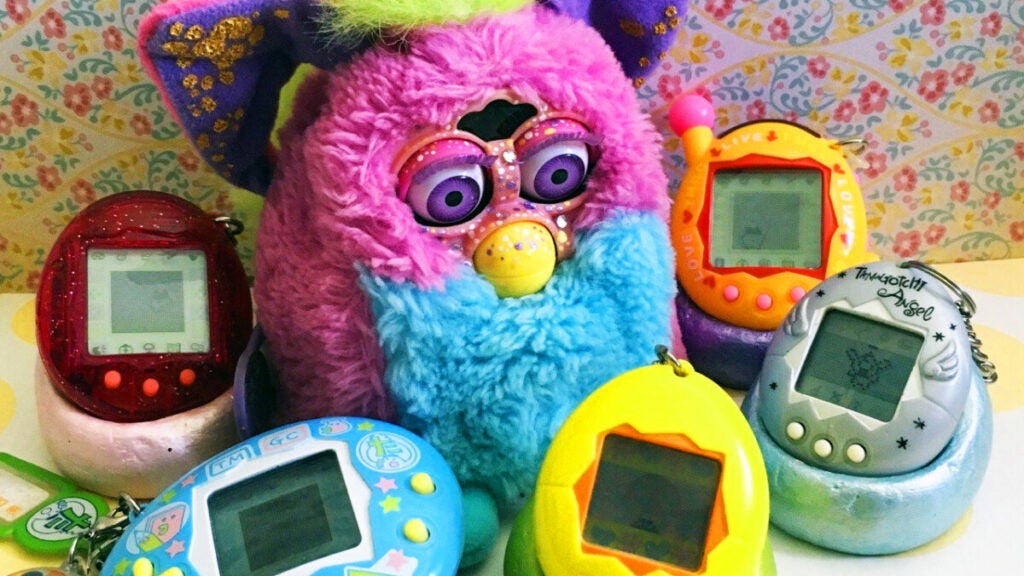
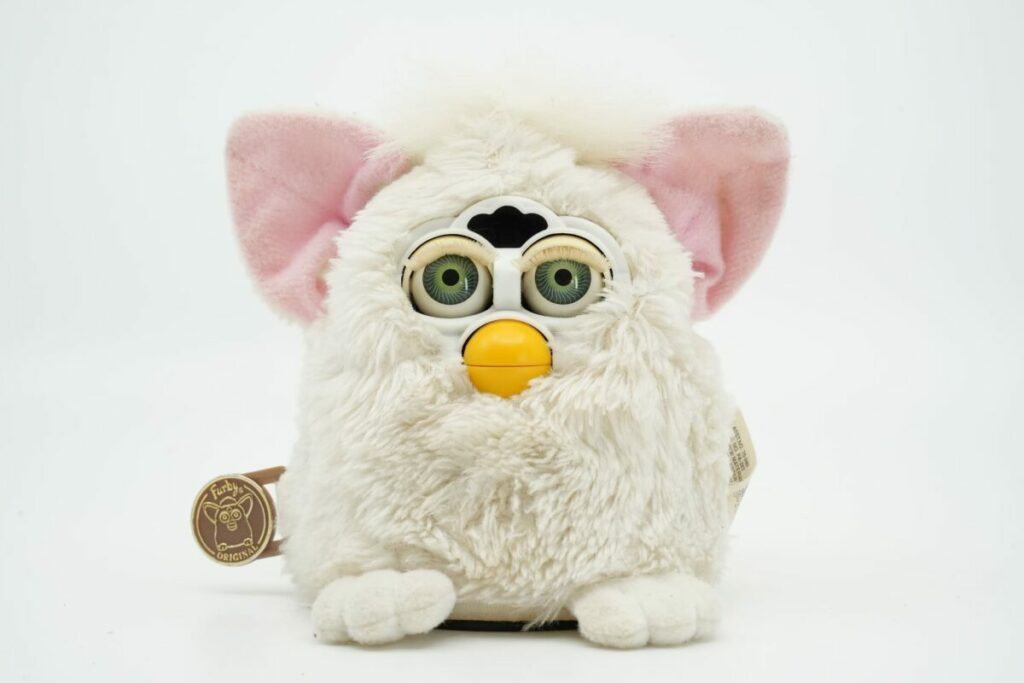
We couldn’t start the list with any toy other than the Furby. The toy to which we dedicate an entire article forever changed our perception of robots, and it is the first real virtual pet we could have. The Furby was a kind of stuffed animal whose design gave quite bad vibes but to which we took affection to be able to have small conversations with him in his own language: the furbish. Although now it seems to be nothing more than a robot come to less and that reminds more of 5 Nights at Freddy’s than bucolic imagery, at that time they promised a revolution that seemed to come from the future.

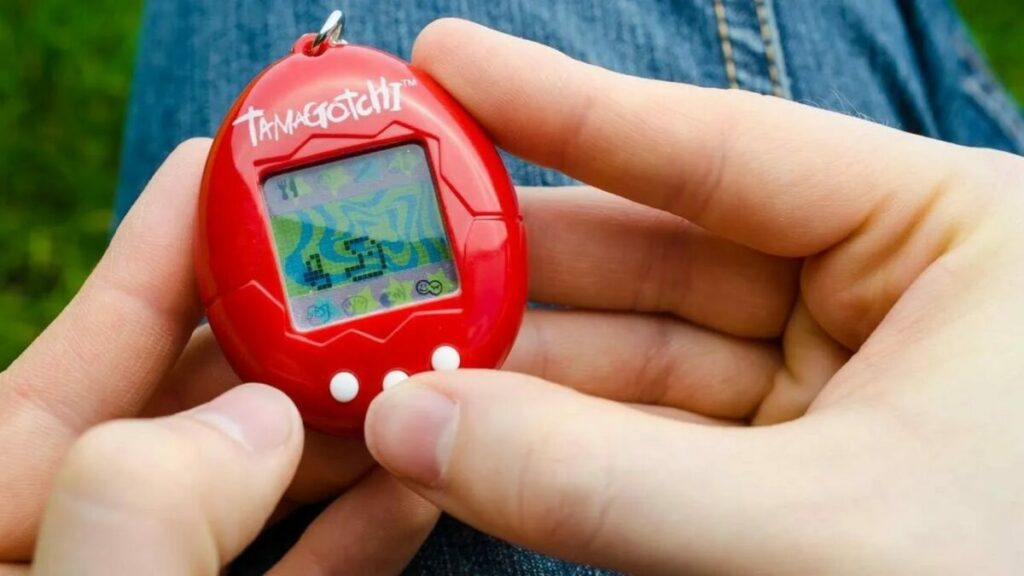
2. Tamagotchi

But if we talk about an icon of the nineties, this can be none other than the Tamagotchi. For many, the Tamagotchi was our first mascot. Created by engineer Aki Maita, it was a small device, similar to a console, that presented us with a virtual pet that we had to take care of completely. The heaviest drama of the time was when we died the Tamagotchi … Our first link with death that we could only fix by inserting a toothpick into a tiny hole in the back. It should also be noted that, although the official Tamagotchi were the most popular, during this decade pirated versions did not stop emerging that also proliferated among less affluent children.

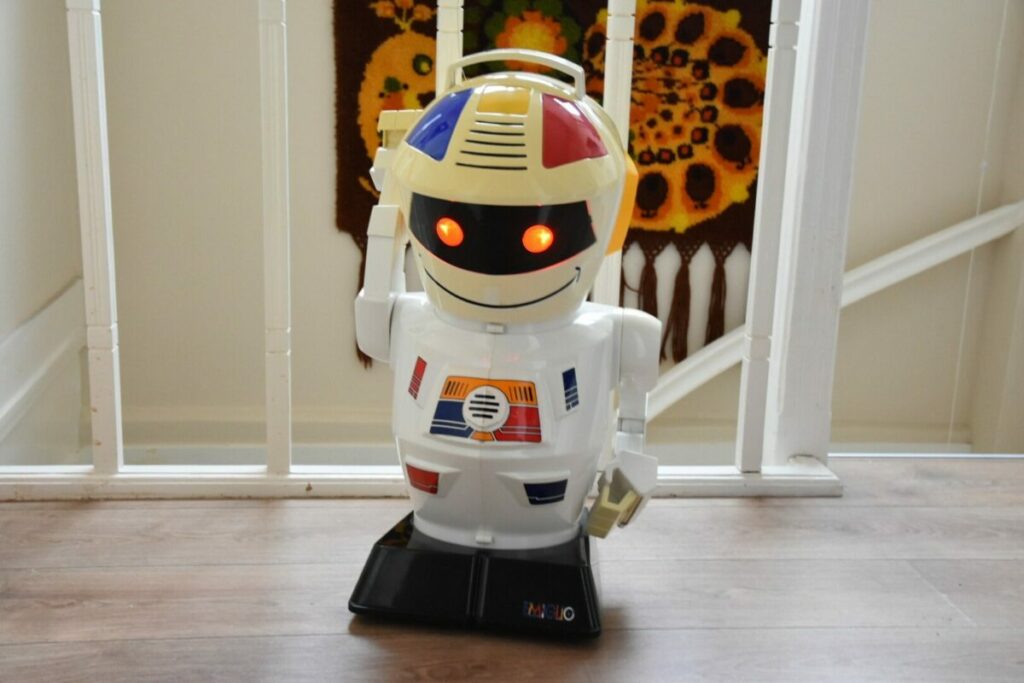
3. Emilio Robot

There is a robot, literally, that took over the Christmas gifts of several years during the nineties: the Robot Emilio. Created by Giochi Preziosi, the name of this robot was actually an acronym: [E] lectronic [M] echanical [I] ndustrial [G] enerated for [L] ogical [I] nfiltration and [O] bservation. Actually, what he meant was that it was a robot that mimicked human behavior… although it was actually not as satisfying as expected. Be that as it may, the robot Emilio was a clear example of what we would do in the future with robots: use them as servants and / or slaves. Poor Emilios, for what you will have been through.

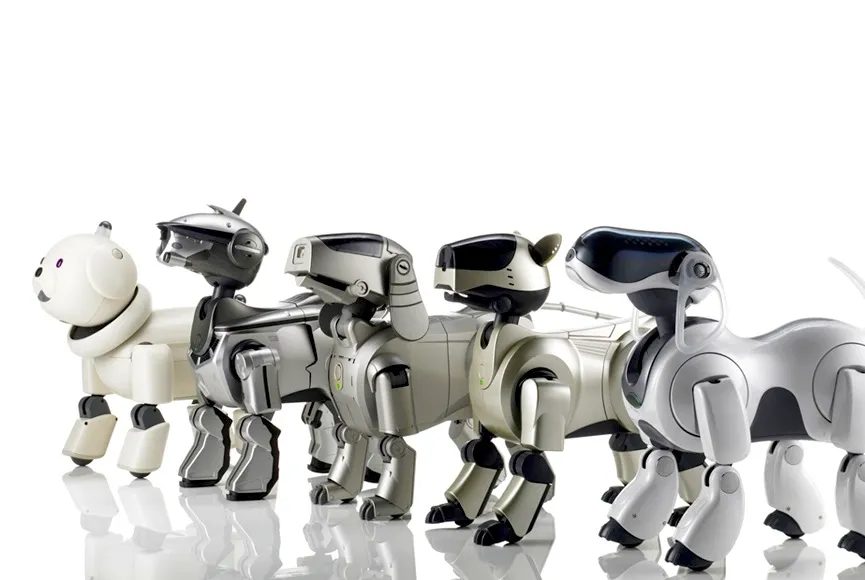
4. Aibo Dog

We continue with the robots with Sony’s personal bet to enter this competition: the dog Aibo. Again, its name is an acronym, Artificial Intelligence [Ro]bot, and it is one of the first allusions to AI in the toy world. Basically, it was a brand of robotic puppies that did different tasks, and they were manufactured every year through new versions until 2005. From the Aibo emerged many other pet robots of this style, and there came a time when it seemed that there were more robots of this style than real cats and dogs.

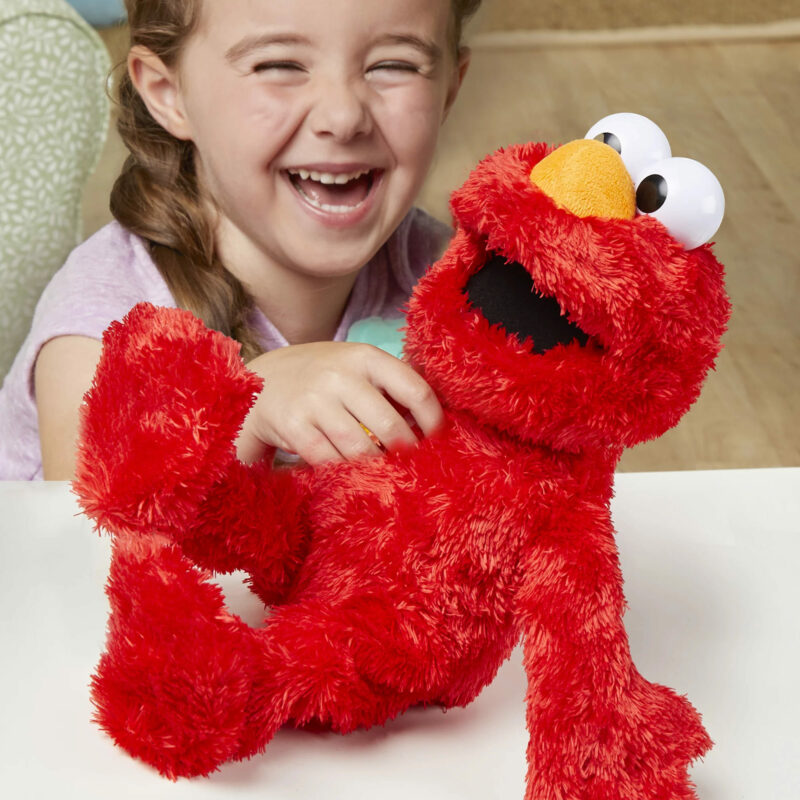
5. Elmo Tickles

This toy was much more basic than the previous ones, but also more common among the homes of those born in the nineties. Elmo Tickle presented the character of Sesame Street with a peculiarity: when he “tickled”, that is, touching his belly, the toy trembled thanks to a vibration system similar to that of the controls of the consoles. Elmo Tickle was only the previous to many other toys of the style, being Epi Volteretas one of my favorites. Sesame Street has never gone out of style, and in the nineties, they were in their prime.

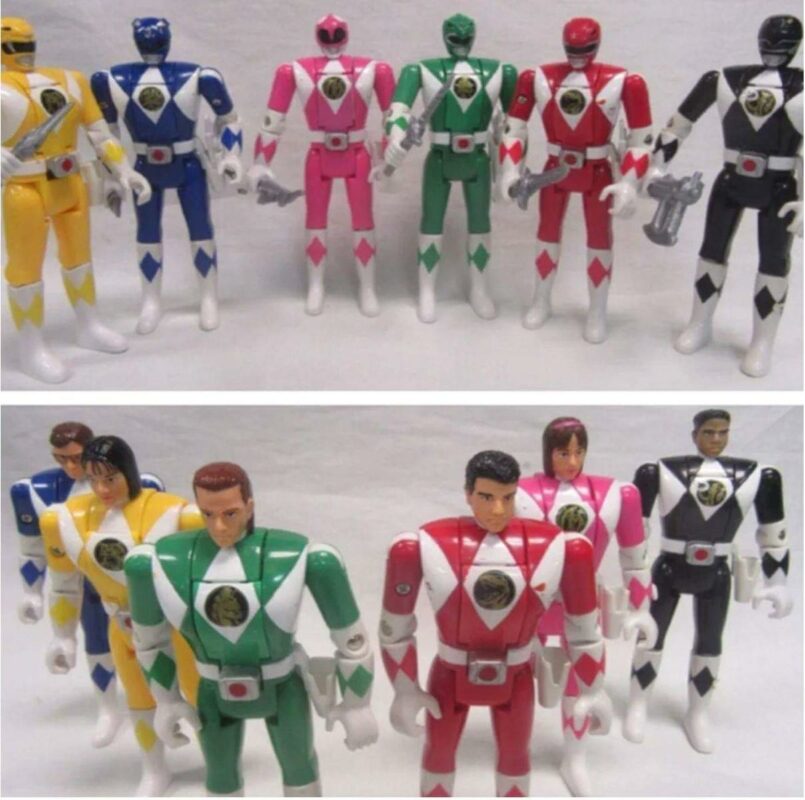
6. Power Rangers with rotating heads

The most mundane toys were also full of originality during the nineties, and one of the most mythical was the Power Rangers whose heads could be turned to make it have a human face or Power Ranger helmet. A milestone of the toy store that was in millions of homes around the world. Although Power Rangers has become a brand more nostalgic than current, I have no doubt that if they relaunched these toys again they would take over the market.

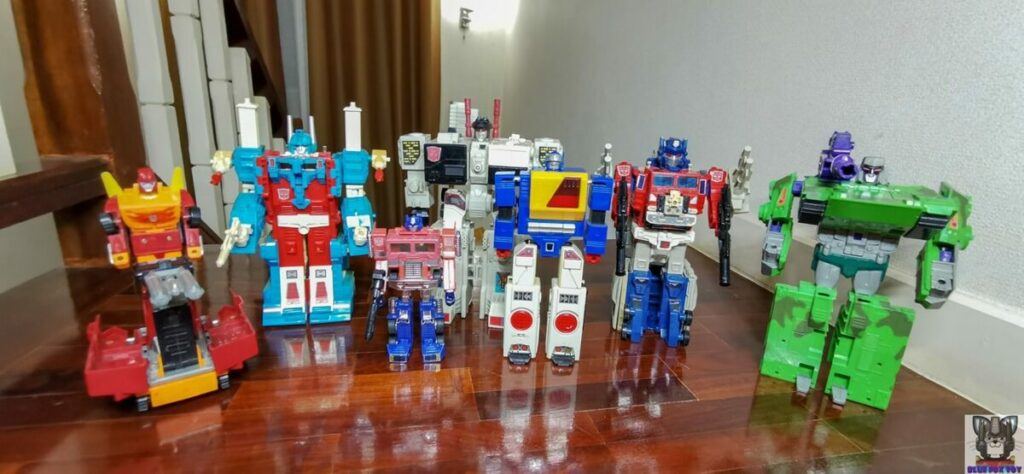
7. Toy Transformers

If you didn’t just have a turn of your head, you could always do a lot more with toy Transformers. Going from a car to a robot had never been so simple, and certainly in the nineties they were a hit that could only be equated with the success that Michael Bay’s films had later. It is a pity that, despite the triumph of the movies, the fashion of Transformers toys has not been repeated. Of course, at the time they were crazy.

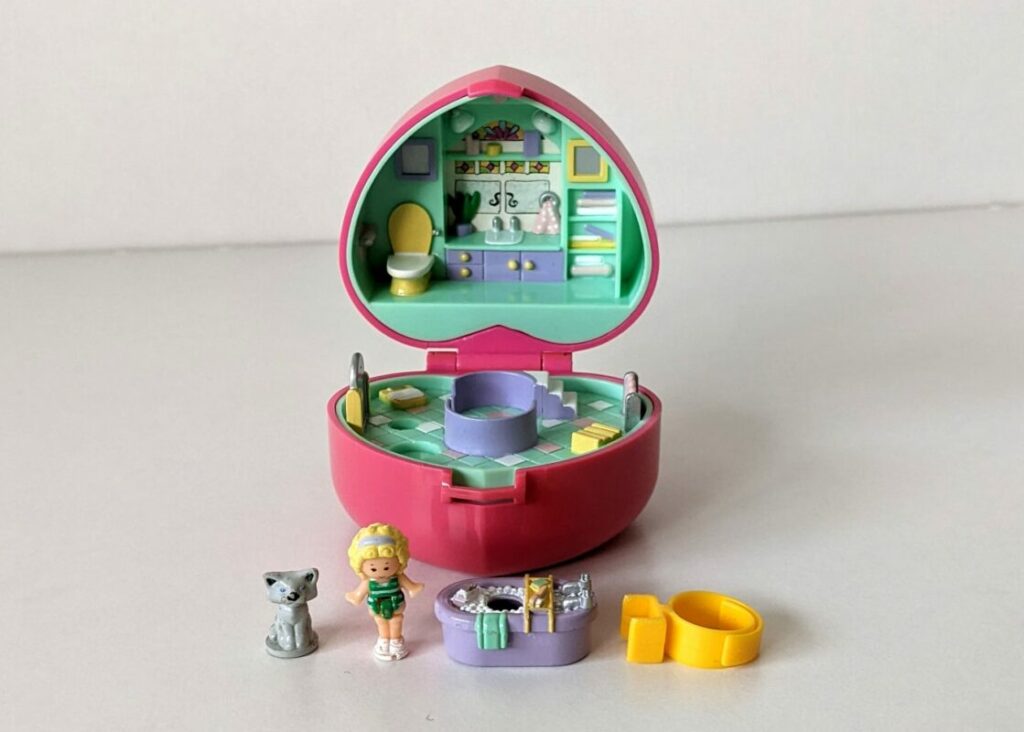
8. Polly Pockets

During the nineties we not only learned technology or science, but also organization and architecture. At least, on a very small scale. Much of the blame for this was the Polly Pockets, “pocket” dolls whose main attraction was their incredible homes in small spaces. Polly Pockets collectors come to have huge rooms made up of cities created by these toys… There has to be everything in the world.

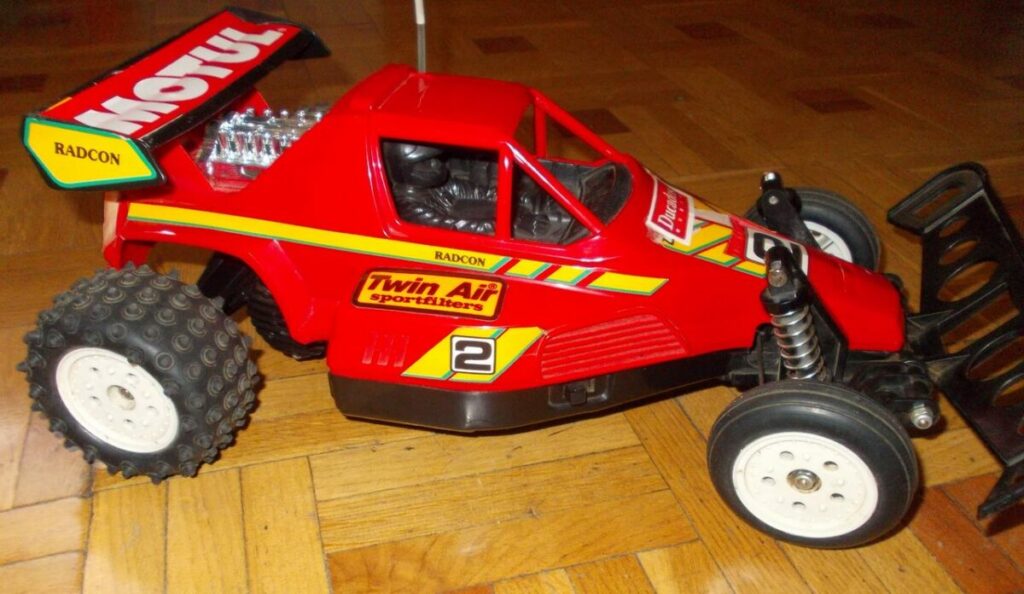
9. Remote control cars

A toy that became very popular in the nineties was the remote control car (or RC). Although they had been wandering for years, it was in this decade when technology reached its peak to make all children have one that caught a great speed … and lead to accidents of all kinds. Without a doubt, it was a fun entry into the motor world that coincided, in addition, with the proliferation of Formula 1 in Europe. Special mention to the Scalextric, which despite being something a little different managed to have a great impact in the nineties. Who hasn’t ever asked the Magi for a Scalextric?

10. Meccano Cars

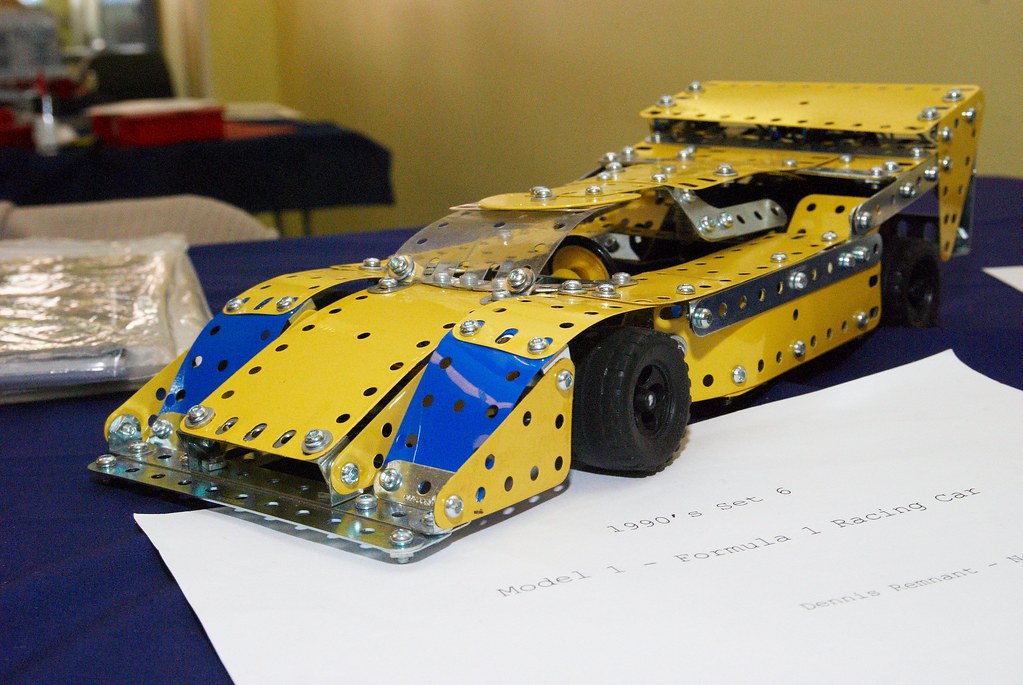
Continuing with the cars, it also became very fashionable to build these vehicles in pieces, making the Meccano brand (nothing to do with the group of Ana Torroja) great popularity. They had already been with these constructions for decades, but the automotive boom led to their figures growing much more.

11. Hot Wheels

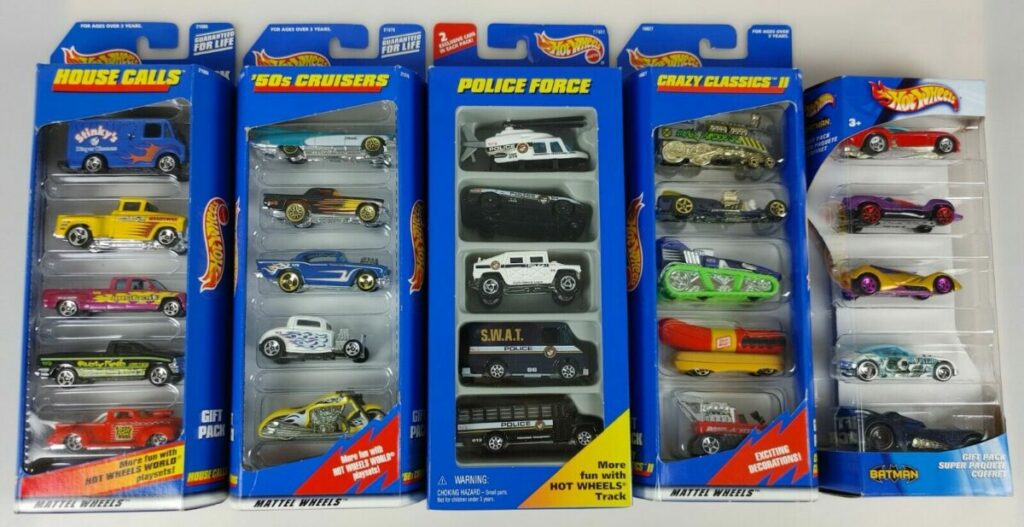
Speed at the top! This slogan that continues to sound today became fashionable in the nineties thanks to Hot Wheels, the best-known toy car brand so far. Defying the laws of physics, Hot Wheels promised spectacular turns and all sorts of stunts. Then it was not so much, but the hype was already created. Today, Hot Wheels remains one of the most purchased brands of toy cars. It is not surprising, since its logo and slogan get cool no matter how many years pass.

12. Yo-yo with light

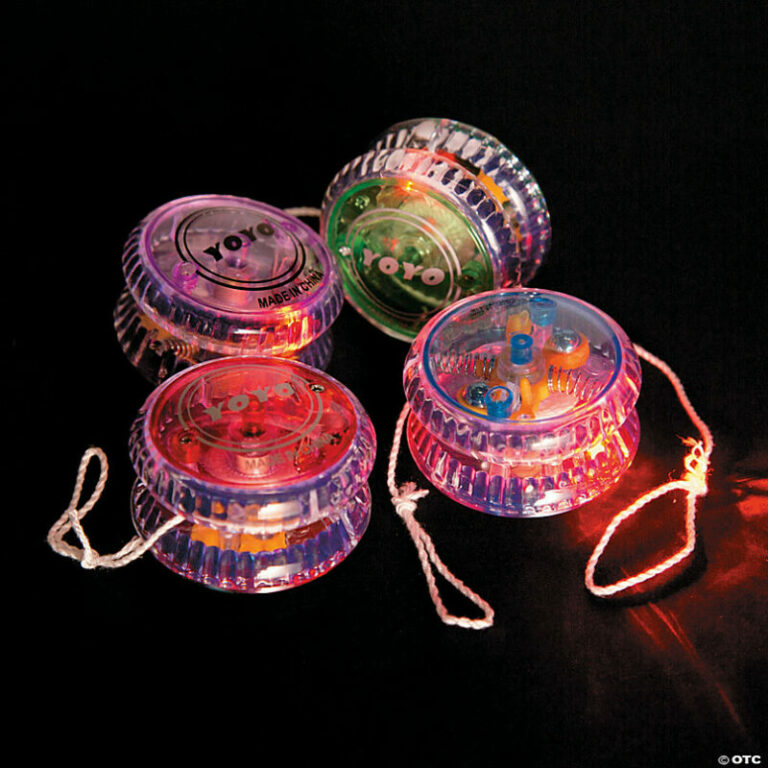
Technology and brilli brilli were the daily bread of this decade, and how it was not going to affect classic toys. By simply adding a light, the yo-yo turned from something boring and classic to an incredible fantasy. Of course, fashion lasted as long as it had to, but the yo-yo always comes back, and these toys have repeatedly returned to the homes of children around the world.

13. Rubik’s Cube

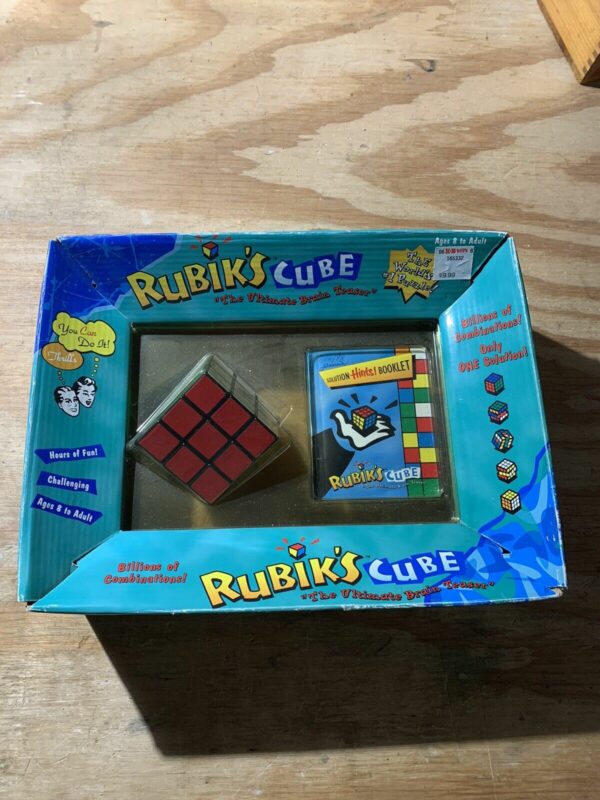
Although it was an invention in 1974, the Rubik’s Cube became extremely popular between the late eighties and early nineties. Without a doubt, his ability to challenge our wits caused us all to try him at some point… most without the luck of completing a single face. In addition, not only did the classic Rubik’s exist, but at this time all kinds of similar cubes began to emerge: with four faces, with three, shaped like snakes, and so on.

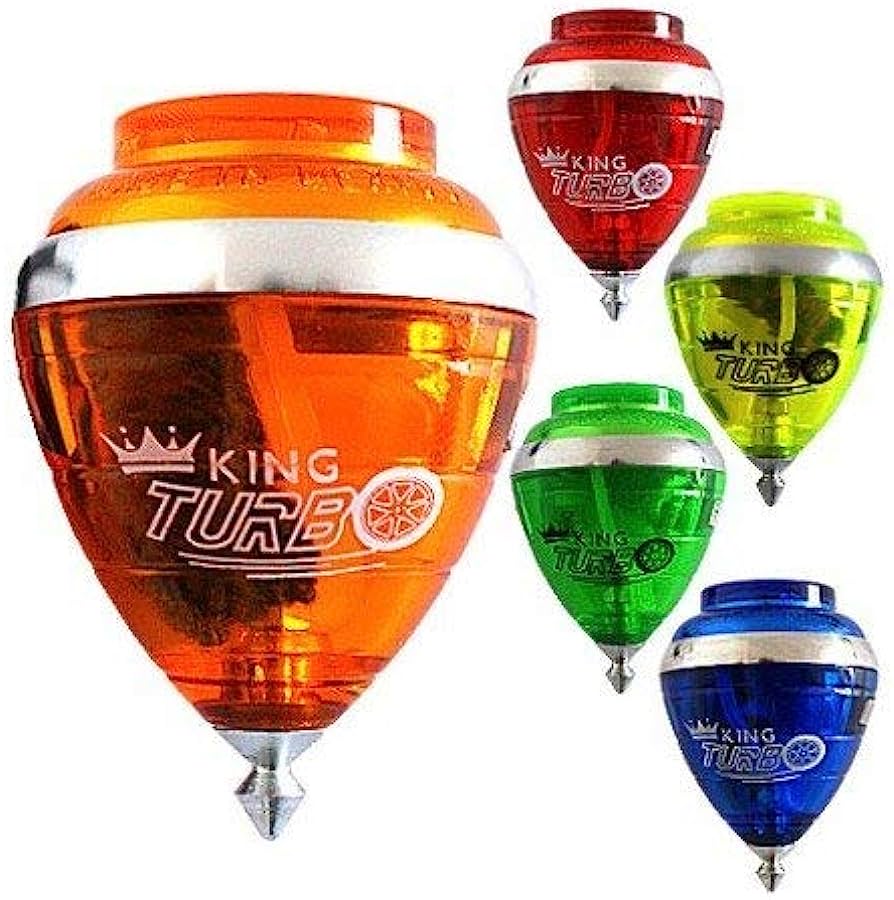
14. Turbo Spinning Tops

As if we did not have enough with the Rubik and Yo-Yo, someone thought it was a good idea to resurrect the tops by making them have colors, lights and look spectacular. It worked so much that some Japanese later gave the idea of creating the Beyblade, which also had a great impact in the 2000s. Not suitable for children who will get dizzy easily.

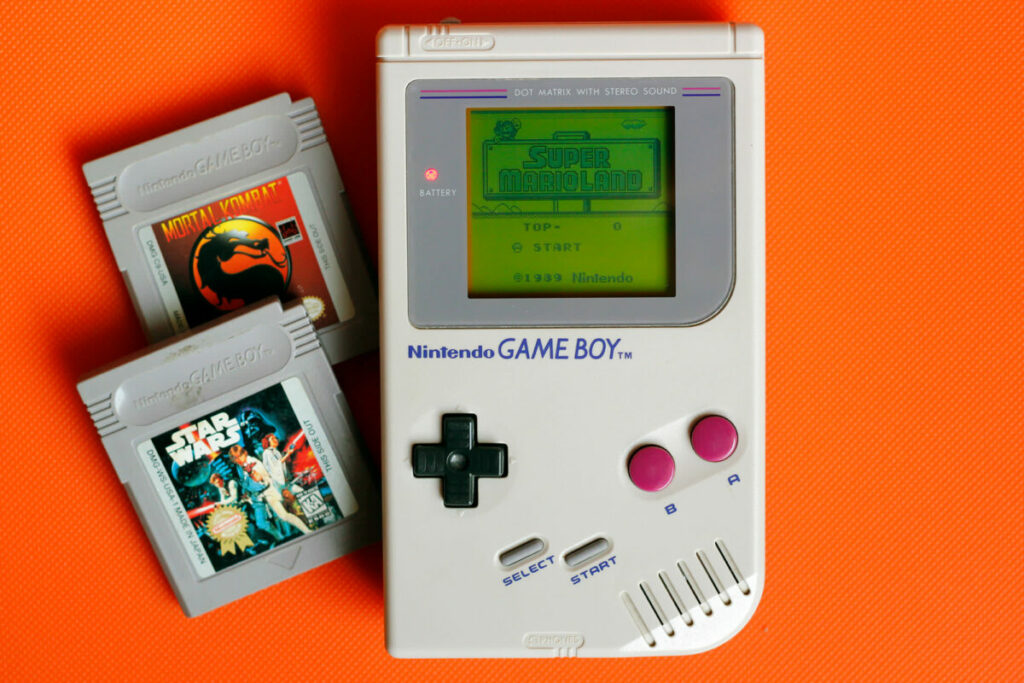
15. Game Boy

Of course, video games were another separate matter in the nineties. With the proliferation of portable consoles and the creation of the PlayStation, there was no kid of the time who did not play video games. But the case of the Game Boy was unique: it became the best-selling console in history, and although it was later surpassed, it marked forever the future of the nineties. Of course, nobody takes away the great times we spent glued to the screen of our Game Boy.

16. Game Gear

But the Game Boy wasn’t alone… even if it seemed so. Sega tried its luck with its own portable console, the Game Gear, and although it did not have even a tenth of the sales of the previous one, it sold more than 10 million units and left a marked memory in many gamers of the time. Later, many of the forgotten titles on this console were recovered on later consoles… and some are a real gem.

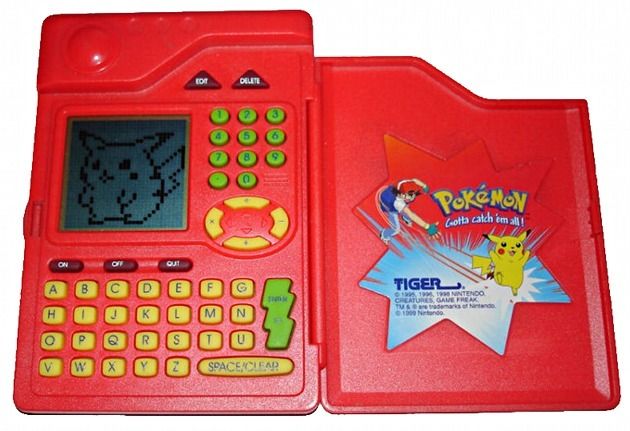
17. Pokédex

At the end of the nineties, Pokémon landed strongly in homes around the world and became the biggest phenomenon that ushered in the new millennium. And, of course, their toy merchandising could not be left behind. Specifically, at this time came a toy that dazzled fans of the saga: a pokédex like Ash Ketchum’s that allowed us to play and learn about Pokémon. Of course, it was the perfect way to learn the names of the 151 Pokémon of the moment… And not only that but then later versions emerged that added many more to the main roster.

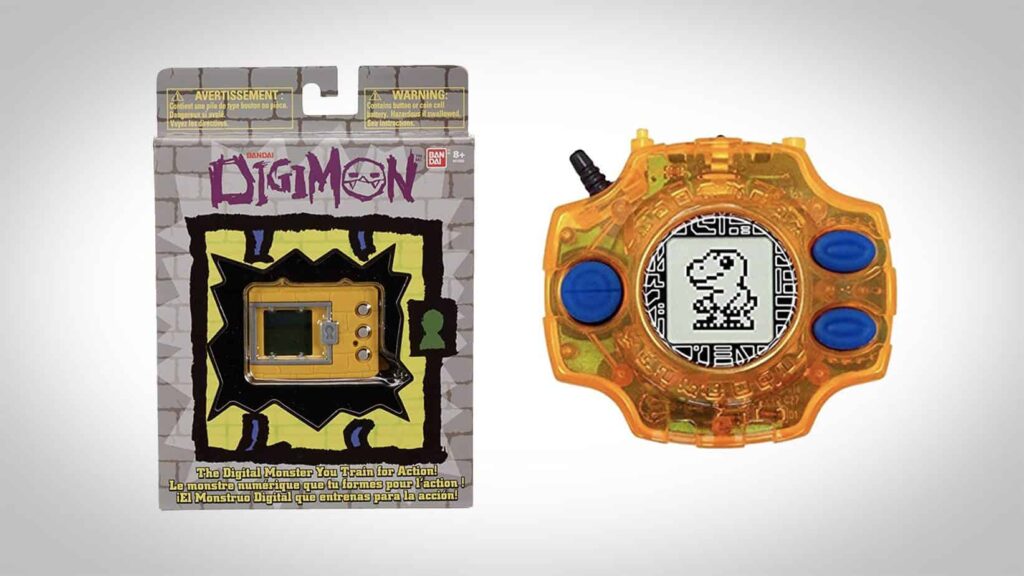
18. Digivice

Although they actually started from different origins, Pokémon’s automatic response was Digimon. For many, Digimon anime was better than Pokémon and vice versa with video games. But, be that as it may, they also created their own “pokédex”, which was actually a device called Digivice that served as a minigame of the saga. Throughout the anime seasons, as with Pokémon, new Digivices emerged that integrated new details into the system. Oh, and don’t forget that to advance in the game you had to move the device… which caused longer walks than in Pokémon Go.

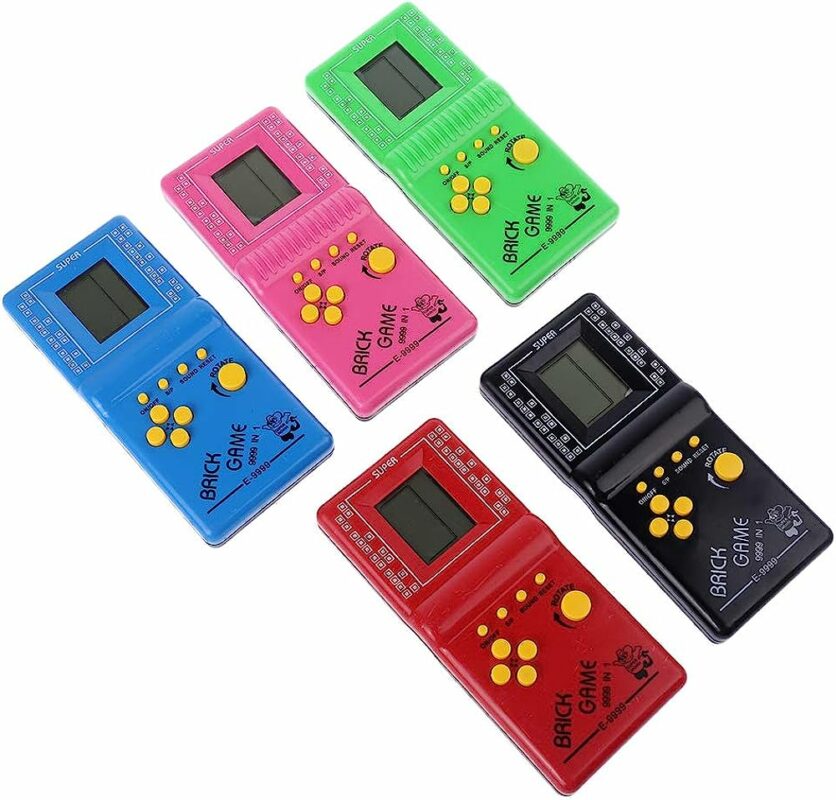
19. Tetris Brick Game

Tetris was a phenomenon in itself of the nineties, and in general, got its popularity thanks to the fact that it came included with the Game Boy. However, not everyone was lucky enough to have a Nintendo console, so they had to try methods… Alternative. Many of us had such a console in our homes, and they didn’t always have a legal mark behind them… But how much fun did we have?

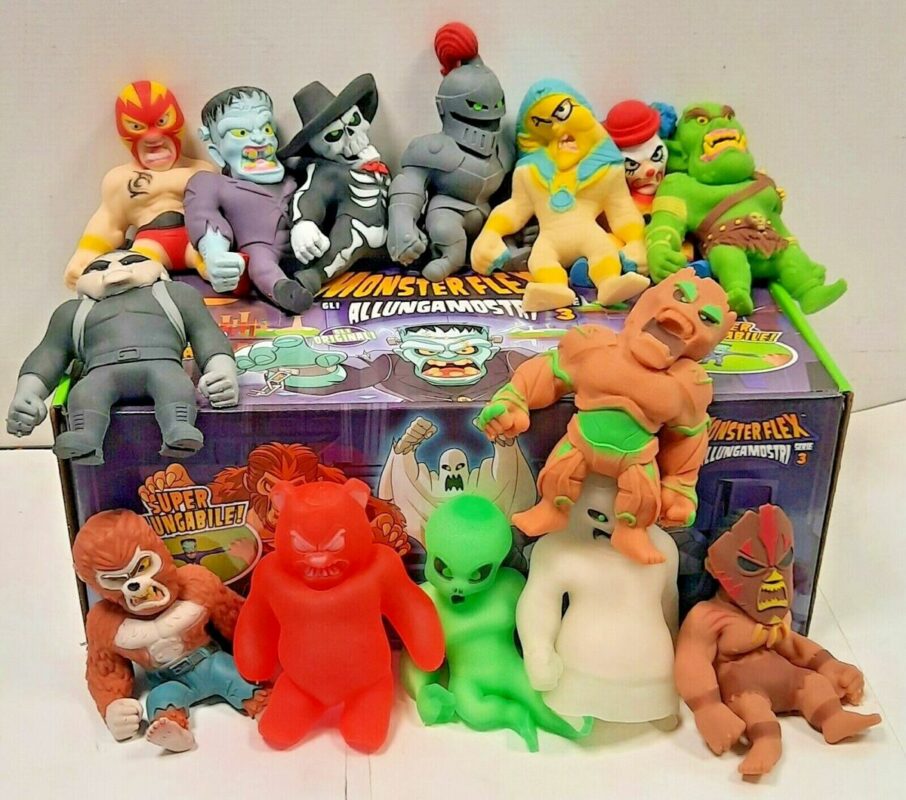
20. Monster Flex

In the nineties, there was also a fashion that does not make much sense but that can respond to the success of the 1997 film Flubber: elastic and somewhat disgusting gelatinous toys. One of the most popular was the Monster Flex, monsters, and warriors who fought each other by stretching their limbs and swelling. Of course, it was something that nobody understands very well why it worked, but that made a hole in the time in a rather funny way.

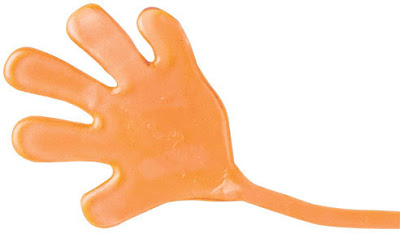
21. Crazy Hand

Continuing with the “Flubber toys” whose basis seemed to be in science but seemed more like an excuse to sell, we continue with the Crazy Hand … which was basically a hand that you threw and stuck to places. It was funny as a punctual toy, but the truth is that it soon filled with roña and stopped sticking. It was not the favorite toy of mothers, really, but the children had a great time.

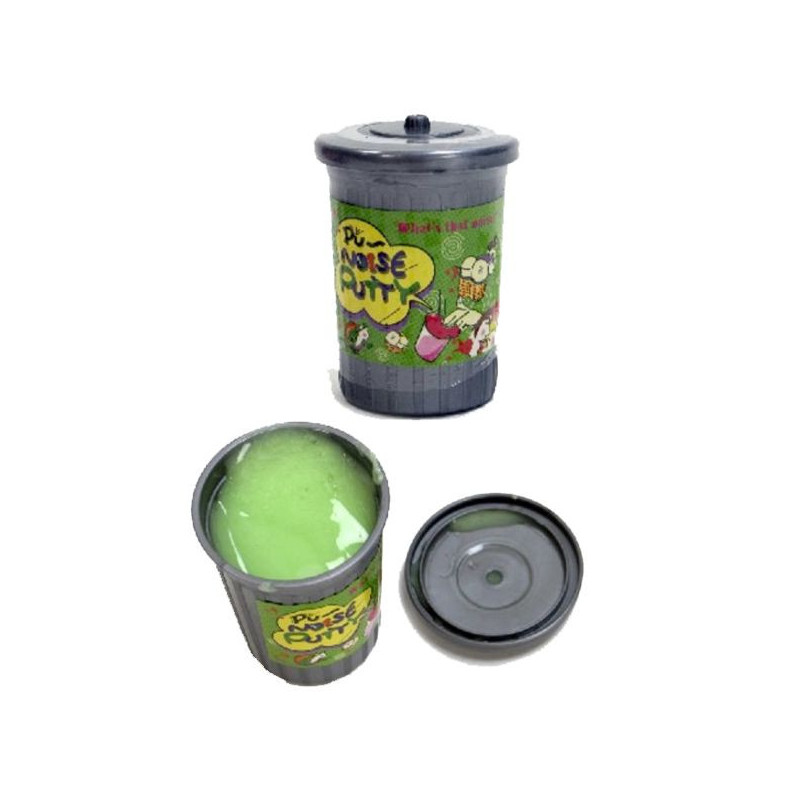
22. Fart Cube

To finish with the trilogy of Toys Flubber -although in reality there were many more and we could be here for quite a while-, another that became very popular in the nineties, and without a doubt was the peak of the slut, was the fart cube. Basically, it was slime stuffed into a kind of tiny garbage can that you squeezed and sounded pedorretas. Well, you wouldn’t expect our humor to be very refined at 10 years old, would you?

23. Hotline

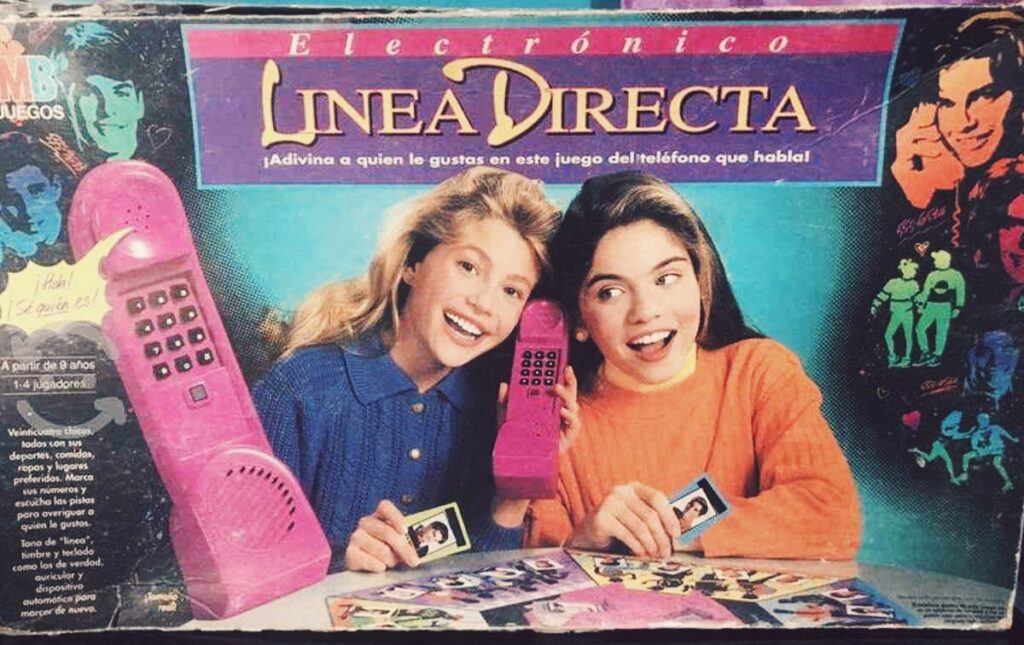
Technology crushed us like cockroaches during the nineties, and toy companies began to use it to their advantage. Specifically, in board games, it began to be used in quite curious ways. In this basically, a phone was used (what an invention!) to have a direct line to your crush. Who knew that we would then be anxious to take calls… a blessed time before WhatsApp.

24. Simon

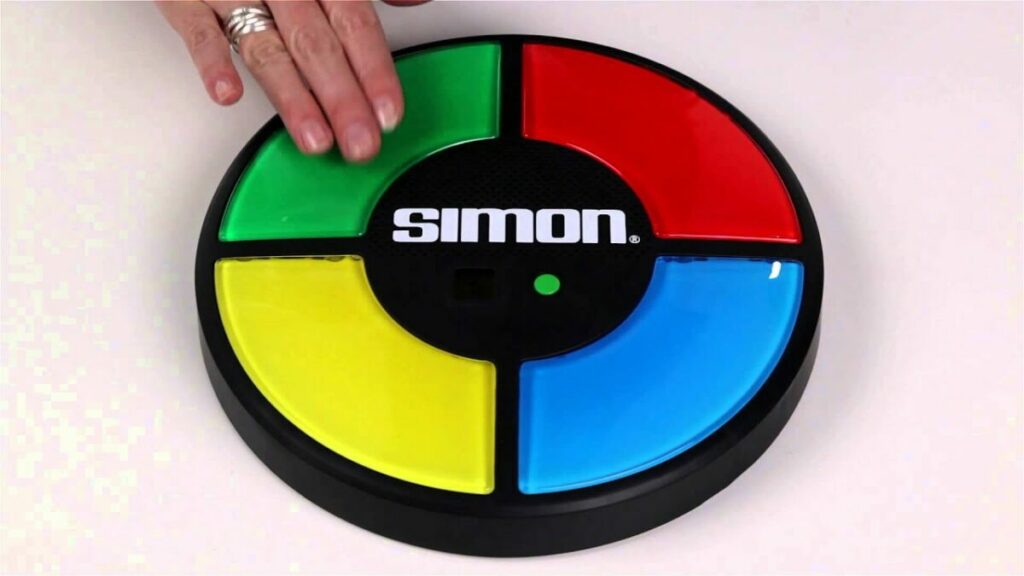
Another classic game of the 90s that was based on a basic system of lights is Simon (or Simon Says). Basically, the game was a device with four different buttons that were lit indistinctly, and your role was to repeat the sequence without making mistakes. Like many games of this style, what began as innocent training could lead to many fights between families and friends. But therein, in reality, lay the magic of the game.

25. Casper Castle

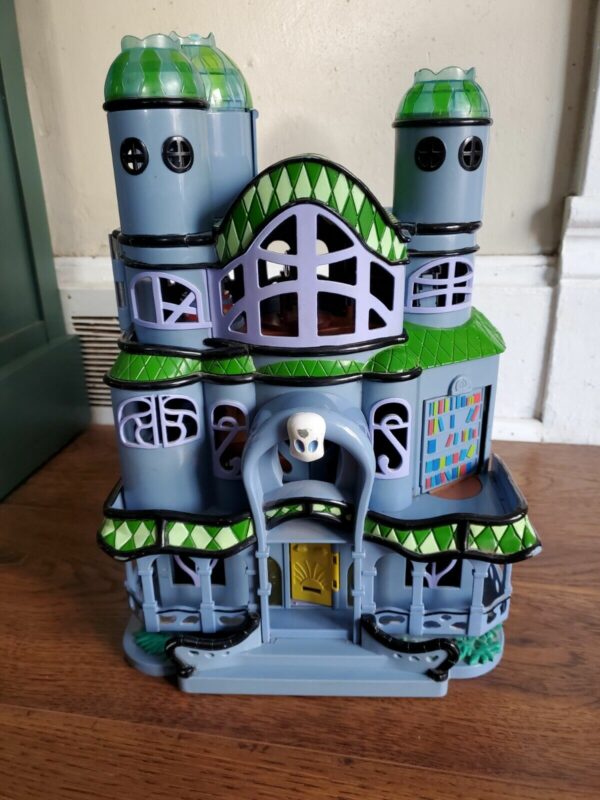
One of the protagonists of Christmas in the late nineties was Casper’s Castle, a toy that seemed taken from the future with as many possibilities as you wanted. This “dollhouse” was actually a free copy of the castle from the movie, but the funny thing was that it had ghostly traps everywhere and some little technological milestones like an ultraviolet light hidden in one of the towers. It was a foolproof method of entertaining children who would later become goths, emos, darks, or fans of Tim Burton’s cinema.

26. Paratroopers

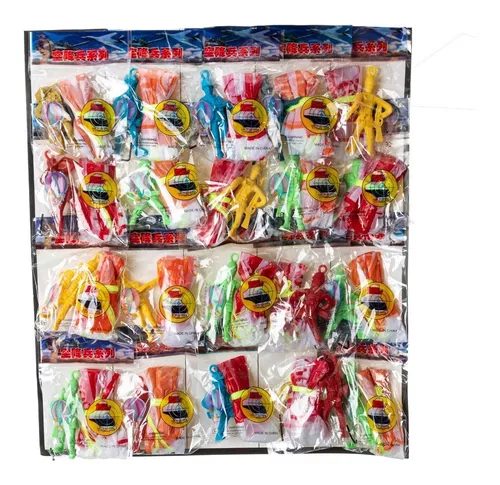
Another simple but creative toy of the time was soldiers equipped with parachutes that you could launch and watch them land gracefully. Although toy soldiers were already famous much earlier, as we can see represented in Toy Story, adding this compliment was key to making them fashionable again. War has never been so much fun.

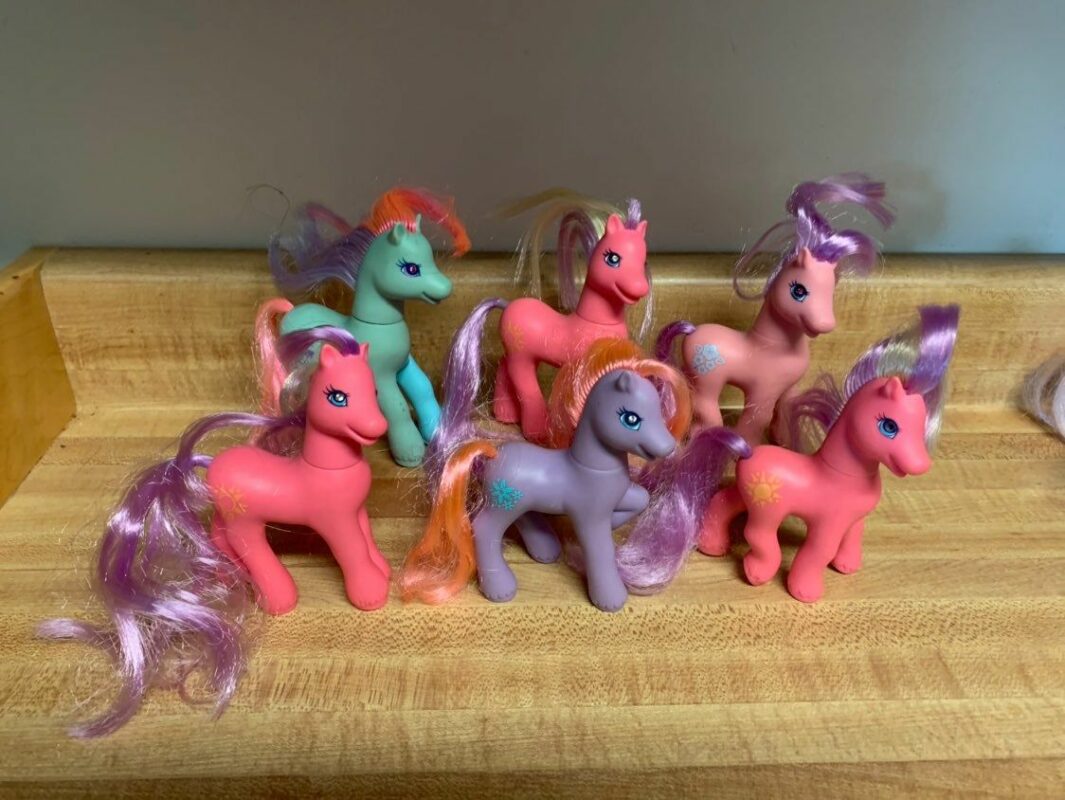
27. My little pony

The fantasy horses of My little pony were a phenomenon that had a great impact during the eighties, but it was during the nineties that they evolved into much more creative and original toys, with all kinds of accessories and colors for all tastes. To this day, they continue to have a great impact among the specialized public thanks to the series of the brand that has been launched since the 2000s, although it has become a somewhat murkier fandom than it was at the time…

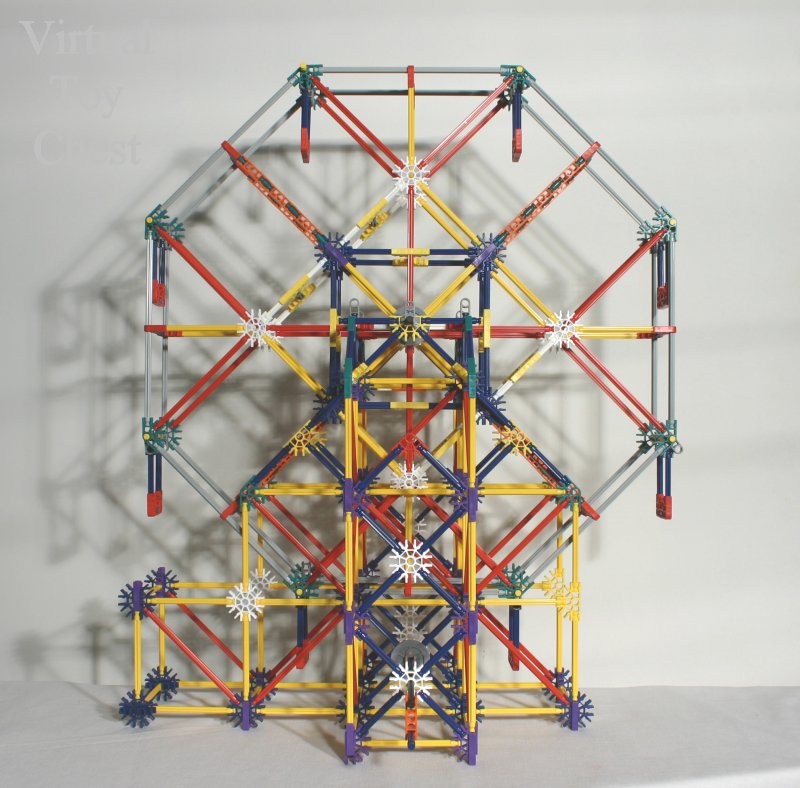
28. K’Net

Construction toys were a great phenomenon in the nineties, and we are not only talking about LEGOs that had been conquering the general public for some time. One of the best-known was K’Net, a buildable that gave rise to all kinds of shapes through connectors. It was a quick way to get into the world of technology and connections before they gave you the badge in high school, and certainly, for many kids, it was their entry into a world that they never left afterward.

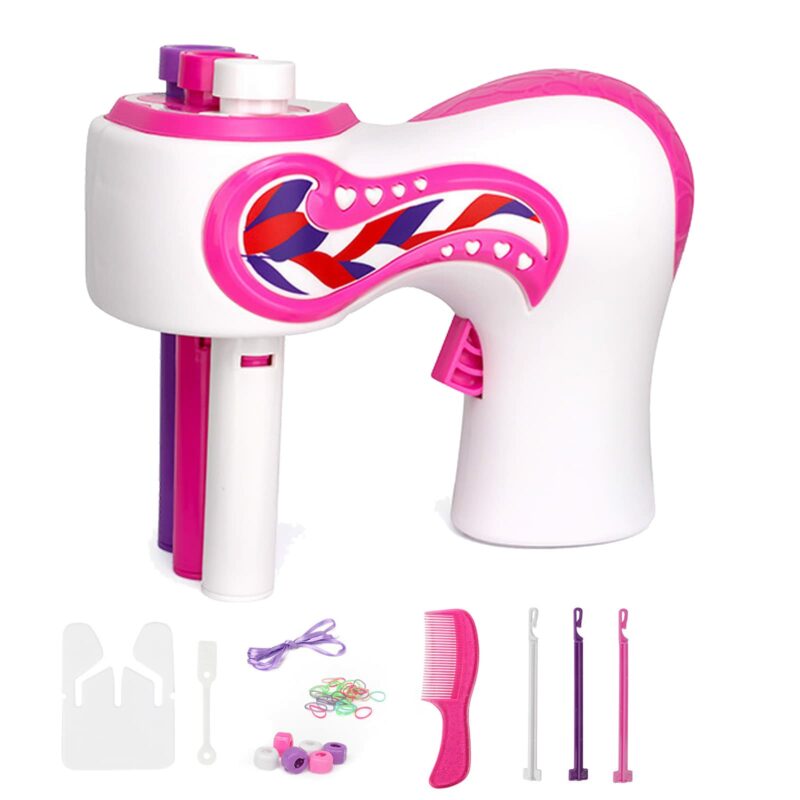
29. Braid machine

Between the 90s and the 2000s, different versions of a very practical toy for girls of the time proliferated: braid machines. It didn’t have much mystery; It was a kind of spinning mixer that made braids in your hair. The experience provoked more than one pull and two… But sometimes it left spectacular results. A way to get into the curious hairdresser at least, and another clear example of the creativity that the brand was taken through technology toy companies of the moment.

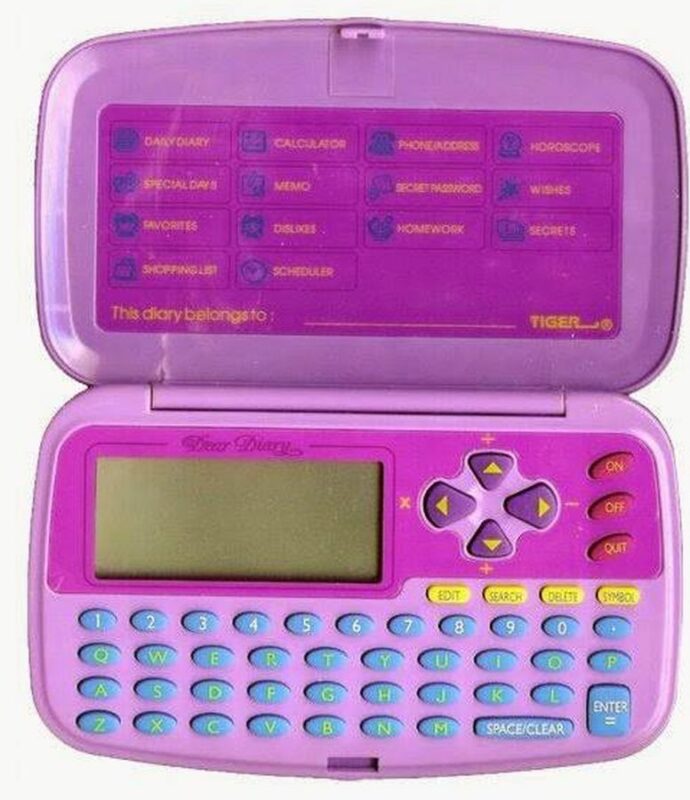
30. My dear diary

Something that we children of the nineties began to appreciate clearly was private newspapers. There were all kinds: from notebooks with padlocks to others with invisible ink whose handwriting you could only read through a special flashlight. But one of the most popular and revolutionary was My Dear Diary, a kind of small tablet on which you could write your thoughts freely and which could only be accessed through a password. Mobile phones before mobile version 1000, which was complemented by consoles, games like Direct Line, and many other portable experiments of the time.

There is no doubt that the nineties left us, beyond many memories and emotions, a brutal creativity as far as toys are concerned that has not been seen since then. Undoubtedly, the rise of technology as we know it today is due, in large part, to how much the toy makers of the moment squeezed their heads.

5 crazy Studio Ghibli theories that will have you second guessing

Discover some hidden meanings behind these incredible films.

When Studio Ghibli was founded, we can only wonder if the creators had any idea that the films would have such an impact on the world. Studio Ghibli’s first film was “Nausicaa Valley of the Wind,” which was actually released the year before the studio was actually founded. With Hayao Miyazaki at the reigns, the studio has gone on to make some of the most successful anime films to come out of Japan, ever. While some are lighthearted and cute, others, like “Graveyard of the Fireflies,” are based on devastating historical events and left us sitting in the dark drowning in our tears. Fans have raked through every minute of these whimsical movies and discovered a lot of creepy details that are too coincidental to just brush off.

1. God of death
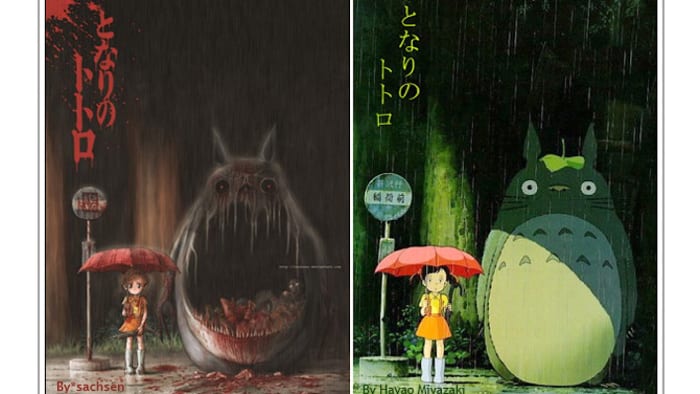
Totoro art
This is probably one that you’ve heard before. If you’re a Ghibli fan, you’re definitely familiar with “My Neighbor Totoro,” about a family of two daughters and their father who move out to the countryside to be in an area with cleaner air, closer to where their mother is hospitalized.

As the girls are exploring their new home, they stumble upon the lair where Totoro, a forest sprite is sleeping. Throughout the movie, Totoro, the other forest sprites, and a bus in the form of a cat (yes, there’s actually a cat bus) take the girls on adventures and help them to cope with their mother’s illness.

White Totoro might look like a huge, cuddly teddy bear, fans soon began to claim that it might really be a shinigami, or a god of death due to similarities between the sisters and an old Japanese murder case, called The Sayama Incident.

In May of 1963, a 16-year-old girl was kidnapped while walking home from school. Her younger sister committed suicide shortly after her body was found. In “My Neighbor Totoro,” the older sister’s name is Satsuki, which means ‘May’ in Japanese, and the younger sister’s name is Mei (pronounced ‘May’), a nod to when the murder happened. About halfway through the film, Mei goes missing for a short while and her shoe is found in a pond. Although Mei is found later and the movie ends happily, fans really think that when Satsuki finds Mei’s shoe, she is so overwhelmed with guilt that she goes into Totoro’s lair and kills herself. Once she has passed, she finds Mei and they both go to visit their mother in the hospital, who is able to see their ghostly forms because she’s dying.

This theory picked up speed so quickly that Studio Ghibli issued a statement saying that none of it was true. Even still, creepy, right?

2. Yubaba’s bathhouse was actually a brothel

Yes, you read that right. In “Spirited Away,” a young girl named Chihiro moves with her mother and father to a new home. On their way to the house, they take a wrong turn and end up in front of a mysterious tunnel. After a bit of bickering between her parents, they all venture down the tunnel and discover an abandoned amusement park. Long story short, her parents are turned into pigs and Chihiro ventures further into the magical world on a quest to save them.
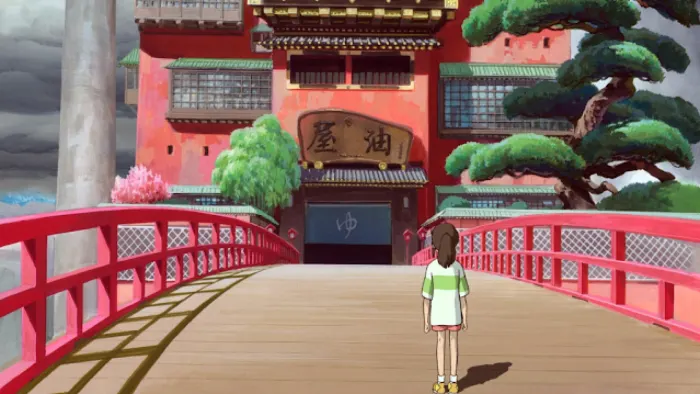
Chihiro at the bathhouse
After eating food from this world, Chihiro is able to mask that she’s a human being and finesses her way into a job at the bathhouse. This is where the comparisons come into play: the sign on the front of the bathhouse reads “yu,” which means hot water. Innocent enough, right?

Maybe not – apparently, in the past, women in prostitution conducted their …activities in bathhouses. The older women who were in charge of running the bathhouses were called “Yubaba,” which is also the name of the character who runs the bathhouse in the movie, and Yubaba’s employees were called “yuna,” or water women. Shortly after accepting the job in the bathhouse, Chihiro is told that she needs to change her name to Sen, and a big, black blobby character named No-Face keeps attempting to “buy” Sen with gold….you can see where this is going.

3. The Ponyo and Kiki’s Delivery Service crossover

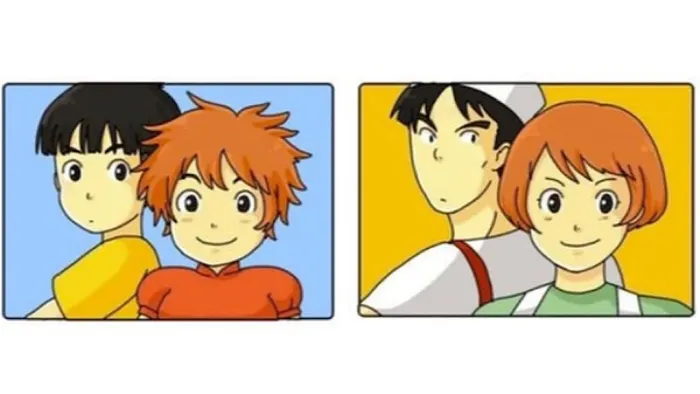
An eagle-eyed redditor is the source of this next theory. After finding a side-by-side photo, this redditor belives that characters Ponyo and Sosuke remain friends, grow up, get married, and open a bakery in a small seaside town and become the characters Mr. and Mrs. Osono, the owners of the bakery in “Kiki’s Delivery Service.” Although Kiki takes place years before Ponyo was created, you have to admit that the resemblance is uncanny.Ponyo and Kiki's Delivery Service
4. The villagers have Leprosy in Princess Mononoke
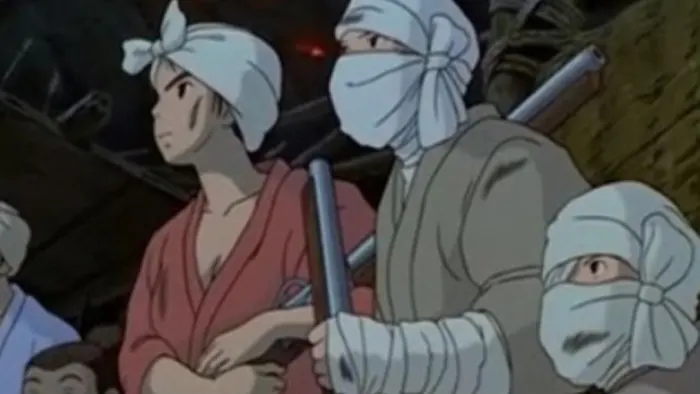
Irontown villagers
In “Princess Mononoke,” there’s a place called Irontown where all of the residents are suffering from an incurable disease. Irontown was founded to be a safe area for these residents because after they get sick, they’re not welcome anywhere else. Due to the bandages covering most of the villagers’ bodies and the discrimination against them, fans believed this disease was actually Leprosy. Turns out, this theory was actually confirmed by Hayao Miyazaki himself. He’d visited a hospital and talked with people who were suffering from the disease in order to draw inspiration for what the Irontown villagers were experiencing.

5. All Studio Ghibli films are connected
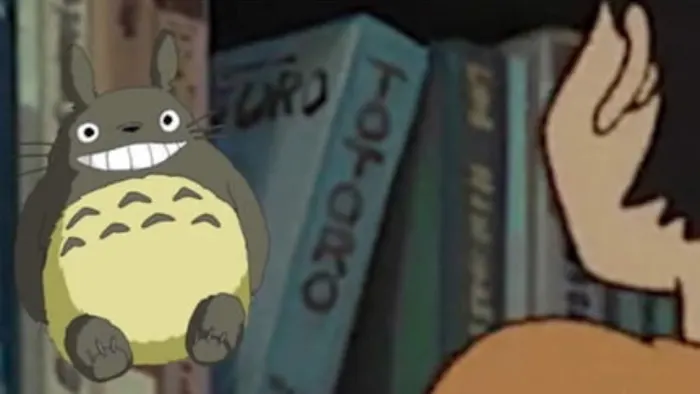
Whisper of the Heart screenshot
This one’s a doozy. A number of blogs and Studio Ghibli forums have compiled examples that this theory could be true, like the earlier mentioned “Kiki’s Delivery Service” crossover, a book about Totoro showing up on a shelf in “Whisper of the Heart,” and a ton of others. This theory is really fascinating, and to this day, fans are discovering new easter eggs like characters hiding in other movies that kind of makes this impossible to disprove.

The Studio Ghibli universe is wide and every time you watch one of the films, you see something new. What’s your favorite creepy or fascinating Ghibli theory?