Working at Studio Ghibli, one of the most prestigious animation studios in Japan, is a dream shared by many aspiring animators. However, the challenges faced by those who decide to join the team are considerable, especially under the direction of Hayao Miyazaki, known for his demanding work methodology and the high pressure he exerts on his staff. It’s not enough just to get into the studio. Mahiro Maeda, a renowned animator and designer who has worked on several Ghibli projects, has shared his experience in a recent documentary. Despite his remarkable career, which includes designs in […]
However, the challenges faced by those who decide to join the team are considerable, especially under the direction of Hayao Miyazaki,known for his demanding work methodology and the high pressure he exerts on his staff.
It’s not enough just to get into the studio
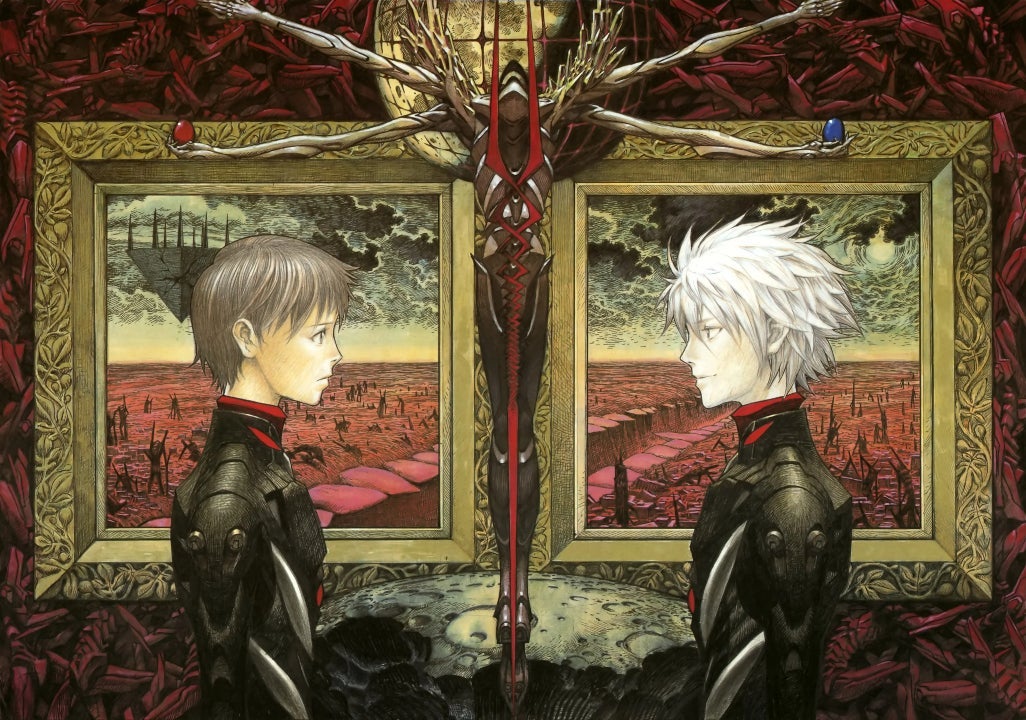
Mahiro Maeda, a renowned animator and designer who has worked on several Ghibli projects, shared his experience in a recent documentary. Despite his remarkable career, which includes designs in iconic works such as Neon Genesis Evangelion and Mad Max: Fury Road, his time at Studio Ghibli was marked by intense work pressure.
Maeda collaborated with Miyazaki on classics like Nausicaä of the Valley of the Wind and Castle in the Sky, but ultimately, this demand led him to a creative block that prompted him to leave the studio.
The pressure at Studio Ghibli can lead to not only creative blocks but also personal difficulties for its animators. Maeda found himself in a critical situation where he could not put his ideas on paper, which culminated in a difficult decision by Miyazaki: to fire him. This act was not easy, as the director does not hesitate to make severe decisions if he believes that an employee cannot meet the high standards of the studio.
Despite his dismissal, Maeda has expressed that he holds no grudge against Miyazaki. Over time, he has come to understand the demands that the director faces, thus reflecting the complexity of the work dynamic in one of the largest animation studios in the world. Maeda’s experience highlights the constant challenge that artists face in the pursuit of excellence in the animation industry.
There are those who believe that Studio Ghibli ends with My Neighbor Totoro and Spirited Away, but the truth is that its production is almost ungraspable: 24 films (including The Red Turtle, which is actually a delightful co-production with several French producers), a television series, a good number of commercials, four plays, and even two video games (the legendary Ni No Kuni). Oh! And even more, if you want to see all the previous work of its leaders, such as Lupin III: The Castle of Cagliostro, Future Boy Conan, or Nausicaä of the Valley of the Wind. Everything […]
Some believe that Studio Ghibli ends with My Neighbor Totoro and Spirited Away, but the truth is that its production is almost ungraspable: 24 films (including The Red Turtle, which is actually a delightful co-production with several French producers), a television series, a good number of commercials, four plays, and even two video games (the legendary Ni No Kuni). Oh! And even more, if you want to see all the previous work of its leaders, such as Lupin III: The Castle of Cagliostro, Future Boy Conan, or Nausicaä of the Valley of the Wind. All wonders.
Trip to Japan!
Surely more than once you have planned your dream trip to Japan or, even better, you have boarded a plane to go to the Land of the Rising Sun. And you know then that one of the things that every serious movie buff must do is visit the Ghibli Museum, a must-see stop near Tokyo where you will see originals, learn how animation is done, see Hayao Miyazaki’s study table, and many more things, with fascinating architecture and where, perhaps, its only downside (depending on how you look at it) is that photos are not allowed.
What not everyone knows is that the entrance to this magical place is a random frame from one of its lesser-known products: the short films that can only be seen at the Ghibli Museum and that rotate throughout the months. They are small masterpieces, some of them directed by Miyazaki himself, that have never been released in physical format and cannot be seen in any way outside of that place. I have had the opportunity to see two of them on two different visits, and they are pure Ghibli, a feast of wonder. I only regret not being able to see each and every one of them!
Among the short films there is a kind of sequel to My Neighbor Totoro (Mei and the Kittenbus) in which Mei goes out at night again with the Kittenbus, a miniature version of the Catbus, and encounters all kinds of adventures. It is also the place where, hopefully, you will be able to see Boro the caterpillar, in which Miyazaki animated for the first time using CGI instead of classic hand-drawn animation, because he couldn’t find another way to tell this story, which the director had been contemplating since the era of Princess Mononoke.
And surely, if you are like me, you are already thinking “Well, but there must be a way to see them, right? They must be filtered on the Internet, where there is everything.” And… the truth is that no. There is some stuff here and there, and even transcripts of the shorts that can be purchased at the Ghibli Museum shop, but that’s about it: they are not lost media because they are more than located in the world, but it is something that is not on the Internet. Perhaps that’s why it is so refreshing to go to the museum and enjoy seeing something for the first time, almost as if you were an audiovisual explorer in search of the lost Atlantis.
While Hayao Miyazaki continues to work on his next film (which he insists will be the last, but we’ve fallen for that lie several times already), there is always the dream and hope that, no matter what happens, there will always be something more from Studio Ghibli to unearth, even if it’s just some shorts in the coolest cinema you will ever be in your life. I don’t think you were exactly lacking the desire to go to Japan, but it doesn’t hurt to add more fuel to the fire.
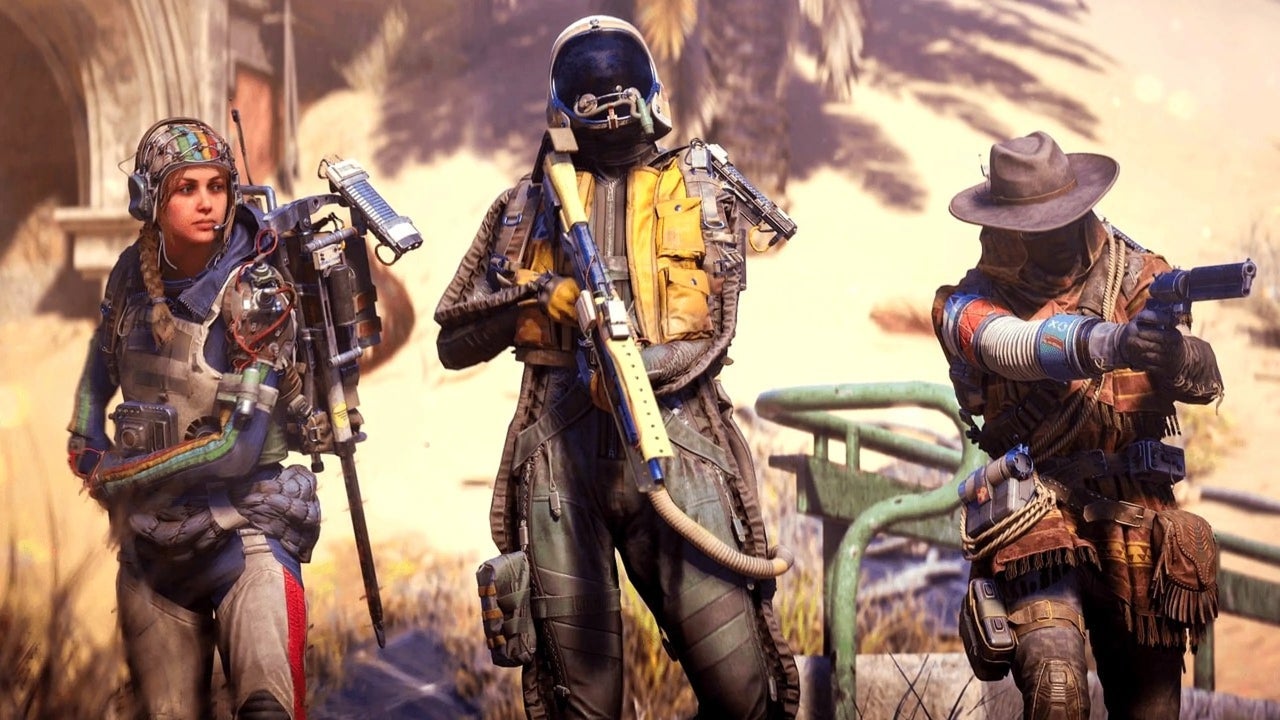
Jacob Navok, former business director of Square Enix, has defended the use of generative artificial intelligence (AI) in video game development, stating that the new generations of players do not seem to care significantly about this technology. In a recent statement, Navok argued that most players “do not care” about the use of AI and cited the commercial success of Arc Raiders, a title that prominently uses AI in its production. It knows users better than the users themselves The development of Arc Raiders by Embark Studios has been the subject of comments […]
Jacob Navok, former business director of Square Enix, has defended the use of generative artificial intelligence (AI) in video game development, stating that the new generations of players do not seem to care significantly about this technology. In a recent statement, Navok argued that most players “do not care” about the use of AI and cited the commercial success of Arc Raiders, a title that prominently uses AI in its production.
Get to know users better than the users themselves
The development of Arc Raiders by Embark Studios has been the subject of polarized comments, especially due to its use of AI-generated voices. Despite having the resources to hire real voice actors, Embark has opted for a combination of recordings and text-to-speech technology in various aspects of its production process. This does not imply, according to its co-founders, the intention to replace actors.
However, not everyone in the industry shares Navok’s enthusiasm. Critical voices, such as John Buckley from Pocketpair, have questioned the value of generative AI in terms of creating game mechanics, suggesting that it represents a flawed approach. Despite this, companies like EA and Take-Two have expressed their interest in AI, committing to adopt it cautiously and with a balanced approach.
The debate over AI remains divisive, with a large number of developers and organizations expressing concerns about the unauthorized use of their intellectual property. Groups representing major names in the video game and anime industry, such as Studio Ghibli and Square Enix, have urged AI companies to avoid the misuse of their intellectual property.
As technology advances, the question of whether generative AI will become a staple in video game development or generate more resistance will remain a hot topic in the gaming community.
Generative artificial intelligence is causing a stir in Japan’s creative industry, with growing unease among anime professionals and publishers. Recently, the release of Sora 2 by OpenAI has intensified these concerns, leading prominent voice actors and renowned studios like Toei Animation and Studio Ghibli to unite in defense of their copyright. All major companies say no to generative AI. Studios and publishers, including Shueisha, Kodansha, and Kadokawa, have issued statements calling for the implementation of stricter laws for […]
Generative artificial intelligence is causing a stir in Japan’s creative industry, with growing unrest among anime professionals and publishers. Recently, the release of Sora 2 by OpenAI has intensified these concerns, leading prominent voice actors and renowned studios like Toei Animation and Studio Ghibli to unite in defense of their copyright rights.
All major companies say no to generative AI
Studios and publishers, including Shueisha, Kodansha, and Kadokawa, have issued statements requesting the implementation of stricter laws to protect their creations against what they perceive as infringements by OpenAI. This call to action arose after the presentation of Sora 2, whose AI model for creating animation generated criticism for its striking similarity to established works, such as Blue Exorcist.
The coalition is promoting cooperation among studios, publishers, and government agencies, seeking to establish a united front against copyright infringements in the field of artificial intelligence. They believe it is necessary for the Japanese government to take decisive action, as the situation has reached a critical point.
Despite the opposition to copyright exploitation, some publishers, such as Shueisha, have expressed their willingness to incorporate AI in specific tasks, such as translation and labeling, although with a defensive approach towards potential copyright violations. According to this approach, while some technological advancements may be welcomed, when copyright rights are threatened, defense becomes a priority.
The controversy continues to grow, and there are rumors that pressure on the Japanese government could accelerate the regulation of the use of artificial intelligence in the creative industry. With the support of big names like Square Enix and the Japanese Animation Association, the message is clear: the protection of intellectual property is fundamental in this new digital era.
The use of artificial intelligence in the anime industry has generated intense debate among authors and artists. While some, following the lead of figures like Hayao Miyazaki, criticize the integration of this technology, others are beginning to adopt it enthusiastically. Mahiro Maeda, known for his work as a lead animator at Studio Ghibli and his role at Gainax in the creation of Evangelion, has taken a favorable stance towards AI in a recent interview during Hyper Japan. More than just intellectual interest, Maeda commented on his curiosity about how AI could impact the industry, revealing that […]
The use of artificial intelligence in the anime industry has sparked an intense debate among authors and artists. While some, following in the footsteps of figures like Hayao Miyazaki, criticize the integration of this technology, others are beginning to adopt it enthusiastically. Mahiro Maeda, known for his work as a lead animator at Studio Ghibli and his role at Gainax in the creation of Evangelion, has taken a favorable stance towards AI in a recent interview during Hyper Japan.
An interest more than intellectual
Maeda commented on his interest in how AI could impact the industry, revealing that his studio is experimenting with its use in certain projects. “Personally, I am very interested in AI and how it will affect our industry. We cannot create something solely with AI, but soon it may surpass this,” he indicated. In his view, AI has the potential to take on some of the responsibilities of human animators, which could streamline processes that are currently tedious.
AI advocates, like Maeda, argue that if used correctly, it can accelerate production by focusing on technical aspects such as rendering and debugging. “Despite the criticism, AI should not be seen merely as a threat, but as a tool that can coexist with animators, respecting the original material and enhancing efficiency,” says Maeda.
As this technology continues to evolve, it is likely that, just like with other innovations in the past, AI will not completely replace humans in the creation of anime, but will coexist and enhance other production methods. The creative community is on alert, as the way AI integrates into the creative process will remain a hot topic of conversation in the coming years.
The generation of images through artificial intelligence has reached a new milestone with the launch of GPT-4o, leading to a significant increase in the creation and dissemination of hyper-realistic images on social platforms. Especially referred to as the Studio Ghibli style, these creations have captured the attention of millions, even causing temporary congestion in the AI’s image generation capacity due to their popularity. Watermarks are coming to AI-generated images However, the growing popularity of these images raises legal concerns, as their realism could lead to issues in […]
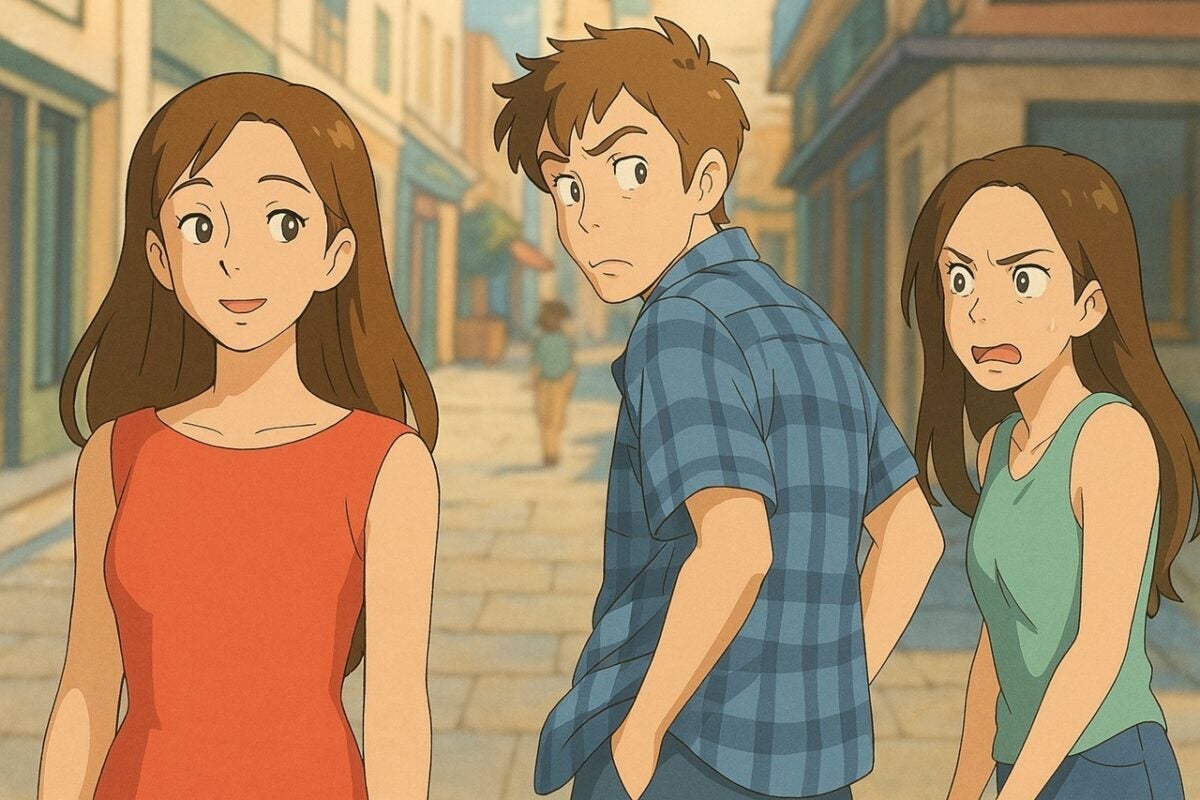
The generation of images through artificial intelligence has reached a new milestone with the launch of GPT-4o, which has led to a significant increase in the creation and dissemination of hyper-realistic images on social platforms. Especially referred to as the Studio Ghibli style, these creations have captured the attention of millions, even causing temporary congestion in the AI’s image generation capacity due to their popularity.
Watermarks are coming to AI-generated images
However, the growing popularity of these images raises legal concerns, as their realism could lead to issues regarding copyright and intellectual property. In response to these concerns, OpenAI is considering implementing a watermark on images generated by its AI. This information was revealed by AI researcher Tibor Blaho, who found references in the AI’s code suggesting the inclusion of this watermark, specifically for users utilizing free accounts.
References to image-gen-watermark-for-free indicate that users without a ChatGPT Plus or Pro subscription will see a watermark on their generated images. According to sources consulted by BleepingComputer, those who opt for the premium subscription will not have this restriction, which could encourage more users to pay for the service.
This approach is not unprecedented for OpenAI, which previously raised the possibility of applying watermarks to texts generated by its AI. With the increase in the perfection of artificial intelligence, the implementation of watermarks seeks to mitigate the risks associated with deepfakes and fraud. The current challenge is to find a balance between accessibility in the use of AI and the protection of copyright, while the watermarking system is established as an emerging standard in the field of artificial intelligence.
Epic Games Store has released its new free game, Behind the Frame, available until January 30 at 5:00 p.m. This title, presented as an interactive fiction, offers players the opportunity to experience the life of an artist struggling to complete her masterpiece for her upcoming exhibition. A game heavily inspired by Studio Ghibli Inspired by the aesthetics of Japanese animation and particularly the designs of the acclaimed Hayao Miyazaki and the iconic Studio Ghibli, Behind the Frame stands out for its visually captivating and evocative soundtrack. From beautiful […]
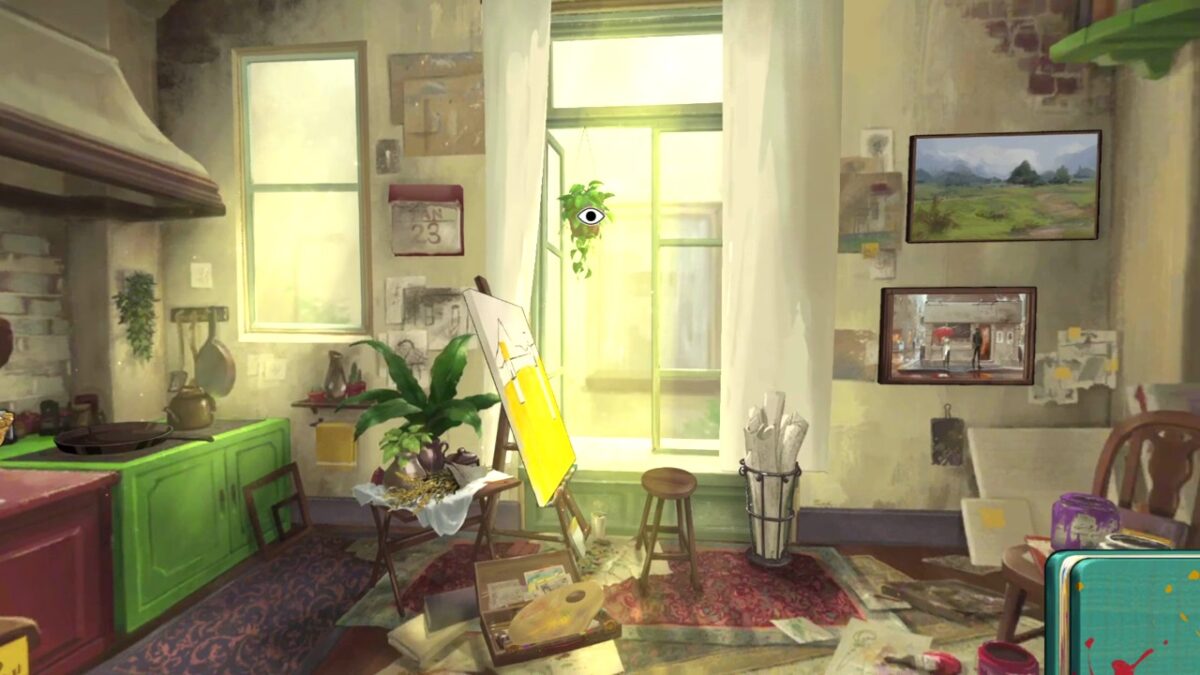
Epic Games Store has released its new free game, Behind the Frame, available until January 30 at 5:00 PM. This title, presented as an interactive fiction, offers players the opportunity to experience the life of an artist struggling to complete her masterpiece for her upcoming exhibition.
A Game Greatly Inspired by Studio Ghibli
Inspired by the aesthetics of Japanese animation and particularly the designs of the acclaimed Hayao Miyazaki and the iconic Studio Ghibli, Behind the Frame stands out for its visually captivating and evocative soundtrack. From beautiful hand-drawn animations to a world full of vibrant colors, the game aims to immerse players in a relaxing and rewarding environment.
The game mechanics require players to search for lost colors to bring the protagonist’s paintings to life, who also faces the everyday responsibilities of her life. They will need to take breaks for activities like having breakfast, drinking coffee, and resting, which adds a human element to the creative process. Additionally, players will have the task of unraveling hidden secrets within the artworks, adding a component of exploration and discovery to the game.
As the video game industry evolves, there is an increase in titles that prioritize narrative experiences over frenetic action. Behind the Frame aligns with this trend, offering a moment of reflection and tranquility amidst a game offering that often focuses on more popular genres like roguelikes or shooters. This artistic and contemplative approach could be a pleasant respite for those seeking something different.
Don’t forget to redeem it before it expires, and make sure you have a suitable monitor that allows you to fully enjoy its impressive graphic design.
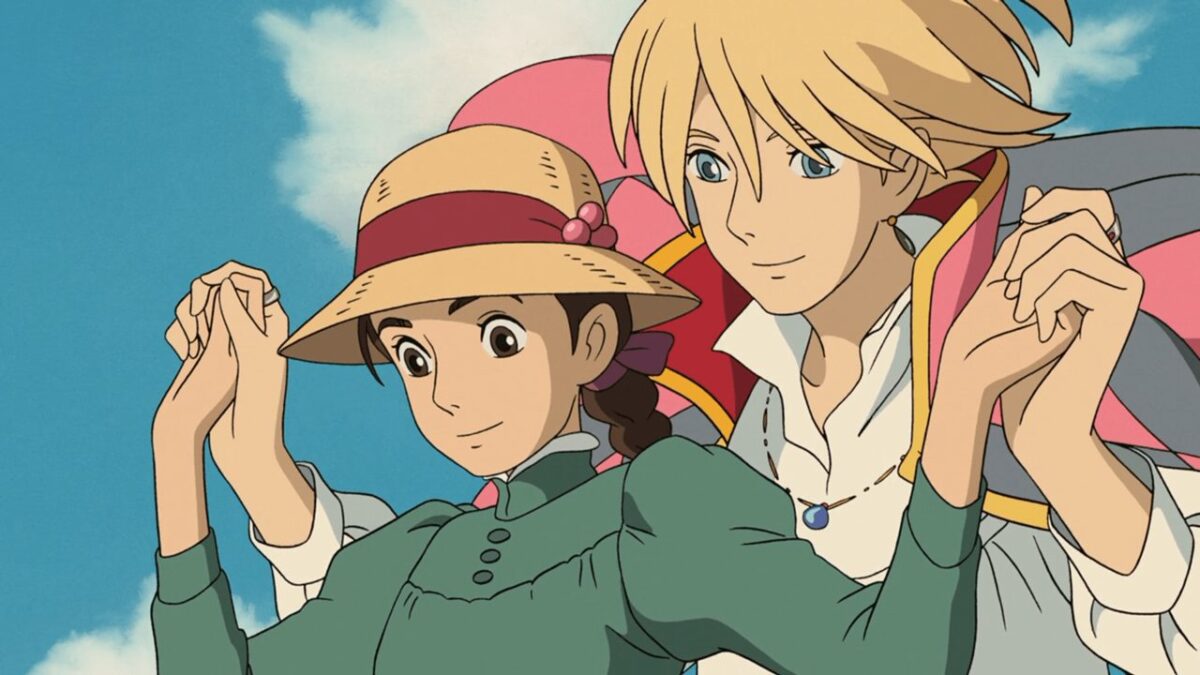
In a tribute to animation and the legacy of master Hayao Miyazaki, Cinesa has announced a series of screenings celebrating the 40th anniversary of Nausicaä of the Valley of the Wind and the 20th anniversary of Howl’s Moving Castle. This event, which will take place from January 17 to February 14, will offer fans the opportunity to enjoy some of Studio Ghibli’s most iconic works on the big screen. The series has been designed to pay tribute to the genius of Miyazaki, a central figure in animated cinema, and each week will be dedicated […]
In a tribute to animation and the legacy of master Hayao Miyazaki, Cinesa has announced a series of screenings celebrating the 40th anniversary of Nausicaä of the Valley of the Wind and the 20th anniversary of Howl’s Moving Castle. This event, which will take place from January 17 to February 14, will offer fans the opportunity to enjoy some of Studio Ghibli’s most iconic works on the big screen.
The cycle has been designed to pay tribute to the genius of Miyazaki, a central figure in animated cinema, and each week will be dedicated to a specific film. Among the titles to be screened are classics like My Neighbor Totoro, Spirited Away, Princess Mononoke, and The Boy and the Heron, among others. Although the exact dates of each screening have not been detailed, attendees can expect a unique experience in selected cinemas throughout Spain.
It won’t be the first time we see these movies on the big screen
Tickets are now available through the Cinesa website, which allows users to select cinemas in various cities, including Madrid, Barcelona, Seville, and more. The schedules and availability to watch the movies in their original version will depend on each theater. It is worth noting that this cycle represents an excellent opportunity for those who could not attend the summer 2024 celebrations, where the anniversaries of Nausicaä and Howl’s Moving Castle were commemorated.
With this initiative, Cinesa not only aims to bring Miyazaki’s work closer to the public, but also to revitalize interest in Japanese animation, a genre that has captured the hearts of millions worldwide. This cycle is expected to attract both new viewers and those who have grown up admiring these cinematic gems.
Ghibli can make works of art, but that is not alien to the reality of capitalism, which is why it will soon become a subsidiary of Nippon TV
Studio Ghibli is an institution in the world of anime, but it is far from invulnerable. They are not swimming in money, and they are not oblivious to the fact that they exist in a capitalist society. Therefore, while their films are genuine works of art and undoubtedly enjoy resounding success, including a movie released this year, it doesn’t mean that as the years pass, the studio’s future is becoming increasingly uncertain. Its founders are not getting any younger, and there are no apparent successors in sight. That’s why it’s not surprising that they have had to reach agreements that may sound more concerning than they actually are.
We say this because Nippon TV has announced its intention to acquire 42.3% of Studio Ghibli’s shares. Once the transaction is completed, NTV will become the majority shareholder of Studio Ghibli. This will make the studio a subsidiary of Japan’s first commercial television network.
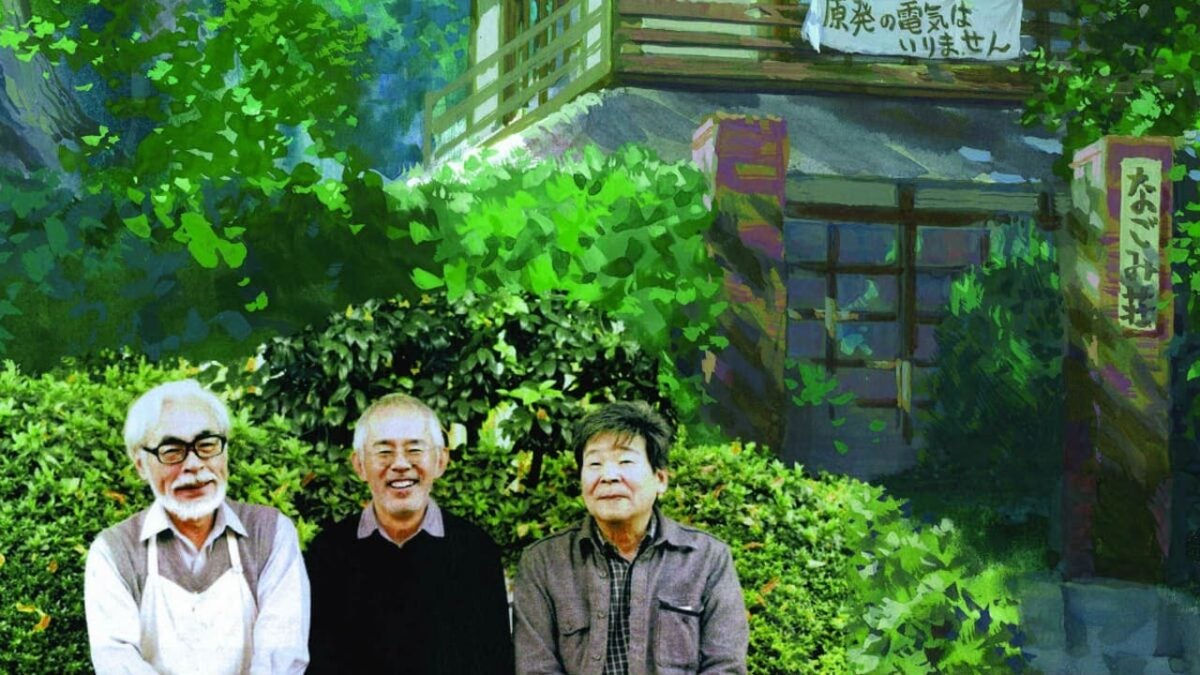
If this is less concerning than it may seem, it’s because this has actually happened with the consent of both parties. The acquisition was announced by Yoshikuni Sugiyama, Representative Director of Nippon TV, and Toshio Suzuki, founding member and president of Studio Ghibli. Suzuki emphasized during the press conference that the absence of a “successor” is what has led to this acquisition. He pointed out that Miyazaki is 82 years old, and Suzuki himself is 75, highlighting how they currently have no one who can fill the positions they occupy. Therefore, unless something changes, this should not alter the way Ghibli operates creatively, and it will continue to be an independent company.
He has also emphasized something that we already suspected but confirms that the relationship between the Miyazaki family members is, at the very least, strained. Ghibli has offered on several occasions for Goro Miyazaki to lead the studio when they step down, but he has refused each time. His own father, Hayao Miyazaki, has also declined this role.
Nippon TV has been discussing this potential acquisition with Ghibli since last year. While it may seem sudden, they have a long history of mutual cooperation. They were the first to broadcast Nausicaä of the Valley of the Wind on television in 1985, and since then, they have aired all of Ghibli’s films with very good viewership. This explains why they want to continue this close relationship now that the studio is starting to consider its future when Miyazaki and Suzuki can no longer lead Ghibli.
The trailer for Hayao Miyazaki new film finally arrives, not without some controversy behind it, promising us perhaps the best film of his career.
Hayao Miyazaki doesn’t need cover letters. Neither does Studio Ghibli. At this point, they don’t need to sell us their movies in any way. If they release a new movie, we’ll go see it. It is synonymous not only with anime or Japan, but with the highest quality and refinement. The best animation you can see, always. And that is why it is always worth celebrating that, once again, he failed to keep his promise to retire. Because Miyazaki is back. And as fit as ever.
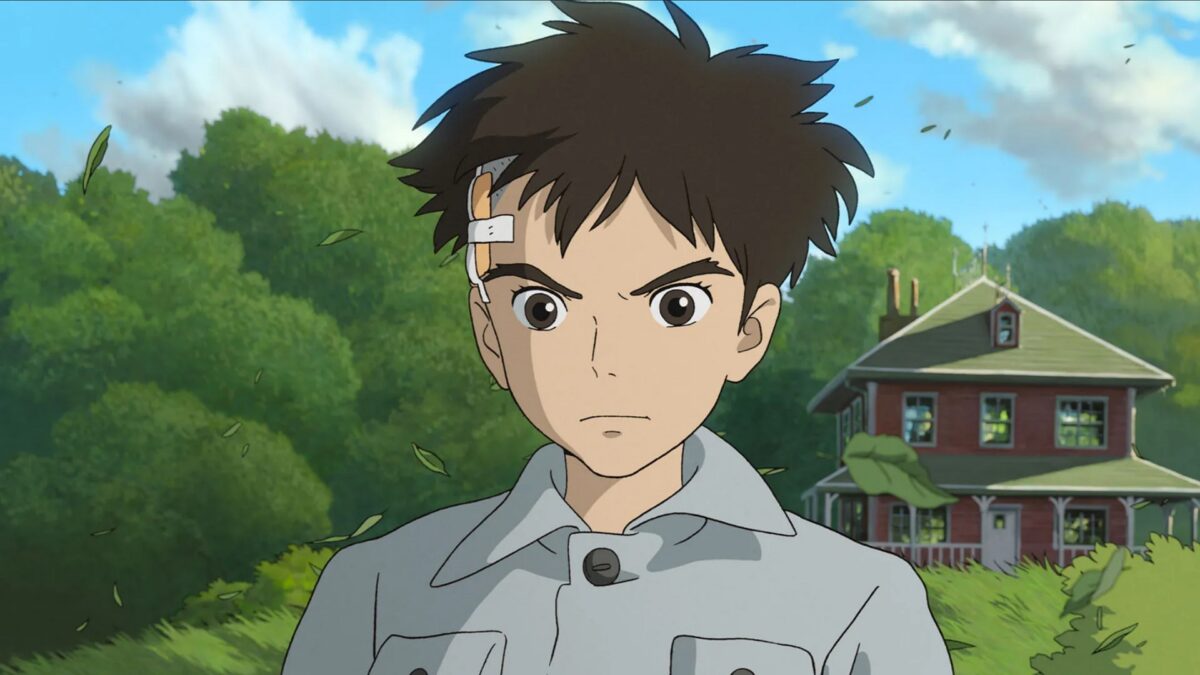
We finally have before us the first trailer for The Boy and the Heron, the (presumably) last film by Hayao Miyazaki. Made under the Studio Ghibli umbrella, it is an adaptation of the novel of the same name by Genzaburo Yoshino published in 1937. The novel was about a boy’s evolution to adulthood, through his relationship with his family and friends, through the turbulent (pre)war years.
The trailer, in truth, shows us little of the film. With an exquisite animation and spectacular music, it shows us that we are in front of a new incredible journey as we are used to from the studio. Speaking of life, death and a strong fantasy component, more reminiscent of Satoshi Kon than Miyazaki himself, the trailer leaves us with more questions than answers about the film. Which is always a good thing with a Ghibli film. But in this case with more than one reason.
In Japan the film premiered on July 14 under the name Kimitachi wa Dō Ikiru ka. Literally translated, How do you live? Despite being an absolute box office and critical success, they did not release any trailer for the film. Just a poster, where nothing of the same was shown. Even critics and fans tacitly agreed not to comment on it. It was decided that the film should be experienced in a vacuum, without knowing anything, and everyone involved accepted this. Something that has been lost in its arrival to the West, where the first thing that has been done is to create the first trailer for a film where, consciously and intentionally, it was avoided to make any kind of trailer.
Be that as it may, this is Hayao Miyazaki’s first film in ten years. Stating that he was retiring after The Wind Rises, he has returned, according to him one last time, to give us one last feature film with which to end his career. If this is true, only time will tell. Meanwhile, The Boy and the Heron has a release date for December 8 in the US, with no specific date for the rest of the world. Although it is to be hoped that it won’t take us much longer than that to see it in Spanish theaters.