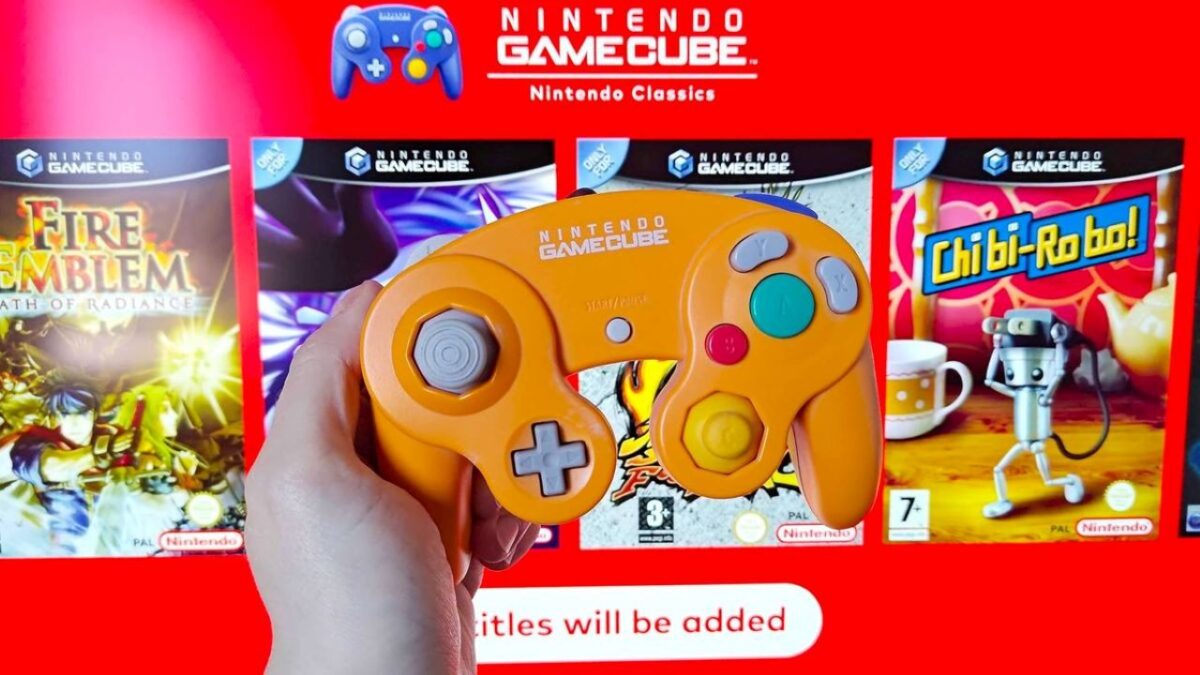
Nintendo has generated some disappointment among retro game fans by revealing that its new GameCube controller for the Switch 2 will only be compatible with the company’s Online Classics game library. This detail, which came to light in the official trailer for the new controller, indicates that it will not work with other console titles, significantly limiting its usefulness compared to previous controllers that, although designed for retro systems, worked with a broader range of games. Nintendo is building a good […]
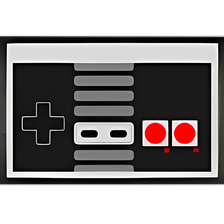
Nintendo has generated some disappointment among retro game fans by revealing that its new GameCube controller for the Switch 2 will only be compatible with the company’s Online Classics game library. This detail, which came to light in the official trailer for the new controller, indicates that it will not work with other console titles, significantly limiting its usefulness compared to previous controllers that, although designed for retro systems, worked with a broader range of games.
Nintendo is cooking up something good
Despite the fact that the GameCube controller has similar connectivity to a Pro Controller, it does not support features like joystick clicks. This will hurt those who were hoping to relive their classic experiences in contemporary games like Metroid Prime 4: Beyond, where they will be forced to sacrifice essential features of modern control. Such restrictions could lead users to purchase additional controllers like Joy-Con to enjoy multiplayer titles like Mario Kart.
The impact of this compatibility clarification also extends to the possibility of using the new controller with third-party accessories, such as the Retro receiver from 8bitdo. Although the manufacturer has been contacted to confirm the viability of this option, the recent limitation could frustrate the expectations of those planning to integrate this new accessory with older consoles.
Fortunately, there are alternatives in sight, as solutions are offered that allow to convert original GameCube controllers into Bluetooth gamepads, which could facilitate their use with the new Nintendo console. This could be a viable solution while users await more information about the full functionality of the new controller.
The announcement of the Nintendo Switch 2 has generated not only a lot of news but also a lot of hype, not only for the promise of more powerful hardware but also for the future of its online service, Nintendo Switch Online. This service has become a key pillar in Nintendo’s strategy, which is preparing to make a qualitative leap with the new Expansion Pack. If you grew up with the GameCube, you’ll want to play these titles again. One of the most anticipated surprises from the recent Nintendo Direct was the confirmation of the arrival of iconic titles […]
The announcement of the Nintendo Switch 2 has generated not only a lot of news but also a lot of hype, not only because of the promise of more powerful hardware but also for the future of its online service, Nintendo Switch Online. This service has become a key pillar in Nintendo’s strategy, which is preparing to make a qualitative leap with the new Expansion Pack.
If you grew up with the GameCube, you’ll want to play these titles again
One of the most anticipated surprises from the recent Nintendo Direct has been the confirmation of the arrival of iconic GameCube titles to Nintendo Switch Online, with games like The Legend of Zelda: The Wind Waker, F-Zero GX, and SOULCALIBUR 2 available starting June 5. These classics will be optimized to offer improved visual quality and higher resolution on Nintendo Switch 2, allowing players to experience these titles more clearly than in their original versions.
Fans can expect other iconic titles like Super Mario Sunshine, Fire Emblem: Path of Radiance, and Pokémon XD: Gale of Darkness to be added to the service in the near future, satisfying the nostalgia of many players. This addition not only digitally preserves the GameCube classics but could also mark the beginning of a golden era for the platform.
In addition to retro titles, Nintendo has also announced new releases that will attract more current players. A new open-world Mario Kart game has been announced, promising a unique and more expensive experience compared to other current titles. Likewise, the return of Donkey Kong Bananza is scheduled for July 17, 2025, generating even more excitement among the gaming community.
In summary, the Nintendo Switch 2 not only aims to redefine console hardware but also to enrich the game offerings, both classic and new, to maintain a prominent place in the entertainment industry.
In 1980, Pac-man changed the history of video games. And not only because the developers realized the wickedness of the players (it was originally called “Puck-man” but they quickly thought about how easy it was to turn a P into an F), but because arcades experienced a second life that they hadn’t seen since Pong. Everyone quickly became fond of the maze game, the yellow tokens, and the “Waka-waka.” So much so that various versions quickly emerged. The most well-known of them, of course, was Ms. Pac-man, but we also had Pac-man Plus, Super Pac-man, or Pac & Pal, […]
In 1980, Pac-man changed the history of video games. And not only because the developers realized the wickedness of players (it was originally called “Puck-man” but they quickly thought about how easy it was to turn a P into an F), but because arcades experienced a second life that they hadn’t seen since Pong. Everyone quickly became fond of the maze game, the yellow tokens, and the “Waka-waka”.
So much so that various versions quickly emerged. The most well-known of them, of course, was Ms. Pac-man, but we also had Pac-man Plus, Super Pac-man, and Pac & Pal, as it gradually made its way into home consoles. In 1984, with the franchise more than profitable, the time came for Namco to launch a deviation from the norm: Pac-Land. And that’s where everything started to get complicated.
What’s the point, man
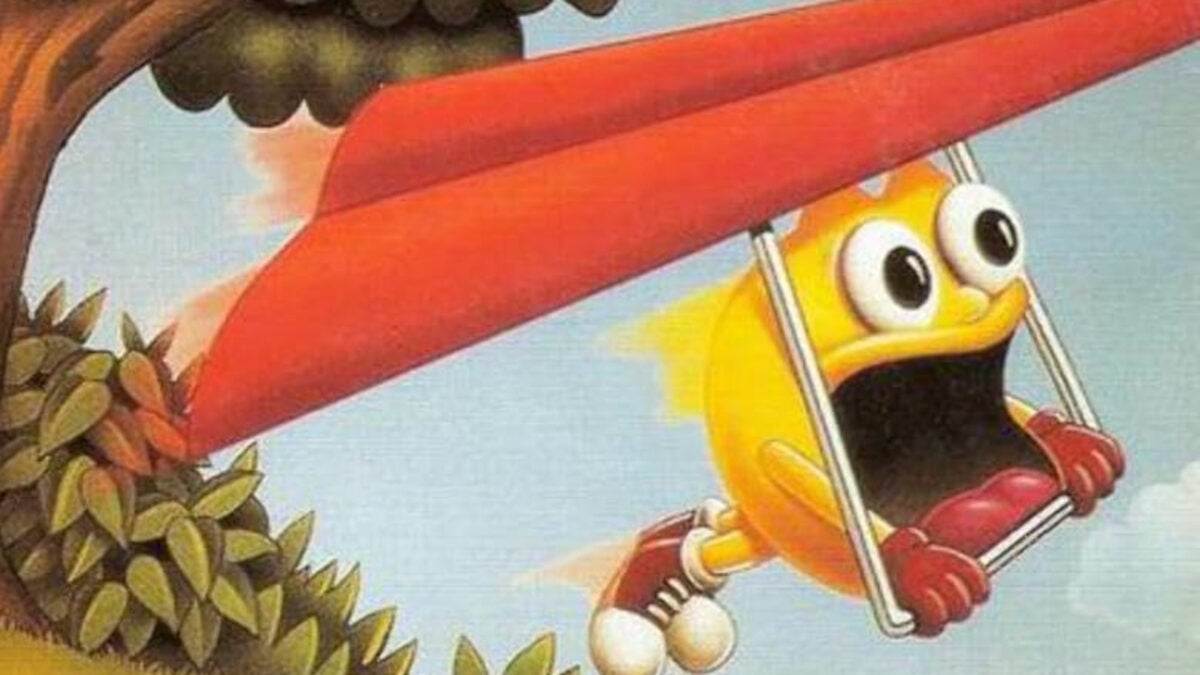
Pac-Land was not a game from the classic franchise: in fact, it was a kind of adaptation of the Hanna-Barbera cartoon series that aired between 1982 and 1983. In this case, the game replaced the classic maze in a top-down view with a side-scrolling format where Pac-Man walked through his city avoiding enemies until he reached the end of each level. And no, it wasn’t exactly easy. Obviously, Pac-Land ended up being adapted to all consoles and the saga has not received new titles since then except for the decent Pac-Mania… until 1994.
Well, not entirely: in 1993 it is true that we had Pac-Attack, which was actually an adaptation of an earlier game, Cosmo Gang the Puzzle, and which, all things considered, was original in combining the gameplay of the saga with another type of puzzles more similar to Tetris. And so, with Pac-man smelling a bit old by the mid-90s, this is how we finally arrived at Pac-man 2: The New Adventures.
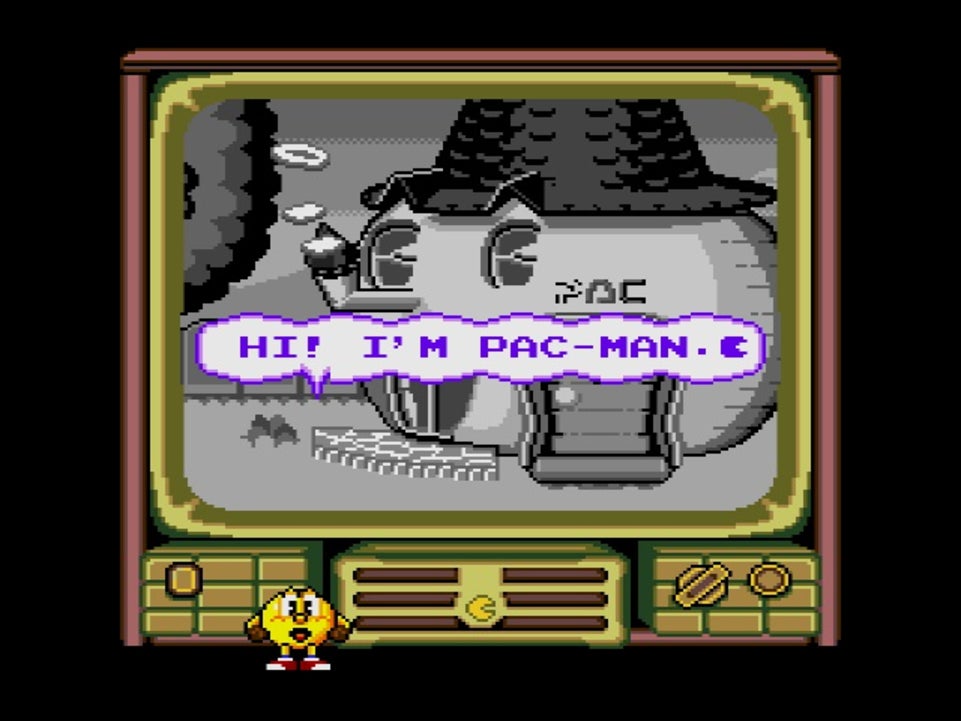
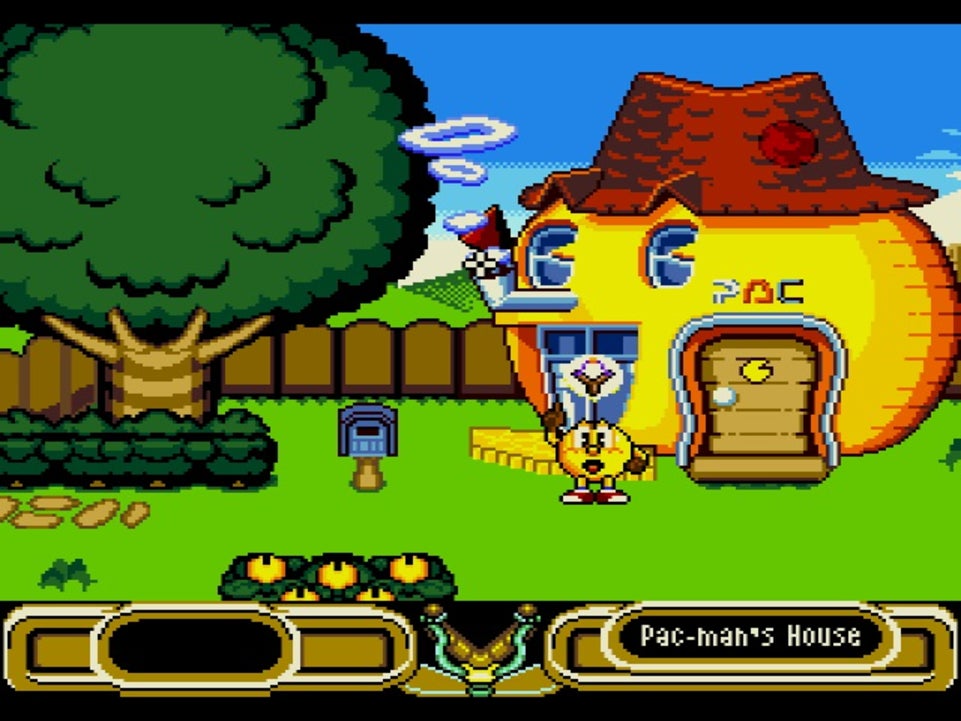
Originally, Namco assigned the development of this sequel to a team that didn’t have much prior work, emphasizing that they should also incorporate elements from the animated series. The result was not Pac-man, but neither was it Pac-Land; instead, it was an audiovisual experiment that is the complete opposite of what any player would expect from a sequel like this. And indeed, in the midst of the point-and-click adventure craze, Pac-man 2 went, directly… to not even allowing you to control its protagonist.
There is neither Wakka nor Wakko that matters
In this 2D graphic adventure, Pac-man basically has to run different errands for his family (buy milk, pick a flower, recover a guitar, deal with a monster made of gum) while the ghosts try to take him down. With an open mind, it can be understood. The problem is that, instead of controlling Pac-man, you could only suggest that he do things, and the character could decide to completely ignore you and do his own thing.
To move forward, the player has to solve different puzzles based on Pac-man’s emotions: he can get angry if you throw stones at his face, become happy if he eats an apple, etc., but with caution. For example, the happier he is, the more arrogant he can become, to the point of disobeying the player, but his anger, which gives him more strength, also makes him irrational and leads him towards his own death.
If you don’t like this game, you’re in luck, because by going to the arcade you can play Pac-man, and if you find three additional cartridges you can play well as Ms. Pac-man on Super Nintendo or Pac-Jr on Sega Genesis, a totally original game (which, don’t beat yourself up for not finding it anywhere, is actually just a version of its counterpart on SNES). A little reminder that the saga was more than just telling a yellow ball where to go and annoying it to make it do things.
In reality, to be honest, the blame for this sequel turning out this way was actually due to Namco’s division in the United States, which decided that the Japanese title, Hello! Pac-man was not attractive enough and chose to go big: with a gigantic “2” on the cover that caused the public to lose trust in the franchise for good. There was never a Pac-man 3, but there were several spin-offs (Pac-man world, Pac-man Championship Edition, Pac-man and the ghostly adventures, Pac’n roll…) that have ensured that, more than 40 years after its first arcade, the yellow ball is still more alive than ever. At least they learned from their mistakes: now you can control it all the time.
The world of video games has been with us for almost half a century. Among the numerous references that have left a mark, Lucasfilm Games, later known as LucasArts, stands out, responsible for classics like Maniac Mansion and The Secret of Monkey Island. In this context, the ambitious project Cronela’s Mansion emerges, a tribute to the legendary company that is taking shape through a crowdfunding campaign on Kickstarter. Look behind you, a three-headed monkey The goal of the campaign is to raise 125,000 euros, and so far it has raised almost 100,000 euros, with only nine days remaining for […]
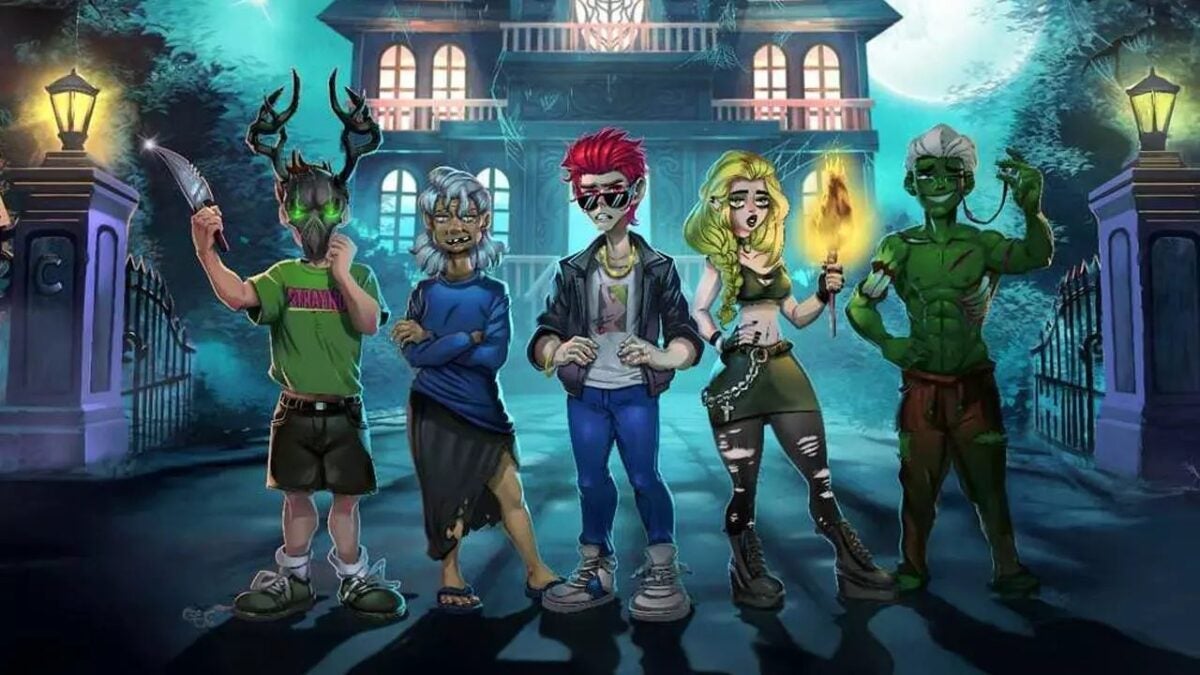
The world of video games has been with us for almost half a century. Among the numerous references that have left a mark, Lucasfilm Games, later known as LucasArts, stands out, responsible for classics like Maniac Mansion and The Secret of Monkey Island. In this context, the ambitious project Cronela’s Mansion, a tribute to the legendary company that is taking shape through a crowdfunding campaign on Kickstarter.
The goal of the campaign is to raise 125,000 euros, and so far it has raised almost 100,000 euros, with only nine days left until its closure, meaning it is very close to achieving it. Cronela’s Mansion is designed as a point and click game, which will be available not only for PC and Nintendo Switch, but also for retro consoles like NES, Super Nintendo, and Game Boy, in highly anticipated physical editions for collectors.
Developed by the Straynus studio, located in Ciutadella, Menorca, this project reflects the vitality of the video game scene in Spain. The team behind the game has expressed their admiration for iconic creators like Ron Gilbert and Gary Winnick, whom they recognize for the originality of their scripts and the distinctiveness of their graphics. Additionally, Straynus considers Cronela’s Mansion a gift of nostalgia for fans of those golden eras.
Those interested in experiencing the game before its release can access various demos available on the Kickstarter page, which allow testing both modern and retro versions. The release date is scheduled for 2025, so retro enthusiasts and fans of the saga have one more reason to be excited. The anticipated return of the graphic adventure in physical format could revive the essence of the great titles of the past, making this project a celebration-worthy event.
The live concert series for Shovel Knight: Steel They Shovel will take place next month in New York and Los Angeles, celebrating the nostalgic impact of this iconic indie video game. Nick Wozniak, an artist from Yacht Club Games, shared his perspective on the importance of creating a game that respects and understands the retro gaming era, emphasizing that nostalgic authenticity cannot be simulated. “I can tell when a game is made by people who really know the kind of game they are creating,” Wozniak stated. Shovel Knight, a game with the limitations of a […]
The live concert series for Shovel Knight: Steel They Shovel will take place next month in New York and Los Angeles, celebrating the nostalgic impact of this iconic indie video game. Nick Wozniak, an artist from Yacht Club Games, shared his perspective on the importance of creating a game that respects and understands the retro gaming era, emphasizing that nostalgic authenticity cannot be simulated. “I can tell when a game is made by people who really know the kind of game they are creating,” Wozniak stated.
Shovel Knight, a game with the limitations of an NES
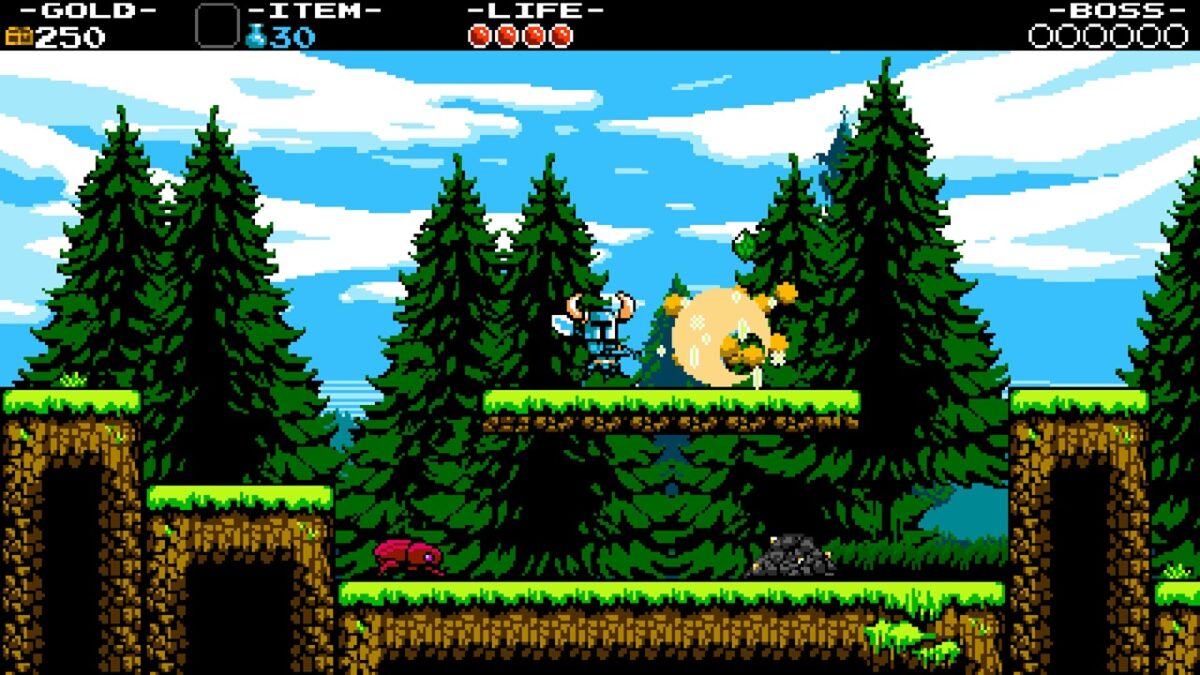
Wozniak explained that, to evoke the authentic retro style, Shovel Knight mostly adhered to the NES color palette, limiting itself to the original 55 colors and adding only five more to enhance gameplay on modern screens. This not only helps anchor the game in a nostalgic context but also compensates for the limitations of old hardware by providing a richer visual experience on contemporary devices.
Jake Kaufman’s musical work was also highlighted by Wozniak, who emphasized that the Shovel Knight soundtrack can be played on original NES cartridges, which underscores the team’s commitment to authenticity. In his analysis of other developers, Wozniak praised Bloodborne PSX Demake and Nightmare Kart as examples of how to understand and effectively use nostalgia in game development.
Despite the fact that the retro gaming market has grown, Wozniak observes that many developers rely too much on their source material, highlighting the need to add a personal touch. He also mentioned that there are always new ways to make 2D platform games appealing to players of all ages. Meanwhile, Yacht Club is working on Mina the Hollower, their first game unrelated to Shovel Knight, inspired by Link’s Awakening.
I am long over the novelty of pixel art throwbacks. No longer can a game impress me solely by invoking my nostalgia. But Shovel Knight doesn't just look like a game from the 80s, it plays like one too. This tight, exacting platformer encapsulates all that was good about this early era of gaming, in an exciting and punishingly difficult new experience.
There was just one problem: no one wanted to publish it. The cost of releasing it themselves on Game Boy Advance cartridges was unaffordable, and the project ended up forgotten in a drawer.
Year 2002. The world was still trying to recover from September 11th, Internet was taking its first steps and the consoles fighting were the GameCube, the PS2 and the Xbox. And, of course, the Game Boy Advance, which had been released the previous year. It was in that context that a group of Italian friends started developing their video game for Nintendo’s handheld console, ‘Kien’. Today, in 2024… they have finally finished it.
When they started developing ‘Kien’, an action and platform game with RPG elements, none of them had the slightest idea of how to make video games. But they made an effort, suffered, learned, and finished it on time. There was only one problem: no one wanted to publish it, the cost of self-publishing it on Game Boy Advance cartridges was unaffordable, and the project ended up being forgotten in a drawer.
Finally, only one of the three friends remained with the dream, Fabio Belsanti. The others pursued different careers but he believed in the title. So much so that he ended up creating a company of educational video games but always with ‘Kien’ in his mind. And suddenly, one day, looking at the retro trend that has come back with strength, he decided it was time to turn his own nostalgia into the present of the industry.
He partnered with a distributor called Incube8, specializing in releasing new games for old consoles (like ‘Génesis 2’ for Game Boy or ‘Gunship DX’ for Game Boy Color) and together they finally released ‘Kien’, for $59.99. 23 levels, endless action and the promise of a constant challenge “that will please many and others not so much”. If I spend almost $60 on a game from 22 years ago, honestly, I hope I like it a lot.
And if you don’t have a Game Boy Advance but you want to play it to see what it’s about, you can get a digital file to play it on an emulator. No matter the variety.
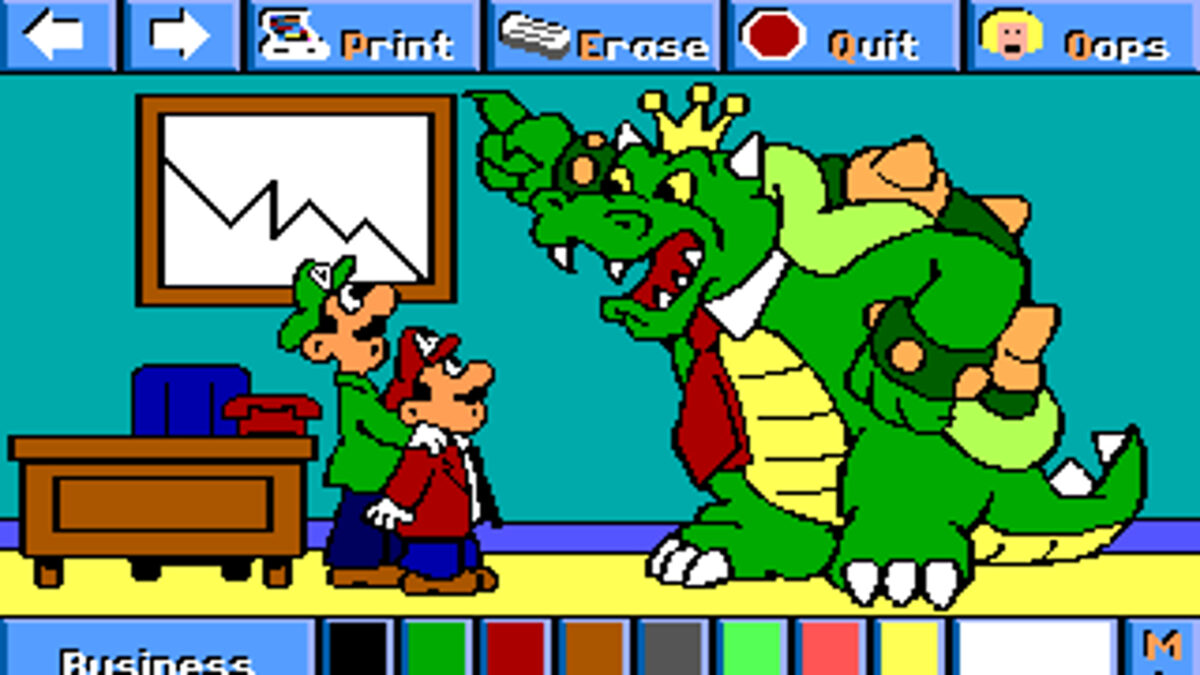
What Brian A. Rice came up with was much more disappointing: a game of painting Mario and company in different professions using the mouse. Look no further: this is what there is.
Nowadays, Nintendo does not allow you to do anything with any of their characters if you haven’t licensed them before. And I’m not talking about cameos in TV shows or video games, but even in non-profit children’s plays or YouTube parodies. However, there was a time when they were selling them off, aware that the money they were making compensated for the bad time they would have if the game wasn’t good enough. And this is where the moment when Mario switched to MS-DOS comes in. And, indeed, it wasn’t good.
In the 80s, it was normal for console games to be ported to other platforms sooner or later: ‘Donkey Kong’ and ‘Mario Bros’ were released on Atari, Commodore or Amstrad without any problem: many times they were minor versions of the original arcade, but as long as the money kept coming in, everything was fine.
There were games (versions of ‘Mario Bros’) that didn’t even make it to Nintendo consoles, like ‘Punch Ball Mario Bros’ or ‘Mario Bros Special’. Even the classic ‘Super Mario Bros’ ended up coming out on computers of the time in a “special edition”. And then, in the early 90s, with the Super Nintendo about to be released and Game Boy breaking all expectations, Mario made his first appearance on PC.
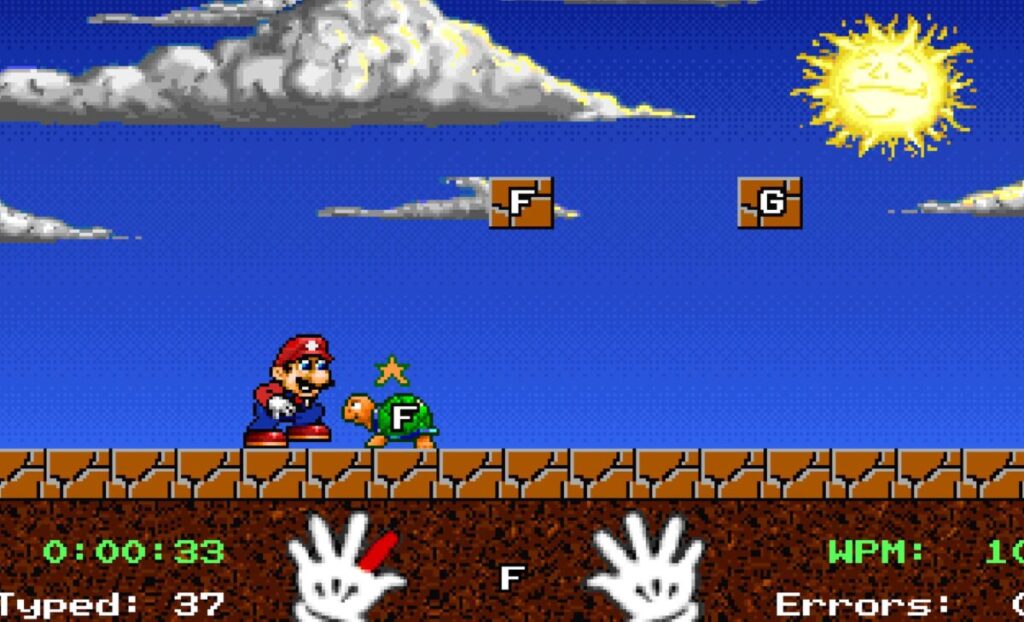
We all know -more or less- the misadventures of Nintendo’s mascot in MS-DOS: games like ‘Mario Teaches Typing’, ‘Mario is missing!’, ‘Mario’s Time Machine’ or the preschool games ‘Mario’s early years!’. All of them had an educational purpose: teaching history, numbers or typing. In 1996, ‘Mario FUNdamentals’, a strange compilation of board games like checkers, dominoes, backgammon or Yahtzee, put an end to the disastrous money-grabbing adventure.
Mario doesn’t paint anything
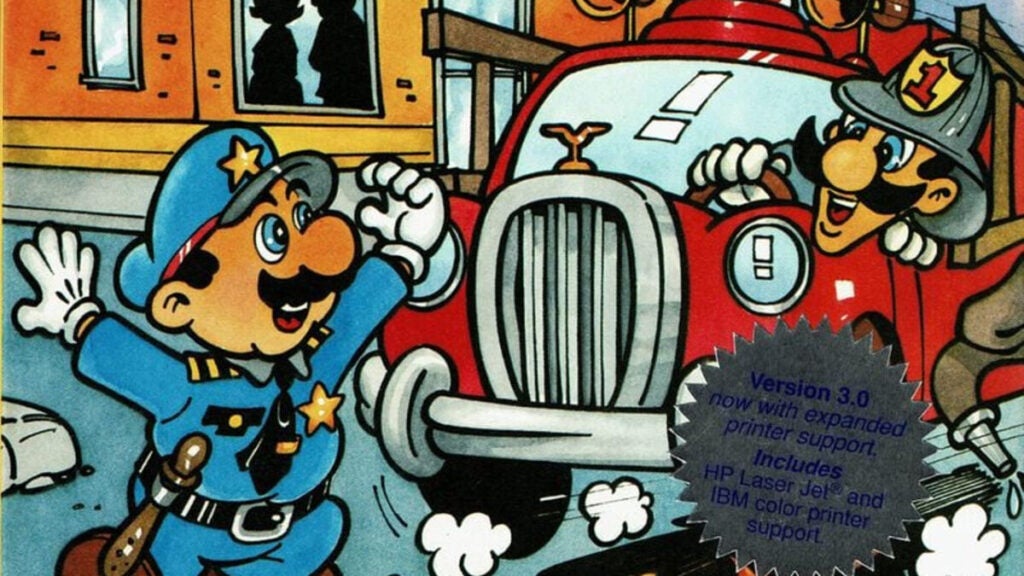
But do you know which was the first of these games for MS-DOS? Probably neither Nintendo nor Merit Software, who distributed the game (and ended up closing in 1996 with the highlight being the ‘Micro Machines’ for Game Boy), remember it. It was ‘Super Mario Bros & Friends: When I Grow Up’, on the cover of which we saw Mario, dressed as a traffic guard, stopping a fire truck driven by Luigi while in the background we could read “Doctor’s Office” and a dog ran away to avoid being run over. But what is this?
If they tell you “Think of a cheap game about Mario” it’s most likely that you think of a somewhat crappy platformer, or maybe even a RPG made without much effort. However, what Brian A. Rice came up with was much more disappointing: a game to paint Mario and company in different professions using the mouse. Look no further: this is what you get.
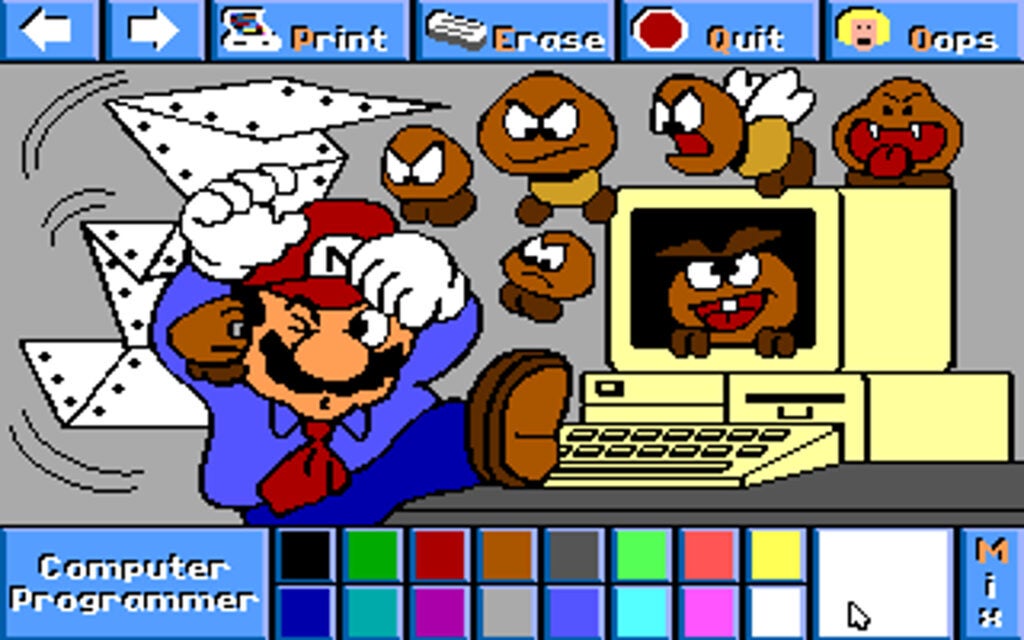
In total, ‘When I Grow Up’ showed a total of 31 images that displayed different professions, from veterinarian to journalists, passing through astronaut, farmer or professional athlete. All of them had their explanation and connection with the Mario world through a small text (for example, “Mario, the programmer, is having a hard time fighting against Goombas and other annoying bugs. He knew that programmers talked about having “bugs” in their programs from time to time, but this is ridiculous!”). At least they cared about connecting it, hey, something is something.
Mario, at the INEM
It was a professional illustrator who made these 31 images, Rick Incrocci, who according to his website is still active, and the animations that appeared when completing each drawing were made by Glenn Leszczak, who would continue to do game art like ‘World Class Fussball’ for a few more years before disappearing. That’s right: a non-game game created by only two people supervised by their boss, Brian A. Rice. It turned out as it did.
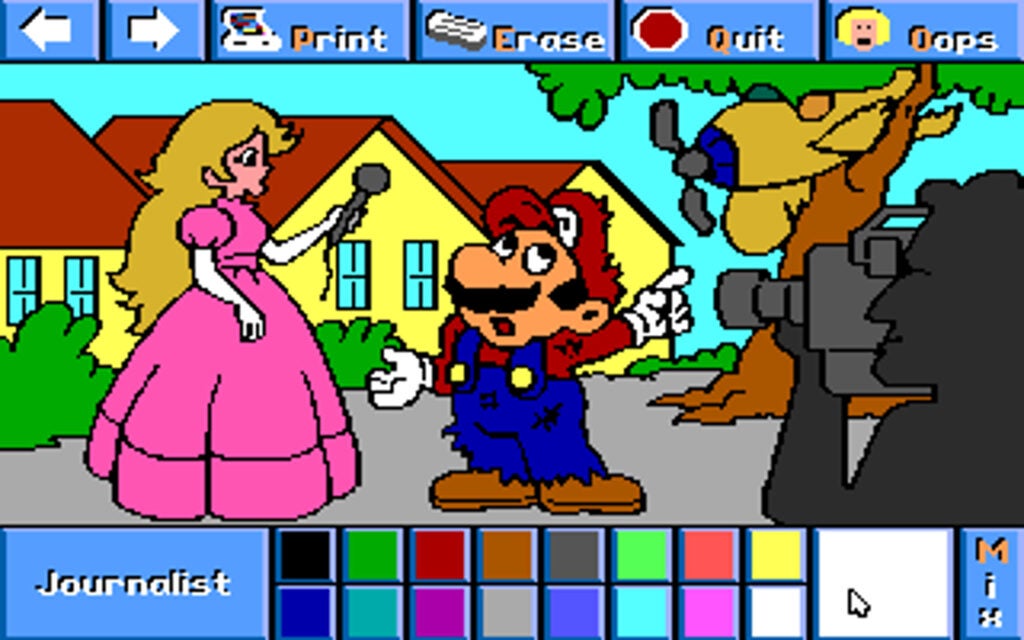
In some illustrations they even allowed themselves the luxury of taking out Link (as a “travel guide” or waiting for “Chef Mario’s” food) or imagining situations where Bowser was judged by Peach. Even in one of the illustrations, the househusband one, it is pointed out that Mario has children. Nowadays Nintendo would have said “Hold your horses”, but it was 1992 and anything goes.
‘Super Mario Bros & Friends: When I Grow Up’ was released in 1991 and an improved version appeared on March 24, 1992 in the United States, where it never left. As a curiosity, it allowed the use of up to 256 colors (most of them repeated, it must be said) and did not allow drawing new lines to the pre-existing drawings. In July 1992, ‘Mario Paint’ appeared, forever making this pseudo-game disappear. One that has been lost in the ether of oblivion even for the biggest fans of Nintendo. Mamma mia!
Today they are absolutely in disuse, they are part of another era, yes. So why is there a man who earns 1000 dollars a day selling them?
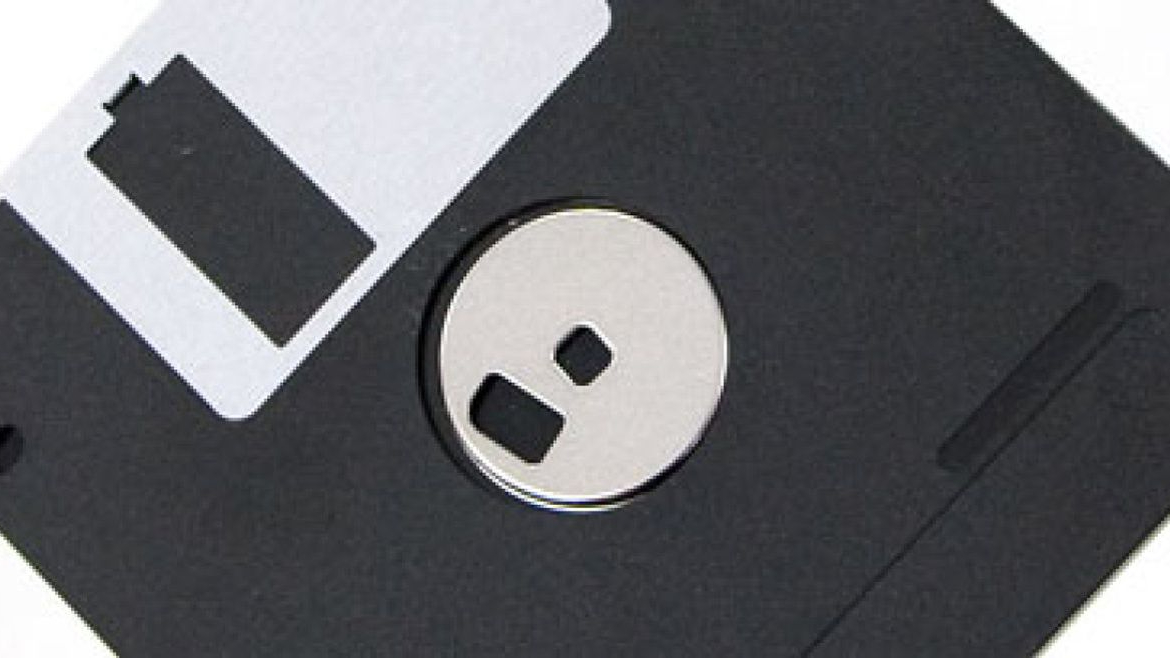
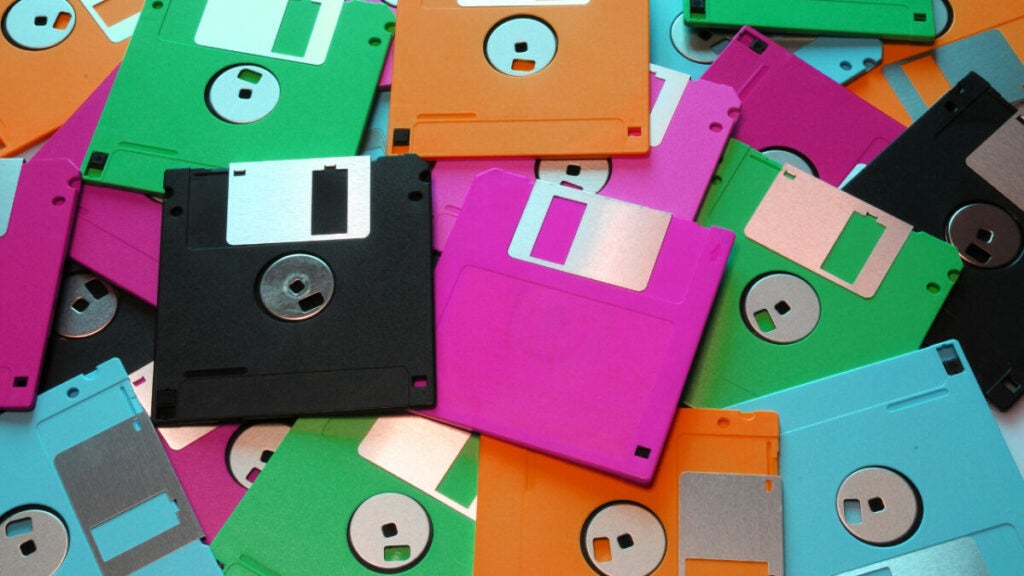
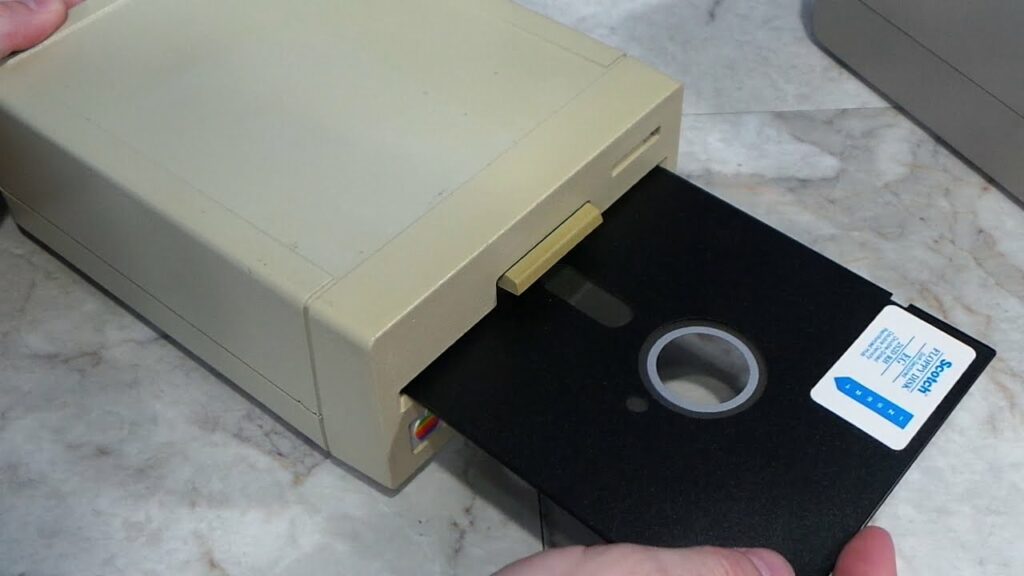
We live in the times of the digital, of the cloud, of the terabytes of data stored on servers permanently connected to the Internet in secret locations. But not so long ago, all our data was not floating in the ethereal, but in something very tangible: square disks that could hold a maximum of 1.44 Mb (less than a high-definition photo). Today they are absolutely obsolete, they are part of another era, yes. Then, why is there a man who earns 1000 dollars a day selling them?
The floppy disk was invented in the late 1960s, went on sale in 1971 and was the standard until it was replaced by the CD-ROM in the late 1990s. But there are a good handful of vital things in our day-to-day lives that have not been updated because it would be more difficult than continuing to use these floppy disks. And if you think I’m talking nonsense, think again.
Boeing 747s, 767s and Airbus A320s, legendary aircraft you’ve probably flown on more than once, receive their updates via floppy disk. In fact, every 28 days an engineer inserts one into his cockpit unit to load important navigation data. But they’re not the only ones you’d never think use it: in the U.S., the Department of Defense stopped using them to coordinate the country’s nuclear forces… in October 2019. Gives confidence, eh?
The San Francisco subway, medical equipment in hundreds of hospitals around the world, the International Space Station or even several animatronic robots use this computer system to be able to have their orders. But of course, where do you buy the diskettes? They are no longer available in stationery stores because nobody asks for them.
There’s a guy from California named Tom Persky who has a warehouse full of 3.5 and 1.44 floppy disks, floppy drives and more. Logically there is less supply, so prices have gone up: a ten-pack is $13 and a fifty-pack can sell for $70. Persky says he sells a thousand units a day, which at a dollar a unit means he made the best investment of his life buying that warehouse.
Since we are revaluing things that we think nobody uses, is it time for the revival of the 56K modem?