The entertainment and video game platform Steam has excited retro fans with the release of 3dSen, an innovative emulator that allows playing NES titles in 3D. This emulator, which has been in early access for five years, is characterized by its ability to create custom profiles for each game, allowing it to transform 2D graphics into 3D for a unique visual experience. Currently, 3dSen supports 100 NES games, including classics like Contra, Super Mario Bros, Castlevania, and Gradius. A new way to play the classics In addition to its 3D conversion, 3dSen includes […]
The entertainment and video game platform Steam has excited retro fans with the release of 3dSen, an innovative emulator that allows playing NES titles in 3D. This emulator, which has been in early access for five years, is characterized by its ability to create custom profiles for each game, allowing it to transform 2D graphics into 3D for a unique visual experience. Currently, 3dSen supports 100 NES games, including classics like Contra, Super Mario Bros, Castlevania, and Gradius.
A new way to play the classics
In addition to its 3D conversion, 3dSen includes modern features that enhance gameplay, such as quick saving, rewind, and fast forward. These tools are especially useful for players who want to complete time-consuming sections of games, such as some levels of Final Fantasy. The combination of nostalgia and technology makes this emulator stand out among its competitors.
3dSen was the first emulator to be sold on Steam, with prices of $9 USD for the standard version and $15 USD for the VR version, which also includes the standard version. VR compatibility allows players to enjoy titles like Duck Hunt and Punch-Out!! using motion controls; however, this option is more expensive and may not be accessible to all users.
It is important to highlight that the use of emulators like 3dSen is not illegal, as long as players provide their own ROMs. This offers relief to users concerned about potential legal implications, especially as the rise of emulators on official platforms like Steam is observed. With the modernization of classics in this format, players can rediscover their favorite childhood games in a completely new and exciting way.
The melody composed by Kazumi Totaka, popularly known as Totaka’s Song, has become one of the best-kept secrets in Nintendo video games. This song, which has been included in more than 25 titles since its creation in 1990, resonates in the memory of many players, who can recognize it even without knowing its origin. Among the games in which it has appeared are classics like Super Mario Bros., Animal Crossing, and The Legend of Zelda: Link’s Awakening. A melody that is all over Nintendo Totaka, in addition to being a composer, has lent his voice to iconic […]
The melody composed by Kazumi Totaka, popularly known as Totaka’s Song, has become one of the best-kept secrets of Nintendo video games. This song, which has been included in more than 25 titles since its creation in 1990, resonates in the memory of many players, who can recognize it even without knowing its origin. Among the games in which it has appeared are classics like Super Mario Bros., Animal Crossing, and The Legend of Zelda: Link’s Awakening.
A melody that is all over Nintendo
Totaka, in addition to being a composer, has lent his voice to iconic Nintendo characters like Yoshi and Birdo. The inclusion of his melody in games does not follow a specific pattern, which has fueled fans’ curiosity to discover in which titles it can be found. From its debut in game X for Game Boy, where players had to wait 40 seconds on a specific screen to hear it, to its more accessible appearance in Mario Paint, Totaka’s song has kept players in a constant state of search.
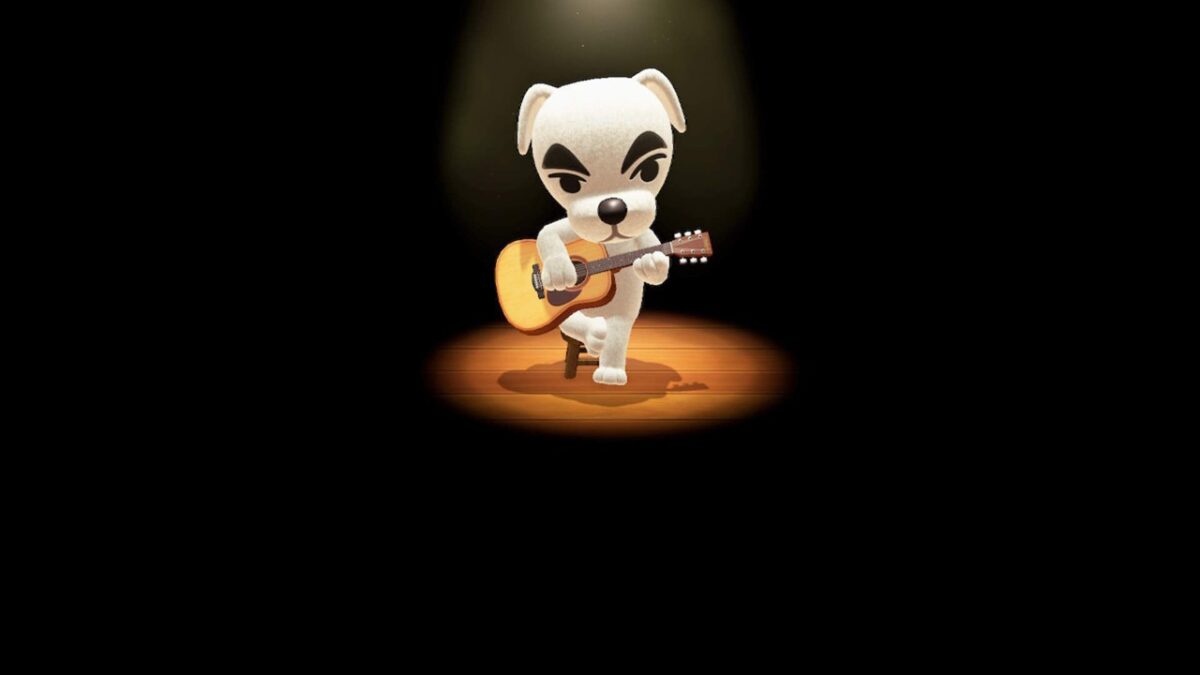
One of the most endearing aspects of Totaka’s Song is its connection to the characters of Animal Crossing. In this game, the dog Totakeke, a character based on the composer himself, gives concerts and is a constant reminder of the melody that has defined Totaka’s career. Animal Crossing players can tune in to their radio and enjoy this music, adding a level of interaction and nostalgia to the gaming experience.
Although Totaka’s Song is not necessarily the melody that most represents Nintendo, it has definitely become a symbol of its legacy in the world of video games. With each new release, the melody can appear in unexpected ways, making each gaming experience unique and exciting for fans. Undoubtedly, these musical secrets are part of the magic that has made Nintendo such a special company in the entertainment industry.
The movie A Minecraft Movie has surprised the film industry by grossing 157 million dollars during its opening weekend in U.S. theaters. This impressive total has surpassed the previous record held by the Super Mario Bros movie, which had grossed 146 million in its opening weekend, although it is important to note that the latter was released on a Wednesday and accumulated an additional 58 million before its first Friday in theaters. Mario, you have been overtaken on the right However, it has not only performed outstandingly in the […]
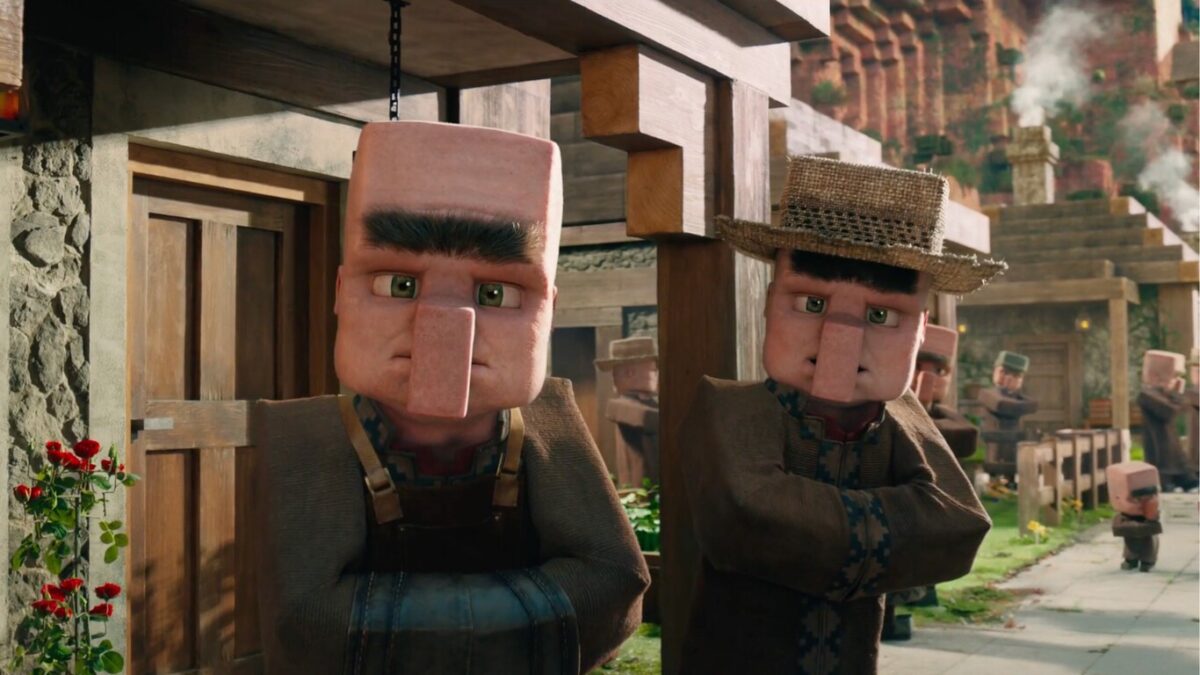
The movie A Minecraft movie has surprised the film industry by grossing 157 million dollars during its opening weekend in U.S. theaters. This impressive total has surpassed the previous record held by the Super Mario Bros movie, which had grossed 146 million in its opening weekend, although it is important to note that the latter was released on a Wednesday and accumulated an additional 58 million before its first Friday in theaters.
Mario, you have been overtaken on the right
However, it has not only performed outstandingly in the U.S. market; A Minecraft movie has garnered an additional 144 million dollars in the international market, raising its global total to 301 million. With an estimated production cost of 150 million dollars, plus marketing expenses, Warner Bros. must be celebrating the resounding success of the film, especially considering that initial predictions before its release indicated it would not reach 100 million dollars at the box office.
This unexpected success has led many to wonder what its box office ceiling will be. The coming days will be crucial in determining whether a Minecraft movie can join the exclusive club of films that surpass one billion dollars at the box office. The industry is on the lookout, and Warner may officially announce a sequel in response to the film’s excellent performance in theaters.
The Minecraft phenomenon, which has captivated millions through the video game, now translates into a success on the big screen that not only revives interest in video game adaptations but also marks a new milestone at the box office, reflecting the power and influence that video games exert in the world of cinema.
In the mid-90s, with the Super Mario Bros movie already released, the failure of Virtual Boy weighing on its shoulders and doubts about its future as it transitioned to 3D with the Nintendo 64 (a console that was born after a notorious falling out with Sony), Nintendo was on the tightrope. So much so that under the careful radar of the company and its “quality seal,” products slipped through that would have no place otherwise now. One of them, absolutely unknown to the public outside (and inside, to be honest) of Japan, was a true wild card that […]
In the mid-90s, with the Super Mario Bros movie already released, the failure of Virtual Boy weighing heavily and doubts about its future as it transitioned to 3D with the Nintendo 64 (a console that was born after a notorious falling out with Sony), Nintendo was on the tightrope. So much so that under the careful radar of the company and its “quality seal,” products that would have no place otherwise now slipped through. One of them, completely unknown to the public outside (and inside, to be honest) of Japan, was an absolute wild card that today seems incredible and that you will have to read twice to believe it. Welcome to Shitamachi Ninjo Gekijo.
Literally, Shitamachi Ninjo Gekijo can be translated as “Theater of Empathy of the Low City,” and it is more commonly known as Lily Franky Theater. It is not a video game, in fact: it was an official virtual magazine from Nintendo for the Satellaview, that peripheral for Super Nintendo that only appeared in Japan and managed to gather over 100,000 subscribers in a proto-Internet that gave us sequels to The Legend of Zelda or Super Mario that even had orchestras and live voices. To this day, however, they are considered practically lost in their natural state.
But what interests us today is this magazine created by the Japanese comedian Lily Franky, who in 1995 was just over 30 years old and dared to do the impossible: launch a comic full of wildness, vulgarities, swear words, and many more absurdities with Super Mario as the protagonist. We know that at least seven issues were published throughout 1995 and 1996, although most of them are logically lost today since rather than being downloaded, they were “broadcast” to consoles. The Internet before the Internet was quite a topic.
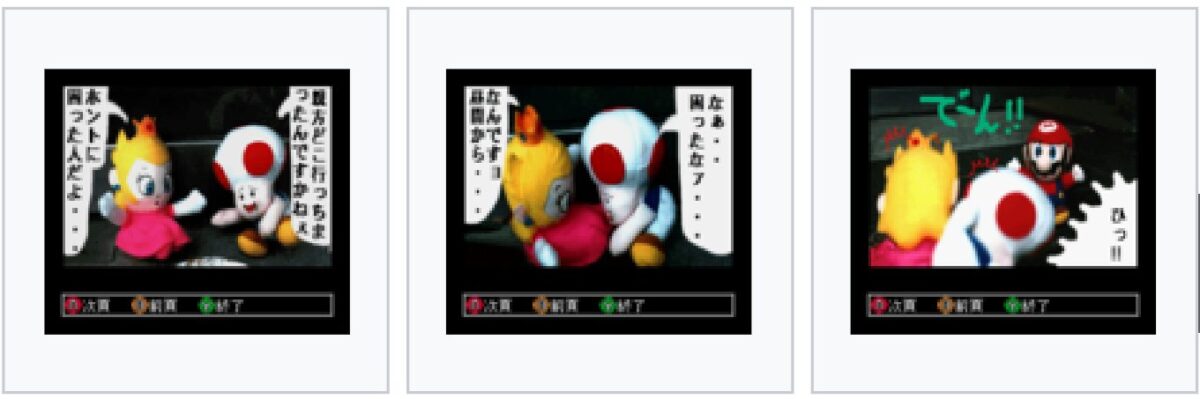
But then, what exactly was Shitamachi Ninjo Gekijo about? Well, it was about different comics and stories, each more terrible and out of place than the last. The first one, to start off, featured Mario and Toad receiving a photo from a fan. Toad, of course, is fascinated by her breasts, and Mario panics upon learning that she has never had boyfriends before. Toad then insists that he would like to “have more breasts” in his life. In the end, the letter mentions that the woman likes “xxx” (yes, you know what it is) and both Mario and Toad don’t know how to respond. Oh, yes: to top it all off, fans are invited to send photos for Mario and Toad to critique. Japan in the 90s? That was a thing.
The piti after killing goombas
But this was just the prelude. In the second story, Mario orders Toad to kill someone with a butter knife, and when he fails, he punishes him. The victim was none other than Bowser, who goes to the police to try to find out who the killer was. In the next comic, unrelated to the previous one, Mario and Toad try to escape from the prison where they have just been sentenced to 20 years. To get out, Mario pulls a drill from his scrotum (I wish I were making this up) and, digging, they manage to escape… in Brazil. Toad doesn’t know what to do because he knows nothing about the country, but Mario simply relaxes.
Everything is very sordid, but nothing foreshadows what is to come: in the following story, Mario and Toad fight to see who should drive Windows 95 (because, I mean, they think it’s a car) and then Bill Gates enters. Yes, that Bill Gates. They both ask him for money, but instead, the richest man in the world tells them that Windows 95 is not a car, but something you put on your head, and they both call him “idiot.” Japanese humor: if you don’t get it, that’s normal.
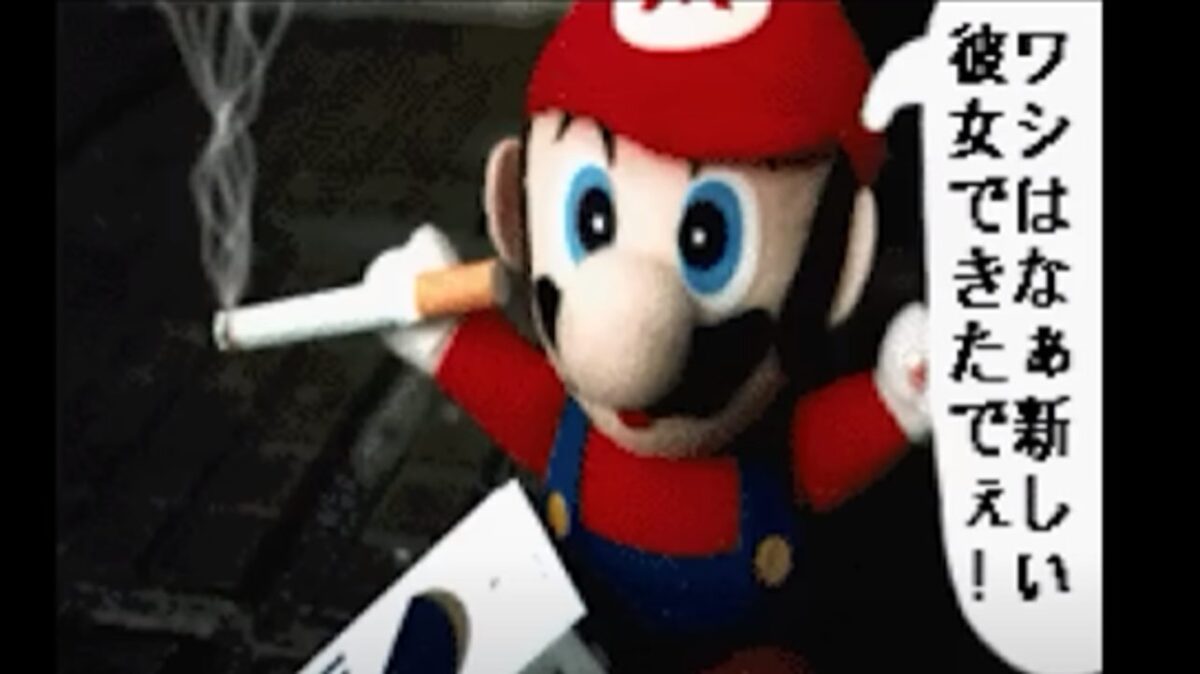
Up to this point, you might think it’s not that big of a deal, but the worst is yet to come in the last two magazines that were released. In the first one, Peach and Toad start criticizing Mario, who is not present, and they end up having oral sex (yes, really), but the plumber catches them and, out of anger, kills them in different ways (squeezing Toad and jumping on Peach). After killing them, he lights a cigarette and claims he has a new girlfriend… who turns out to be Bowser! I remind you that all of this appeared officially; someone at Nintendo said “Mario smoking, killing Peach, and getting involved with Bowser, all good”.
In the latest episode, Mario reveals to Toad that he is an alien from the “Celestial Star Shinjuku Naked Crotch” and must return to his planet. His friends then confront him with all sorts of things, and he decides to stay to fix it. At the very end, a man grabs the controller of a console, starts controlling Mario… And immediately ends up in Hell, where he has sex with a lobster. Don’t expect that Switch 2, no matter how many new features it includes, will have anything like this, for sure.
Satellaview completely died on June 30, 2000, with the Internet offering all kinds of content similar to its own. That said, Nintendo started to take much better care of what it offered to its fans and, in fact, we didn’t have another film adaptation until Super Mario Bros: The Movie two years ago. And no one in the company wonders anymore if Mario should kill Peach and Toad after catching them in the act of cunnilingus. Although, who knows? There’s always room in the next Smash for Mario the Stoner…
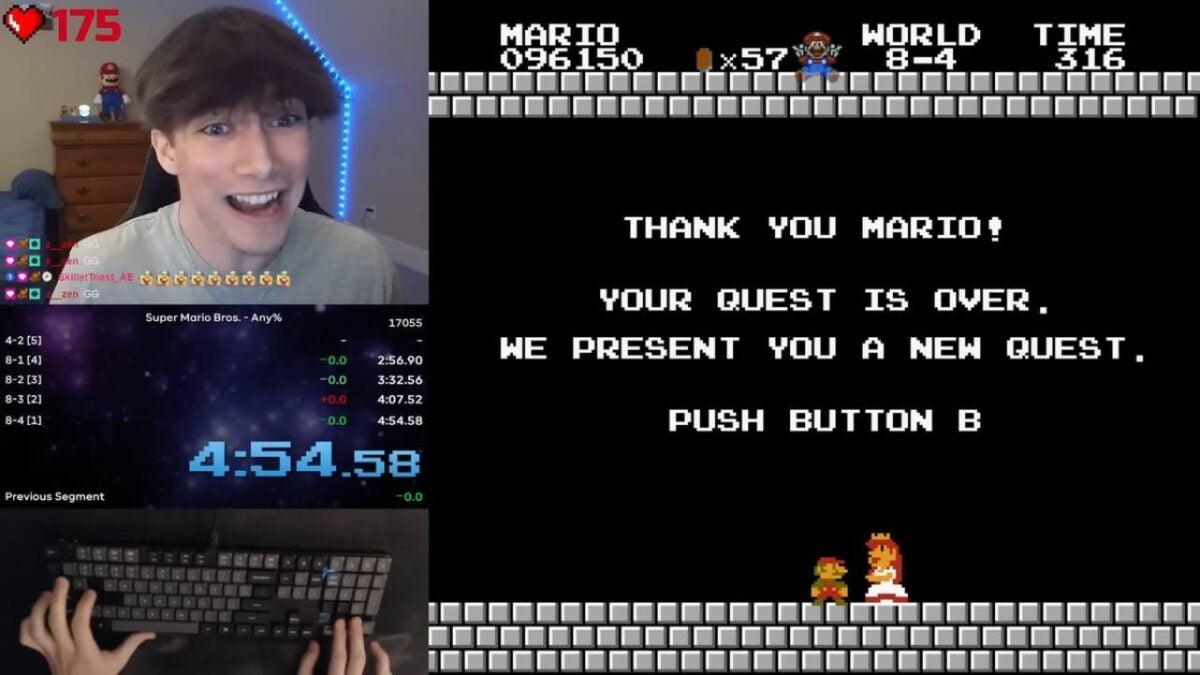
In the end, his princess was indeed in that castle. And it’s because Niftski, the renowned Super Mario Bros speedrunner, has set a new world record by completing the “any%” category in a time of 4:54.565 using a PC emulator. And believe us when we say that it’s no small feat. This phenomenon, who has dominated multiple speedrunning categories, has demonstrated his mastery in an iconic game that, in case you’ve been living in a cave for several years, has become a timeless classic of 2D platformers. Mamma Mia! Niftski’s impressive achievement stands out not […]
In the end, his princess was indeed in that castle. And Niftski, the prominent Super Mario Bros speedrunner, has set a new world record by completing the “any%” category in a time of 4:54.565 using a PC emulator. And believe us when we say that it’s no small feat. This phenomenon, who has dominated multiple speedrunning categories, has demonstrated his mastery in an iconic game that, in case you’ve been living under a rock for several years, has become a timeless classic of 2D platformers.
Mamma Mia!
Niftski’s impressive achievement stands out not only for the time achieved but also for the complexity of the run, especially in level 8-4, known for its fast enemies and the need for precise execution filled with strategies. Throughout his attempt, the streamer interacted with his audience while performing perfect jumps and nearly impossible maneuvers, culminating in an explosion of joy once he reached the finish line.
Despite the intense pressure involved in speedrunning, Niftski managed to control his nerves, reaching a heart rate of 188 BPM at the end of the run. Because yes, he was also measuring it, of course. He clarified, however, that he is in good health and that these reactions are typical of the game’s frenetic pace. The speedrunner said he was excited and later shared that his goal is to further improve his record and aim for a time of 4:54.4xx in the near future.
Niftski also defended his choice to use an emulator and keyboard, explaining that this is a legitimate option in the world of speedrunning. According to him, the emulator accurately reproduces the original game and the use of the keyboard is a personal preference. With these achievements and an unwavering focus, Niftski continues to make his mark in the Super Mario Bros. speedrunning community, accumulating records in categories such as Glitchless and Warpless All-Stars, in addition to being the world record holder in The Lost Levels.
What Brian A. Rice came up with was much more disappointing: a game of painting Mario and company in different professions using the mouse. Look no further: this is what there is.
Nowadays, Nintendo does not allow you to do anything with any of their characters if you haven’t licensed them before. And I’m not talking about cameos in TV shows or video games, but even in non-profit children’s plays or YouTube parodies. However, there was a time when they were selling them off, aware that the money they were making compensated for the bad time they would have if the game wasn’t good enough. And this is where the moment when Mario switched to MS-DOS comes in. And, indeed, it wasn’t good.
In the 80s, it was normal for console games to be ported to other platforms sooner or later: ‘Donkey Kong’ and ‘Mario Bros’ were released on Atari, Commodore or Amstrad without any problem: many times they were minor versions of the original arcade, but as long as the money kept coming in, everything was fine.
There were games (versions of ‘Mario Bros’) that didn’t even make it to Nintendo consoles, like ‘Punch Ball Mario Bros’ or ‘Mario Bros Special’. Even the classic ‘Super Mario Bros’ ended up coming out on computers of the time in a “special edition”. And then, in the early 90s, with the Super Nintendo about to be released and Game Boy breaking all expectations, Mario made his first appearance on PC.
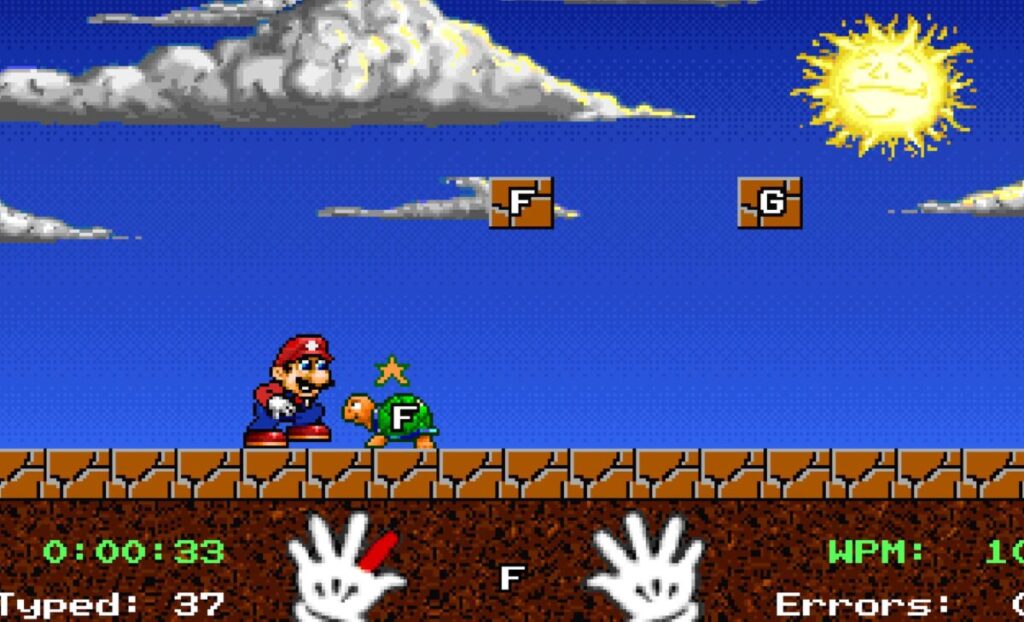
We all know -more or less- the misadventures of Nintendo’s mascot in MS-DOS: games like ‘Mario Teaches Typing’, ‘Mario is missing!’, ‘Mario’s Time Machine’ or the preschool games ‘Mario’s early years!’. All of them had an educational purpose: teaching history, numbers or typing. In 1996, ‘Mario FUNdamentals’, a strange compilation of board games like checkers, dominoes, backgammon or Yahtzee, put an end to the disastrous money-grabbing adventure.
Mario doesn’t paint anything
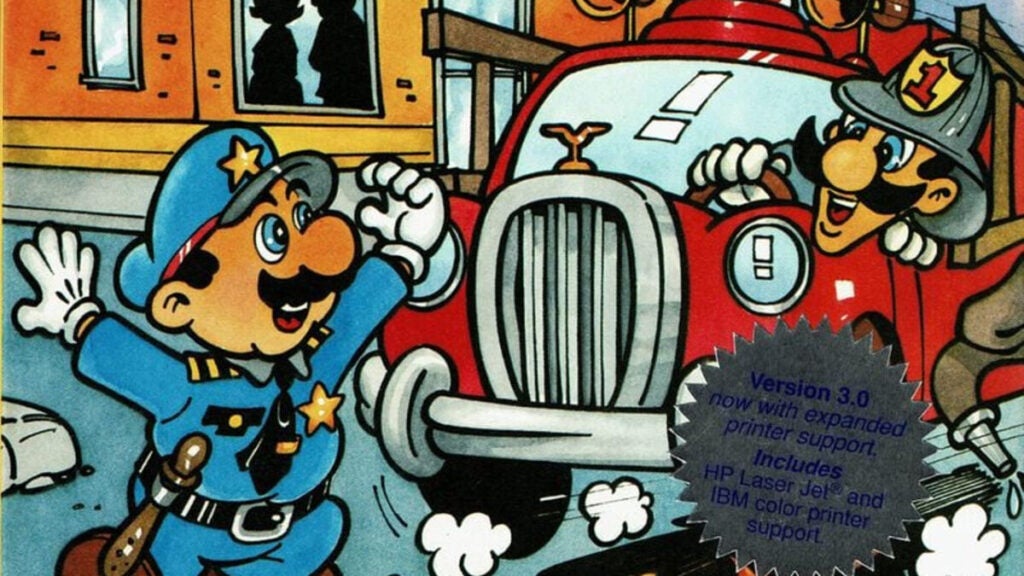
But do you know which was the first of these games for MS-DOS? Probably neither Nintendo nor Merit Software, who distributed the game (and ended up closing in 1996 with the highlight being the ‘Micro Machines’ for Game Boy), remember it. It was ‘Super Mario Bros & Friends: When I Grow Up’, on the cover of which we saw Mario, dressed as a traffic guard, stopping a fire truck driven by Luigi while in the background we could read “Doctor’s Office” and a dog ran away to avoid being run over. But what is this?
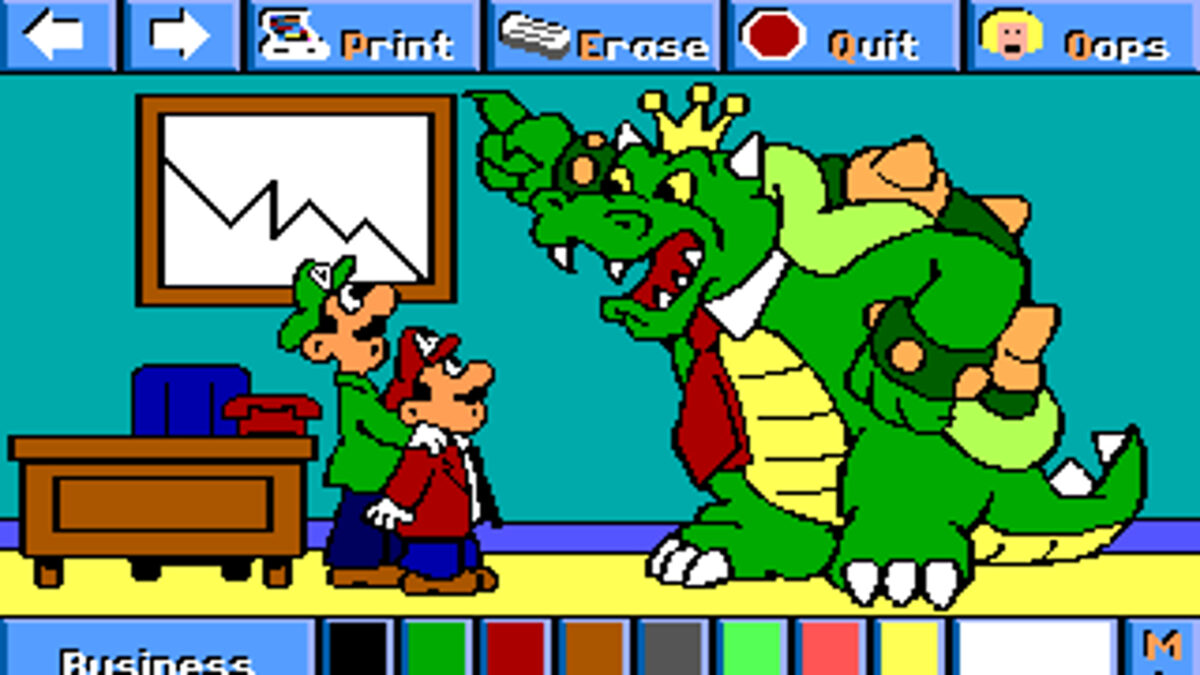
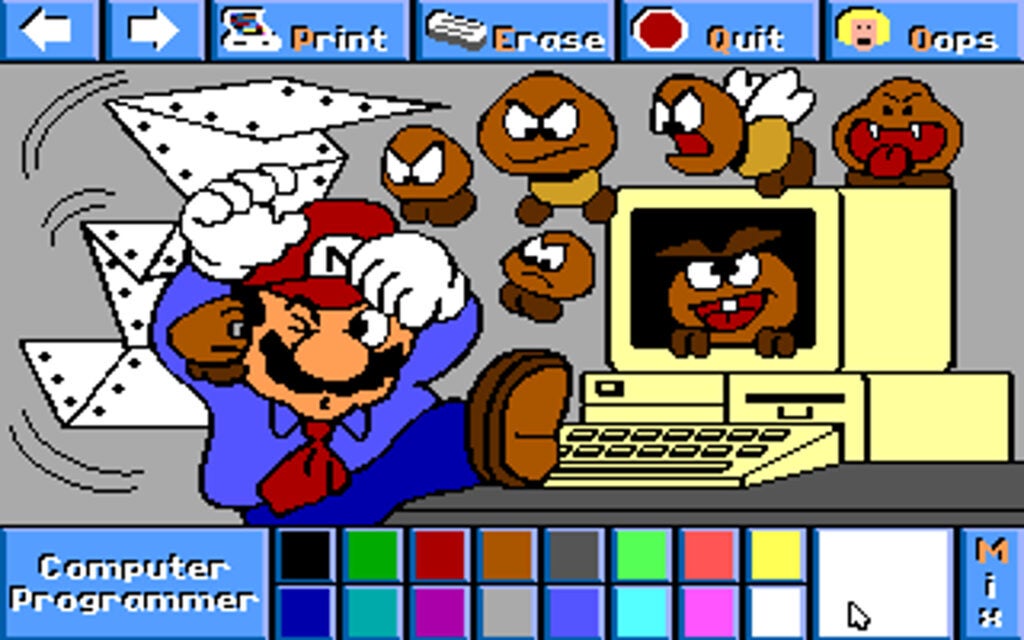
If they tell you “Think of a cheap game about Mario” it’s most likely that you think of a somewhat crappy platformer, or maybe even a RPG made without much effort. However, what Brian A. Rice came up with was much more disappointing: a game to paint Mario and company in different professions using the mouse. Look no further: this is what you get.
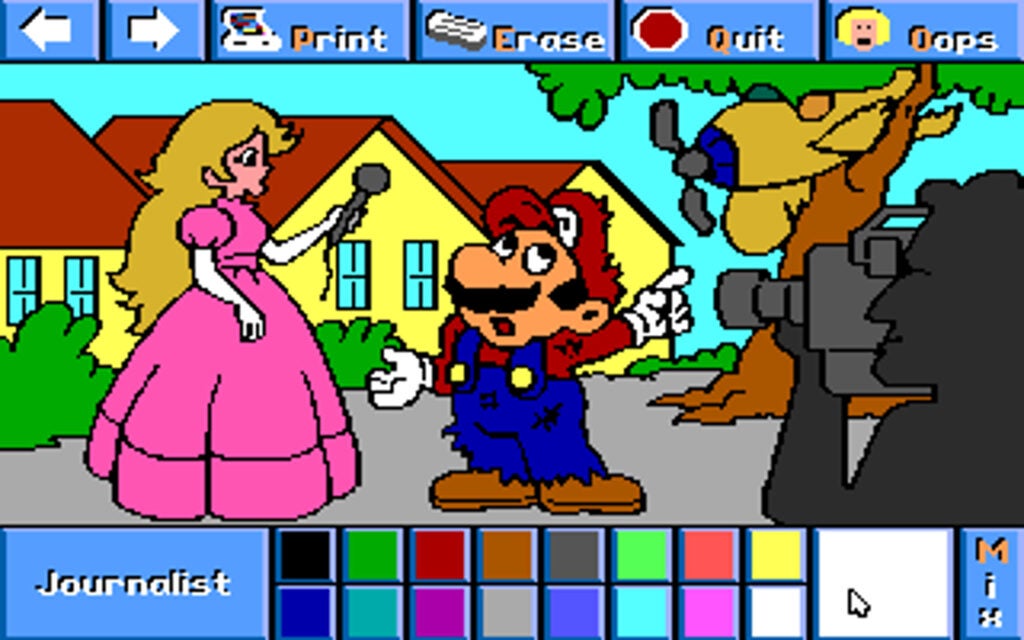
In total, ‘When I Grow Up’ showed a total of 31 images that displayed different professions, from veterinarian to journalists, passing through astronaut, farmer or professional athlete. All of them had their explanation and connection with the Mario world through a small text (for example, “Mario, the programmer, is having a hard time fighting against Goombas and other annoying bugs. He knew that programmers talked about having “bugs” in their programs from time to time, but this is ridiculous!”). At least they cared about connecting it, hey, something is something.
Mario, at the INEM
It was a professional illustrator who made these 31 images, Rick Incrocci, who according to his website is still active, and the animations that appeared when completing each drawing were made by Glenn Leszczak, who would continue to do game art like ‘World Class Fussball’ for a few more years before disappearing. That’s right: a non-game game created by only two people supervised by their boss, Brian A. Rice. It turned out as it did.
In some illustrations they even allowed themselves the luxury of taking out Link (as a “travel guide” or waiting for “Chef Mario’s” food) or imagining situations where Bowser was judged by Peach. Even in one of the illustrations, the househusband one, it is pointed out that Mario has children. Nowadays Nintendo would have said “Hold your horses”, but it was 1992 and anything goes.
‘Super Mario Bros & Friends: When I Grow Up’ was released in 1991 and an improved version appeared on March 24, 1992 in the United States, where it never left. As a curiosity, it allowed the use of up to 256 colors (most of them repeated, it must be said) and did not allow drawing new lines to the pre-existing drawings. In July 1992, ‘Mario Paint’ appeared, forever making this pseudo-game disappear. One that has been lost in the ether of oblivion even for the biggest fans of Nintendo. Mamma mia!
The original ‘Super Mario Bros’ for NES ended up on Atari, Spectrum, Amstrad, and Commodore 64 in frankly worse but unique versions, considering what we’ve seen.
It is Nintendo’s mascot, and it is impossible to imagine it outside of Switch, Nintendo DS or GameCube, but for a while, the Japanese company decided that its character could also be exported to other platforms. Just look at the ‘Super Mario Bros’ from NES that ended up on Atari, Spectrum, Armstrad and Commodore 64 in versions that were frankly worse but unique, as seen. But the big N not only licensed games: in addition, Mario himself starred in exclusive adventures for PC and CD-i. And the results were disastrous.
It was 1993, and educational games were a business in themselves, even though it’s hard to believe now. That’s why Nintendo America decided that their characters could appear in a few games, just to see what happened. Thus, The Software Toolworks first released ‘Mario is missing!’, a kind of ‘Where in the World is Carmen Sandiego?’ in which Miyamoto had no say. In Nintendo Japan, it didn’t sit well because they believed it could be confused with a “real” game of the character.
The idea was that this ‘Mario is missing!’, starring Luigi, would not pose any kind of challenge and was intended, as is, for young children. It was a relative success, and it started a new series of games that, after going through the PC, Nintendo brought to its own consoles: ‘Mario’s time machine’ taught about different periods of history, ‘Mario’s Early Years’ were three games for preschoolers, ‘Mario Teaches Typing’ was designed to learn typing (and was a resounding success)…
‘Mario’s Game Gallery’ was already far from what Nintendo wanted to do with the character, and it was a compilation of classic board games (checkers, dominoes, etc.) with the excuse of having beloved characters there. Nobody liked it too much, and the Japanese company began to distance itself from this type of concessions. It was 1995 and Mario stopped appearing in formats other than Nintendo’s own.
Helped, of course, the reception of the live-action movie ‘Super Mario Bros’: no matter how much money they could make, if the character wasn’t treated correctly, what was the point? Bread for today and hunger for tomorrow. Another game would still come, this time for the failed Phillips CD-i console (which you may know from the Zelda games that became a meme): the infamous ‘Hotel Mario’.
Although apparently Miyamoto and company ended up approving this game, shortly after, and due to the console’s poor success, two others were canceled: ‘Super Mario’s Wacky Worlds’, which was going to be a platformer in the style of the classic saga, and ‘Mario Takes America’, which, luckily, we never got to see. So you know: the next time you control the Italian plumber, think that, as bad as the game may be… it could always have been worse. Mamma mia!
If you wanted to know what a Nintendo or Sega game was like, you’d better buy Hobby Consolas, and perhaps, with luck, it would come with a promotional VHS.
If you want to know how a game is nowadays, it’s as easy as going on the Internet, searching for a thousand and one reviews, opinions on forums, YouTube videos, and even live streams on Twitch. It’s impossible not to know if a title is made for you. However, thirty years ago it wasn’t that easy and if you wanted to know what a Nintendo or Sega game was like, you better buy the Hobby Consolas magazine and, maybe, with luck, a promotional VHS would come with it. And that’s what happened in Christmas of 1992.
Normally, promotional videos for upcoming video games were more or less produced, but they were just that: a simple catalog of what was to come. But in 1992, things changed thanks to ‘Happy News!,’ a VHS that came with issue number 15 of Hobby Consolas. To give you an idea, at that time the cover was dominated by ‘World of Illusion’ and ‘Super Mario Land 2,’ and its flagship announcement was the Super Nintendo for 16,990 pesetas (a little over a hundred euros).
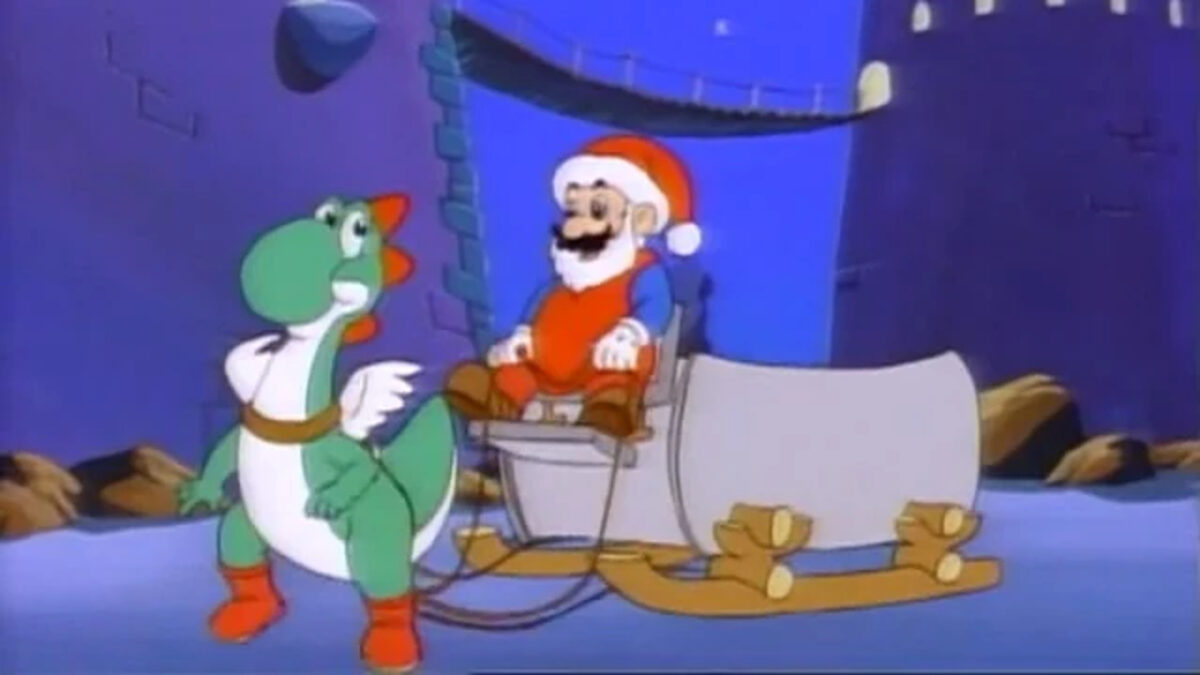
The video, sponsored by ERBE, which at that time had the rights to Nintendo in Spain, showed a kind of lost episode of the series ‘Super Mario World’. So much so, that it was clearly made up of different cut and dubbed episodes with the voice of Jordi Estadella playing an Italian Mario who said things in a clearly broken and “made-up” language.
The games that were shown were from both the Game Boy and Super Nintendo catalogs, and among them were ‘Tiny Toons’, ‘Castlevania II’, ‘Megaman II’, ‘Street Fighter II’ or ‘Super Mario Kart’ (with a “Super rearview mirror to see what’s coming at you!”). Finally, Mario and Yoshi managed to defeat the Koopas and recover the games, not before warning that the Club Nintendo, a hotline where you could call and get tips to beat difficult levels, was still active.
Time passed, Hobby Consolas closed, VHS tapes were replaced by DVDsand Blu-Ray, but in these Christmas times, at the end of the year, it is always nice to take refuge in 18 minutes of absurd nostalgia that at that time seemed amazing. Mamma mia!
It means exactly what you’re thinking: every time you go around jumping and destroying blocks, you’re ending the lives of inhabitants of the Kingdom.
No one read the video game manuals. Let’s face it. It was something nice to browse through, but if the story wasn’t told within the game, it didn’t exist for most people. And yet, the manuals were where the real deal was. For example, in the Sonic manual, it was stated that he wore “powerful sneakers that give him super speed” (implying that it’s not his own doing to run so fast) and in ‘Sonic Heroes’ it was revealed that Doctor Robotnik is actually a feminist. But nothing compares to what the manual of perhaps the most iconic game in history, ‘Super Mario Bros’, reveals to us.
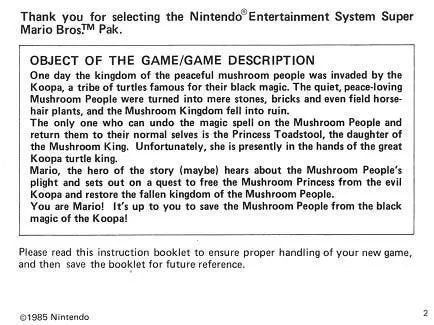
In the game manual of NES, as it arrived in Spain translated from the United States, it indicated something that changes the way we see the game: according to the story, Bowser, the Koopas, a tribe of turtles famous for their black magic, turned the inhabitants of the Mushroom Kingdom into stones and blocks. That means exactly what you’re thinking: every time you go around jumping and destroying blocks, you’re ending the lives of the Kingdom’s inhabitants.
Or not? Watch out, because this story has an unexpected twist that you may have never heard of. And it’s on page 8 of the same manual, where it states that “if you come across mushrooms that have been turned into blocks or made invisible, they will give you a power”. So, you’re not actually killing them, but freeing them. Calm down.
The translation is very similar to the original Japanese, it’s not that the Americans made up the story. However, when bringing it to the United States, they made it very clear that you, as Mario, are killing the Goombas and the enemies in front of you. No knocking them out or jumping on top of them: you are a cold-blooded killer. That’s apparently how it is.
We all know that manuals have long ceased to exist inside video game boxes, but we still hope that they will become fashionable again in the future. Who knows, maybe we will even find out what the hell was going through the minds of those who invented this crazy story that was later adapted into animation because… Well, let’s be honest, Super Mario Bros is not exactly a narrative masterpiece, right?
Super Mario Bros. Wonder has had very good sales in its first days, as Nintendo has announced in the last few hours
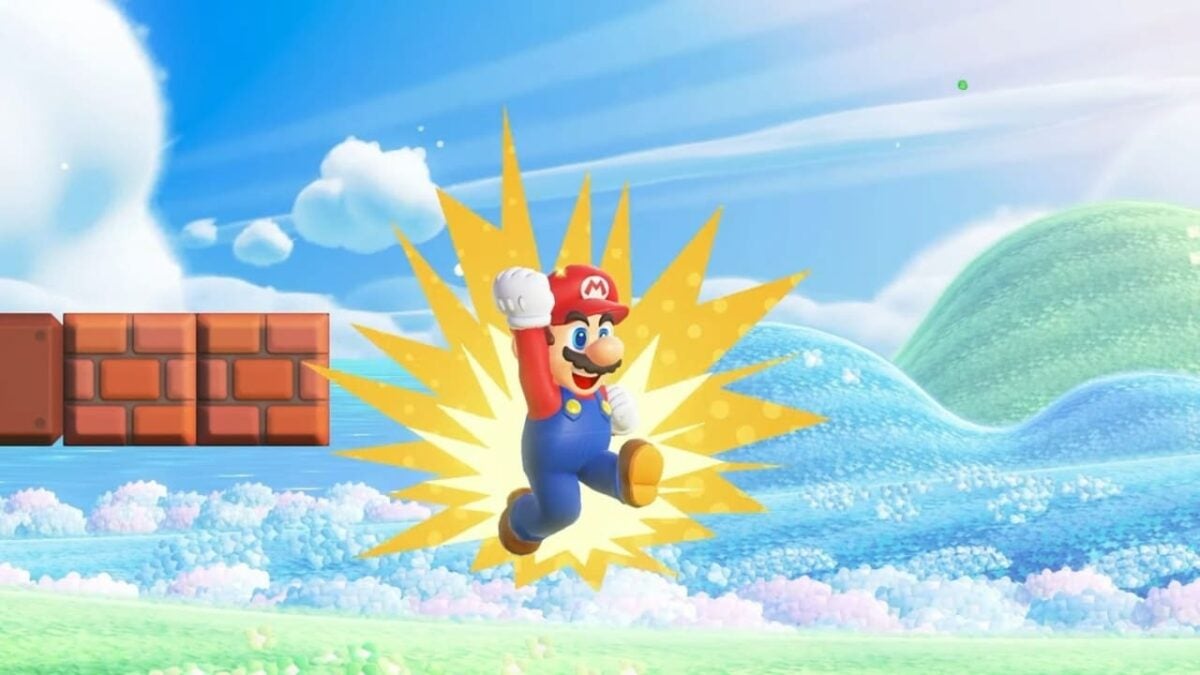
Super Mario Bros. Wonder has made a lot of noise in recent months. Since its first trailer, it captivated audiences, and people on social media praised its interesting premise. Upon its release, the reviews have been fabulous, and there seem to be nothing but praises for the game. But how has the reception been from the public? Well, according to Nintendo, not only is Super Mario Bros. Wonder selling well, but it’s doing so very, very quickly.
In fact, Nintendo has announced that Super Mario Bros. Wonder is the fastest-selling Super Mario game in Europe in the history of the franchise. Although we don’t have specific figures and don’t know how it has performed in other regions, this is a significant achievement for Nintendo and indicates that it has worked perfectly.
To learn more about the specific sales figures, we’ll have to wait either for a global update, which could happen sometime this month or the next, or wait for an investor update, which might not occur until 2024. In any case, Nintendo can be quite secretive about its figures on certain occasions, so it’s not expected that they will be very specific about it, at least until they have a clear image they want to share.
Wowie zowie! In its first three days on sale, Super Mario Bros. Wonder has become the fastest-selling Super Mario game ever in Europe. A huge thanks to everyone who helped make this a wonderful launch. pic.twitter.com/7BtS7yHPtk
In any case, Super Mario Bros. Wonder has a long way to go. It is estimated that across the entire Mario franchise, excluding spin-offs, more than 431 million games have been sold. The best-selling game in the franchise’s history is the original Super Mario Bros., with over 40 million copies sold. Other major successes include New Super Mario Bros., New Super Mario Bros. Wii, and Super Mario Odyssey, with both the first two selling over 30 million copies and the latter selling over 25 million.
Whether Super Mario Bros. Wonder will join the ranks of Mario’s bestsellers remains to be seen in the coming years. However, it’s clear that it has started on a strong note, and Nintendo must be more than pleased with that.