Netflix has just added Sonic to its catalog, the first movie of the blue hedgehog that arrived in theaters in 2020, just before the global pandemic. Since its release, its mix of action, humor, and nostalgia has captivated new and old generations, so while we wait for its third part, which arrives on December 20th, it’s not a bad time to revisit the first one on the streaming platform.
The movie, which combines CGI animation with live action, follows Sonic’s adventures as he tries to adapt to his new life on Earth. With the help of his new human friend, Tom Wachowski (played by James Marsden), Sonic must face off against the evil Dr. Robotnik, embodied by a charismatic and hilarious Jim Carrey in one of the most iconic roles of his career.
The Sonic universe is in better shape than ever
Despite having criticism before its release for the appearance of Sonic, which was ultimately completely changed to suit the fans, the movie ended up being a resounding success with both critics and audiences, achieving a perfect balance between fidelity to the original video games and adaptation to a broader cinematic audience.
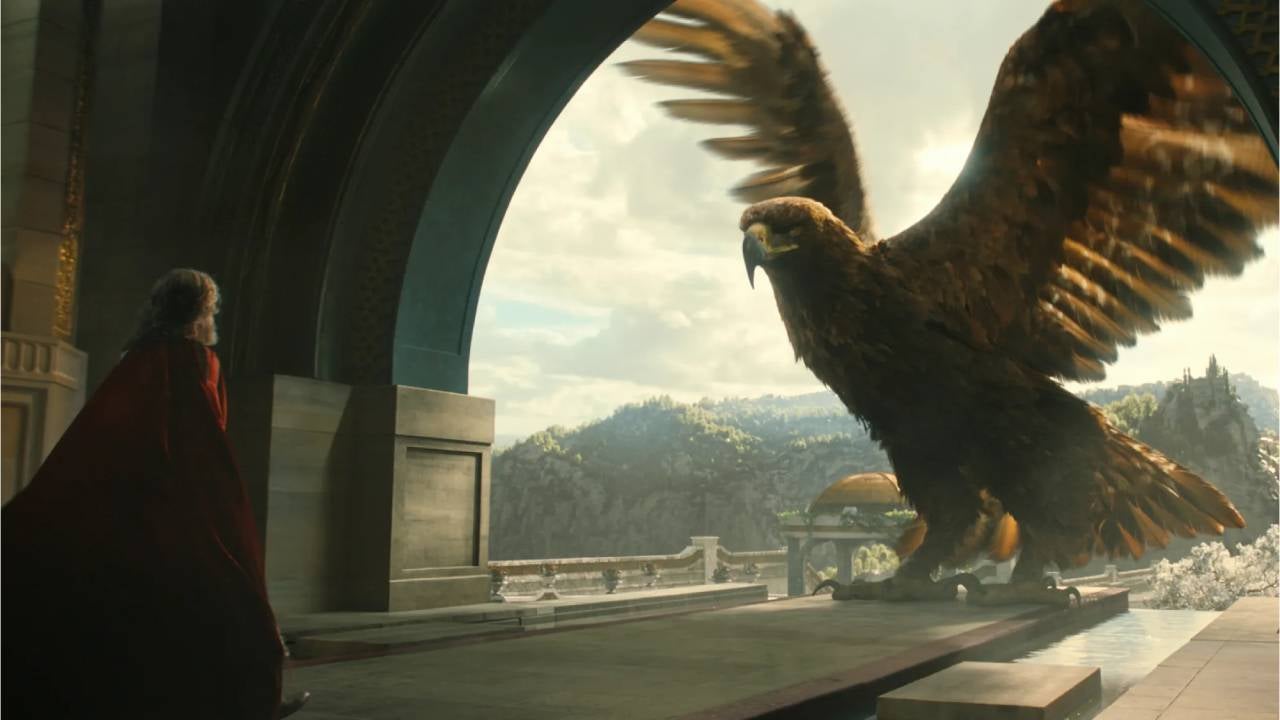
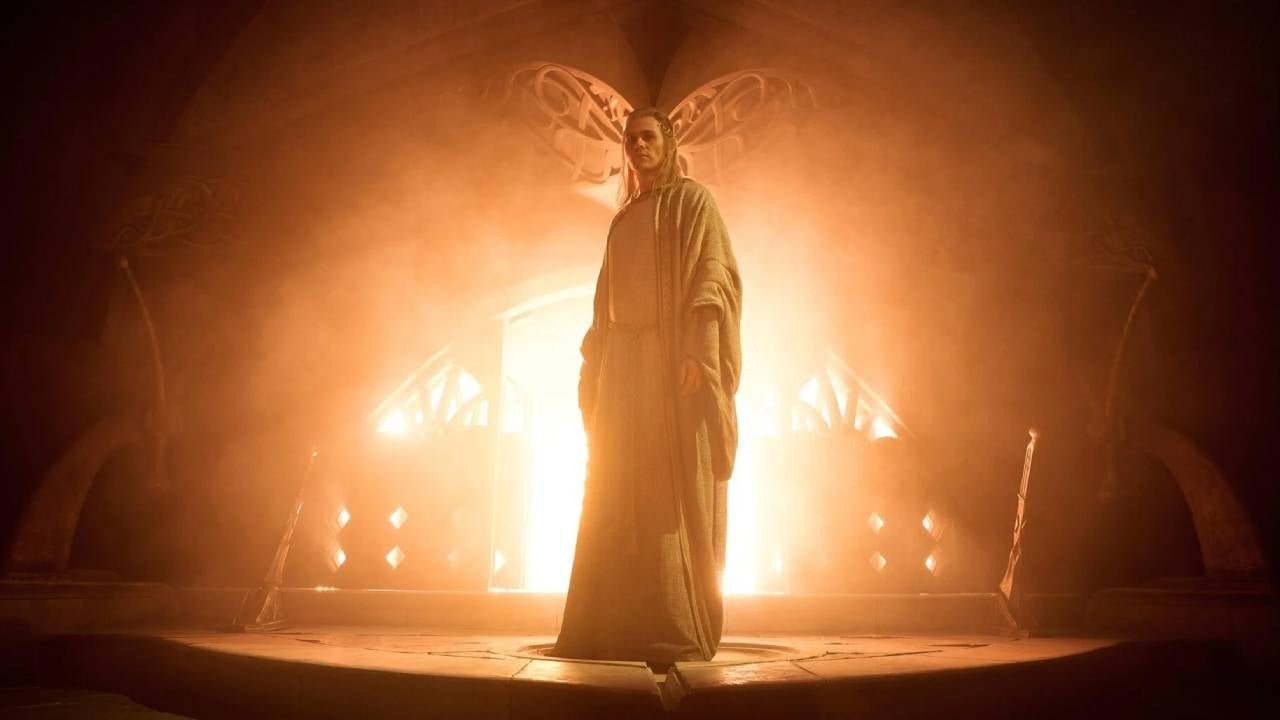
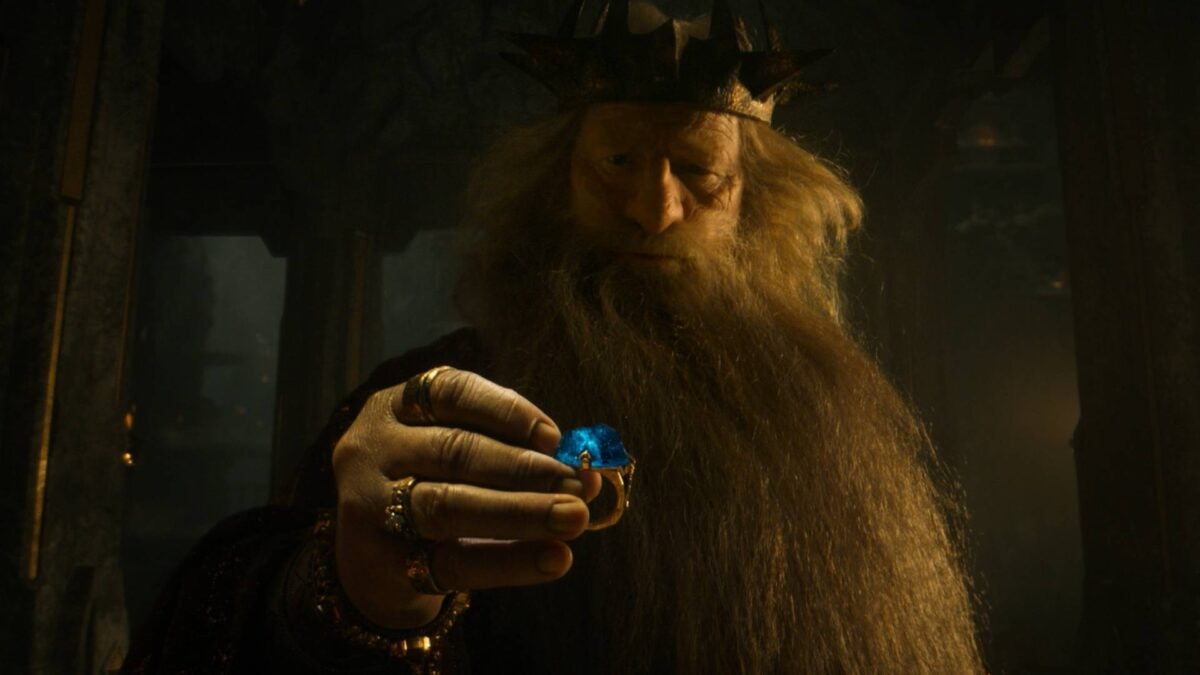
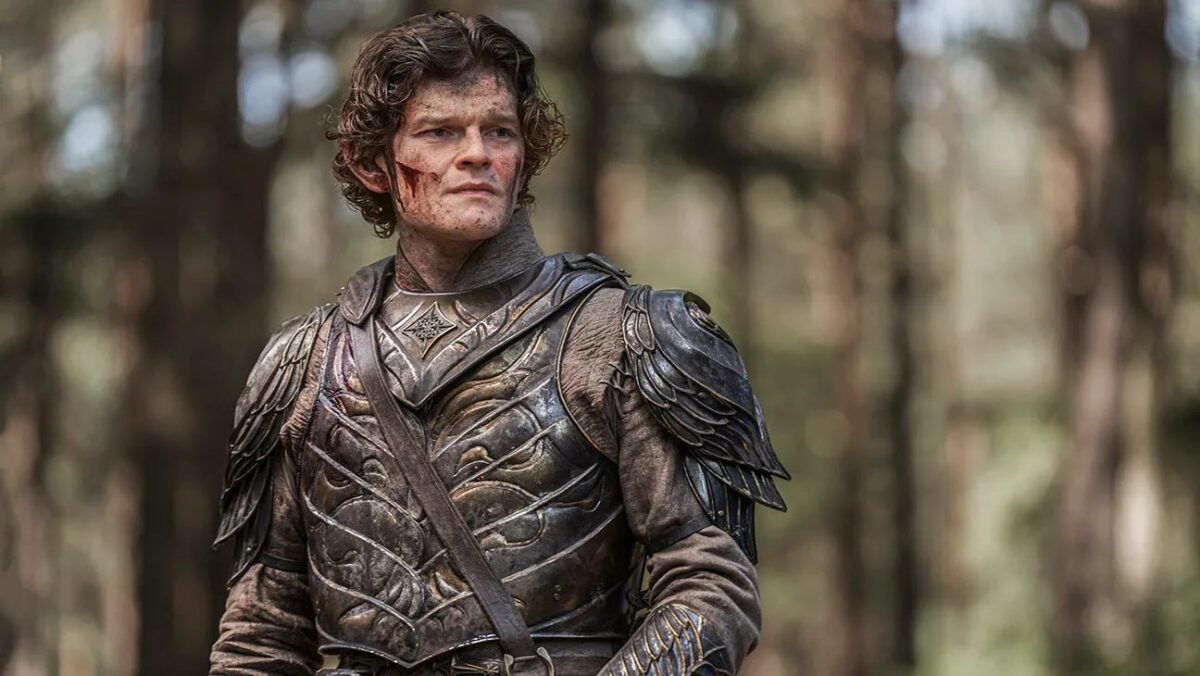
Amazon Prime Video seems to have hit the nail on the head. The most expensive series in history, The Rings of Power, premiered on the platform in 2022, but it didn’t excite many people and led classic J.R.R. Tolkien fans to throw their hands in the air for a multitude of reasons.
However, the series’ second season has just been released on the platform, and surprisingly, it has even surpassed The House of the Dragon on Rotten Tomatoes. Everyone is raving about this season, but why exactly? Below are five reasons you will like it despite being a detractor of the first batch of episodes.
1. Darkness arrives in Middle Earth
If you found the first season too slow and lifeless, the second one will conquer you with its strength. With darkness spreading across Middle Earth, this new installment has many more doses of action, orcs, and the constant threat of Sauron. Seeing how his evil expands and how the characters face this imminent danger is a compelling reason to give it another chance. In fact, his character is very well constructed, as is Annatar’s.
2. A clearer and less confusing approach
The first season played with the mystery of who Sauron was, but now that his identity has been revealed, the plot has become more straightforward and much less confusing for the general audience. With the rings of power in the forge, the story moves forward with a clear purpose, making everything fit better. If you felt lost before, it’s easier to follow the course of events this time.
3. A more solid and better-structured script
Although the first season was criticized for its pace, the second one shows that everything was planned from the beginning. The pieces fit together, and the characters’ decisions now have a clear purpose. This improves the audience’s experience, showing that the series has a well-defined direction and that everything is part of a vast Swiss clock mechanism.
4. A spectacular production that continues to dazzle
Although we still miss New Zealand in the landscapes of the series, the visual quality remains impressive. The scenarios, costumes, and artistic direction maintain the cinematic level that made the first season famous. On this occasion, it is clear that the budget is well justified.
The first season was dedicated to establishing Tolkien’s vast world, which slowed down the narrative. But now, with the characters and territories already introduced, the series focuses on action and conflict. The second season fully immerses itself in the battle for Middle Earth, ensuring more excitement from the beginning.
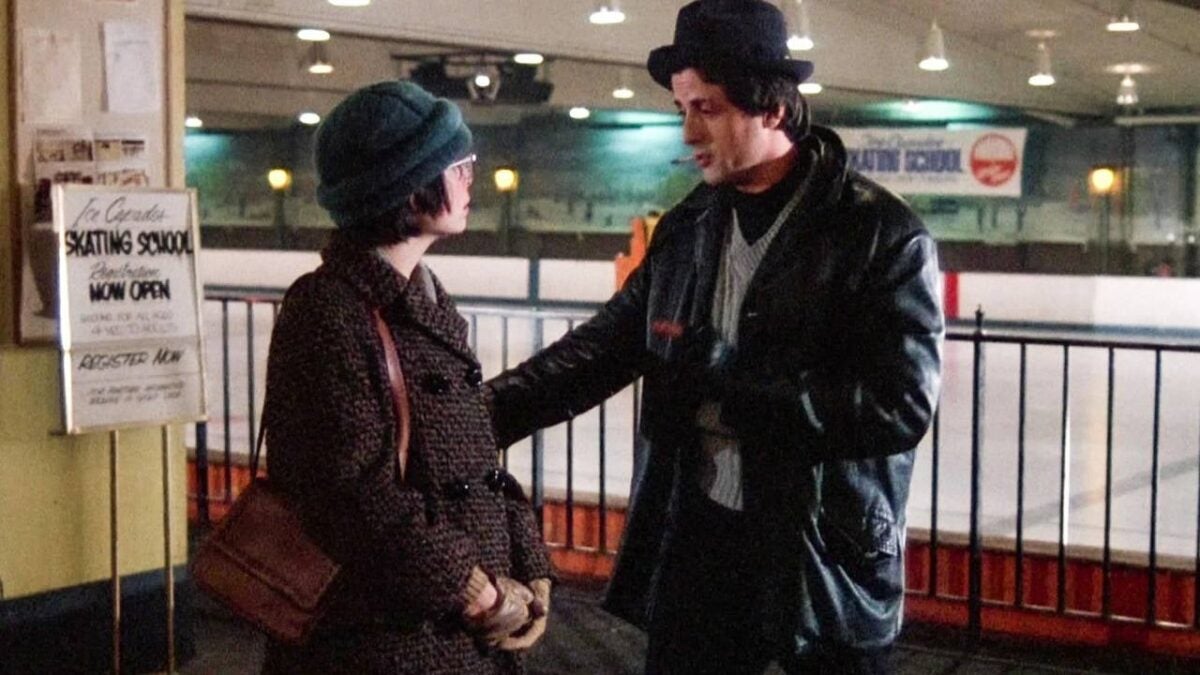
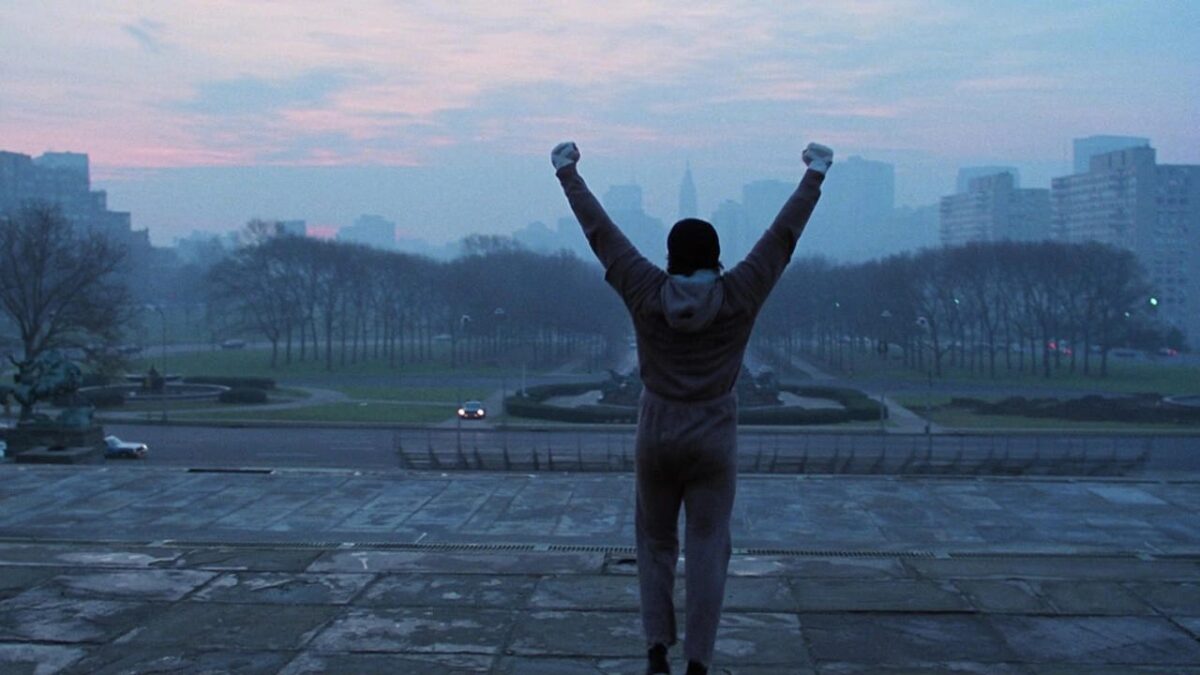
Although not everything has been a smooth path for the Creed saga, it has undoubtedly been a global success, so Sylvester Stallone already has in mind the next chapter of the Rocky universe. The actor and director has revealed that his vision for the future of the franchise involves exploring the origins of his iconic characters through a prequel.
“Seeing Adrian at 15, Rocky at 17… it’s almost like Lady and the Tramp, but with real people,” says Stallone, who has expressed his enthusiasm for the idea of telling the story of a young Rocky Balboa and his great love, Adrian. This new approach hints at being more intimate and emotional, but it will surely still be filled with boxing.
Rocky: Origins
Although there are still no concrete details about the project and it may end up being a pipe dream, the idea of returning to the Rocky universe to explore its roots promises to attract both longtime fans and a new generation who can reconnect with the original films. Furthermore, a setting in 1970s Little Italy could be wonderful.
Netflix’s Top lists fluctuate wildly, and every week, we encounter new surprises. One of the latest has been that Lucy, a 2014 film directed by Luc Besson, has made it into the ranking as one of the most viewed movies globally. It is a somewhat overlooked gem but worth rediscovering.
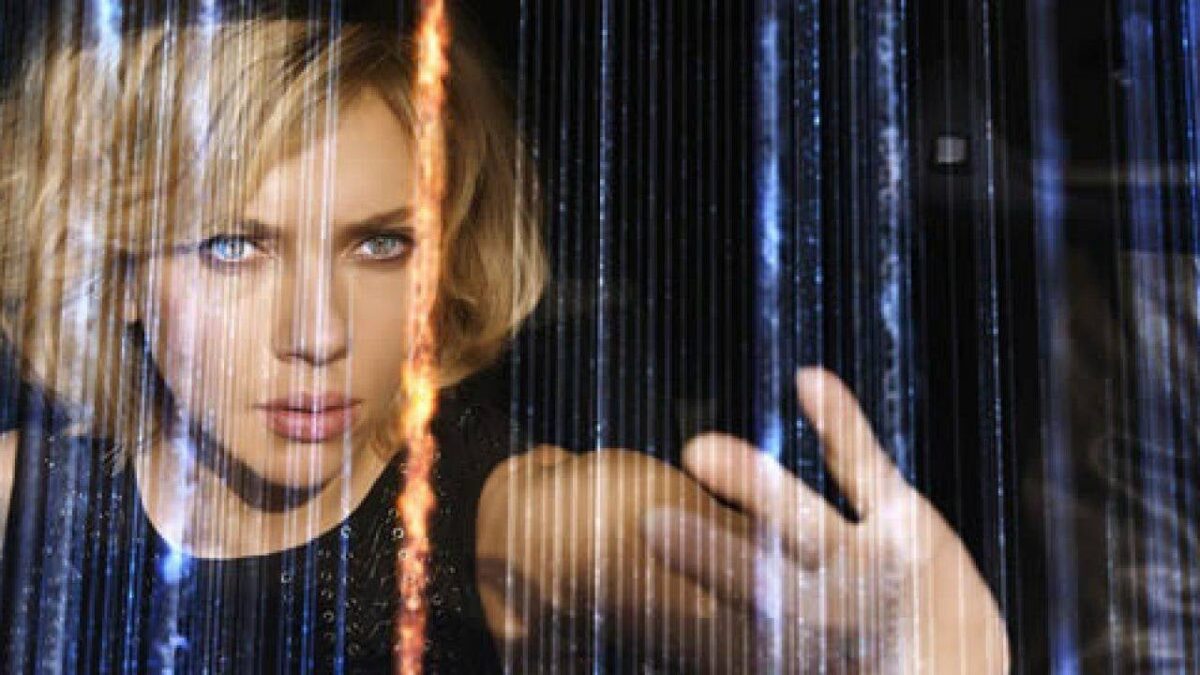
Lucy is a film that combines fast-paced action, science fiction, and a concept that was very little explored in cinema until then: What would happen if a human being could access 100% of their brain capacity? Starring Scarlett Johansson, Lucy became a hit at the box office without becoming a global blockbuster but left a mark on everyone who saw it at the time.
Scarlett Johansson going bang bang
The plot follows Lucy, a young American woman who, after being forced to act as a mule for an experimental drug, starts developing superhuman abilities as the substance is released into her body. As her brain capacity expands, Lucy acquires powers that defy the laws of physics and reality, turning her into an unstoppable force. However, with each new level of power, the question of what it means to be human becomes more pressing. Undoubtedly, it is a popcorn movie to watch Scarlett Johansson in full action.
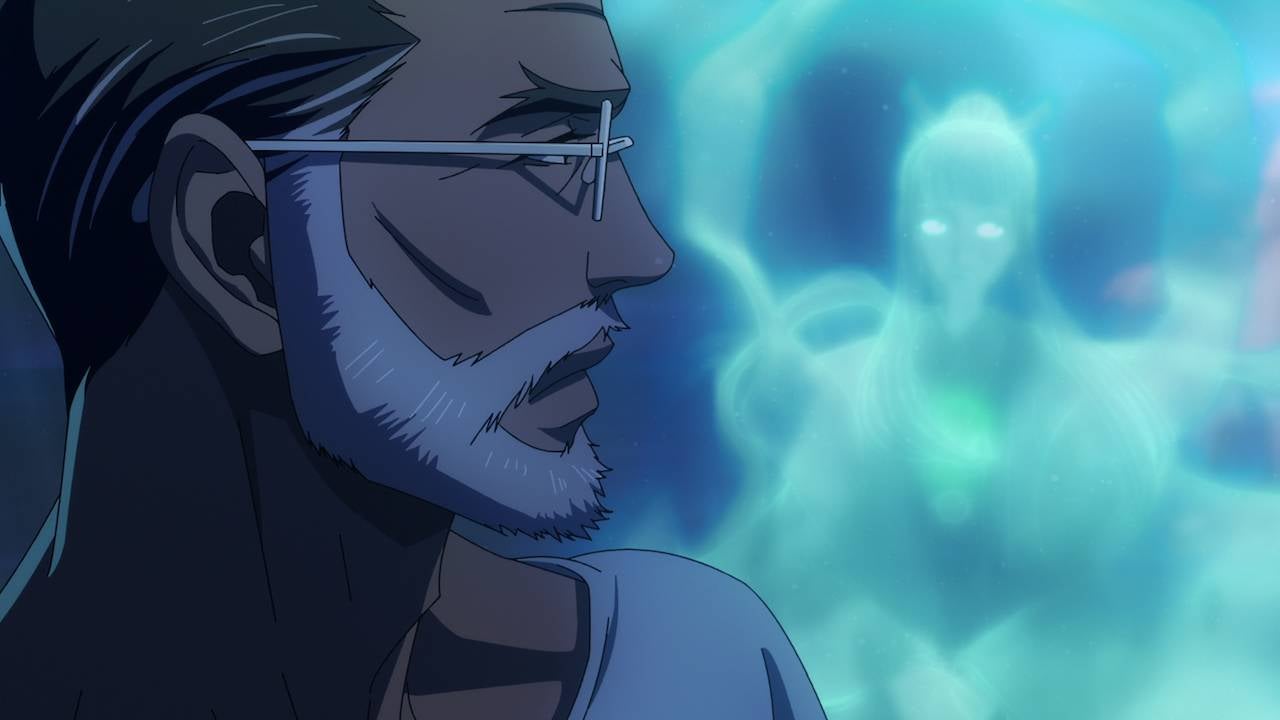
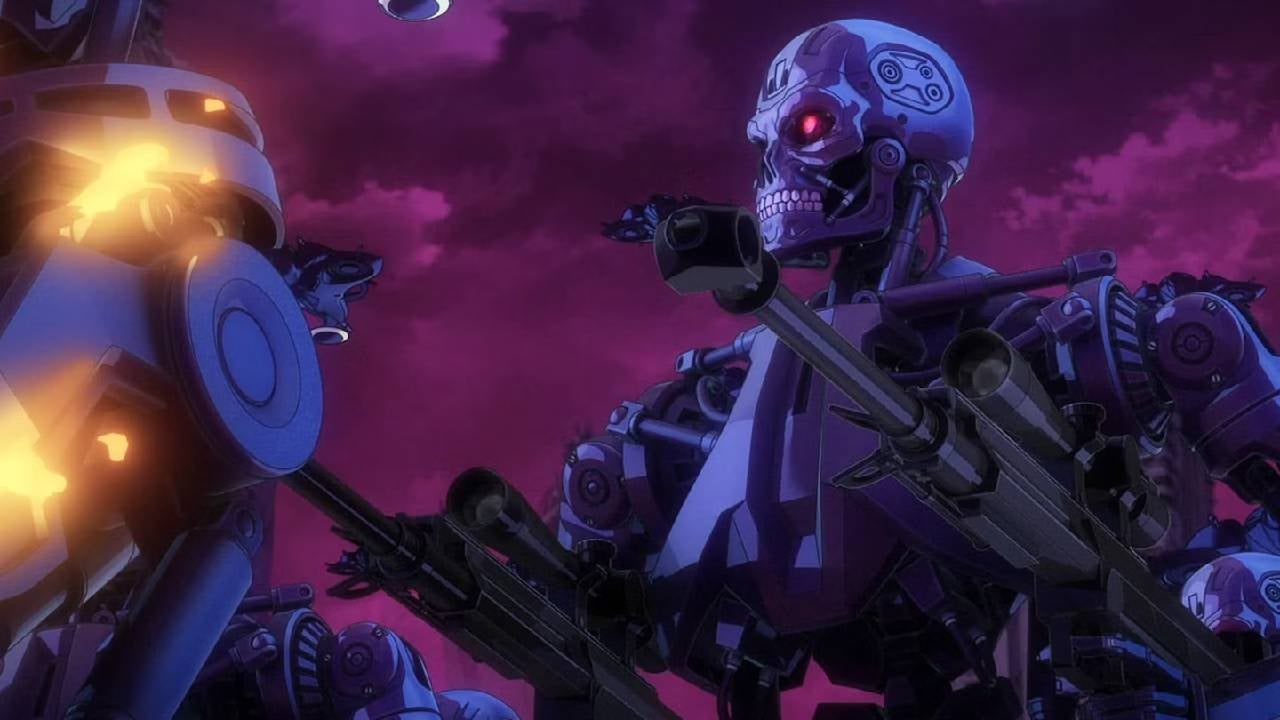
Netflix has once again surprised everyone with a new anime of sublime quality. It’s called Terminator Zero, a series that has arrived to make a grand entrance and renew one of the most iconic science fiction sagas. Since its recent release, this new installment has conquered both Terminator fans and anime lovers, positioning itself as one of the best works within the Terminator universe. In fact, with a rating of 96% on Rotten Tomatoes, Terminator Zero has been acclaimed as the second best reception of the saga since Terminator 2: Judgment Day.
Created by Mattson Tomlin (The Batman II), the series takes place in a post-apocalyptic future where humanity faces a new threat: Kokoro, an AI that is more advanced and lethal than Skynet. This installment presents a story full of action and drama, with a fresh and deep narrative that explores the origins of the war between machines and humans. The interesting thing is that, instead of focusing on the Connor family, Terminator Zero follows the story of Malcolm Lee, a key scientist in the development of Skynet. Lee, convinced that AI will wipe out humanity, decides to create his own system, Kokoro, in a desperate attempt to change the course of events. But not everything goes as expected.
Goodbye again, baby
One of the great successes of anime has been its innovative approach to time travel. The series introduces an explanation that redefines the canon of the saga, justifying the multiple timelines as alternative branches. This approach allows for the integration of elements from all previous movies, series, comics, and video games that had been excluded from the official canon, providing coherence to the narrative inconsistencies of the franchise.
The voice casting has been another of the most praised aspects, with the performances of actors like André Holland, Rosario Dawson, and Timothy Olyphant, who bring complex and nuanced characters to life. In addition to this, the animation stands out for its stunning visual style, a blend of traditional and modern techniques that manage to capture the dark and futuristic essence of Terminator.
But Terminator Zero has not only managed to recover the classic elements of the franchise, but it has also dared to innovate in this regard. Fans have celebrated a change of direction that was necessary since the last movies. In addition, the series follows a trend that is becoming increasingly common of turning big franchises into anime. For now, it seems to be a sensational idea.
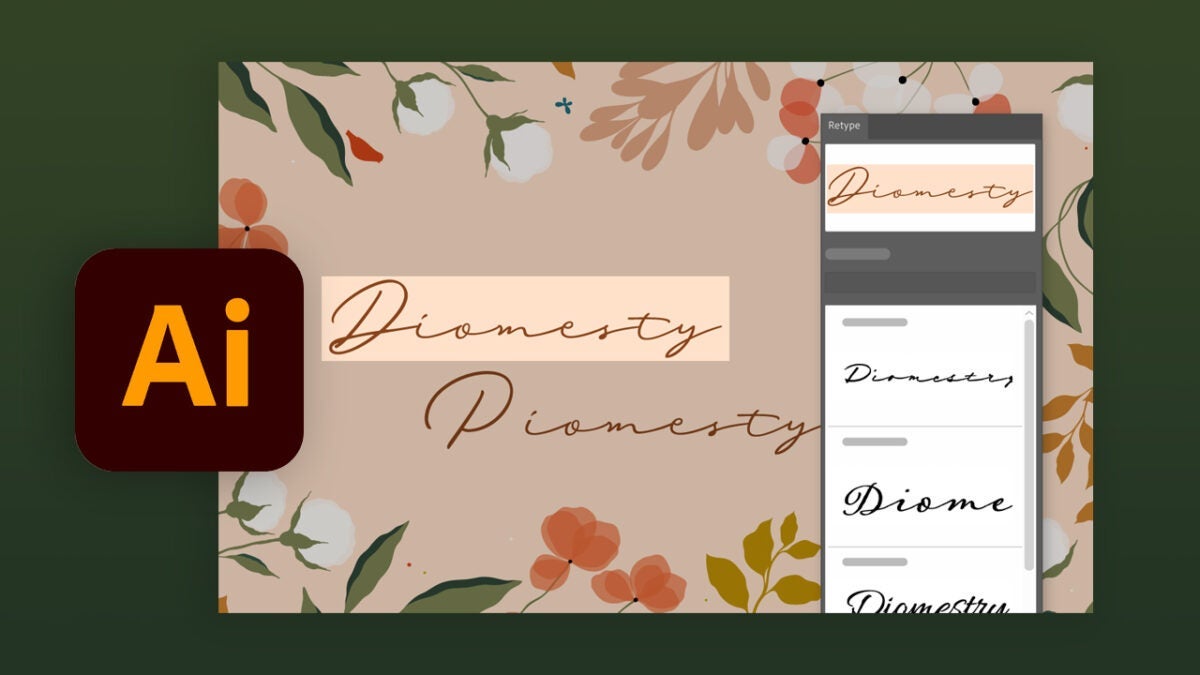
It’s likely that more than once, you’ve been captivated by a headline or sign because of its lettering style. Many of us know how frustrating it can be to search for a specific font and not be able to find it. Thanks to Adobe Illustrator and the power of artificial intelligence, you can identify it instantly. In fact, it only takes a few seconds.
Finally, no more asking Google or spending extra time searching for fonts. Thanks to Retype, the new beta feature in Illustrator, you can instantly know what font has been used in an image. Just follow these steps:
Drag the image containing the text you want to analyze into your Adobe Illustrator project. If you have the image downloaded on your PC, you can open it directly from the File > Open menu.
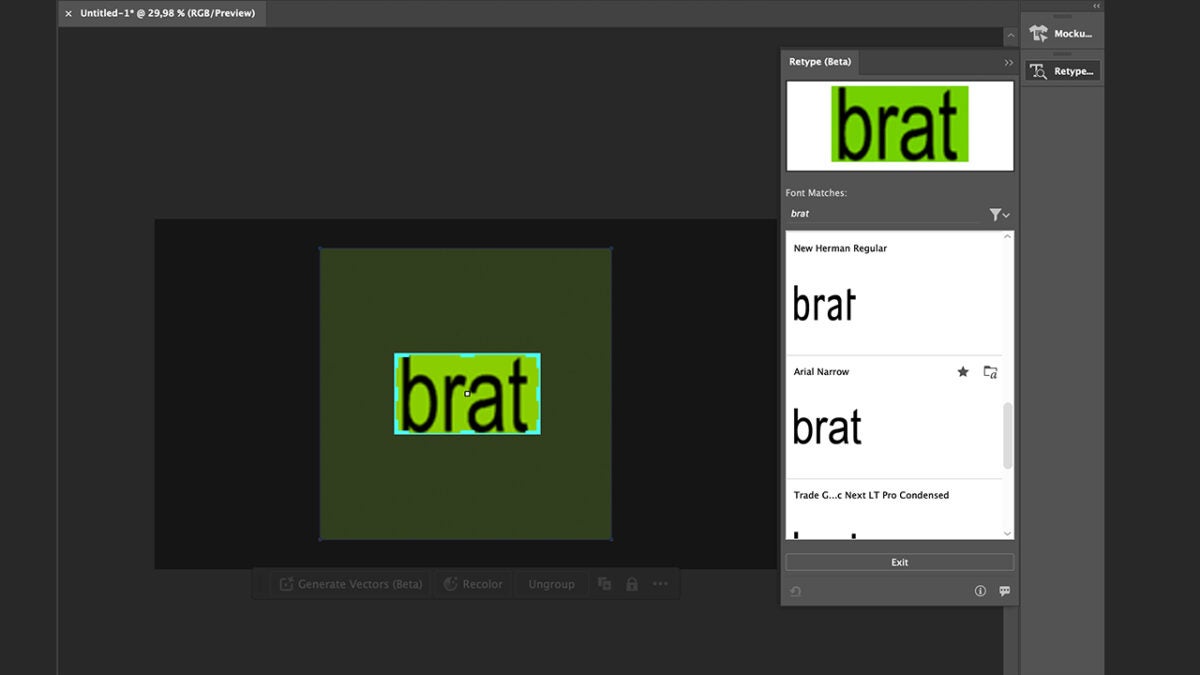
Select the image and then go to the top toolbar, and click on Type. In the submenus, go to Retype (Beta) > Match Font. Adobe Illustrator will automatically detect the text in the image.
Illustrator will analyze the text and suggest fonts that are similar to the original. The Retype panel will show up to 10 fonts arranged by their similarity.
If you want to see more fonts, select the Find more font matches option within the Retype panel.
It’s possible that, on some occasions, Illustrator might not detect the letters. If you see this happening, manually select them yourself. Keep in mind that Retype works best if the text is written horizontally.
Convert a Rasterized Text into Editable Text: Here’s How You Can Do It
In addition to analyzing and detecting fonts, Adobe Illustrator also allows you to edit the text in a rasterized image.
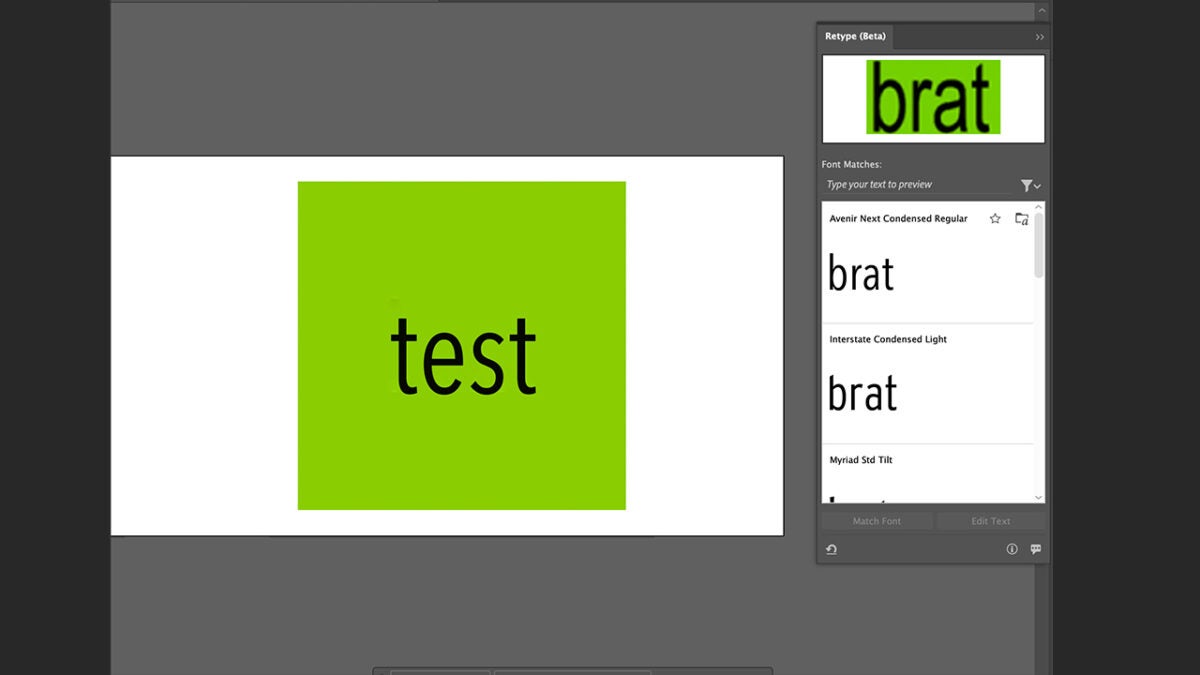
As before, open your image in Illustrator and go to Type > Retype > Edit Text. You will see dotted lines over the letters that the program recognizes. The largest headlines will be highlighted first.
Before you start, you’ll need to download and install the editing function. Make sure you have a good internet connection and click on the Download icon to begin.
Select which headlines you want to edit.
The Retype panel will appear again. Once more, you’ll see Illustrator’s suggestions for very similar fonts. If you’re not satisfied with these, you can always select Find more Font matches.
Choose one of the options proposed by the program and then double-click on the word you want to edit within the image. Exit the Retype option, and you’ll see that you can now rewrite it without any issues.
Apply all these steps to any signs that Adobe Illustrator detects. The program also allows you to see the before and after, so you can compare the results. Besides Adobe Fonts, the font types currently compatible with Adobe Illustrator are OpenType, Variable fonts, SVG, TrueType, Multiple Master, and Composite.
Thousands of Fonts at Your Fingertips, All Thanks to Adobe Fonts
Are you a professional designer or just someone fascinated by the world of typography? It doesn’t matter which one you are; Adobe Fonts could become your right-hand tool in both cases. It’s a service from Adobe that allows us to access a massive catalog of fonts for our projects.
In fact, the feature we’ve talked about so much before, Retype, is powered by Adobe Fonts. You don’t even need to activate another program: you can search for and activate the fonts you want from within Illustrator (though there’s also a web option if you prefer). Additionally, the fonts you activate will be accessible from all compatible Creative Cloud applications. In Adobe Illustrator, you can use Adobe Fonts as follows:
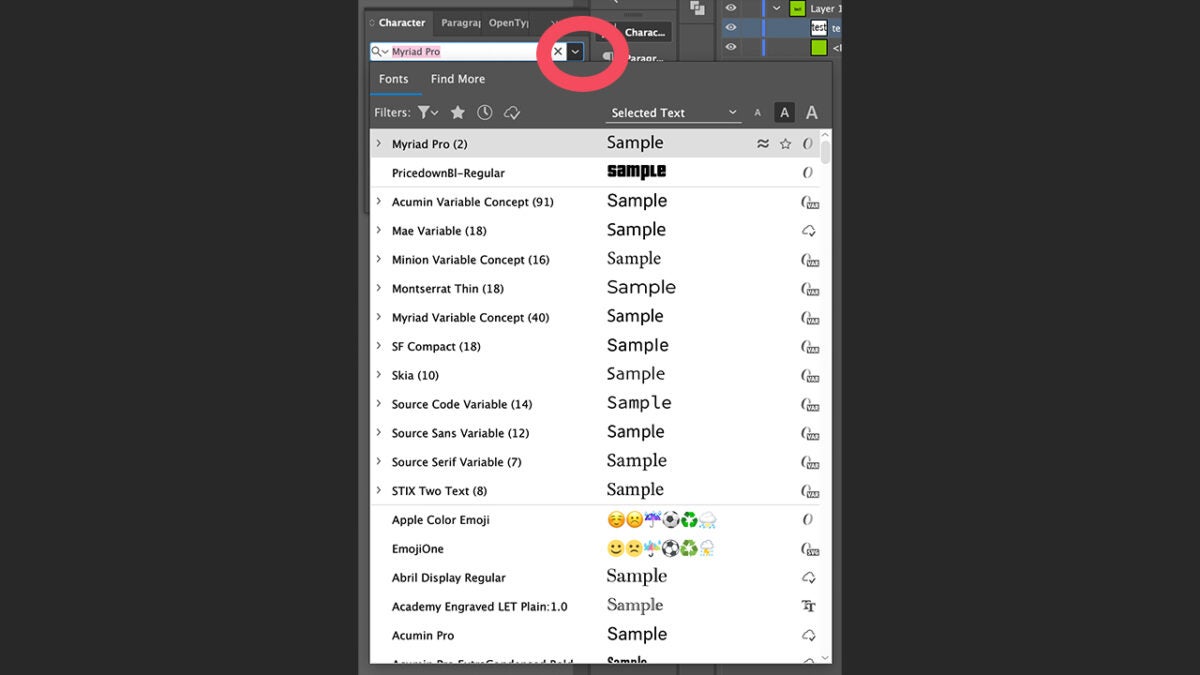
Go to Window and find Type. There, select Character. You can also use the shortcut CTRL+T on Windows or command + T on macOS.
From the Character panel, click on Find More. From here, you can choose from hundreds of fonts to use at any time.
You can also preview how the font will look. To do this, select the text and then click on Selected text.
Click on the cloud icon if you want to download a specific font. You can mark your favorites by clicking on the star symbol.
To make the most of Adobe Fonts, you just need to have an active subscription to a Creative Cloud plan. In fact, being subscribed to Adobe Illustrator, for example, would already give you access to the Adobe Fonts catalog without any problem. However, free users can also use it, but only in its most basic version.
Adobe Photoshop has been at the top of the best design and photo editing tools for years, used by millions of professionals around the world. However, in recent years, it has reached new heights like never before, thanks to the integration of artificial intelligence (AI) features that radically transform the way users can manipulate and enhance their images. Below, you’ll find a step-by-step tutorial to make the most of these new tools.
Step 1: Ensure you have the latest version of Adobe Photoshop
To start using AI features in Photoshop, it’s essential to have the latest versions of the software, as it is constantly being updated. To get the latest version, open the Adobe Creative Cloud application on your device and check if there are any updates available for Photoshop. Having the latest version guarantees you access to the most advanced tools, such as Content-Aware Fill, Neural Filters, and Generative Fill.
Once you have ensured that you have the appropriate software version, open the photograph you want to enhance. You can do this easily by dragging the file into the Photoshop window or by selecting “File” and then “Open.” This is the first step to start transforming your image using Photoshop’s AI capabilities.
Step 3: Try the Content-Aware Fill tool
The Content-Aware Fill tool is perfect for quickly and precisely removing unwanted objects from your image. To use it, select the area you want to remove using selection tools like the Lasso or Quick Selection. Then, go to the “Edit” menu and select Content-Aware Fill. Photoshop’s AI will analyze the image and naturally fill the selected area, as if the object was never there.
Step 4: Let your imagination soar with Generative Fill
One of the most amazing AI features is Generative Fill, which allows you to generate new content in your image using AI. To try it, select an area of your image that you want to extend or modify. Then, click on the Generative Fill option. A dialog box will open where you can describe what you want to add or modify, from “add a mountain landscape” to “extend the sky.” Photoshop’s AI will automatically generate content that seamlessly integrates with the rest of the image.
Step 5: Explore advanced effects with Neural Filters
Another feature that you cannot miss is Neural Filters. These filters allow you to make complex image changes with just a few clicks. You can access them by going to “Filter” and then selecting Neural Filters. Within this option, you’ll find options like:
Facial feature adjustment.
Style transfer.
Portrait enhancement.
Colorization.
Select the filter that best suits your needs and explore everything this great option allows you to do.
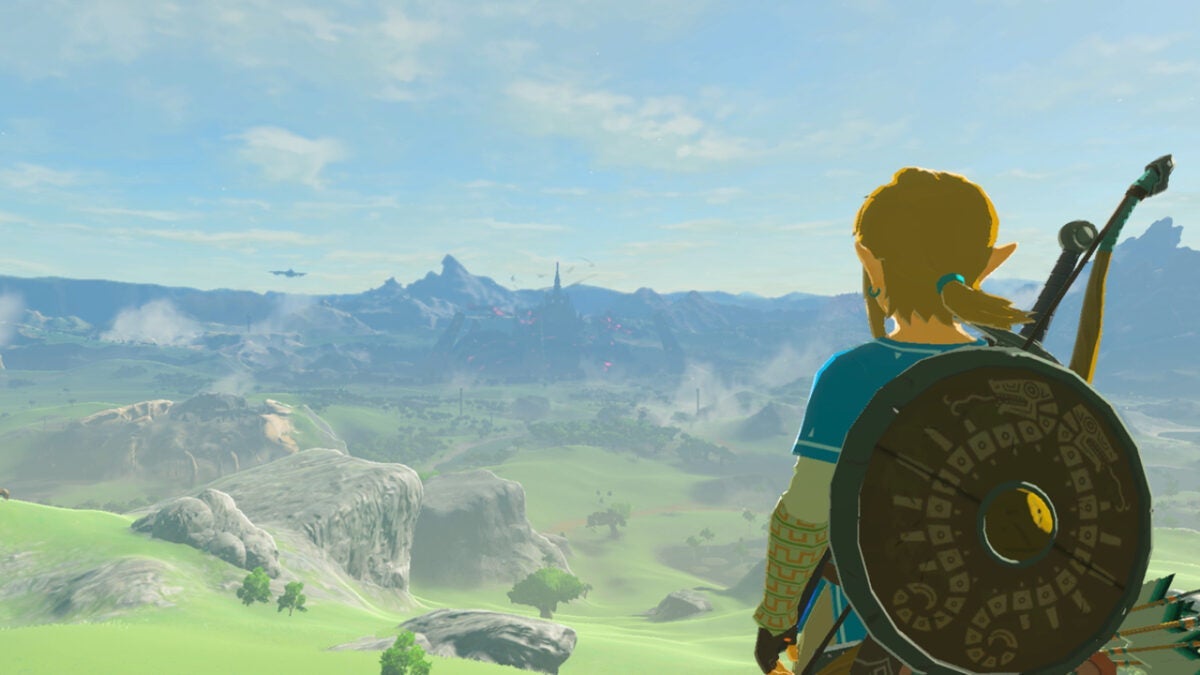
I’m going to confess something that may invalidate me as a fan of Zelda: I have never cared at all about where in the saga their games are located. Of course, it is impossible not to know the timeline with its three variations (Fallen Hero, Child Hero, Lost Hero) that come from Ocarina of Time. However, it becomes tiring to see fans trying to figure out where to place Breath of the Wild and Tears of the Kingdom for years. Especially when the solution is, apparently… nowhere.
According to Nintendo itself, fans’ attempts to include them in the saga have been useless, because they are completely independent in their own version of Hyrule. And, to be honest, it makes sense: Nintendo was practically forced to put order in the Hyrule Historia book, making it clear that what is told over the years is much bigger than it seems.
All this has been known because at Nintendo Live 2024 held in Sydney (Australia), we have been able to see a timeline that connects the 19 games, starting with Skyward Sword and continuing with The Minish Cap and Four Swords before starting the different timelines with Ocarina of Time. And on one side of these, Breath of the Wild and Tears of the Kingdom were completely separate.
Gamers, who need order in their lives, have already placed it in a new timeline alongside Age of Calamity, which was not even officially part of the saga until now. It is also worth noting that in this timeline they seem to have forgotten about Echoes of Wisdom, but it is most likely close to Link’s Awakening. Anyway, time (literally) will tell.
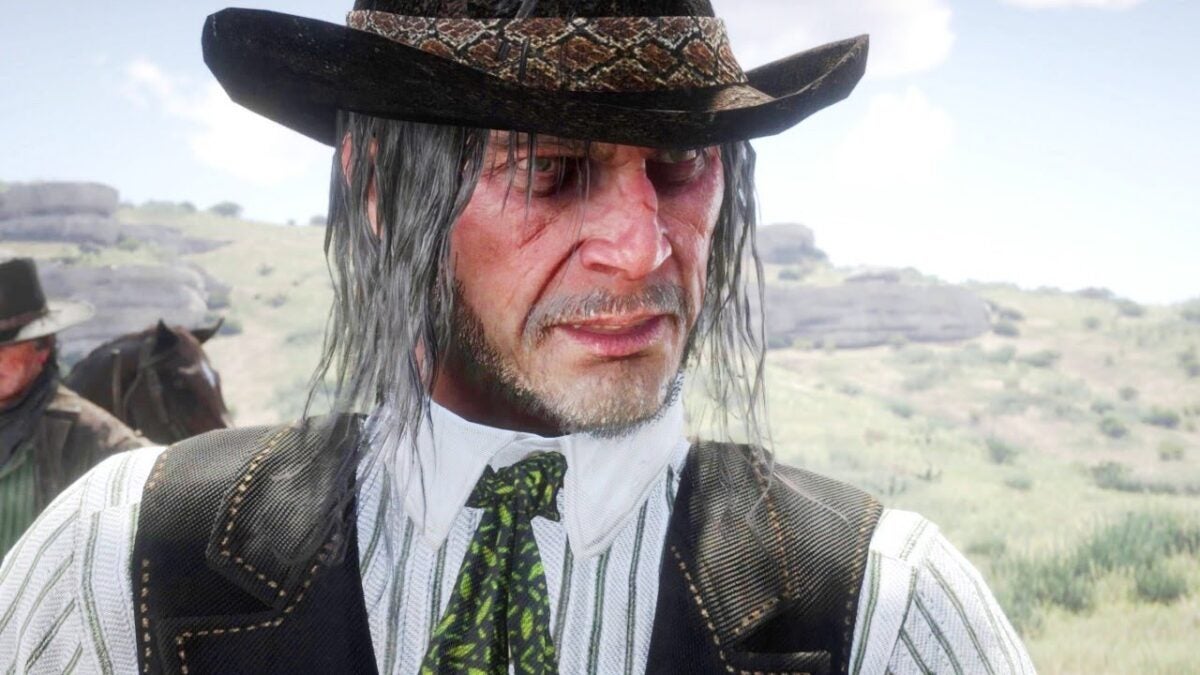
For some time now, the voice actor who voiced Arthur Morgan in Red Dead Redemption 2 has been on a roll, constantly making statements left and right. His name is Roger Clark, and just recently he claimed that no ending of the game was good, asking players to stop fooling themselves. Now he’s back, highlighting that mistake that Rockstar made with his voice and didn’t want to fix. Well. More or less.
This is how Arthur pronounces the name of Colm O’Driscoll, the main rival of the rider: “Rockstar made me say it wrong. I told them it was wrong, they didn’t care. It’s pronounced ‘Colom’, not Colm“. This is due to the Irish origin of the character, but it seems that the studio didn’t really care where it came from. Well. More or less.
And it’s because Rockstar let two characters complain about the pronunciation throughout the game, although none dared to confront Arthur over such a trivial matter. In the end, no one wanted to end up like a sieve in the Old West over an extra “o” or less. And if you’re curious about whether there will be a Red Dead Redemption 3, with or without these errors, the answer is “It seems so”. But for now, you’ll have to wait, because it’s not even in production. The classic patience of the Old West.
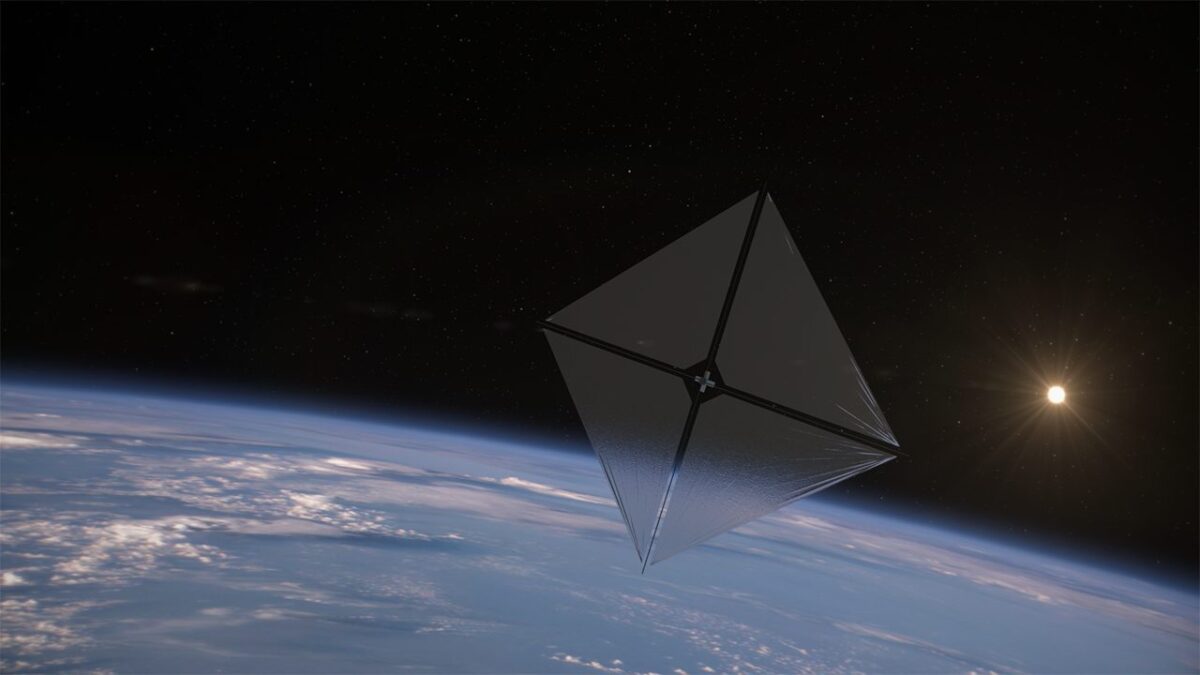
The NASA has successfully deployed its innovative solar sail, known as the Advanced Composite Solar Sail System (ACS3). This sail, launched into space aboard the Rocket Lab’s Electron rocket, was successfully deployed along with the supporting arms, marking a key milestone in the mission to demonstrate the functionality of this technology in low Earth orbit.
Last Thursday at 7:33 CEST, the ACS3 team officially confirmed the deployment of the sail, a crucial event that will allow the spacecraft to use only photons from the sun for propulsion. Conceptually, NASA’s solar sail evokes ancient ships that sailed the seas powered by the wind, although in this case, the spacecraft moves thanks to the pressure exerted by sunlight on the reflective sail. This propulsion method, unlike traditional systems that depend on fuel, is only limited by the durability of the materials and the efficiency of the control systems.
The ACS3 is a twelve-unit CubeSat (12U) built by NanoAvionics, with a size comparable to that of a microwave, which deploys its approximately 80 square meter sail using flexible polymer and carbon fiber booms. These new booms, more durable and less prone to deformation, represent a significant improvement over previous designs, being more compact and offering the necessary rigidity to support the sail.
Just in time for a Labor Day “sail”, @NASA’s Advanced Composite Solar Sail System (ACS3) has successfully deployed!
Solar sail propulsion systems like ACS3 can make future low-cost deep space missions possible.
— NASA Langley Research Center (@NASA_Langley) August 29, 2024
Alan Rhodes, chief systems engineer for the mission at NASA’s Ames Research Center, highlighted the innovative capability of these arms, stating that “seven meters of deployable bars can be rolled up to fit in the hand”.
The spacecraft, which will orbit the Earth at an altitude of approximately 1,000 kilometers, will be visible from our planet on clear nights thanks to the high reflectivity of its sail. The data collected during the ACS3 tests will be used to develop future solar sail systems that will be used in early warning missions for space weather, surveillance, and solar observation.