Only 16 people in the world were invited to Apple’s most secretive event in 2025

Apple surprised a small group of young creators in March 2025 with an invitation to an ultra-exclusive and largely confidential event. The “Apple Student Experience 2025” gathered just 16 individuals from across the globe—each chosen without application, fanfare, or public announcement.

A mysterious invitation that almost went unnoticed

Content creator Heaven Marley almost ignored the email she received from Apple, suspecting a scam. However, after a verification call from the company, she realized the invite was genuine. What followed was an experience few have lived: a secret Apple event focused entirely on students and creativity.

A secretive event with retro flair

Held in Los Angeles, the event was not listed on Apple’s website, had no media presence, and bore little resemblance to typical Apple launches. Attendees were sent MacBook Air units in specially designed boxes featuring retro Apple icons like Clarus. Each package included a handwritten note inviting them to participate.

A different kind of Apple classroom

Inside the event, the 16 students attended sessions about maximizing Apple’s tools for academic and creative use. Final Cut Pro and Freeform were among the featured apps. Surprisingly, Apple Intelligence barely made an appearance, despite its prominence at WWDC 2024. The focus stayed on tangible learning, not marketing.

More than just a one-time experience?

This first edition of Apple Student Experience could mark the beginning of an annual tradition, much like how WWDC evolved from niche origins to a global event. If Apple continues down this path, we may see the birth of a global educational program designed to empower young creators.

Microsoft Authenticator will stop working this week: Export your passwords or risk losing them

As of July 1, 2025, Microsoft Authenticator will no longer support password autofill, marking the end of a convenient feature many users have relied on. Microsoft is urging users to act swiftly if they want to retain access to their stored credentials.

Password autofill is being phased out

Beginning in June 2025, users lost the ability to save new passwords using Microsoft Authenticator. Now, with the July deadline arriving, the autofill feature will be disabled entirely. Come August, even saved passwords will no longer be visible through the app.

Microsoft has started prompting users with an in-app alert that warns: “Autofill via Authenticator ends in July 2025.” To maintain access, users are encouraged to either export their passwords or switch to Microsoft Edge, where all passwords remain synced through their Microsoft account.

Microsoft pushes users towards Edge

This transition appears to be part of Microsoft’s broader strategy to boost the adoption of its Edge browser, which currently holds just 5.2% of the global market. The company has embedded a “Turn on Edge” button within Authenticator, simplifying the switch for users who want to continue using autofill services.

Despite the phase-out, users won’t lose their data if they fail to export their passwords immediately, since these credentials are still linked to their Microsoft account and can be accessed via Edge. Still, experts suggest considering third-party password managers for cross-platform compatibility and extra security features like breach alerts.

With time running out, those depending on Microsoft Authenticator for password autofill should act now to prevent disruptions in access to their login information.

Google TV will have a new feature to reduce your electricity bill

A new update is coming to Google TV that could help users save money by reducing unnecessary power consumption. The system, now used in over 270 million devices worldwide, is preparing to launch a long-requested feature: a sleep timer to automatically turn off the television.

Sleep timer aims to reduce wasted energy

Google TV users will soon be able to program their TVs to turn off after a set time, a major step towards lowering energy bills. While some manufacturers had already introduced their own auto-off functions, this is the first time Google TV integrates it natively. This means all compatible TVs—regardless of brand—will benefit from the update without needing specific customizations from the manufacturer.

The upcoming feature was uncovered by Android Authority through the latest update to the Google TV Home app. Code snippets refer to a “Sleep Timer BroadcastReceiver” and a “Sleep TimerFallbackActivity,” hinting that the development is well advanced. Users will be able to set, pause or cancel the timer, with on-screen messages to notify them when the TV is about to power down.

A small feature with real financial impact

While the timer may seem minor, its impact could be significant. A Smart TV left on overnight could consume up to 2.4 kWh if running for 8 hours, which translates to around €0.31 per night at today’s electricity prices. If this happens daily, it could add more than €100 per year to your electricity bill.

By introducing a simple tool like this, Google TV not only improves the user experience but also addresses everyday energy waste in a practical way.

How to use an iPad as a secondary screen on Windows

Turning an iPad into a second monitor for a Windows PC may sound like something only Apple users can enjoy, but the reality is quite different. With the free app Spacedesk, you can extend your Windows display to an iPad effortlessly, taking advantage of its high-quality screen for work or study. This trick transforms an underused device into a key productivity tool.

Install Spacedesk on your PC and iPad

To get started, go to spacedesk.net from your Windows PC and download the desktop version directly—avoid the Microsoft Store. Once installed, head to the App Store on your iPad and download spacedesk – USB Display for PC. It’s lightweight, free, and requires no subscriptions.

Connect both devices under the same Wi-Fi

Ensure both the Windows PC and iPad are connected to the same Wi-Fi network. Open the app on your iPad and you’ll automatically see your PC’s name appear. Tap it, and the screen will start mirroring your Windows desktop in seconds.

Set up the iPad as an extended display

To turn the mirrored display into a true second screen, go to Settings > System > Display on your PC and select “Extend these displays”. Arrange the screen positions to match your physical setup and apply the changes.

Enhance performance and usability

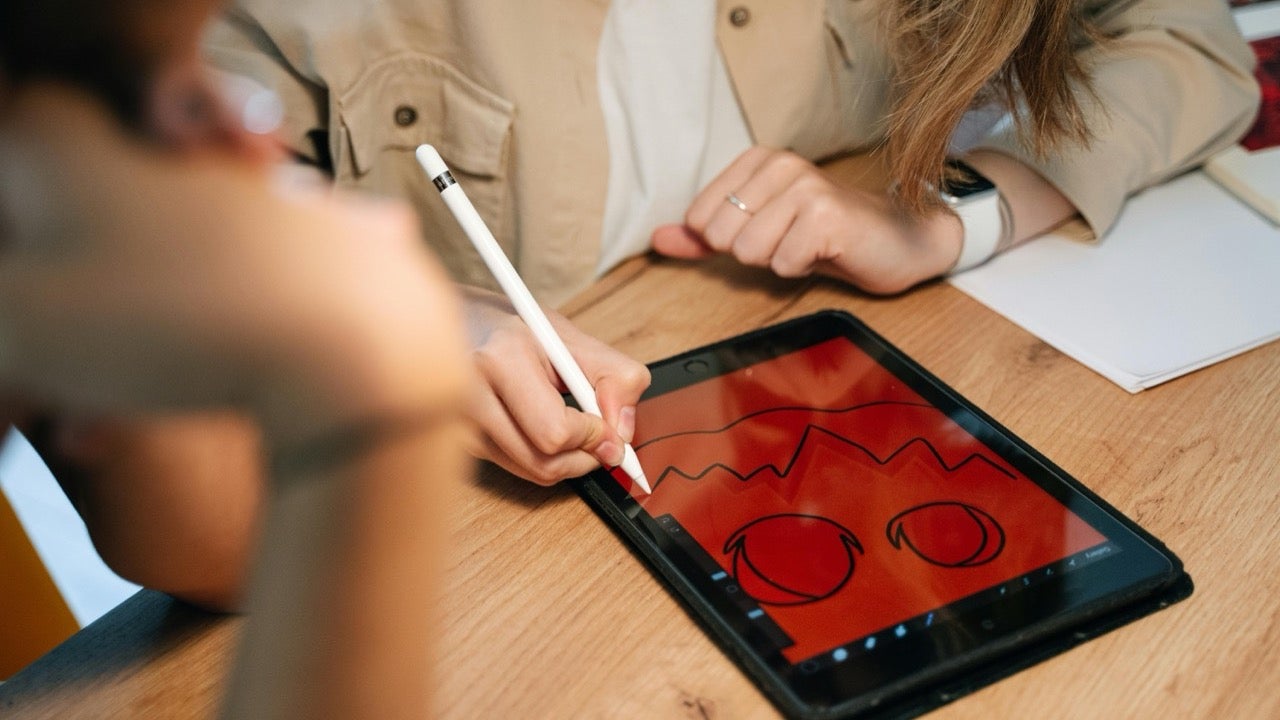
For even better performance, you can connect the iPad via USB, ensuring both more stability and constant charging. Touch controls and even the Apple Pencil work within the extended display, giving you surprising interactivity on Windows.

Spacedesk offers a smart and free way to repurpose your iPad into a high-quality external monitor, making it a valuable addition to any Windows setup.