Apple Abandon Its No-Promotion Strategy in China

Apple is facing a significant challenge in the Chinese market as it adjusts its pricing strategies amid increasing competition.

For the first time, the tech giant has begun offering direct discounts on its flagship products—including iPhones, iPads, Apple Watches, and Macs—through its primary distribution channels in China.

This move represents a shift from Apple’s traditional policy of maintaining stable prices without promotions, a strategy that has long helped preserve its high-profit margins in Western markets.

iPhone Sales Plummet: Apple Adapts Pricing Strategies Amid Local Competition

The discounts, which can go up to 2,000 yuan (approximately 250 euros), come as Apple grapples with a 9% year-on-year decline in shipments, losing its position as the top smartphone maker in China.

Currently, Apple is fighting to stay within the top five amidst aggressive expansion by local competitors like Huawei and Xiaomi, who are bolstered by national support in light of geopolitical tensions.

Historically, Apple reserved discounting strategies for third-party retailers such as JD.com and Tmall, enabling the company to maintain its premium pricing on its own platforms.

However, with sales plummeting and rival firms closing in, the company has conceded to the necessity of direct subsidies to stimulate its market presence. This crisis moment underscores a broader trend: Apple’s struggle to connect with local consumers amidst a wave of domestic competition that has redefined the landscape of tech in China.

Notably, Apple had previously reduced the price of the iPhone by 500 yuan just months after its launch earlier this year, signaling a departure from its longstanding policy.

As Huawei continues to see skyrocketing sales, driven by China’s quest for technological independence, Apple’s future in the world’s largest smartphone market hangs in the balance. With ongoing geopolitical tensions, the way forward will require not just adaptability from Apple, but potentially significant changes to its traditional business model.

Apple Expands CarPlay With iOS 26, Revolutionizing In-Car Connectivity

Apple has officially announced the introduction of CarPlay on iOS 26, significantly expanding its footprint in the automotive world.

This update is set to revolutionize the driving experience by enhancing the integration of iPhones with vehicle systems, transforming the dashboard into a seamless extension of users’ smartphones.

One of the most notable features of CarPlay on iOS 26 is its ability to take over multiple displays across the car’s dashboard.

Improved Voice Commands in iOS 26 CarPlay Aim to Reduce Distractions

This connectivity means that drivers can view and interact with various apps and functions on larger screens, enhancing usability and safety while driving. Key functionalities include not only navigation and music controls but also support for a variety of third-party applications that aim to improve the driving experience.

Moreover, the update includes a more customized interface that allows users to personalize their dashboard with widgets, offering quick access to vital information such as weather updates, calendar events, and notifications. This aligns with Apple’s broader push towards individuality and user-centric design, making every driving experience unique to the user’s preferences.

In addition to these enhancements, the iOS 26 update is expected to improve voice command capabilities. This means that drivers can manage their in-car experience with greater ease, using voice recognition to interact with their favorite applications and functions without taking their eyes off the road. The potential for improved safety features cannot be overstated, as it reduces distractions during driving.

While Apple remains tight-lipped about specific partnerships with automobile manufacturers, rumors suggest that we may see support from major car brands in the near future. This could pave the way for a deeper integration of CarPlay features directly into vehicles, making the driving experience even more intuitive and engaging. As we approach the iOS 26 release, the anticipation surrounding these innovations continues to grow.

Apple Unveils Revolutionary Liquid Glass Interface for Its Operating Systems

In a significant update announced during a recent keynote, Apple revealed its new Liquid Glass interface, set to debut across multiple platforms including iOS 26, iPadOS 26, macOS 26, watchOS 26, tvOS 26, and visionOS 26.

This marks Apple’s first major redesign since iOS 7, which was launched in 2013, and is designed to enhance the synergy within Apple’s expansive ecosystem.

Liquid Glass introduces a digital material that promises a smooth and engaging user experience without altering the established layout of buttons.

Apple Unveils Liquid Glass Interface Set to Transform User Experience

Instead, it aims to create a more expressive and sensitive interface that allows for fluid transitions between apps. Inspired by innovations from Apple’s Vision Pro and visionOS, the new interface includes features like application overlays that seamlessly integrate digital elements with the real world.

During a conversation with Alan Dye, Apple’s VP of Human Interface Design, it was revealed that the transformation into Liquid Glass stemmed from years of development within visionOS.

Dye emphasized that while the design is visually inspired by the characteristics of glass, it functions as a vastly more adaptable digital format. The interface allows for dynamic movement and interaction, presenting a refined experience as users navigate through applications.

Liquid Glass is set to be available for developers in beta form soon, with a public beta scheduled for July, and a full release planned for fall 2025. As Apple continues to refine its design philosophy, focusing on simplicity and cohesion, the Liquid Glass interface appears to be a promising evolution for Apple’s operating systems.

Overall, the introduction of Liquid Glass fuses Apple’s commitment to innovation with its goal of a harmonious user experience, moving toward a future where hardware and software become even more intertwined.

Call Screening in iOS 26: A Step Forward, but Still Playing Catch-Up to Google

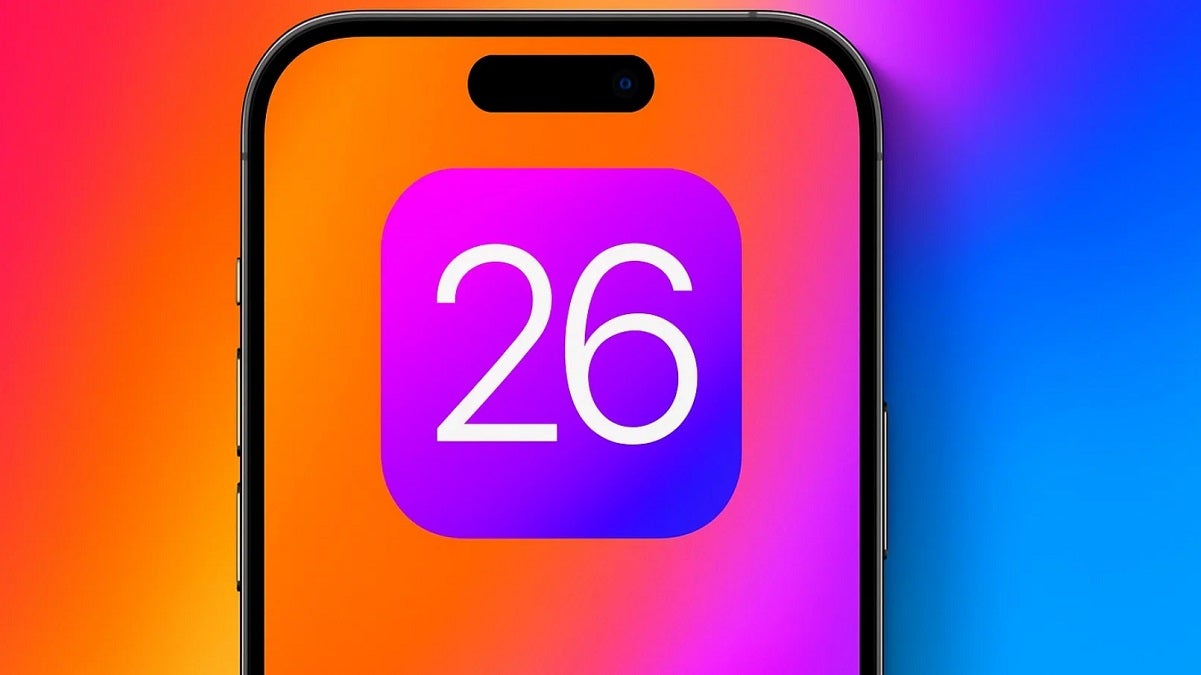
Apple took center stage at WWDC 2025 on June 9, unveiling iOS 26, which boasts an eye-catching new Liquid Glass design alongside several updates to core applications.

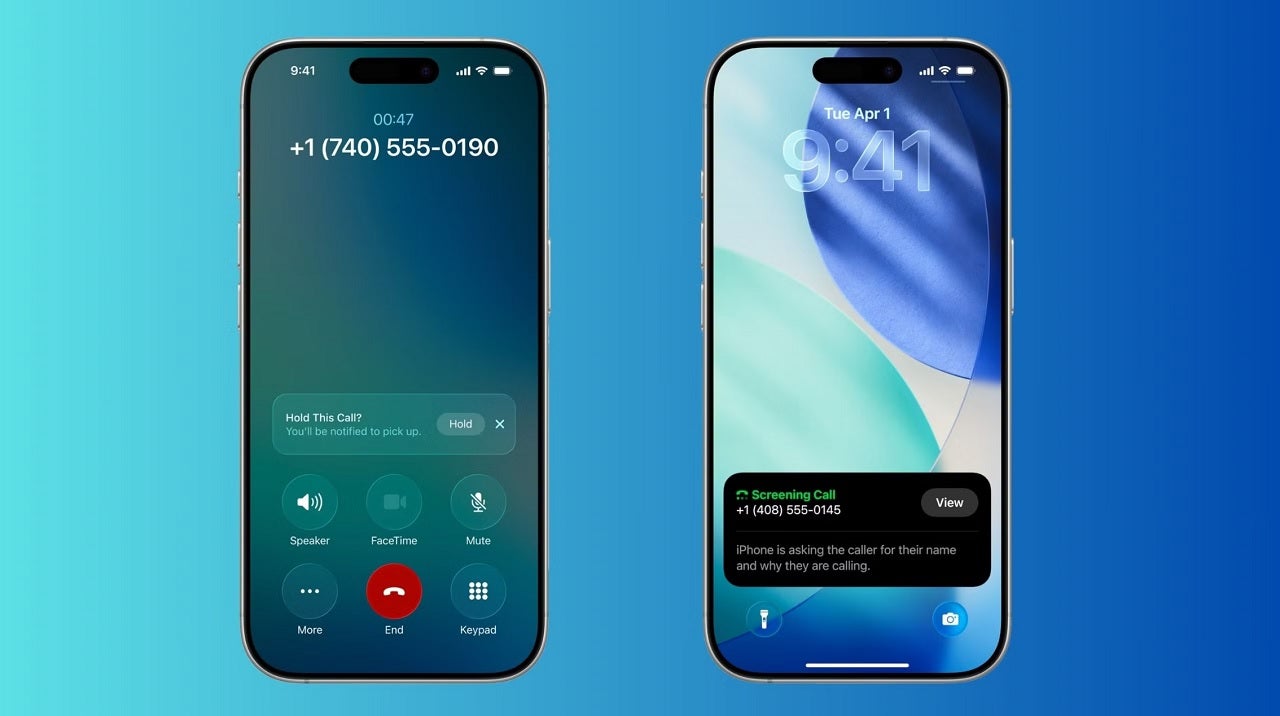
One of the most anticipated features is Call Screening, designed to combat the growing nuisance of spam calls.

This functionality allows users to automatically screen calls from unknown numbers, enabling the phone to remain silent while filtering out potential spam.

Apple Promises Future AI Enhancements for Call Screening and Siri in iOS 26

However, despite its promising debut, early demonstrations of Call Screening revealed it lacks the sophistication of similar features found in Google’s Pixel devices. While Apple’s implementation can identify spam, it falls short of Google’s contextual awareness that enables its Assistant to provide actionable responses during screened calls.

For instance, Google’s Call Screen can engage with the caller, offering tailored replies based on the conversation, whereas Apple’s version simply verifies whether a call is spam without providing these interactive options.

The current iteration of Call Screening offers an improvement over the previous notification system, as it prevents unwanted calls from alerting users unless they genuinely require attention.

Yet, without the intelligent, context-aware capabilities that Google delivers, Apple’s solution demonstrates that the company is still playing catch-up in the arena of artificial intelligence.

Looking ahead, Apple seems poised to enhance its AI functionality in subsequent updates to iOS 26. Speculations suggest upcoming improvements to Call Screening and Siri, potentially integrating more automation and intelligence into these features.

Considering that Apple has hinted at more revelations in the coming year, users may soon see an evolution that aligns more closely with the advanced capabilities offered by its competitors, particularly in the realm of user interaction and response handling.

The new Apple TV+ series that mixes science fiction and comedy is receiving great reviews

The new science fiction series from Apple TV+, titled Murderbot, has just premiered on the platform, combining an intricate mix of genres that includes mystery, comedy, and typical science fiction elements. Despite its name, it is not simply a story of violent action; the main focus is on Bharadwaj, a scientist whose life is saved by the SecUnit known as Murderbot, played by Alexander Skarsgård. The line between human and robot The series also stands out for its unconventional characters, who are part of the PreservationAux group, a team of explorers who, at […]

The new science fiction series from Apple TV+, titled Murderbot, has just premiered on the platform, combining an intricate mix of genres that includes mystery, comedy, and typical science fiction elements. Despite its name, it is not simply a story of violent action; the main focus is on Bharadwaj, a scientist whose life is saved by the SecUnit known as Murderbot, played by Alexander Skarsgård.

The line between human and robot

The series also stands out for its unconventional characters, who are part of the PreservationAux group, a team of explorers who, despite their intentions, are not the typical space heroes. The atmosphere behind the scenes is described as playful, with a tone similar to that of a comedy, despite the dangerous situations the characters face. There were moments that felt like a comedy rehearsal, commented Akshay Khanna, who plays Ratthi.

The relationships between the characters are fundamental to the narrative. A notable example is the transformation of Gurathin, an augmented human who goes from being a villain to a positive ally, thanks to his love for Dr. Mensah, played by Noma Dumezweni. This emotional aspect resonates deeply throughout the story, according to the cast members.

The script for Murderbot is based on the work of author Martha Wells, and the production team seeks to honor the original material, capturing the essence of the characters and their stories. While the series skillfully moves between comedy and science fiction thriller, it is the connection between the characters that truly ties everything together, as explained by David Dastmalchian, who plays Gurathin: The relationships between the characters are what really sustains the series.

A dramatic summer: The second season of The Buccaneers premieres on June 18

La segunda temporada de la serie The Buccaneers se estrena el 18 de junio en Apple TV+, continuando la historia inspirada en una novela inacabada de Edith Wharton. En esta nueva entrega, los espectadores verán a Nan (interpretada por Kristine Froseth) lidiando con las complicaciones de su matrimonio con Theo (Guy Remmers), mientras enfrenta …

The second season of the series The Buccaneers premieres on June 18 on Apple TV+, continuing the story inspired by an unfinished novel by Edith Wharton. In this new installment, viewers will see Nan (played by Kristine Froseth) dealing with the complications of her marriage to Theo (Guy Remmers), while facing the arrival of her biological mother, which adds a significant emotional burden to the plot.

#drama

The trailer shows a variety of landscapes from England and Italy, where Nan, Jinny (Imogen Waterhouse), and Guy (Matthew Broome) find themselves caught in an increasingly intense drama and romance. The arrival of Nan’s mother, Patricia St. George, played by Christina Hendricks, poses a new challenge for Nan, who is unaware of her mother’s presence in her life and her wedding. The tension is set to rise, as her mother could be played by Leighton Meester, according to rumors.

Additionally, the series promises to delve into the relationships between characters. Mabel (Josie Totah) and Honoria (Mia Threapleton) experience a secret love, while Jinny faces the dangerous situation of fleeing from her husband. The narrative will address the challenges that the protagonists will encounter in their friendships and relationships, reflecting their maturity and the assumption of new responsibilities.

Katherine Jakeways, the creator of the series, has emphasized the importance of love and the complexities of adult life, indicating that the conflicts between the protagonists will intensify. As each one deals with their own personal dilemmas, friendship will be a fundamental pillar in this new season, promising moments of unity and support amidst the drama.