The Final Fantasy 7 series has once again captured the attention of the video game industry following the recent release of the first part of the remake, known as Intergrade, for the new Nintendo Switch 2. This event has generated a wave of interest, leading its director, Haoki Hamaguchi, to give various interviews where the plans for the third part of the project have been discussed, which promises to be the culmination of this ambitious reinvention.
If the old works, why change it
Despite the expectations regarding the graphical potential that an update to Unreal Engine 5 could offer, Hamaguchi has announced that they will not migrate to this new version of the graphics engine. Instead, the team will continue their work on Unreal Engine 4, which they have already adapted to meet their specific needs. According to the director, it is more beneficial to have something we are familiar with and that we have adapted to what we need.
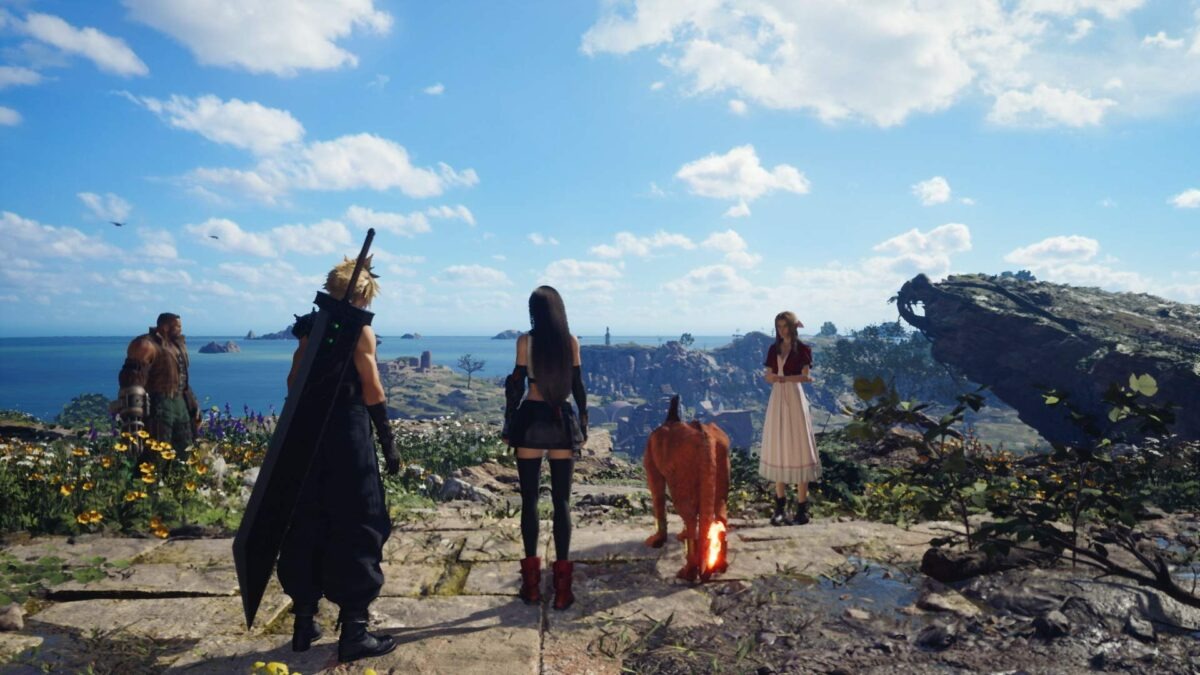
Additionally, it has been confirmed that the sequel, Final Fantasy 7 Rebirth, will be playable on the Nintendo Switch 2. Hamaguchi emphasized that the team is dedicating significant efforts to ensure a stable frame rate, which implies making all the necessary small adjustments to optimize the game’s performance on this console, which, comparatively, has less power than other current gaming systems.
The reception of the Intergrade port has been positive, indicating that Square Enix has done a good job in terms of performance optimization of the game, despite the hardware limitations of the Nintendo Switch 2. Sales have accompanied this release, suggesting that interest and expectations for the project continue to grow, despite the decision not to update the graphics engine for future installments.