AI is revolutionizing cybersecurity, even if you don't notice it

Artificial intelligence (AI) is revolutionizing the field of cybersecurity, integrated into almost all products in the sector, from endpoint protection platforms to email filtering systems. However, security professionals must learn to use this tool efficiently, rather than relying solely on its automation, experts in the field warn. As noted in a recent analysis by Mark Baggett, a SANS expert, many of the decisions made by AI models are based on statistical reasoning that lacks contextual understanding. This could lead to inappropriate decisions that ignore the particularities […]

Artificial intelligence (AI) is revolutionizing the field of cybersecurity, integrated into almost all products in the sector, from endpoint protection platforms to email filtering systems. However, security professionals must learn to use this tool efficiently, rather than relying solely on its automation, experts in the field warn.

Cybersecurity

As noted in a recent analysis by Mark Baggett, a SANS expert, many of the decisions made by AI models are based on statistical reasoning that lacks contextual understanding. This could lead to inappropriate decisions that overlook the specifics of each organization and its mission. Therefore, it is essential for security teams to develop customized workflows that give them control over these tools.

Baggett compares the arrival of AI in security to the transformation experienced by the iconic character Paul Bunyan with the emergence of new tools. While Bunyan tried to outdo a machine with physical effort, security professionals must learn to integrate AI to enhance their effectiveness in investigations. AI can alleviate the workload in repetitive tasks and the translation of complex data, allowing experts to focus their attention on critical reasoning.

Understanding Python and the basic concepts of AI has become essential for professionals in this field. This fluency not only helps refine the output of AI models but also allows them to make informed decisions in critical situations. Ultimately, although AI can automate many tasks, human responsibility and judgment will remain crucial for success in cybersecurity.

James Cameron has not used AI in Avatar: Fire and Ash, but he is not closing any doors

James Cameron has revealed his stance on the use of artificial intelligence in the remastering of his films and his iconic franchise ‘Avatar’. During a recent interview with ComicBook, the director stated that while he doesn’t mind using AI to remaster some of his works, ‘Avatar: Fire and Ash’ will not feature such technology. This approach could be seen as an attempt to preserve the artistic integrity of his most ambitious project. The dichotomy of AI for the director Despite his willingness to use AI for updates in his catalog, Cameron expressed a deep fear towards certain […]

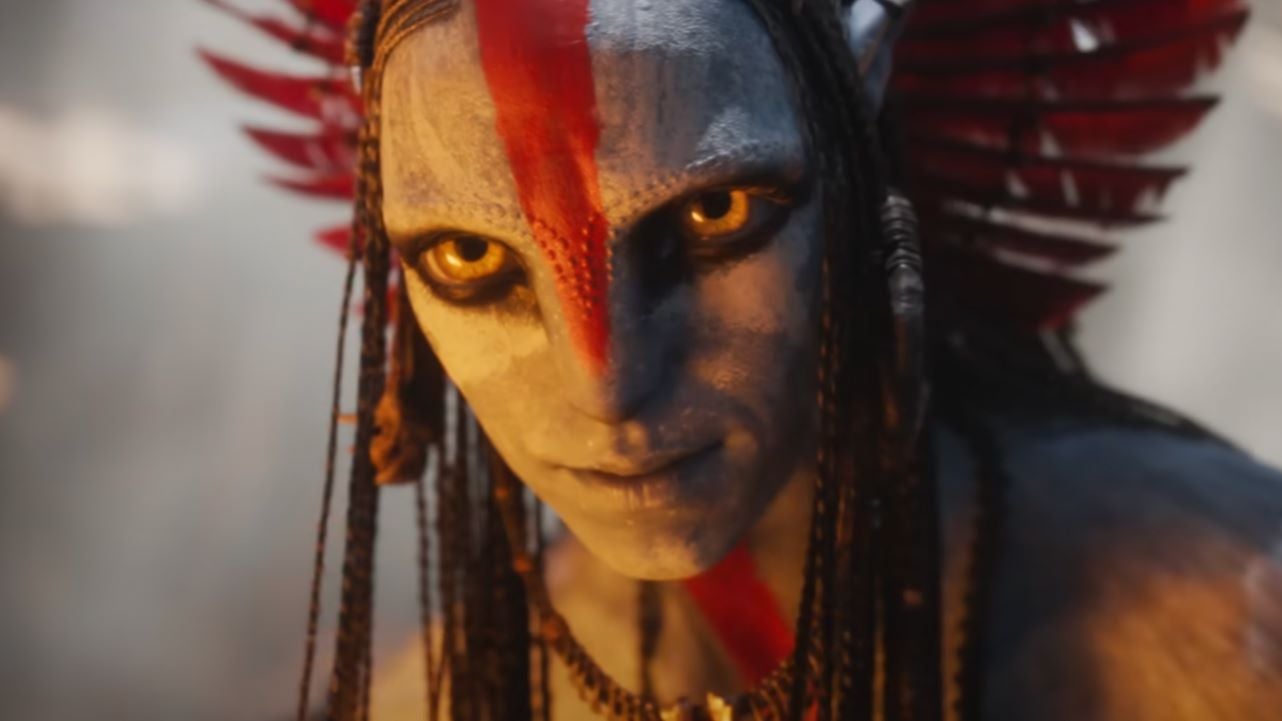
James Cameron has revealed his stance on the use of artificial intelligence in the remastering of his films and his iconic franchise ‘Avatar’. During a recent interview with ComicBook, the director stated that while he doesn’t mind using AI to remaster some of his works, ‘Avatar: Fire and Ash’ will not feature such technology. This approach could be seen as an attempt to preserve the artistic integrity of his most ambitious project.

The Dichotomy of AI for the Director

Despite his willingness to use AI for updates in his catalog, Cameron expressed a deep fear regarding certain applications of this technology. According to him, his greatest concerns do not revolve around the possible loss of jobs in the audiovisual industry or the reduction of creativity that a prefabricated prompt may lead to. Rather, his concern focuses on human nature and the risks associated with what he calls ‘big AI’, which he considers more dangerous than the ‘small generative AI’ that has wreaked havoc among artists and creators in recent months.

The filmmaker also emphasized that, while he is not a fervent believer in the self-regulation of technology, it is important to take into account the warnings about its use. Cameron, known for his bold visions and commitment to quality, seems to be steering away from the temptation to ease the creative process at the expense of originality. As the entertainment industry navigates the turbulent waters of technological advancement, the opinions of figures like Cameron become increasingly relevant.

With the production of ‘Avatar: Fire and Ash’ underway, fans and critics will be watching closely to see how the director balances his legacy with the opportunities and challenges presented by artificial intelligence.

Traditional television has already started using ads with AI. And this is just the beginning

In 2025, several artificial intelligence (AI)-driven advertising platforms have emerged to facilitate the creation of ads for connected television (CTV), including Comcast’s Universal Ads and QuickFrame AI. These tools allow brands to produce and acquire ads more efficiently, diversifying the landscape of television advertising, which has traditionally been dominated by large advertisers. PublicIAd CTV advertising spending is projected to reach nearly $46 billion by 2028, surpassing spending on linear television, according to estimates from eMarketer. Mark Douglas, CEO of Mntn, mentioned that “CTV is now […]

In 2025, several artificial intelligence (AI) powered advertising platforms have emerged to facilitate the creation of ads for connected television (CTV), including Comcast’s Universal Ads and QuickFrame AI. These tools allow brands to produce and acquire ads more efficiently, diversifying the landscape of television advertising, which has traditionally been dominated by large advertisers.

PublicIAd

Spending on CTV advertising is projected to reach nearly $46 billion by 2028, surpassing spending on linear television, according to estimates from eMarketer. Mark Douglas, CEO of Mntn, mentioned that “CTV is now the fastest-growing segment in all of advertising, and shows no signs of slowing down.” However, the industry faces a significant challenge: despite the increase in CTV spending, it remains under-monetized, as much of the investment comes from a small number of large brands.

Universal Ads, officially launched in January of this year, allows brands not only to create their own ads but also to purchase them through an extensive network of partners, which includes platforms like Roku and Warner Bros. Discovery. This platform features an AI-powered video generator designed to help advertisers, especially small and medium-sized enterprises (SMEs), overcome the barriers they face in accessing premium advertising spaces.

On the other hand, QuickFrame AI promises to generate ready-to-use ads in just 12 minutes, which could facilitate the entry of SMEs into the world of television advertising. However, some analysts warn that this strategy could result in the cannibalization of spending that previously went to local television stations, suggesting that potential revenue does not necessarily translate into new money for the sector, as indicated by Brian Wieser of Madison and Wall.

The anime that Amazon Prime Video has dubbed with AI, angering all the fans

Amazon has faced a wave of criticism for the use of artificial intelligence in the dubbing of animes, with Banana Fish being one of the most notable victims. This acclaimed anime, which had remained in its original version for years, has recently been dubbed into other languages, including English and Latin Spanish. However, the decision to use AI for dubbing has generated a controversial and low-quality result, characterized by robotic performances and faulty translations. Fans of Banana Fish, as well as dubbing professionals, have expressed their discontent on social media, calling for […]

Amazon has faced a wave of criticism for the use of artificial intelligence in the dubbing of animes, with Banana Fish being one of the most notable victims. This acclaimed anime, which had remained in its original version for years, has recently been dubbed into other languages, including English and Latin Spanish. However, the decision to use AI for dubbing has resulted in a controversial and low-quality outcome, characterized by robotic performances and faulty translations.

I am a good dubbing

Fans of Banana Fish, as well as voice acting professionals, have expressed their discontent on social media, asking Amazon to turn to human voice actors instead of relying on algorithms. Daman Mills, known for his work on ‘Dragon Ball Super,’ is one of the artists who has openly criticized the situation, and has threatened to never work with Amazon again on future dubbing projects. This displeasure is particularly deep given that Banana Fish addresses emotional and complex themes, including the representation of queer characters, which cannot be adequately captured by automated dubbing.

This is not the first time that the platform has been criticized for its focus on automated dubbing. In the past, animes like Vinland Saga and No Game No Life have also faced similar scrutiny, receiving criticism for the lack of quality in their adaptations. So far, Amazon has not issued any statement in response to these concerns, leaving fans waiting for a solution that respects the essence of the stories it attempts to adapt.

The controversy over the use of artificial intelligence in anime dubbing highlights a broader debate about quality and authenticity in the adaptation of cultural content, raising the question of how acceptable the use of technology is when it comes to deeply human narrative experiences.

James Cameron is completely against AI-generated actors

The growing incursion of Artificial Intelligence in cinema and television is generating significant debate in Hollywood, especially regarding the creation of actors and actresses generated by this technology. This trend, which seems to excite some, has raised concerns among respected figures in the industry, such as director James Cameron. Creativity vs algorithms Cameron has expressed his strong disagreement with the use of AI to generate performances, stating that this advancement is the complete opposite of what cinematic art represents. During an interview with CBS, the renowned director mentioned: They can invent a […]

The growing incursion of Artificial Intelligence in cinema and television is generating significant debate in Hollywood, especially regarding the creation of actors and actresses generated by this technology. This trend, which seems to excite some, has raised concerns among respected figures in the industry, such as director James Cameron.

Creativity vs algorithms

Cameron has expressed his strong disagreement with the use of AI to generate performances, stating that this advancement is the complete opposite of what cinematic art represents. During an interview with CBS, the renowned director mentioned: They can invent an actor. They can create a performance from scratch with a text as a reference. It’s like, no. That horrifies me. These words reflect his fear of a future where content creation is dominated by algorithms, rather than human creativity.

The filmmaker, known for his work on iconic franchises like ‘Terminator’, has pointed out the possible negative implications of using generative AI, highlighting the dangers he had already anticipated in his stories. Through his work, Cameron has explored the interaction between technology and humanity, warning about the risks that could arise if AI becomes normalized in film production.

The discussion about AI in Hollywood continues to evolve, and while some see its potential as an innovative tool, others, like Cameron, advocate for a deep reflection on its role in the industry. Uncertainty persists over whether these technological innovations will be seen as an advancement or as a threat to the very essence of the art of cinema. As this technology continues to develop, the film community is expected to make decisions that guide its use towards a more sensible path.