Google’s new tool can detect AI-generated images

Most tech giants have started investing in generative artificial intelligence. From Adobe Express’s new functionality to the possible addition of AI drawing in Microsoft Paint, no one wants to be left behind in this race for a new and emerging technology. These AI-generated images are becoming increasingly polished and even indistinguishable from real ones, posing a significant risk: irresponsible use of these tools could spread misinformation on a massive scale. That’s why Google has developed a new tool capable of distinguishing AI-generated images from human ones.

An almost impossible task

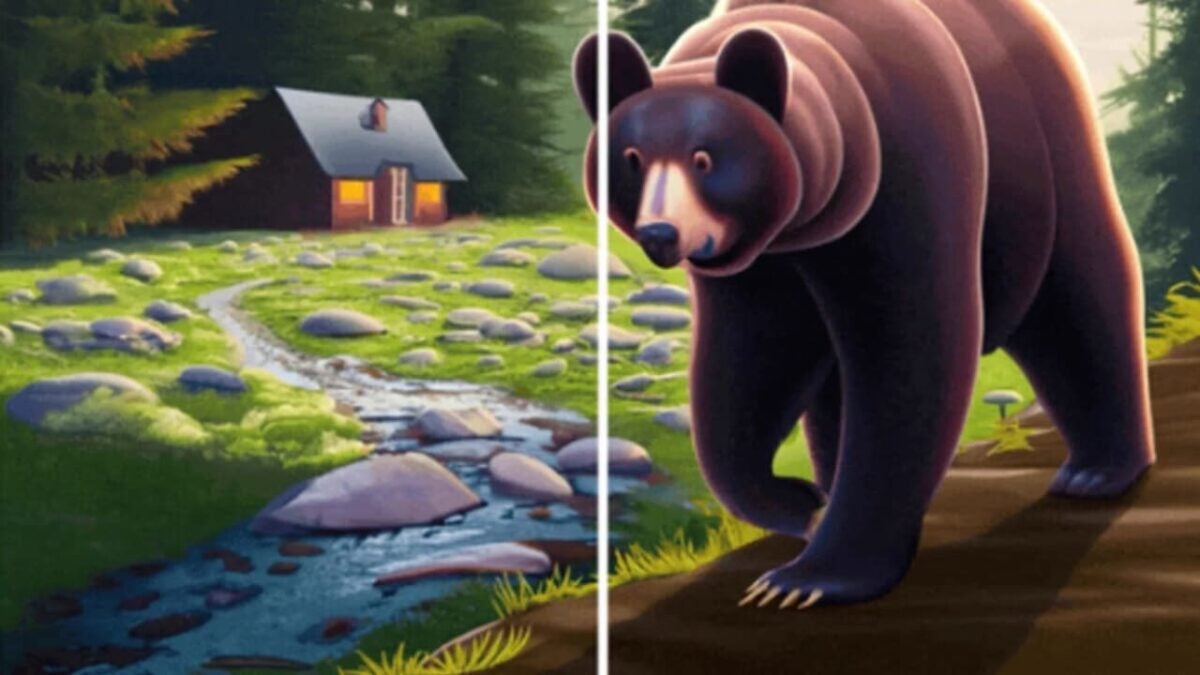
This tool, belonging to SynthID, was created by DeepMind’s team and adds an imperceptible watermark to any image created through artificial intelligence. This way, when these images are encountered again in the future, it can detect the watermark and determine that it’s a completely artificial creation. This watermark can be detected even after changes in color, size, compression, and practically any alteration that can be made to the file.

Despite the impressive combination of two learning models for this tool, it has a significant limitation, at least for now: it can only detect images generated through Google’s text-to-image tool since those are the only ones it can watermark at the time of their creation. However, despite the significant restriction to its utility, it represents a significant step forward in responsible AI use. Especially if more companies with their own generative AI adopt SynthID for this purpose.

In any case, it’s a much-needed start. Generative AI is becoming increasingly refined, and the human eye will gradually become unable to detect the images they create. Without the right software for analysis, a large amount of misinformation could easily spread, so uncontrolled use could be very detrimental to society.
OpenAI Unveils ChatGPT Enterprise Edition: Taking AI Conversations to the Business World

ChatGPT is one of the most famous generative artificial intelligences in the world, and although this type of technology in general, and OpenAI’s proposal in particular, has faced criticism from many, it has come to change our understanding of the world as well as most job roles. With a multitude of tools starting to incorporate generative AI, such as Adobe Express or potentially even Microsoft Paint, ChatGPT is gearing up to have an enterprise version in the near future. This has been detailed in their blog.

Countless Improvements for One of the Best Chatbots

OpenAI understands the enterprise market very well, so their proposal is based on three main pillars: security, speed, and responsiveness. Many companies are concerned that their use of ChatGPT could be compromising to privacy or company data in some way, a concern that also extends to the potential use of this data to feed and train ChatGPT. The solution that OpenAI has found is remarkably simple: the data managed by ChatGPT for businesses will not be used to train the bot, just as OpenAI will not have any access to this information, staying within the company’s internal circuit.

Response speed has been tackled on two fronts: one avenue seeks to achieve faster conversation speeds, allowing ChatGPT to provide responses in less time, while on the other hand, it relies on an unlimited number of simultaneous conversations. However, it’s important to always understand “unlimited” as a very high number, always tied to the hardware that supports this application.

Improving responses, or greater intelligence of this Chatbot, is perhaps the most contentious point. To achieve this, various analysis tools are being designed that the machine can internalize and use to perform better. Additionally, companies have the capacity to train ChatGPT (only for their purposes) based on their needs.

In this way, OpenAI enters the competition for the future of artificial intelligence, a battle that could culminate in a transformation of office productivity as we know it.

Unveiling the Role of AI: ‘Broken Sword’ Remake by its Original Creator

30,000 times an hour, at £15 or £20 an hour, that’s a lot of money

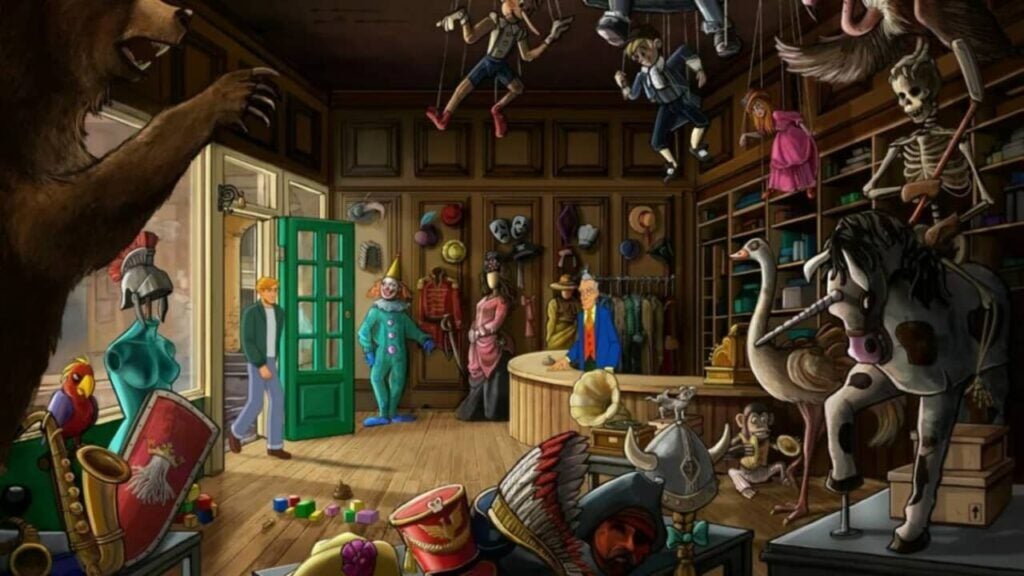
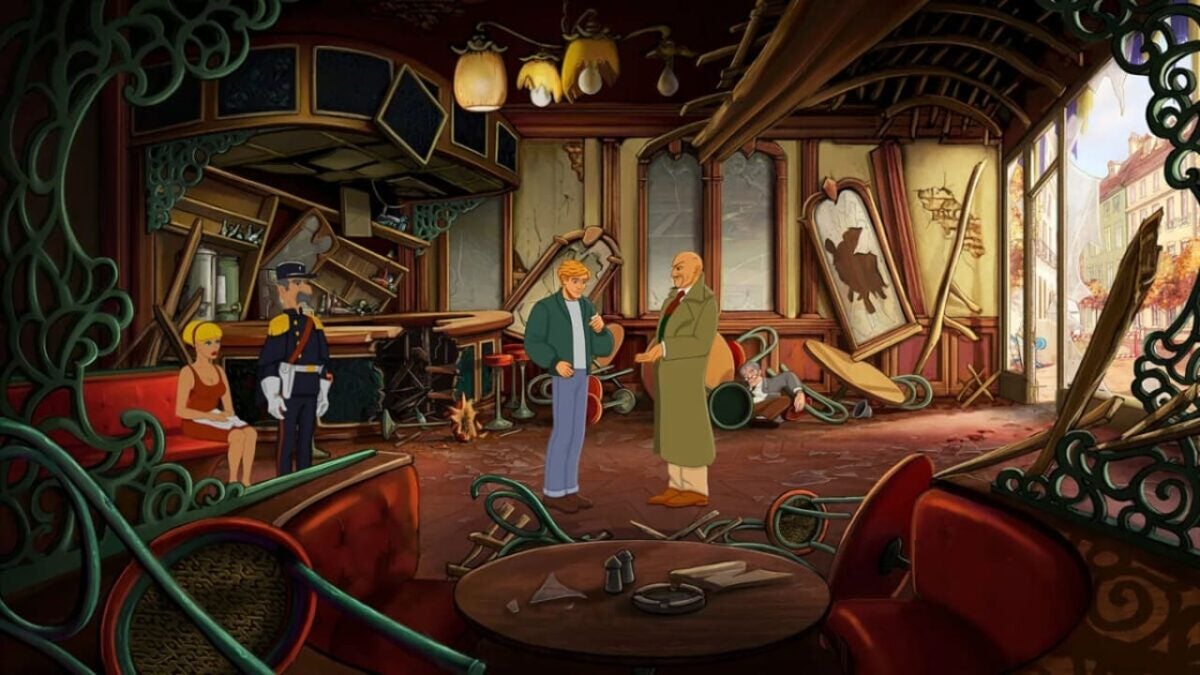
If you’re of a certain age, the words “Broken Sword” will bring to your mind adventures, mysteries to solve, and unprecedented graphic quality. At least in 1996, when the first game in the series was released. Back then, Charles Cecil was 34 years old, and his company, Revolution Software, sold over a million copies of the genre. But now, 30 years later, barely six people work full-time (along with some freelancers), so preparing the sixth installment of the series as well as the remake of the first one is proving to be more challenging than they thought.

Steam DOWNLOAD

Broken AI

Some time ago, fans of the original game, who usually have some gray hair, have been requesting a remake with current technology. The problem is explained by Cecil himself: there are 30,000 hand-drawn sprites… And they need a time (and money) they don’t have, considering that each one takes about an hour to complete. “30,000 times one hour, at 15 or 20 pounds per hour, is a lot of money.” 600,000 pounds, to be more exact.

So Cecil and his team realized that the only possibility to release the game was the omnipresent and always controversial artificial intelligence. The idea was to produce a few hundred sprites to train it, but the result was far from perfect, so they went to the next level, something that has been used for some time in animation and video games: frame interpolation between two key frames.

Basically: if you put the sprite of a person walking and the sprite of that same person stopping a few meters later, the machine will be able to infer that the character is walking all the way, creating the animation. “Instead of taking an hour for each one, it takes between 5 and 10 minutes. We’re training the model on our own sprites… mainly on the silhouette and body details, because there’s no way the head and hands are going to look good, so we have to draw them manually.” Hands, done manually.

On the other hand, all those who want to see a new sequel of ‘Broken Sword’ can rest assured, although perhaps not entirely in agreement with the direction of the series, because it will be created in 3D. The date? Maybe next year. Maybe not. Sit tight while the AI finishes creating the corresponding animations. Hopefully, afterwards, it won’t feel like conquering the world.

Steam DOWNLOAD

A New Era for Microsoft Paint: Major Transformations on the Horizon

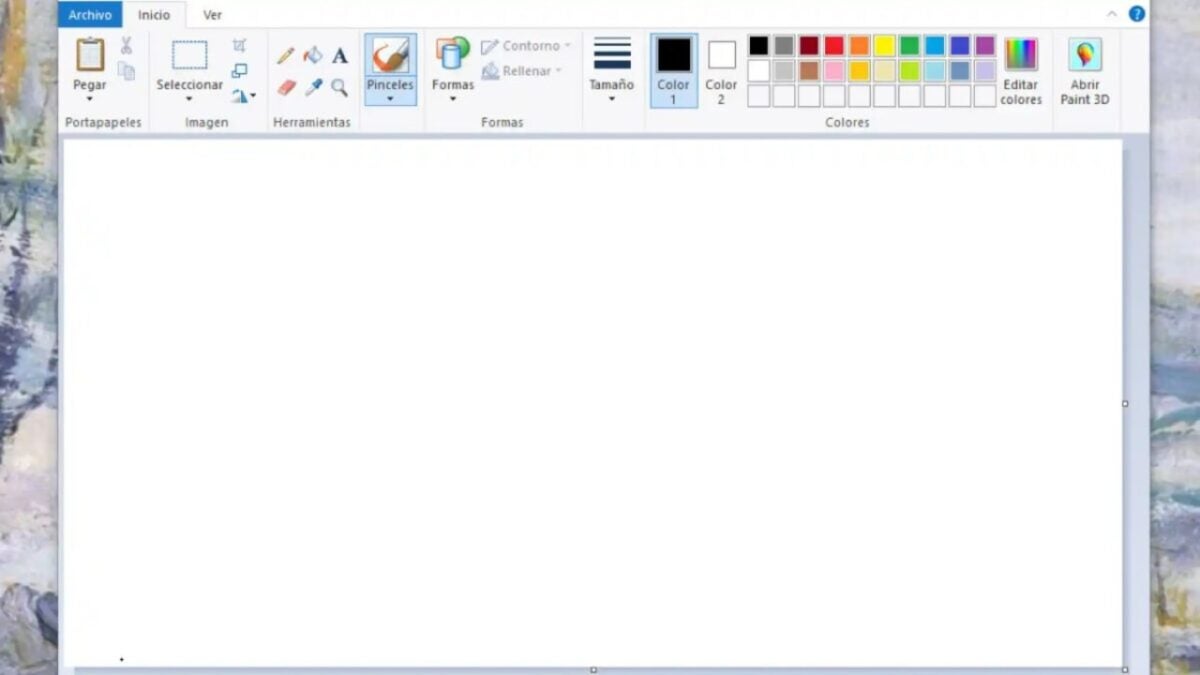
Paint is one of the most famous applications by Microsoft and has been part of the Windows operating system nearly since its inception (though it has given us a scare). It has remained mostly unchanged over the years, but it has been updating some of its features, and this could come to a climax soon as Microsoft is considering implementing significant AI-based innovations. One of these could be, similar to DALL-E, the ability to generate images from given text.

MS Paint DOWNLOAD

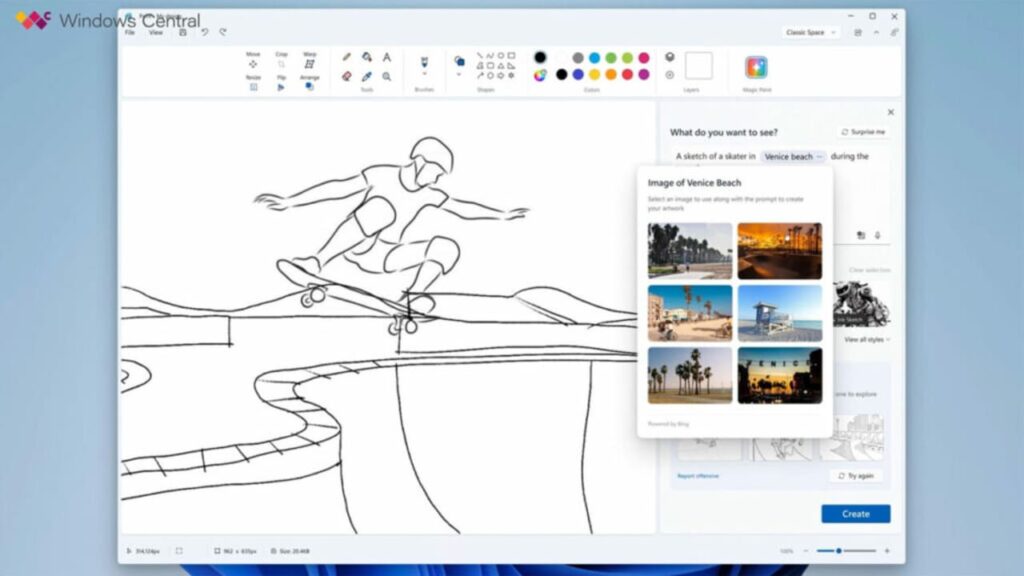
This artificial intelligence tool would be powered by the same technology found behind Bing’s image creator, which possesses features quite similar to the OpenAI tool. As seen in images from Windows Central, which was the first to report the news, this integration would be introduced through a “magic paint” button.

Image sourced from Windows Central

This tool would display a sidebar to enter the description of what you want to generate. Although it’s too early to speculate on what it will be or how it will work, but it seems to integrate several layers of complexity and different ways of going from your sketch or text to the image and vice versa.

Paint won’t be the only application reinforced by AI

Similarly, the Photos tool, the camera application, and a few others are also in line to receive AI-based enhancements. Specifically for Photos, these improvements might primarily focus on identifying faces, backgrounds, and specific structures to manipulate them more easily or for the purpose of management and organization. As for the camera, it could incorporate OCR (optical character recognition) capabilities to aid in identifying and transcribing text in photos or screenshots, making the copying and pasting process simpler.

MS Paint DOWNLOAD

In this way, Microsoft aims to transform its Windows 11 operating system and all its tools into a standard for the future. By adapting various applications in its ecosystem to artificial intelligence, the company intends to outperform its competitors. However, as always, it’s important to mention that none of this is definitive for now.

When AI Steps In as Parent: Unveiling the Risks and Challenges

Milo seems like the best use case for consumer AI. Though questions remain about data privacy as treated by AI.

The pioneers of artificial intelligence have been asserting for decades that it has the potential to automate tedious tasks and free up people to engage in more meaningful work.

ChatGPT DOWNLOAD

However, the reality is that while they do a lot of good, they’re only making headlines about how they’re taking over art and culture, and misinforming along the way.

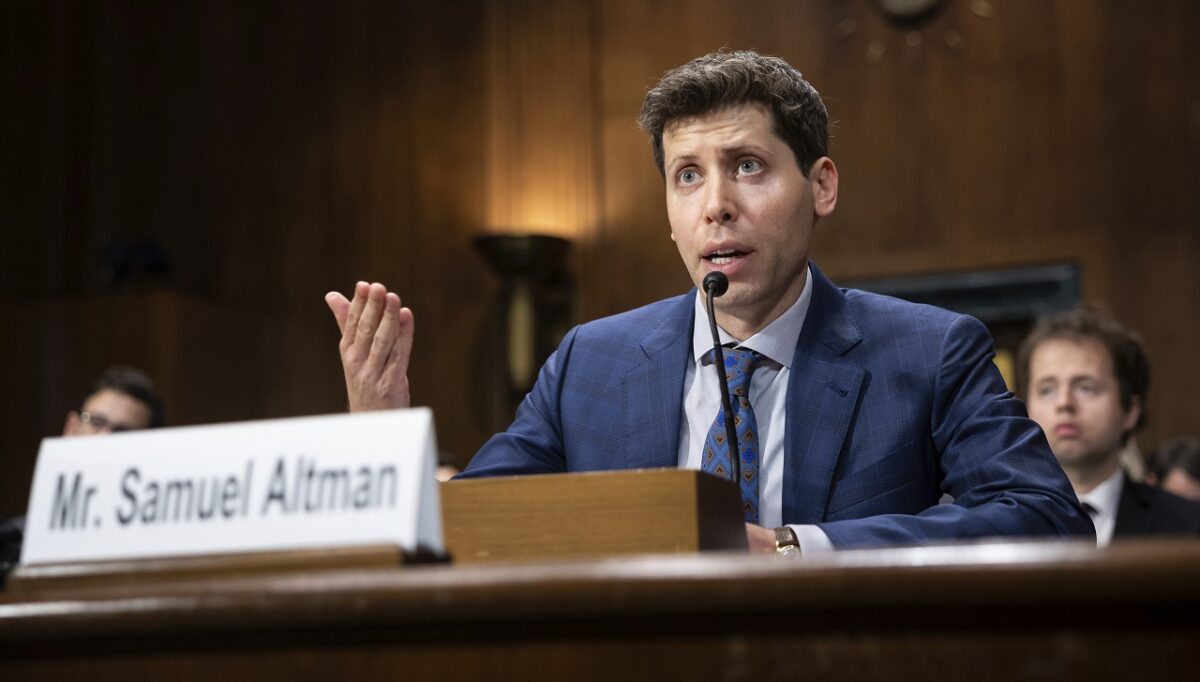
Sam Altman, the CEO of OpenAI, is funding an AI-based personal assistant app for parents called Milo, which is part of a wave of “parenting technology.”

Built on GPT-4, Milo allows parents to input anything into the platform, from screenshots to voice notes, and have the AI process this information into text reminders, calendar invites, and other alerts. It’s currently in beta phase.

A company on the brink of collapse… until OpenAI arrived

Milo’s CEO, Aveni Patel Thompson, received funding from Y Combinator in 2020 and never stopped trying to build the product. However, her company faced software issues. Her funding ran out last summer, and she had to lay off employees.

As a last resort, she reached out to Altman, who had previously been the president of Y Combinator. According to Insider, Altman provided Milo with additional funding and access to OpenAI’s technology.

“You never hear about the power of these models to help families,” explains Brad Lightcap, COO of OpenAI, to Insider. “And the idea that OpenAI models could power that experience is what really convinced us.”

Milo seems to be the best use case for consumer AI. However, concerns about data privacy persist: would you willingly give vital information about yourself and your loved ones to AI companies when we don’t fully understand the content of their black boxes? How uncertain the future of AI is.

ChatGPT DOWNLOAD

Some of the links added in the article are part of affiliate campaigns and may represent benefits for Softonic.

Wizards and Algorithms: The Showdown Between Dungeons & Dragons and Artificial Intelligence

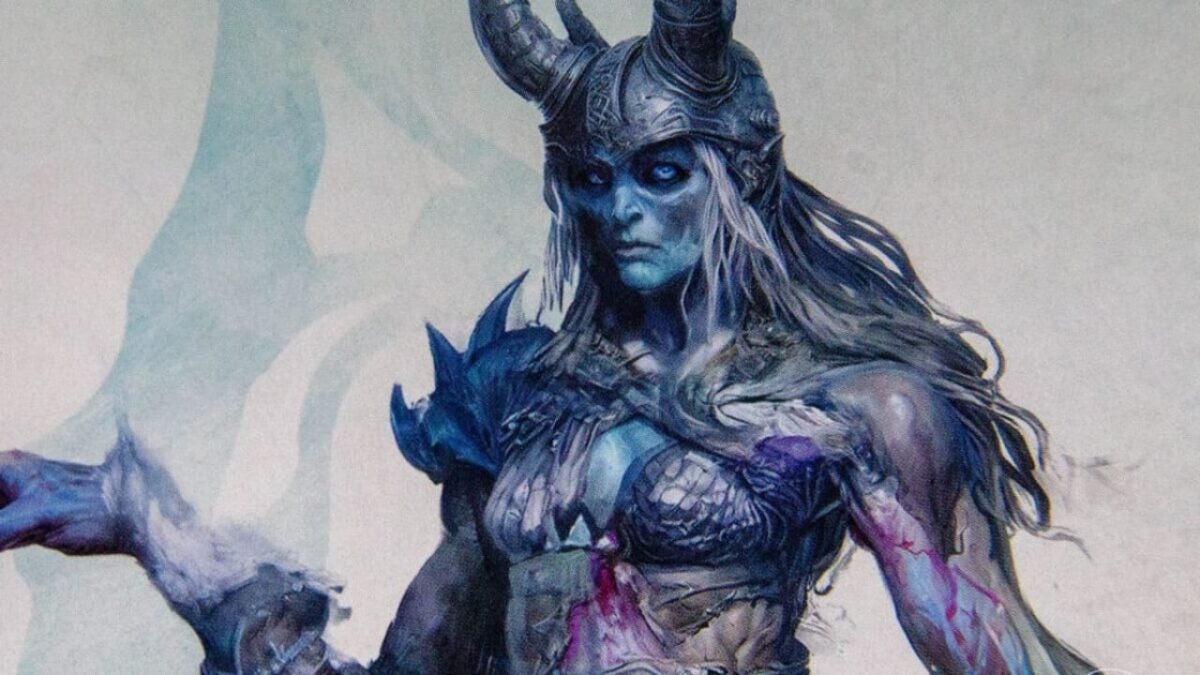
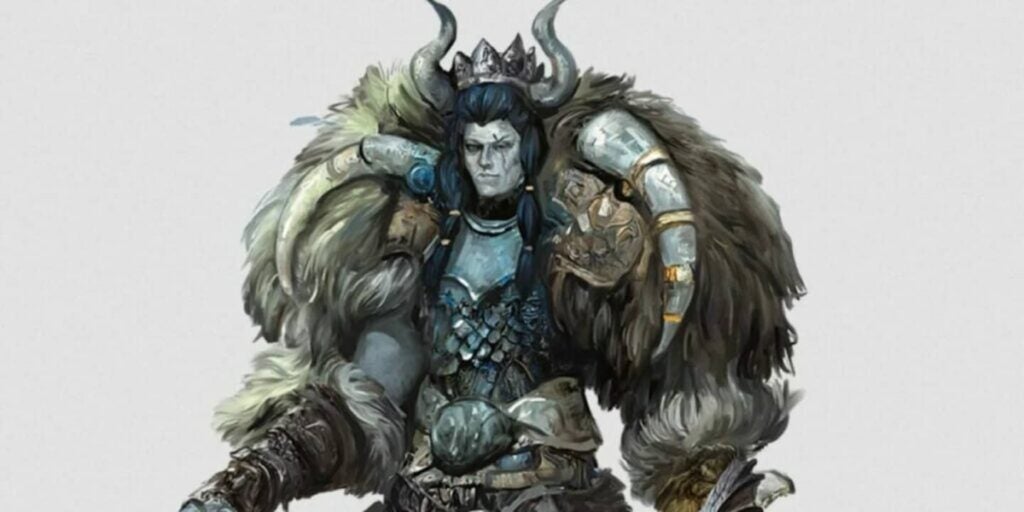
Ilya Shkipin, the artist of the book in question, stated, after a controversy on Twitter over the use of AI, that he did use it to polish some details.

It is not without irony that even a game like ‘Dungeons & Dragons’, based solely on imagination and venturing into fantastical worlds, battling strange creatures, and solving puzzles set by a more or less challenging dungeon master, has fallen into the clutches of AI. Over the months, what began as a fun aid for artists has turned into an anti-creative nightmare, a haven for those who, instead of improving their style or learning to draw, have opted for a computer to do it for them.

Nivel20 DOWNLOAD

A hellish world

It turns out that in the latest book of the franchise, published by Wizards of the Coast, several images generated by artificial intelligence have made their way. ‘Bigby presents: Glory of the Giants’ was released digitally on August 1st, and the physical version will be released on the 15th. The book features new giant enemies, revised rules, spells, and completely new ways to create a character.

The issue arose when Ilya Shkipin, the artist of the book in question, stated, following a controversy on Twitter over the use of AI, that he indeed used it to refine some details, although the majority of the art was painted digitally. Interestingly, Shkipin has been illustrating for various D&D books for ten years and had never encountered any issues like this before.

Wizards of the Coast has quickly moved to safeguard the (more or less) good reputation of their flagship brand by stating that they will review their process and update the guidelines for artists to “make it clear that they should avoid using artificial intelligence art generation as part of their creative process in D&D.” Apparently, they were not aware of what was happening, and after speaking with Shkipin, they have ensured that he will not use AI in the future, leaving this as an anomaly. At least for now.

This isn’t the first time that AI has made a strong entry into the world of tabletop games, nor is it the first negative reaction from the community. Games like ‘Pathfinder’ and ‘Starfinder,’ for instance, made a promise that none of their artists would use AI by contract. On the other side are games like ‘Yavalath,’ created from scratch by a generative AI. Only time will tell who was right.

Nivel20 DOWNLOAD

Some of the links added in the article are part of affiliate campaigns and may represent benefits for Softonic.

AI Industry Titans Make Historic Pledge to US President on Responsible AI

The objective is not to stop advancing with Artificial Intelligence, due to the potential it has, while legislating to prevent Skynet…

Today, the seven major artificial intelligence companies are meeting at the White House and have pledged to sign a series of voluntary pledges to protect users.

ChatGPT DOWNLOAD

The largest companies in the AI world (i.e.: Amazon, Anthropic, Google, Inflection, Meta, Microsoft and OpenAI) have agreed to a series of requests from the White House to address many of the risks posed by artificial intelligence.

The promises consist of investments in cybersecurity, discrimination research and a new watermarking system that informs users when content is AI-generated.

A promise with very little value

The companies have entered into these agreements voluntarily, so there are currently no consequences if they do not follow through on their promises. Many of these commitments are not scheduled to be implemented on Friday, but it is expected that companies will work to implement them immediately.

In a call with reporters Thursday, a White House official said the Biden administration was currently working on an executive order to address some of the risks posed by AI.

The official declined to give specific details, but said the actions could take place in all federal agencies and departments.

In recent months, the Biden administration has met with technology executives and labor and civil rights leaders to discuss AI.

In May, the White House announced more funding and policy guidance for companies developing artificial intelligence technology, including $140 million to the National Science Foundation to launch seven new National Artificial Intelligence Research Institutes (NAIR).

Google, Microsoft, Nvidia, OpenAI and other companies also agreed to allow their language models to be publicly evaluated at this year’s Def Con (this one goes from level five to level one).

“AI could be our most dramatic innovation to date, a force that could ignite a new era of technological breakthroughs, scientific discovery and industrial might,” they explain, and hence they want to legislate, not ban.

The goal is to keep moving forward with Artificial Intelligence, because of its potential, while at the same time legislating so that it does not become the dreaded Skynet that has been so often prophesied.

ChatGPT DOWNLOAD

Some of the links added in the article are part of affiliate campaigns and may represent benefits for Softonic.

Unleashing the AI Force: An Unorthodox Star Wars Article by the Chaos-Driven Algorithm

The famous website owned by Gizmodo, against the wishes of the workers, has relied on AI to write an article on Star Wars. It goes wrong at disastrous levels.

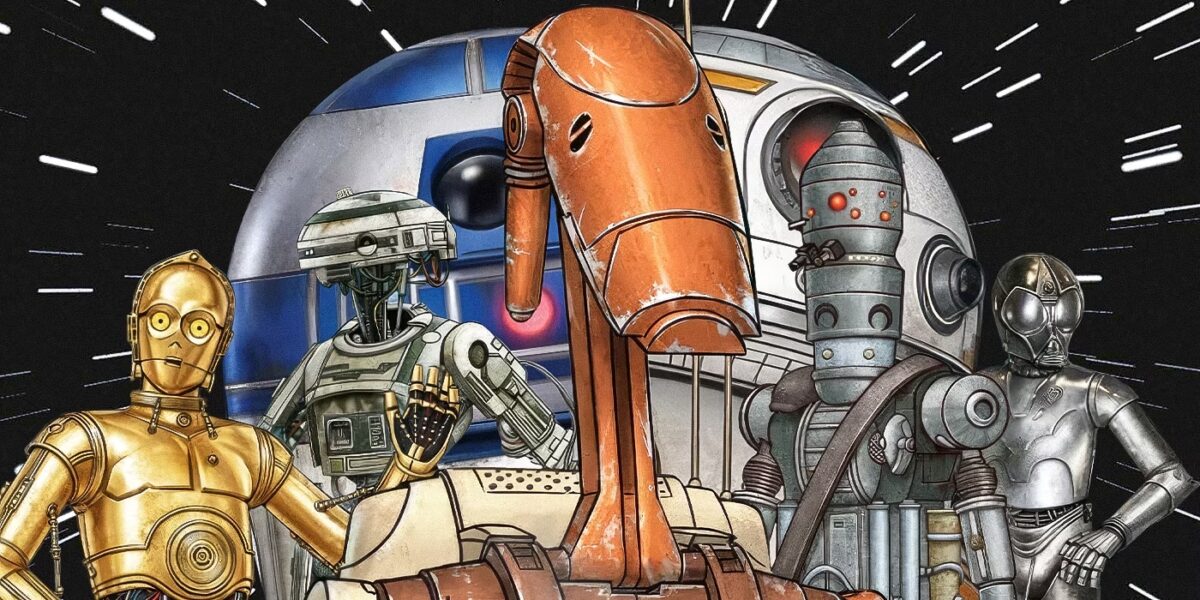
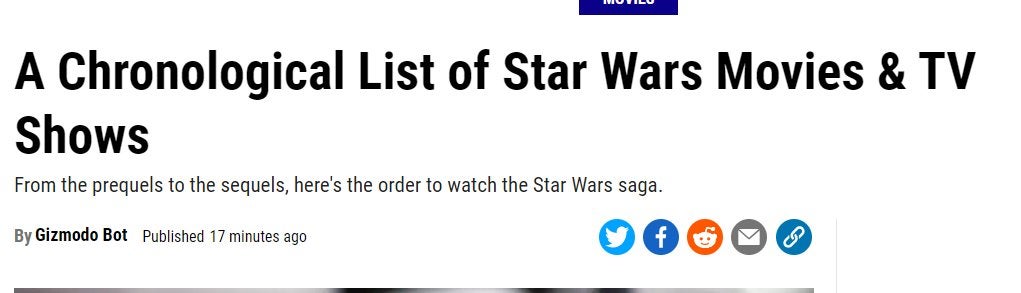
Since the start of 2023, it’s all been threat calls from artificial intelligence. Watch out, it’s coming. Watch out, it’s going to take your jobs. The scriptwriters and editors, go and take your turn on the dole. And when it comes down to it, when it has been carried out, it has been an absolute disaster. This is the case of io9, the famous website owned by Gizmodo, which, against the wishes of the workers, has relied on AI to write an article about ‘Star Wars’. It goes wrong at disastrous levels.

ChatGPT DOWNLOAD

Some time ago in a galaxy out there

AI can be a help when it comes to writing, yes: it is able to find sentences in quotation marks in a quick text or give data easily, but, always trying to please, it ends up making things up. This is what happened in the article “A chronological list of Star Wars movies and series”, signed by “Gizmodo Bot”, which didn’t give a single one.

In an article like this, one would expect to find the products in chronological order, but instead they were simply listed as they pleased. What’s more, mentions of ‘Obi-Wan Kenobi’, ‘Andor’ or ‘The Book of Boba Fett’, among others, were missing. A disaster on all levels that io9’s editor-in-chief found out about ten minutes before publication, and in which no one retouched a single line.

In fact shortly thereafter he rightly called the article “disgraceful, unpublishable, disrespectful to the audience and workers, a punch to our authority and integrity.” If it’s a window into the future of pop culture writing, it doesn’t look good. If it remains a simple reminder that a tool is just that, and cannot replace a human being no matter how much some insist it can, it may (hopefully) remain a footnote anecdote.

As more research has been done, more things have come to light that make sense. For example, that this rush to use AI comes from the CEO of the media conglomerate, with the thinly disguised intention of cutting creativity in mythical websites such as AV Club, The Onion or Deadspin in exchange for more money. It seems that no matter how much they insist that they are coming to take away the jobs of cartoonists and writers, we will continue to do well. The drawings done by AI are instantly snapped up and the writing is not of a high enough standard to be published anywhere.

Well, it looks like those who were rubbing their hands together waiting for the end of many jobs are going to need the Force to be with them in the future, since reality does not.

ChatGPT DOWNLOAD

Some of the links added in the article are part of affiliate campaigns and may represent benefits for Softonic.

Tap into the Limitless Potential of GPT-4: A Step-by-Step Guide

OpenAI claims that it will allow developers to tune GPT-4 with their own data. But GPT-4 is not perfect because it is wrong…

Starting this afternoon, all existing developers of the OpenAI API with a satisfactory payment history can access GPT-4.

ChatGPT DOWNLOAD

The company plans to open access to new developers by the end of this month and then gradually increase availability limits based on computing availability.

GPT-4 has the ability to generate text, including code, and accept both image and text inputs, marking an improvement over its predecessor, GPT-3.5, which only accepted text inputs. It has demonstrated “human-level” performance in various professional and academic benchmark tests.

Similar to previous GPT models from OpenAI, GPT-4 was trained using publicly available data, including data from public web pages, as well as licensed data owned by OpenAI.

OpenAI’s challenges in the coming months with GPT-4

The image comprehension feature is not yet available to all OpenAI customers. Initially, OpenAI is testing it with a single partner, Be My Eyes. However, they have not indicated when it will be opened up to a wider customer base.

It’s worth noting that, like other current state-of-the-art generative AI models, GPT-4 is not perfect. It can be “gullible” with facts and may make reasoning errors. It also does not learn from experience, failing in challenging problems such as introducing security vulnerabilities in the generated code.

In the future, OpenAI states that they will allow developers to fine-tune GPT-4 with their own data, as has been possible with other OpenAI text generation models for some time. According to OpenAI, this feature is expected to be available by the end of the year.

Since the introduction of GPT-4 in March, the competition in the generative AI space has intensified. Recently, Anthropic expanded the context window of Claude – their flagship text-generating AI model, still in preview – from 9,000 to 100,000 tokens.

GPT-4 retained its previous crown in terms of context window, with 32,000 tokens at the upper end. In general, models with smaller context windows tend to “forget” the content even of very recent conversations, leading to topic drift.

Starting from January 4, 2024, some older OpenAI models – specifically GPT-3 and its derivatives – will no longer be available and will be replaced by new “base GPT-3” models, which are expected to be more computationally efficient.

ChatGPT DOWNLOAD

Some of the links added in the article are part of affiliate campaigns and may represent benefits for Softonic.

From Hype to Decline: Artificial Intelligence Fails to Sustain Public Interest, Leaving Marvel’s Efforts in Vain

If online blogs lasted a few years, the fascination for AI has been seen and not seen: from the overwhelming success at the beginning of the year to a coldness that leaves it almost seen for judgment. It's been nice while it lasted, what next?

We are all old enough to know that Internet booms last as long as they last. IRC, blogs, forums, Facebook, the metaverse, cryptocurrencies, NFTs… And now artificial intelligence. With each new development, it takes us a little less time to get tired of it. If online blogs lasted a few years, the fascination with AI has been seen and not seen: from overwhelming success at the beginning of the year to a coldness that leaves it almost ready for judgment. It was nice while it lasted, what’s next?

ChatGPT ACCESS

Death Journey

The idea seems like something out of a B-movie from a few decades ago: a robot capable of thinking like humans and doing the same creative things, and to which many end up paying obeisance by using economics as an excuse. And yet, it is the world that a few seemed to salivate over in late 2022 and early 2023, when MidJourney, ChatGPT and Artificial Intelligence began to take off in Google searches.

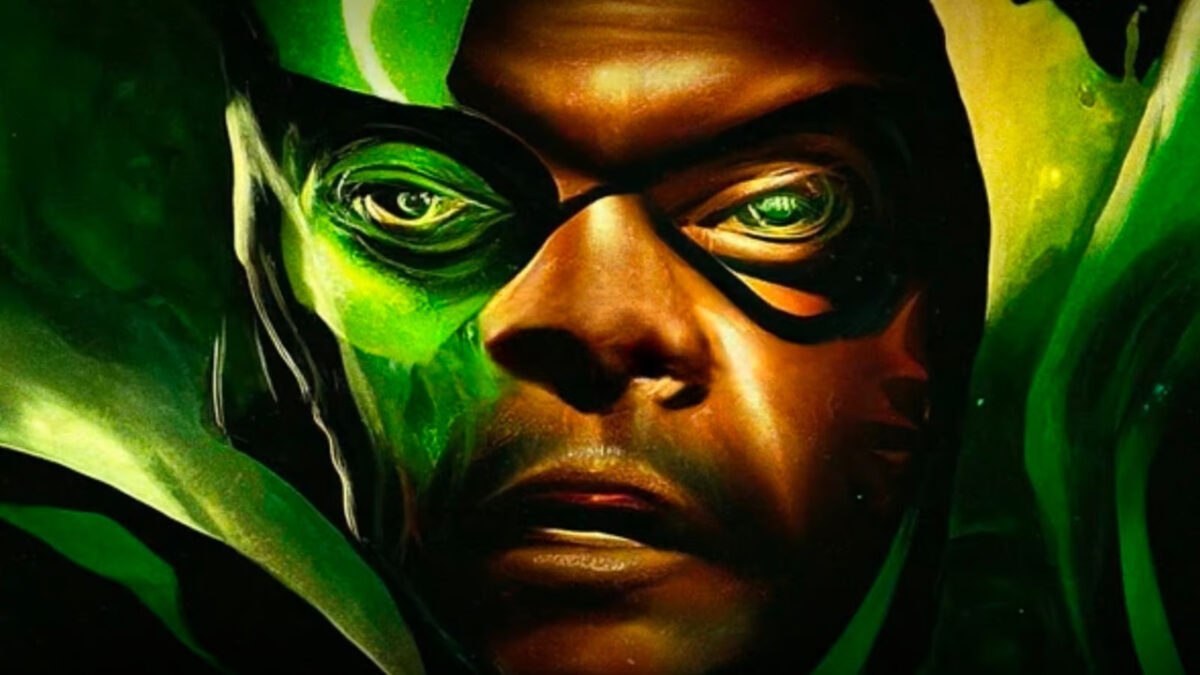
The problem is that not everything is as it is painted, and the public has a limit of swallowing. Everything is, on paper, very modern, very futuristic and very evocative, but when it comes down to it, the result looks ugly, artists are losing jobs and companies are getting online boycotts for using AI on book covers or, as in the case of the infamous intro of ‘Secret Invasion‘, for using it in mainstream products.

And so, the dream of all of us becoming artists who can write “Teddy Bear swinging on a cloud Bill Waterson style” faded away as laws have been put in place. Not everything goes, copyright exists, and the results of AI are far from perfect. “In the future they will be,” some say. The problem is that the metaverse will also be more perfect in a few years, but if it is not interesting now, it will be very difficult for it to work in the future.

The first big mainstream attempt to sneak AI in, even if it is creatively justified, was in the Marvel series for Disney+. And it has coincided with a general drop in interest, in Google trends, in everything related to AI content generation systems and even in the words “artificial intelligence” themselves, which peaked in April and since then have been of less interest.

No one denies that it can have incredible uses for different applications, but it’s pretty clear that there is no place in the art world for AI. Catching the trick is easy, companies look bad, creators get angry and the result is negative for everyone. We’ve been hearing for months that AI will brutally cut back on work and create a new world, but maybe it’s time to ask ourselves a simple question: we’ve played with the toy, we’ve had enough. And if we don’t want any more, so what?