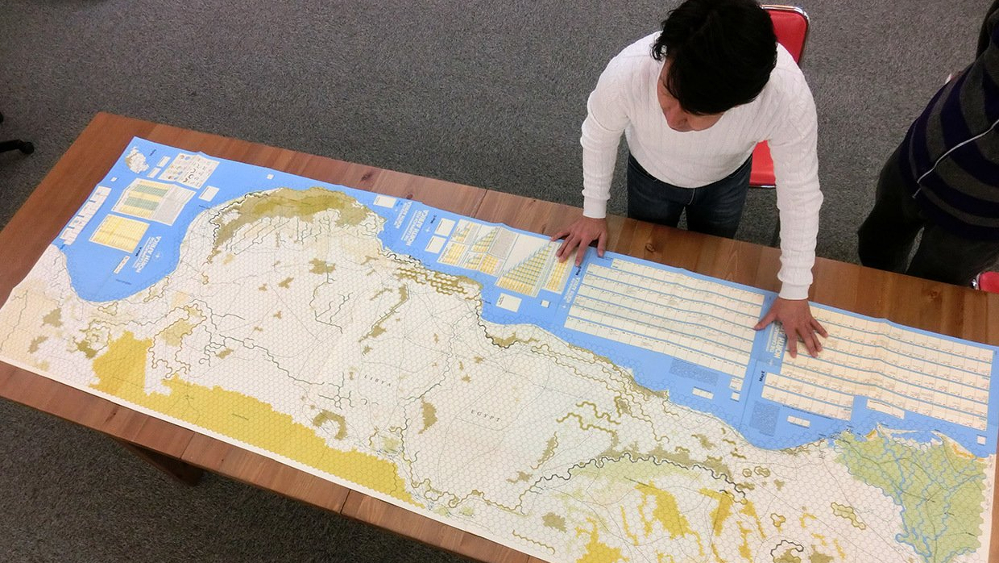
Imagine what it must be like to play ;The Campaign for North Africa, a board game that requires 2 to 10 players and lasts 1500 hours. Yes, you read it right.
We all know when a game of ‘Monopoly‘ starts, but not when it ends. It is common that between hotels, houses and tickets, the game has to be left on the table from one day to the next, or, if there is a cat in the apartment, it ends in a draw because of the risk of finding all the elements scattered on the floor. If we already feel lazy to continue playing one of the simplest toys on the face of the Earth, imagine what it must be like to play ‘The Campaign for North Africa’, a board game that needs from 2 to 10 players and lasts 1500 hours. Yes. You read that right.
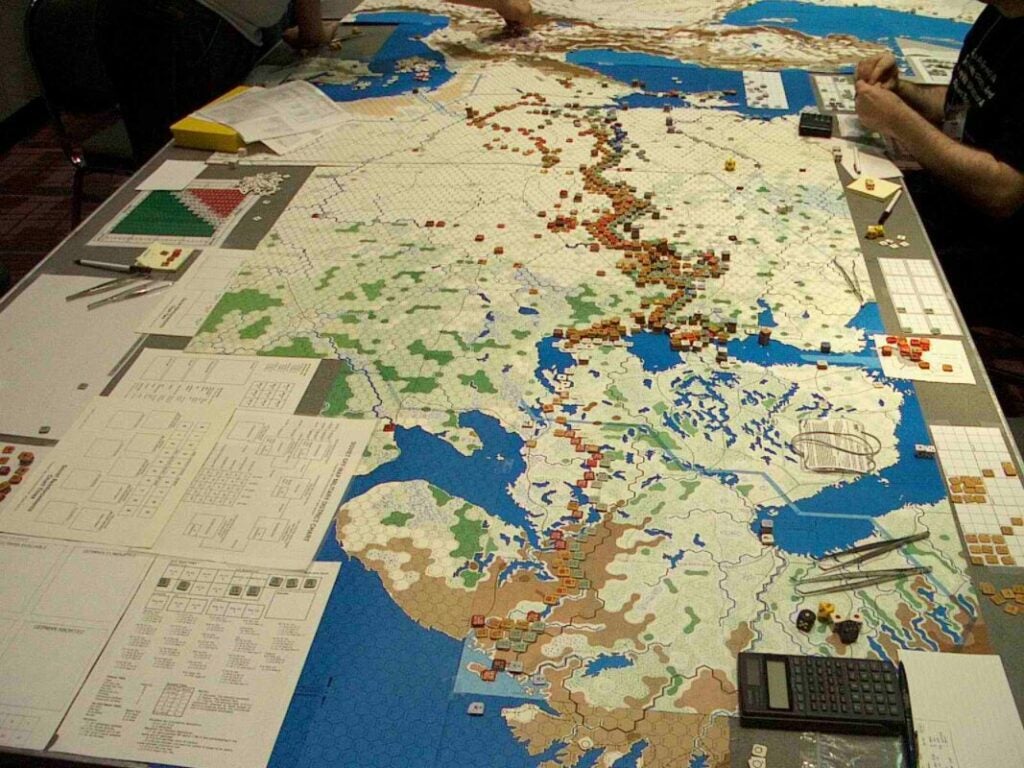
If you only played for two and a bit months, without sleeping or eating breaks, you might be able to finish a game of this 1976 classic that is a gem for the most intrepid gamers because of its three-meter map made up of five smaller maps depicting the war in North Africa during World War II. If you get together with your friends once a week and play for about three hours each session, in just ten years you will have finished the trial game. It’s worth it, isn’t it?
The most interesting thing about ‘The Campaign for North Africa’ is its exhaustive attention to detail. Here it is not enough to move pieces against each other, no: players are divided into two teams and each takes one of the main positions. They can be Commander, Logistics Commander, Rear Zone Commander, Air Commander and Front Commander. And each has to look after the welfare of his troops to the point of, for example, needing enough water for the Italians to cook pasta or having to determine the weather each turn: the hotter it is, the more water evaporates.
To give an example, it is like playing Monopoly but taking care that the washing machines in the hotel are not broken and every room in your house does not have dust on the floor. If you are amazed by the attention to detail and playing “just for a little while” does not convince you, you know what to do. The game comes with 1600 counters of all kinds (you’re going to need them) and a 45-page manual that, after all, is not so much to explain everything that can happen.
To give you an idea of the realism it wants to emulate, on each turn, each unit loses 3% of its gasoline to evaporation, but the British lose 7% because they used a different storage method that prevented it less. On Board Game Geek, the site for board game fans, it has a 6.2 rating. Mind you, good luck finding it: it’s a suicidal project that went on sale for $44 and no one else has dared to release it. So, anyone have something to do for the next twenty years and want to play a little game?
How was the worlds most famous game for giant brains born? The answer is, when little… surprising.
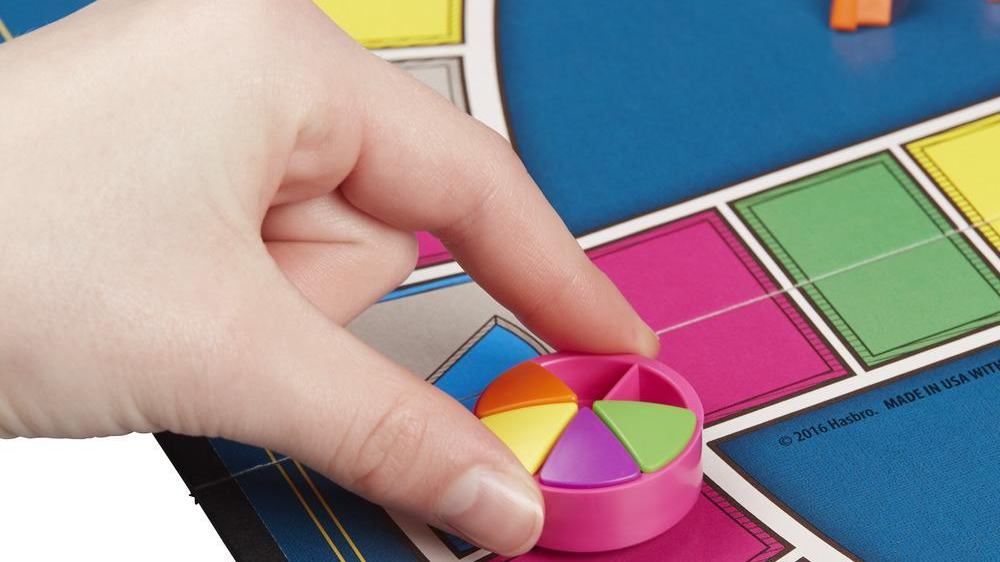
If we talk to you about the color pink and you think “Shows” and blue and a part of you says “Geography”, you’re one of us. And the fact is that ‘Trivial Pursuit’ has sold more than one hundred million copies around the world. To put it another way, it is as if every inhabitant of Spain had a couple of units at home… And some even three. The figures are dizzying, but how did the world’s most famous game for giant brains come about? The answer is, to say the least… surprising.
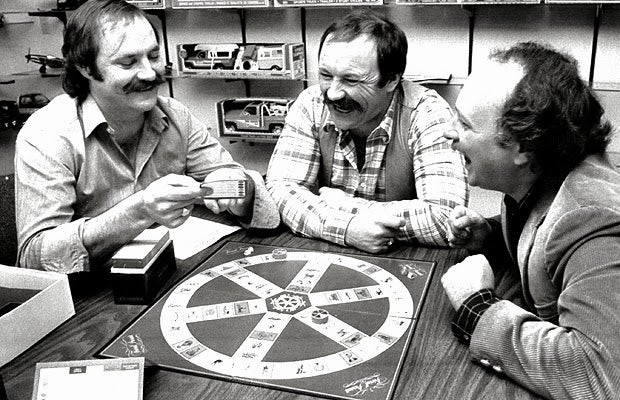
December 15, 1979. Chris Haney, a photographer for the Montreal Gazette, and Scott Abbott, a sportswriter for The Canadian Press, get together to play their weekly game of Scrabble. Some say the game was missing pieces, some say they were simply asking each other general cultural questions as they put the letters on the board. It doesn’t matter: in any case, one thing leads to another and soon they are wondering how much money the company that distributes the game will make. The answer: millions.
So they made a decision: to create their own board game. How? Very easy: by cutting out different colored rectangles, using an old game board, writing general culture questions like crazy and dividing them into six categories well known to all: geography, entertainment, history, arts and literature, science and nature, sports and leisure. That same night, Trivial Pursuit was born.
No more and no less than the creators of the game
But of course, it’s one thing to have the idea of the century and another to get the money to manufacture it. They got two partners into the business, did a little crowdfunding of the time (that is, asking for money practically house to house) and managed to raise $40,000 from 32 investors. All or nothing. Success or failure. We’re not going to get more excited about it, because we all know how the story ended.
Few cheeses
Each set cost about $40 to make, so they could only make 1100 copies. In order for them to make a profit, they needed to sell them for $75. They took one more chance: stores would sell it for $40 and buy it for $20. They had already lost money before they started, but it makes sense. After all, what adult in their right mind would buy a board game? 2023, wave your hand wryly, come on.
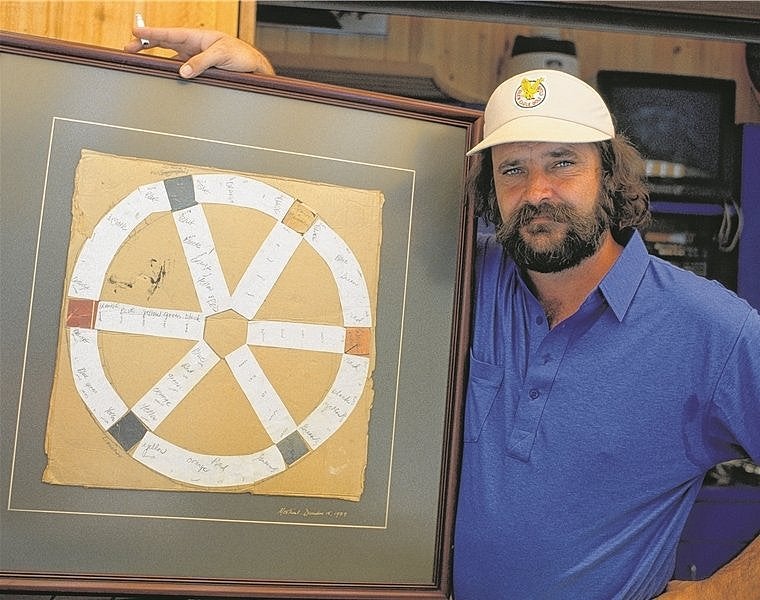
The creator of the board with his prototype!
On November 10, 1981 the game was registered as a trademark, but it was of little use if they were going bankrupt at full speed and couldn’t even pay back the money to those who lent it to them, right? Luckily, the following year, stores started asking for new units, and they saw a ray of hope: they borrowed $75,000 as a loan from the bank and dared to release 20,000 units that could have been perfectly eaten up.
However, by the end of that same year there were hardly any Trivials left on the shelves. The project had been a success, and the following year Selchow and Righter bought the game to sell it in the U.S. Do you know what Selchow and Righter’s most famous game was? That’s right: ‘Scrabble’. That there hasn’t been a movie made about it is insane. Trivia began to make its way into dinner parties and adult gatherings proving that you’re never too old to stop playing. Or are you? There was still a twist at the end of the road….
Objection, by Colombo!
As much as we may want to believe that the authors of ‘Trivial Pursuit’ had a privileged brain to put 6000 questions of all kinds, the truth is that most of the answers were taken from the typical books of absurd facts, such as ‘Trivia’ (the first one, from 1966) or ‘The complete unabridge super trivia encyclopedia’, created by Fred L. Worth and that became a best seller. The problem? All the other books in the same format clearly copied it.
The author’s solution to not miss a single one and prove that he had been copied was to create a fake one and sit back and wait for someone to screw up. But it wasn’t a fact book that did it, it was… ‘Trivial Pursuit’. Worth went through all the Trivial Pursuit questions one by one until he finally found the one they had taken the bait on. Pink section: “What was Colombo’s first name?”. The false answer, “Phillip.” Worth sued the creators for 300 million dollars with the excuse of having copied his intellectual property.
Indeed, both confessed the truth: they had taken data from his books… And from dozens of others. Matthew Byrne, the judge, dismissed the case and it did not even go to trial. In fact, he thought it convenient to clarify that the board game was nothing like the book, leaving the author humiliated and the authors of Trivial more at ease than ever. Oh, in case you’re curious: Colombo’s name was Frank, and we know it thanks to the box set that compiled seasons 1 to 4 on DVD. Now you can sleep peacefully.
They didn’t want to introduce a new board game that would entertain children during the war, but… get their own out of prison.
The year is 1941: World War II rages in Europe, and British prisoners are falling into Nazi hands by the handful. However, a handful of them seem to be successfully escaping from German prisons. How is this possible? What were the jailers overlooking? They had made sure that they received nothing beyond the bare necessities: clothes, food and a game of ‘Monopoly’ to keep them entertained.
“Go to jail. Go directly without passing through the Exit box and without collecting the 20,000 pesetas”. If you had a ‘Monopoly’ in the 90’s you know perfectly well how many hours it could last until someone decided to withdraw from the game or went bankrupt buying hotels. It is the quintessential capitalist game (although it was born with the opposite idea in 1903) and it is difficult to tell something about it that you don’t know.
But there is a period when perhaps the least important thing in the world was ‘Monopoly’: obviously, during World War II. And yet, it became an indispensable ally in helping imprisoned soldiers get out of jail. But how? It all starts with one man, Christopher Clayton Hutton: soldier, escape artist, secret service employee, inventor in the Q style of James Bond movies. It was he who came up with the great idea of teaming up with Waddington’s, the board game company that, among others, first published ‘Cluedo’. But not to introduce a new board game to entertain children during the war, but to… get his own out of prison.
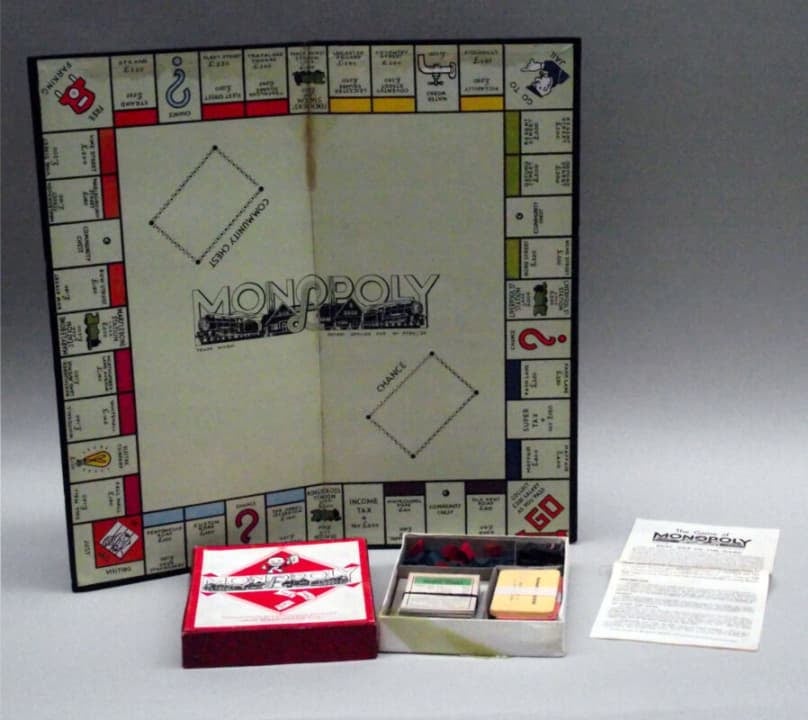
The escape kit that went past the Nazis as if it were humanitarian aid contained a silk map of different European countries on which were marked the safe houses, the places to go, knives, miniature compasses, pieces of metal (all posing as real pieces), rope and, what is even better, real money… placed exactly under the money in the game. But how is it possible that no one noticed?
Hidden in plain sight
As if it were a movie (and oddly enough, no one has made the biopic yet), Waddington’s and Hutton hid the maps and utensils inside the Monopoly boards: being made of silk and not paper, the maps held water well and could easily be hidden in a small place. Also, since they didn’t make any noise, they didn’t attract the attention of the guards. Not that they had to figure all this out on their own: before going on a mission, the British already knew that the fake Monopolys existed.
You may be thinking that it doesn’t make any sense that enemies would allow their prisoners to play board games, but the truth is that the Geneva Convention allowed NGOs to send them to keep their minds active. Besides, the Germans figured that, as long as they played, they wouldn’t make escape plans. Spoiler: it goes wrong.
These games could easily be mistaken for real Monopolys, and the only way prisoners could tell it was their key to freedom was by a red dot in the Free Parking box. Obviously, after using them, the soldiers had to destroy the games so that the Germans would not know how they had managed to escape. It may sound like something out of a ‘Mission Impossible’ movie, but the truth is that thousands of captured soldiers escaped this way. It can be said, yes, that they got a letter to get out of prison.
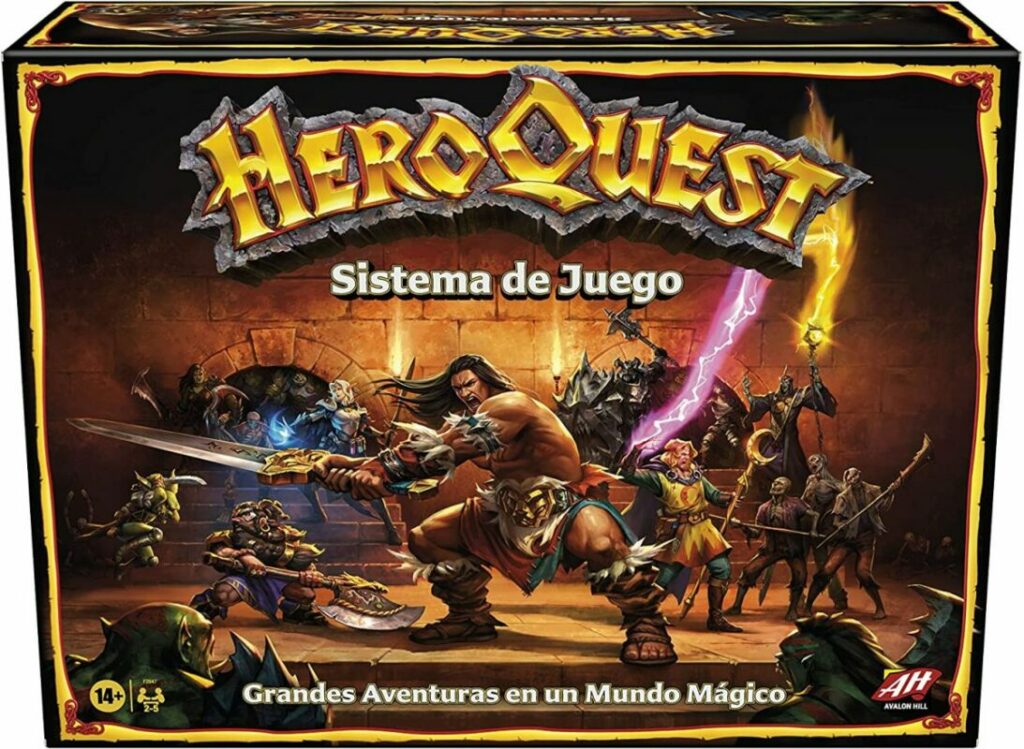
It may not be the best, but for many it was the first. This is the story of HeroQuest.
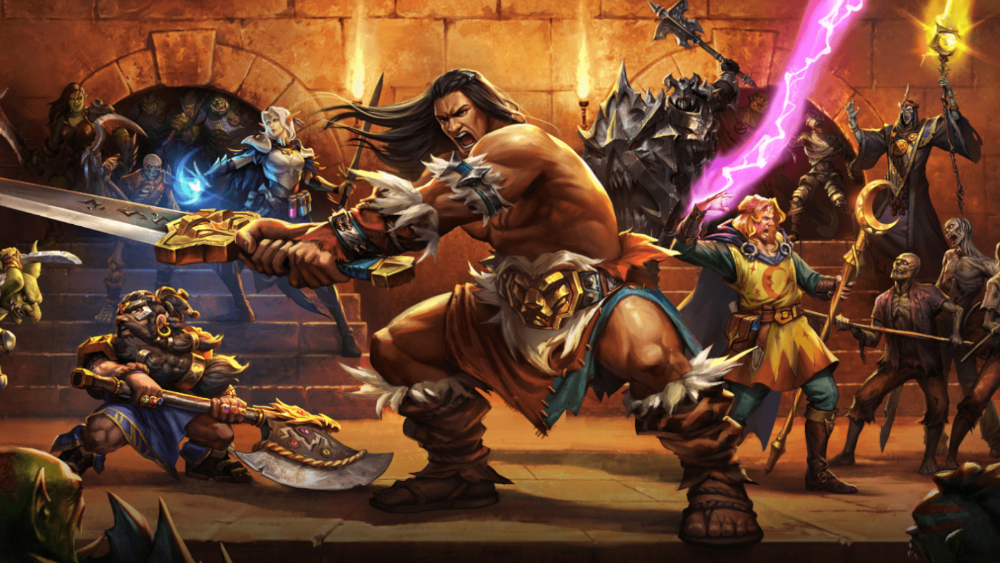
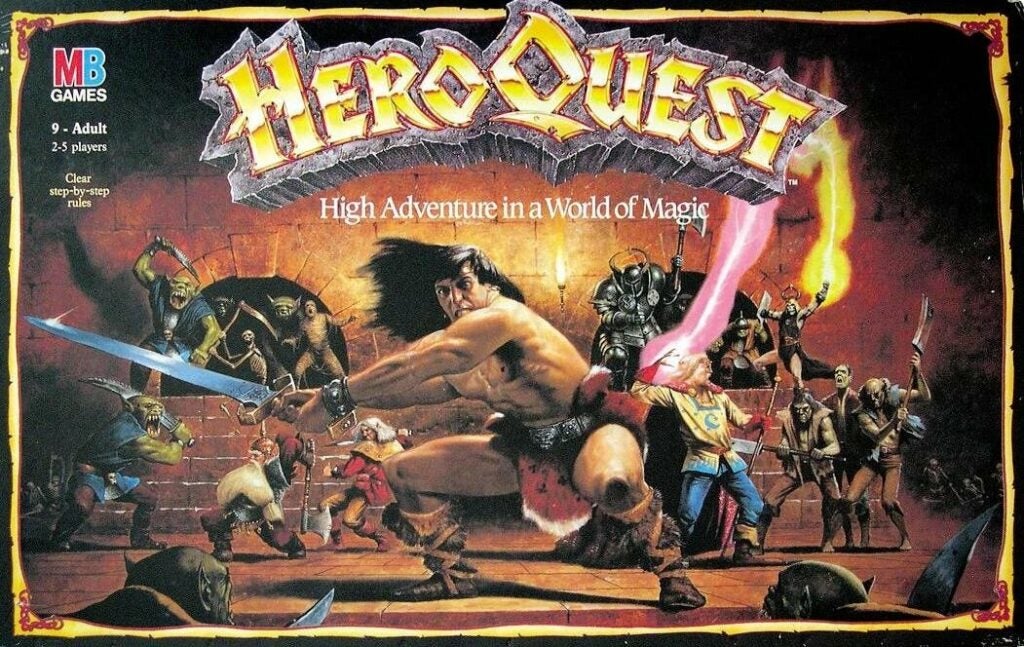
If you already have gray hair (or are on your way to it), there is a board game that will bring a smile to your mouth irrepressibly. It is the memory of clashing swords, battles won at the last moment, medieval epics, miniatures and dungeons that unfolded before us: it may not be the best, but, for many, it was the first. This is the story of ‘HeroQuest’.
A free program for Android, created by TwinCoders.
Pure dungeon crawling
By the end of the 80’s, ‘Dungeons & Dragons‘ was already more than established in popular culture. With the second edition about to be published, which would introduce the first major changes to the role-playing game, more than a few people tried to capitalize on its success. Among them, Games Workshop, founded in 1975 and which brought Gary Gygax’s work to the United Kingdom as well as creating complex miniatures and games like ‘Warhammer 40K’, which even now continues to receive versions and expansions.
In this scenario, in which medieval fantasy took all the glory, we find Stephen Baker, a game designer who left Games Workshop to go to the friendlier Milton Bradley (better known in Spain as MB). His idea, to create a fantasy game in the style of ‘Warhammer’ but one that could be played by everyone. Said and done: the only requirement was that it be simple enough for the whole family to understand.
Originally, Baker was going to contact his former company exclusively to make the miniatures, but he finally decided to trust them to create and develop the whole game. In 1989 it exploded in sales in Europe and became the gaming craze: ‘HeroQuest’ was a mix between role-playing game, miniatures game and board game that for four years was absolutely everything.
Role for novices
In ‘HeroQuest’, players had to fight against the master (“Morcar” as we know him or “Zargon” as he is known in the United States), who set up dungeons to try to defeat them. Players could choose from four archetypes (barbarian, dwarf, elf and mage), each with their own range of abilities, who fought against all the enemies put in front of them. For an experienced player it was really simple, but the kids of the time felt that finally a game gave them the epic they needed.
The same year of its release, ‘The Tower of Kellar’ allowed players to try to free the Emperor and his army by going through ten new scenarios with 17 different monster miniatures (it would appear in 1991 in the United States). And, at the same time that expansions were appearing like hot cakes (‘Return of the Warlock Lord’, ‘The Wizards of Morcar’), Games Workshop was preparing a special version for the most experienced players.
Advanced HeroQuest’ was the same game but more complicated, to put it simply. The characters acquired new characteristics and the combat was more complex… although at the time the fans didn’t like it very much. In fact, the fame of HeroQuest, in general, was falling over the years. And then came its darkest moment: crowdfunding.
Launch it
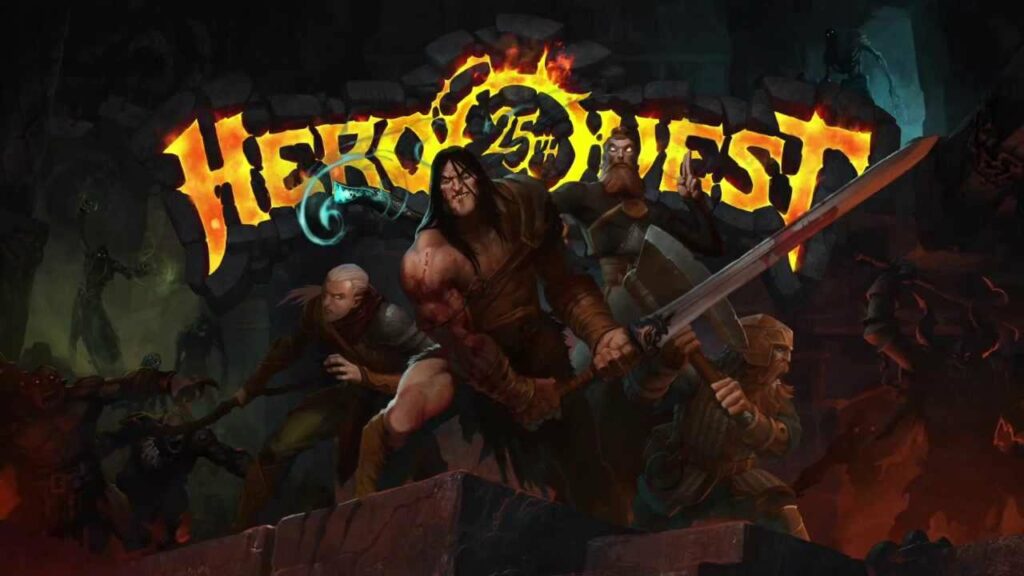
They asked for 58,000 euros, but managed to raise 679,927: a small company called Gamezone “accepted the challenge” of releasing a 25th anniversary version of ‘HeroQuest‘ giving it the level it deserved as a game that changed the life of a whole generation. They promised it would see the light of day by Christmas 2014. To this day, no one has seen a single figurine… or their money back. Gamezone didn’t get the rights but nevertheless launched the crowdfunding, convinced that, seeing the success, they would get them.
In 2021 the trial was still going on, and it doesn’t seem that it will end soon because of its “extreme complexity”. Luckily, last year Avalon Quest (Hasbro in Spain) was able to calm things down by releasing ‘HeroQuest’ for sale again with the usual expansions and some new ones trying to take advantage of the current wave of board game success.
HeroQuest’ is a game that has marked many childhoods, defined many lives and changed many minds about what role-playing games are. It may not have had a smooth path and it may have started as “an easy version” of role-playing, but in the end the numbers speak: especially in Spain, it was more than pure nostalgia. It was a mass phenomenon. Grab your axe, open the dungeon and get ready to collaborate to kill all the bugs: Let the battle begin!
Between the war and his tedious job, Anthony E. Pratt escaped in the best possible way: creating his first board game.
Year 1942. Birmingham suffers the bombing of the Nazi Luftwaffe every few years. So much so, that it became the third most bombed British city in World War II after 77 attacks in which 2241 people were killed and 12,391 houses were destroyed. And in the midst of that disaster, Anthony E. Pratt worked in a factory creating tank components, a laborious, repetitive job he hated. Between the war and his tedious job, Pratt escaped in the best possible way: by creating his first board game.
A complete application for iPhone, by Marmalade Game Studio Limited.
Miss Amapola at the ballroom
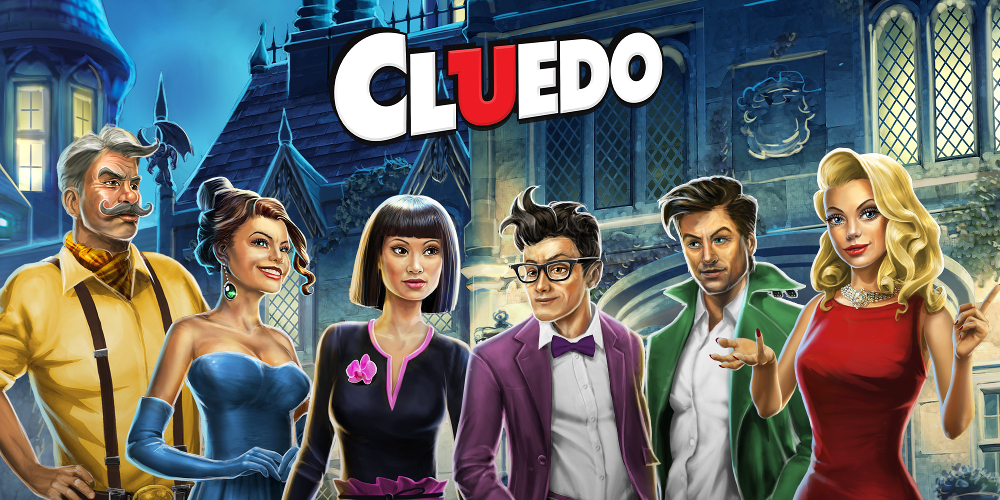
Before becoming a tank manufacturer, Pratt was a musician who played in different hotels for rich people where the highlight of those nights in the interwar period was playing murder mystery. Or what amounts to the same thing: discovering who had committed a murder among all those present. Reading the novels of Agatha Christie and Raymond Chandler did the rest: on December 1, 1944, the Briton and his wife Elva, who designed the game board, registered a game called ‘Murder! But the story did not end there… And there were still to be a few unexpected twists and turns.
Shortly after registering it, the couple went to Waddingtons, a board game company (which in 1994 would be acquired by Hasbro) and which was already publishing ‘Monopoly’ in the UK. At that time the game was already basically what we know: a country house with different rooms in which a body is found and all the guests are potential murderers. And of course, only by finding the right clues will the mystery be solved. The Pratts immediately convinced Waddingtons, who agreed to distribute it.
It must be said that Waddingtons changed the game slightly to make it more accessible: from ten characters it went down to six and some weapons were removed, such as the hypodermic syringe or the Irish cane. Anyway, the original ideas ended up appearing in some of the many -many, impossible to follow- versions of the board game.
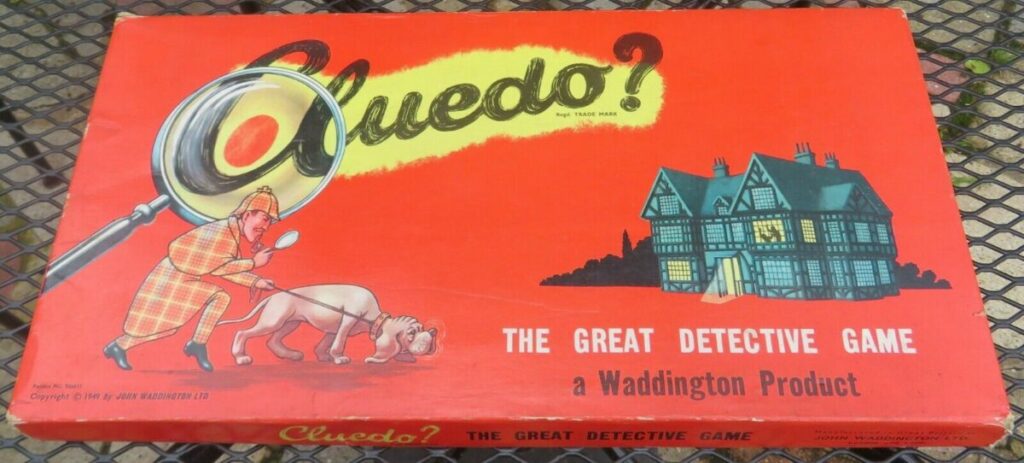
If you think this is a story of how Anthony E. Pratt got rich, think again. When, at last, ‘Cluedo’ was released in 1949, the results in a post-war UK were rather muted. The company told the Pratts that it wasn’t selling very well, especially in America, and they bought the world rights from them for £5,000 (the equivalent of about £100,000 today). Neither of them would ever see any money from ‘Cluedo’ again and their name would become anonymous.
In 1996, to celebrate 150 million units sold, Waddingtons (now part of Hasbro) tried to find Pratt to celebrate with him. He had died two years earlier, at 90. Since receiving the money for ‘Cluedo’ he opened a candy store and worked as a paralegal in complete anonymity. And yet his game has prevailed until now.
Sherlock Clue
In its American release, ‘Cluedo’ (there ‘Clue’) got a deal with Arthur Conan Doyle’s heirs to advertise itself as “the great new Sherlock Holmesgame”, even though the detective was neither there nor expected (later, all said and done, he would be the protagonist of several TV commercials in the 70s and 80s, when marketing was in full swing).
Since then, ‘Cluedo’ has been everything. Literally, everything. Starting, of course, with the board game itself with its different meanings: with VHS incorporated in the ‘Atmosfear’ style, in a children’s version where you can find out who hid the lost puppy, card games and even adaptations of ‘The Simpsons’, ‘Friends’, ‘Rick and Morty‘ and ‘Brooklyn 9-9’. Hasbro even came up with a kind of new version that came to replace the classic (‘Cluedo: Discover the secrets’) and was such a failure that two years later they were forced to withdraw it from the market. They should have learned from the history of New Coke.
‘Cluedo’ has had a collection of 18 children’s novels, two comic miniseries, a musical and a play that could end in 216 different ways depending on what the audience decided, a television series, competitions in Canada, Australia, UK, Germany, Italy, Portugal, France and Scandinavia, a dozen video games and, of course, the movie.
Today, ‘The Game of Suspicion’ (the Spanish title of ‘Clue’) is considered a cult classic, but in 1985 it was a resounding box office failure despite its curious way of taking people to the cinema three times: each screening offered one of three different endings (which today have been compiled into the complete film). There was a fourth ending planned, but it seemed to be of poor quality and was never screened.
Ah: in the end, ‘Cluedo’ had its version of Sherlock Holmes when Hasbro decided that there would be no franchise without its version of the game. To sell 150 million copies you have to know how to do it, right? And now, do you know who killed our victim today? Where? and with what weapon?
So that you don't get lost and put Catan aside, we are going to tell you about those ten board games that cannot be missing in any good house.
5100 years ago things were not so different from today. People also fell in love, worked, hated politicians, and brought complicated board games to dinner parties with friends for the pleasure of saying, “Well, a little game, eh?” Senet started it all in Egypt and, over the millennia, the same thing has happened that happens when we take a very old game off the shelf: the rules have been lost.
Fortunately, as a society we have left behind games like Monopoly, Trivia or Taboo to give way to an almost overwhelming number of modern “must try” games.It is estimated that 3000 new board games are released every year, not counting versions, adaptations and bestsellers. So that you don’t get lost and leave Catán aside, we are going to tell you those ten board games that can’t be missing in any good house. No, we are not referring to Parcheesi.
10) 7 Wonders Duel
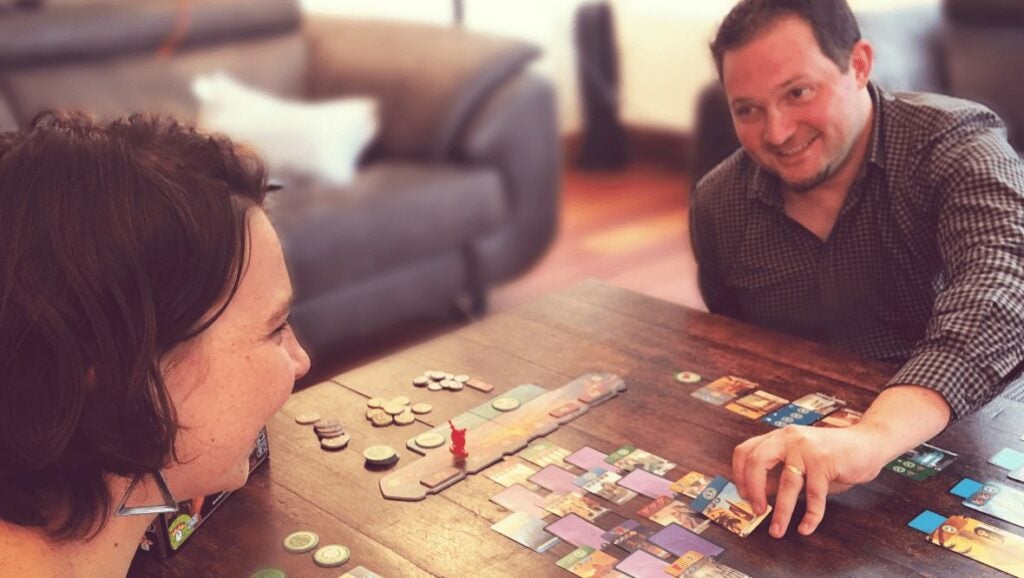
You only have one person to play with and you’re sick of brisca? Try the version for two of ‘7 Wonders’, which surpasses (by far) its mother. In this game you will have to create an empire through three different eras getting the right resources to build your wonders without leaving aside the power of the army, science and, perhaps, get the favor of the gods. As easy to learn as it is difficult to master, ‘7 Wonders Duel’ is a must for any bookshelf.
9) Werewolves of Castronegro
You’ve played this game a thousand different ways (usually using cards from a regular deck and calling it ‘Town Sleeps’), but none can beat the quintessential social game, on which even reality shows like ‘Traitors‘ have been based. If you have a large group where you all know each other, this is the ideal game to never stop: a town full of innocent citizens, a few werewolves, daylight trials, impossible loves, hunters with one last bullet and girls who can be the first to fall. It never gets old!
8) Marvel Champions
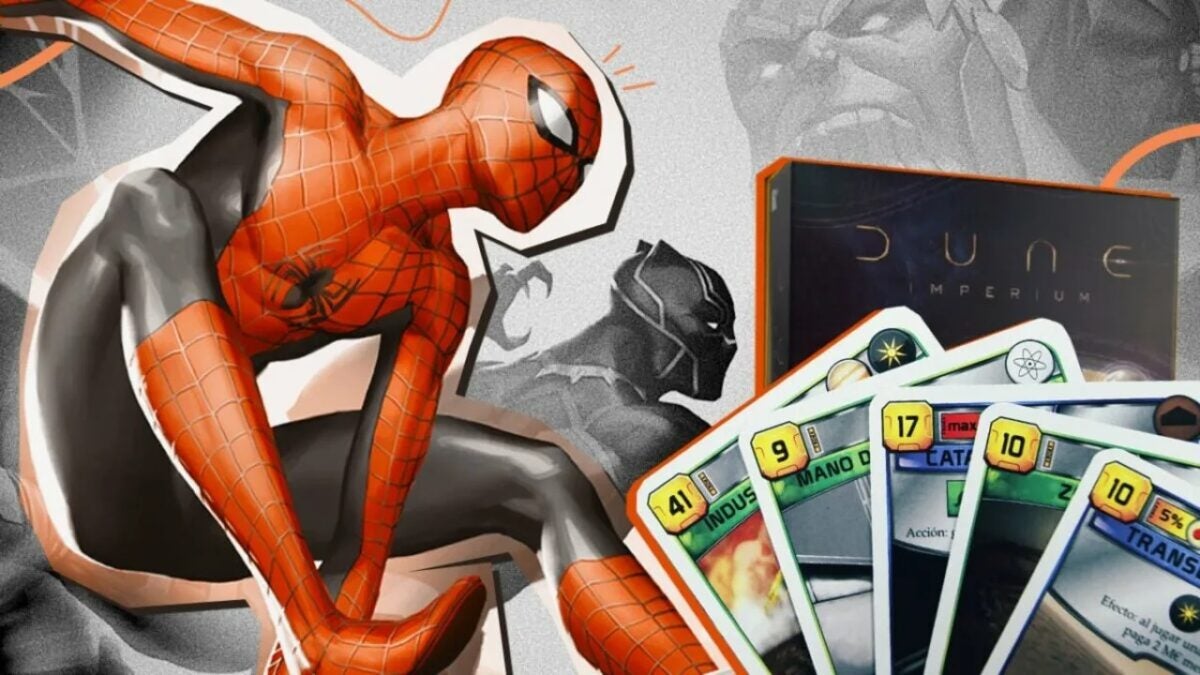
Yes, yes, I know. If you’re a fan of European board games you’ll be holding your hands over your head, but… ‘Marvel Champions’ is the perfect adaptation of a powerful license to a collectible card game. Don’t let its somewhat complex rules hold you back. When you start to beat the villain of the day with Spiderman or Captain America you’ll immediately know why it has it all: excitement, adventure and the possibility that even Rhino will have a good hand and give you a haircut.
7) Pandemic Legacy
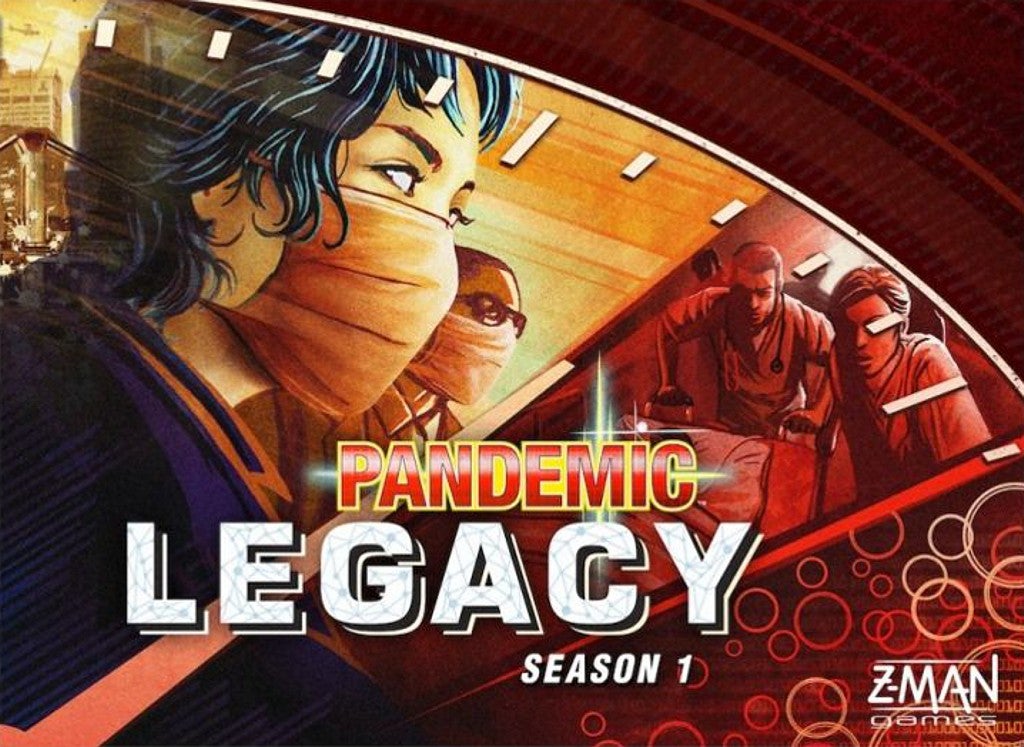
In any list, in any way, we would not propose ‘Pandemic’ as a game to be considered beyond a few pachangas. But ‘Pandemic Legacy’, especially in its season 1, changed everything we believed about the game. Twelve games, twelve months, twelve decisions that can change the fate of the world forever. Hold on to your character and boost his special powers, because as you open boxes, expand the rules and turn the plane of Earth into a place of uncontrollable infections, each month will become more and more difficult.
6) Terraforming Mars
And if we destroy Earth, the time has come to make Mars a habitable planet. But of course, several companies are fighting for the same thing. Buy the right cards, play smart, use strategy and claim a victory that won’t be clear until the last minute. A warning: you will probably need a couple of games before acclimatizing yourself to all the new concepts proposed by the game, but when your head clicks… You will be facing the most exciting two hours of your life.
5) Blue
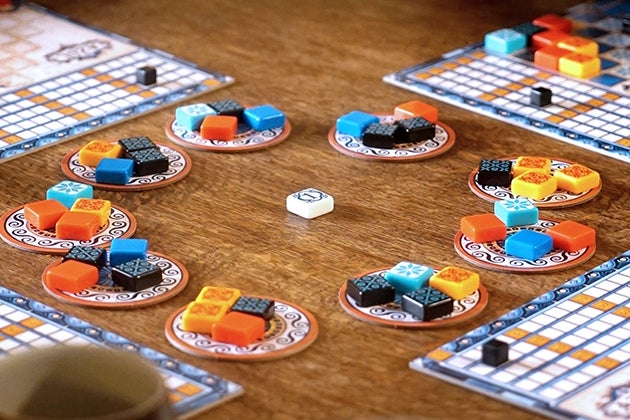
Not everything is going to be games for hardcore gamers: you have to leave room for those that your father could understand if he wanted to. Azul’ and all its variants is a guarantee of eating your head off for a while, playing to annoy your opponent and, in the meantime, trying to decorate your own palace. Most likely you will end up eating many more pieces than you would like, but with a style of play so easy to understand and, at the same time, so complex to strategize, it is an absolute must that comes to replace the classics of a lifetime in the family.
4) The mansions of madness
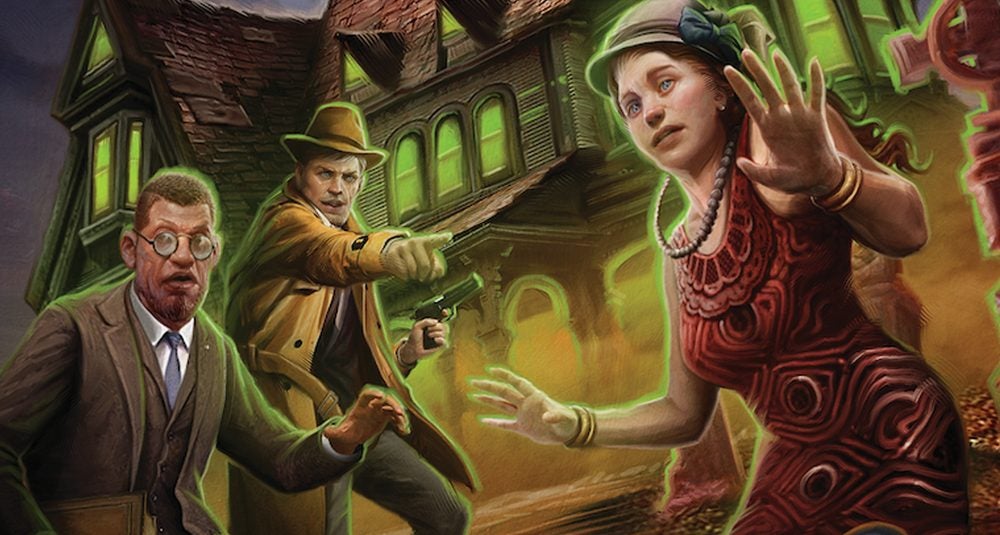
Halfway between a role-playing game, wargame and horror is ‘Mansions of Madness’, a game that must be played with a mobile application and in which you must confront the hosts of Lovecraftian evil while you fall little by little in the lack of sanity. Each step will literally bring you closer to success or failure, and it is vital that you take it wisely. You may have to leave that object on the ground or not investigate that noise, the important thing is to get out alive!
3) Dune Imperium
Dune Imperium’ is a constant struggle between different factions to take over the power of Arrakis: build your deck little by little, gain influence and power, polish your strategy, make pacts with the other factions… And, if you can, win the war for the Spice. Ah! And once you get tired of it, in a long time, don’t let its expansions pass you by: pure playable gold.
2) Arkham Horror
We return to Lovecraft once again to get into one of the most famous card games of all time. Play alone or with another investigator, encounter cultists and try not to fall into madness when you see creatures beyond comprehension. All your choices will have consequences, and you may not finish this adventure alive – if you do, don’t forget to get any of the many, many, many expansions that extend the adventure to the limit!
1) Gloomhaven: Lion’s jaws
Although the deepest gamers prefer ‘Gloomhaven’, without extras, the truth is that its sequel is much simpler to set up and play, without losing a bit of the excitement, the fight, the struggle and the atmosphere of the original. A cooperative game of tactical combat in which you will have to finish off the monsters that come to finish you off. The best part? It’s as easy as opening the box and starting to play through the 25 campaign scenarios – learn as you play! An absolute must-have that improves on the original in every way. Not a good house without its ‘Gloomhaven: Lion’s Maw’.
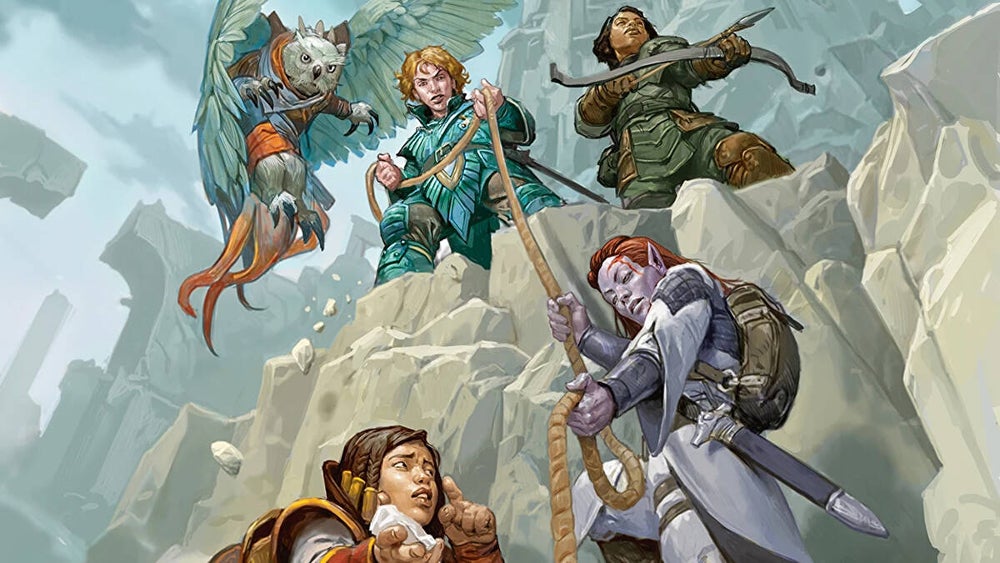
Surely more than once, tired of always playing a Catan, a Carcassonne or a Trivial, you have thought about getting started in role-playing games.
Using the magic staff you found in the realm of Folvendat, you make your way through the enemies across all dimensions and stand before the door to Avernus. The door is red and heavy, and from within it comes a stinking stench, pure sulfur. Not even Fertrenn’s enhanced eyesight can see beyond it. When you try to open it you find that it is locked tight, protected by Idilssur’s spell,and the magic staff begins to lose strength and power. What do you do?
Un programa gratuito para Android, creado por TwinCoders.
What you need to play role
Surely more than once, tired of always playing a Catan, a Carcassonne or a Trivial, you have thought about getting started in role-playing games. You’ve seen how they played in ‘E.T’ and ‘Stranger things‘, but you have no idea how to start, what game you should buy, you don’t even know what it is! Don’t worry: keep an eye on your inventory, roll the dice and get ready to maximize your powers, because we’re going to tell you what it is and how to role-play.
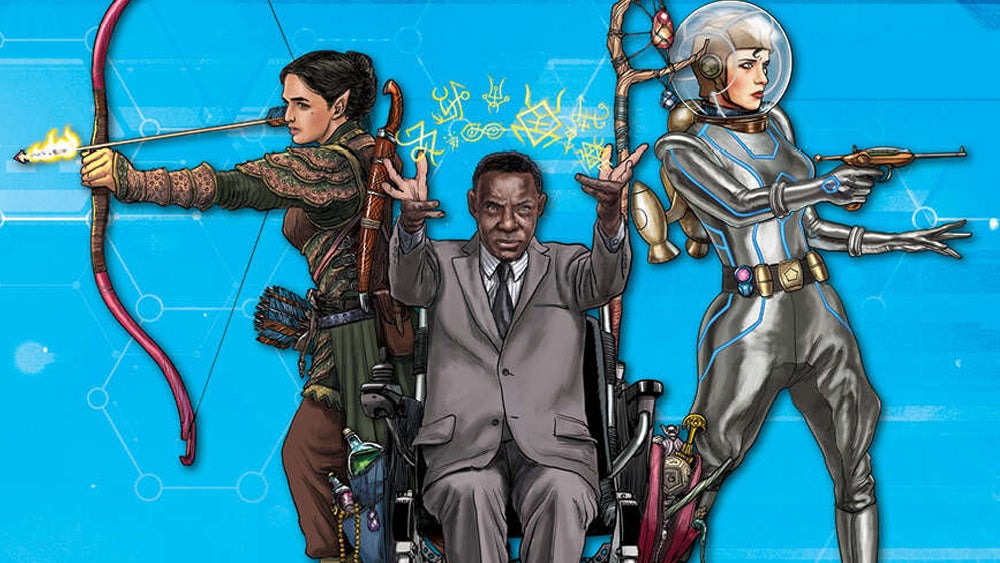
When it comes down to it, the most basic things you need are friends, pencil, paper and imagination. After all, a role-playing game is a collaborative story in which one person narrates what happens and the rest of the players act as their characters would, varying the story. But of course, said like that it is not very funny. Therefore, and although there are dozens of variants, it is normal that each character has some associated characteristics.
Whether decided by the player or decided by luck with the dice, the characteristics (strength, intelligence, charisma, etc.), usually added to the result of a die, indicate whether what you want to do is going to work out well or whether you are about to screw up and send everything to hell.
Imagine that you are a powerful warrior with enhanced attack and strength attributes and that, when you want to attack an enemy, you roll the maximum possible: you will not only hit that kobold with a sword, but you will do it better than expected (hitting the henchman next to him, for example). Now, imagine that you are a very intelligent gnome but with a very low attack that wants to hit a guard in the back and, on top of that, the stealth roll is low: it is more likely that instead of hitting him you hit yourself in the foot and, with the scream, you alert the whole castle. Things that happen.
But a lot of numbers have no real interest if your character doesn’t have a life: you must think about where he comes from, what his goal is, his friendships, his enemies, his alignment, his tastes. Come on, create a life out of nothing that you can play and evade reality. You can also create a nine-to-six worker who spends his evenings watching TV and sending WhatsApps, but the role may fall into the “boring” category.
The master’s degree
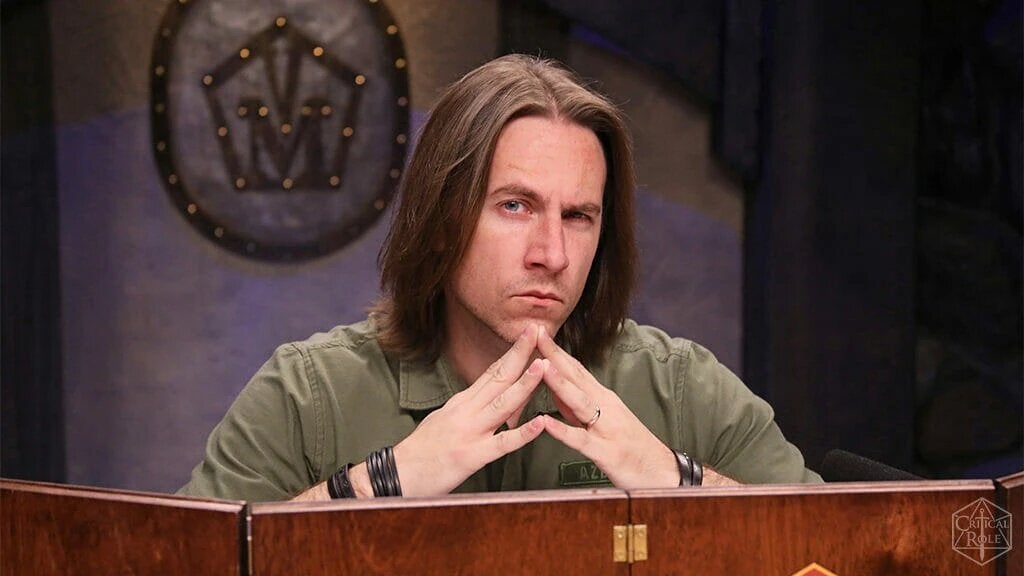
Okay, you already have your character. You know how he talks, you’ve drawn a picture of him and you’ve even imagined what will be his star phrase (“Eat my sword, knave!”), but he won’t do anything without the master. Call him Game Director, Dungeon Master or Narrator, the system is always the same and what differentiates the role from a regular board game: there is someone who knows what can happen, makes the decisions of the enemies and non-playable characters and holds your destiny in his hands.
There is a rule written in the role that indicates that the final decision of the master is the one that counts: if you have fallen down a ravine and a fire monster has devoured you, don’t try to change its mind while the monster is digesting. It’s time for your companions to mourn the fallen warrior and for you to create a new character. When you arrive ready to play, the master will have already spent several hours preparing the game, so the least you can do is, at least, have a little respect for him and bring the supplies. Keep in mind that an average role-playing game usually lasts about three hours!
Although you, as a player, will have to learn some basic rules (how to investigate, attack, etc.), it is the master who will have to learn most of the manuals to decide in the fairest way possible. He is also the person who will know your secrets and will dose them throughout the games. Note: you can also be a master. The problem is that this is the job to which very few are destined. It is not paid. Literally.
Some games to start with
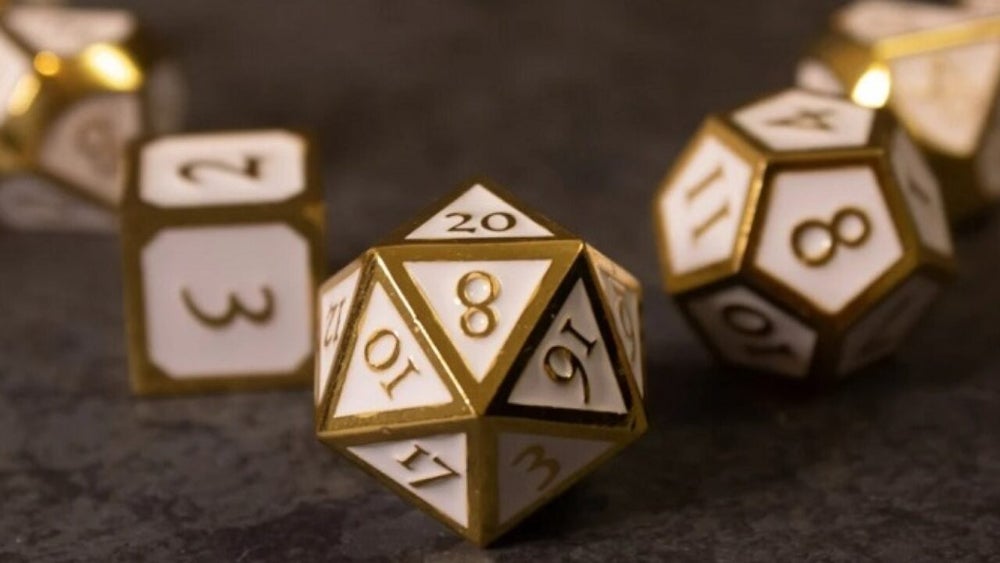
Get a few sets of dice (4, 6, 10, 10, 12 and 20-sided, although there may be more) and decide which game to start with. Surely your head immediately went to ‘Dungeons & Dragons‘, and no wonder: it was the first role-playing game in history 50 years ago and is still the king (as proof, the great ‘The Legend of Vox Machina’ in prime video). But although 5E is much more narrative and simplified, deep down you don’t want to study two manuals of 300 pages each before rolling a single die, do you?
There are other options for simpler games that are no less fun or deep. In fact, D&D itself knows this and that’s why it has a starter box with the simplified manual and a story with which to start rolling dice almost immediately. But why not try other options? ‘Fiasco’, for example, is special because it has no narrator. In it, with very few rules, you can create great stories in a group. Of course, you need a very creative group.
Imagine that you are attracted to the idea of playing role-playing games but set in your own world, only having some basic rules. For that there is ‘FATE Accelerated’, a game with which you can literally play whatever you want. Or, why not, ‘Call of Cthulhu‘, whose rules, once you know them, are not so complex compared to the Lovecraftian mystery adventure it can give you.
There are even role-playing games that only have two pages of rules – you can even make up your own if you have the time! At this point, you can play a game playing practically anything you want, from slashers to soap operas (watch out for ‘Passion of Passions’). If you thought role-playing was just about axe-wielding medieval adventures, you’re very wrong: there’s a whole world out there to play! Don’t get overwhelmed, choose a manual to start with, get your friends together… And let the fun begin.
To finish
Once you have finished your first game, you have a question to solve: Do you intend to end it here or do you want to make a campaign and keep the same characters for years (or days, depending on the expertise and type of game)? If you choose the latter, get ready for adventure, romance, unexpected twists, deaths, friends and battles. Or don’t. You decide, after all, how to spend three hours every week with your friends. Isn’t that the best thing about role-playing?