Netflix is now going to try to amass millions with its version of 'Monopoly' and other unscripted shows

It had to happen sooner or later, because money calls to money. Netflix has implemented a process known as “bake-off” to select production companies that will be responsible for creating unscripted programs. This method allows the platform to evaluate proposals from different companies and choose the one that best fits its vision for the project. In a recent case, the series With Love, Meghan, focused on Meghan Markle, was won by Sony IPC during this competitive audition process. Roll the dice… and good luck! The “bake-off!” is not a new concept for Netflix, which has used this […]

It had to happen sooner or later, because money calls to money. Netflix has implemented a process known as “bake-off” to select production companies that will be responsible for creating unscripted programs. This method allows the platform to evaluate proposals from different companies and choose the one that best fits its vision for the project. In a recent case, the series With Love, Meghan, focused on Meghan Markle, was won by Sony IPC during this competitive audition process.

Roll the dice… And good luck!

The “bake-off” is not a new concept for Netflix, which has used this strategy on various occasions within the competitive world of unscripted content production. The popularity of this approach lies in its ability to attract a variety of creative talents and ensure high-quality productions. The series With Love, Megan, for example, has generated significant expectations, not only because of its theme but also due to the reputation of the selected producer.

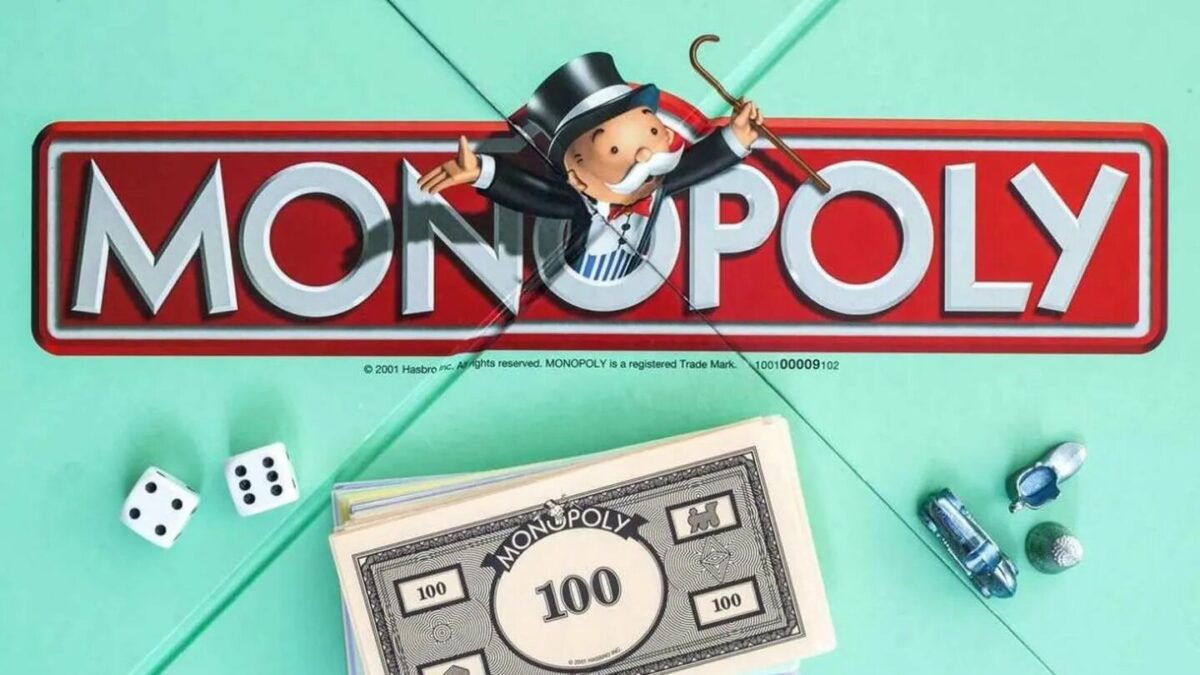
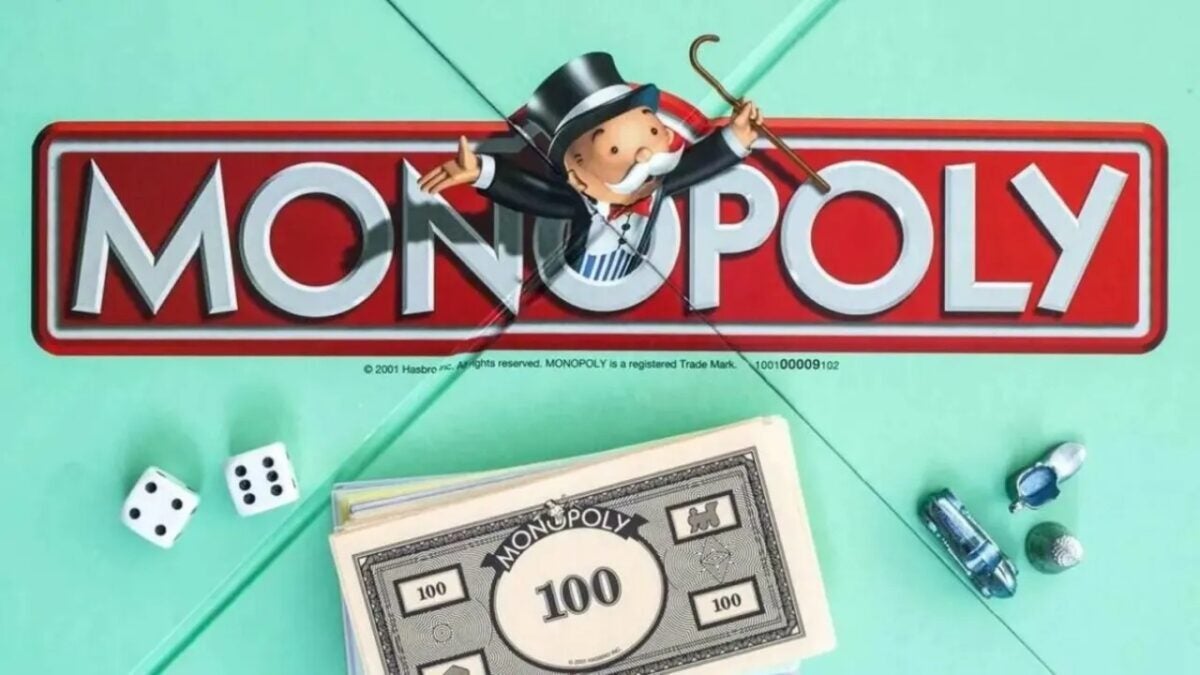
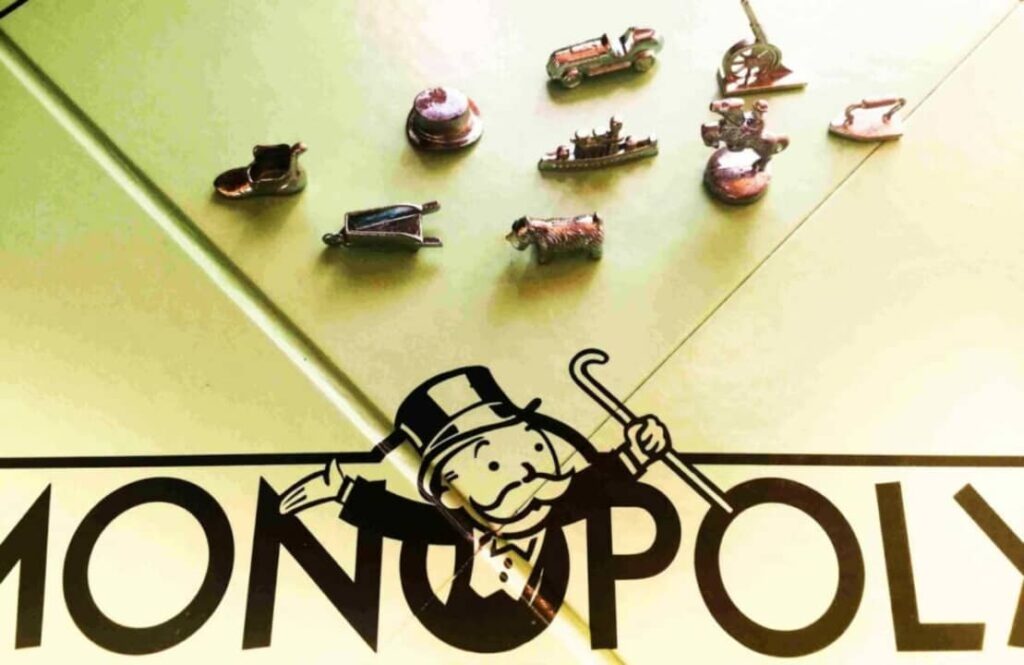
In addition, in its quest to diversify its content catalog, Netflix is conducting a “bake-off” for its upcoming series, one of which is based on Monopoly and another, The Golden Ticket, on the iconic work by Roald Dahl Charlie and the Chocolate Factory. This new production aims to capture the magic and creativity that have made the original story a timeless classic. Although specific details about the selected producers for this project have not yet been revealed, expectations are high given the success of other adaptations of Dahl’s works.

In summary, Netflix continues to innovate in the way it selects production companies, using the “bake-off” as a key tool to ensure that its unscripted programs are not only relevant but also of high quality. With titles like With Love, Meghan, and The Golden Ticket, the platform seems committed to providing engaging and diverse content to its global audience.

The Spellbinding Story of Monopoly’s Transformation into a Nazi Nemesis

They didn’t want to introduce a new board game that would entertain children during the war, but… get their own out of prison.

The year is 1941: World War II rages in Europe, and British prisoners are falling into Nazi hands by the handful. However, a handful of them seem to be successfully escaping from German prisons. How is this possible? What were the jailers overlooking? They had made sure that they received nothing beyond the bare necessities: clothes, food and a game of ‘Monopoly’ to keep them entertained.

Monopoly DOWNLOAD

Get out of jail

“Go to jail. Go directly without passing through the Exit box and without collecting the 20,000 pesetas”. If you had a ‘Monopoly’ in the 90’s you know perfectly well how many hours it could last until someone decided to withdraw from the game or went bankrupt buying hotels. It is the quintessential capitalist game (although it was born with the opposite idea in 1903) and it is difficult to tell something about it that you don’t know.

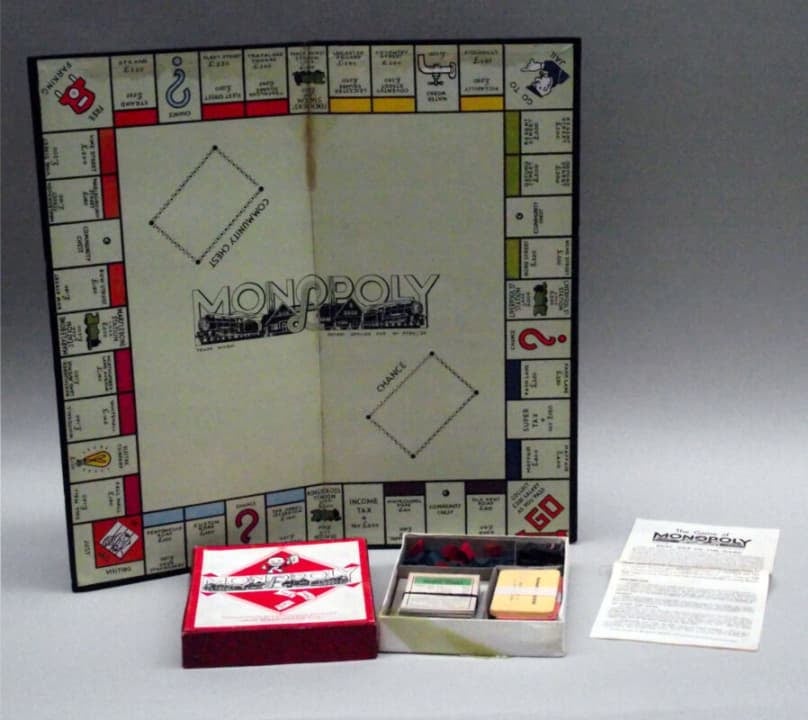
But there is a period when perhaps the least important thing in the world was ‘Monopoly’: obviously, during World War II. And yet, it became an indispensable ally in helping imprisoned soldiers get out of jail. But how? It all starts with one man, Christopher Clayton Hutton: soldier, escape artist, secret service employee, inventor in the Q style of James Bond movies. It was he who came up with the great idea of teaming up with Waddington’s, the board game company that, among others, first published ‘Cluedo’. But not to introduce a new board game to entertain children during the war, but to… get his own out of prison.

The escape kit that went past the Nazis as if it were humanitarian aid contained a silk map of different European countries on which were marked the safe houses, the places to go, knives, miniature compasses, pieces of metal (all posing as real pieces), rope and, what is even better, real money… placed exactly under the money in the game. But how is it possible that no one noticed?

Hidden in plain sight

As if it were a movie (and oddly enough, no one has made the biopic yet), Waddington’s and Hutton hid the maps and utensils inside the Monopoly boards: being made of silk and not paper, the maps held water well and could easily be hidden in a small place. Also, since they didn’t make any noise, they didn’t attract the attention of the guards. Not that they had to figure all this out on their own: before going on a mission, the British already knew that the fake Monopolys existed.

You may be thinking that it doesn’t make any sense that enemies would allow their prisoners to play board games, but the truth is that the Geneva Convention allowed NGOs to send them to keep their minds active. Besides, the Germans figured that, as long as they played, they wouldn’t make escape plans. Spoiler: it goes wrong.

These games could easily be mistaken for real Monopolys, and the only way prisoners could tell it was their key to freedom was by a red dot in the Free Parking box. Obviously, after using them, the soldiers had to destroy the games so that the Germans would not know how they had managed to escape. It may sound like something out of a ‘Mission Impossible’ movie, but the truth is that thousands of captured soldiers escaped this way. It can be said, yes, that they got a letter to get out of prison.

Supreme Court rules iPhone owners can sue Apple for App Store monopoly

Is the App Store a monopoly?

Supreme Court

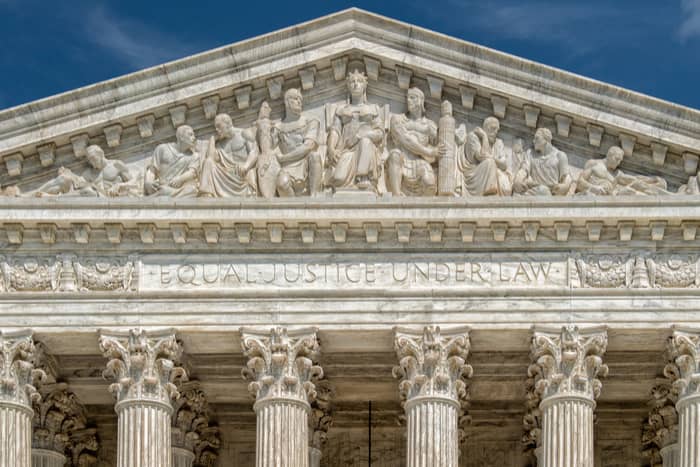
The Supreme Court has ruled that iPhone owners have the right to sue Apple. The court ruled that Apple may be violating U.S. antitrust laws with its App Store. Speaking on the decision, Justice Brett Kavanaugh (who surprised many by siding with the liberal half of the Supreme Court on this matter) said: “This is why we have antitrust law, [for when] retailers engage in unlawful anticompetitive conduct that harms consumers.” It was a 5-4 decision.

Though the Supreme Court did not accuse Apple of breaking antitrust law itself, it is saying that Apple’s App Store exclusivity gives its customers the right to sue them.

Apple’s App Store is notorious for being airtight. They have an extensive approval process for their store and Apple takes 30% of all money made on app purchases (including in-app purchases). Developers who want to make apps for iOS devices are forced to play ball with this 30% cut, as Apple does not currently support any way to obtain apps other than the App Store.

Android, on the other hand, offers most of its apps through the Google Play Store, which takes a similar cut. The difference between the two platforms is that Android users can download apps through third-party sources (like Softonic or via APKs), rather than being locked in to the Google Play Store.

iOS app developers have claimed that they have had to inflate their prices to make up for Apple’s 30% cut, which they cite as the result of anticompetitive, monopolistic behavior on Apple’s part. Apple countered by saying that customers have no right to sue, as they consider the App Store to be an intermediary between customers and app developers. Responding to Apple’s claim, Justice Kavanaugh said:

“Apple’s theory would provide a roadmap for monopolistic retailers to structure transactions with manufacturers or suppliers so as to evade antitrust claims by consumers and thereby thwart effective antitrust enforcement.”

Of those who disagreed, Justice Neil Gorsuch (who, like Kavanaugh, was appointed by President Trump) argued that if Apple’s App Store policies could be considered monopolistic, then the app developers are being hurt the most, and they would have the right to sue rather than consumers.

Apple seems confident that they will prevail in this suit. In a statement, they said:

“We are confident the App Store is not a monopoly by any metric. We’re proud to have created the safest, most secure and trusted platform for customers and a great business opportunity for all developers around the world. Developers set the price they want to charge for their app and Apple has no role in that.”

The Supreme Court ruling could have huge ramifications for digital platforms with similar marketplaces to the App Store. More open digital platforms lead to a greater diversity of ideas, so moving forward this can be seen as an absolute win both for consumers and developers.