McDonald's backtracks and withdraws a Christmas ad generated by AI

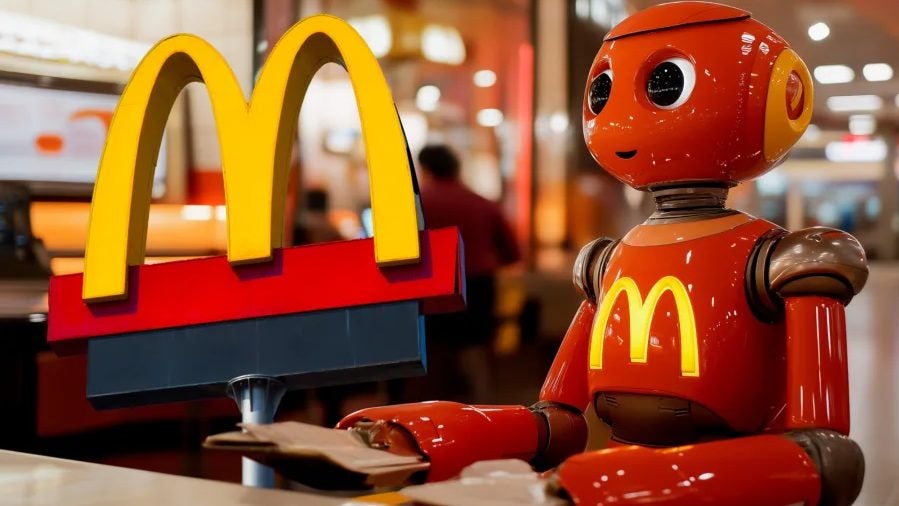
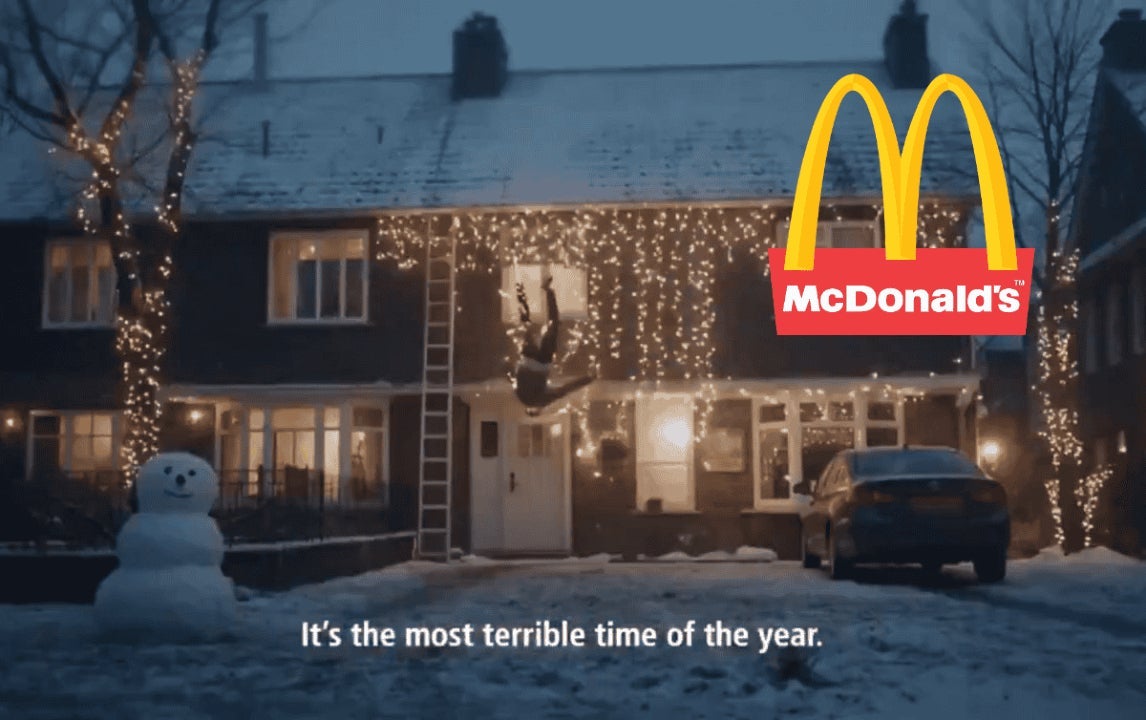
McDonald’s has decided to withdraw a Christmas advertisement generated by artificial intelligence after receiving a strong negative reaction online. The ad, launched on McDonald’s YouTube channel in the Netherlands, sparked a flood of criticism that led the company to reconsider its approach. The company told BBC News that this experience was an important learning opportunity about the effective use of AI in its advertising strategy. Public opinion and its positioning on AI This is not an isolated case, as major brands like Coca-Cola are also experimenting with AI in their […]

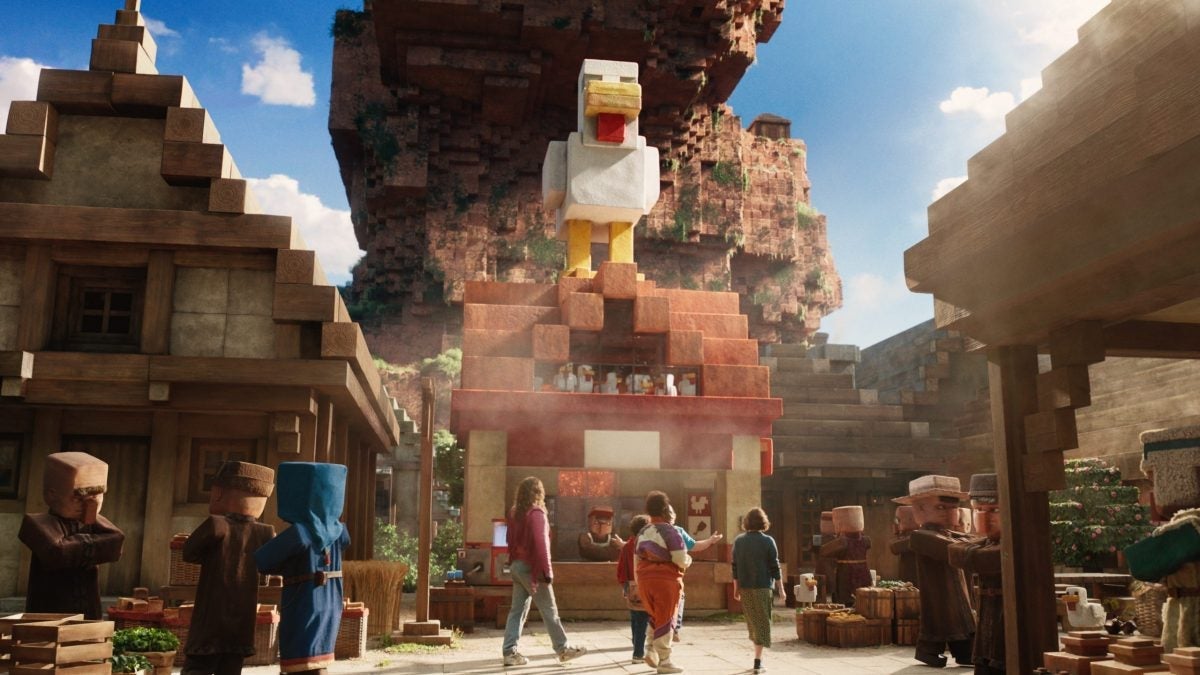
McDonald’s has decided to withdraw a Christmas advertisement generated by artificial intelligence after receiving a strong negative reaction online. The ad, launched on McDonald’s YouTube channel in the Netherlands, sparked a flood of criticism that led the company to reconsider its approach. The company told BBC News that this experience was an important learning opportunity about the effective use of AI in its advertising strategy.

Public Opinion and Its Positioning on AI

This is not an isolated case, as big brands like Coca-Cola are also experimenting with AI in their advertising campaigns. Despite receiving mixed reactions to its first AI-generated advertisement, Coca-Cola chose to launch a second version during the holiday season. This suggests that, despite the criticism, companies are willing to move forward with this new technology in an effort to adapt and attract a broader audience.

The use of artificial intelligence for ad creation is constantly increasing, as this tool is fundamentally transforming the advertising industry. Brands use it for various reasons, including efficiency in content production and the ability to personalize ads more effectively. However, consumer sentiment is divided; despite AI becoming a norm for advertisers, many consumers are still adapting to this trend.

This episode with McDonald’s may be an indication that, although AI offers interesting opportunities, public acceptance will not always occur. Brands must carefully consider how they apply these technologies to avoid adverse reactions and foster a positive dialogue with their audiences.

The Close Call: How the Pineapple Hamburger Almost Became a McDonald’s Staple

None of the strange experiments at the world's most popular burger joint can match the biggest flop in its history. So much so that few have heard of it: the Hula Burger.

Despite being the queen of fast food, McDonald’s has not always been right in the new menus it has proposed to customers. Sure, a piece of breaded chicken is not the same as a lobster sandwich (the horrible McLobster) or eating hot dogs in a place where they don’t look like anything (McHotDog). But none of the bizarre experiments of the world’s most popular burger joint can match the biggest failure in its history. So much so that few have heard of it: the Hula Burger.

McDonald's DOWNLOAD

Aberration vs. aberration

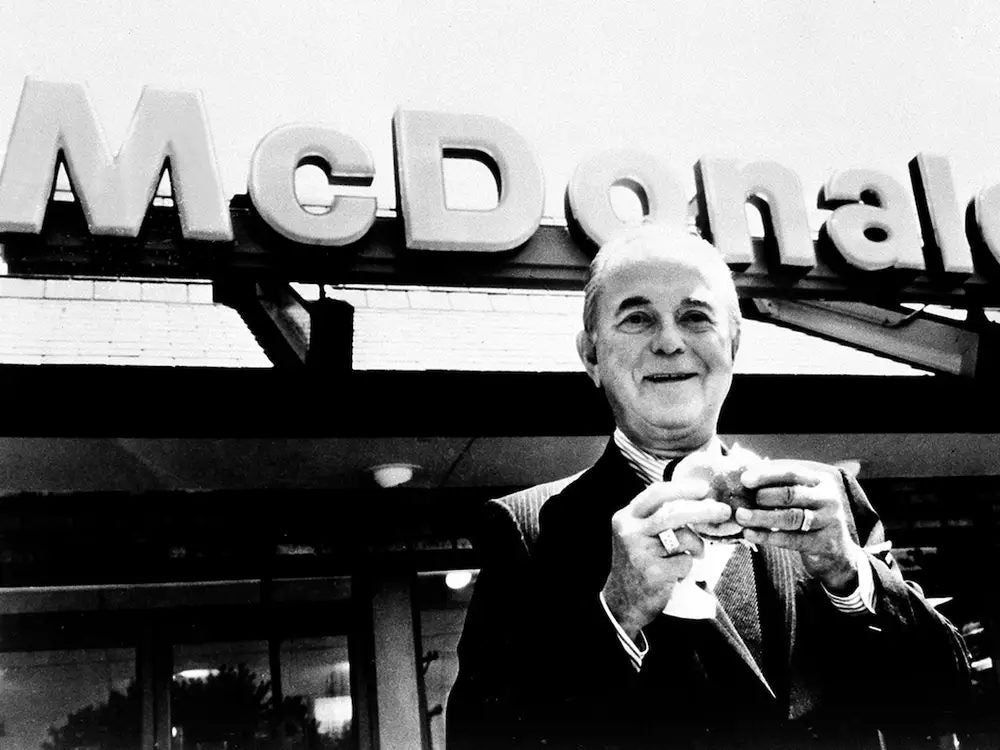
Let’s go back to 1961. If you have seen the movie ‘The Founder’ you will know that Ray Kroc, a door-to-door salesman, bought the McDonald’s franchise from its true creators, brothers Richard and Maurice, after seven years of helping them grow the franchise. Thus, this man became the leader of the company and announced that all decisions would have to go through him. In fact, although his techniques were completely unethical, he is the one to whom the restaurant owes its fame.

But not all of his ideas were good, of course: two years after buying McDonald’s, a store in Ohio began to show a noticeable drop in sales. The reason? The Lenten season in a very religious population that, for forty days, could eat virtually none of the menus offered by the franchise. The store’s owner, Lou Groen, was not willing to go bankrupt without a fight, and created his own hamburger, one that still survives to this day.

He took a piece of fish, breaded it and put it between bread and bread: the Filet-o-fish (although still without its iconic name in English) was born. Business picked up and Groen thought it was such a good idea that he tried to take it to the upper echelons. However, when it came time for Kroc to approve it, what he did instead was laugh at him saying “You always come up with a bunch of shit! I don’t want my shops to stink with the smell of fish!”

We are a pineapple

Of course! Who would want to buy a fish fillet between two hamburger buns? That didn’t make any sense! And to prove it, he would duel it out with the new snack he had created: the Hula Burger. The winner would continue on the menu and the other would be eliminated forever. Spoiler: if you don’t see the Hula Burger around, there’s a reason.

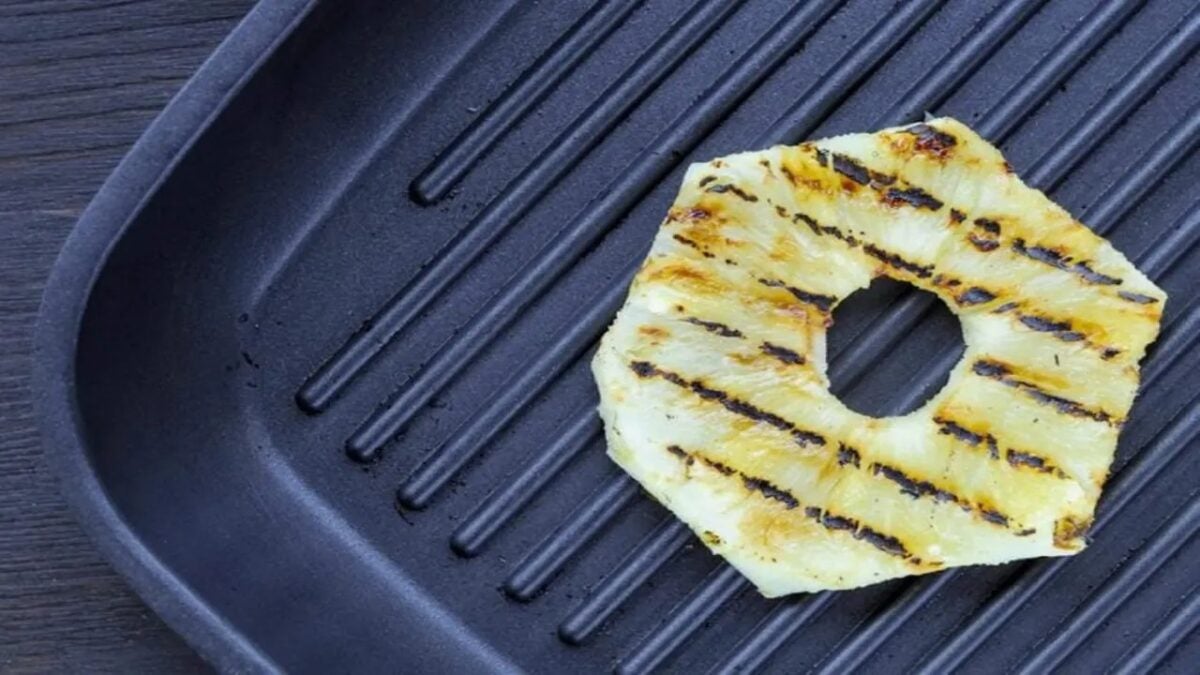
Putting pineapple on pizza or not is a fairly common debate on the Internet that usually has no clear solution (the Hawaiian exists for a reason), but this one seems clearer: a cheeseburger in which the meat is replaced by a piece of grilled pineapple. It’s tasty, isn’t it? Of course it doesn’t. Not now, not in 1963. At the store where the test was conducted, 350 people chose the fish fillet, and far, far fewer went for the other aberration.

After the test, Roy Kovac gave up and put the fish fillet on the regular menu, where, to the surprise of many, it remains. In fact, the advertisement in 1965 named it “The fish that catches you people”. It is true that in Spain it is not popular, in the world 300 million are bought throughout the year, so there must be something in the water -or, rather, in the fish burger- when they bless it.