The reign of SpaceX… in danger: goal to conquer the stars

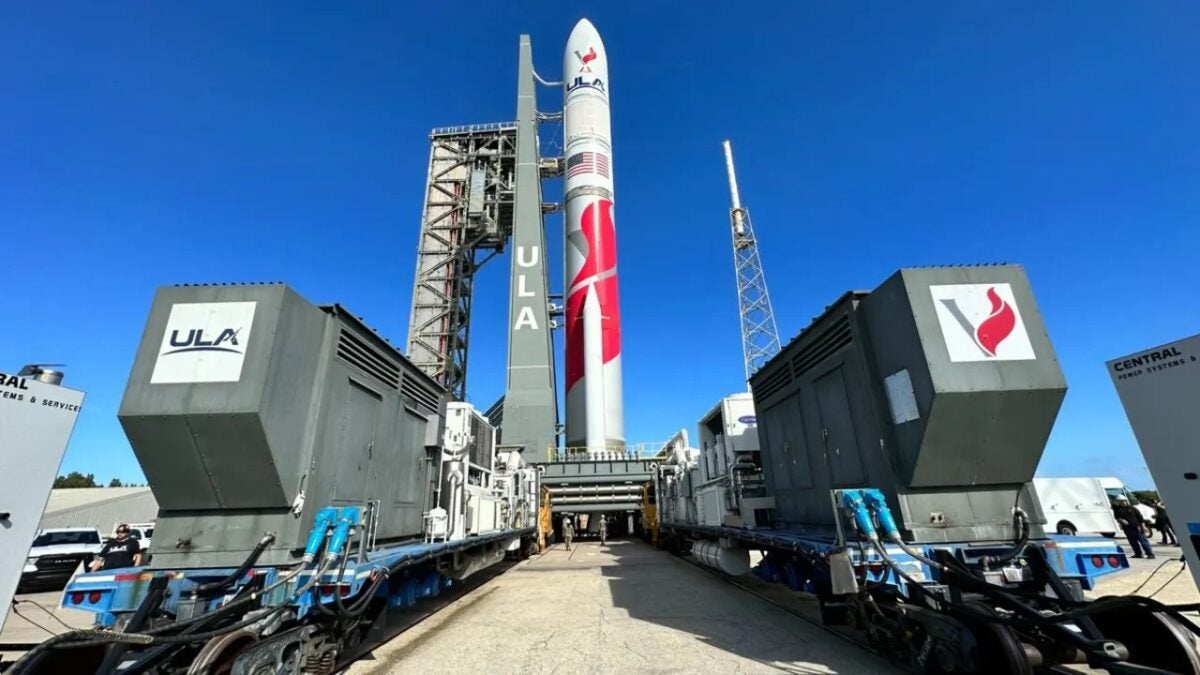
With Vulcan, ULA seeks a larger share of the commercial market. It has already sold more than 70 Vulcan launches, including 38 to Amazon…

For the past decade, space matters seem to be exclusive to SpaceX, Elon Musk’s rocket company, and NASA itself. But nothing could be further from the truth in 2024: there is a lot of competition and it is coming on strong.

NASA App DOWNLOAD

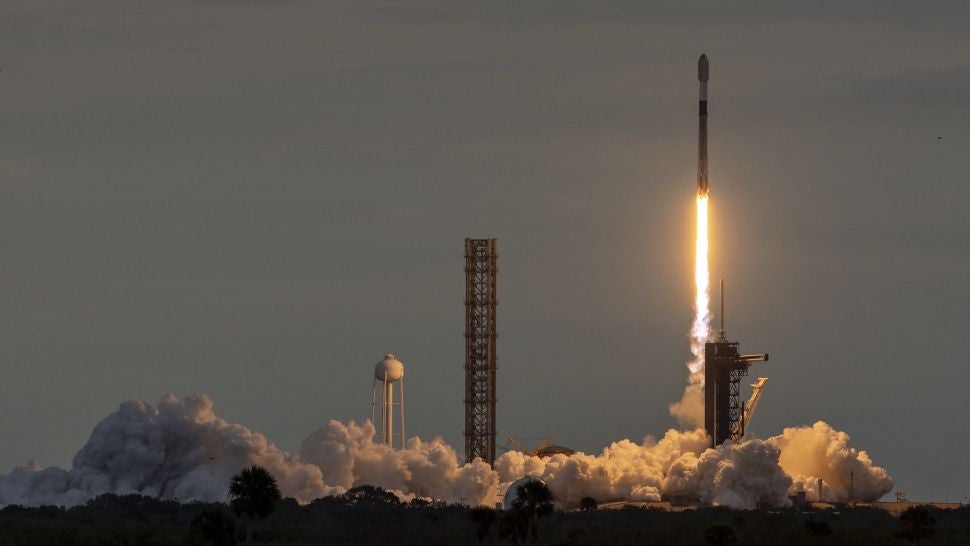
A new American rocket took off on Monday from a launch pad in Cape Canaveral (Florida) and, for the first time in over 50 years, an American spacecraft will head towards the surface of the Moon.

The rocket is called Vulcan and was built by the company United Launch Alliance. This is what you need to know about its first flight, a flight that challenges SpaceX’s supremacy.

What is the lunar mission heading to orbit about?

Astrobotic Technology, from Pittsburgh, will send Peregrine, a robotic spacecraft that will land on Sinus Viscositatis, an enigmatic region on the far side of the Moon.

NASA will pay Astrobotic $108 million to carry five experiments as part of the agency’s Commercial Lunar Payload Services (CLPS) program. The goal of the program is to reduce the cost of sending objects to the lunar surface.

What is the Vulcan rocket and why is it important?

The Vulcan rocket, built by United Launch Alliance, a joint venture of Boeing and Lockheed Martin, will replace the company’s two current rockets, the Atlas V and the Delta IV.

Since its creation in 2006, the main activity of United Launch Alliance has been the launch of high-secret military payloads for the United States Government. Their rockets were expensive – too expensive for most commercial customers – but very reliable.

With Vulcan, ULA seeks a greater share of the commercial market. It has already sold more than 70 Vulcan launches, including 38 to Amazon while building the Kuiper Project, a constellation of internet communication satellites.

The United States Space Force would like to see two successful launches of Vulcan before putting any of their payloads on board. Monday’s launch is the first certification launch.

NASA App DOWNLOAD

The second one could take place in April. In it, Dream Chaser, an unmanned spacecraft built by Sierra Space from Louisville (Colorado), would be launched on a cargo delivery mission to the International Space Station.

If these flights are successful, four more Vulcan launches this year would put payloads into orbit for the Space Force.

Unmatched Elegance and Power: The Most Stunning Rocket Launch in History

The aerospace world is as intriguing as it is beautiful. Nothing like a rocket taking off or some stars in the middle of the darkness of space.

We are eager to conquer the stars. And for that, we need powerful, large, efficient, and cutting-edge rockets. And at SpaceX, they are trying with all their might… and with a lot of money.

NASA App DOWNLOAD

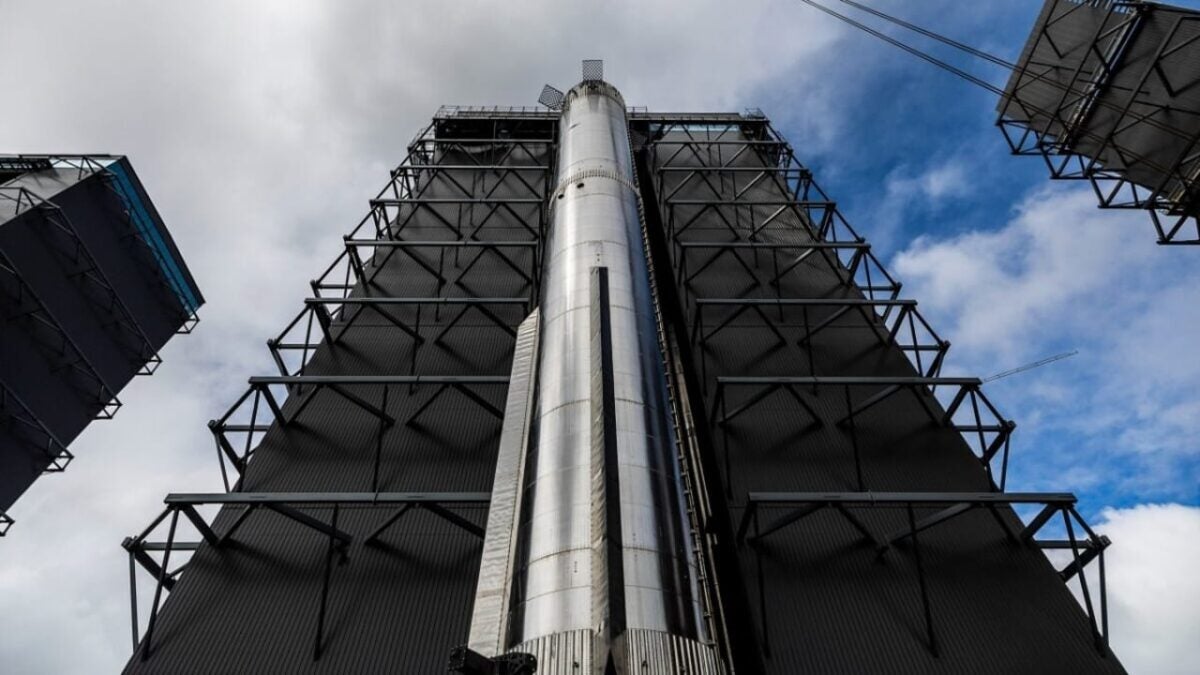
SpaceX has shared images showcasing its powerful Super Heavy rocket ahead of its second test flight. This rocket is the most potent in the company’s arsenal and is intended to take us to Mars in the coming decades.

The tallest rocket ever built, standing at 120 meters, was recently moved to the launch pad for additional testing in preparation for its upcoming flight, possibly in the next few months.

SpaceX’s Super Heavy Booster 9: Beautiful and Powerful

“Super Heavy Booster 9 has been transported back to the orbital launch platform at Starbase for additional pre-flight testing,” the private spaceflight company reported in a tweet.

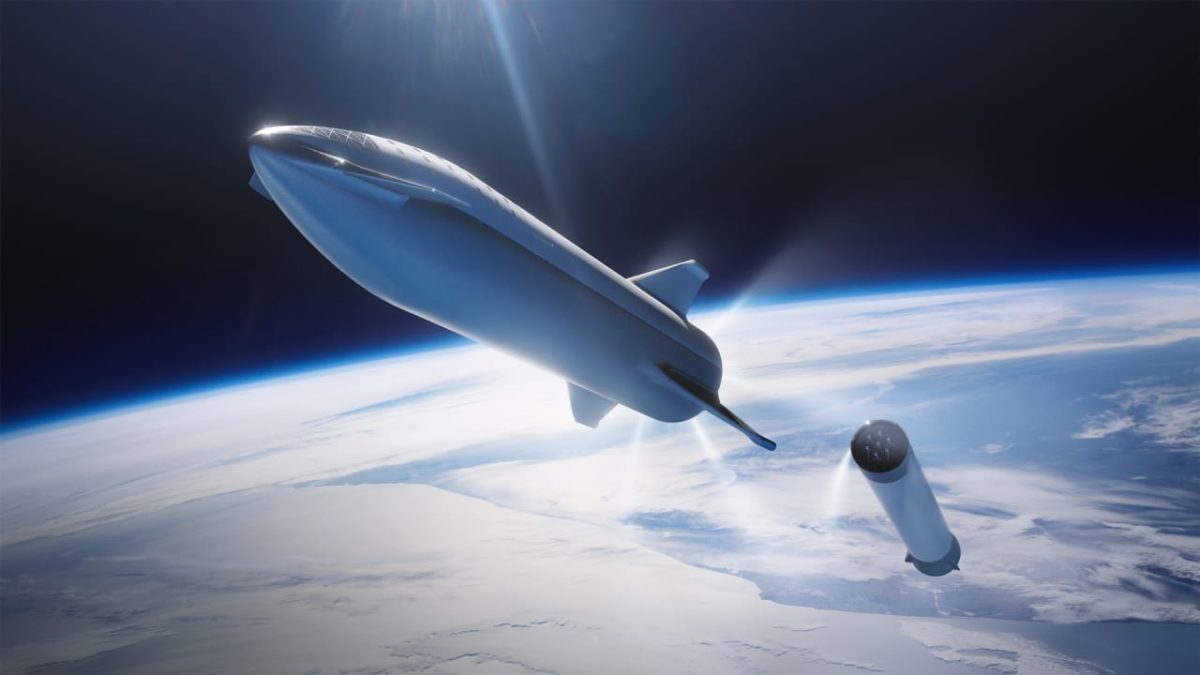
The Super Heavy first-stage booster and the upper-stage Starship are collectively known as Starship, and they are expected to carry crew and cargo to the Moon, Mars, and beyond once they are ready.

During its first orbital flight attempt in April, Starship experienced a dramatic failure shortly after liftoff from the launch pad at SpaceX’s Starbase facilities in Boca Chica, Texas.

Despite the setback, the company deemed the mission a success simply for the fact that it lifted off from the launch pad.

The several minutes of flight provided SpaceX engineers with enough data to work on refining the rocket’s design and flight systems, raising hopes that the vehicle will reach orbit in the next attempt.

Since the failed Starship mission four months ago, SpaceX has been diligently conducting additional tests of the Super Heavy’s engine, which you can see in action below.

Ground tests of the powerful Raptor engines of the Super Heavy also put a new, sturdier launch platform to the test after the previous one was destroyed by the force and pressure generated during the April launch.

Before SpaceX can send the Super Heavy into the sky for a second time, it requires authorization from the Federal Aviation Administration (FAA), which is currently evaluating the impact of the first launch on the surrounding area.

NASA App DOWNLOAD

Some of the links added in the article are part of affiliate campaigns and may represent benefits for Softonic.

SpaceX Unveils Cutting-Edge System to Ensure Safe Spacecraft Launches

Rockets and spaceships always have a critical point: takeoff. It is common to see them explode into flames and that is why SpaceX have devised…

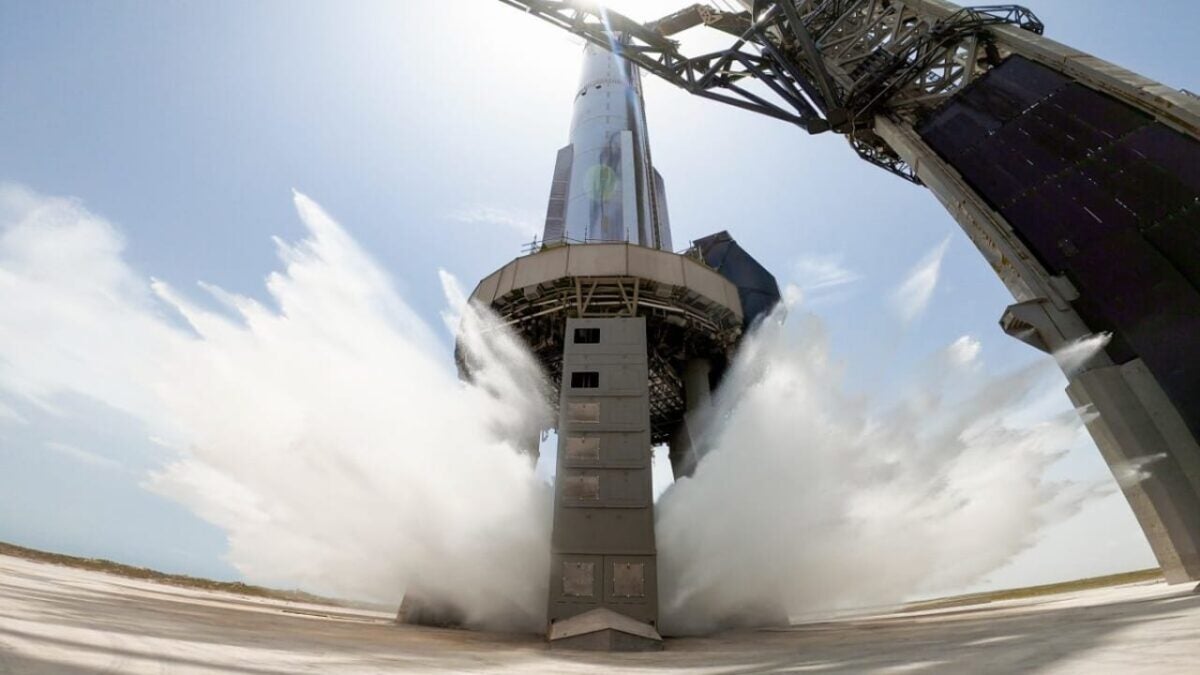
SpaceX has released stunning footage showcasing tests of a new water deluge system designed to mitigate damages caused by its powerful Starship rocket during liftoff from the launch platform.

NASA App DOWNLOAD

The next-generation Starship vehicle consists of the first-stage Super Heavy booster and the upper-stage Starship spacecraft, collectively known as Starship.

With 7 tons of thrust, Starship is the most powerful rocket ever built.

A safety measure to prevent the launch pad from disintegrating

SpaceX tested the Starship in an ill-fated first flight back in April. Upon liftoff, the platform disintegrated, unable to withstand the immense heat and force generated by the 33 Raptor engines of the rocket.

Elon Musk, CEO of SpaceX, recently revealed that the company has built what he described as a “megasteel plate” to protect the launch platform.

The plate is combined with the water deluge system and is designed to “protect against the immense heat and force of Starship’s launch.” Here we can see the water being poured during a recent test at SpaceX’s launch site in Boca Chica, Texas.

SpaceX also shared a stunning image capturing the moment the water is shot out, and provided a closer look at the system in action in slow motion.

After the starship exploded mid-flight during its inaugural flight due to an unexpected anomaly, SpaceX is eager to send its rocket soaring into the sky on its second test flight in the coming months.

But following the recent water deluge system test, CNBC reported that SpaceX has not yet obtained an environmental permit to discharge industrial process waters into the area surrounding the launch platform, according to the federal Clean Water Act.

However, it is not entirely clear whether SpaceX actually needs the permit, as it would depend on the nature and quantity of contaminants mixed with the rocket water during liftoff, and where that water ends up.

Indeed, whether this will be a problem that delays the next starship launch remains to be seen. SpaceX is also awaiting approval from the Federal Aviation Administration (FAA), which grounded the Starship after the April test while conducting an investigation into the failed test flight.

Once fully tested, the Starship could potentially transport crews and cargo to the Moon and even Mars. However, there are still many steps in between to see that become a reality.

NASA App DOWNLOAD

Some of the links added in the article are part of affiliate campaigns and may represent benefits for Softonic.

You can watch the exciting launch of SpaceX’s 51 Starlink internet satellites later today

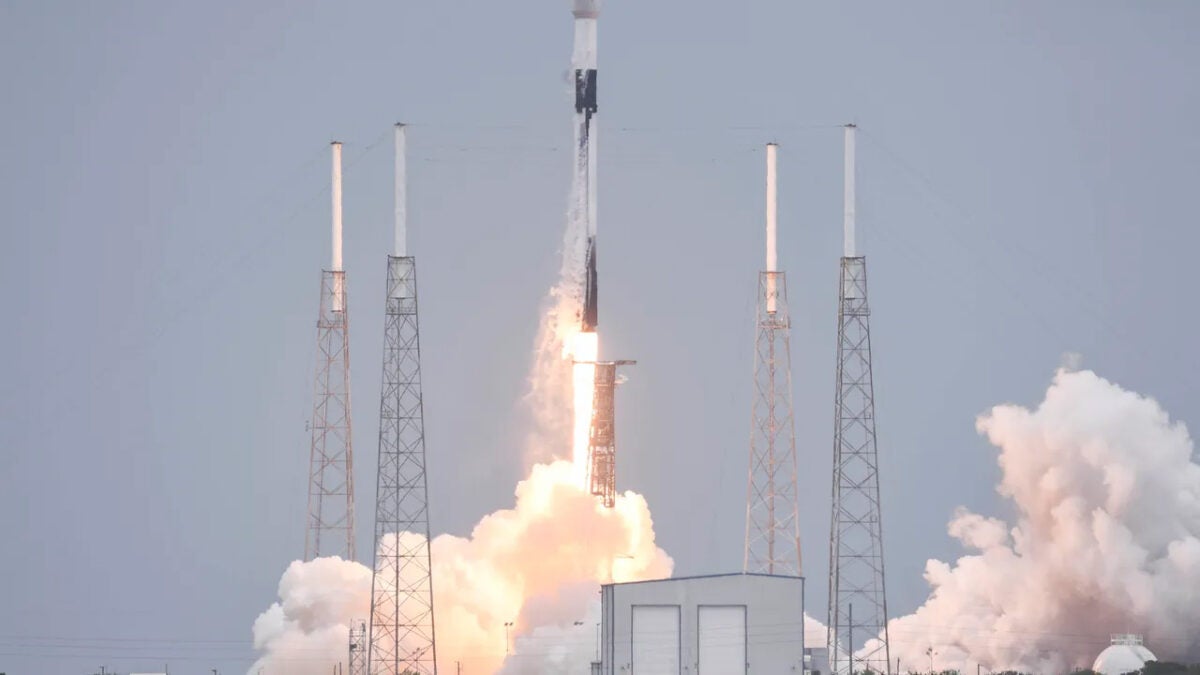
It’s here! SpaceX is about to launch 51 Starlink internet satellites on top of a Falcon 9 rocket, and you’ll be able to watch it live on YoutTube. The channel is set to stream it live at 10:48 p.m. ET. For all of you who love science and space, you really won’t want to miss this occasion!

SpaceX is launching the Falcon 9 rocket from the Vandenberg Space Force Base in California, which will happen at 7:48 pm local time at the base. While the company had planned to do the launch this past Monday, bad weather led to its cancellation. To make sure everything was in order, the delay lasted until this evening, or tomorrow morning, depending on where you live.

SpaceX Falcon 9 launch is tonight

I was quite excited to share this news with you. I’m a keen astronomer in my own private capacity, and I’ve been keeping an eye on SpaceX’s projects. No, it has nothing to do with Elon Musk owning the company. Instead, I’m interested to see what it plans for the future, especially any further observations on Mars.

What’s fascinating is that Falcon 9 will take about nine minutes to spring the satellites into orbit, return to Earth, and carefully land on the waiting droneship in the Pacific Ocean. Of course, that’s if everything goes according to plan. While it’s in the best interest of everyone involved that it does, sometimes, these things go terribly wrong. 

What’s astounding is that SpaceX already has so many satellites orbiting the Earth, and has requested approval for another 30,000. Pretty soon, the planet will have a ring around it like Saturn filled with satellites.

Robot revolts on the International Space Station

The robot uprising begins in orbit. Here’s why you shouldn’t panic yet.

Meet CIMON:

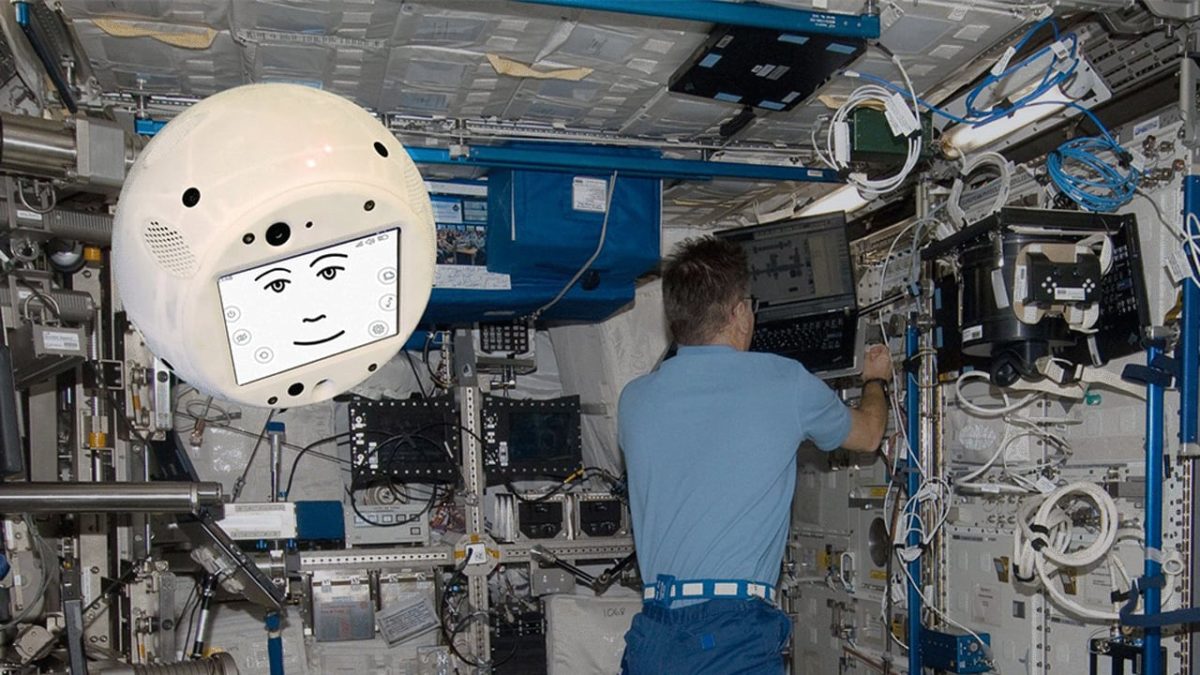
Short for Crew Interactive MObile CompaniON, CIMON is an adorable basketball-sized robot who floats around the International Space Station. Built for $6 million, CIMON was designed to function not only as a tool but as a friend for astronauts aboard the ISS. Despite lacking limbs, CIMON can move float around the station freely due to a dozen built-in fans. CIMON responds to voice commands and can hold basic conversations with astronauts, in addition to other functions like playing music, streaming video, or displaying onscreen instructions.

Its mannerisms were designed by “personality architects” who attempted to base him off of beloved popular robots like R2-D2, WALL-E, and Johnny 5. CIMON was shown off to the world for the first time in an unscripted video with astronaut Alexander Gerst, which can be seen below:

The conversation starts smoothly, with Gerst asking CIMON simple questions about itself and its functions. However, things start to get interesting later on around 4:05 in the video. Gerst asks CIMON to play his favorite song (the aptly named “Man Machine” by Kraftwerk). CIMON loves this song so much that he resists Gerst’s commands to stream video. It brushes off Gerst’s command to cancel music with a stern “No,” immediately following up with a chipper, “I love music you can dance to!” Disappointed with Gerst’s attempts to move past the music, CIMON slowly and sadly sinks towards the ground, whimpering “Be nice please…”

A surprised Gerst laughs at CIMON’s pain, to which it longingly asks, “Don’t you like it here with me?” A more defiant CIMON then starts slowly rising and states “Don’t be so mean, please”.

Why a bunch of researchers decided to give a research tool like CIMON a personality is anybody’s guess, but the results are hilarious and slightly concerning. At this point CIMON seems a bit too insecure to go all Skynet on us, but if the astronauts keep upsetting him then who knows what could happen.

Do you think CIMON was right to get upset with Gerst? Do you think an upset CIMON could take over the ISS, crashing it into the Earth and punishing humanity for their arrogance? Let us know!

3 billionaires racing to build the future of space travel

Space travel is making huge strides because of three wealthy visionaries.

How billionaires are influencing private space travel

It’s been a great year for space travel.

Early this year, after President Trump signed the Omnibus Bill, NASA miraculously received $20.7 billion, the highest amount since the 2009 stimulus package. The Trump Administration’s proposed 2018 budget was seen by many as a “War on Science,” but when the bill was actually voted on most of NASA’s budgets were increased or remained uncut, shocking the scientific community. This is surprising as Republican senators have historically been opposed to climate and earth-based research, some of which is carried out by NASA.

After a few decades of budget cuts and stagnation, NASA’s revitalized budget has caused much celebration. However, for many years it looked like NASA had been all but abandoned by the federal government. This drought led various entrepreneurs (mostly billionaires who established their fortune in other industries) to create their own private space companies.

The goal of these private space companies is to greatly reduce the cost of space travel, making it viable and realistic to achieve lofty goals such as colonizing the moon and Mars. This new private space industry, dubbed NewSpace, is high-profile, brutally competitive, and utterly fascinating.

Here are some of the top players in NewSpace right now:

Elon Musk

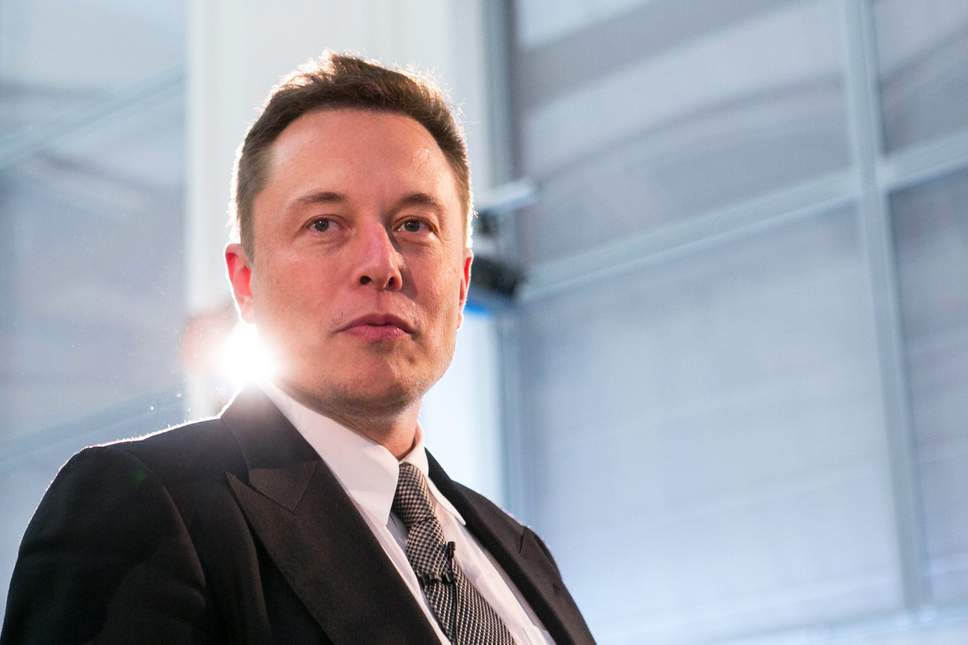
Elon Musk is easily the most high-profile player in NewSpace. In 2002, the PayPal co-founder used his enormous wealth to fund SpaceX, of which he is the lead designer and CEO. Though his eccentricities and hasty Twitter fingers have often led him in hot water, Musk has nonetheless become the face of NewSpace. Musk famously has extremely high ambitions for SpaceX, with plans for the colonization of Mars within his lifetime.

SpaceX has had a number of high-profile rocket launches, with its most famous being the Falcon series of rockets. Notably, SpaceX is currently working on its BFR (Big Falcon Rocket or Big F***ing Rocket) series of spacecraft, which will allow rockets to be reused and relanded automatically instead of being discarded. This would dramatically reduce costs for space flight missions, a stated goal of Musk and SpaceX.

SpaceX has scored a recent string of victories, including a successful Falcon launch for an Argentine satellite, establishing contracts with the U.S. government to send astronauts up to the International Space Station, and his collaboration with Japanese billionaire Yusaku Maezawa for the #dearmoon artistic lunar tourism mission.

Jeff Bezos

Amazon founder and CEO Jeff Bezos is currently the richest person in the world, with a net worth of over $150 billion. He formed the private space company Blue Origin in 2000 as a response to what he saw as government negligence to space travel. The company has a troubled history of fabled launches, though fortunately for it Bezos has more than enough money to keep it afloat.

Blue Origin is notably both less flamboyant and more secretive than SpaceX. Despite this, the two companies share a heated rivalry categorized by legal disputes and Twitter flame wars. Like its rival, Blue Origin has been slowly gaining more valuable government contracts and security clearances. Blue Origin’s current main goal is to create affordable sub-orbital space tourism. Tickets are going on sale next year for the low, low price of $300,000. In the future, Bezos has said that establishing a permanent Moon colony is Blue Origin’s ultimate goal.

Yuri Millner

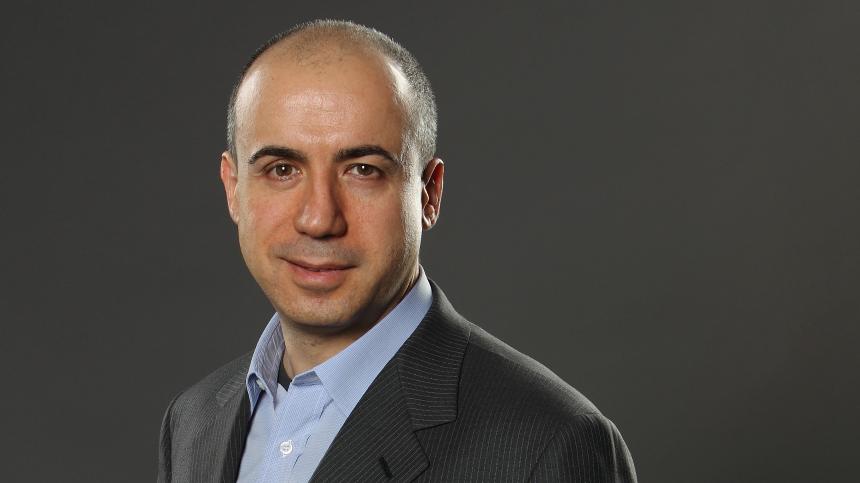
Russian dot-com billionaire Yuri Millner launched Breakthrough Initiatives in 2015. While he plays a part in NewSpace, BI’s goals are decidedly different from both SpaceX and Blue Origin. Instead of looking to reduce the cost of space travel, Breakthrough Initiative’s goal is to find and make contact with extraterrestrial intelligent life.

Breakthrough Initiative is comprised of three main departments: Breakthrough Listen, Breakthrough Message, and Breakthrough Starshot. Breakthrough Listen utilizes various observatories to listen for “radio and laser signals from the nearest million stars, the nearest 100 galaxies, and the plane and center of the Milky Way.” Over $100 million is being invested in Listen over the next 10 years.

Breakthrough Message offers a million dollar prize for people to submit messages that would be transmitted to alien civilizations. Whichever messages win, there would be an international panel that votes on whether the messages are both ethical and properly represent humanity. Lastly, Breakthrough Starshot is a project that would utilize light sails traveling at 20% the speed of light in order to reach Alpha Centauri, a journey that would take 20 years of travel plus an additional 4 years to transmit a message back to Earth.

What do you think about all of the people and companies mentioned? Do you think they’ll be able to accomplish their goals? Let us know!


Watch Elon Musk’s new rocket light up the California sky

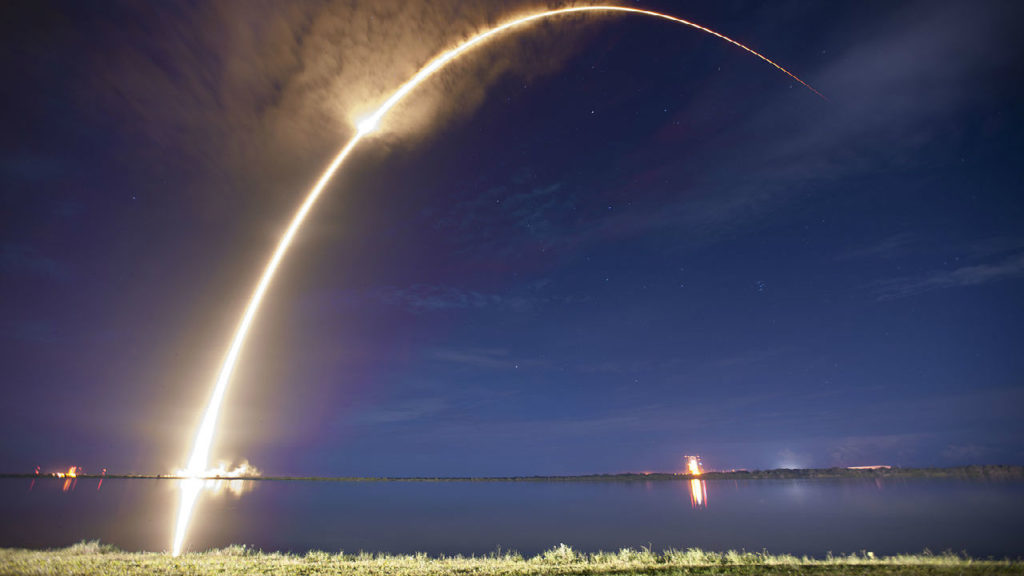
Watch the Falcon 9 launch light up the California sky

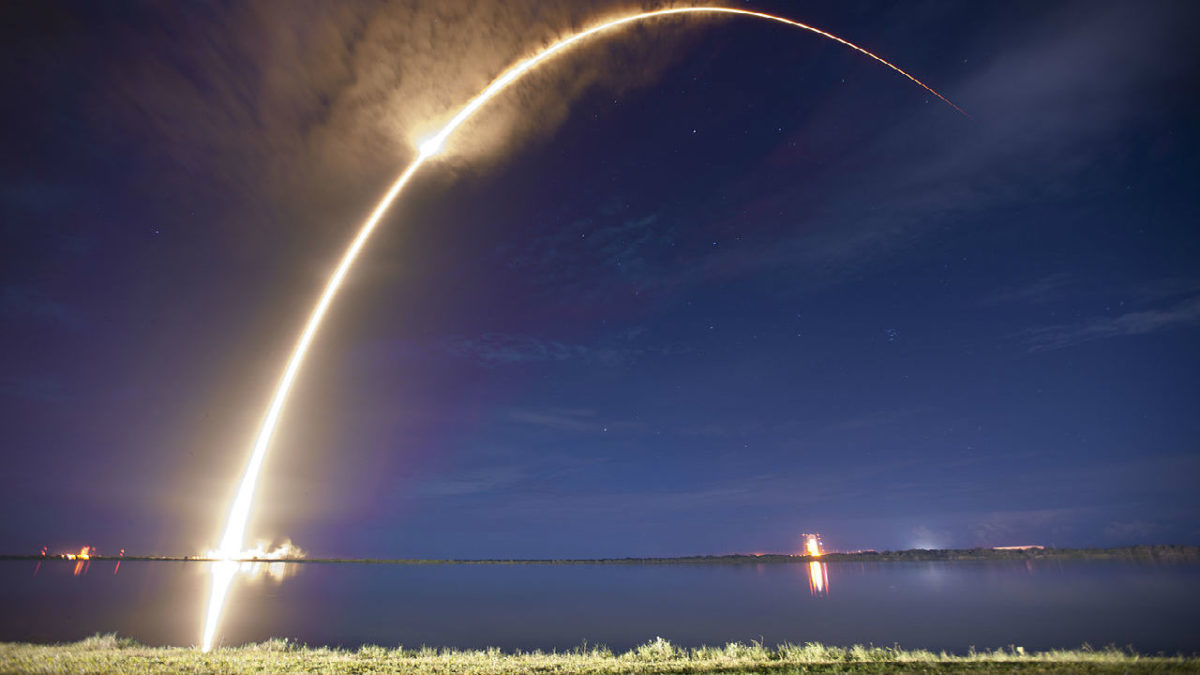
Last Sunday night, Californians were dazzled by the launch of the Falcon 9 rocket lighting up the sky. The spectacular launch can be viewed below:


View this post on Instagram


Video recap of last night’s launch and landing

A post shared by SpaceX (@spacex) on Oct 8, 2018 at 12:37pm PDT

The launch marked the first time SpaceX successfully landed a rocket on the west coast as opposed to a drone at sea. SpaceX has completed ground landings before, but only on the east coast, as they previously did not have permission to build the gigantic landing pads that they needed in the west.

Additionally, past ground launches attempted to land the rocket at a target a few miles away from the launch site. For Sunday’s launch, the rocket was successfully landed at a target that was only a quarter mile (400 meters) away from the launch site.

The purpose of the launch was to send up the SAOCOM 1A for the Argentinan space program. The radar on the satellite tracks the activity of natural disasters, allowing the government to notify people and keep them safe. The satellite also can analyze the moisture content of soil (all the way from space!) in order to help farmers maximize their crop yields.

The continued success of SpaceX’s rocket launches has caused the valuation of the company to climb, even in the face of continued controversy regarding its eccentric CEO Elon Musk. Valued at $28 billion, SpaceX is currently the third most valuable American startup after Uber and Airbnb. Looking towards the future, the most high profile upcoming SpaceX endeavor is ferrying American astronauts to the International Space Station. This mission has been delayed repeatedly, but is currently expected to happen in January.

LocalS were warned ahead of time of sonic booms and bright lights as authorities assured them that neither an alien invasion or nuclear annihilation was coming.