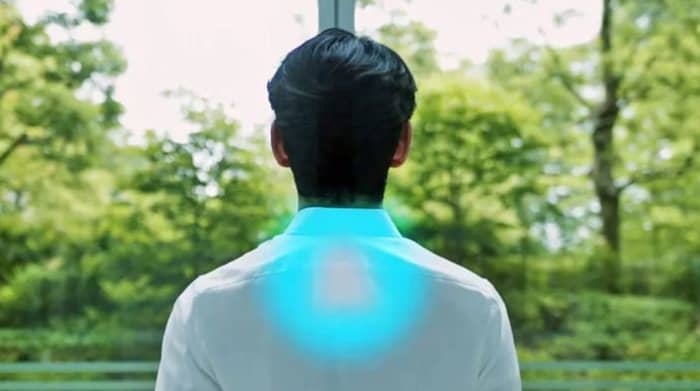
Sony is mostly known for their electronics, entertainment, and their weird mutual contract with Marvel regarding the rights to Spider-Man. We’ll be honest, we weren’t expecting a heatwave solution to come from them, but we got one, in the form of a wearable air condition chip. That’s right – this techwear slips right into your clothing and lets you cool yourself off on the fly. (It heats up during winter, too!)
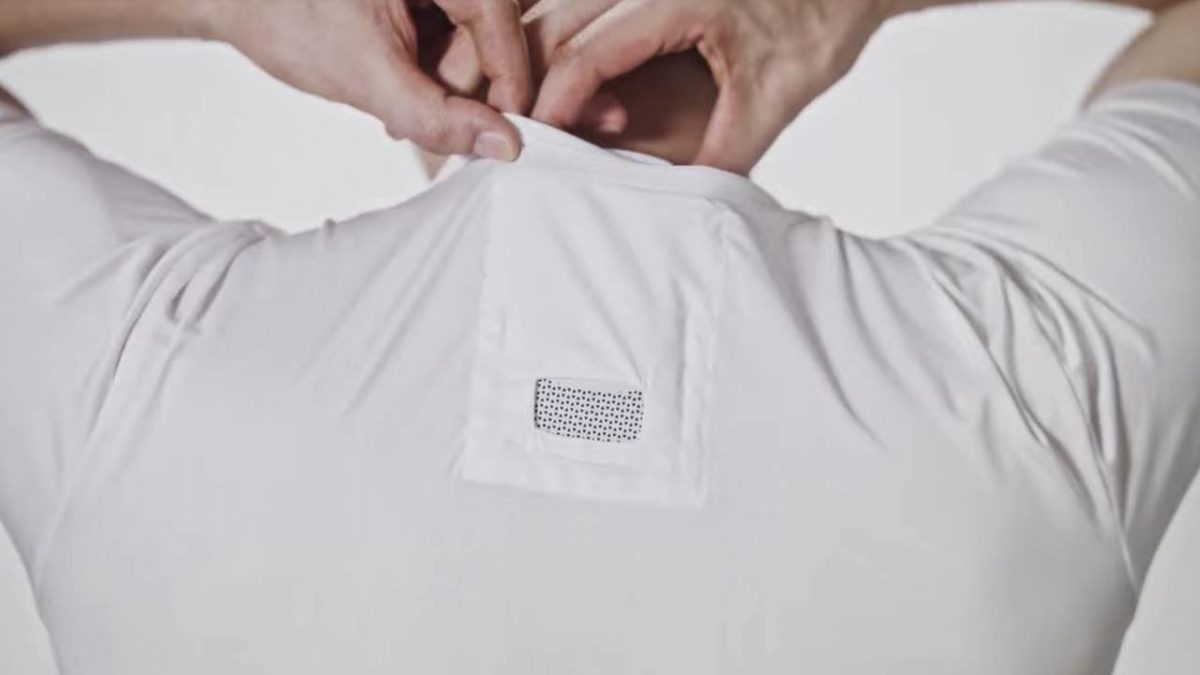
The device is called the Reon Pocket and astonishingly has already succeeded in its crowd-funding campaign (probably thanks to this summer’s record temperatures). It’s a lightweight gadget about the size of a credit card and it slips right beneath the collar of your shirt.
From there it’s controlled via an app on your smartphone, and can reportedly lower body temperatures by 30 degrees. Even better, Sony alleges that the Reon Pocket will be sold for about $117, a price we’d be more than happy to pay if the thing works as well as they claim.
Slip the device right into the back of your shirt. Control it with an app.
If you’re already getting out your wallet, let us stop you real quick; it’s time for the bad news. To start, the device isn’t available just yet, and likely won’t drop until 2020.
Sony also plans to first launch the product in Japan, so unless you’re planning to get one imported (or you happen to live in Japan!) you’ll have to wait even longer.
Fight back against climate change by switching your search engine
There are also some questions regarding battery life (the Reon Pocket is estimated to last just under two hours), so there are still some kinks to work out before we give the device our recommendation.
Still, the thought of walking outside and being able to adjust how hot it feels on the fly sounds awfully enticing. These days it’s a borderline super power.
For those of us braving the heat every day, 2020 is still a long ways off, but we’ll be keeping tabs on the Reon Pocket so that you don’t have to! Stay cool and stick with Softonic!
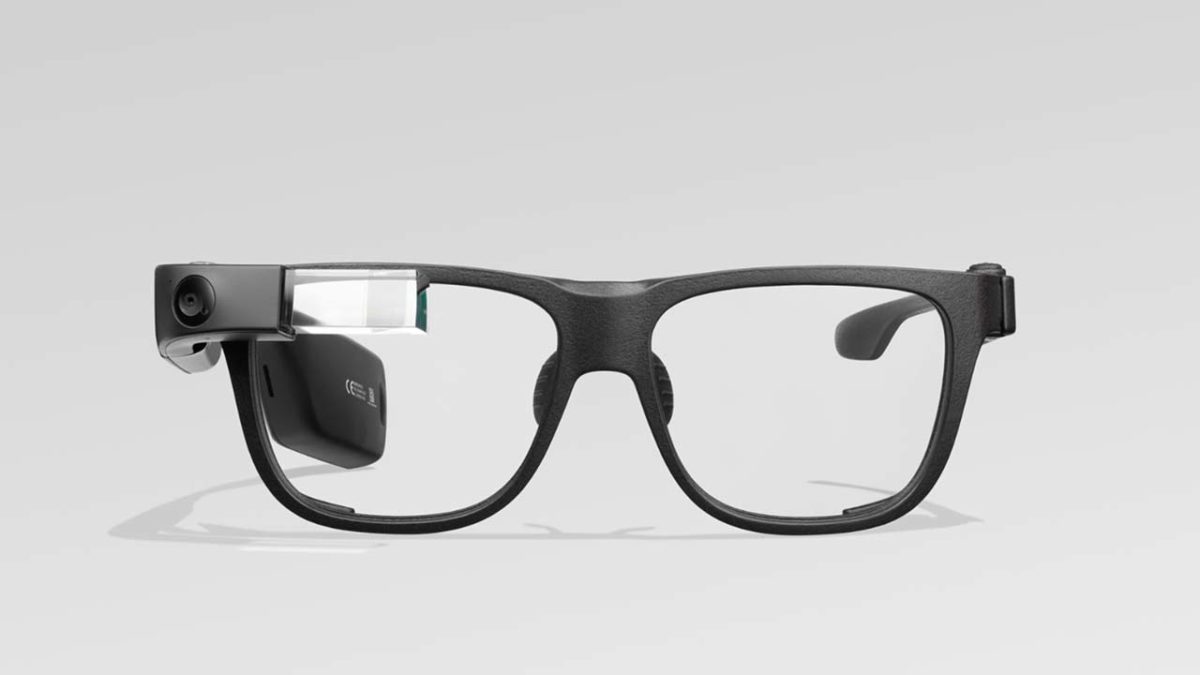
Google Glass 2 gets its first look, but will it be worth it?
Source: Google
Finally, you can now have cool glasses that make you look and feel like Tony Stark.
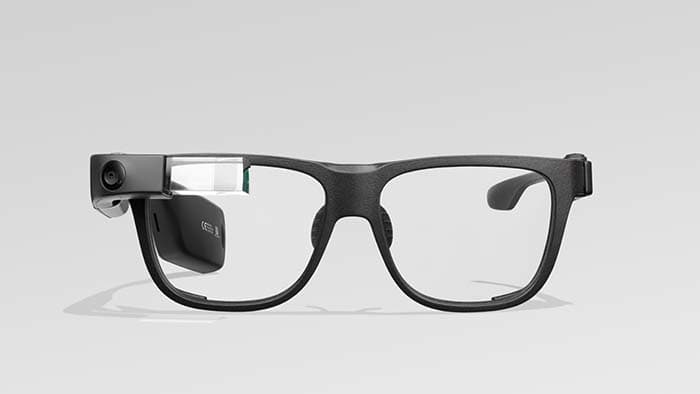
The Google Glass Enterprise Edition 2 has been unveiled. This newest edition of Google Glass comes equipped with the Qualcomm Snapdragon XR1 chip.
We know what you’re thinking, “What on Earth is that thing?”
This chip is the first of its kind to be focused on both virtual reality and augmented reality capabilities. The chip also promises a more powerful CPU and an artificial intelligence engine.
The new Google Glass comes with a better camera, a USB port for faster charging, and costs about $1,000. That price is $500 cheaper than the original price of the first Google Glass.
Also, unlike its predecessor, Google Glass will not be sold directly to the consumer. You will be able to buy it from retailers.
Google first released the Google Glass Expedition to provide “hands-free access to the information and tools they need to complete their work.”
“Workers can use Glass to access checklists, view instructions or send inspection photos or videos, and our enterprise customers have reported faster production times, improved quality, and reduced costs after using Glass,” according to a blog post from Google.
So… should I buy it?
The original Google Glass Expedition was pricey and looked pretty silly. The $1,500 price tag did not seem worth the luxury of not taking out your phone that essentially did the same thing.
Although this one is cheaper, we are going to have to wait and see whether or not there will be more features making it worth it. At least these ones make you look like less of a dork.
If this thing helps you run the Avengers, then it might be worth it. Until then, just stick with the smartphone you are already paying to use.
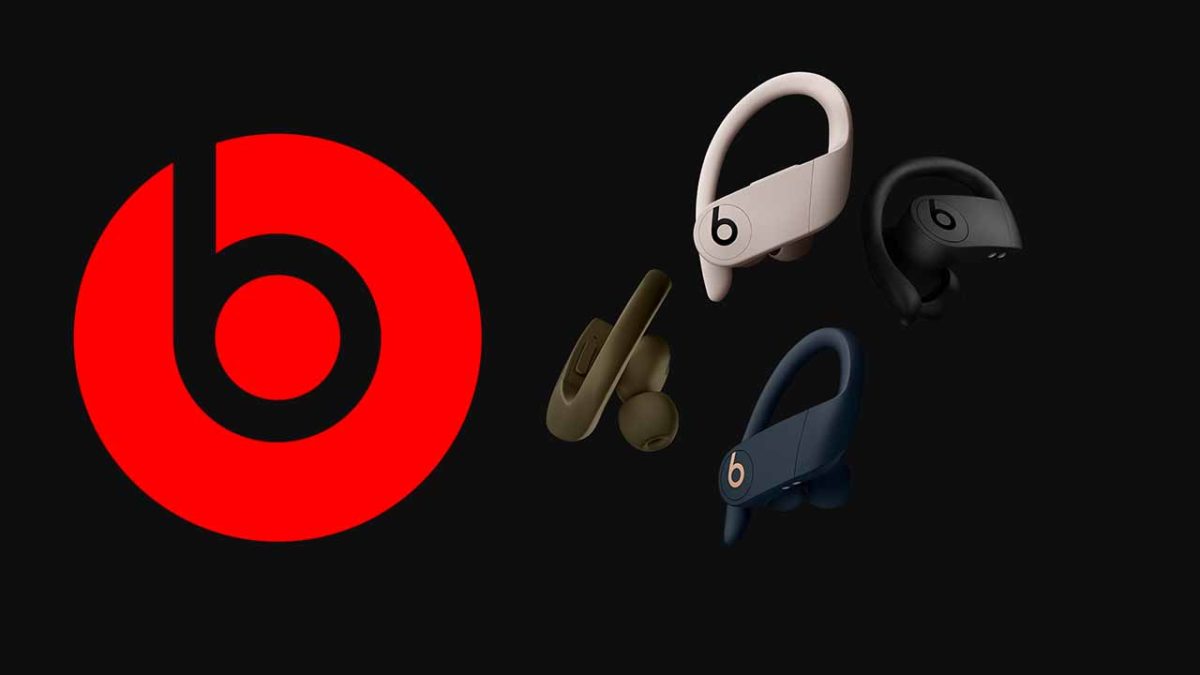
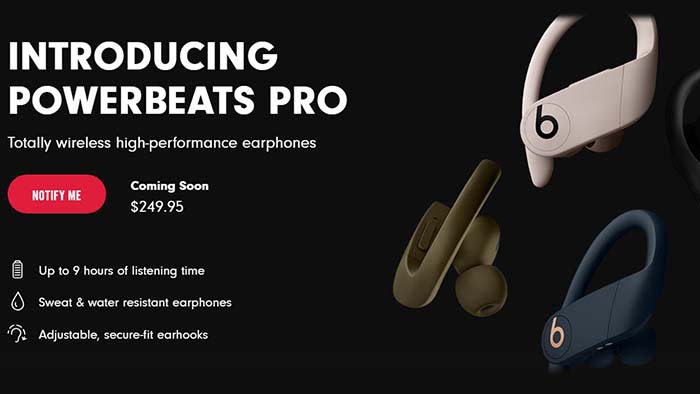
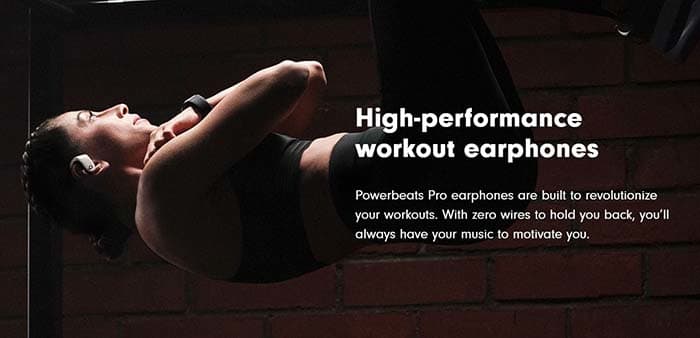
The Powerbeats Pro are marketed toward fitness junkies who don’t want their headphones falling off while working out.
According to the Beats by Dre website, the headphones are, “designed to keep up with your toughest workouts.”
If you’re in a hurry, the earphones have a five-minute quick-charge feature. After a five-minute charge, the earphones will have 90 minutes of listening time.
The earphones are available in four colors: ivory, black, moss, and navy.
Buy one jersey, change it to any player and any team!
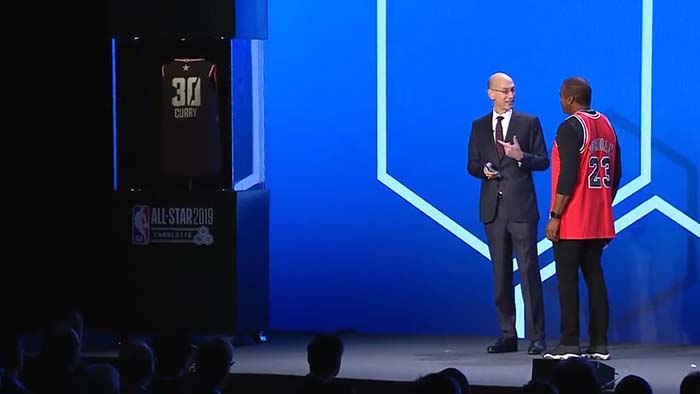
Fairweather fans, rejoice! At its All-Star Technology Summit, the NBA revealed a brand new smart jersey that can change player names and numbers through an app. See it in action below:
Buying a jersey is a large commitment for a fan. You’re literally wearing your faith in that player on your sleeve, and if that player gets embroiled in controversy, switches teams, or just flat out sucks, people are going to mock you for it. When this smart jersey comes out, you’ll be able to avoid ridicule by changing your jersey’s name and number within seconds. While the jersey didn’t change color, all you LeBron fans can at least change freely between 23 and 6. Unfortunately for them, it looks like the jerseys are many years away, so who knows where King James will play in the meantime.
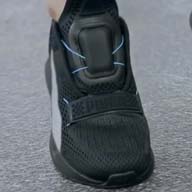
Here’s how you can try Puma’s self-lacing shoes for free
These smart jerseys beg several questions. What incentive does the NBA have to sell jerseys that can transform into other jerseys? Unless the smart jerseys are ludicrously expensive to the point where they make up for the sale of individual jerseys, it doesn’t seem to make business sense. Also, will people be able to put whatever names and numbers they want onto the jerseys? Or will they only be able to select from official NBA player and number combinations? In that vein, would it be possible to hack someone’s jersey to say something hilarious or offensive?
Google Project Jacquard weaves tech into our clothes like in Black Panther
When presenting the jersey, NBA Commissioner Adam Silver did not mention Nike at all, which is curious because Nike is the official jersey apparel partner of the NBA. Nike had previously created their own smart NBA jerseys called Connected Jerseys. These jerseys feature patches that offer special content when scanned with a smartphone app, including exclusive shoe drops, courtside tickets, and player highlights.
“Hopefully, I just put Michael Rubin [Fanatics CEO] out of business,” Silver joked.
Fitbit has a device only for sale to companies for their employees.
You may have heard that Fitbit just released a new line of activity trackers – but you probably haven’t. That’s because you can’t actually buy the new Fitbit Inspire. Rather, the product is aimed at businesses and insurance companies so they can be given to their members in bulk. So the only way you’d get one is through your boss at work, or through your health insurance.
What is Fitbit Inspire?
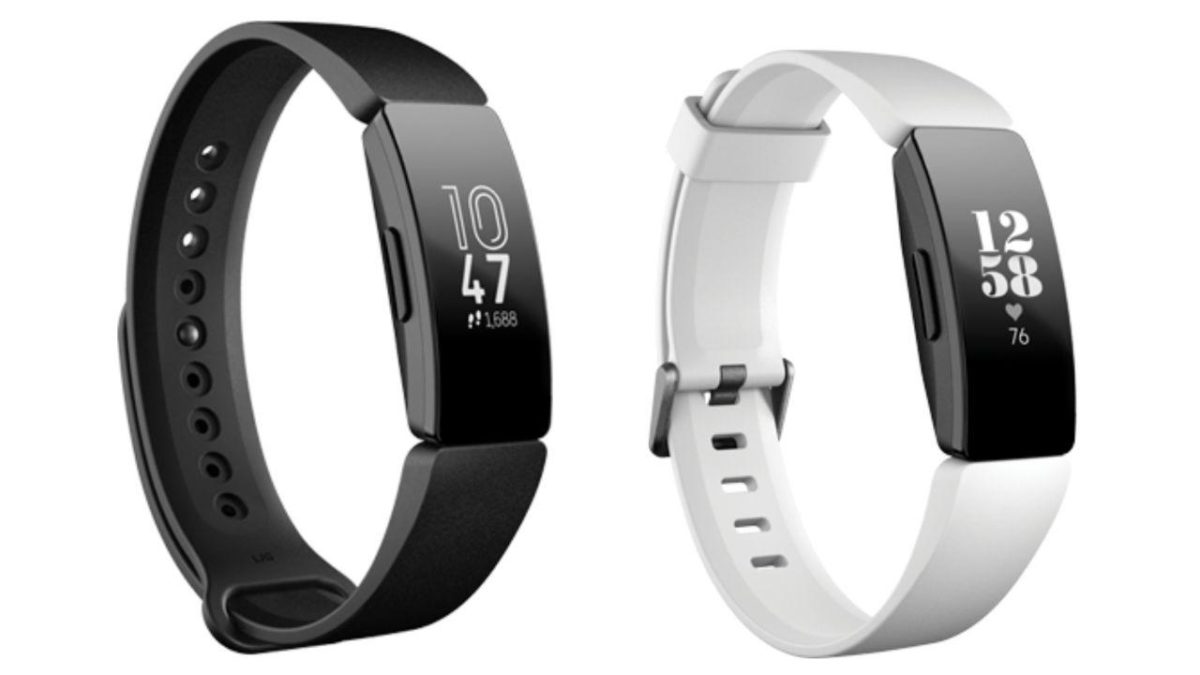
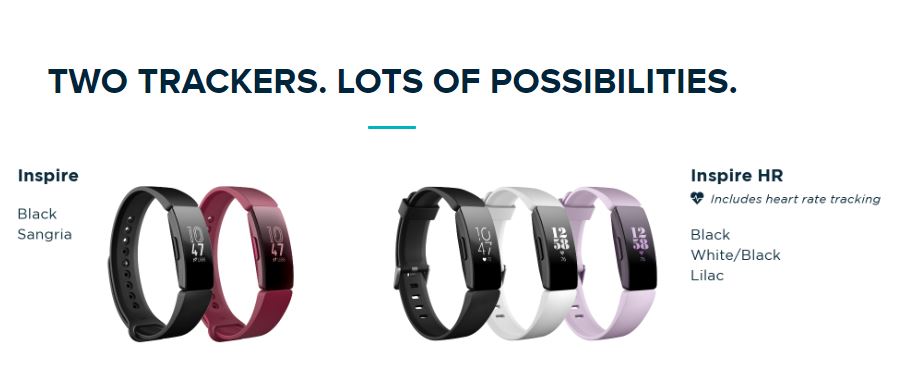
Inspire comes with two colors, HR comes with three.
Considering their market demographic, it probably comes as no surprise that the Inspire is Fitbit’s cheapest model yet, with their price varying from company to company. Like other Fitbit products, Inspire is a health tracker that motivates you to reach your health and fitness goals by monitoring your activity, exercise, sleep, weight and more. Inspire is unique in that it’s available exclusively through Fitbit corporate via Fitbit Health Solutions.
What does the Fitbit Inspire do?
Fitbit Inspire is more attractive to budgeting companies than to its consumers
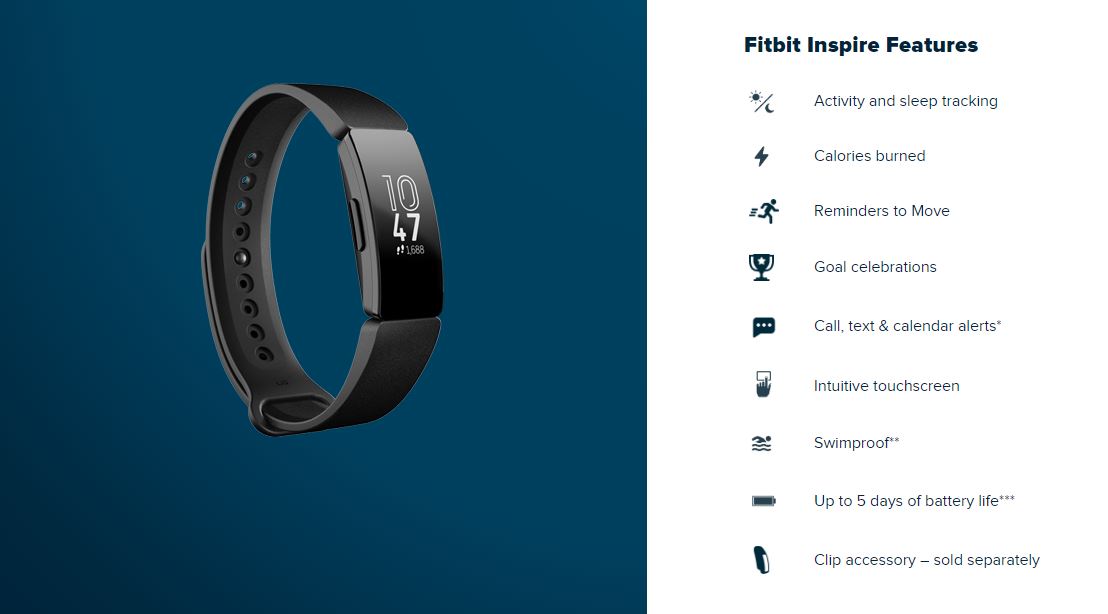
The Fitbit Inspire does exactly what you’d expect a Fitbit to do, and nothing more. Keep in mind that the Inspire is meant to be bulk distributed, so there’s a reason it’s a little lacking in frills and features. That said, you can’t deny that this is a cool device: Calendar alerts, calls, texts, activity and sleep tracking, and the famous ‘calories burned’ notification that puts a smile on your face while you’re going for a walk. You can also set the Inspire to ‘inspire’ you to get up and move at set intervals, and congratulates you for meeting your goals.
The HR model adds a little extra to the Fitbit Inspire package with enhanced tracking and goal-setting. It syncs with your phone’s GPS and takes the calorie burn monitor to a new level with 24/7 heart rate tracking and more specific sleep stage tracking. The HR also comes with over 15 goal-based exercise modes to choose between when you’re setting your new regimen.
The basic version of the Fitbit Inspire is reliable and useful, but lacks a few of the bells and whistles of the HR. Both are solid choices for a company however, with lightweight, comfortable silicone bands and incredible battery life – up to five days! Both use similar touchscreens as well, and both are completely waterproof for those of us who like to swim for exercise.
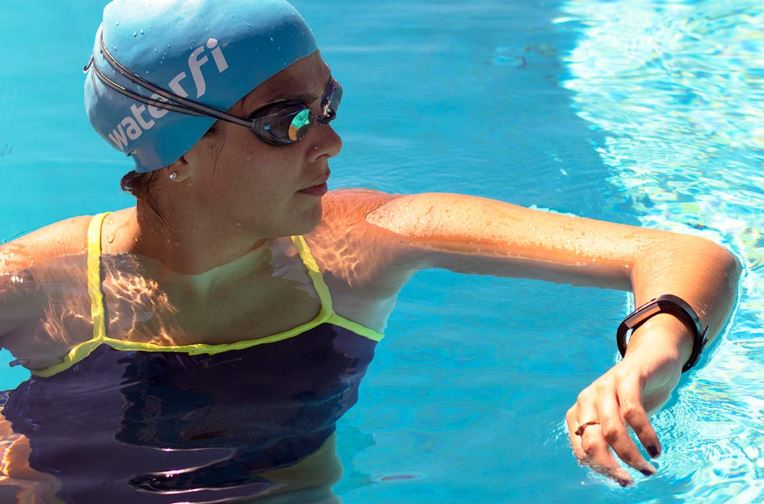
The new Fitbit Inspire is waterproof, making it a great device for tracking water sports.
All in all, the Fitbit Inspire is a nifty gadget with a handful of new features, but it’s not a high-end one-stop fix like the Apple Watch. In a way, this is for the best, though; it’s necessary for there to be a low-cost variation made available to the more general public so that it’s not just the more elitist or health-obsessed who are getting their hands these devices. Do you think that being more accessible to a wide crowd will make this more ubiquitous and successful than the Apple Watch?
Let us know in the comments below, and stay healthy!
See how Google could revolutionize the clothes we wear.
Remember that scene in “Avengers: Infinity War” when the Border Tribe warriors throw up their blue shawls to create an energy shield? The fantasy nation of Wakanda is a scientific marvel, portrayed as boasting technology decades ahead the rest of the world. Weaving quasi-magical powers into their people’s clothing is one such example. The truth is however, this particular fantasy may not be as far off as we thought. Google’s Project Jacquard began as far back as 2014 and a year later, the earliest conductive threads were manufactured in a factory in Japan.
Project Jacquard opens a new world of fast and convenient accessibility.
What is Project Jacquard?
Google created Project Jacquard to upgrade the way we use clothing. Their aim was to design and incorporate new hardware to completely overhaul our concepts of convenience, comfort, functionality, efficiency, and fashion by putting it all together in a device literally on our person. Wearable textiles (tech-stiles?) are perhaps not news, but neither was the portable phone when Apple came along. Similarly, Google has raised the bar by pushing the boundaries of what most consider novelty items, and taking them past prototypes into commercial viability.
“Our focus has always been to add a new layer of connectivity and interactivity to things you already know, love, and use every day,” Jacquard explains on their website. “By starting with raw materials, such as yarns and textiles, we found ways to provide unprecedented access to the digital world through items that aren’t typically considered to be technology. So your most beloved items – a favorite jacket, a pair of shoes, the bag you take everywhere – will keep you connected to your digital life in new, seamless ways.”
What does it do?
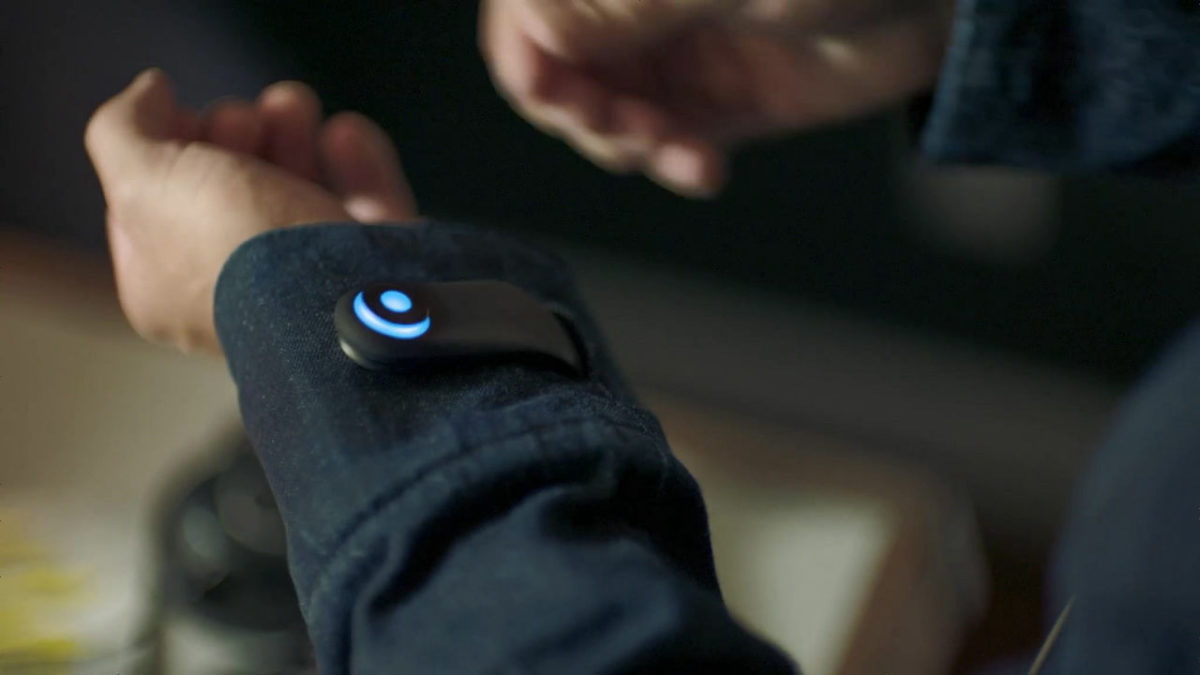
Jacquard takes everyday technological conveniences and weaves them into the fabric of your clothes. It means you’ll be able to connect to digital life without having to reach for your smartphone or boot up your computer. With a literal brush of your cuff, you can “navigate your life while living it.” Examples of what you’ll be able to include:
Safer navigation
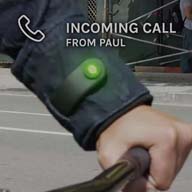
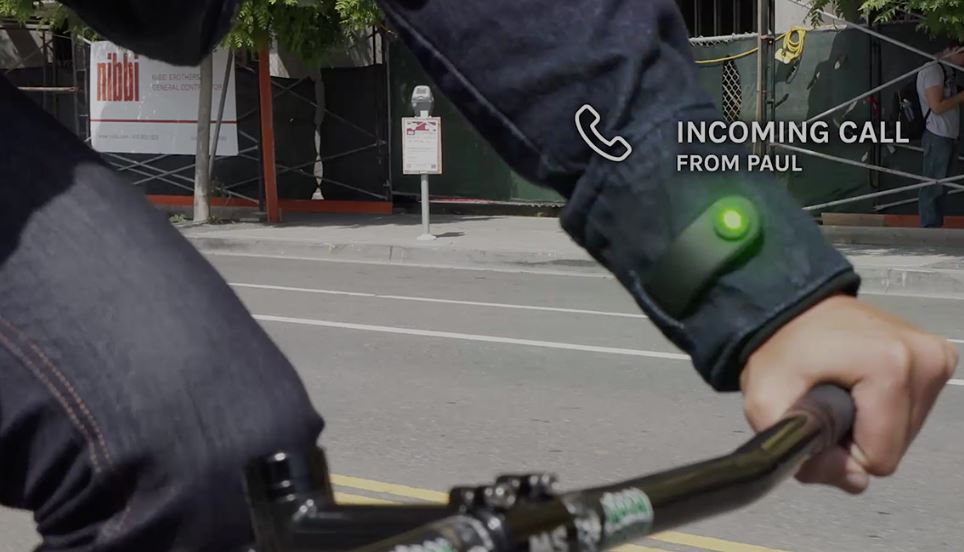
“Stay focused on where you’re going, not your screen,” says Jacquard. With navigation tech stitched into your jacket you don’t have to keep glancing at your phone while driving, or fumbling with GPS at traffic lights.
Navigate traffic and answer the phone – all without a device.
Just tap your sleeve and you can adjust volume, pause, change, and skip the current song you’re listening to on your device.
Even just walking from place to place is taken to the next level. You can drop location pins wherever you go with a simple gesture. That location is then saved to your Activity, so you can easily find it later. You can even share pins with friends. Everything’s even accessible right on Google Play.
How does it work?
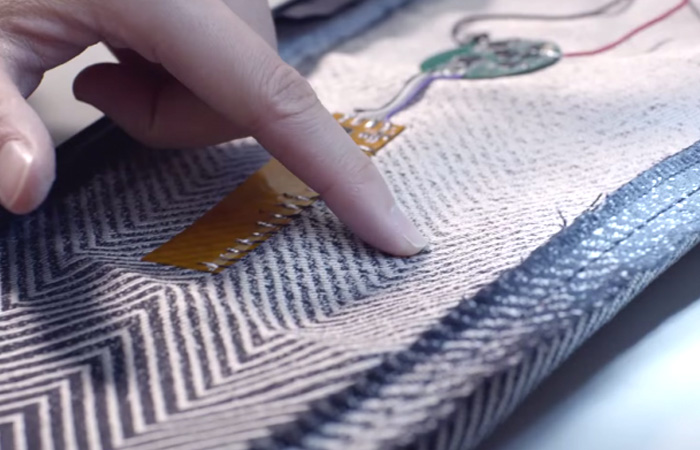
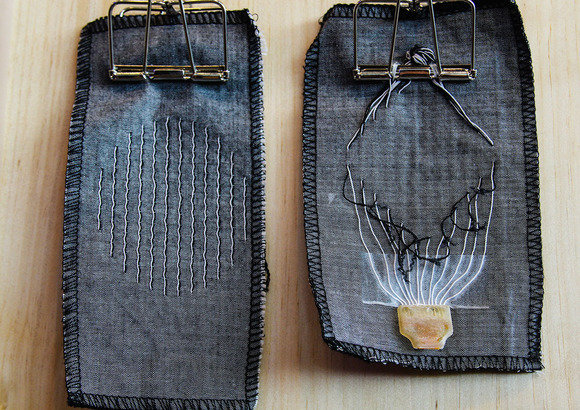
Everything about how Jacquard works is embedded into the electronics. The conductive metal alloys used are incredibly thin, so they combine seamlessly (no pun intended) with a variety of natural or synthetic fibers. It’s not like you’ve got an iPhone stitched into your sleeve – once spun, Jacquard Threads have the weight and feel of normal yarn.
Jacquard’s tech is woven directly into the threads. You’ll hardly notice you’re wearing them.
That means that since they look, feel and perform like any other kind of yarn, they can be woven using traditional techniques and equipment. This is one of the primary reasons Jacquard is so exciting – the possibility that this tech could be implemented all over the world with standard textile practices is amazing indeed. “We’re trying to shrink all the components down to the size of a button,” says Jacquard’s Research and Development Lead Nan-Wei Gong. “Ultimately this will be something that’s so small that we can embed it into the manufacturing process.”
Jacquard is now working with Levi’s
At the 2015 I/O conference Jacquard excitedly announced their partnership with Levi’s, and on September 27, 2017 their Levi’s Commuter Trucker jacket went on sale. This was one of many firsts for Levi’s, but a particularly exciting moment for the Jacquard team, who got to see their dream put on a more public platform. “The Jacquard vision centers around expanding the functionality of the clothes people already wear and love. And that’s exactly what we did with Levi’s.”
Is this the future?
We’re still a ways from vibranium-powered kinetic barriers woven into every pack of underwear, but Jacquard has shown us a reality that is not outside our reach.
Do you think Jacquard is giving us a glimpse into the future with this technology? Let us know in the comments below, and stay tuned for updates on the coolest line of clothing to hit the market.
Tech-fashion startup Ministry of Supply was launched in 2011 by four former MIT students with a very particular design philosophy: to combine the comfortability and function of athletic wear with the presentation of everyday clothing using aerospace-inspired engineering.
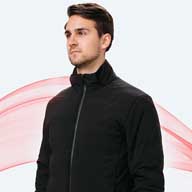
Quickly gaining funding through Kickstarter, Ministry of Supply has since created clothes for men and women that use similar materials and thermal engineering to NASA’s spacesuits. Their upcoming Mercury smart jacket is their most ambitious product yet. Check it out in this video:
Ministry of Supply claims that the Mercury jacket is “everything-proof”. Everything includes water and water vapor. The dual-layer breathable membrane allows water vapor to escape the jacket while preventing water droplets from getting in, allowing them to slide off easily and keeping the jacket dry.
The jacket is also odor-proof, as the liner contains coffee grounds that absorb and neutralize odors. Like athletic wear, the liner of the jacket is designed for maximum flexibility, and it’s machine washable. The jacket contains four spacious primary pockets, including a pouch for your phone that charges it wirelessly.
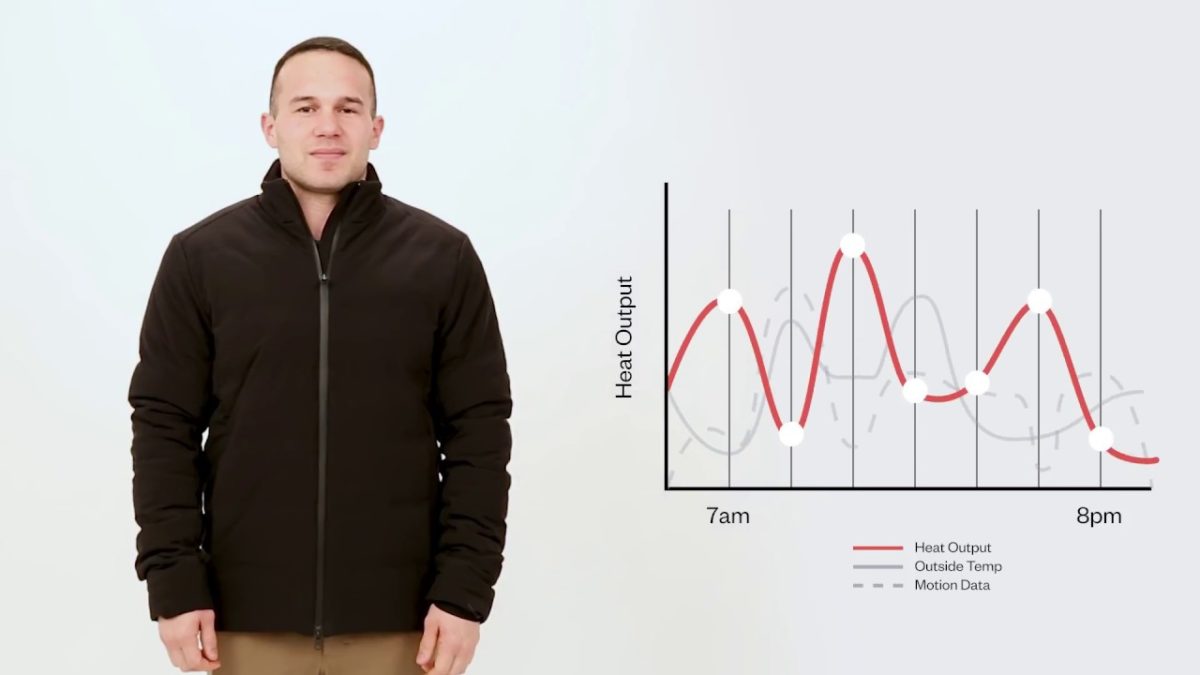
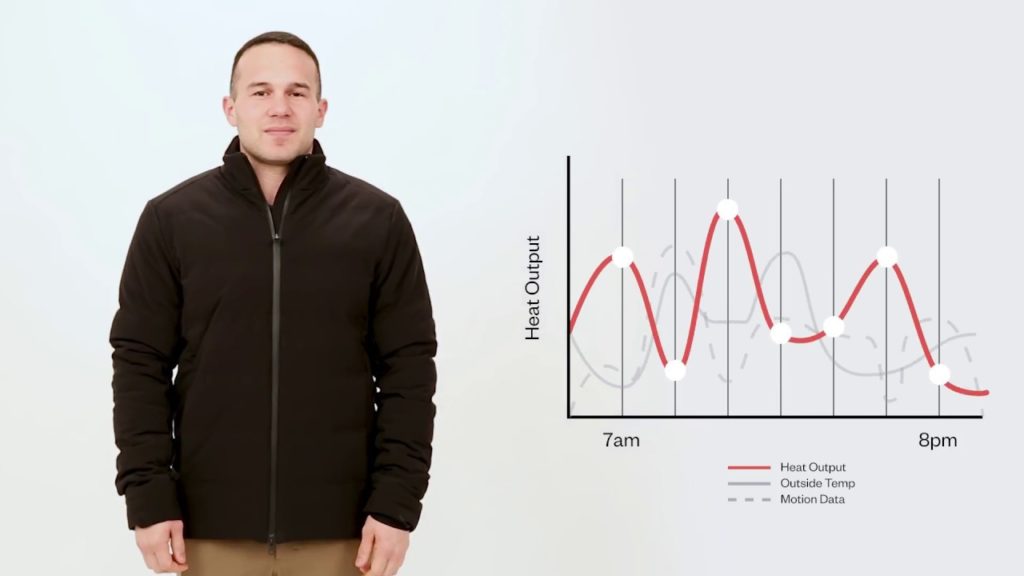
The Mercury jacket is designed to keep you warm in a wide variety of settings, from the city to the mountains. The jacket’s built-in heaters are designed to feel as weightless and natural as possible, so it just feels like you’re wearing a normal jacket. The built-in thermostat determines the temperature of both your surroundings and your own body heat, learning about the places you spend the most time at. The machine learning algorithm then determines how warm you’d prefer the jacket to be. You can use an app to tell the jacket to become warmer or cooler, and as you wear it more often, the algorithm will start to pick up on and automatically adjust to your preferences.
You can also talk to a voice assistant like Alexa to adjust the temperature of your jacket, though you may look like a crazy person if you use this feature in public. The jacket also has built-in accelerometers that determine how much you’re moving, which then tells the heaters to adjust the temperature of the jacket accordingly.
The included battery simply sits in one of the pockets of the jacket and is easily removable for when you want to wash. As the jacket learns your preferences, it will learn how to save power accordingly, allowing the battery to be used for up to 4 weeks without being charged. The battery and heating functions work right out of the box, so no calibration is required. The algorithm will adjust to your temperature and lifestyle automatically.



 The Powerbeats Pro are marketed toward fitness junkies who don’t want their headphones falling off while working out.