You will be able to watch YouTube while flying, but only a few videos

Delta Airlines has taken a significant step in modernizing its in-flight entertainment offering through a new collaboration with YouTube, which will allow passengers to enjoy ad-free content from various creators during their flights. Among the selected are well-known names like Kinigra Deon, MrBeast, Michelle Khare, and Mother Goose Club, reflecting the growing preference of passengers for creator-generated content. Always connected, even in the air! According to Julieta McCurry, vice president of in-flight entertainment and connectivity at Delta, the company has been observing a shift in preferences of […]

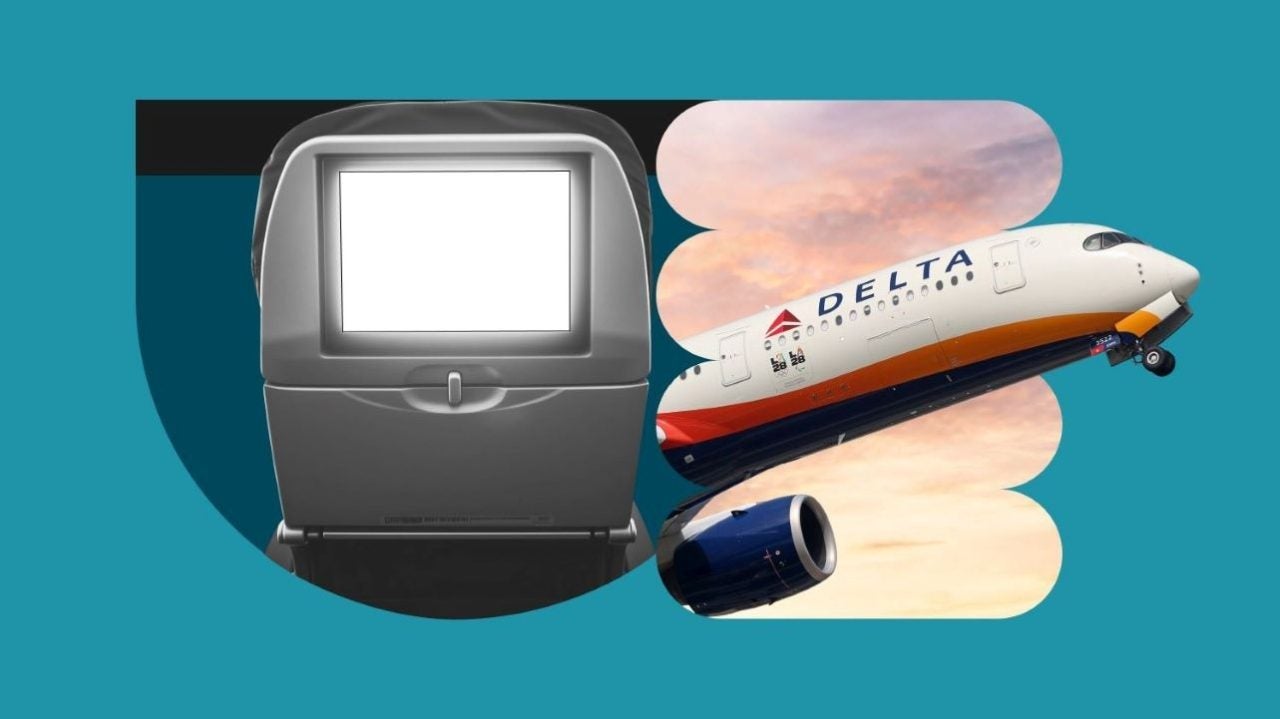
Delta Airlines has taken a significant step in modernizing its in-flight entertainment offering through a new collaboration with YouTube, which will allow passengers to enjoy ad-free content from various creators during their flights. Among the selected are well-known names such as Kinigra Deon, MrBeast, Michelle Khare, and Mother Goose Club, reflecting the growing preference of passengers for creator-generated content.

Always connected, even in the air!

According to Julieta McCurry, Vice President of In-Flight Entertainment and Connectivity at Delta, the company has been observing a shift in customer preferences towards creator-driven content and podcasts. “Our data indicates that customers want personalization and options”, McCurry stated, emphasizing that this initiative aims to provide a premium experience tailored to the interests and preferences of travelers.

This launch, which was initially announced at CES, has been in development for a year and is designed to align with current media consumption trends. Delta ensures that the content offered on its backseat screens and personal devices is relevant and engaging, with a monthly assessment to keep it fresh for frequent travelers.

Kinigra Deon shared her enthusiasm for being part of this project, commenting that she hopes her content, presented in a flight context, will spark the interest of new followers. “I want passengers to think, ‘Who was that? I want to see more'”, she said. This dynamic allows creators to connect more deeply with audiences while in the air, in an environment where attention is easily captured.

With the removal of ads and a diverse selection of content, Delta seems well positioned to attract both new and regular passengers, adapting to a world increasingly marked by the need for personalized and engaging experiences.

Google launches a tool to automatically convert ads into videos

Google has launched a new tool that automatically transforms images and text from ads into videos for its Demand Generation campaigns. This functionality will apply to all ad groups that only contain images created before August 27. The generated videos will start being published automatically from October 31, unless advertisers choose to opt out of the process. October 31: deadline The new feature is designed to expand advertisers’ creative library without incurring additional production costs. By converting static ads into assets in […]

Google has launched a new tool that automatically transforms images and text from ads into videos for its Demand Generation campaigns. This feature will apply to all ad groups that only contain images created before August 27. The generated videos will start being published automatically from October 31, unless advertisers choose to opt out of the process.

October 31: deadline

The new feature is designed to expand advertisers’ creative library without incurring additional production costs. By converting static ads into video format assets, brands will be able to reach their audiences across various platforms, including YouTube, Shorts, and Discover. This is particularly relevant, as video formats tend to generate higher engagement and better performance in Demand Generation campaigns, resulting in greater exposure and flexibility for brands.

However, since this feature is activated automatically, advertisers are required to review and manage their assets before October 31. It is crucial to ensure that the videos generated by artificial intelligence align with the brand’s standards and messages to avoid any communication mismatches.

With this innovation, Google aims not only to optimize the way ads are presented but also to respond to the growing demand for dynamic content in the digital world. The transformation of static creatives into visual content can significantly increase the impact of campaigns, although it also gives advertisers a limited window to decide their participation. If these assets are not managed properly, there is a risk that the brand’s message will not be effectively communicated to its target audience.

YouTube will re-enable the channels it banned during the COVID era

YouTube has announced a significant decision that will allow the return of several channels that were banned under the old rules related to COVID-19 and electoral integrity. In a letter sent to Congress, YouTube’s parent company, Alphabet, stated that channels that had been removed for policy violations that are no longer in effect will be reopened. Hair to the sea(marketing) This reinstatement of banned channels means they will be able to serve ads again. This could create more advertising inventory on the platform, but it also raises concerns regarding brand safety, depending on how the […]

YouTube has announced a significant decision that will allow the return of several channels that were banned under the old rules related to COVID-19 and electoral integrity. In a letter sent to Congress, YouTube’s parent company, Alphabet, stated that the channels that had been removed for policy violations that are no longer in effect will be reopened.

Let bygones be bygones (marketing)

This reinstallation of the banned channels means that they will be able to serve ads again. This could create more advertising inventory on the platform, but it also raises concerns regarding brand safety, depending on how advertisers adjust their strategies regarding these reinstated channels.

Advertising experts have commented that this decision could significantly affect advertising strategies. Chris Cabaniss, co-founder of Falcon Digital Marketing, emphasized that the decision has the potential to influence the channels that both advertisers and clients choose to use to display their ads. “This could be a big move, as there may be channels that wish to use again, as well as others that would prefer to avoid”, he wrote in a LinkedIn post.

The news is also set against a broader context of concerns about censorship on YouTube, especially regarding accounts that express political opinions. By reinstating these channels, Alphabet seems to be trying to address the criticisms it has faced for its approach to content moderation, especially in times of increasing political polarization.

The decision marks an important change in YouTube’s stance on content management, which will be closely monitored by both the public and advertisers in the coming months.