The key to successful automation: understanding the customer's needs

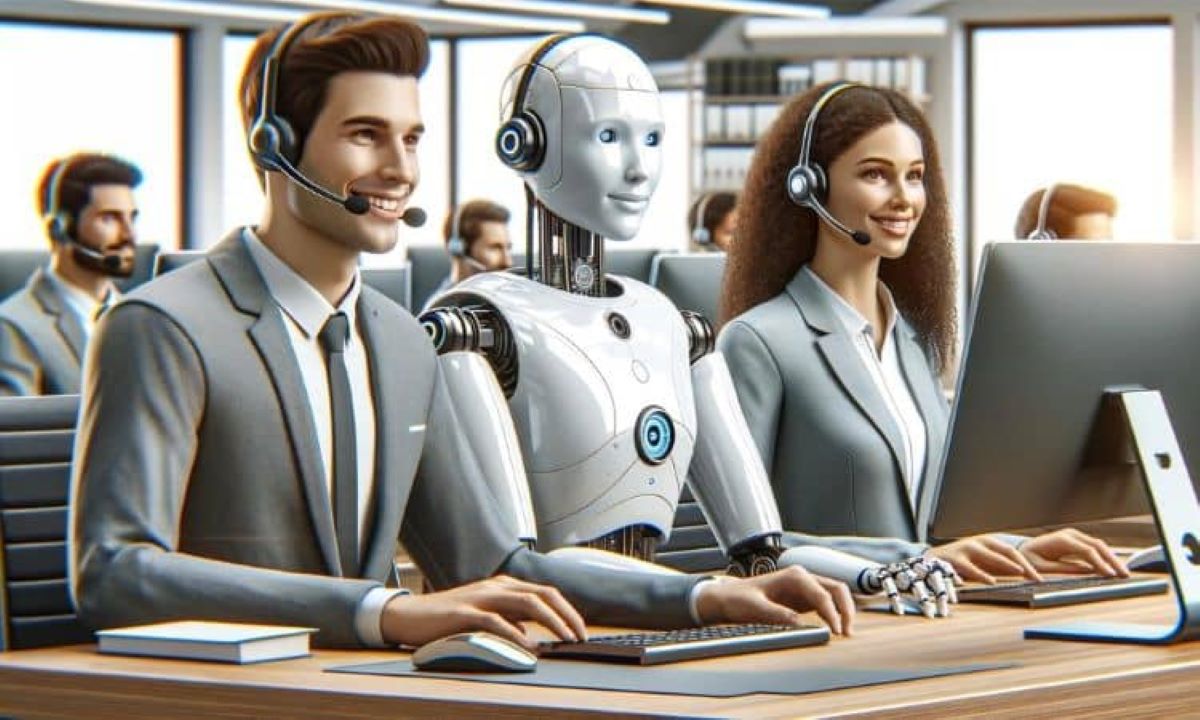
Automation in customer service has been a controversial topic, as it often results in negative experiences for consumers. Irrelevant emails and robotic responses that do not address the true needs of the customer have become common. However, some companies are beginning to use artificial intelligence not only to reduce costs but to improve the customer experience in a humanized and personalized way. A double-edged sword A notable case is that of Citizens Bank, which managed to capture attention with a well-designed message about loan renewal […]

Automation in customer service has been a controversial topic, as it often results in negative experiences for consumers. Irrelevant emails and robotic responses that do not address the true needs of the customer have become common. However, some companies are beginning to use artificial intelligence not only to reduce costs but also to enhance the customer experience in a humanized and personalized way.

A double-edged sword

A notable case is that of Citizens Bank, which managed to capture attention with a well-designed message about student loan renewal. This type of communication significantly differs from the automatic alerts sent to the customer without considering their context, which often leads to frustration.

The key to success lies in that companies must first understand the needs of the customer before implementing AI-based solutions. This includes auditing and preparing relevant data, avoiding flawed processes, and ensuring that objectives are clear and measurable. Often, successful AI cases focus on specific outcomes and practices that are easy to implement initially, such as recommendation engines or optimizing email delivery.

However, many companies still struggle to overcome the automation of flawed processes, which only magnifies their failures. Cases like that of a telecommunications company that launched a chatbot without understanding the reasons for its customers’ calls highlight this issue. Poor implementation can erode consumer trust in technology.

Currently, there is a growing expectation that AI should enhance the relationship with the customer rather than replace it. To enjoy this advantage, it is essential for companies to adopt a thoughtful approach, leverage available data, and closely measure their progress, thus building a path towards a more human and effective customer experience.

The future of cybersecurity relies on this completely necessary solution today

Manual privacy management has fallen behind the complexities and speed of today’s digital threats. As data brokers, AI-based scraping tools, and malicious actors become more sophisticated, traditional cybersecurity strategies must evolve to effectively mitigate these risks. The paradigm shift In this context, automated privacy management (APM) emerges as an innovative and necessary solution. This approach not only continuously identifies and corrects online privacy risks but does so with minimal intervention […]

Manual privacy management has fallen behind the complexities and speed of today’s digital threats. As data brokers, AI-based scraping tools, and malicious actors become more sophisticated, traditional cybersecurity strategies must evolve to effectively mitigate these risks.

The paradigm shift

In this context, automated privacy management (APM) emerges as an innovative and necessary solution. This approach not only continuously identifies and mitigates online privacy risks but does so with minimal human intervention, thereby ensuring uninterrupted protection 24 hours a day. The VanishID platform, for example, offers a fully managed service that combines automation with human oversight, ensuring that privacy management is both scalable and reliable.

The APM represents a paradigm shift in digital risk mitigation. As cyber threats intensify and data exposure becomes the norm, organizations that wish to be resilient in the digital environment have no choice but to adopt these technologies. This shift in focus allows companies to move from reactive privacy policies to proactive defenses, strengthening their compliance posture and reducing organizational risk.

Through the implementation of automated systems, cybersecurity leaders can empower their teams to operate safely in an increasingly exposed digital world, thus enhancing their ability to face emerging threats. Automated privacy management is not a luxury, but a critical necessity for organizations committed to proactive defense against current digital threats.

The first animated series generated by AI is already a reality, and the protagonist is an adorable cat

CJ ENM, the South Korean entertainment giant, has taken a bold step into the future of content creation with the launch of a comprehensive strategy based on artificial intelligence. During an event held in Seoul, the company presented its first fully AI-generated animated series, titled Cat Biggie. This event not only marks a milestone in technological innovation within the entertainment industry but also coincides with the celebration of CJ ENM’s 30th anniversary, a point of pride that reflects decades of leadership in content. The big kitty child of AI […]

CJ ENM, the South Korean entertainment giant, has taken a bold step into the future of content creation with the launch of a comprehensive strategy based on artificial intelligence. During an event held in Seoul, the company presented its first fully AI-generated animated series, titled Cat Biggie. This event not only marks a milestone in technological innovation within the entertainment industry but also coincides with the celebration of CJ ENM’s 30th anniversary, a point of pride that reflects decades of leadership in content.

The great kitten son of AI

As part of the 2025 CJ ENM Culture Talk event, titled K-Content, the company highlighted its commitment to integrating advanced technology in content production. Cat Biggie represents a bold experiment that could redefine the way we consume animated entertainment. This bet on AI not only suggests a shift in narrative but also raises questions about the future of creativity and authorship in the field of animation.

CJ ENM’s strategy includes not only the use of AI for content creation but also the possibility of optimizing media processes and improving the personalization of the content offered to users. As artificial intelligence continues to evolve, the company seems to be positioning itself at the forefront of this revolution, exploring the boundaries of what is possible in the field of audiovisual production.

With the launch of Cat Biggie, CJ ENM joins the ranks of other companies exploring the potential of AI in entertainment. However, as technology advances, concerns arise about the ethics and sustainability of these new methods of creation. Thus, the future of animation could be in the hands of both human artists and advanced algorithms, which will undoubtedly open new conversations and debates in the industry.

AI might make your own series and movies a reality, but is it really what you want to see?

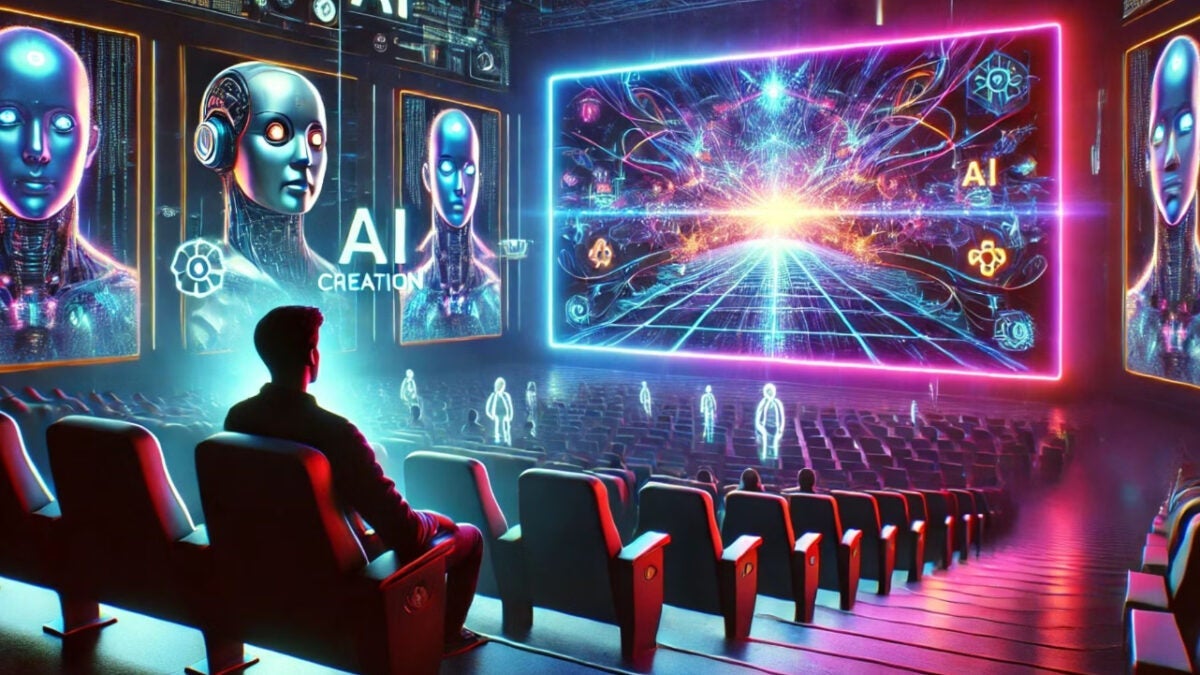
One of the heaviest arguments from die-hard fans of Artificial Intelligence is that in a few years it will be able to make your greatest dreams come true: you will become Luke Skywalker, it will create endless sequels of Avengers, you will have your personalized series finale, exclusive, just for you, tailored to the parameters you enjoy the most. Do you want Phineas and Ferb to appear in Game of Thrones and for you to help them get crowned? Of course you do. You will be able to see all that and more by entering a prompt. And I won’t even deny that it’s possible, because after all the […]

One of the heaviest arguments from die-hard fans of Artificial Intelligence is that in a few years it will be able to make your greatest dreams come true: you will become Luke Skywalker, it will create endless sequels of Avengers, you will have your personalized, exclusive series finale, just for you, tailored to the parameters you enjoy the most. Do you want Phineas and Ferb to appear in Game of Thrones and help them get crowned? Of course you do. You will be able to see all that and more by just entering a prompt. And I won’t even deny that it’s possible, because after all, the world has embraced generative AI, with all its mistakes, its junk, and its nonsense, with a strong hug that says “Thank you, we can finally stop paying those annoying creatives.” But is that really what we want? Really?

ChatGPT DOWNLOAD

An AI to rule them all

Audiovisual content, especially since the advent of streaming, is an individual activity that becomes collective when we talk about it. We don’t watch series just for our own enjoyment, but to discuss them over coffee and recommend them to our friends. The same goes for movies: enjoying them (or not) is just a small part of the process, but it usually doesn’t stop there. Then comes the moment to share your opinion on platforms like Letterboxd and social media, see what others have thought, modify your point of view, and evolve as a viewer.

Have you ever talked about a movie that you didn’t like and ended up appreciating why other people value it positively after a conversation or reading reviews online? It is part of our audiovisual training that helps us build our own opinion, which can vary based on your experience and tastes. Our criteria grow and evolve because it is part of a shared experience, because you can read what others think about what you just watched, because you can modify your opinion based on others.

That’s why I don’t fully understand -nor will I ever understand- the excitement of some for having an absolutely personalized experience, beyond the gimmick, the carnival attraction, the mere curiosity. Would the ending of Lost be better if you were the screenwriter? Would you really enjoy it if there were no room for surprise because everything is tailored to your interests? And above all, do you really want to see something that you can’t discuss with anyone because it belongs only to you? I don’t think so.

The churro factory

The main function of AI is to please you always. Literally, you are right constantly, even if that means lying to you or giving you incorrect data. Of course, it will not dare to say that the fantastic idea you had makes no sense or that the dramatic progression would be completely broken: in a world where we have been increasingly accustomed to series and movies that repeat the plot over and over so that people looking at their phones do not feel excluded, it is likely that a script written in the moment by AI could satisfy a percentage of the population.

But in the end, these kinds of ideas are just part of the circus, the fair attraction, of sharing on social media “what you got.” If we are already overwhelmed with the thousands of series and movies that come out each year that interest us, are we really going to spend time on a personalized experience that we can’t talk about with anyone afterwards because they won’t understand us, nor will they be interested? Imagine for a moment that the ending of Lost was different and modified for each person: there would have been no controversy, and it wouldn’t still be talked about 15 years later.

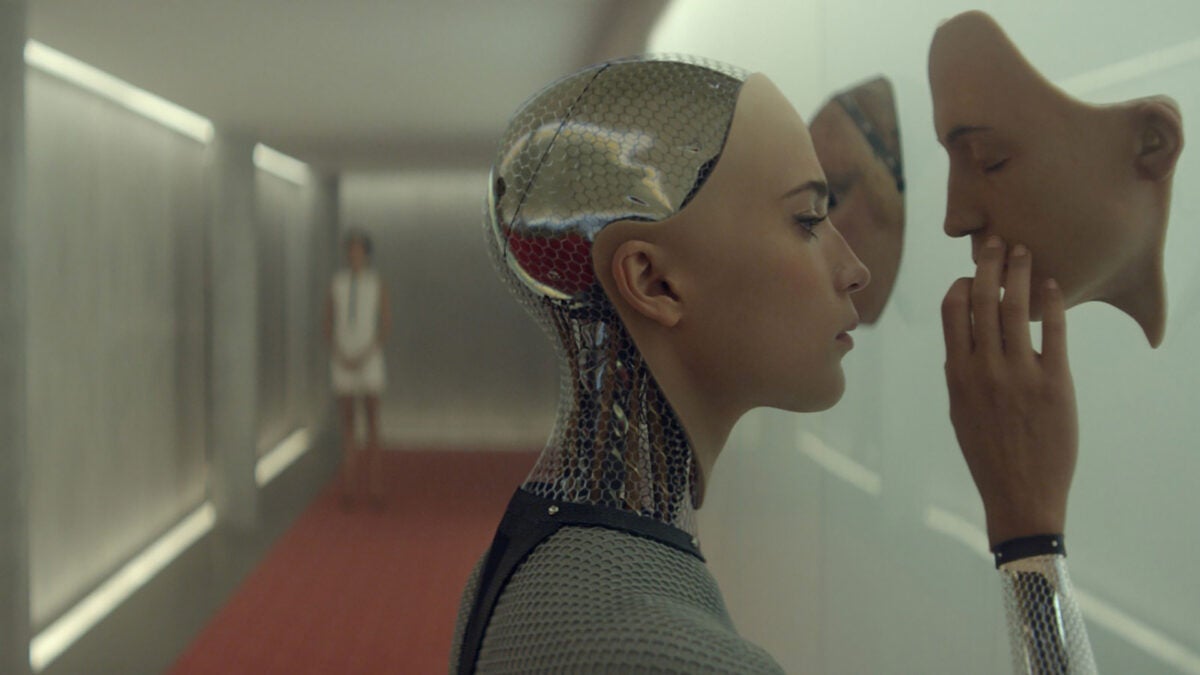
Damn, we wouldn’t have even been lost, focused on our own individual navel-gazing, where no one challenges us, no one looks us in the eye and holds a mirror in front of us, they only live to please us. Art must confront you with yourself, with your own fears, with gray characters, with things you would never believe you would enjoy. And for that, it needs the human hand, not that of a machine which, at best, can create a basic coherent story. If your dream is for Spider-man to take off his mask and for you to appear in the movie, what you want is not to see a movie, but the typical Christmas video you used to send to your family in proto-Internet where some elves danced and had your face.

If we normalize that AI takes care of our leisure, they have won. If we want that to be the case, we have lost. Deep down, it is that basic. It is that sad.

ChatGPT DOWNLOAD