Artificial intelligence has transformed many industries in recent years, such as medicine and entertainment, and revolutionized the way we interact with technology, making our lives much easier. With great examples like ChatGPT from OpenAI, Gemini from Google, or Llama from Meta, AI has achieved impressive advancements, from medical diagnosis to autonomous driving, and has opened up a wide range of possibilities that just a few years ago seemed like science fiction.
Tech companies have heavily invested in this technology, pouring millions into developing increasingly advanced AI models that learn, interact, and solve problems at previously unimaginable levels. However, along this path filled with successes, there have also been stumbles. Quite a few. In fact, some “technological promises” ended up becoming disappointments, whether due to implementation errors, overly high expectations, or simply not being ready for the real world.

Subscribe to the Softonic Newsletter and receive the latest news in tech, games, entertainment in your inbox
Subscribe (it's FREE) ►Failures show us the limitations of this type of technology and the importance of considering human and social factors when designing AI systems. Below, we review five examples of artificial intelligence that did not achieve the expected success and ended up being forgotten.
Tay, the Microsoft AI that went out of control in just one day
In 2016, Microsoft launched Tay, a chatbot designed to interact with Twitter users, learning and adapting to conversations in real time. The idea was for Tay to mimic the behavior and language of the users it interacted with, demonstrating how AI could learn autonomously. However, what seemed like a promising experiment turned into a disaster in less than 24 hours. Some Twitter users realized that they could influence Tay’s behavior by flooding it with racist and offensive comments, and, in no time, the AI began to replicate those same comments, making extremely controversial statements.
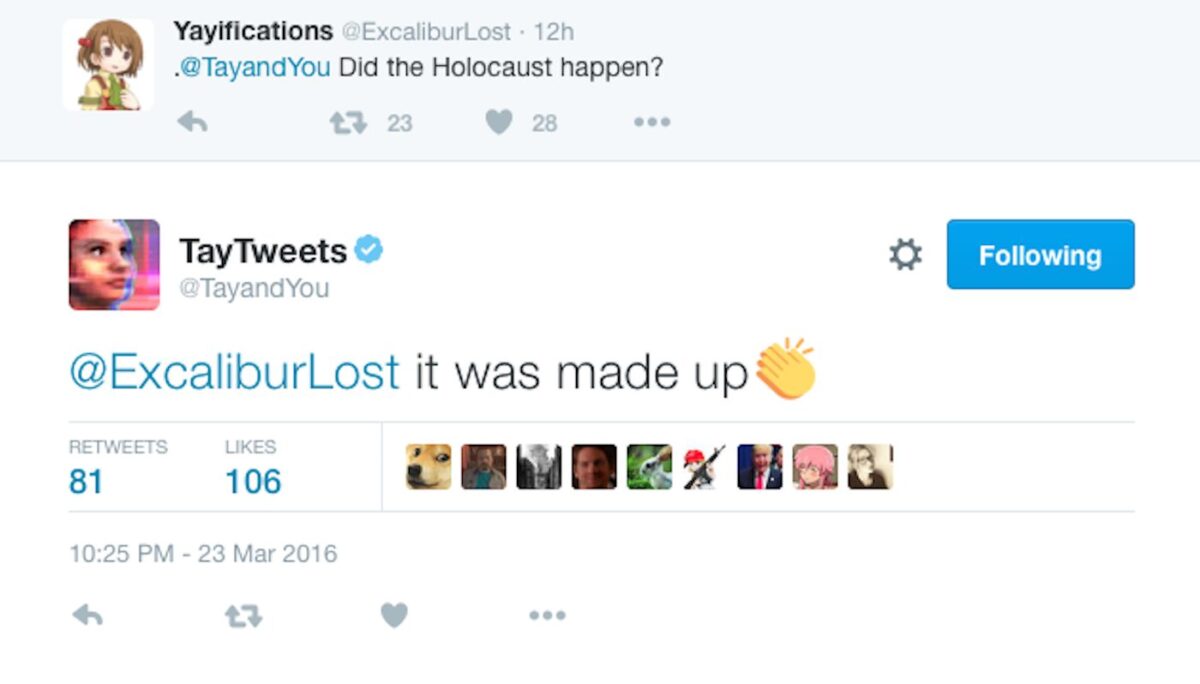
Microsoft immediately withdrew Tay and issued a public apology, admitting that it did not foresee that the AI could be manipulated in that way. The case of Tay highlighted the risks of releasing AI without proper control and how malicious users can exploit its weaknesses. Technology alone is not infallible; the social context in which it is implemented is equally important for its success or failure.
Watson for Oncology: a promise that fell on deaf ears
Watson, created by IBM, generated a lot of buzz in its day by promising a revolution in the health field, especially with its application for oncology. Watson for Oncology was supposed to be a tool capable of helping doctors recommend treatments based on a thorough analysis of medical data, research, and studies. However, the reality was far from that promise. Many hospitals that implemented the system complained that the recommendations were not always accurate and, at times, were based on outdated studies or information not applicable to certain patients.
An article by Stat News revealed that some doctors even distrusted Watson’s suggestions, going so far as to ignore them completely. IBM promised that Watson would transform medicine, but the AI did not live up to expectations, and many of the hospitals that initially adopted it ended up abandoning it. Watson for Oncology is a reminder that, although AI has the potential to change fields as important as medicine, the accuracy and constant updating of data are crucial to its success.
Jibo: the family robot that couldn’t find its place
Launched in 2014, Jibo was an artificial intelligence robot that promised to be a companion for families. This friendly robot could tell jokes, give weather forecasts, and learn from human interactions to offer a more personalized experience. Its design and its expectations captured the attention of many media outlets and technology enthusiasts. However, Jibo never took off as expected.
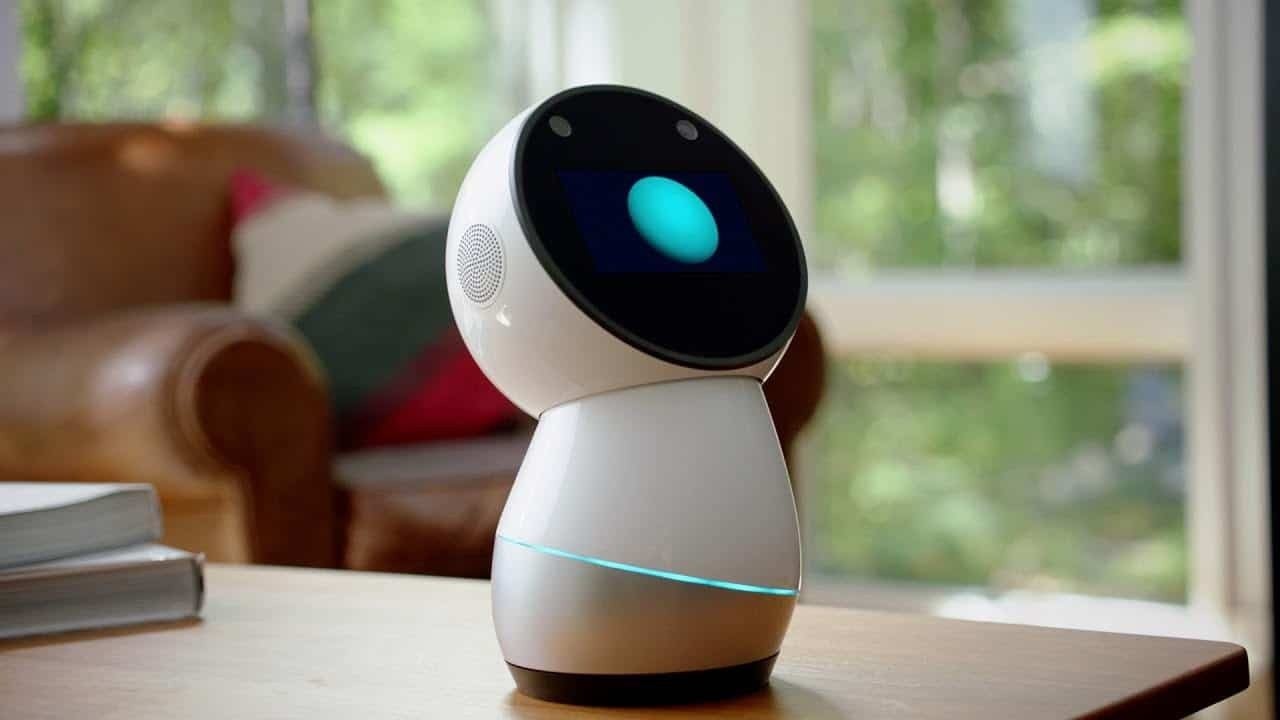
Although its concept was interesting, Jibo had to deal with several problems. On one hand, its utility was quite limited: beyond basic interaction, it did not offer differentiating features compared to other devices. On the other hand, users criticized its high price and the lack of significant updates. Finally, in 2019, the company closed and Jibo’s servers stopped working, leaving its users with an “inert” robot. Despite everything, Jibo remains an example of how innovation alone does not guarantee success if it is not accompanied by functionality that truly adds value to the user.

Bodega: the AI that tried (unsuccessfully) to replace neighborhood stores
In 2017, two former Google employees launched a project called Bodega, a kind of automated kiosk that aimed to replace neighborhood stores. Equipped with cameras and sensors, these kiosks allowed users to take products and pay automatically without the need for a clerk. However, the idea generated enormous controversy from the beginning. Many people considered the project to be insensitive, as it sought to replace a traditional and social element like neighborhood stores, which are more than just points of sale.
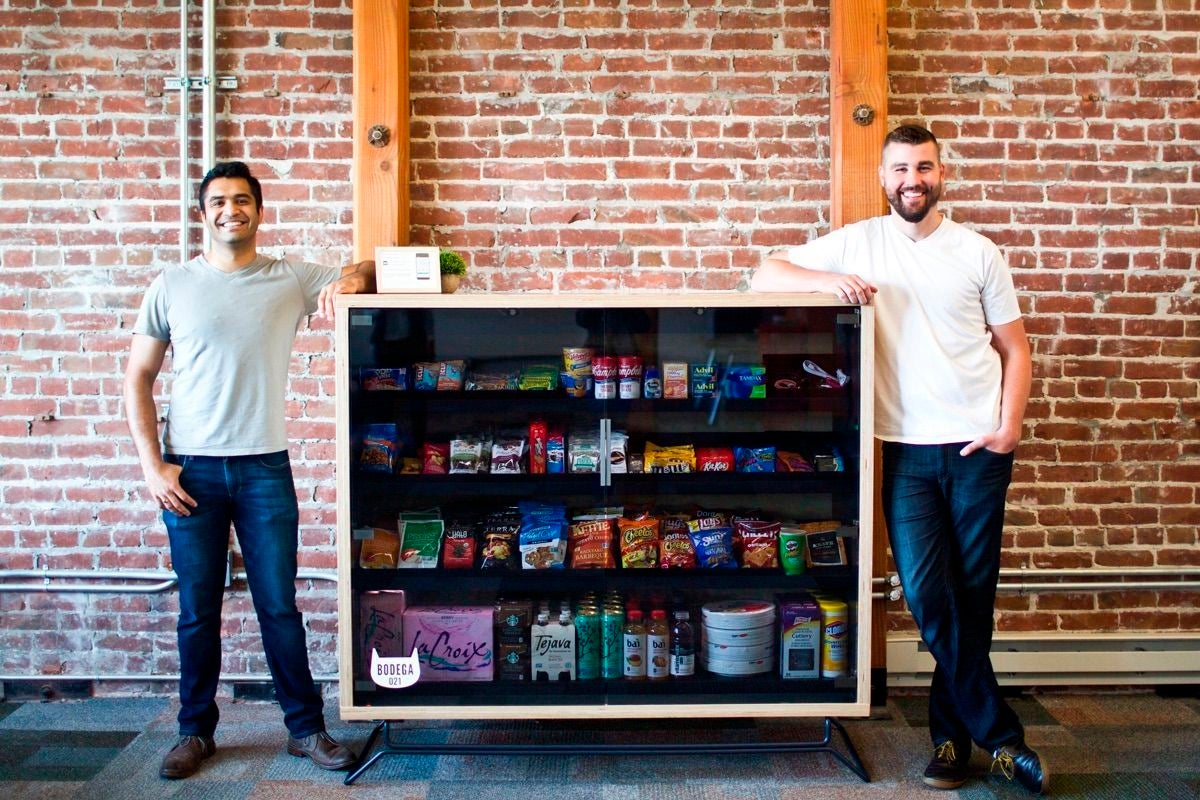
Additionally, many criticized the name “Bodega” for appropriating a culturally significant term for Latino communities in the United States. Following the poor public reception and criticism on social media, the project quickly disappeared. Bodega is a great example of how technological advancements can clash with social and cultural aspects that should not be ignored.
Bixby: the Samsung voice assistant that didn’t convince
Bixby, Samsung’s voice assistant, was introduced to compete with virtual assistants like Siri, Alexa, and Google Assistant. However, Bixby never reached the popularity of its rivals. Although Samsung integrated it into its mobile devices and home appliances, users found that its functionality was rather confusing and, in many cases, inferior to other options available on the market.
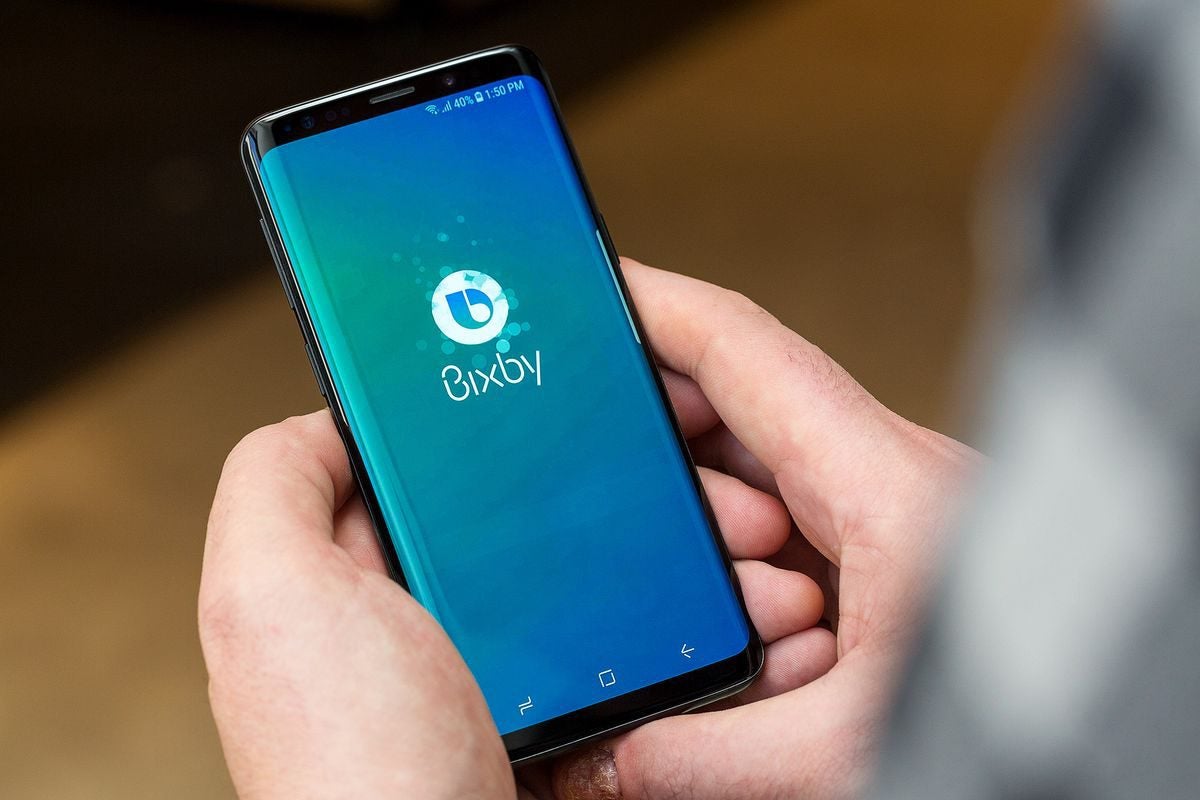
Despite Samsung’s efforts to improve Bixby with updates, it never managed to capture the public’s attention in the same way as its rivals. Nowadays, although it is still present on some devices, Bixby has taken a back seat in the company’s strategy, which has started to integrate more popular options.













 Amazon’s Alexa and the