Cracking the Twitter algorithm in 2019

Here’s how to stand out on Twitter after the recent changes.

Twitter

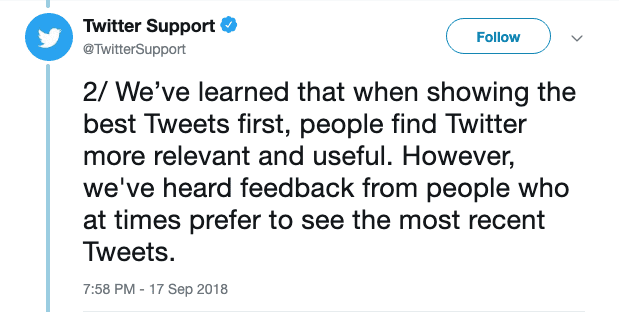
Last September, Twitter announced that users would be able to switch between a Top Tweet view and a chronological Latest Tweets timeline.

So, people now can move between an algorithm-based feed and a chronological timeline. This is something Facebook and Instagram have stayed away from in an effort to be relevant and engaging or whatever.

But just because the algorithm is optional doesn’t mean that everyone is opting out in favor of an old-school chronological feed.

Below, we’ll look at some of the key ranking signals you can expect to find inside your account.

7

What are the ranking signals?

As is the case with Facebook and Instagram, Twitter’s algorithm depends on a handful of ranking signals.

In 2019, the algorithm-based feed consists of the following sections:

Top Tweets

Top tweets are determined by the algorithm. Users will see content from accounts they follow, as well as content from their followers and suggested accounts.

Users also have the option to provide feedback on the content displayed in this section. This allows them to see some types of posts less often.

Latest Tweets

Latest Tweets represent a reverse chronological feed containing tweets from your followers.

ICYMI (In case you missed it)

In case you missed it, this is a compilation of top tweets determined by the algorithm. ICYMI is typically displayed to users who haven’t logged in lately. Frequent users won’t see this content much.

Happening Now

This is a section that appears at the top of your timeline, featuring trending topics and current events.

Trends for You

Another section determined by the algorithm, Trends for You highlights content that Twitter has determined to be relevant or interesting based on past activity.

You’ll have the option to customize this content by going into the Content Preferences section of your account.

As is the case with Facebook and Instagram, Twitter’s algorithm depends on a handful of ranking signals.

Here’s a quick look:

Recency

When was the tweet published? Timing weighs heavily into the Twitter algorithm, even if the user opts out of the algorithmic feed.

Rich media

Rich media refers to posts that contain video, audio, or GIFs, which encourage viewers to engage with the content. In other words, Twitter gives preferences to posts that contain more than a stock photo and a one-liner. That helps explain why this video just exploded:

Engagement

Engagement refers to how many tweets, impressions, replies, and clicks a tweet has received. It also takes into account how often people engage with the author’s account. It also factors the engagement of a tweet relative to other tweets posted by that same user.

Why chronological matters
Clock

Chronological content is one of the few ways that you can access neutral information in the aggregate format of a social media channel.

When you’re looking at something like top posts, that means that the platform’s algorithm is making a judgment call on your behalf. It is deciding what information you’re likely to click on, not which news stories are the most important or what is happening in real time.

We’ve become increasingly critical of what kind of content we see while scrolling mindlessly through social media.

Twitter’s move to allow people to opt out of the whole algorithm thing is actually a big deal.
Twitter feedback

Where Facebook has stated on multiple occasions that the algorithm offers users a better experience, it’s hard to separate that push toward engagement from the value it offers to advertisers.

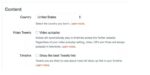
Switching back to the chronological feed on a desktop is a matter of navigating to your account settings and unchecking the box that says “Show the Best Tweets First.”
change twitter timeline settings

On your phone, click the little star icon and it will open options for you to flip back and forth between “top tweets” and “latest tweets.”
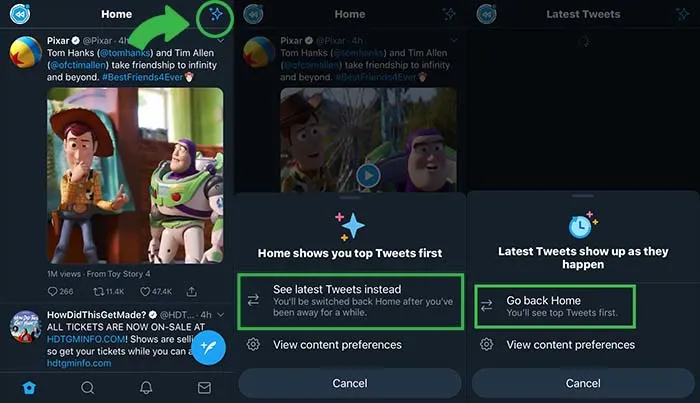
Twitter feed preferences

How to make sure people see your Tweets

Despite having the option to skip the algorithm in favor of an orderly feed, many people are likely going to stick to the curated feed.

With that in mind, here are some tips for making sure that your content gets in front of as many eyeballs as possible.

Use hashtags

The hashtag was actually created on Twitter as a means of helping people find tweets and accounts they might find interesting. To this day, adding a hashtag is one of the best ways to get “discovered.”

Respond to your followers

Because one of the key ranking factors is “engagement,” you’ll likely get more visibility in others’ feeds if you retweet, like, comment, or reply on the platform.

As we’ve seen with Facebook and Instagram, there’s been a real push toward getting people to engage more with others, rather than focusing on collecting more followers.

Add visuals

This draws back to the idea that rich media tweets do better than those without any compelling visual elements. It’s well-documented at this point that social media content depends on visual aids.

Take it a step further and diversify your feed by adding in video clips, live videos, GIFs, and audio.

Don’t be afraid to max out character limits

Yes, the whole concept of Twitter is based on brevity.

This is why there was a bit of controversy when the social media platform doubled the character limit — going from 140 to 280. That said, it seems that the expansion has created an opportunity for more engagement.

According to Twitter research, they found that Japanese users were able to say more with fewer characters, which led to more valuable conversations.

Bottom line

Just because Twitter has the option to toggle between chronological and algorithm based feeds doesn’t mean everyone is opting out of the algorithm.

This means if you want to get the best possible results, you’ll need to play to the algorithm’s rules.

Facebook considers revamping how it shares news stories

Facebook’s decision will have a monster impact on what news you see.

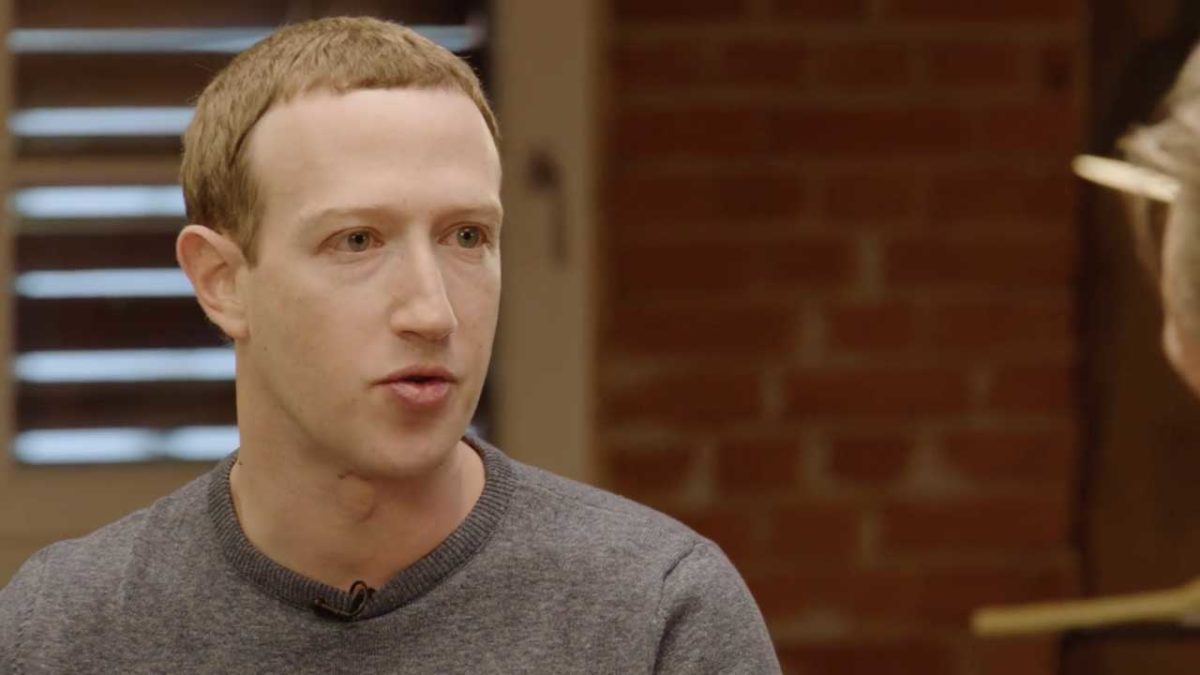
Mark Zuckerberg

Facebook is once again turning its attention to news. Users crave it, but the social media platform is destroying the ability for publishers to monetize their content. The potential solution? A new Facebook news tab.

What will that look like? The company has been aggressive in segmenting actual news away from users’ news feeds. In a video discussion shared on Facebook, Zuckerberg sounded like he didn’t have any plans to reintegrate news into the primary product.

“If you look at the ways that people are interacting now online, that are growing the fastest, it’s messages, it’s small groups, and it’s ephemeral stories. And these all have the property that they’re more private than these digital town square-type equivalents,” Zuckerberg said. “I think it’s clear that this is the next big thing that people want to get built.”

You can watch Zuckerberg’s discussion with Axel Springer CEO Mathias Döpfner here:

For most of human history, writers had to clear a high bar to be published. You’d need access to a printing press or the ability to impress an editor before seeing your thoughts hit the page. The internet changed all that. Now, anyone can publish anything and share it with the entire world. The algorithms behind Facebook and Google have directed audiences away from many legitimate publications. Fringe bloggers can have just as much sway as established media organizations with fact-checkers and institutional safeguards.

In 2019, free information is everywhere…

But free content isn’t always the most valuable. Investigative journalism, for example, requires a lot of time, effort, and resources. It’s not a place where a hobbyist can succeed. Some free content may simply be opinion, fabricated information, or an item created with an agenda – to sell you a product or an idea. As the standards of publishing erode, that hasn’t curbed our appetites. American adults spend an average of 10.5 hours consuming media every day. That hunger, combined with dwindling media company resources, is creating a major challenge for Facebook.

Just this week, a 177-year-old newspaper saw its staff fall below the bare minimum of people needed to field an NFL team.

Throughout Zuckerberg’s video conversation, the issue of a fair monetization system was a recurring theme. We need to pay for journalism somehow. As the advertising model continues evolving, that’s a serious problem. Digital ads pay nothing close to print ads. Ad-blocking software starves publishers even further. Perhaps something like Brave’s Basic Attention Token is the answer. Or maybe Facebook can find a way to bankroll media organizations, perhaps becoming a publisher in its own right.

One fear about a new news tab is that such a feature would actually shove news to an area where Facebook users wouldn’t even see it. Remember, Facebook’s primary goal is to keep you on Facebook, engaged with the platform. If you click away to read a story from the Cleveland Plain Dealer, the social network can’t monetize you anymore.

But until we solve the monetization problem, journalism organizations will continue to crumble, Facebook will have less content, and the threat to our democracy will grow.

How Instagram decides which photos to show you first

Ever wonder how Instagram picks the photos you’re scrolling through? Here’s what’s happening behind the scenes.

Back in 2016, Instagram changed the way users saw the photos in their feed. They claimed that this was because users were missing around 70 percent of the photos that were posted. They switched from a chronological feed to a feed that was driven by an algorithm, in hopes that users would see more relevant content. Not much was known about how this algorithm worked, however. At the time, Instagram said that the new order of the photos was based on a user’s relationship with the person posting, when the photo was posted, and the odds that the user would be interested in the content.

Since implementing the algorithm, Instagram has seen a huge jump in engagement. This would suggest that their algorithm is actually working as intended: users really are seeing more of the content that interests them. Fast forward to today, and the inner workings of the algorithm have been revealed. In the summer of 2018, Instagram finally explained how it all worked — and confirmed many users’ long-held suspicions.

How Instagram decides which photos to show you first

instagram selfie

1. Instagram wants to show you posts from people you engage with

Before the algorithm, users were only seeing about 50 percent of posts from their friends and family. Now they’re seeing about 90 percent of posts. That’s a huge jump. But it all depends on who you engage with, too. If you never comment on or like posts from your crazy uncle, then you’ll likely see fewer posts from your crazy uncle.

Whenever you like a post, you’re basically saying that this content interests you and you want to see more of it. If you want to see more posts by a particular brand or account, consider engaging with their content more. This will help to make sure that their photos are prioritized in your feed.

2. Instagram chooses photos based on your behavior

How do you interact with others on Instagram? This is a big force behind the new algorithm. It pays attention to which brands you like, which posts you like, and even what type of content you like. So, the photos that Instagram shows you first depend a lot on how you’ve behaved in the past. It also takes into consideration how often you look at Instagram to determine which accounts or photos to prioritize.

3. Instagram wants to show you recent posts

Instagram still takes into account when a photo was posted. In fact, they recently adjusted the algorithm to factor this aspect more. So each time you log in to Instagram now, you should be seeing a lot more recent photos. However, if you don’t log in all that often, you’ll likely see older posts first.

How does the YouTube algorithm actually work?

Why does YouTube serve up the videos you see? Can you game the system?

youtube

YouTube users watch a billion hours of video each day — from branded content and tons of music videos to cats and conspiracy theories.

But one thing that has long plagued content creators is the mysterious algorithm. Like other platforms, YouTube aims to show users what they want to see, using an automated system that sorts through the massive selection of content uploaded every second.

According to YouTube, their search and discovery system has two goals in mind. One is to help viewers find videos that they want to watch. Two is to maximize viewer engagement and satisfaction in the long term.

But it seems that there’s more at play here, from how the platform makes recommendations to who gets access to ad revenue.

Here’s a little more about what’s going on behind the scenes.

How the YouTube algorithm works

The algorithm has gone through a few iterations

Initially, YouTube cared about clicks and clicks alone. Which, of course, was a flawed metric. Counting each time viewers clicked “play” did not indicate quality, and creators started to take advantage of the system by adding click bait descriptions to drum up higher rankings.

Then, in 2012, YouTube changed it up. Instead of relying on clicks, they opted to measure engagement — or how long people spent on a video. Which, of course, is a more accurate measure of whether videos meet viewer expectations.

In 2016, YouTube released a paper discussing how the algorithm worked. It’s geared toward a more technical audience, but long story short, the algorithm looks at how the audience interacts with video content, using AI that analyzes 80 billion pieces of audience feedback.

Among those billions, audience feedback covers likes, dislikes, watch time, how many videos someone watches, and what they do or don’t watch.

These days, they’re playing around with the order videos appear in an attempt to boost viewer satisfaction. However, the inner workings are still a big mystery to content creators and viewers alike.

Pew finds that popularity and length play a major role

youtuber

Pew Research found that 64 percent of recommendations went to videos with more than a million views. And the top 50 most recommended videos were viewed on average, 456M times a pop.

As such, the research concluded that when YouTube doesn’t know much about your preferences, they’ll go ahead and recommend what’s popular. And, the more you watch, the suggested videos start to get longer and longer.

See, each researcher took a “walk” through the platform, each starting from a different point of entry.

On average, those initial videos were about 9 minutes. Videos at the end of the session were, on average 14 minutes and 50 seconds — and had a much higher view count.

It seems that YouTube assumed that if a user watches multiple videos, they’re likely to hang around for a while.

Additionally, the research found that only about five percent of the recommendations offered went to videos with fewer than 50,000 views.

That said, the Pew Research was performed by anonymous users who did not have an existing user history. YouTube makes recommendations based on a user’s habits, more or less getting to know them over time.

So, when the algorithm is working with a clean slate, it’s going to lump you in with the masses until you start offering up preferences — likes, dislikes, specific searches, and so on.

Lack of transparency has been a problem for content creators

Last year, several YouTube creators criticized the platform for experimenting with the video delivery system. YouTube stars have had issues with videos failing to display for subscribers or the platform pulling ads from the videos people do see.

The company started testing an algorithm that changed the order that videos appeared in users’ feeds. Where videos used to display in a subscribers’ feed in chronological order, YouTube said it was testing an approach aimed at delivering content that users actually wanted to watch.

The other major change came in the form of an ad disabling effort, where YouTube’s AI started flagging offensive content.

The so-called ad-pocalypse was a response to advertiser complaints about their products shown alongside videos containing hate speech, violence, and other offensive content.

The problem, however, is many YouTubers found themselves demonetized, ads pulled due to colorful language — not hate speech or violence. While some of these creators may have violated specific rules, the platform failed to explain how creators can protect themselves or fix the situation.

While the published paper we mentioned above represented an act of transparency, content creators have long been frustrated with a lack of insight into how the platform works.

In response to the ad issues and surprise display changes, YouTubers have increasingly started posting longer videos to squeeze in more ads per video. The idea is, the algorithm will give preference to longer videos, as they make more money in ad dollars.

The algorithm can send viewers on a dark path

conspiracy theory

Take, for example, this article in The Atlantic that poses the question, “does YouTube unwittingly radicalize its viewers?” In it, they cite the scholar, Zeynep Tufekci, who studies sociology in the age of the internet. She found that after watching Donald Trump rallies on the platform that autoplay started recommending videos that took a sharp turn away from mainstream political content — think Holocaust denials and conspiracy theories.

Then, she tried watching videos of Bernie Sanders and Hilary Clinton. And again, found that autoplay began recommending conspiracy videos, this time with a leftist bent.

The same thing happened with apolitical content — looking up videos about jogging eventually led viewers to a selection of videos about running ultramarathons.

Tufekci’s theory is the algorithm is exploiting a natural human desire to dig deeper, to uncover secrets — sending viewers toward an extremist menu of content.

Okay, time for yet another pivot. YouTube said today that it will try to show fewer fringe videos. It won’t remove the clips, but the algorithm will try to serve them up less frequently as “watch next” options.

The Pew Report we mentioned above also mentions that half of YouTube users they surveyed use YouTube to understand the world around them. Which, when you consider the fact that 68% of Americans get at least some news from social media, that may be a real problem.

Chances are YouTube doesn’t fully understand the algorithm, either

At a certain point, algorithms start taking on a life of their own, taking what they’ve learned in the programming stage and from user behavior and kind of, well, running with it. We doubt the platform is actively trying to instill extremist behavior in its users or prevent creators from appearing in the suggested results.

But, it is a problem when you consider that some ads may have been pulled unfairly. It’s also a problem that some people believe the platform is a reliable source of information.

You might be able to learn how to grill salmon in a pan or DIY a new coffee table, but it’s maybe not the best place to learn about global events or your choice of political candidates.