Así puedes ver en directo el primer paseo espacial comercial: la Polaris Dawn ya está preparada

Llevamos meses siguiendo la misión Polaris, una misión bastante poco habitual, ya que está formada por civiles que quieren hacer historia en el primer paseo espacial comercial. Sí, los integrantes de la misión han pagado los costes (en realidad solo lo ha pagado el organizador Jared Isaacman, que es el multimillonario de la expedición) a medias con SpaceX en una unión de fuerzas bastante inusual.

Ahora la nave ya está en posición y es cuestión de horas que tenga lugar el primer paseo espacial comercial de la historia de la humanidad. Dos de los cuatro astronautas de Polaris Dawn saldrán a pasear a 700 kilómetros por encima de nuestro planeta.

Jared Isaacman, jefe y financiador de la misión, y Sarah Gillis, ingeniera de SpaceX, abandonarán los confines y la seguridad de la cápsula Crew Dragon durante 15 y 20 minutos cada uno. Obviamente, el que ha pagado de su bolsillo los costes del viaje tiene la preferencia a la hora de hacer historia.

Una misión histórica que aquí puedes ver

Los otros dos miembros de la tripulación, Scott Poteet y Anna Menon, permanecerán dentro del vehículo para supervisar el estado de los astronautas en su paseo y asegurarse de que todo está en orden.

SpaceX retransmitirá el evento en directo en su página web y en Twitter a partir de las 4:50 de la madrugada, hora del Este (11:50 h en España). En caso de que el paseo espacial tenga que suspenderse, los astronautas tendrán otra oportunidad el 13 de septiembre a la misma hora.

Como explica The New York Times, la Crew Dragon no tiene esclusa de aire como la Estación Espacial Internacional, por lo que los astronautas tendrán que dejar salir todo el aire del vehículo antes de abrir una de sus escotillas. Los cuatro tendrán que llevar los trajes de actividad extravehicular (EVA) de la compañía, que son versiones mejoradas y más resistentes de sus trajes para actividad intravehicular (IVA).

Los EVA de SpaceX incorporan nuevas articulaciones que pueden flexionarse y girar, lo que proporciona una mayor movilidad. Sus cascos están equipados con una pantalla de visualización (HUD, como en los videojuegos) y una cámara, y los trajes espaciales en su conjunto tienen una capa de Faraday que puede protegerlos de los campos eléctricos.

El paseo espacial de la tripulación del Polaris Dawn pondrá a prueba el traje al someterlo al duro entorno del espacio exterior mientras realizan pruebas de movilidad.

La misión civil comenzó en la madrugada del 10 de septiembre tras múltiples retrasos. Además de lograr el primer paseo espacial comercial, la misión tiene otros objetivos, entre ellos enviar a una tripulación más lejos que ninguna misión Dragon anterior y más lejos de lo que nadie ha llegado desde el programa Apolo de la NASA.


This is how you train in a gym in space

Astronauts visiting the International Space Station (ISS) usually stay for about six months. The conditions of microgravity on board the ISS cause muscles to be lost quickly if a strict exercise regimen is not followed during that time.

NASA App DOWNLOAD

NASA astronaut Loral O’Hara has just shared a video in which she is seen using many of the exercise machines on the station during her stay aboard the orbital outpost, before returning to Earth in April. O’Hara calls the video “a little glimpse into our space gym.”

The lack of gravity on board the ISS requires the use of many harnesses to stay in place. They also add resistance, as traditional training does not work due to the lack of gravity.

A brutal daily workout to avoid losing muscle mass

O’Hara notes that each astronaut exercises for 2.5 hours per day. This includes about 60 minutes of weightlifting and between 30 and 50 minutes of cardiovascular exercise such as running or cycling.

“Although any exercise program has its challenges, I found it very enjoyable to have the opportunity to work out my body every day and relax a bit by listening to music or podcasts, reading, studying for upcoming events, and hanging out in the Cupola watching the station and the planet in between sets,” said O’Hara.

At the beginning of human space exploration, scientists understood that exercise is a vital part to keep bones and muscles healthy in orbit, just like on Earth. In the early missions, simple elastic bands were used for exercise, but since then, gym equipment has become increasingly sophisticated.

The current exercise machines on board the space station include ARED (Advanced Resistive Exercise Device), a machine built with pneumatic cylinders that create the necessary force to give the astronaut a decent workout.

NASA App DOWNLOAD

Another machine is the Cycle Ergometer with Vibration Isolation and Stabilization System (CEVIS), a specially designed “bike” for aerobic exercises.

Scientists continue to investigate the effects of exercise in space, as well as other aspects such as diet, to help NASA better prepare for upcoming lunar missions in which astronauts could stay for extended periods of time inside a lunar base.

Epic slow-motion footage of the SpaceX Starship liftoff

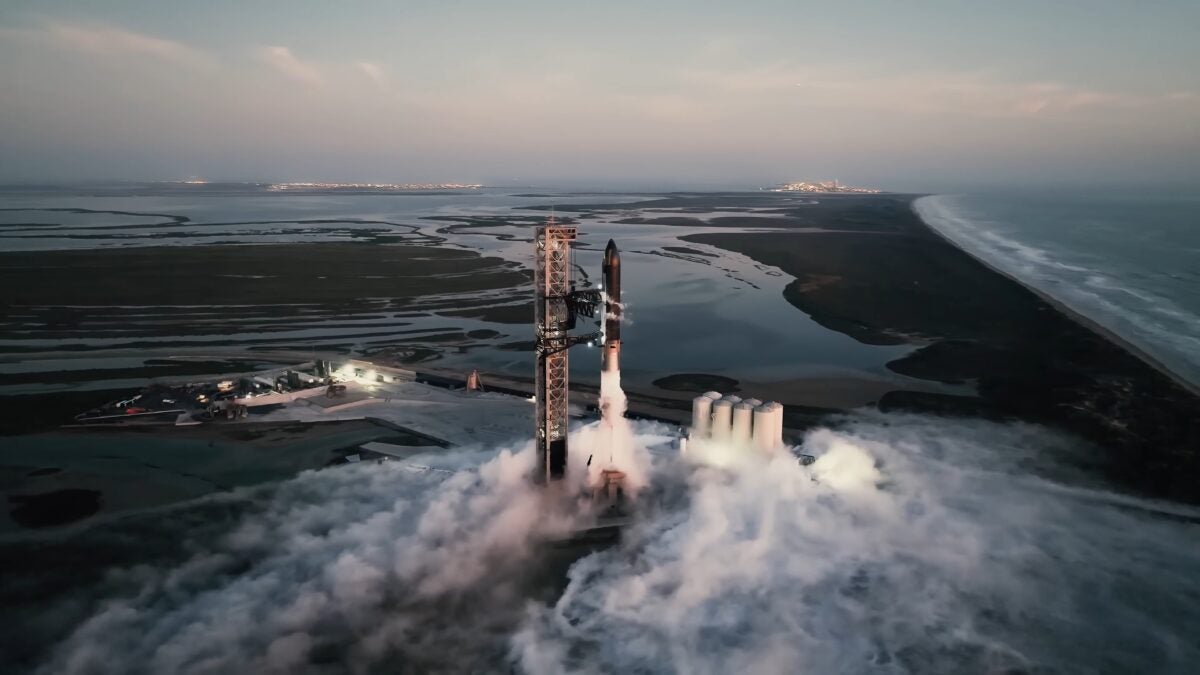
SpaceX completed its most successful Starship flight to date on Thursday in a test launch from its main base in Boca Chica, Texas.

Twitter DOWNLOAD

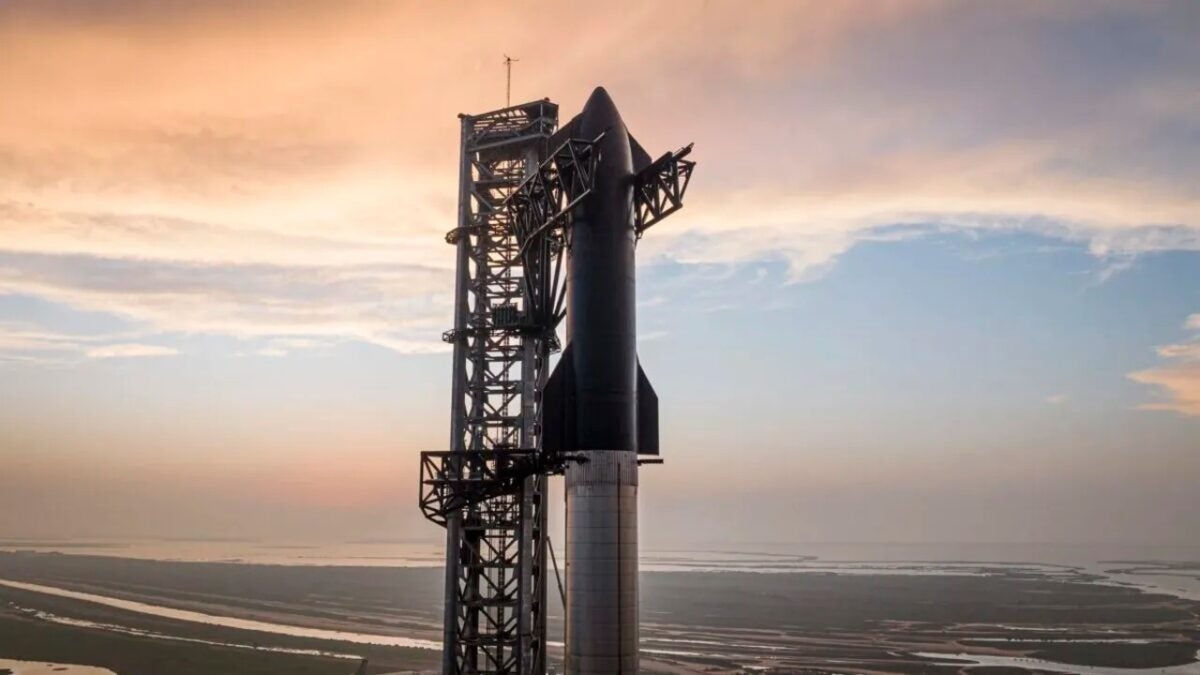
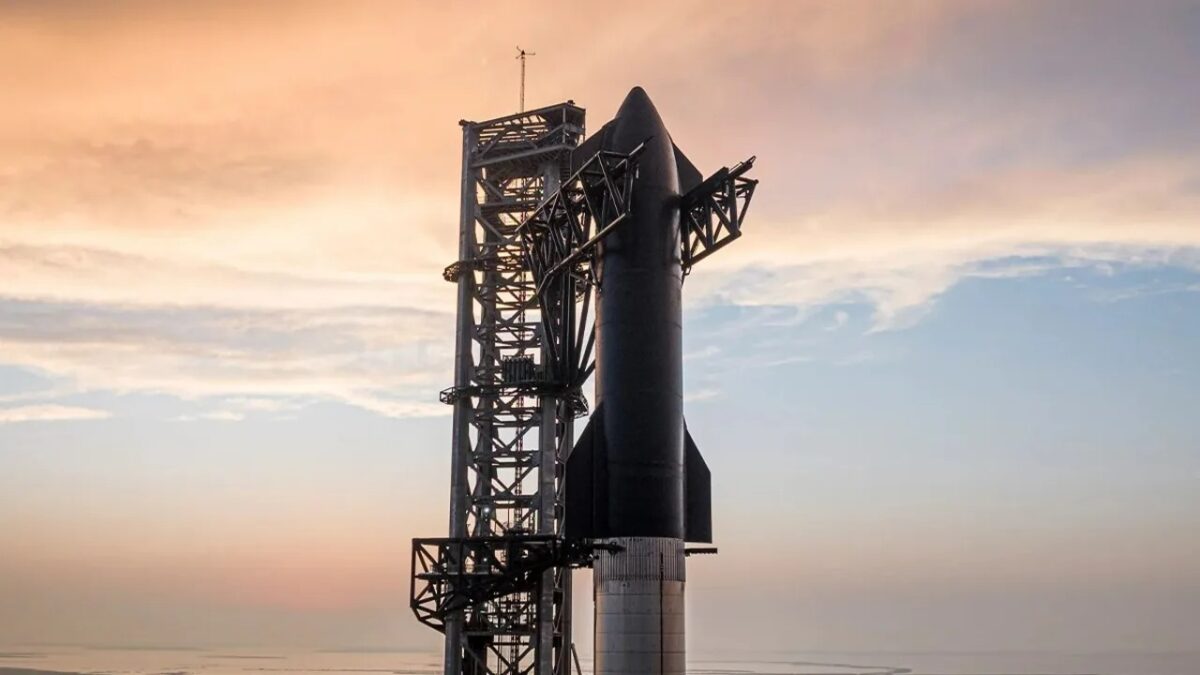
The most powerful rocket in the world generated a whopping 15.4 million pounds of thrust as it roared off the launch pad. Later, SpaceX shared some incredible slow-motion imagery showing the vehicle, composed of the Super Heavy booster for the first stage and the Starship spacecraft for the upper stage, ascending into orbit.

A key mission for SpaceX and the conquest of space

Thursday’s mission saw a far better outcome than the first two test flights of the 120-meter (393-foot) rocket, which both ended in explosions minutes after leaving the launch pad.

The third test flight, in March, made significant progress, but this latest mission surpassed even that launch, achieving most of the objectives set by the SpaceX team.

“The Super Heavy rocket successfully launched and completed a full-duration ascent burn,” SpaceX said in a post-mission report. “Starship has executed another successful hot-stage separation, shutting down all but three of the Super Heavy’s Raptor engines and successfully igniting the six Raptor engines of the second stage before separating the vehicles.”

After separation, the Super Heavy rocket “successfully completed the flip maneuver and the retro-thrust ignition to head towards the landing zone, as well as the release of the hot-stage adapter”. The flight of the Super Heavy rocket ended with its first landing burn and smooth splashdown in the Gulf of Mexico 7 minutes and 24 seconds after leaving the launch pad.

Meanwhile, the six Raptor engines of the Starship’s second-stage flight propelled the spacecraft into orbit, where it stopped for a while before performing a controlled reentry for the first time.

The Starship successfully passed the various phases of maximum heating and maximum aerodynamic pressure as it descended through the atmosphere at hypersonic speeds, while the vehicle’s flaps controlled its trajectory towards open sea.

Next, the Starship ignited its three central Raptor engines to perform its first flip maneuver and landing burn since the start of the rocket’s suborbital campaign, followed by a smooth splashdown in the Indian Ocean 1 hour and 6 minutes after departing from the Star Base.

Twitter DOWNLOAD

The successful reentry of both vehicles is a major step forward for SpaceX in its attempt to make the Starship fully reusable by landing both parts vertically – instead of in the ocean – so that they can be used for multiple flights.

The ultimate goal is to use the Starship for crewed and cargo missions to the Moon, and possibly even to Mars.

SpaceX shares images of a beautiful sunrise in orbit

An orbital sunrise is seen from space and occurs when the sun rises above the Earth’s horizon. If the astronauts aboard the International Space Station…

While Elon Musk often leaves us with controversial and contentious news, it’s true that his aerospace company called SpaceX continues to provide us with incredible images and surprising advances in the field of space exploration.

Twitter DOWNLOAD

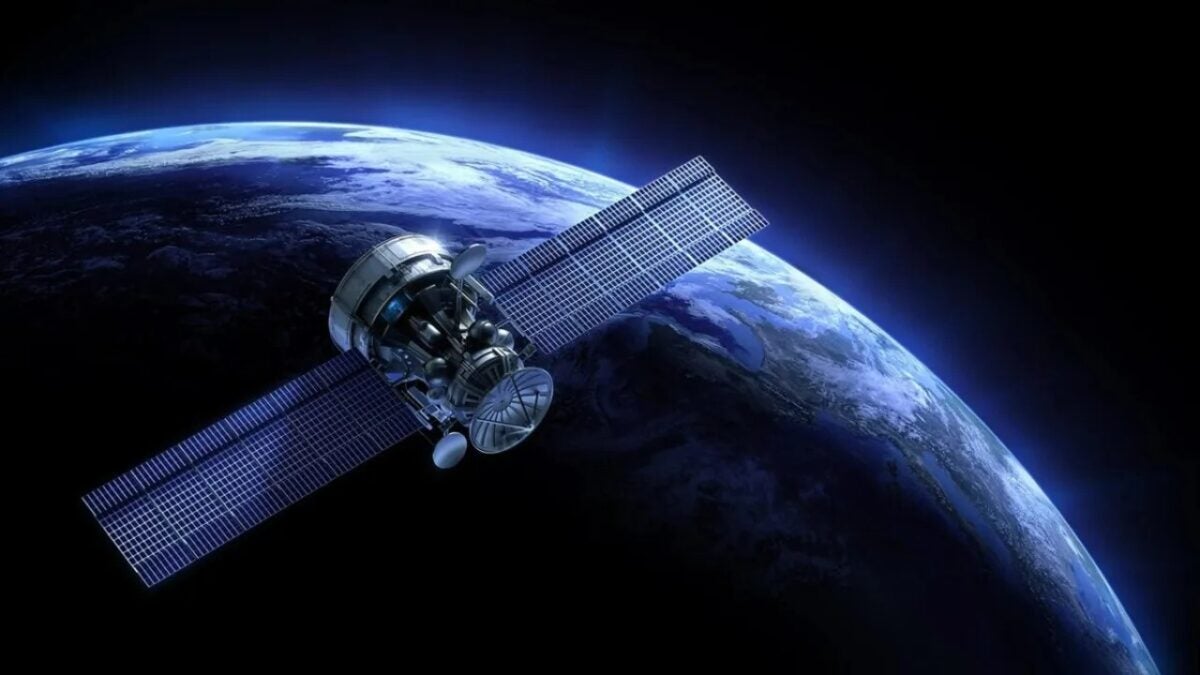
Now SpaceX has shared images of an impressive orbital sunrise captured during the deployment of another batch of Starlink satellites, their satellite internet system that aims to provide coverage to the entire planet.

The video shows the orbital sunrise that occurs just as the SpaceX vehicle deploys the Starlink satellites into low Earth orbit.

What is an orbital sunrise?

An orbital sunrise is seen from space and occurs when the sun rises over the Earth’s horizon. If the astronauts aboard the International Space Station were to look out the window for 24 consecutive hours, they would see 16 orbital sunrises due to the high speed at which the facility orbits our planet.

The Falcon 9 rocket that powers the latest Starlink mission took off from Kennedy Space Center on Monday, May 6th. The vehicle deployed 23 Starlink satellites into low Earth orbit to continue expanding the company’s internet service from space.

This is the fifteenth flight of the first stage of the Falcon 9 rocket for this mission. It previously launched CRS-24, Eutelsat Hotbird 13F, OneWeb 1, SES-18 and SES-19, and now 11 Starlink missions. It was also the 31st Starlink mission of 2024, with most flights deploying between 20 and 23 satellites each.

Until last month, there were over 5,800 Starlink satellites in orbit after the initial deployment of 60 satellites in 2019. SpaceX expects to have up to 42,000 Starlink satellites in orbit in the coming years.

The main objective of the service is to bring Internet connectivity to remote areas of the world, although it also serves customers in other locations, with around 2.7 million people subscribed to the service.

Other companies are also preparing to launch their own internet services from space using small satellites. For example, Amazon is advancing with Project Kuiper and plans to launch its first satellites this year.

Problems with Boeing’s first space launch with NASA

It’s clear that the space race comes with delays, failures, and billions of dollars spent along the way. But the goal is worth it.

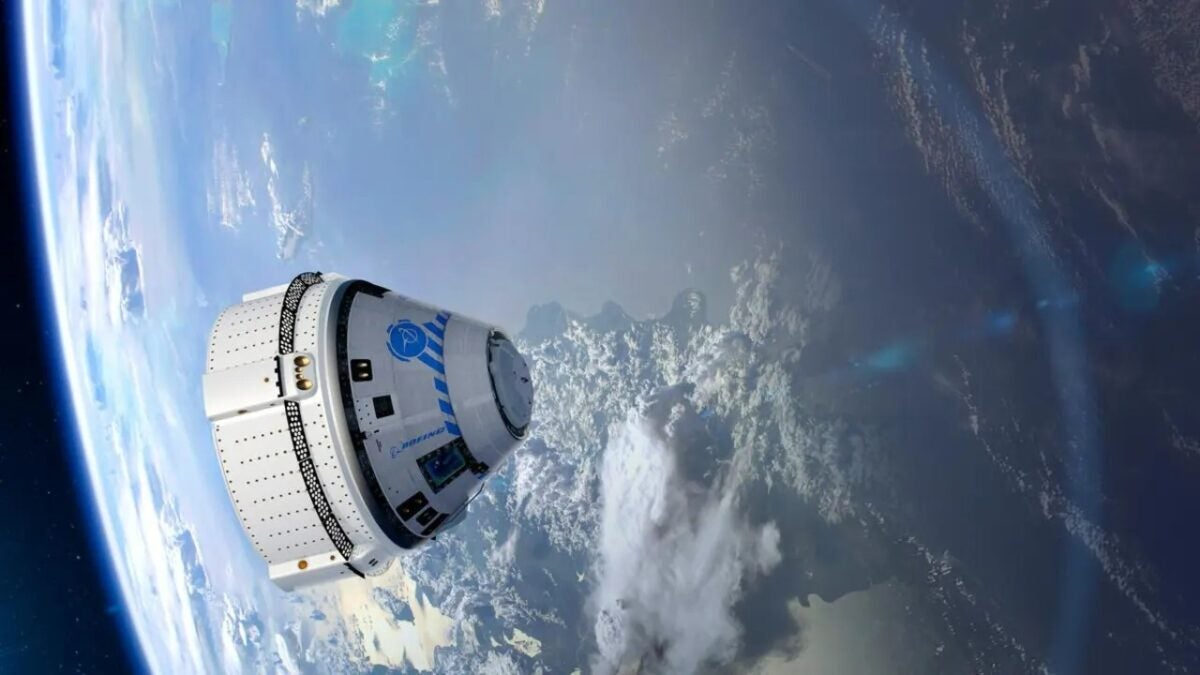
The first manned space flight by Boeing was postponed just two hours before launch for a safety check, according to NASA officials.

NASA App DOWNLOAD

Astronauts Butch Wilmore and Suni Williams were already in position inside the Starliner when the decision was made to abort the flight due to a possible issue with an oxygen relief valve on the United Launch Alliance (ULA) Atlas rocket.

That is to say, it was not a problem with Boeing’s Starliner spacecraft, which is atop the ULA Atlas rocket.

The flight engineers discovered that the valve had been opening and closing rapidly in the period leading up to launch, so the countdown was aborted.

The flight team is currently examining the data to see how much energy the valve has consumed. If it has exceeded its lifespan, it will need to be replaced, something that, according to ULA, its engineers can do in a few days.

A spacecraft heading to the International Space Station with a new crew

It was planned for the spacecraft to take off from Cape Canaveral (Florida) bound for the International Space Station (ISS). The earliest a new launch attempt can be made is Friday, Boeing said in a social media post.

The mission has already been delayed for several years due to setbacks in the development of the spacecraft. “Launch attempt tonight scrubbed,” tweeted NASA Administrator Bill Nelson. “As I’ve said before, @NASA’s top priority is safety. We’ll go when we’re ready.”

Boeing aims to become the second private company capable of transporting crews to and from the ISS, along with Elon Musk’s SpaceX.

Musk’s company was the first to achieve it in 2020 with its Dragon capsule, on a flight that ended nearly a decade of US dependence on Russian space rockets.

The first unmanned test flight of the Starliner was initially scheduled for 2015, but was delayed until 2019. When it took place, software failures caused a malfunction of the internal clock, causing the thrusters to fire excessively. So much fuel was consumed that the capsule couldn’t reach the ISS.

It is clear that the space race comes with delays, failures, and billions of dollars spent along the way. But the goal is worth it: to conquer the stars.

We just broke the record for data speed in interplanetary distances: searching for E.T.

The goal was to demonstrate that the NASA spacecraft could transmit at a speed of up to 1 megabit per second (Mbps), but it was greatly surpassed.

NASA’s Psyche spacecraft, farther than the Sun, has transmitted data through a laser at a record distance, and it has done so even faster than expected.

NASA App DOWNLOAD

Radio frequencies continue to be the most reliable means of communication in deep space, connecting Earth with Mars rovers, planetary orbiters, and even interstellar space with Voyager probes.

For example, the New Horizons probe took 15 months to send the 50 GB of data from its close encounter with Pluto to Earth.

Using light to send information

The use of light could drastically accelerate that process, at least in some cases. Data can be encoded with higher density in light waves than in radio waves, allowing larger packets to be sent in less time.

Until now, high-speed tests have transmitted data through lasers between satellites and the Earth, and even from lunar orbit to Earth, but things get more complicated over longer distances.

Now, NASA has broken the record for distance in laser data transmission. On April 8, the spacecraft Psyche, currently en route to the asteroid belt, sent data to Earth from over 225 million km away. This is approximately one and a half times the distance to the Sun, and 14 times farther than the team’s first test in November.

The objective was to demonstrate that the boat could transmit at a speed of up to 1 megabit per second (Mbps), but it was far exceeded, as the test reached speeds of up to 25 Mbps.

El instrumento de Comunicaciones Ópticas de Espacio Profundo (DSOC) aboard Psyche sent a copy of the engineering data to the Palomar Observatory in California, while simultaneously sending the same data to NASA’s Deep Space Network via radio.

NASA App DOWNLOAD

To put it in context, Netflix recommends 25 Mbps to stream the service in 4K. The team claims that this technological demonstration is a key step towards faster communication of high-resolution images and data that will be necessary when humans set foot on Mars.

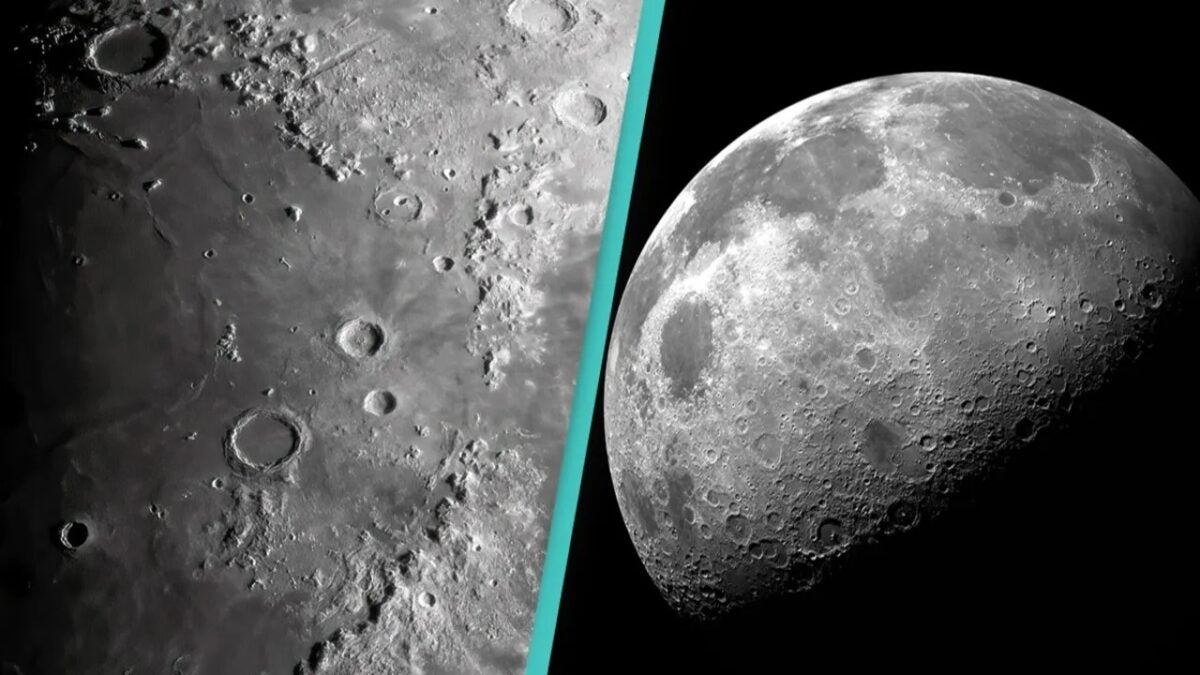
China is about to uncover the great secrets of the dark side of the Moon.

The Chinese space program will launch a mission next week aiming to land on the Moon, collect samples, and bring them back to Earth.

The Chang’e-6 probe and the Long March-5 Yao-8 rocket that will transport it into space were moved on Saturday to a launch platform at the Wenchang Space Launch Center.

NASA App DOWNLOAD

The National Space Agency of China indicated early May as the probable launch date, while other reports point to May 3rd as the ideal date.

At any time, Chang’e-6 will head to a region on the far side of the Moon near the south pole, a zone believed to provide clues about the satellite’s evolution.

A complex, but very important mission for China

The mission is complex, as it includes an orbiter, a lander, an ascent module, and a reentry module. But China has already done this before: Chang’e-6 was built as a backup for Chang’e-5, and the latter mission ended successfully.

The landing module is equipped with a drill and a scoop. According to the mission plans, these tools will collect about two kilograms of lunar material, which will be loaded into the elevator. That spacecraft will connect with the reentry model to bring pieces of the Moon back to Earth.

The mission is expected to last 53 days, 30 more than the Chang’e-5 mission, and will require retrograde orbits around the Moon. The battle between the US and China to colonize the Moon is one of the great battles of our century.

Steps to follow in the mission on the dark side of the Moon

According to the South China Morning Post, China is also considering a Mars sample return mission. The newspaper reported last week that Wu Weiren, chief designer of the Chinese Lunar Exploration Program, said at a conference that they plan to launch a spacecraft called Tianwen-3 in 2030.

The mission plan includes two launches: one to carry a landing module and an ascent vehicle, and another to transport an orbiter and a return vehicle to Mars.

The most efficient round-trip journeys to Mars require more than 500 days of travel, so even if China manages to launch Tianwen-3 in 2030, it would take several years before it returns with any red rock.

NASA App DOWNLOAD

But even a return in 2033 would leave NASA behind – due to technological and funding issues – struggling to design a sample return mission that can return to Earth in 2040.

If China becomes the first to bring a piece of Mars, the nickname “red planet” could acquire a new meaning, literally.

NASA has just hacked a 1977 satellite that was on Pluto.

According to NASA, Mission Control has devised a way to solve the problem of the damaged chip. The challenge will be fixing it despite its age.

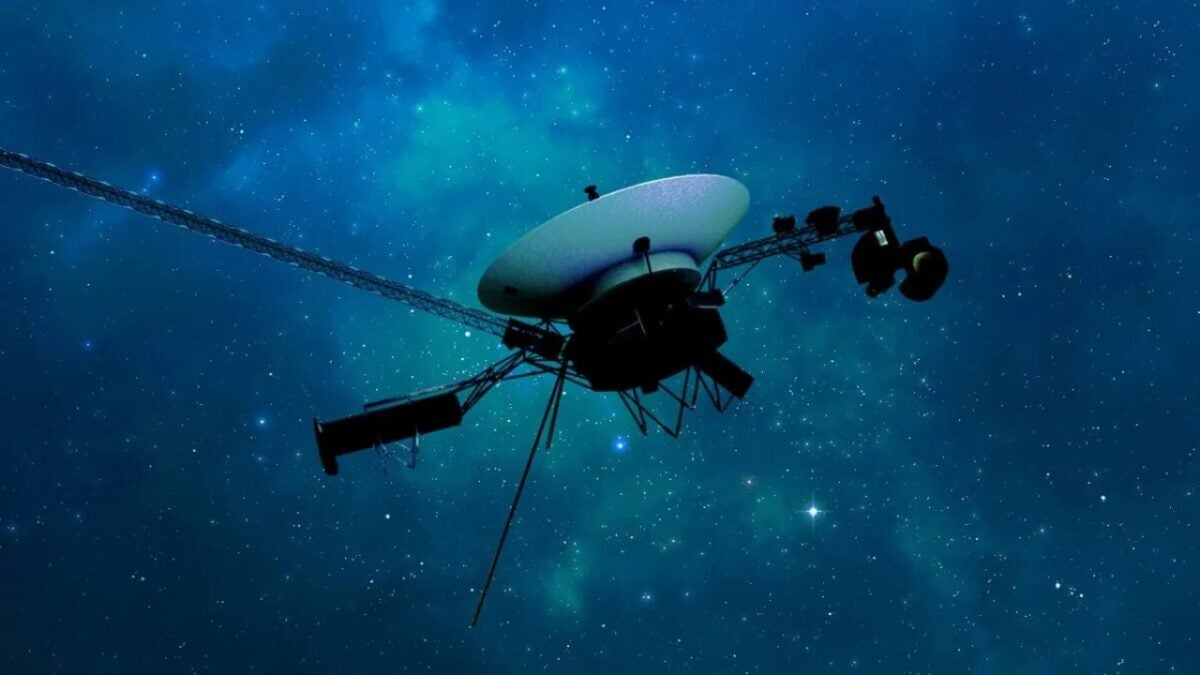
The NASA has managed to get the Voyager 1 probe, which has been traveling through space for 47 years, to send engineering data for the first time since November 14th.Until now, the only thing the spacecraft could send was a jumble of words.

NASA App DOWNLOAD

We are so used to seeing how technology quickly fades into obsolescence that it is easy to consider it fundamentally ephemeral. Even the best smartphones usually don’t last more than 6 years of use.

Therefore, it is somewhat surprising to find not one, but two pieces of complex technology that have been functioning on their own for almost half a century while being 24 billion kilometers away from Earth.

Five years of life expectancy and we are on our way to fifty active years

When Voyager 1 and 2 were launched in 1977, it was only expected that they would operate for five years and be retired shortly after their visits to Jupiter, Saturn, Uranus, and Neptune. However, their lifespan has been multiplied by 10 despite having crossed Jupiter’s deadly radiation belts and having been exposed for decades to cosmic rays and extreme cold as they moved away from the solar system.

This is an impressive figure for a spacecraft that uses microchips developed before the first desktop computers hit the market. It is even more impressive when you consider that the team that launched the Voyager missions has long since retired or passed away, and the manuals they left behind have yellowed with time.

The only comparables are the intercontinental ballistic missiles Minuteman from the United States, which still operate with eight-inch floppy disks, just like the United States air traffic control system.

Over the years, Mission Control has been responsible for taking care of the Voyagers to extend their lifespan. Systems that are not in use are turned off and those that are turned off are recovered to replace the ones that fail. It is also important to consider the delicate handling of energy, as engineers closely monitor the nuclear power systems, which inevitably deplete their plutonium fuel.

However, all of this would be useless without the onboard computers, which not only collect and transmit scientific data to Earth, but also provide vital engineering telemetry about the systems of each spacecraft.

Last November, Voyager 1 experienced a alarming malfunction when it sent what can only be described as a series of nonsensical words. The probe was still receiving commands, but the engineers had no idea what was happening.

Since then, attempts have been made to correct the problem, but it is a long and tedious exercise, as each radio signal sent takes 45 hours to receive a response due to the enormous interplanetary distances.

Fortunately, a signal sent in March caused Voyager 1 to send a copy of its entire memory. This allowed engineers to narrow down the problem to a single microchip that either had worn out or had been hit by a cosmic ray particle.

According to NASA, Mission Control has found a way to solve the problem of the damaged chip, although primitive computers, with their small memories, make it a bit difficult.

NASA App DOWNLOAD

The method consists of dividing the affected code into sections and moving them to different parts of the Flight Data Subsystem (FDS). The difficult part is labeling the different sections and making them work together again as a whole.

If this repair is successful, NASA hopes to have Voyager 1 send back its scientific data with a similar repair.

The last NASA spacecraft burned up on its way to the Moon

Astrobotic aims to reach the lunar surface in November. The goal is to conquer the stars. We are closer than ever.

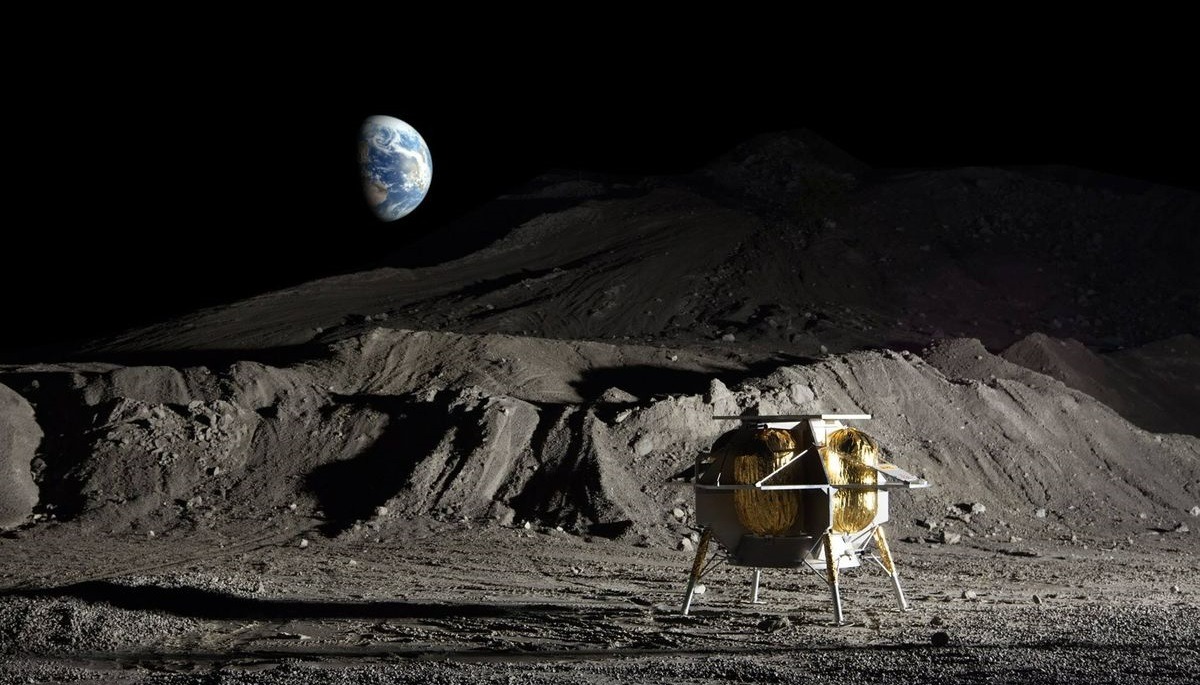
Surely you remember the NASA and Astrobiotic mission from last month, when a spacecraft had the goal of reaching the Moon to start one of the great space projects of this decade.

NASA App DOWNLOAD

Astrobotic, based in Pittsburgh, stated earlier this week that the incineration of the Peregrine spacecraft poses no risks to safety and will remove from orbit what would otherwise become a dangerous piece of space debris.

The mission was supposed to be the first American lunar lander since the last Apollo mission, five decades ago, but a propellant leak that started shortly after launch on January 8 prevented the spacecraft from reaching the lunar surface.

The spacecraft did not reach the Moon, but the mission has not been a failure

However, the attempt to also become the first private company to land a module on the Moon has not been considered a complete failure, as Astrobotic managed to keep the spacecraft operational for much longer than expected, in part because the propellant leak subsided.

This allowed the team to activate some of Peregrine’s 21 payloads and perform other checks on the vehicle, and the data collected will be useful for future Astrobotic missions.

The Peregrine 1 mission was part of NASA’s new CLPS (Commercial Lunar Payload Services) program, which consists of the space agency hiring commercial entities to send scientific missions to the Moon before the first manned Artemis landing, scheduled for 2026.

“I am very proud of what our team has achieved with this mission,” recently declared John Thornton, CEO of Astrobotic. “It is a great honor to witness firsthand the heroic efforts of our mission control team, overcoming enormous challenges to recover and operate the spacecraft after Monday’s propulsion anomaly.”

Thornton added: “This mission has already taught us a lot and has given me great confidence that our next mission to the Moon will achieve a smooth landing”.

NASA App DOWNLOAD

The Griffin Lander will participate in that mission, which Astrobotic hopes to place on the lunar surface in November. The goal is to conquer the stars. We are closer than ever.

Elon Musk has confessed the reason for the mid-flight explosion of the Starship

The second integrated test flight of the largest rocket ever built by humanity, SpaceX’s Starship, was a great success.

The day we set foot on Mars will be partly thanks to Elon Musk’s Starship spacecraft and SpaceX. This spacecraft is the most impressive ever built and is the chosen one to kick off human space exploration.

Twitter DOWNLOAD

The second integrated test flight of the largest spacecraft ever built by humanity, SpaceX’s Starship, was a great success.

In mid-November, it took off from Boca Chica (Texas), cleared the launch tower without any issues (unlike the first flight), performed a hot separation from the Super Heavy first stage, and crossed the Kármán line to reach space for the first time.

However, despite the success and general excitement, the rocket experienced some setbacks during the flight. Shortly after stage separation, the Super Heavy rocket disintegrated on the way back. And the same happened to the Starship itself eight minutes into the flight.

Why did Elon Musk’s rocket explode?

There was much speculation on social media about the cause and role of the flight termination system, which is supposed to disintegrate the rocket in case things don’t go as planned.

Now, two months later, Elon Musk has finally revealed what happened in an update presentation of SpaceX company in Starbase.

In summary, the heaviest rocket in the world was too light: “The second flight almost reached orbit. In fact, ironically, if it had had a payload, it would have reached orbit. The reason it didn’t reach orbit was that we vented the oxygen, and the liquid oxygen ended up causing a fire and an explosion. So, ironically, if it had had a payload, it would have reached orbit.”

The doubts we have about the Starship

What we still don’t know is the exact cause that led to Super Heavy’s failure during the booster burn.

Anyway, Elon Musk still fully agrees to destroy some more rockets if that means Starship will be operational sooner than expected.

“It is always better to sacrifice hardware than to sacrifice time. Time is the only currency”, said the CEO of SpaceX.

The new key milestones for the third integrated test flight include the execution of the engine combustion in space from a header tank and the safe deorbit of the spacecraft.

Twitter DOWNLOAD

SpaceX also wants to carry out the first tests of propellant transfer technology and test its payload door and deployment mechanism for its Starlink satellites. The flight is currently scheduled for February.