Puede que una década después de la última entrega los jugones quieran probar otras cosas.
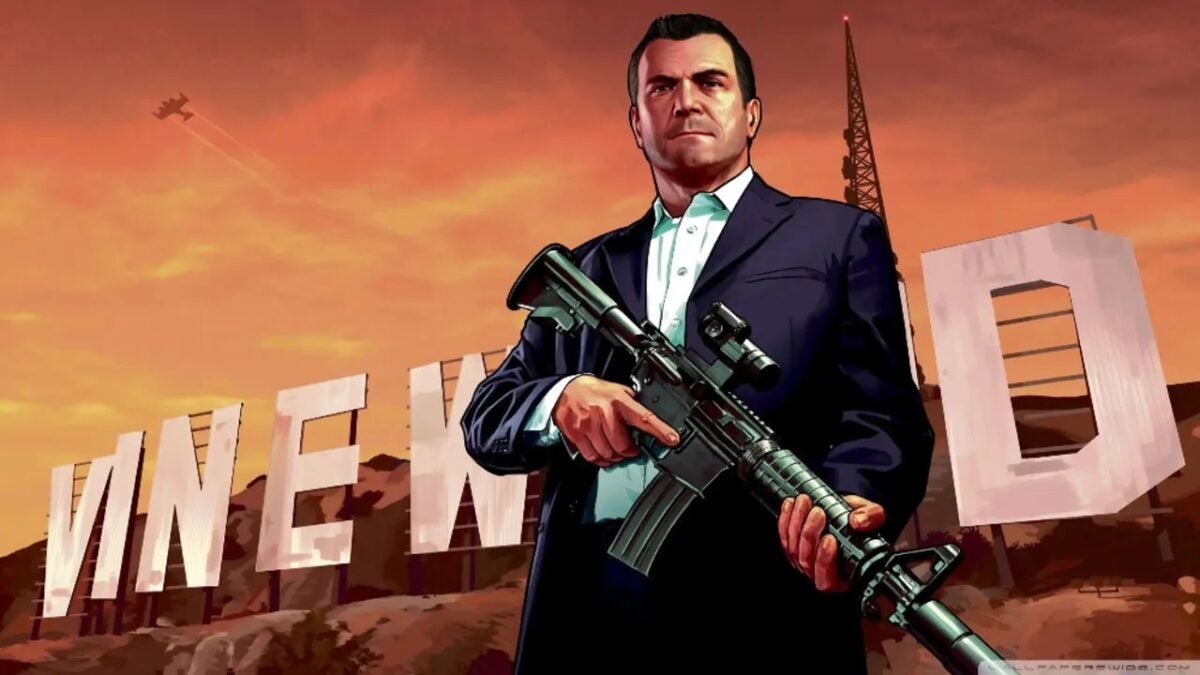
Podemos estar esperando ‘Zelda: Tears of the Kingdom’, ‘Assassin’s Creed Mirage’ o ‘Spider-man 2’ como agua de mayo, pero todos sabemos cuál es el juego que va a copar más titulares desde el momento en que se anuncie de forma oficial: ‘Grand Theft Auto VI’. Después de que su quinta parte vendiera 175 millones de copias dando un beneficio de 6.000 millones de dólares a Rockstar, parece que la productora está mimando cada detalle para que nadie se quede con las ganas. Y sin embargo… puede que una década después de la última entrega los jugones quieran probar otras cosas.
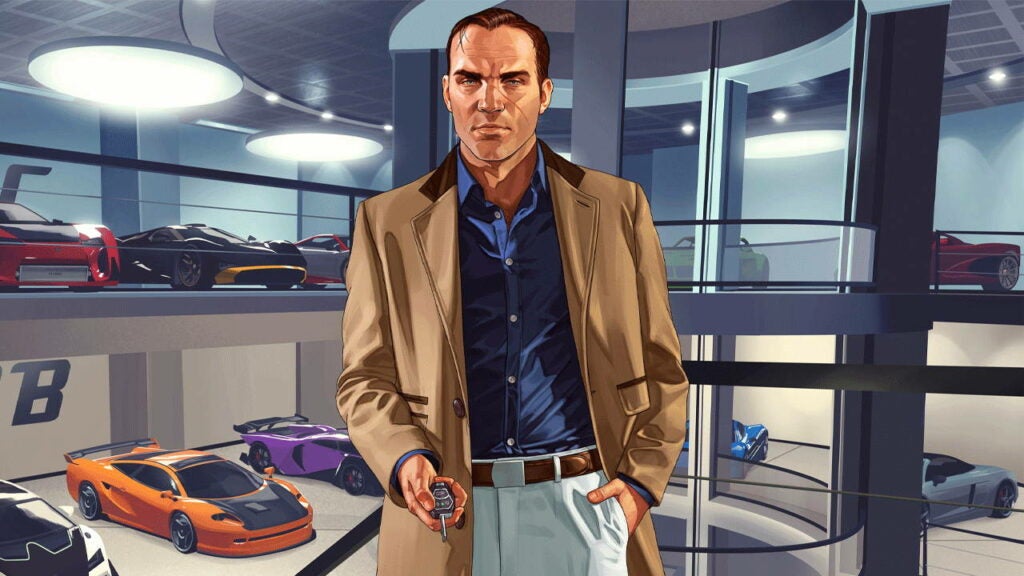
Dos años después de que ‘San Andreas’ revolucionara la industria, ‘Saints Row’ se lanzó a la venta como un simple clon. Una copia a mano alzada y no con papel cebolla, pero copia al fin y al cabo. Sin embargo, introducía un tema que ‘GTA’ abandonaría en sus siguientes entregas: la pertenencia a una banda. Mientras que la saga de Rockstar trataba la historia de un lobo solitario metido en un mundo criminal (por gusto o por salvar el pellejo), la de THQ tenía otro enfoque.
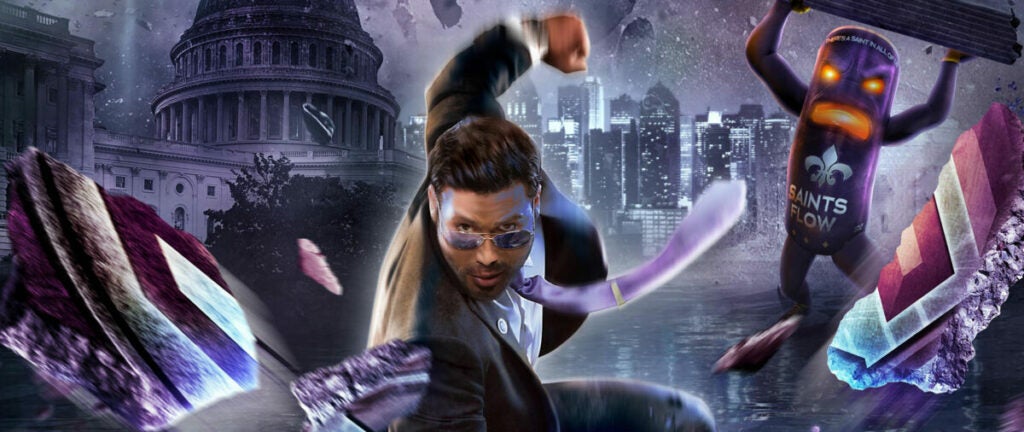
A partir de ‘Saints Row 3’ las cosas cambiaron sobremanera. Y es que, de repente, explotó la locura, la comedia, las situaciones inverosímiles, el ambiente más festivo. Mientras que en ‘GTA V’ veíamos una historia de crimen y venganza oscura y sin redención (que no le importó a nadie), en ‘Saints Row IV’ tu personaje, el mismo que en los juegos anteriores, conseguía superpoderes, se convertía en el presidente de los Estados Unidos y tenía que parar un ataque alien. Lo mismito, vamos.
Y por si te quedabas corto, ‘Saint Row: Gat out of hell’, su DLC, te permitía jugar con dos miembros de la banda mientras trataban de rescatar a su jefe del Infierno después de que Satán le secuestrara. Y ojo, nadie está diciendo que ‘GTA’ tenga que convertirse en un absurdo repleto de locuras dejando de lado su ADN, pero, para ser sinceros, a lo largo de ‘GTA Online’ también ha cambiado lo suficiente como para preguntarnos… Realmente, ¿qué es ‘GTA’?
¿Tiene personalidad propia ‘GTA’?
Aún poco sabemos de ‘GTA VI’, pero ante la recepción del modo historia de la quinta parte (espectacular en lo jugable, increíble en lo gráfico, decepcionante en lo narrativo), que, de hecho, ni siquiera ha lanzado un DLC, es posible que el equipo esté mirando más lo que hace la comunidad en el modo online para ajustar uno de los juegos más esperados de la década hasta el límite.
Dicho de otra manera: ni tan serio y apocado como viene siendo habitual, ni tan cómico y loco como en ‘Saints Row’. La idea de volver a jugar como un lobo solitario, teniendo la posibilidad de unirse a una banda, se hace ya repetitiva: al fin y al cabo, en el juego de Deep Silver la pertenencia a un grupo sirve para ver una evolución real y unos personajes que evolucionan juego a juego, creando conexión con el espectador. Si en un ‘GTA’ no funcionan, no hay nada que te haga volver a ellos.
Quizá no hay que abandonar la historia del criminal solitario que se enfrenta a los peces gordos, pero sí darle más profundidad, permitir que el jugador haga locuras si es lo que quiere… O darle la oportunidad de tener más contacto con otros personajes secundarios. ‘GTA’ pavimentó el camino para el triunfo de ‘Saints Row’, pero ahora puede que cambien las tornas: Rockstar ha creado dos juegos totalmente diferentes en uno mismo, y volver a la sobriedad de su historia cuando han acostumbrado al público a la sinvergonzonería del modo online puede ser una pastilla difícil de tragar.
Eh, montemos una banda
El camino que se abre delante de Rockstar no es fácil de seguir y está repleto de bifurcaciones para entender qué es realmente su saga estrella una década después de su última aparición. Incluso franquicias míticas como ‘Zelda’ se han ido adaptando poco a poco a los gustos de la gente para encontrar un nuevo ADN (de mazmorreo a mundo abierto) y la repetición constante, por muy espectacular que sea, solo va a dar lugar a, tarde o temprano, el abandono de los gamers.
Todo lo que sube no tiene por qué bajar, pero Rockstar necesita, quizá, echar un vistazo a esos mal llamados “clones” y ver si lo que proponen tiene sentido más allá de los coches, las pistolas, los tiroteos y todo lo que hace a ‘GTA’ la franquicia millonaria que es. Es un ejercicio de abandono del ego, pero puede dar lugar a aquello con lo que todos los desarrolladores de videojuegos sueñan: una nueva entrega que sepa a lo mismo de siempre pero tenga las suficientes novedades como para querer volver a pasar por caja otra vez. Y otra. Y otra más.
A decade after the last installment, gamers may want to try other things.
We may be waiting for ‘Zelda: Tears of the Kingdom’, ‘Assassin’s Creed Mirage’ or ‘Spider-man 2’ as if we were waiting for May, but we all know which game is going to make headlines from the moment it is officially announced: ‘Grand Theft Auto VI’. After its fifth part sold 175 million copies giving a profit of 6 billion dollars to Rockstar, it seems that the producer is pampering every detail so that no one is left wanting. And yet… a decade after the last installment, gamers may want to try something else.
Two years after ‘San Andreas’ revolutionized the industry, ‘Saints Row’ was released as a simple clone. A freehand copy and not with onion paper, but a copy nonetheless. However, it introduced a theme that ‘GTA’ would abandon in its following installments: gang membership. While Rockstar’s saga dealt with the story of a lone wolf in a criminal world (for fun or to save his skin), THQ’s had another approach.
From ‘Saints Row 3’ onwards, things changed a lot. Suddenly, madness, comedy, implausible situations, and a more festive atmosphere exploded. While in ‘GTA V’ we saw a story of dark crime and revenge without redemption (which nobody cared about), in ‘Saints Row IV’ your character, the same as in the previous games, got superpowers, became the president of the United States and had to stop an alien attack. The same thing, come on.
And if that wasn’t enough, ‘Saint Row: Gat out of hell’, its DLC, allowed you to play with two members of the gang as they tried to rescue their boss from Hell after Satan kidnapped him. And mind you, no one is saying that ‘GTA’ has to become an absurdity full of craziness leaving aside its DNA, but, to be honest, over the course of ‘GTA Online‘ it has also changed enough to ask ourselves… Really, what is ‘GTA’?
Does ‘GTA’ have its own personality?
We still know little about ‘GTA VI’, but given the reception of the story mode of the fifth part (spectacular in gameplay, incredible in graphics, disappointing in narrative), which, in fact, has not even released a DLC, it is possible that the team is looking more at what the community does in the online mode to adjust one of the most anticipated games of the decade to the limit.
In other words: neither as serious and demure as usual, nor as comical and crazy as in ‘Saints Row’. The idea of returning to play as a lone wolf, having the possibility of joining a gang, is already repetitive: after all, in Deep Silver’s game, belonging to a group serves to see a real evolution and characters that evolve game by game, creating a connection with the viewer. If they don’t work in a ‘GTA‘, there’s nothing to bring you back to them.
Maybe we shouldn’t abandon the story of the lone criminal taking on the big shots, but we should give it more depth, allow the player to do crazy things if that’s what he wants… Or give him the opportunity to have more contact with other secondary characters. GTA’ paved the way for the triumph of ‘Saints Row’, but now the tables may turn: Rockstar has created two totally different games in one, and returning to the sobriety of its story when they have accustomed the public to the shamelessness of the online mode can be a hard pill to swallow.
Hey, let’s start a band
The road ahead for Rockstar is not easy to follow and is full of bifurcations to understand what its flagship saga really is a decade after its last appearance. Even mythical franchises like ‘Zelda‘ have gradually adapted to people’s tastes to find a new DNA (from dungeon crawling to open world) and constant repetition, no matter how spectacular, is only going to result in, sooner or later, abandonment by gamers.
Everything that goes up doesn’t have to come down, but Rockstar needs, perhaps, to take a look at those misnamed “clones” and see if what they propose makes sense beyond the cars, guns, shootouts and everything that makes ‘GTA’ the million-dollar franchise that it is. It’s an exercise in ego abandonment, but it may lead to what all game developers dream of: a new installment that tastes like the same old thing but has enough new features to make you want to go back to checkout again. And another one. And another one.
There are those who do not stop theorizing about how the end of Grand Theft Auto should be in its online version.
For an MMO to last for a couple of years is normal, but for it to be still going strong a decade later is almost a miracle considering the new features that come out almost every day. But of course, when that MMO is called GTA Online, things change. The problem is that players are already glimpsing GTA VI on the horizon, and, with it, they smell the expiration date. Maybe that’s why there are those who do not stop theorizing about how the end of Grand Theft Auto should be in its online version.
Fanfiction, but well done
A user on Reddit has imagined what the perfect ending would look like, and what might seem like a second-rate fanfic would actually be a nice ending to GTA. Bloody and full of gunfire, but a nice ending nonetheless. In it, your character would have become one of those big shots who own yachts and drink luxury brand coffee… And, of course, he’d be a target.
But who would want a piece of the pie? “The noise is coming from Vice City, and San Andreas, boss. They’re all coming for you.” Luckily, the player would have all the allies on his side. Franklin, Imani, Lester, Paige, Agent 14, Pavel, Tony and Chops. Even Lester and Trevor from the GTA V story would show up to help you save your ass one last time. “I heard you needed some unpredictable madness in the traditional style. Let’s go fuck some people up.”
The user’s idea ends there, but there’s still the finishing touch that someone adds in the comments: what if the person responsible isn’t Merryweather or anyone from Liberty City, but a new character from GTA VI? It would unite all the concepts… Although we’ll have to see what Rockstar, which for the moment has said nothing officially about the release date of GTA VI nor its (sure) online companion, has up its sleeve. It’s possible that we still have a few GTAO updates left!
We have compiled the five most frustrating villains in the saga so that you do not feel sorry to go for them. Let the looting begin!
There is no good without evil or yin without yang, although in the GTA saga it is not very clear which is which: although there is a protagonist and an antagonist, the truth is that sometimes it is quite complicated to know which of the two is really the bad guy of the movie (or rather of the video game). In any case, what is clear is that in every installment of the saga there will be an enemy that will try to get under your nose throughout your game. Luckily, and so that you can be prepared, we have compiled the five most frustrating villains of the saga so that you won’t be embarrassed to go after them. Let the plundering begin!
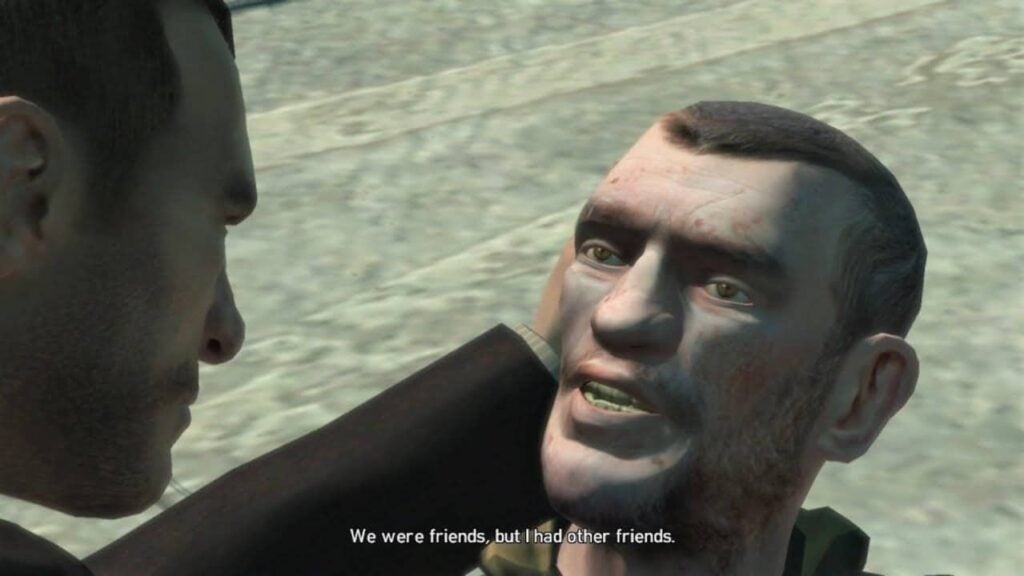
Before GTA IV, Darko sold all his comrades in exchange for black money. And, despite everything, you can’t help but understand his pain. He is a broken person, destroyed by a war (the Bosnian one) in which he saw the people he loved die. If, when the time comes, you decided to kill him, you will surely still have a heavy heart for that “Thank you” he mumbles just before hitting him with the first of the twelve shots in the head. And in the end, revenge solves nothing. As always.
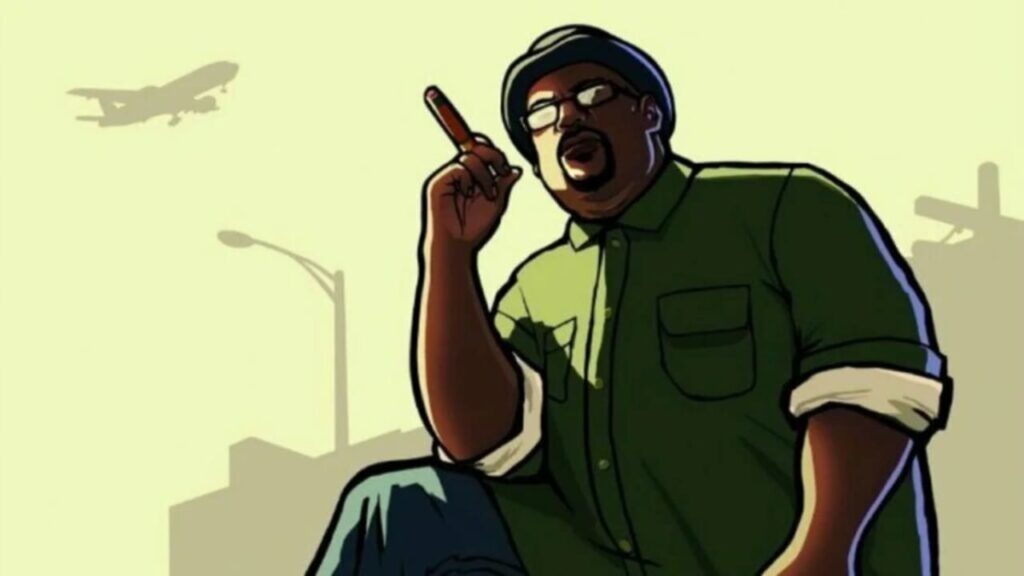
It was the game that started the large-scale craze for GTA: San Andreas. And the hatred for Big Smoke is not for less: he is the first friendly face you meet in the city, your colleague… and the person who would betray anyone to get to the top. His crimes include drug trafficking and the murder of an innocent woman, all to get more money and power. When you finally manage to finish him off it is not the triumphant moment you expected, but leaves a bitter aftertaste. In the end, you loved to hate him.
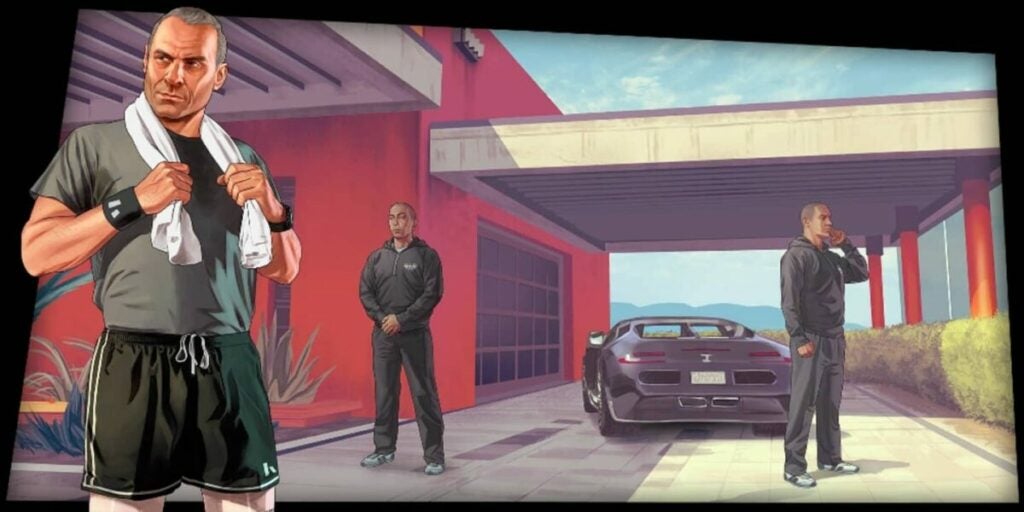
Several of these enemies have reasons to be villains, but Devin Weston doesn’t need it. And that’s why he is, by far, the most infuriating of all: he is absurdly millionaire, he has money to do whatever he wants and he never stops bragging and believing that everyone (literally, everyone) works for him. The best thing that can happen to him in GTA V is to end up in the trunk of a car that ends up exploding. He won’t be missed.
He may not be the most remembered villain of the saga, but he is the most psychopathic and evil. The main antagonist of Vice City (voiced by the recently deceased Tom Sizemore) is an egomaniac who used Tommy for fifteen years and in the end doesn’t even regret it when he dies in his arms. The good part is that he doesn’t cheat: from the first minute he comes across as a manipulative, greedy madman who is best left to time to forget.
1-Frank Tenpenny
You knew this list was going to end like this, didn’t you? A corrupt cop running a small criminal empire and murdering innocent civilians to maintain his public image, how could we like him? San Andreas is a great game with a villain to match. An absolutely terrible human being who at the same time is the first person you meet in the city. Leaving him lying on the ground and making a reference to that first encounter is the best way to leave him behind forever.
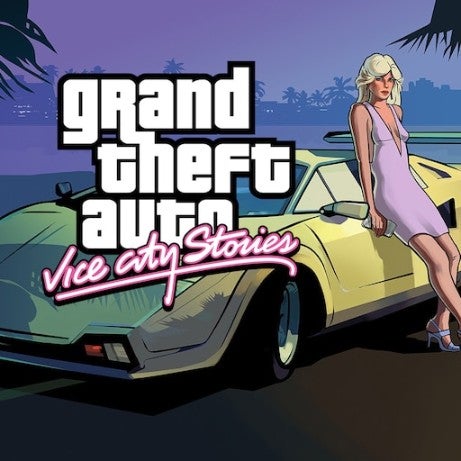
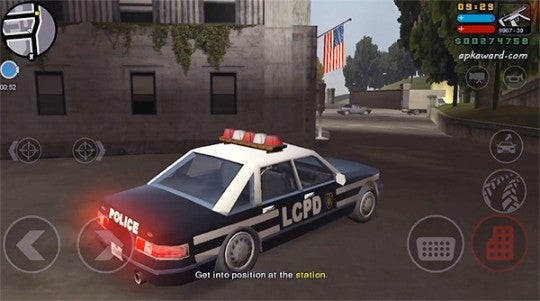
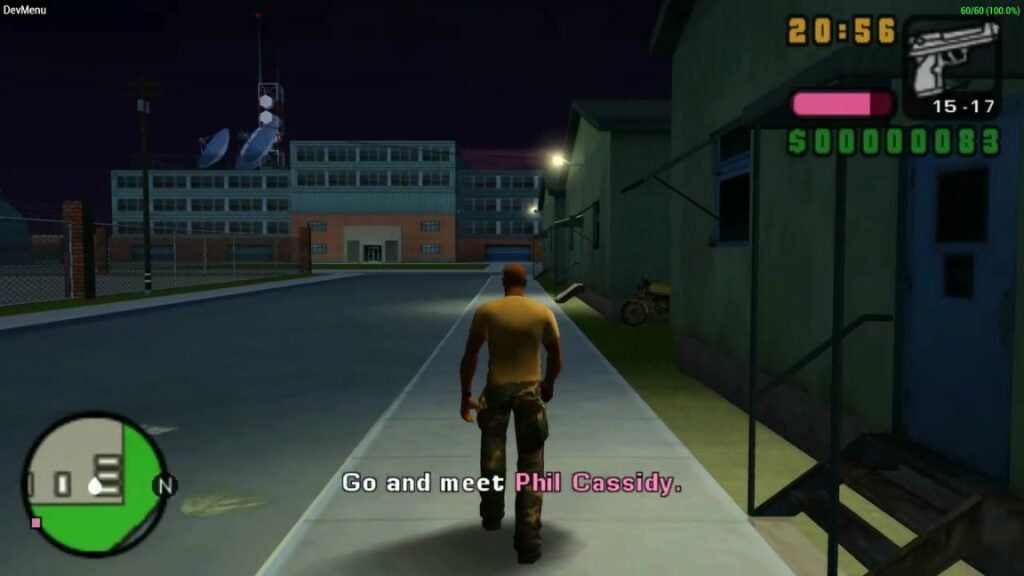
In the vast and ever-evolving world of gaming, few franchises have made as significant a mark on the industry as the GTA series. With a masterful blend of intricate storytelling, immersive open-world environments, and pioneering gameplay mechanics, Rockstar Games has elevated this series to a pantheon of its own. Among the many remarkable titles in the franchise, two stand out as exemplars of Rockstar’s unwavering commitment to innovation: Grand Theft Auto: Vice City Stories and Grand Theft Auto: Liberty City Stories. Not only did these games break new ground in handheld console gaming, but they also stand as poignant testaments to the series’ enduring legacy.
In this article, we will embark on a captivating journey through the development of these two seminal titles, immersing ourselves in the complexities of their narratives, the brilliance of their open-world design, and the subtleties of their gameplay mechanics. As we explore the evocative soundtracks and audio design that brought Vice City and Liberty City to life, we will also delve into the social and cultural themes that define each era.
Ultimately, this article seeks to illuminate the profound impact that GTA Vice City Stories and Liberty City Stories have had on the gaming landscape. As remarkable chapters in the storied Grand Theft Auto saga, they have left an indelible mark on the hearts and minds of gamers around the world, forever changing the way we think about interactive entertainment.
Renowned narrative and poignant storytelling
The Grand Theft Auto franchise has long been revered for its captivating storylines and memorable characters, and Vice City Stories and Liberty City Stories are no exception. These games provide not only immersive experiences in their own right but also enrich the broader Grand Theft Auto universe by delving deeper into familiar settings and characters.
Vic Vance
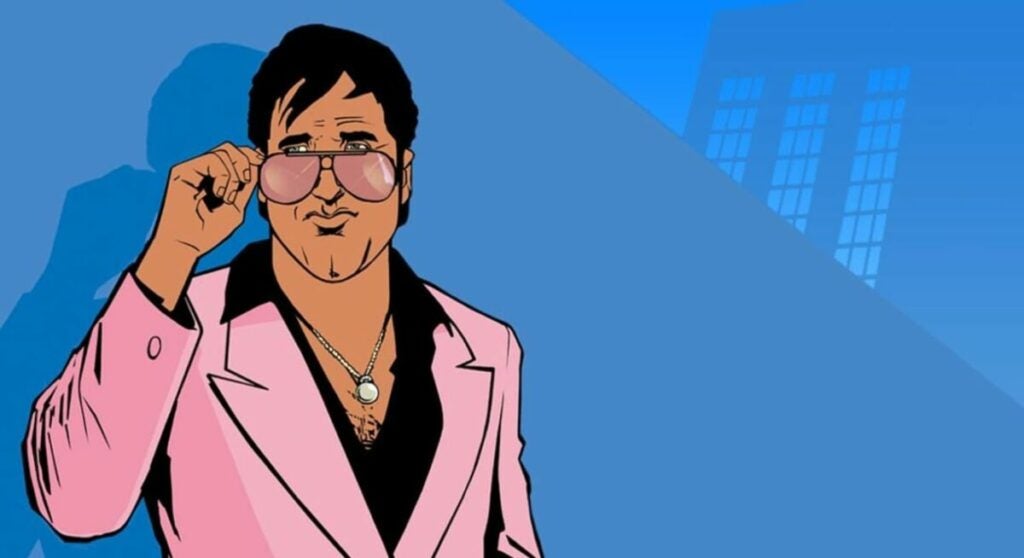
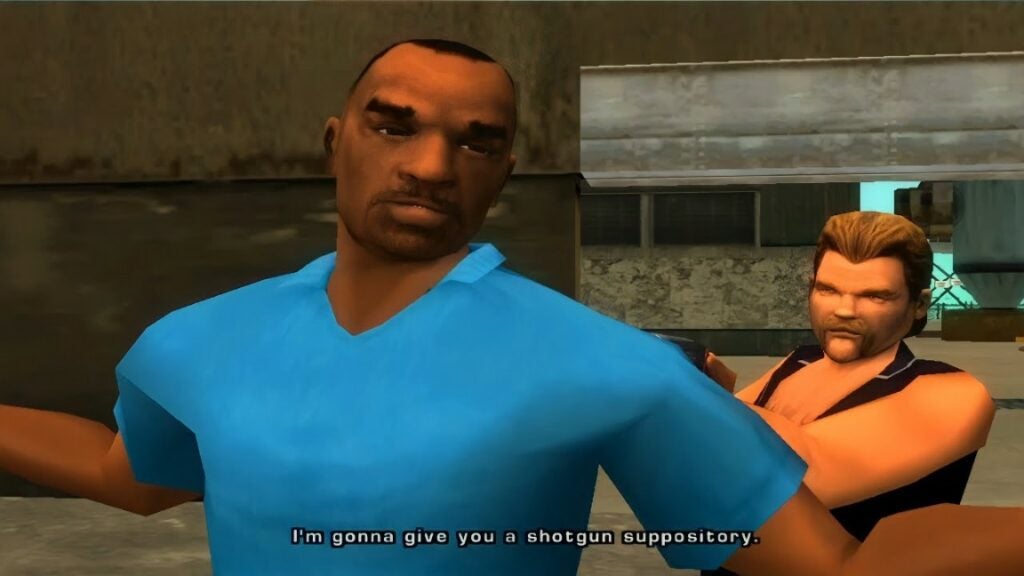
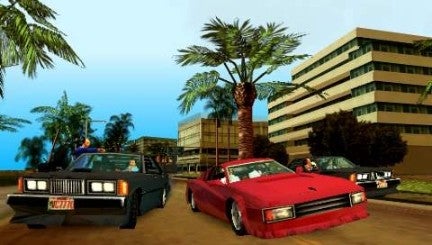
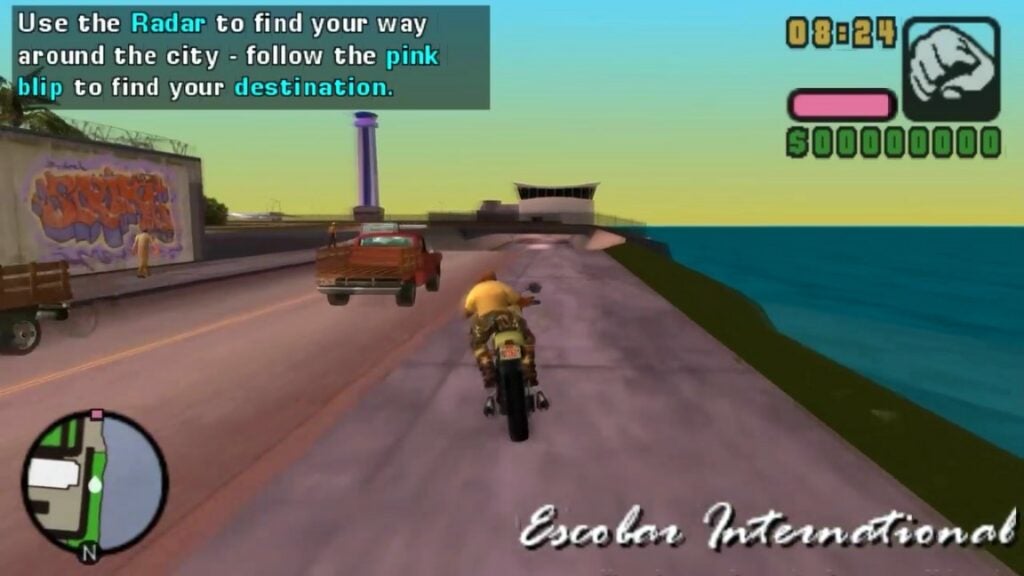
Vice City Stories follows the journey of Victor “Vic” Vance, a former soldier who becomes embroiled in the Vice City criminal underworld. As Vic navigates the dangerous terrain of drug cartels, gangs, and corrupt officials, the game explores themes of loyalty, betrayal, and the pursuit of power. Serving as a prequel to the original Vice City, Vice City Stories adds depth to the overarching narrative by providing the backstory to pivotal characters and events.
Toni Cipriani
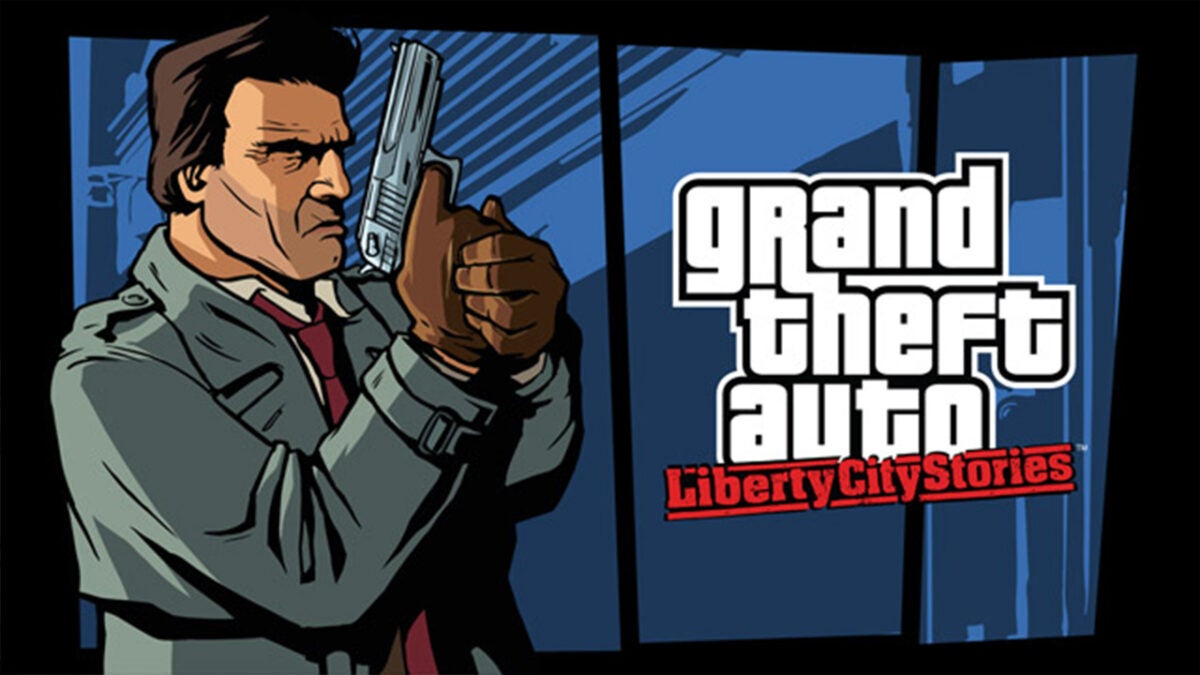
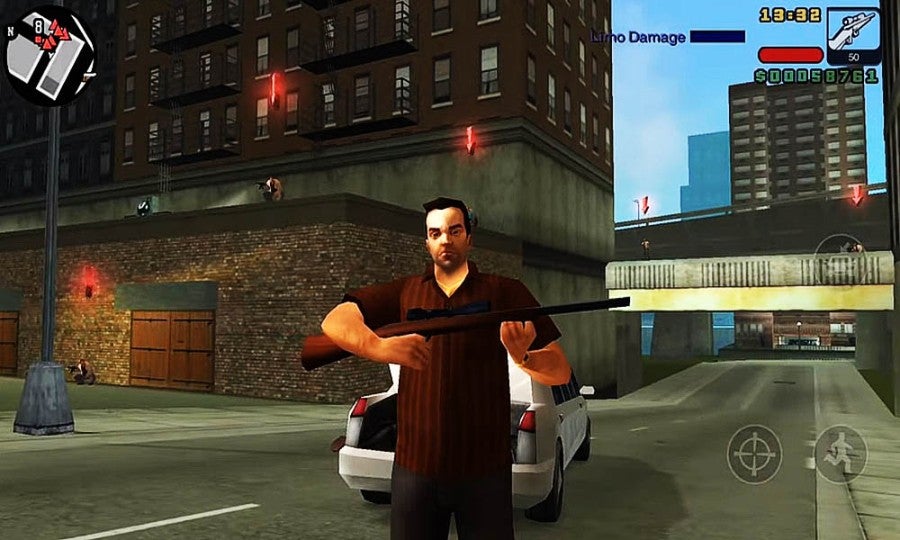
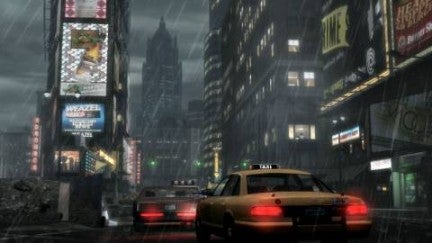
Meanwhile, Liberty City Stories focuses on the rise of ambitious mobster Antonio “Toni” Cipriani as he ascends the ranks of the Leone crime family. Set in Liberty City, the game’s narrative revolves around Toni’s pursuit of power and respect, as he contends with rival gangs, corrupt politicians, and internal conflicts within his organization. Like Vice City Stories, Liberty City Stories serves as a prequel to a previous game in the series, offering context for characters and events that shaped the Grand Theft Auto universe.
Both games feature well-crafted protagonists in Vic Vance and Toni Cipriani, each with their distinct personalities and motivations. As they navigate their respective journeys, the characters develop complex relationships with others in the game that test their loyalties and shape their destinies.
By exploring the narrative structures, characters, and storylines of Vice City Stories and Liberty City Stories, we gain a deeper appreciation for the intricate web of interconnected stories that define the Grand Theft Auto universe. These two games not only offer engaging standalone experiences but also serve as vital components of the series’ rich tapestry, showcasing Rockstar Games’ unparalleled storytelling prowess. The narratives of these games serve as poignant reminders of the franchise’s enduring legacy and its impact on the gaming landscape.
A tale of two cities
The open-world design of Vice City and Liberty City in their respective Stories titles is a testament to Rockstar Games’ ingenuity and skill in adapting their iconic cities for handheld consoles. Despite facing hardware limitations and reduced processing power, the developers succeeded in crafting immersive environments that retained the essence of their console counterparts.
Adapting a city for portability
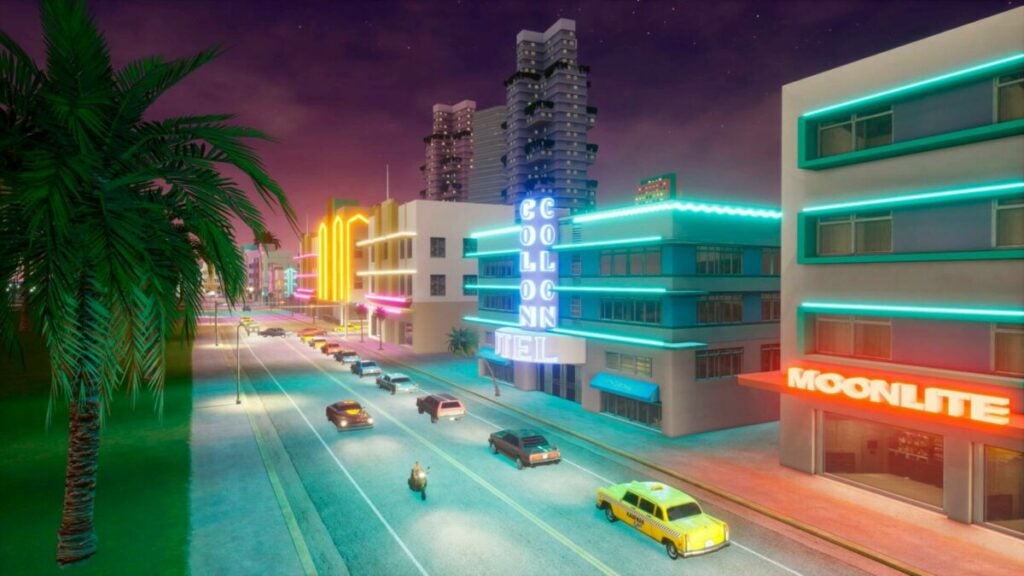
Vice City Stories takes players back to the sun-soaked streets of 1980s Vice City, while Liberty City Stories returns them to the gritty, early-2000s metropolis inspired by New York City. To accommodate the limitations of the PSP, some compromises were made, such as reduced traffic density and fewer pedestrians. However, the developers compensated for this by maintaining a high level of detail in the cities’ architecture, street layouts, and landmarks, ensuring that the open-world experience remained authentic.
The PSP platform presented opportunities for unique gameplay experiences, allowing players to enjoy Vice City and Liberty City on-the-go. The missions were designed with shorter play sessions in mind, making them accessible and well-suited for portable gaming. Additionally, new features were introduced to enhance the gameplay experience, such as Empire Building in Vice City Stories and a wealth of side activities in Liberty City Stories.
Ambitious and revolutionary
The open-world design of Vice City Stories and Liberty City Stories highlights Rockstar Games’ remarkable ability to adapt their ambitious cityscapes for handheld consoles. The developers embraced the challenges and opportunities presented by the PSP platform, resulting in captivating open-world experiences that contributed significantly to the evolution of portable gaming. These games are an excellent example of how Rockstar Games consistently raises the bar for open-world game design, providing players with immersive experiences that they can enjoy anytime, anywhere.
Revitalizing the sound of Grand Theft Auto
The soundtracks and audio design of Vice City Stories and Liberty City Stories are integral to creating immersive environments that transport players to their respective time periods and settings. Both games boast carefully curated music selections and radio stations that reflect the musical landscape of their respective eras, while the sound effects and ambient noises create a believable and engaging world for players to explore.
The essence of the 80s
Vice City Stories captures the essence of the 1980s with a soundtrack that features a diverse range of licensed music from iconic artists. The radio stations reflect the vibrant and hedonistic atmosphere of 1980s Vice City, with each carefully chosen to evoke a specific mood or feeling. The original score by composer Lex Horton adds to the overall cinematic feel of the game.
The sound of the noughties
Liberty City Stories takes place in the early 2000s, and its soundtrack reflects the gritty and fast-paced nature of early-2000s Liberty City. The game’s radio stations showcase a diverse array of genres, with the selection of licensed music effectively mirroring the musical landscape of the time. The original score, composed by Stuart Hart and Sean Connelly, reinforces the game’s narrative themes and urban setting.
Scores and ambience that elevates gameplay
The audio design of both games extends beyond the music, with meticulously crafted sound effects and ambient noises that bring their respective cityscapes to life. The attention to detail in the audio design creates a believable and engaging world for players to explore.
The soundtracks and audio design of Vice City Stories and Liberty City Stories add depth and richness to the overall gaming experience, immersing players in their respective time periods and settings. By incorporating a diverse range of licensed music, original scores, and detailed sound effects, Rockstar Games has created unforgettable gaming experiences that continue to resonate with players years after their initial release.
Social commentary through gaming
Vice City Stories and Liberty City Stories, like other installments in the Grand Theft Auto series, use their open-world environments and narratives to explore and comment on various social and cultural themes. These games offer players an opportunity to engage with complex issues while navigating the criminal underworld, utilizing the interactive nature of video games as a powerful storytelling medium.
The dark side of the American Dream
Vice City Stories captures the spirit of excess, hedonism, and the darker side of the American Dream in the 1980s. The game explores the rise of drug cartels and the narcotics trade, highlighting the impact of U.S. foreign policy in Latin America. By weaving these social issues into its narrative, Vice City Stories offers a nuanced and immersive representation of the era.
Social transformation in the 2000s
Liberty City Stories transports players to the early 2000s, an era marked by rapid technological advancements, economic shifts, and cultural transformations. The game delves into themes such as organized crime, political corruption, and the influence of media on public opinion. Through its portrayal of these themes, Liberty City Stories provides a compelling snapshot of the era’s social and cultural landscape.
The games’ narratives and characters reflect and comment on real-world contexts, offering players a chance to consider the broader implications of their actions within the game world. By delving into the real-world contexts of their respective eras, Vice City Stories and Liberty City Stories demonstrate the Grand Theft Auto series’ commitment to presenting engaging and thought-provoking narratives.
GTA exposes the gritty reality of complex social structures
Vice City Stories and Liberty City Stories, like other installments in the Grand Theft Auto series, use their open-world environments and narratives to explore and comment on various social and cultural themes. These games offer players a unique opportunity to engage with the social and cultural complexities of their respective eras, enriching the gaming experience and solidifying the series’ status as a groundbreaking and influential force in the world of video games.
The heritage and legacy of the GTA Stories phenomenon
The Grand Theft Auto series has been at the forefront of gaming innovation since its inception, and Vice City Stories and Liberty City Stories are no exception. These games pay tribute to their predecessors while simultaneously contributing to the series’ evolution, leaving an indelible mark on the franchise’s storied history.
Rockstar Games masterfully incorporated elements from previous games in the series into Liberty City Stories and Vice City Stories, blending the familiar with the new to create immersive and engaging experiences. The developers also refined the open-world design and mission structure, resulting in more cohesive gameplay and world-building.
By introducing new storylines, characters, and themes, Liberty City Stories and Vice City Stories added new dimensions to the Grand Theft Auto universe, enriching the overall narrative and gameplay experience. These games also laid the foundation for the ambitious worlds of Grand Theft Auto IV and V, demonstrating Rockstar Games’ commitment to pushing the boundaries of what a video game could achieve.
Ultimately, Liberty City Stories and Vice City Stories stand as both products of their time and harbingers of the future, forging their own unique paths while paving the way for the HD universe that followed. These games remain a testament to the Grand Theft Auto series’ groundbreaking legacy, inspiring gamers around the world to engage with immersive storytelling, complex characters, and intricate open-world design.
The success of GTA 6 relies on the lessons learnt and taught by the GTA Stories duology
As the Grand Theft Auto series continues to evolve and push the boundaries of storytelling, world-building, and gameplay mechanics, Liberty City Stories and Vice City Stories stand as treasured precursors and potential inspirations for future installments. The power of revisiting familiar settings and characters from a fresh perspective is evident in these games, as they offer players a deeper understanding of the intricate relationships and motives that shape the criminal underworld. This narrative approach could serve as a blueprint for Grand Theft Auto 6, allowing developers to explore new dimensions of beloved locales and characters from previous games, weaving together an ever more complex and interconnected web of stories.
Accessibility and adaptability
The handheld console origins of Liberty City Stories and Vice City Stories remind us of the importance of accessibility and adaptability in the gaming experience. These games serve as an example of how lessons learned from previous titles can inspire developers to continue refining and adapting their open-world design, ensuring that future titles remain engaging and accessible to a wide range of players.
Further exploration of cultural themes
Moreover, the bold exploration of social and cultural themes in both Stories games provides a guiding light for the narrative direction of Grand Theft Auto 6. The challenge to delve deeper into the complexities of contemporary society by addressing topical issues and offering nuanced commentary on the world around us is an opportunity for future titles in the series to use the interactive nature of video games as a powerful storytelling medium that resonates with players on both an emotional and intellectual level.
The GTA legacy must live on in future endeavors
The legacy of Liberty City Stories and Vice City Stories is a poignant acknowledgment of the series’ rich history and an inspiration for the development of Grand Theft Auto 6 and further titles. By building on the strengths of these games and embracing the innovations they introduced, Rockstar Games can continue to redefine the boundaries of the open-world genre, crafting captivating experiences that will inspire and delight generations of gamers to come.
The yet unseen legacy of the GTA Stories duology
Amidst the ever-evolving landscape of the Grand Theft Auto series, Liberty City Stories and Vice City Stories hold a unique position as both trailblazers and inspirations for future installments. These games served as catalysts for the series’ evolution, pushing the boundaries of storytelling, world-building, and open-world design to create unforgettable gaming experiences.
The legacy of these games continues to resonate in the present day, inspiring developers to innovate and challenge themselves in ways that captivate and inspire players around the world. As we reflect on the profound impact of Liberty City Stories and Vice City Stories, we are reminded of the series’ enduring legacy and the potential for future installments to build upon the foundation laid by these remarkable games.
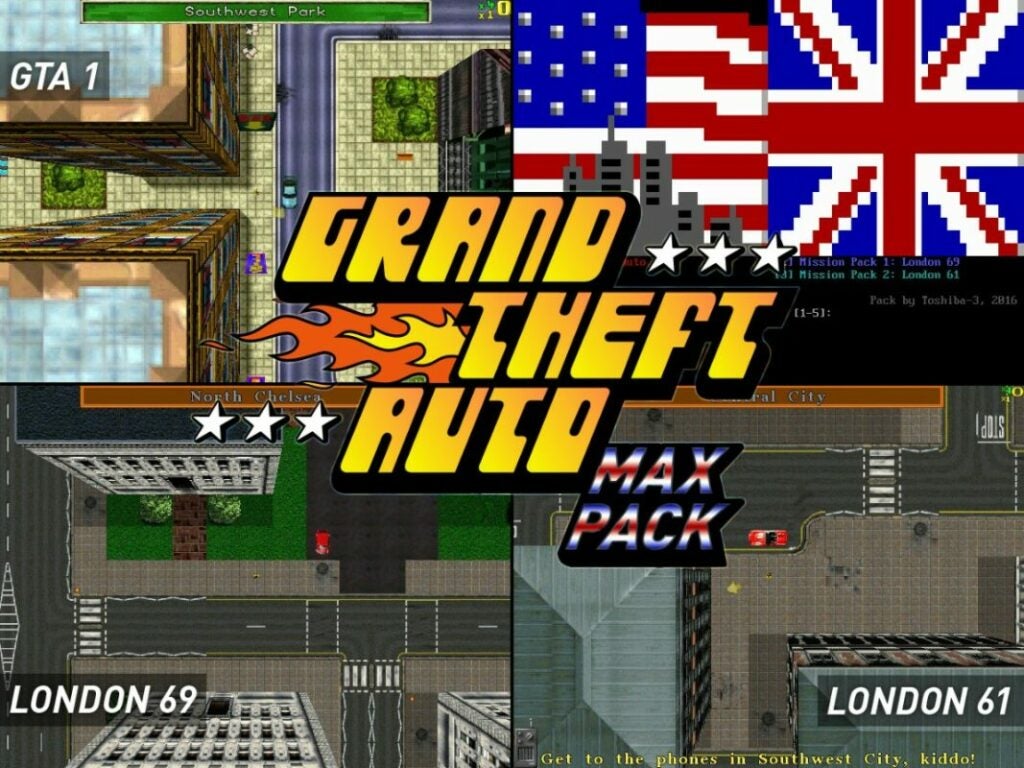
The Grand Theft Auto series has left an indelible mark on the gaming landscape, standing out as one of the most influential franchises in history. It has become a symbol of unrestricted exploration, thought-provoking storytelling, and daring themes that push boundaries. In this article, we’ll take a deep dive into the oft-forgotten beginnings of the series, unearthing the development, narrative, impact, and legacy of the first two installments – GTA I and GTA II.
These groundbreaking titles were the seeds that would blossom into a gaming phenomenon leading up to GTA 6, setting the standard for open-world design and revolutionizing the world of interactive entertainment. Come with us on a journey through time as we explore the gritty, neon-lit streets of Liberty City, San Andreas, Vice City, and Anywhere City, and discover how the origins of the franchise have forever altered the gaming industry.
The very beginning of the GTA franchise
The roots of the Grand Theft Auto series can be traced back to the partnership between DMA Design, a Scottish game developer now known as Rockstar North, and BMG Interactive, which later became Rockstar Games. DMA Design first gained recognition through the creation of the beloved Lemmings franchise, but it was their daring leap into the open-world genre that cemented their place in gaming history.
The idea for Grand Theft Auto was born out of the team’s desire to expand upon their earlier successes, including Body Harvest and the racing game Race’n’Chase, which boasted a free-roaming environment and a prototype of the vehicular gameplay that would eventually become a hallmark of the GTA series. Fueled by inspiration from these earlier endeavors, DMA Design set out to create a game that shattered the confines of traditional gaming, offering players an unparalleled level of autonomy and interaction
. They envisioned a world where players could navigate vast urban landscapes, partake in illicit activities, and chart their own course through the game’s narrative, all in real-time. This bold vision laid the foundation for the Grand Theft Auto franchise, forever changing the gaming industry and solidifying DMA Design’s place in history as pioneers of the open-world genre.
Guided by the innovative minds of DMA Design, including the visionary Houser brothers, Sam and Dan, the team set out to create a game that would revolutionize the open-world genre, plunging players into a sprawling metropolis brimming with chaos and possibility. Blending elements of action, adventure, and driving games, Grand Theft Auto shattered the limits of what was previously thought possible in video games, paving the way for the expansive and immersive worlds that would soon become the series’ trademark.
As the games evolved from concept to completion, DMA Design and BMG Interactive worked collaboratively to bring their ambitious vision to fruition. The partnership proved successful, and the groundbreaking achievements of the first two Grand Theft Auto titles laid the foundation for the birth of Rockstar Games, a subsidiary of Take-Two Interactive that would go on to become a powerhouse in the gaming industry.
By building upon their earlier works and refining their vision for open-world gameplay, DMA Design and BMG Interactive not only redefined the video game landscape but also set the stage for the revolutionary experiences that would go on to shape the Grand Theft Auto series for years to come.
Release and initial reception
Grand Theft Auto I and II were released in 1997 and 1999, respectively, marking the inception of a franchise that would later become a cornerstone of the industry. Both games were met with critical acclaim and player interest, with their open-world design, exploration opportunities, and criminal themes captivating the attention of audiences everywhere.
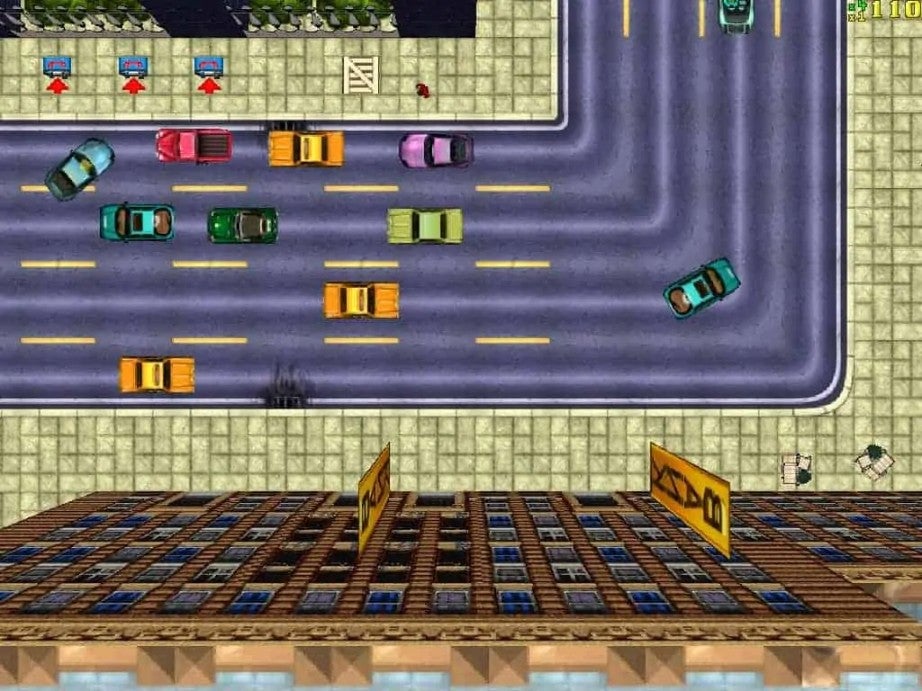
The first Grand Theft Auto game, initially released in October 1997 for MS-DOS and Windows before eventually making its way to PlayStation and Game Boy Color, gained attention for its innovative top-down perspective and expansive open-world structure. While critics had mixed opinions on the game, they could not deny its ambitious design, although technical limitations and controls became points of criticism. Nonetheless, GTA I managed to find commercial success, selling over 1 million copies by 1998, a significant accomplishment for a new intellectual property at that time.
Grand Theft Auto II, released in October 1999 for PlayStation, Dreamcast, and Windows platforms, continued building on its predecessor’s foundation, introducing improvements such as an upgraded graphics engine and a more detailed reputation system. Critics were impressed with these enhancements, along with the addition of in-game radio stations, though some still highlighted technical issues similar to those of the original. Regardless, GTA II maintained the franchise’s commercial success, selling millions of copies worldwide and further cementing the series’ place in the gaming world.
As is customary with the Grand Theft Auto series, controversy surrounding the depiction of crime, violence, and lawlessness was present from the very beginning. This led to debates about video game impacts on players and raised concerns from politicians, activists, and media outlets about the potential influence of games like GTA on real-world violence. This scrutiny also placed greater attention on the video game industry as a whole. Nonetheless, these controversies did little to harm the series’ popularity. In fact, they may have even contributed to it, as the Grand Theft Auto franchise grew to become one of the most iconic and successful franchises in gaming history.
Setting the scene for immeasurable success
The first two Grand Theft Auto games introduced players to a diverse range of fictional cities that would come to define the franchise’s signature open-world experience. These urban landscapes were inspired by real-world American cities, each with their unique characteristics that shaped the games’ narratives and atmosphere.
Grand Theft Auto I featured three distinct cities: Liberty City, San Andreas, and Vice City. Liberty City drew inspiration from the iconic New York City, offering a dense urban environment with skyscrapers, bridges, and a bustling atmosphere. San Andreas was modeled after San Francisco and Los Angeles, showcasing a diverse landscape with hilly terrain, beaches, and famous landmarks. Finally, Vice City was inspired by Miami, providing players with a sun-drenched, pastel-colored environment characterized by palm trees, beaches, and luxurious mansions.
Although the first game lacked a clearly defined era, the cities’ aesthetics and atmosphere suggested a setting in the late ’80s to early ’90s, with car designs, clothing styles, and music reflecting this period. This era influenced the game’s characters and storylines, as players found themselves navigating a world of organized crime, street gangs, and corrupt law enforcement, reminiscent of crime movies and television shows from that time.
Grand Theft Auto II took a different approach, introducing a single city called Anywhere City. The game was set in a near-future, dystopian urban environment, characterized by a combination of advanced technology, crumbling infrastructure, and rampant crime. The futuristic setting allowed for the introduction of new gameplay elements, such as advanced weaponry and vehicles, as well as a more complex faction system, where players could align themselves with various criminal gangs, each with their unique style and missions.
The distinct settings of the early Grand Theft Auto games played a significant role in shaping the gameplay experience, as the cities’ varied atmospheres, layouts, and architectural styles provided a range of environments for players to explore and engage in criminal activities. Additionally, the settings influenced the game’s narrative and characters, with the protagonists navigating a world of crime, corruption, and violence that was deeply rooted in the distinctive ambiance of each city.
Gameplay mechanics that revolutionized the industry
Grand Theft Auto I and II broke new ground in the gaming industry with their unique top-down perspective, which remains a hallmark of the early GTA games. This bird’s-eye view provided players with an all-encompassing view of the vast open-world environments, allowing them to navigate and interact with their surroundings in ways that were previously unheard of.
The cities in both games were designed to provide players with a level of freedom that was unprecedented at the time. Filled with various points of interest, such as shops, landmarks, and hidden areas, the cities encouraged exploration and discovery. Players could traverse the map on foot or using a range of vehicles, including cars, motorcycles, boats, and helicopters.
The core gameplay mechanics of both games centered around criminal activities, which were the basis of the series’ notoriety and appeal. Players could steal vehicles by simply walking up to them and hijacking them, allowing for quick getaways and seamless transportation. Engaging in crimes such as carjacking, assaulting pedestrians, and destroying property would attract the attention of law enforcement, with increasingly aggressive police response as the player’s “wanted level” increased.
Missions played a significant role in the gameplay of both GTA I and II, as players could choose to take on various tasks assigned by different criminal organizations. These missions often involved committing more elaborate crimes, such as assassinations, robberies, and high-speed chases. Completing missions would progress the storyline and reward players with money, which could be used to purchase weapons, equipment, and property.
Grand Theft Auto II also introduced an innovative respect system, where players could gain or lose favor with the various criminal factions in Anywhere City. This added complexity to the gameplay, as players had to manage their relationships with these factions while completing missions and engaging in free-form criminal activities.
Overall, the gameplay mechanics of the first two Grand Theft Auto games were groundbreaking, offering players an unprecedented level of freedom and interactivity that would shape the series and redefine the open-world genre for years to come.
Plotlines and characters – The genesis of the GTA story
The first two Grand Theft Auto games were characterized by their simple storylines and protagonists, with the emphasis being on the open-world gameplay and freedom of exploration.
Grand Theft Auto I did not have a named protagonist, but rather allowed players to choose from eight different characters, which did not affect the storyline or gameplay. The game’s narrative revolved around the player’s character working their way up the criminal underworld by completing various missions for different criminal organizations in Liberty City, San Andreas, and Vice City. The game featured numerous side characters, many of whom served as mission-givers, representing different factions of the criminal underworld, such as the Italian Mafia, the Yakuza, and street gangs.
In Grand Theft Auto II, players were introduced to Claude Speed, a small-time criminal looking to make a name for himself in the crime-ridden dystopia of Anywhere City. The game’s story was centered around Claude’s rise through the ranks of the criminal underworld, taking on jobs from various gangs and factions. The mission structure in GTA II was more advanced than in the first game, with players able to earn respect from different gangs by completing missions for them or attacking rival factions. The respect system added an extra layer of depth to the narrative, as players had to navigate the complex web of alliances and rivalries that existed among the various criminal organizations in Anywhere City.
While the storylines and characters in the first two Grand Theft Auto games were simpler than in later titles, they established the foundation for the series’ narrative-driven gameplay and key elements such as criminal organizations, mission-givers, and the open-world format. This groundwork set the stage for the development of more intricate storylines and characters in future Grand Theft Auto games.
The legacy left by GTA I and II
Despite their simple graphics and storylines, Grand Theft Auto I and II had a profound and enduring impact on the gaming industry, particularly in the open-world genre. These early games set the foundation for future GTA titles and inspired a new generation of sandbox games that aimed to replicate their innovative design.
The introduction of open-world environments and freedom of exploration was crucial to the series’ identity and has since become a defining characteristic of the franchise. The games also sparked debates about the potential impact of video games on society, leading to a broader conversation about the role of creators and publishers in shaping the medium.
The influence of GTA I and II on the open-world genre is evident in the countless titles that have adopted their design elements and mechanics. By offering players a vast, interactive playground to explore and engage with, the early GTA games demonstrated the potential for open-world games to provide deeply immersive and engaging experiences.
The legacy and impact of the first two Grand Theft Auto games are seen in both the series’ continued success and their broader influence on the gaming industry. These early games pushed the boundaries of interactive entertainment, setting the stage for the expansive, immersive worlds that would come to define the Grand Theft Auto series and inspire a new generation of open-world games.
GTA I and II – Inspiring the next generation
The initial two games of the Grand Theft Auto franchise were innovative in their own ways, but they significantly differ from later titles in the series, particularly those in the 3D Universe (GTA III, Vice City, and San Andreas) and the HD Universe (GTA IV and V). The evolution of the franchise and the gaming industry is reflected in the advancements in graphics, gameplay, and narrative depth made in subsequent entries.
Graphics
In terms of graphics, the top-down 2D perspective of GTA I and II is a significant difference from the fully-realized, three-dimensional world with a third-person perspective introduced in the 3D Universe. This change in perspective facilitated a more immersive experience and allowed for more visually impressive and realistic environments. The HD Universe further improved on this with high-definition graphics, dynamic lighting, and enhanced character models.
Gameplay
While the core gameplay elements of exploring, committing crimes, and engaging in missions remained the same throughout the series, later titles expanded upon these mechanics in various ways. For instance, the 3D Universe introduced an improved combat system, more diverse vehicles, and the ability to swim and climb, adding depth and variety to the gameplay. The HD Universe refined these mechanics by introducing more realistic physics, cover-based shooting, and a more extensive customization system for characters and vehicles. Also, the mission structure became more complex, varied, and emphasized character-driven narratives, incorporating branching mission paths and heists.
Narrative depth
Narrative depth is another significant difference between the first two games and later titles. The initial games had relatively simple storylines centered around the player’s rise through the ranks of the criminal underworld. The 3D and HD Universe titles developed more intricate narratives with richer character development, exploring themes such as family, loyalty, and the pursuit of the American Dream. The protagonists in later titles had distinct personalities, backgrounds, and motivations, fostering a stronger connection to the game world and increasing players’ emotional investment in the storylines and characters.
Poignant, innovative, and the spearhead of the Rockstar brand
The Grand Theft Auto series has come a long way since its humble beginnings in the top-down, 2D world of the first two games. The series has undergone a remarkable evolution, with each new entry pushing the boundaries of what is possible in an open-world game. From the 3D Universe to the HD Universe, the franchise has continued to innovate and refine its graphics, gameplay, and narrative depth, creating a truly immersive and engaging gaming experience.
The first two games laid the foundation for the series’ open-world gameplay and exploration, while subsequent titles expanded upon these mechanics in various ways, adding more complexity and depth to the gameplay. The increased graphical fidelity and immersive gameplay of later titles, along with more intricate narratives and fully-realized characters, allowed players to become more emotionally invested in the game world and the stories it told.
The impact of the Grand Theft Auto series on the gaming industry is undeniable, as it has inspired countless imitators and continues to set the standard for open-world games. With each new entry, the series pushes the boundaries of what is possible in interactive entertainment, demonstrating the potential for games to tell rich, complex stories and provide immersive, engaging experiences.
When Grand Theft Auto: Vice City was released in 2002, it quickly became a game changer in the gaming industry leading up to GTA 6. Developed by Rockstar North and published by Rockstar Games, this groundbreaking game explored the criminal underworld of the fictional Vice City, a city that was inspired by the vibrant and colorful Miami of the 1980s. With its engaging storyline, memorable characters, and immersive gameplay, GTA: Vice City captivated gamers and critics alike, solidifying its place as one of the most beloved and influential games of all time.
But GTA: Vice City’s impact extended beyond the gaming community. The game’s unique blend of open-world gameplay, satirical social commentary, and iconic 80s soundtrack captured the attention of mainstream audiences, paving the way for video games to be recognized as a legitimate form of entertainment and pop culture.
In this article, we delve into the rich history of GTA: Vice City, exploring the game’s development, its engaging plot points and storyline, and its impact on the gaming industry and popular culture. From the game’s iconic opening sequence to its memorable characters and missions, we examine what made GTA: Vice City such a groundbreaking and influential game and such a fitting potential precursor to the complex and vibrant Miami stories that Rockstar’s best and brightest are currently weaving for GTA 6.
The history behind an icon
Grand Theft Auto: Vice City, the fourth installment in the wildly popular Grand Theft Auto series, was released in 2002, one year after the groundbreaking success of Grand Theft Auto III. Developed by Rockstar North and published by Rockstar Games, GTA: Vice City was initially released for the PlayStation 2 platform, and later for other platforms such as Xbox and PC.
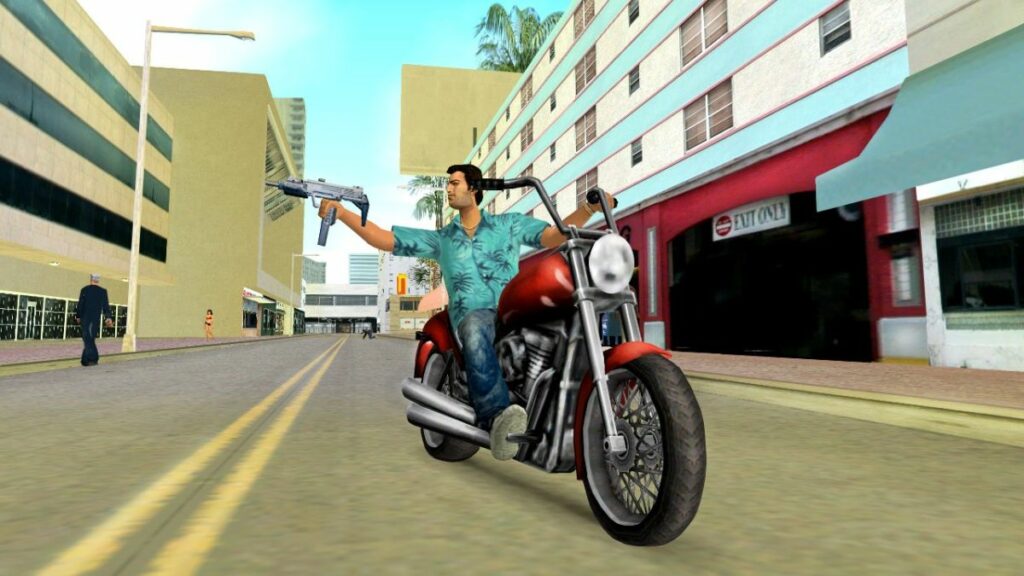
Building upon the success of its predecessor, GTA: Vice City sought to push the boundaries of open-world gaming even further by creating a more immersive and detailed experience. To achieve this, the developers incorporated 1980s aesthetics, music, and cultural references into the game’s world-building. The result was a game that not only entertained players, but also immersed them in the criminal underworld of a fictional Vice City that was inspired by Miami in the 1980s.
GTA: Vice City was praised for its open-world gameplay, engaging story, and memorable characters. The game’s attention to detail, from the neon lights and palm trees to the iconic 80s soundtrack, created a unique and immersive gaming experience that captivated players and critics alike. Its success cemented its place as one of the most beloved and influential games of all time, and set the bar for open-world games that followed.
A poignant GTA plot-line
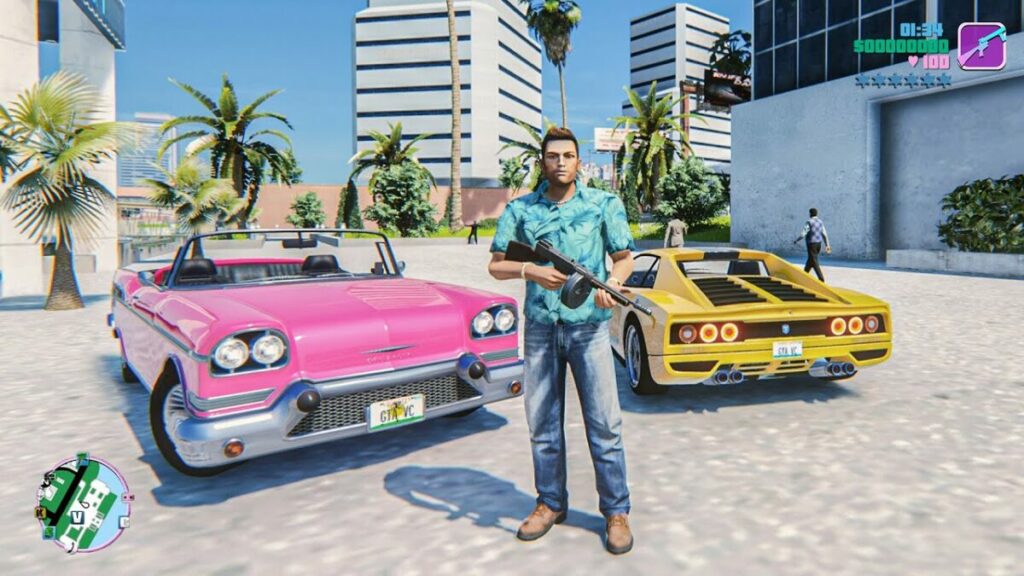
Set in the year 1986, GTA: Vice City tells the story of Tommy Vercetti, the game’s protagonist and a former mobster who has just been released from prison after serving a 15-year sentence for murder. Upon his arrival in Vice City, Tommy is tasked with overseeing a drug deal that goes awry, and he finds himself in a web of deceit and violence that requires him to work for various criminal kingpins in the city, while also building his own criminal empire.
The game’s plot is filled with twists and turns, as Tommy navigates the dangerous world of Vice City, seeking revenge against those who wronged him and working his way up the criminal ladder. Along the way, he meets a cast of memorable characters, including his partner-in-crime Lance Vance, the bumbling lawyer Ken Rosenberg, and the ruthless crime boss Sonny Forelli.
GTA: Vice City’s storyline was heavily influenced by classic crime dramas, such as Scarface, Carlito’s Way, and Miami Vice. These cinematic inspirations helped to elevate the game’s storytelling, offering a level of depth and immersion that had rarely been seen in video games up to that point.
The game’s plot was filled with memorable moments and dialogue, and the diverse range of side missions and subplots helped to flesh out the game’s world and characters even further. All of these factors contributed to making GTA: Vice City a groundbreaking game that was beloved by players and critics alike, and its enduring impact on the gaming industry and popular culture cannot be overstated.
An impact that endures
From the game’s pioneering open-world game design to its deeply engaging narrative and character development, GTA: Vice City set a new standard for what video games could achieve. Its evocative portrayal of 1980s Miami and its pop culture references and nostalgia have left a lasting impression on the gaming industry and popular culture. Its controversial mature themes, including violence, drugs, and crime, have pushed the envelope in terms of what was considered acceptable in video games and paved the way for more complex and nuanced storytelling in the medium.
Overall, GTA: Vice City’s legacy is a testament to its impact and influence on the gaming industry, as well as its enduring status as a beloved and iconic video game and its influence can be observed in several areas.
Open-world gaming
GTA: Vice City’s open-world game design has left an indelible mark on the gaming industry. Before Vice City, open-world games were relatively unknown, and players were used to linear gameplay with few opportunities for exploration. However, Vice City changed all that with its detailed and expansive map, encouraging players to interact with the environment and explore every corner of the city.
The game’s seamless transitions between driving, shooting, and missions set a new standard for open-world gameplay, and inspired other developers to create even more immersive and dynamic open-world games. In particular, games like Red Dead Redemption and The Elder Scrolls series have taken Vice City’s open-world design and built upon it, resulting in some of the most immersive and interactive game worlds in history.
Narrative and character development
GTA: Vice City’s narrative and character development represented a significant leap forward for the gaming industry. At the time of its release, open-world games tended to offer little in the way of plot or character development, instead emphasizing player freedom and exploration. GTA: Vice City changed that by offering players a rich, character-driven storyline with memorable characters and engaging plotlines.
The game’s cinematic influences, including nods to classic crime films and TV shows, helped elevate the storytelling to a new level, paving the way for narrative-driven games in the years that followed. Today, games like The Last of Us, Uncharted, and the Grand Theft Auto series itself continue to explore complex narrative themes, thanks in large part to the groundwork laid by GTA: Vice City.
Popular culture
GTA: Vice City’s pop culture references and nostalgia have had a significant impact on the entertainment industry. The game’s portrayal of the 1980s, with its iconic soundtrack and fashion styles, has become a defining representation of the era. Its influence can be seen in many movies, TV shows, and other games that reference or pay homage to the 1980s.
In particular, the game’s soundtrack, which features over 80 licensed songs from the era, has become legendary, with many of the songs still enjoyed by fans today. The game’s cultural impact has also extended to fashion, with Vice City’s colorful and flashy style influencing the fashion trends of the time and continuing to inspire modern fashion to this day.
Controversy for GTA: Vice City
Despite its critical and commercial success, GTA: Vice City was not without controversy. The game’s mature themes, including violence, drugs, and crime, sparked outrage from some groups who felt it glorified criminal behavior. However, the game’s success demonstrated that there was a market for mature, story-driven games, paving the way for future titles that explored darker and more complex themes.
As the gaming industry continues to evolve, many games have followed in GTA: Vice City’s footsteps, pushing boundaries and exploring taboo subject matter, all while delivering engaging gameplay and compelling storytelling.
The renaissance of Vice City
In 2021, Rockstar made a pivotal move in the Grand Theft Auto story and released Definitive Editions of its prized Trilogy – GTA: III, GTA: Vice City, and GTA: San Andreas. The Definitive Edition has made GTA: Vice City more accessible to a whole new generation of gamers who may have missed out on the original release. The game’s enduring popularity is a testament to its impact on gaming and popular culture, and the remastered version is a fitting tribute to the game’s legacy.
The updated graphics and mechanics have given the game a fresh look and feel, while the enhanced soundtrack retains the iconic ’80s vibe that defined the original release. The Grand Theft Auto Definitive Edition is an excellent way to experience these classic games in a new light and appreciate their impact on the gaming industry and society as a whole.
The Grand Theft Auto Definitive Edition brings a new level of accessibility to the classic GTA titles by making them available on modern platforms such as PlayStation 5 and Xbox Series X/S. By doing so, the remastered collection allows a new generation of gamers to experience the groundbreaking gameplay and storytelling of GTA: Vice City and its counterparts. The updated graphics, gameplay mechanics, and soundtracks not only enhance the experience for returning players but also make the games more attractive and engaging to newcomers.
The inclusion of new quality-of-life features also makes the games more accessible, with enhanced checkpoint saving streamlining the experience and allowing players to focus on the immersive open-world gameplay and engaging narrative. Overall, the Grand Theft Auto Definitive Edition ensures that the legacy of these classic games will endure for years to come, further cementing their impact on popular culture and the gaming industry.
An icon for the ages
Grand Theft Auto: Vice City revolutionized the way open-world games were designed and played. Its intricate plot and character development set a new standard for storytelling in video games, while its portrayal of 1980s nostalgia left an indelible mark on popular culture.
Despite the controversy surrounding its mature themes, Vice City proved that there was a market for thought-provoking, story-driven games, and paved the way for the exploration of darker and more complex themes in future titles. Even after nearly two decades, the game remains a shining example of video game innovation and artistry, continuing to inspire and influence developers today.
Though humans usually tend to be the stars of most video games, they will occasionally get to share that spotlight with some rather fuzzy cohorts. Whether it be wandering the post-apocalyptic wastes, taking on covert operations, or playing some radical new jams on guitar, video game dogs are every bit as lovable as their real-life counterparts. Here, we’re counting down the 10 best dogs in gaming.
10 coolest dogs in video games
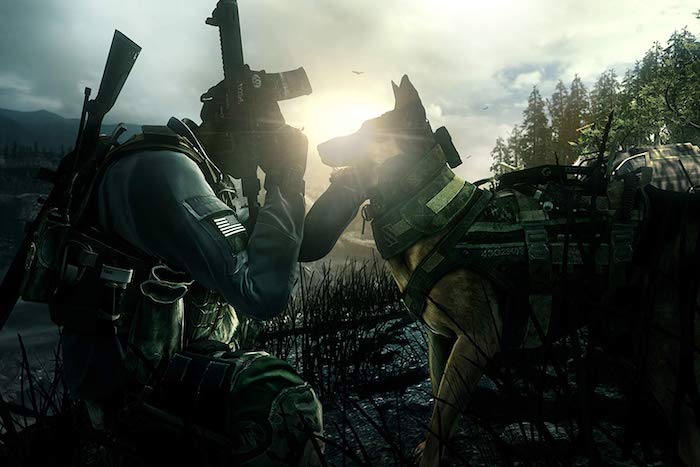
Riley- Call of Duty: Ghosts
Image courtesy Infinity Ward
We were torn between placing Riley on this list or Rush from the Mega Man franchise. However, after we learned more about Riley’s history, we had to give throw this dog a bone.
Riley was, in many ways, a pioneer for pups in modern gaming. The stalwart Riley garnered a fair bit of attention when Call of Duty: Ghosts hit the scene, and since then dogs in gaming have seen a bit of a renaissance. This stalwart German Shepherd acted as an indispensable companion to the Ghost unit, keeping pace through all manner of dangerous missions. That’s not the best part, though: Riley is a real dog, or more accurately, two dogs. Real-life Navy SEAL canines Ruger and Colin provided motion-capture performances for the fictional Riley.
Although the Silent Hill dog did not make this list, another pooch from another great horror franchise did!
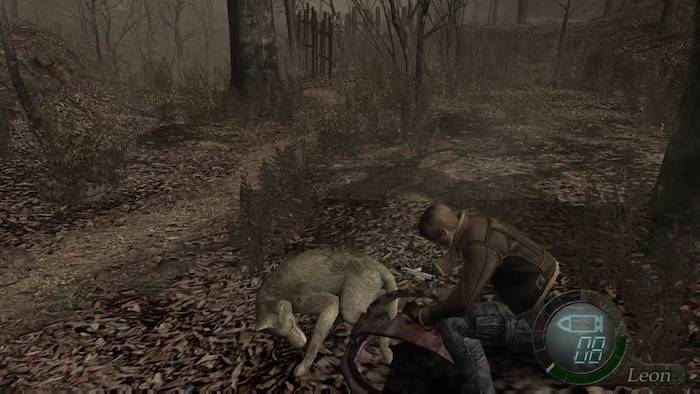
Early on in Resident Evil 4, way before you start encountering bloodthirsty villagers and disturbing bioweapons, Leon S. Kennedy will run into a heartbreaking sight. A whimpering wild dog has his back leg caught in a rusty bear trap. Though you do have the option to just walk on past (but seriously, why would you?!), freeing this poor creature will net you some serious good karma. After freeing the dog, he’ll let out a happy bark and limp off into the woods, but will return later to help you in the boss battle against the colossal El Gigante.
Seeing the white-furred pup appear at the bleakest moment of the fight makes us wonder if maybe Gandalf has a secret dog form?
Sif- Dark Souls
Image courtesy From Software
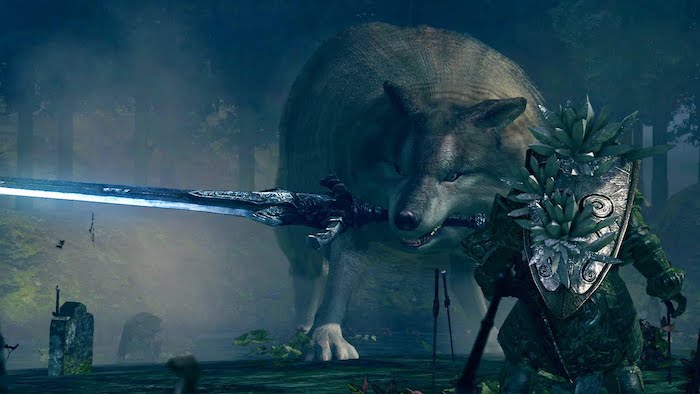
Sif is what some experts might call a “chonky boi,” or alternately, a “big chungus.” This rather large wolf’s size isn’t something to be scoffed at, though. That giant sword that Sif carries around like a chew toy can do some serious damage. Jokes aside, Sif has a tragic backstory: Sif’s master, Artorias, sacrificed himself to protect his loyal companion from the corruption of the Abyss. After rescuing the trapped wolf, you can summon Sif to fight by your side later on.
He’s a dog. He’s got a guitar. He plays some sweet tunes. Is there honestly anything better? K.K. Slider’s legendary jams and smooth attitude have turned him into one of the most iconic characters in the Animal Crossing series. He also uses his music as a tool to fight the man, railing against “industry fat cats” and trying to keep his music as authentic as possible. So, not only is K.K. Slider one groovy pup, but he also might be one of the last musicians with any integrity.
Amaterasu- “Okami”
Image courtesy Capcom
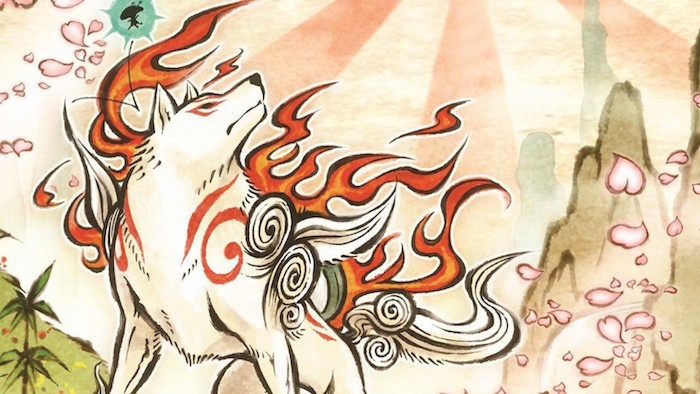
Amaterasu is a dog god… or maybe god dog? Either way, she’s based on an actual figure from Japanese mythology. The star of the colorful and iconic Okami, Amaterasu is trying to put a troubled past behind her, traveling the land to protect the innocent from the demonic forces of darkness. Not only that, but she creates some truly remarkable artwork along the way.
Also, if anyone from Nintendo is listening, we would love to see Amaterasu in Super Smash Bros.
Barbas- The Elder Scrolls V: Skyrim
Image courtesy Bethesda
When we first loaded up Skyrim on our Xbox 360, we never would’ve guessed that we would be making a new canine bestie.
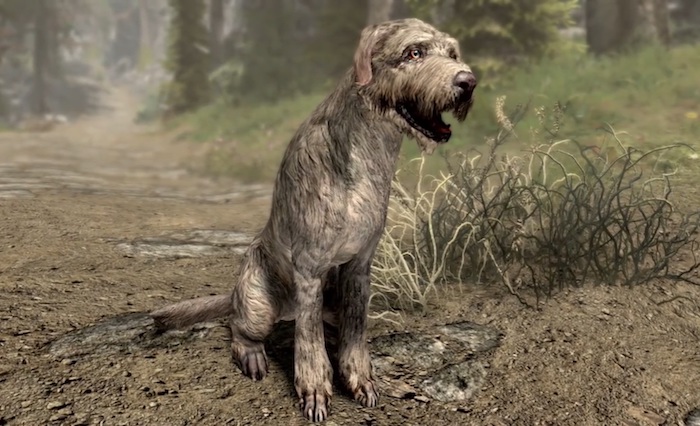
Barbas is everyone’s dream made a reality: a bonafide talking dog. Not only does this boy talk, but he’s also got jokes. His sarcasm is about as dry as it comes, and you’ll need to keep some Resist Fire potions on hand to deal with his steady stream of burns.
Sense of humor aside, Barbas is a good friend and companion, but unfortunately, you can’t keep him for long. Eventually, you’ll need to return him to his true master: the Daedric Prince Clavicus Vile, a god-like being who’s basically Skyrim’s version of Loki.
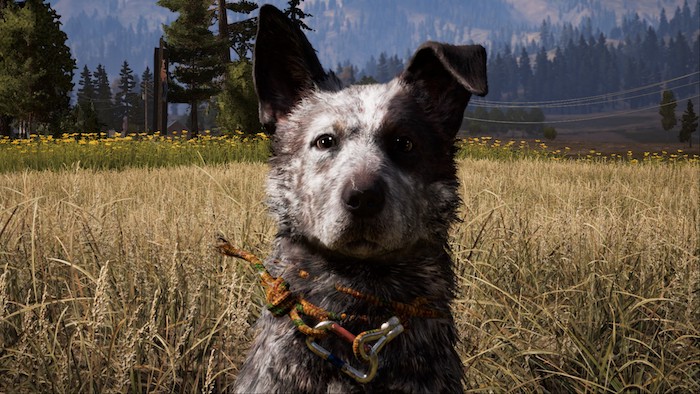
Boomer is four-legged proof that dogs really are man’s best friend. Whether it’s grabbing ammo and supplies from fallen foes, spotting enemies from afar, or ripping their throats out like he’s going after the squeaker in a new toy, Boomer is just about the best furry companion you could ask for. Though Far Cry 5 boasts an animal menagerie that includes a grizzly bear and a puma that you can keep as companions, Boomer is truly the leader of the pack. Such a good boy.
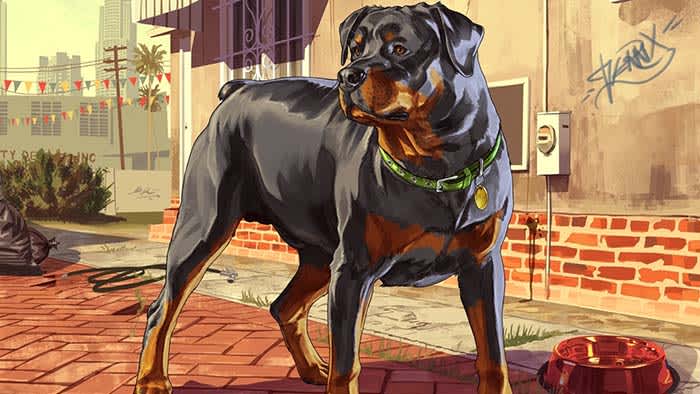
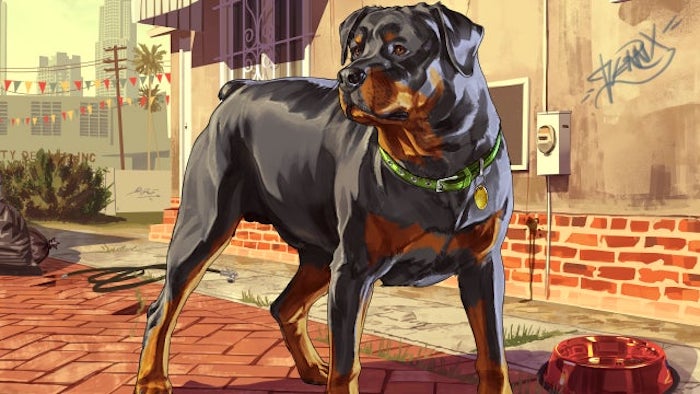
When you first meet Chop he’s a bit… rough around the edges. Franklin’s animal companion is about as in-touch with his “baser instincts” as an animal can get. That said, Chop grows as Franklin does, following him from his cramped room at his aunt’s house to a swanky new pad in Vinewood. Chop stays the same lovable goof at heart, though, and he’s always down for a walk around the block or a rousing game of fetch. If you run into any annoying joggers or vapid celebrities along the way, Chop will be there to show them what it means to be top dog in Vinewood.
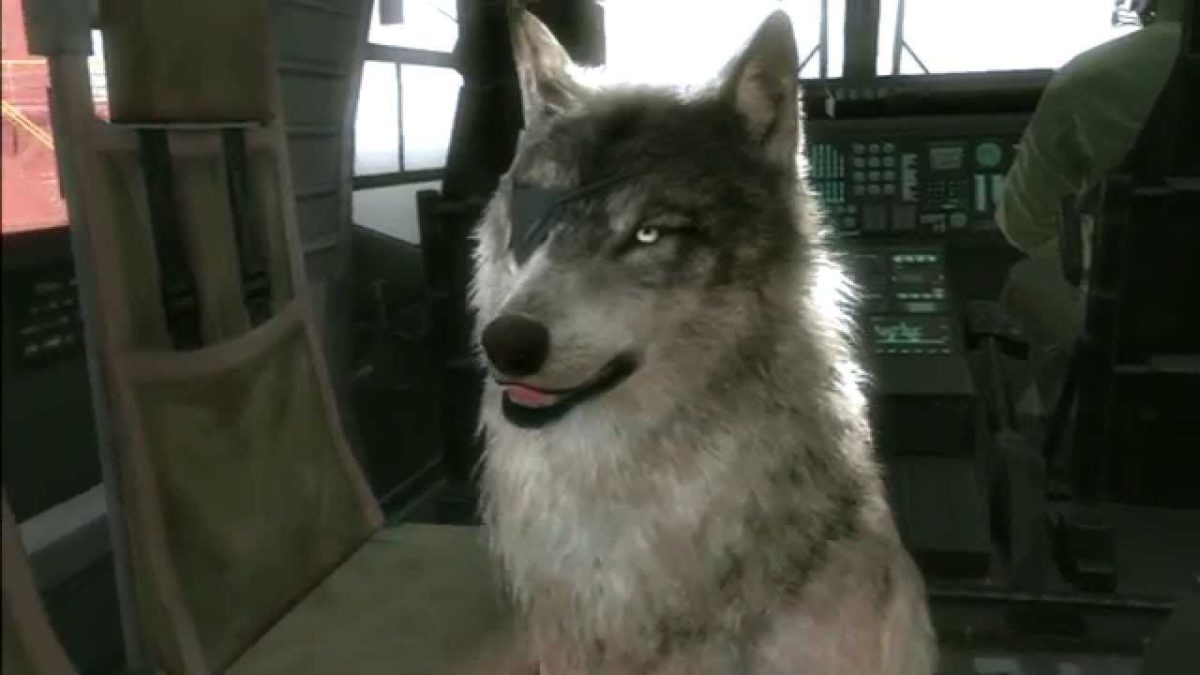
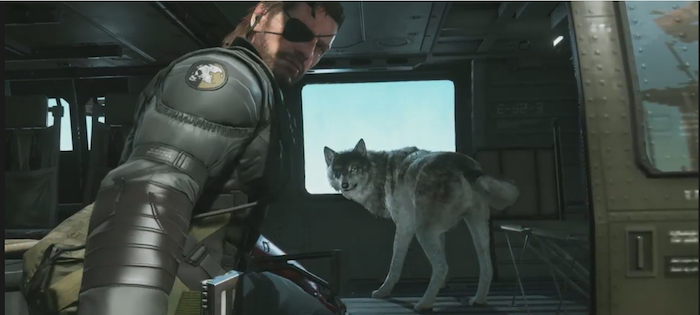
Though Riley may be the original special ops canine, D. Dog is the Big Boss. This scrappy mutt is found by Venom Snake in the dusty deserts of Afghanistan. The elite soldier rescues the one-eyed puppy and he soon becomes the beloved mascot of the Diamond Dogs, sporting an eyepatch just like his master.
You can dress him up in a whole wardrobe’s worth of sweet tactical gear, chance his appearance and coat, and give him all the head skritches you want even if you’re in the middle of a dangerous mission. There’s nothing more heartwarming than seeing an entire base full of hardened mercenaries acting like delighted little kids when they see D. Dog. He’s a good boy who will be by your side no matter what!
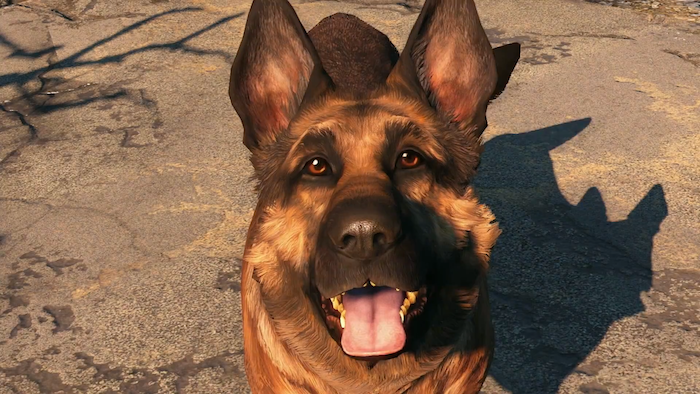
Honestly, is there any virtual dog out there that can top Dogmeat? Appearing in more than his fair share of Fallout titles, Dogmeat is your loyal companion throughout your expeditions in the post-apocalyptic wastelands of America. Dogmeat is down for just about any task that might come his way, from facing down super mutants to scavenging for supplies. You can even talk to this intelligent fellow, and though he may not be able to speak, he can offer some riveting insights into the world around him. Best of all, you can even give him his own doghouse as part of your buildable settlements in Fallout 4. You won’t want to go anywhere in the post-apocalypse without Dogmeat at your side.
So, were there any pixelated pups that we might have missed? Let us know in the comments and be sure to check back with Softonic for more Top Lists and other gaming-related goodness.
From the streets of Los Santos to the vampires and dragons of Skyrim, these worlds are a home away from home.
From underwater dystopias to snow-covered castles and tropical jungles, video games can take us places beyond our wildest dreams. While interesting characters and an intriguing plot are certainly important, oftentimes a game’s setting is what sticks with players long after they put down the controller. Here, we’re counting down 10 of the most iconic and unforgettable worlds in gaming history.
10 best video game locations
10. The City- “Mirror’s Edge”
Image courtesy EA
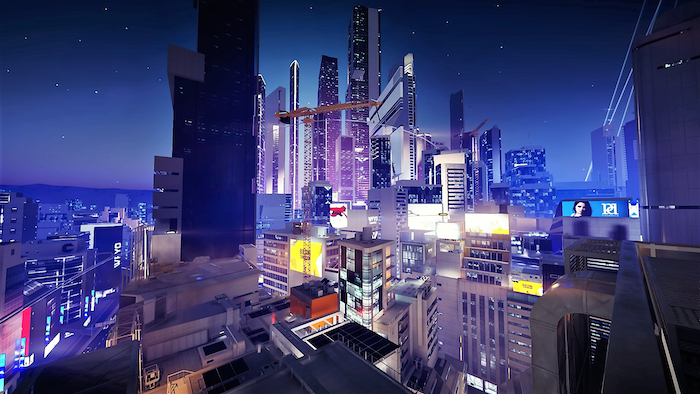
This futuristic sci-fi dystopia is a collection of clean lines and polished edges. Despite the City’s clean, shiny exterior it has a seedy underbelly that’s totally at odds with what lies on the surface.
Part of what makes The City such a distinctive location is the contrast of bright primary colors against a white backdrop. This creates some striking and unique visuals while also guiding players in their high-stakes freeruns.
The intricacies and unique visual styles of each district will make players want to return over and over again.
9. Talos Station- “Prey”
Image courtesy Bethesda
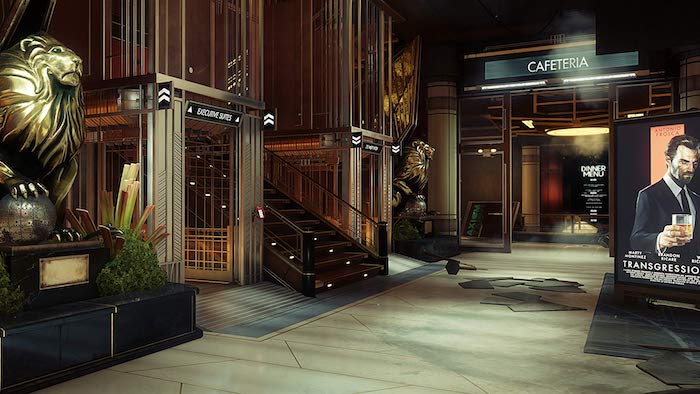
Talos Station is the orbital headquarters of the Transtar Corporation, a futuristic conglomerate with their hands in everything from genetic modification to heavy industry and space travel. It stands to reason that their corporate headquarters is a lavish monument to their power.
Combining a distinctly 60s aesthetic with the sci-fi stylings of a space station, walking through the halls of Talos will make players feel like Don Draper in space. That is, of course, if they can stay alive long enough against the extraterrestrial beings that have slaughtered the station’s inhabitants.
8. Libertalia- “Uncharted 4: A Thief’s End”
Image courtesy Naughty Dog
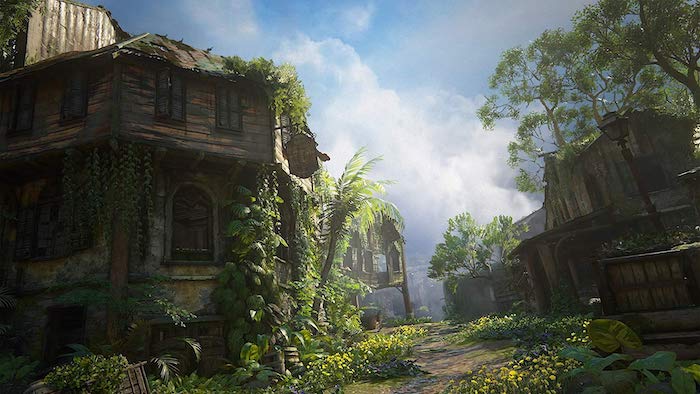
Much of the fourth Uncharted title is spent pursuing the location of the legendary pirate haven known as Libertalia. When players finally manage to lay eyes on this mythical location, the breathtaking vistas make the hunt more than worthwhile.
There’s something rather poignant about seeing the once vibrant pirate town decaying and empty, slowly being overtaken by jungle plants. The crumbling wooden buildings and decrepit stone mansions of the pirate lords have an almost supernatural effect that will have players yearning for a return to the freedom-filled golden age of swashbucklers and rogues.
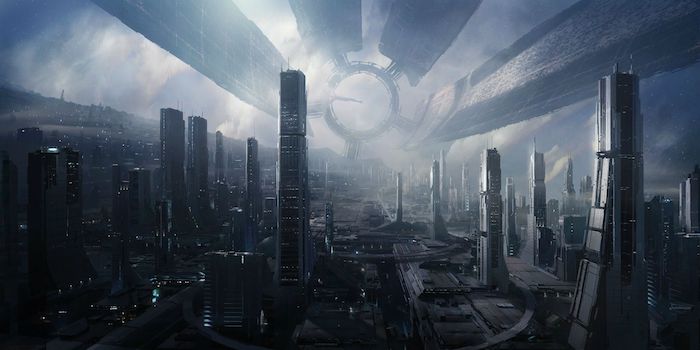
7. Milky Way Galaxy- “Mass Effect Trilogy”
Image courtesy EA
Making an entire galaxy into a memorable setting is no small feat, but Mass Effect does so with ease. With hundreds of planets to explore, each world has its own distinctive feeling and setting. From the seedy underworlds of Omega to the stalwart spires of the Citadel, each world has its own unique flavor that soon makes a massive galaxy feel like home.
With unique alien races and rich lore to provide a backdrop to these sci-fi worlds, players will want to return to the world of Mass Effect over and over again.
Top 5 greatest multiplayer shooter maps in video game history
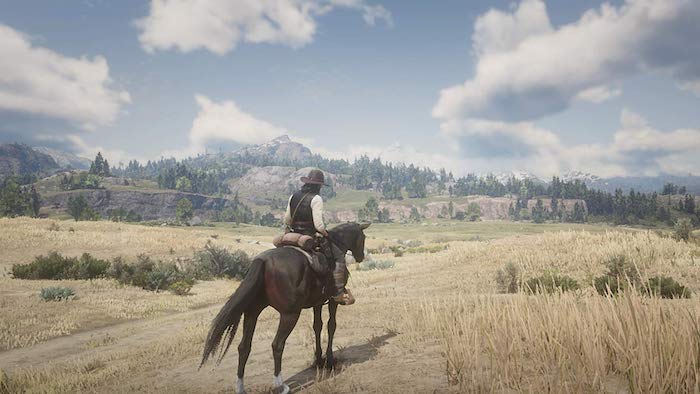
Though the world of the original Red Dead Redemption was groundbreaking in its own right, Red Dead Redemption 2 took that world to the next level. Set in America at the turn of the century, players are able to explore a huge map filled with fictional analogs to real-life locations in the United States. Players can wade through the humid swamps of Lemoyne or brave the howling winds and peaks of the Grizzlies.
They can also head to bustling modern metropolises like Saint Denis or rough and tumble frontier towns like Armadillo. Every corner of the world feels fully realized and full of life. Players could explore for hours and still not come close to experiencing everything the world of Red Dead 2 has to offer.
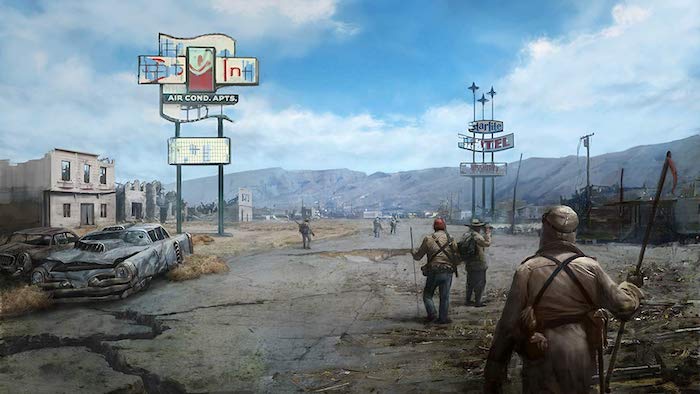
Set in an alternate timeline where the world fell to ruin after a catastrophic nuclear war, the survivors emerged hundreds of years later to rebuild society. Fallout New Vegas is set among the scorching deserts of the American southwest, and particularly the area surrounding the ruins of Las Vegas.
Now called New Vegas, the city is a neon-lit reimagining of a post-apocalyptic gambler’s paradise. The contrast of glitzy casinos and crumbling bombed-out buildings offers a truly unique visual, and the wasteland ruins surrounding New Vegas are filled with secrets and plenty of opportunity for adventure as well.
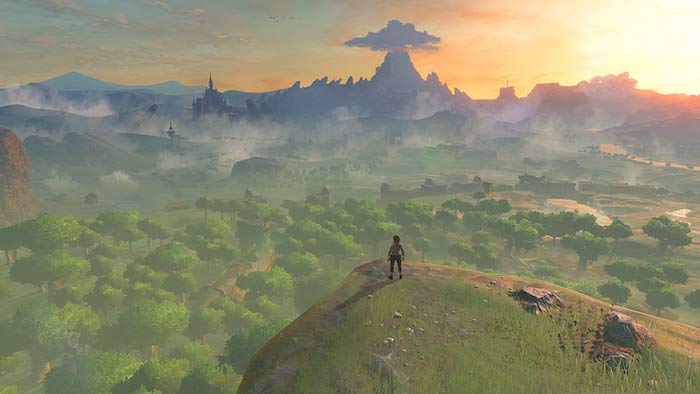
Though gamers have been visiting the mythical kingdom of Hyrule for quite some time now, Breath of the Wild showcased this familiar world in a way that has never been seen before.
The entire kingdom is open for players to explore in any way they so choose. Though the game’s plot is certainly riveting, wandering through the lush forests and verdant fields of the game world is a huge part of what made Breath of the Wild into an instant classic.
The Legend of Zelda: Breath of the Wild gets a sequel
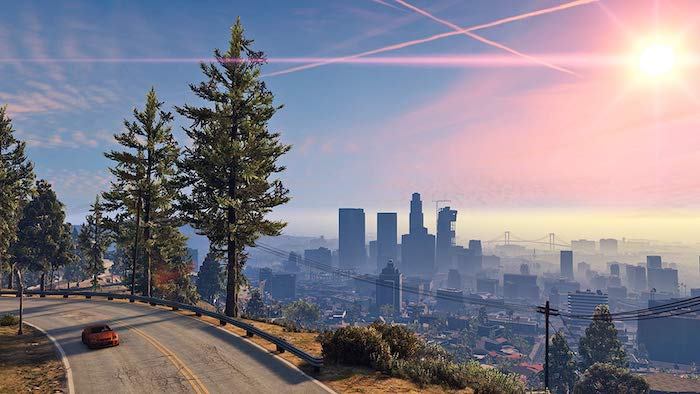
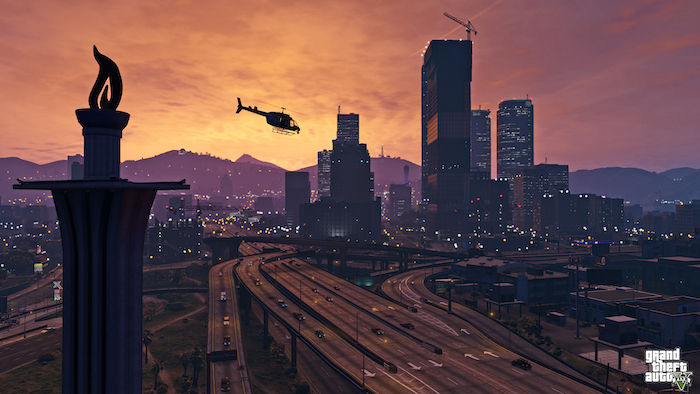
Los Santos is a fictionalized version of the real-life Los Angeles, but as per usual with Rockstar, the fictionalized city is just as full of life as its real-world counterpart. Players can explore the sun-drenched metropolis in the game’s superb campaign or take to the streets in online mode to make a living as the next big criminal kingpin.
Whether it’s bombing down streets in exotic supercars or navigating backcountry roads on a dirtbike, the world of Los Santos offers endless hours of fun and mayhem for any wannabe crime lord. Now if only we knew something about the world in Grand Theft Auto VI.
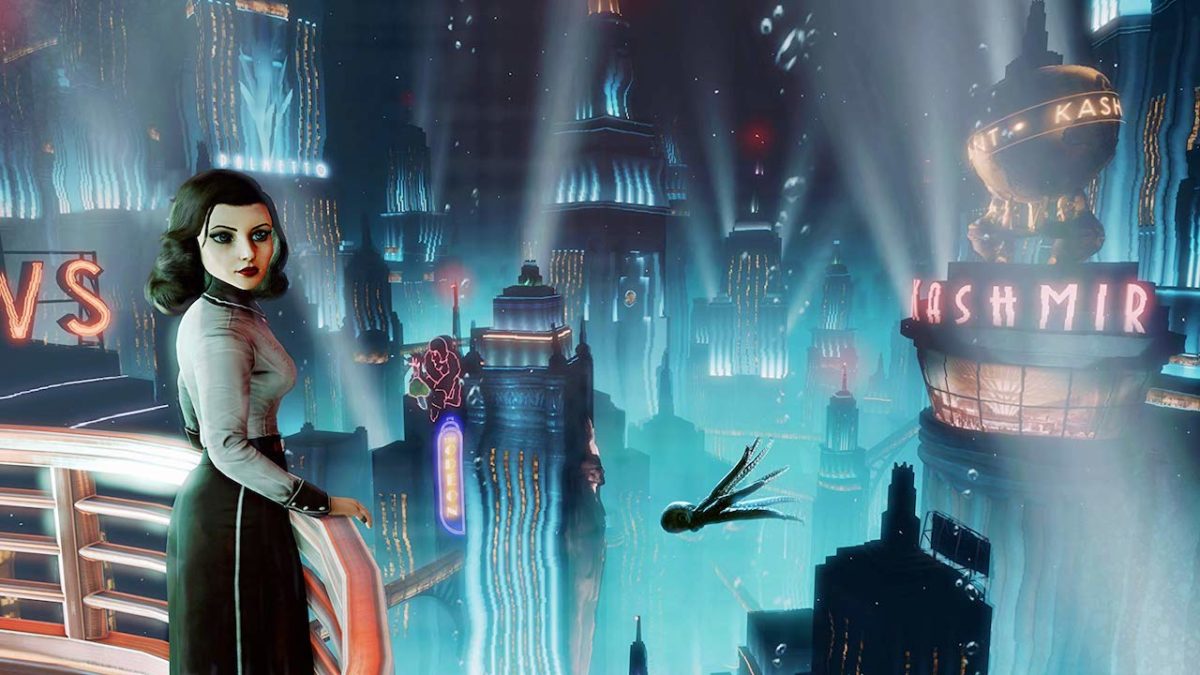
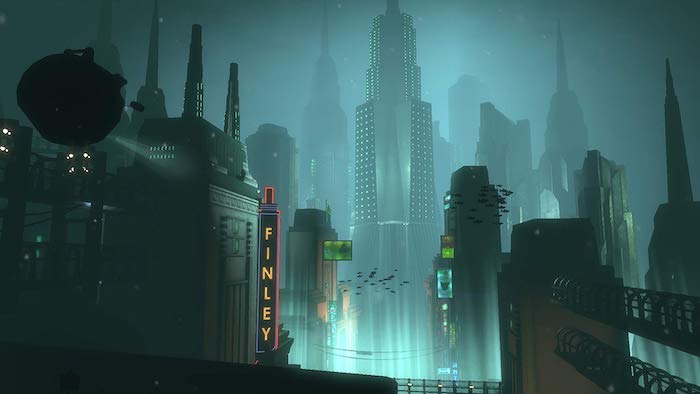
When Rapture was first introduced to the gaming world 12 years ago, it left an instant impression on the mind of every gamer.
This underwater metropolis was the brainchild of unscrupulous industrialist Andrew Ryan. He envisioned a hyper-capitalist society free of the bounds of the surface world and put his vast fortune to use building this art deco city beneath the frigid waters of the North Atlantic.
Unfortunately, this vision of an Ayn Rand inspired paradise soon fell to pieces after Rapture’s inhabitants lost their minds as the result of an experimental genetic modification technology. Exploring the twisted remnants of this blood-spattered, luxurious paradise provided some haunting moments and chilling settings that made an indelible mark on the gaming world.
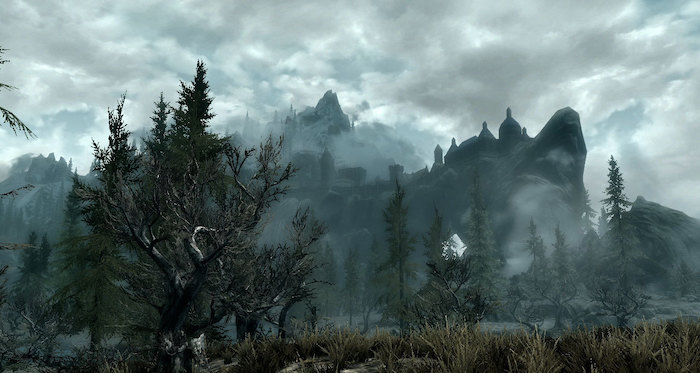
Experiencing the rich fantasy world of Skyrim is probably as close as most people will come to living out an episode of “Game of Thrones.”
Accompanied by Jeremy Soule’s epic soundtrack, players can fight dragons, wizards, and bandits among the bleak and beautiful snow-covered peaks of Skyrim. Whether saving a town from vampires or honing their magic skills at the College of Winterhold, the province of Skyrim provides almost infinite opportunities for adventure and exploration.
Though the real world might be boring at times, any gamer knows that an instant vacation is only seconds away. By simply picking up a controller and turning on a TV screen, a whole host of fantastic and iconic worlds are available to experience. So, were there any locations we overlooked? Let us know in the comments, and check back with Softonic for all the latest gaming news and other gaming content.
Gambling minigames are coming to Grand Theft Auto Online!
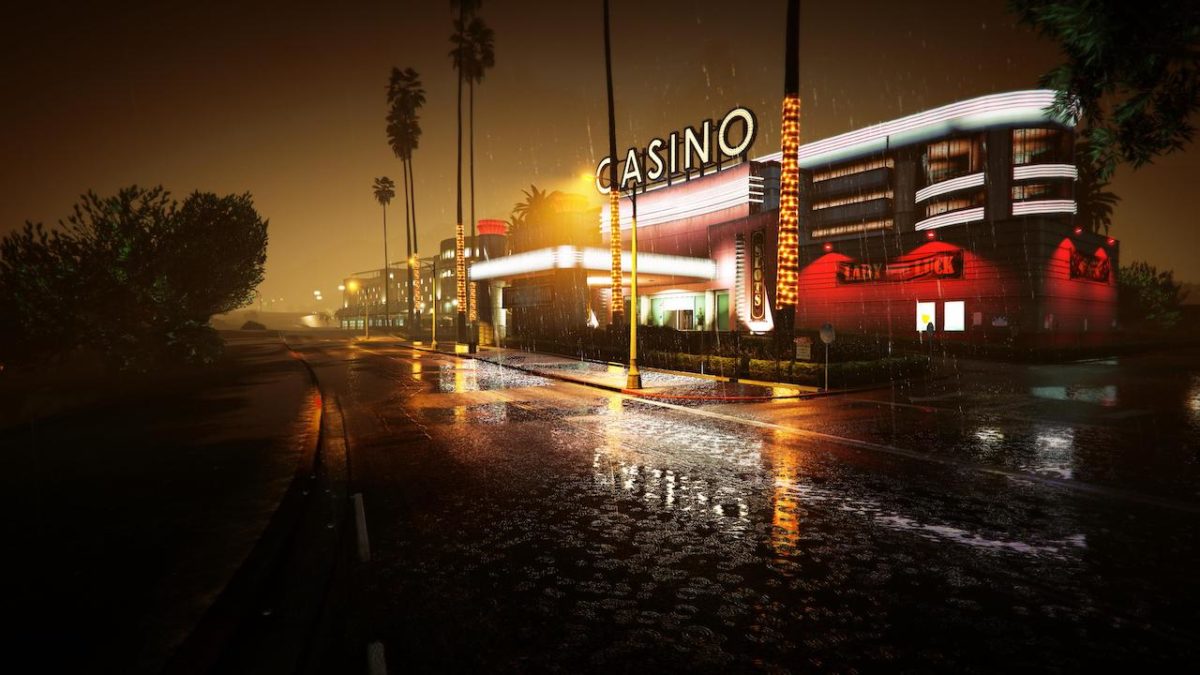
Grand Theft Auto Online players have been clamoring for a casino ever since the game hit shelves several years ago. The empty casino building, present in the game since launch, has been taunting players with the promises of high stakes gambling for some time. Now, it appears that the vacant casino is finally about to come to life, with Rockstar teasing the addition of a glitzy and glamorous gambling paradise in a forthcoming update to GTA Online.
GTA Online is finally getting a casino
Image courtesy Rockstar
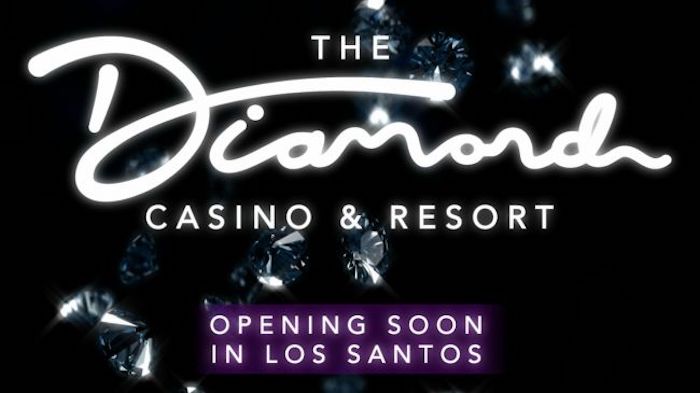
In late June, Rockstar took to Twitter to tease the forthcoming Diamond Casino & Resort. According to Rockstar, the casino will be “a brand-new luxury destination and the largest mass entertainment complex of its kind in Southern San Andreas.”
The Diamond Casino & Resort – a brand-new luxury destination and the largest mass entertainment complex of its kind in Southern San Andreas – opening its doors to one and all later this summer.https://t.co/VJFampsWorpic.twitter.com/9SGWcOyHhd
Aside from this tantalizing teaser, Rockstar hasn’t offered much in the way of specifics when it comes to gameplay or actual features. That said, Rockstar is no stranger to gambling minigames. Red Dead Redemption players will know that classic casino staples like Blackjack, Poker, and a variety of dice games are all present in the single-player campaign.
Image courtesy Rockstar
In addition, Red Dead Online recently introduced multiplayer poker tables to the game world. It seems like a safe bet that players will see similar games in Grand Theft Auto’s casino as well. Rockstar has also teased something called “spinning the Lucky Wheel.” While we don’t know exactly what this entails, it seems to indicate a suitably high stakes roulette game. We’re envisioning vast sums of money, cars, and even property as potential prizes.
Aside from the standard slate of casino games, some data miners have reportedly found hints in the game files that indicate horse racing may also be added in the casino update. That would make sense, as the casino just so happens to be located next to a fully equipped horse racing track. In addition to betting, Rockstar has stated that the casino will include high-end luxury shopping and hotel rooms, valet parking, as well as a selection of bars and lounges. Rockstar seems on track to bring a taste of Vegas directly to the world of GTA Online.
Despite the announcement, much about the casino still remains uncertain. Rockstar has yet to announce an official release date for the update but has stated the casino will open before the summer is over. That’s still quite a large window, as summer doesn’t officially end until Sept. 23. Despite the lack of a release date, data miners have again delved into the game files to find that updates will be slowly rolling out over time:
There were rumors that GTAO Next Update will feature the casino, I can confirm it. Just now, R* have updated the background script to set specific dates that will apply changes to the casino. You'll notice changes happening near the casino as we move closer to release.#GTAOnlinepic.twitter.com/nPb4V9OVg3
Interested players should stop by the in-game casino from time to time to watch the progress on the construction as the building nears opening. Based on these hints, it seems likely that the appearance of the building itself will be receiving a massive overhaul.
We also have yet to receive news about any other content included with the update, such as outfits, vehicles, and other casino-themed items. Knowing Rockstar, however, these items will doubtless be coming out alongside the release of the full update. If Rockstar follows the pattern, players can also expect to see cash rewards and other in-game bonuses in the lead-up to the casino’s launch.
GTA Online players can check back with Softonic for more casino news as it gets revealed, as well as other updates on GTA Online and the forthcoming GTA 6.