The year 2002 marked a significant milestone in the world of video games with the release of Medal of Honor: Allied Assault, a title that stood out for its cinematic representation of World War II. This game not only won the award for Best Action Game of the Year but also left an indelible mark on the industry. It is interesting to remember that its development was handled by 2015, Inc., a studio that was sidelined by Electronic Arts (EA) when it chose to bring the development of its Medal of Honor games in-house. Vince Zampella, the […]
The year 2002 marked a significant milestone in the world of video games with the release of Medal of Honor: Allied Assault, a title that stood out for its cinematic representation of World War II. This game not only won the award for Best Action Game of the Year, but it also left an indelible mark on the industry. It is interesting to remember that its development was handled by 2015, Inc., a studio that was sidelined by Electronic Arts (EA) when it chose to bring the development of its Medal of Honor games in-house.
Vince Zampella, the great architect of contemporary FPS
EA’s decision not to retain the 2015 team, which included development director Vince Zampella, allowed for the creation of Call of Duty, one of the most successful franchises in the history of video games. Zampella and part of his team joined Activision to found Infinity Ward, where they brought Call of Duty to life, a game that introduced multiple protagonists and different perspectives on war, something that became a hallmark of the series.
Recently, Zampella has returned to EA as the head of the Battlefield franchise, reigniting the rivalry between these two companies. Battlefield 6, its latest title, has reached an impressive peak of 747,000 players on Steam, placing it among the top 20 games of all time on the platform. This remarkable figure suggests that EA may have shifted its focus towards developers, allowing Battlefield to regain its prominence in the shooter sector.
The history of the video game industry can be unpredictable, and what started as an unfortunate business decision for EA has led to a rewarding rivalry that continues to capture the attention of players around the world. With Zampella’s return to EA, we may see a revitalization in both Battlefield and the relationships between these two iconic video game companies.
Since the creation of the Marvel Cinematic Universe, the connection between the films and their narrative has been a fundamental pillar in the fans’ experience. However, in recent years, there has been a growing perception that the quality of the productions has significantly decreased since the culmination of the Infinity Saga. This decline seems to have affected not only the cohesion of the stories but also the depth of the characters and the plots. An element of narrative that has been there since the beginning A revealing example can be found in Iron Man 2, where Tony is shown […]
Since the creation of the Marvel Cinematic Universe, the connection between the films and their narrative has been a fundamental pillar in the fans’ experience. However, in recent years, the perception has grown that the quality of the productions has significantly decreased since the culmination of the Infinity Saga. This decline seems to have affected not only the cohesion of the stories but also the depth of the characters and the plots.
A narrative element that has been there from the beginning
A revealing example can be found in Iron Man 2, where Tony Stark is shown reviewing his father Howard Stark’s research notes. This scene, which takes place at minute 1:13:55, may seem trivial to those unfamiliar with the physics and science behind the Tesseract, but it is key to understanding the subsequent events in Infinity War and Endgame. Howard’s notes reflect his attempt to unravel the complexity of the Tesseract, an artifact that plays a crucial role in the MCU saga.
Howard Stark, in his quest to understand the Tesseract —later known as the Space Gem— realized that his knowledge was insufficient and decided to delegate his research to his son. This legacy became the foundation for many technological advancements that Tony would apply, not only in his suits but also in other scientific developments that would impact the world. However, despite this rich history, the contemporary narrative in the MCU seems to lack the subtlety and attention to detail that characterized the Infinity Era.
With the new titles, many fans express their nostalgia for an era when the connections within the universe were meticulously mapped out. As the MCU progresses, the question arises: can the upcoming installments recapture the magic and complexity that defined its beginnings?
Everything you need to know about the most fearsome weapons in the galaxy.
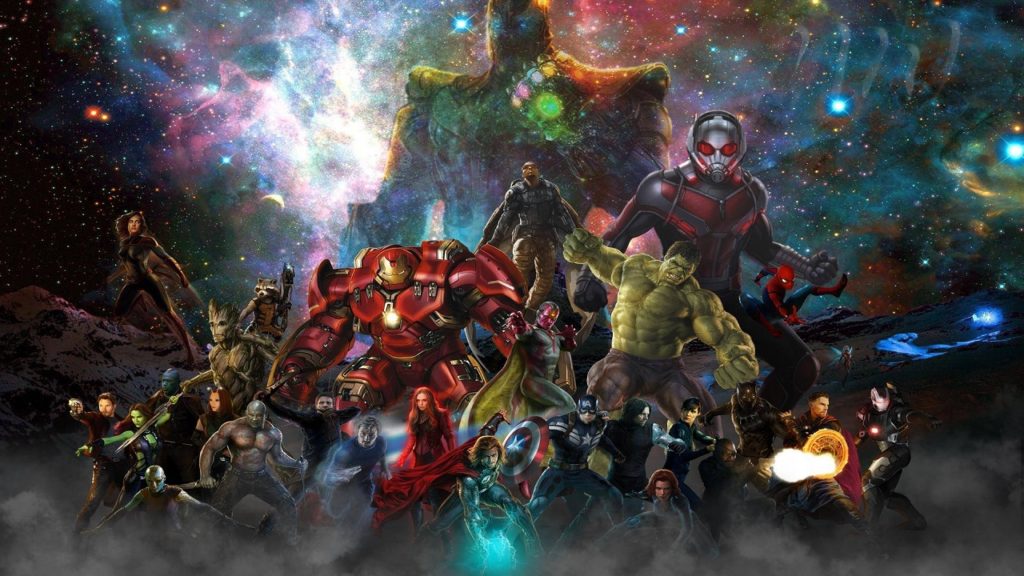
To the average person, trying to assemble a rock collection doesn’t sound like a very evil thing to do. To the Marvel fan, however, saying you want to collect the Infinity Stones raises as many red flags as running around screaming “Hail Hydra!” or “the Skrull are coming!” As Kevin Feige has been saying the past 11 years, “It’s all connected.” All 20 films starting with “Iron Man” and ending with “Captain Marvel” (with more yet to come) exist in the same continuity as each other, all pushing the meta-narrative towards greater heights, danger, and box office records.
Lurking in the background – and finally taking the forefront in “Infinity War” – are the Infinity Stones. Whether you’re new to the MCU or are a veteran trying to refresh your memory, here’s a quick rundown of any and everything you need to know about these uber powerful, all-encompassing, planet-melting plot devices.
** HUGE SPOILERS BELOW **
Ultimate Guide to Marvel’s Infinity Stones
Where did the Infinity Stones come from?
As The Collector excitedly explains, the Infinity Stones were created with the big bang. They are remnants of the beginning of the beginning, possibly (though unconfirmed) created by four Cosmic Entities: Infinity, Eternity, Entropy, and Death.
The explosion propelled the six stones apart, scattering them across the universe. Only beings of great strength are able to hold them, with fewer still able to actually use them. Eson the Searcher was one such being (shown in the video holding the purple stone) able to do so, and destroyed an entire planet.
And he only had one of them. Shortly after the beginning of “Infinity War,” Thanos has two.
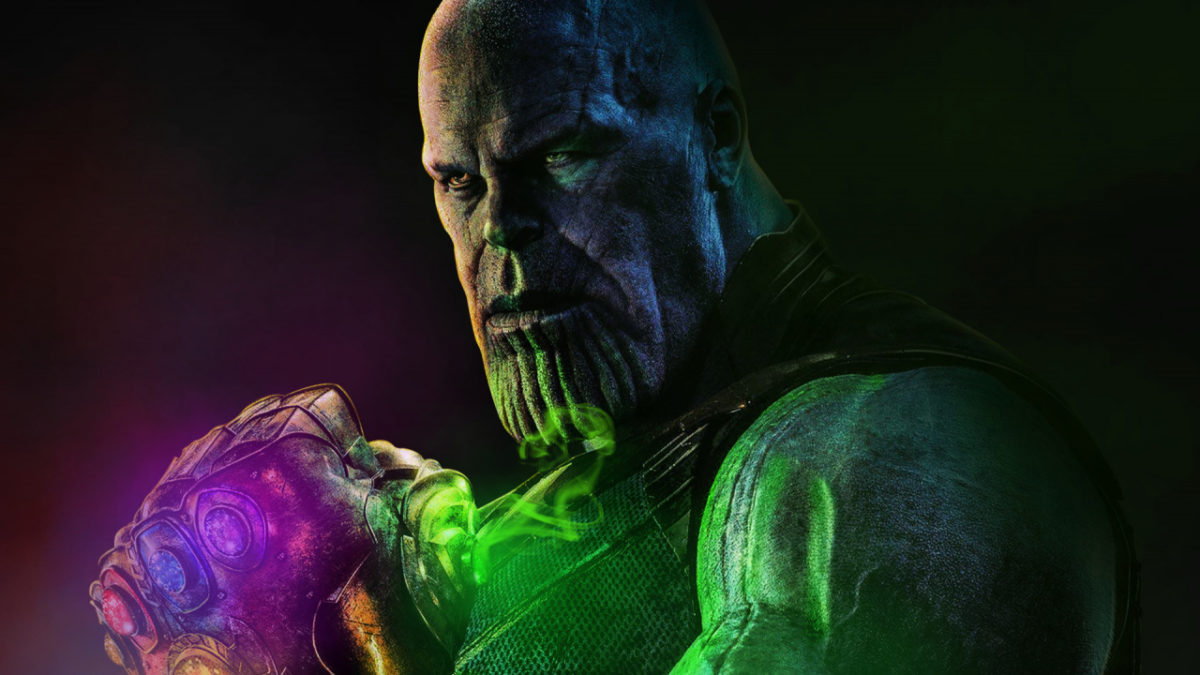
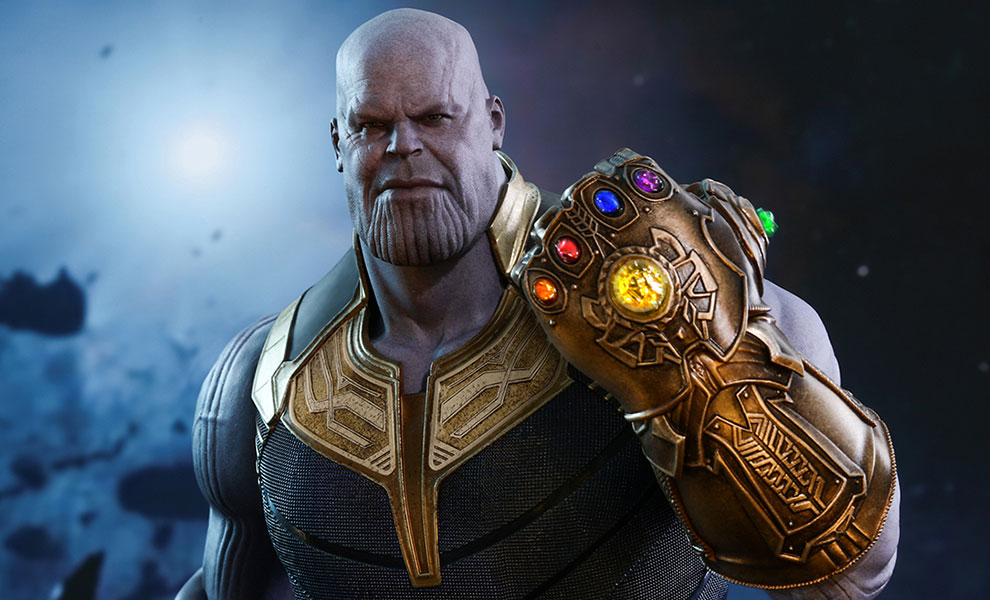
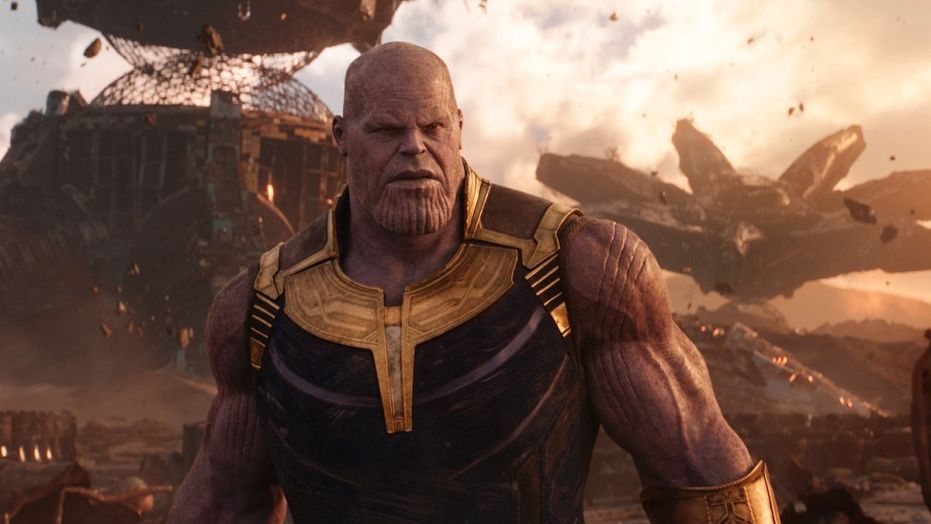
With the power of the Infinity Gauntlet, Thanos can harness the power of all six stones combined, making him capable of virtually anything – even destroying half of all life in the universe.
The Infinity Gauntlet helps Thanos control the power of all the stones simultaneously
What do the Infinity Stones do?
Each Infinity Stone is a capsule of vast power related to its namesake. The way this is portrayed in the MCU is as follows:
Space Stone
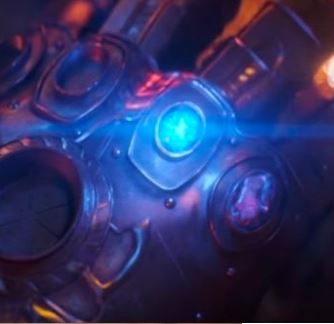
The Space Stone was housed inside the Tesseract
The blue Space Stone is the one we’ve seen the most. Red Skull tried to utilize its abilities in “Captain America: The First Avenger”, but Hydra did not truly understand what they were dealing with. As such, the stone jettisoned Red Skull into space where he wouldn’t be heard from for decades … or 18 movies.
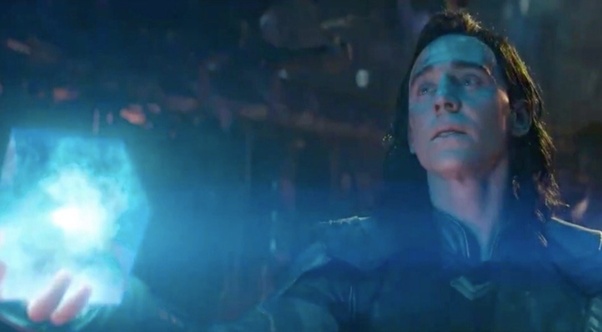
The Space Stone was also in the Tesseract, which played a vital role in “The Avengers,” where it served as the gateway by which Loki was able to travel to Midgard with an army of angry Chitauri.
This stone grants Thanos the ability to warp space, teleporting from planet to planet like it’s nothing. It also allows him to open portals so he can phase in and out of locations, evade attacks, and – when combined with the Power Stone – even throw moons at people.
Power Stone
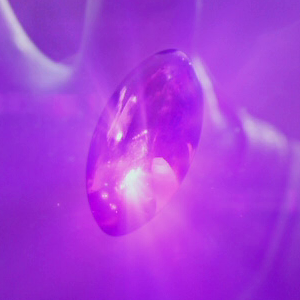
Rocket wanted to sell this orb to The Collector.
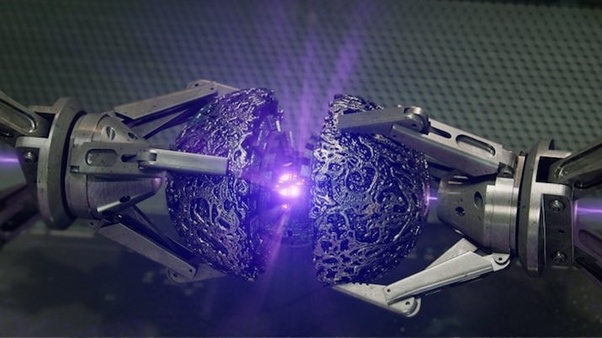
The Power Stone was the plot device in the first “Guardians of the Galaxy” film, the small purple stone that Star Lord stumbles upon at the start of the story. Ronin the Accuser was sent to deliver the stone to Thanos, but jealously kept it for himself.
The Power Stone serves as sort of an unbridled battery, a turbocharge that by itself is the pinnacle of raw untamed energy – the kind that can destroy planets with a single hit. It allows Thanos to shrug off mighty attacks, hit harder than anybody else, and let loose deathly energy strong enough to overpower even Iron Man.
When it’s combined with other stones, however, the Power Stone really hits its stride. Imagination is the limit when you combine immense power with the ability to tear holes in space, turn back time, or warp reality. At the start of “Infinity War” we learn that Thanos has already taken the stone from the Xandar government, where the Guardians of the Galaxy left it to be safeguarded. At the start of the film, Thanos is already in possession of it.
Reality Stone
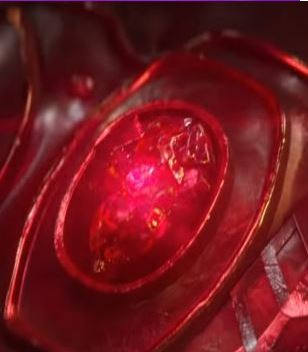
The Reality Stone was the aether from Thor: Dark World
We first saw the red Reality Stone in a strange liquid form known as the aether in “Thor: The Dark World.” As with Red Skull and the space stone, when an Infinity Stone falls into mortal hands who don’t know what they’re dealing with, things get … weird.
“Dark World” showed the Reality Stone to be incredibly unstable, causing wormholes and rifts to open – kind of like a Space Stone that can’t get its act together. In Thanos’ hands we get a clearer idea of just what it is the Reality Stone can actually do: Create powerful and complex illusions, and temporarily alter reality to appear the way you want.
The stone can also be used in combat to pretty scary effect – effortlessly turning people into silly piles of geometric shapes and inanimate objects.
Time Stone
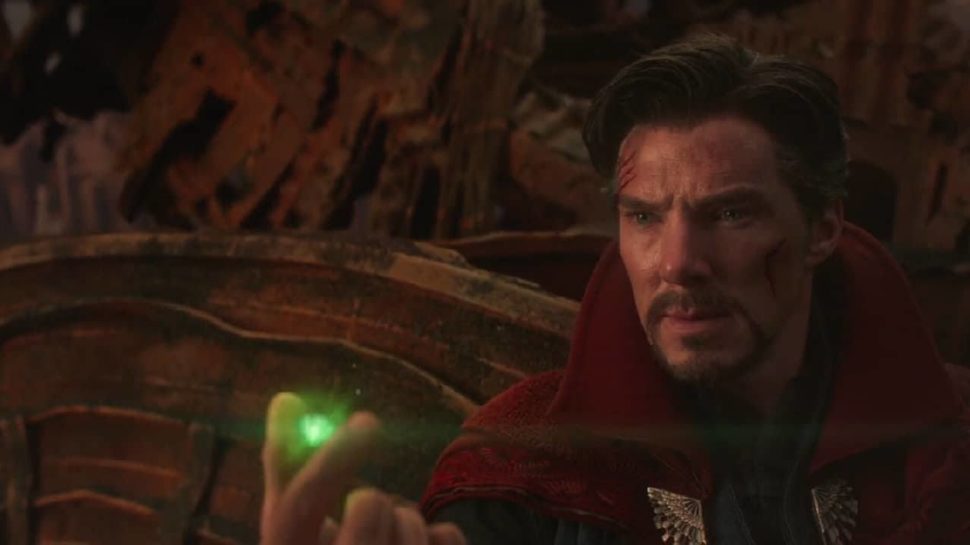
The Sorcerer Supreme must guard the Time Stone with his life
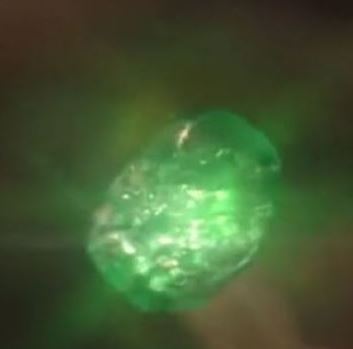
The green Time Stone was introduced in “Dr. Strange” as the power housed in the Eye of Agamotto. Arguably the most powerful stone of the bunch, the Time Stone lets the user travel back and forth in time on a whim, making them capable of undoing literally anything.
Dr. Strange used the powers of the time stone to defeat Dormammu by forcing him into an endless stalemate where he could return from death indefinitely. During the battle on Titan, however, the Doctor conceded the stone to Thanos in exchange for him sparing Tony Stark’s life.
Mind Stone
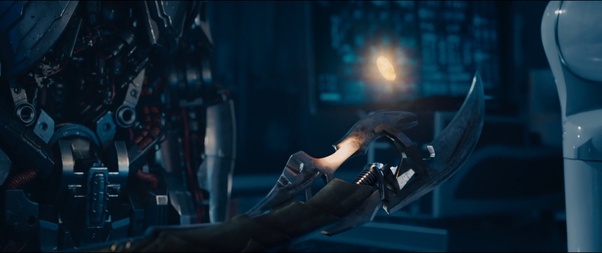
Remember how the Avengers got angry when they stood near Loki’s scepter?
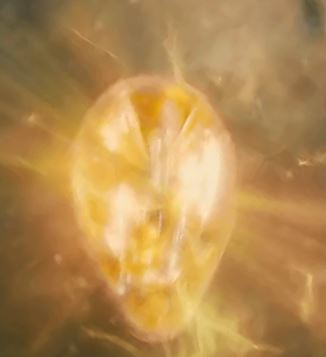
We’ve seen the yellow Mind Stone in “The Avengers,”“Age of Ultron,”“Civil War,” and “Infinity War,” though it’s changed hands a number of times. It was first given to Loki at the start of “Avengers” as a scepter – a weapon with which he could conquer Earth. The scepter allowed Loki to do two things: Fire powerful blasts of energy, and corrupt the minds of anyone he chose.
Poor Hawkeye. At the end of “Avengers,” the scepter was taken, eventually falling to Hydra following the events of “Captain America: Winter Soldier.”
The Avengers were able to retrieve the scepter at the start of “Age of Ultron,” but once the mad robot was unshackled, he broke the Mind Stone out of the scepter and implanted it into the yet-to-be-born Vision, a synthetic entity meant to be his replacement.
The Vision used the stone over the course of the movies to deadly effect until the closing events of “Infinity War.” Vision was destroyed by Thanos, and the Mind Stone taken – it was the final stone Thanos needed.
Soul Stone
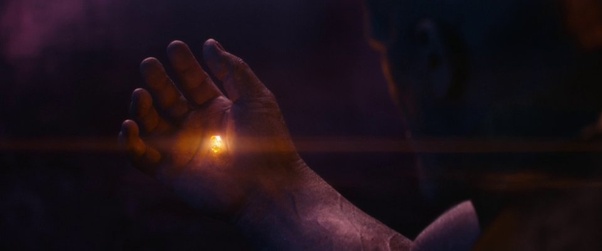
Thanos had to sacrifice one he held dear to acquire the elusive Soul Stone
The orange Soul Stone is the most mysterious of the bunch, and is the only one whose powers have not been expressly stated. Before “Infinity War,” Marvel fans were clamoring for any details on the stone’s location, often leading to outlandish theories. As it turns out, the only one who knew the location of the final stone was Gamora, who had earlier discovered it on the planet Vormir.
Thanos took Gamora to the planet and found it to be the place where Red Skull was transported so long ago. Red Skull revealed to him that the stone would only come to him at the price of something he cared deeply about. Thanos was forced to kill his own daughter on the spot in pursuit of the stone.
What does the Soul Stone do?
What the Soul Stone is capable of is up to speculation, but chances are, it was the stone most responsible for the ‘deaths’ of so many character at the end of “Infinity War.” Since we’ve already gotten a trailer for “Spider-Man: Far from Home,” it’s probably safe to say that many of the roster will be returning shortly.
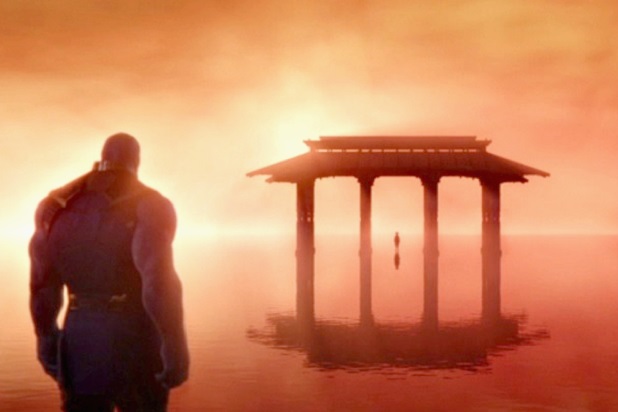
The stone is a purgatory for captured souls, but is also so much more.
The directors of “Avengers: Endgame”have already confirmed that the orange location we witnessed at the end of Infinity War is indeed Soul World, a dimension housed inside the Soul Stone. Expect to see Soul World play a big role in “Endgame,” and we’ll likely be seeing many ‘deceased’ characters make an appearance there. At least until something – or someone – can free them.
Stan Lee masterclass: How to create a good villain
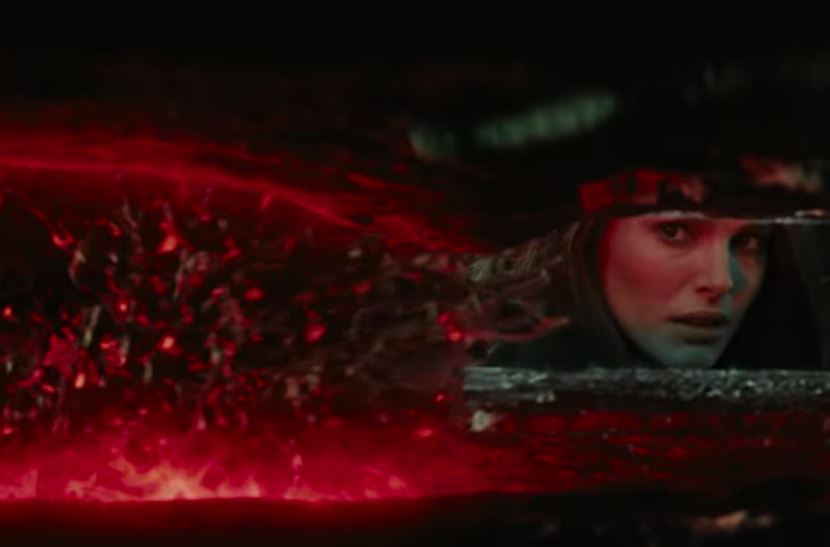
They are not. This was confirmed towards the end of “Infinity War” when we saw Scarlet Witch use her powers to explode the mind stone, killing Vision in the process.
While they can be destroyed, it takes a lot of power to be able to do it. So far, Scarlet Witch remains the only example, but there could well be others.
Can Infinity Stones be reversed?
Yes, they can. Immediately upon arriving in Wakanda, we see Thanos casually remark about the pointlessness of Vision’s death … as he uses the Time Stone to bring him back to life before ripping the Mind Stone from his head.
We hope this guide has brought you up to speed on one of the most pivotal continuity elements in the MCU, and are eager to see what’s in store come April 26 with “Avengers: Endgame.”
Let us know in the comments below what you think we’re in for, and what you think the Soul Stone will do!
Where did these 4 Spidey suits come from? Here’s the comic book backstory.
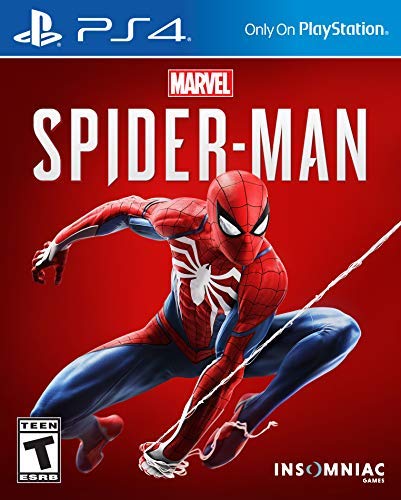
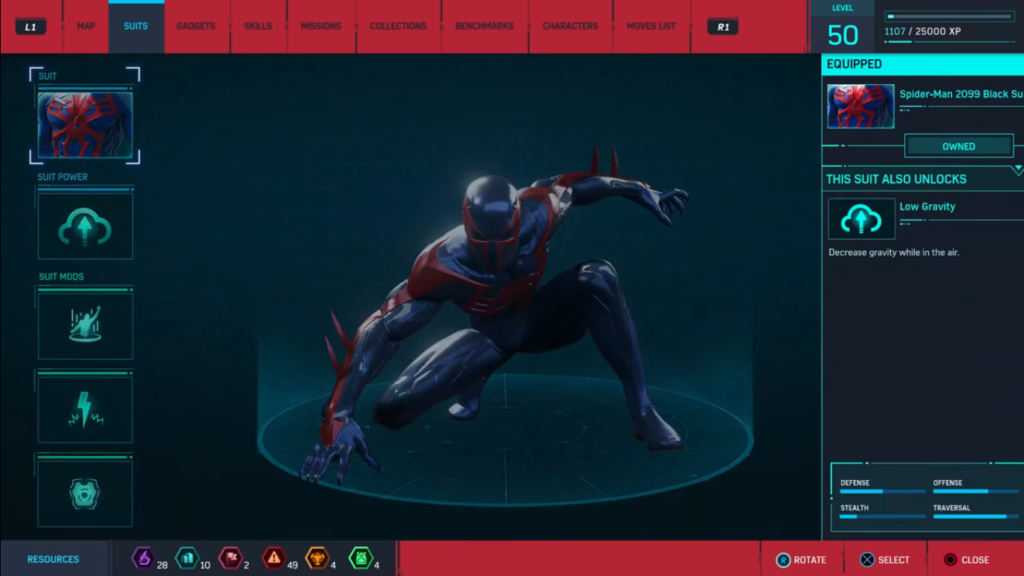
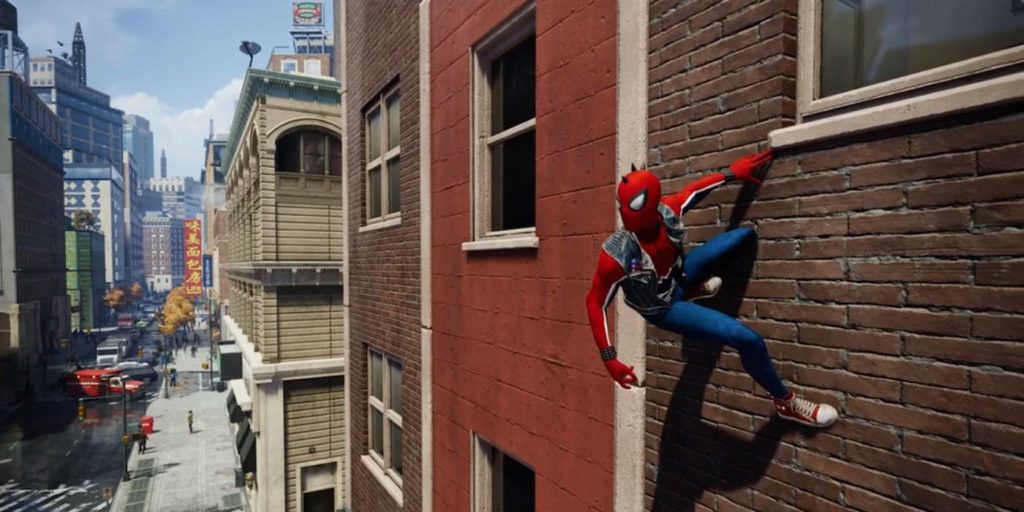
Insomniac’s Spider-Man for PS4 has been a massive success, and for good reason. The game was clearly made by and for Spider-Man fans, and Insomniac went above and beyond in representing the beloved character’s decades of history. One of the coolest ways Insomniac pays homage to the wall-crawler is through the unlockable alternate costumes. Below we’ll show you some of the coolest ones you can unlock and talk about the comics that they came from.
The comic book origins of the coolest costumes in Spider-Man PS4
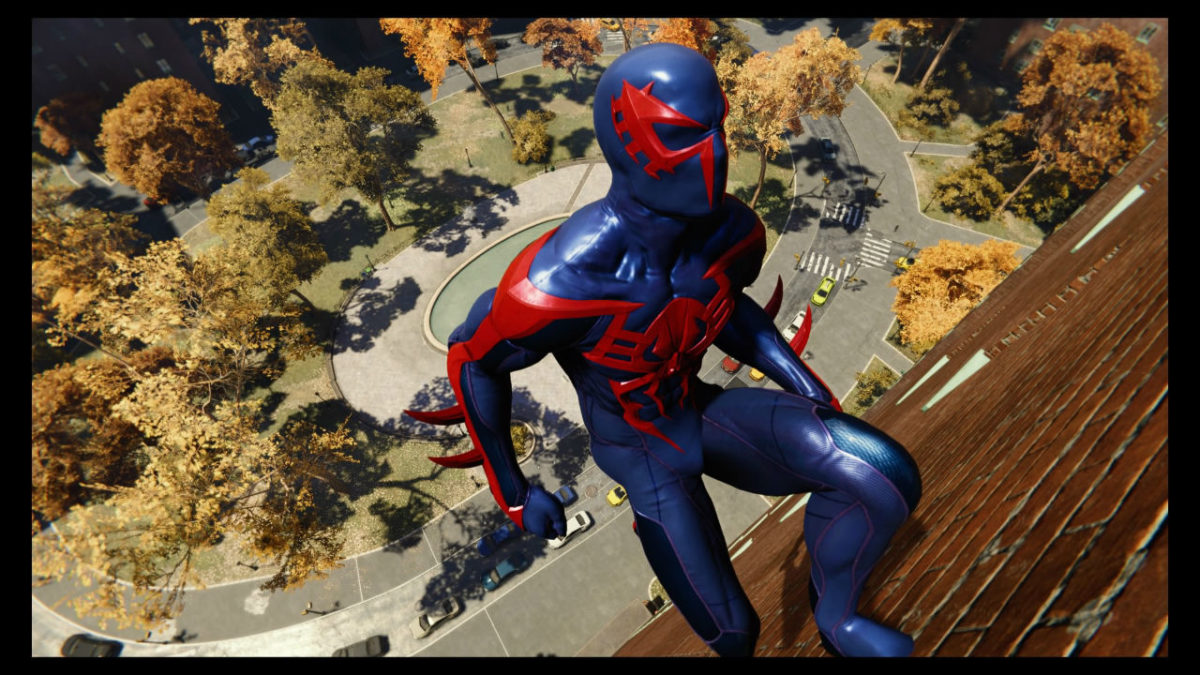
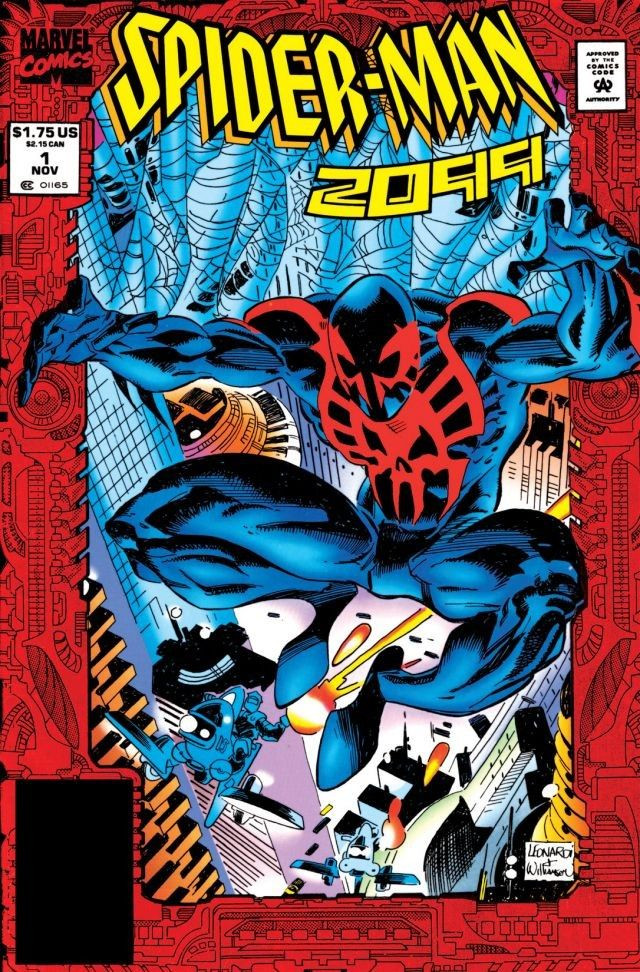
Spider-Man 2099
Spider-Man 2099 is the main star of his eponymous book in the Marvel 2099 comic line. Set in a dystopian cyberpunk future where most Marvel heroes are long gone, Spider-Man 2099 is the alter ego of Miguel O’Hara, a scientist who works for the evil megacorporation Alchemex. Miguel is a self-absorbed, cocky womanizer – the total opposite of Peter Parker.
After his employer tricks him into becoming addicted to the drug Rapture, Miguel attempts to experiment on himself to rid himself of the drug. However, a coworker sabotages the experiment, granting Miguel 50% spider DNA and giving him spider powers. Alchemex hunts down Miguel, who dons a bodysuit and Day of the Dead mask to evade them. (Miguel is the first Latino Spider-Man.)
While early in his costumed career, Miguel focuses on escaping Alchemex and finding a cure for himself. But he slowly becomes more aware of the exploitation and oppression the people around him suffer. Inspired to turn his life around for the better, he publically proclaims himself to be the new Spider-Man, enemy of all megacorporations and champion of the people. Miguel proves himself to be one of the future’s greatest heroes, even eventually becoming worthy enough to wield Thor’s hammer, Mjolnir.
Miguel’s powers are similar to the original Spider-Man’s, though there are some sharp differences. For example, Miguel does not possess a spider-sense, but he does have highly enhanced senses of vision and hearing. He is able to see in the dark and “zoom” his vision in. While Peter Parker was able to cling to any surface with any part of his body, Miguel is only able to cling using talons on his hands and feet. These talons can also be used offensively, being strong enough to tear through flesh. In addition to talons, Miguel also has razor sharp poisonous fangs.
In current Marvel Comics continuity, Miguel is trapped in the present day. He frequently teams up with Peter Parker.
Spider-Man Noir
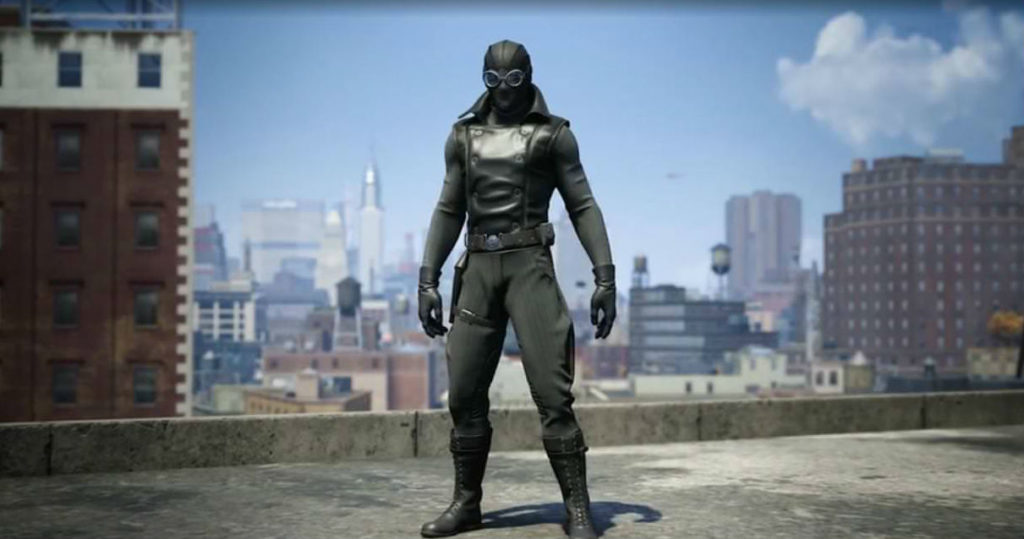
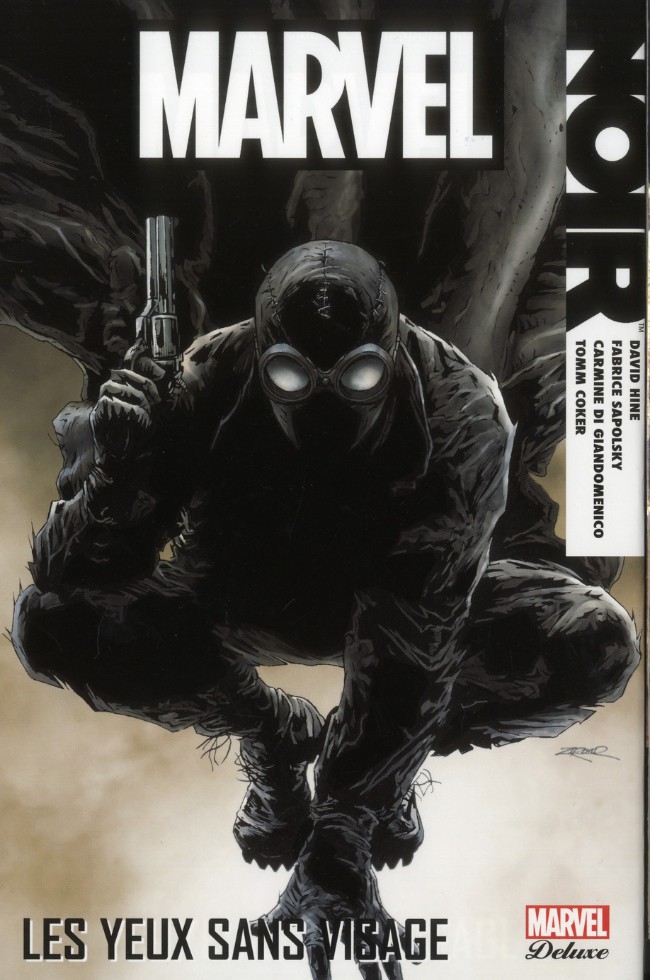
Spider-Man Noir debuted in 2009’s Marvel Noir comic storyline. Marvel Noir takes place during the Great Depression and features darker and grittier versions of their classic heroes. Spider-Man Noir is no exception.
In this universe, Peter Parker is mentored by famed reporter Ben Ulrich. Ben, under the alias of the Spider, uses his contacts in the criminal underworld to get information on the Goblin, the terrifying alter ego of Norman Osborn that controls all the crime in New York City. After sneaking into a warehouse full of the Goblin’s henchmen, he sees them unload a spider statue. The statue breaks open, freeing swarms of spiders, one of which bites Peter, causing him to dream of a spider-like god. When he wakes up, Peter realizes he has spider powers. Peter dons his uncle’s airman suit to become the brutal vigilante known as Spider-Man, stopping at nothing to bring down the Goblin.
One of the main differences between the main Spider-Man and Spider-Man Noir is that Noir is perfectly willing to kill his enemies. He frequently uses a revolver and a Tommy gun in his war against crime. Unlike the main Spidey, Noir doesn’t use web-shooters. Instead, his powers gave him organic webbing. Noir uses intimidation and his large number of underworld contacts in order to get closer to the Goblin.
Spider-Man Noir will appear in the upcoming animated movie Spider-Man: Into the Spider-Verse. He will be played by Nicolas Cage.
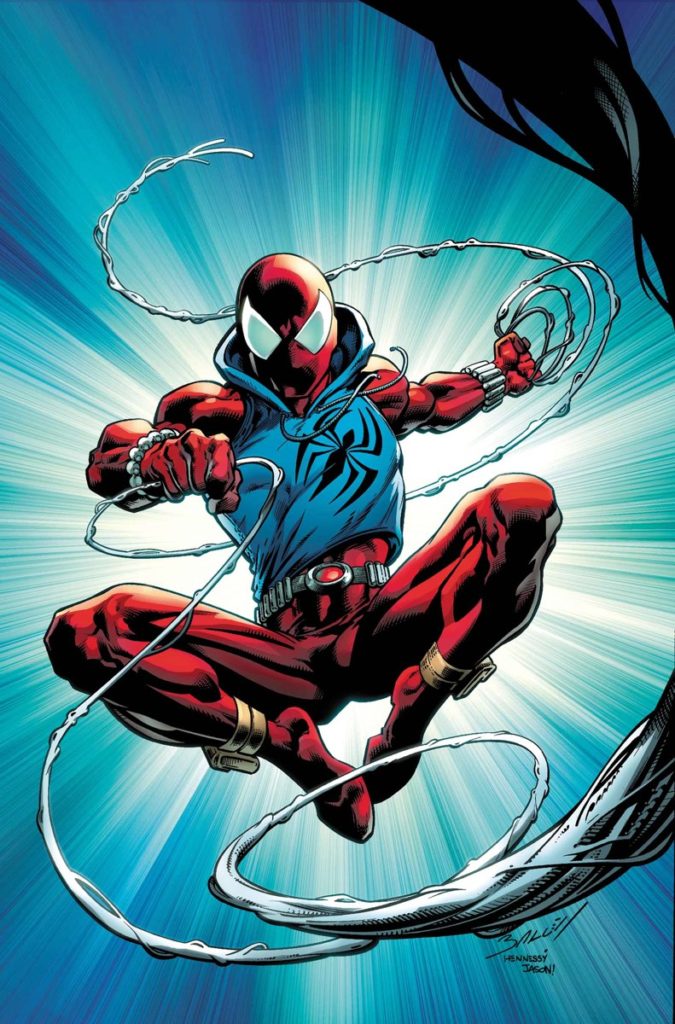
Scarlet Spider
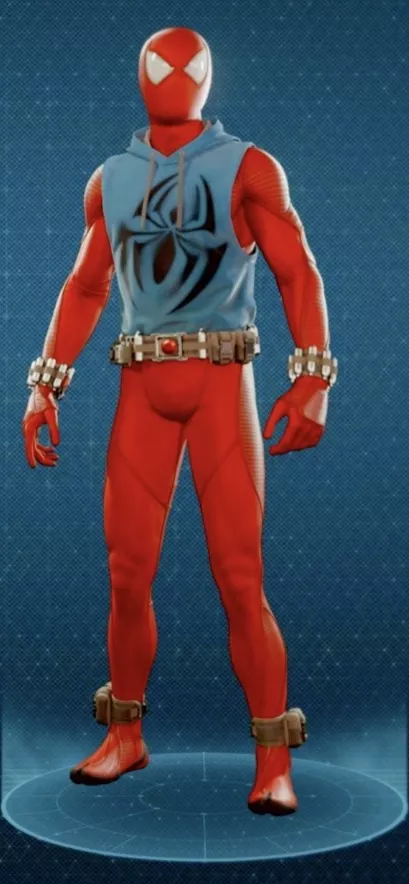
Scarlet Spider is the alias used by Peter Parker clone Ben Reilly, star of the universally panned Clone Saga storyline from the 90s. The story is convoluted and filled with comic book nonsense, but we will do our best to briefly summarize it here:
After fighting the villain Jackal, who uses clones to fight Spider-Man, Peter wakes up in a room with an identical clone also in a Spider-Man suit, both thinking the other is an imposter. The two Spider-Men fight, but eventually team up to rescue Gwen Stacy from the Jackal. The clone seemingly dies in an explosion while trying to rescue Gwen. A disturbed Peter drops the clone’s body in a smokestack to get rid of it, but the clone survives and escapes. After following Peter and taking a look into his life, the clone (still thinking that he is the original Peter), adopts the name Ben Reilly, named after Uncle Ben and Aunt May. Ben becomes the Scarlet Spider, creating his own hoodie-like costume and fighting crime. He also constantly evades Kaine, another clone of Peter with murderous tendencies.
What we can expect in Avengers 4 (if it’s anything like the comics)
The character was “revealed” to be the original Peter Parker. After massive fan outcry, Ben was killed off in a fight with the newly resurrected Green Goblin. His death inspires Peter (who ACTUALLY was the original all along) to retake his mantle of Spider-Man. Ben was recently resurrected in the “Dead No More: Clone Conspiracy” storyline. In this, he goes insane and becomes the new Jackal until he is defeated by Spider-Man. After his loss, Ben flees to Las Vegas in order to rediscover what it means to be a hero.
Got all that? No? Oh well, at least his costume is awesome.
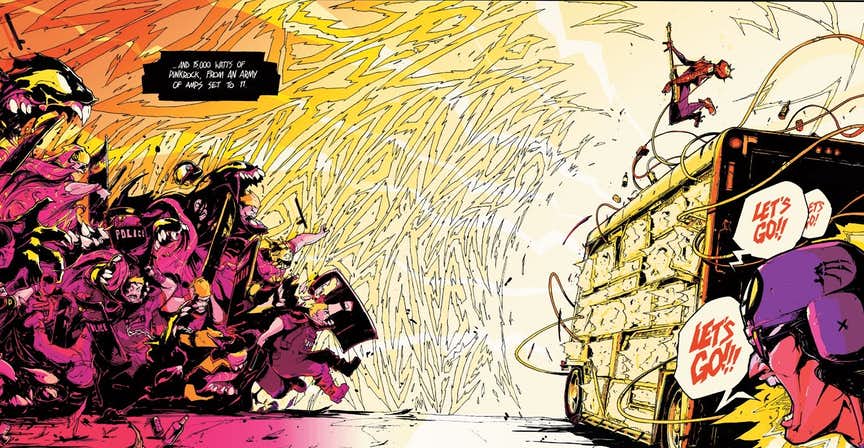
Spider-Punk
During the crossover event Spider-Verse, in which Spider-Men from different realities team up to fight the villain Morlun, a reality is shown that features a never-before-seen Spider-Man. This hero is Spider-Punk, a vigilante who fights against the oppressive President Osborn using his spider powers and the power of rock and roll.
In his series, Spider-Punk becomes the symbol and leader of a punk youth movement that fights against the government and its drones. In true punk style, the comic is stylish, loud, and unsubtle. This incarnation of the hero is Hobie Brown. In the mainstream Marvel Universe, he’s a young African-American inventor who is one of Spider-Man’s oldest allies. Spider-Punk hates being referred to as such, instead preferring to be called Spider-Man. Later on, he fights against time-traveling supervillain Kaine the Conqueror, who has become a CEO that sells Spider-Punk’s image. Spider-Punk fights him to take his image back as a symbol for revolution and freedom instead of a cheap, catchphrase-spouting mascot.
What are your favorite unlockable costumes in Spider-Man? Are there any costumes you hope make it in as DLC? Let us know in the comments below!