The iconic movie Titanic, directed by James Cameron, has established itself as a phenomenon in the history of cinema, ranking fourth in the list of highest-grossing films, with a total revenue of 2.264 billion dollars. This success not only highlights its commercial impact but also shows its durability in popular culture, being revisited both in theaters and on television by millions of viewers. Titanic for the masses, not for him Despite the magnitude of this success, Leonardo DiCaprio, who played Jack Dawson, has expressed his reluctance to revisit his work in […]
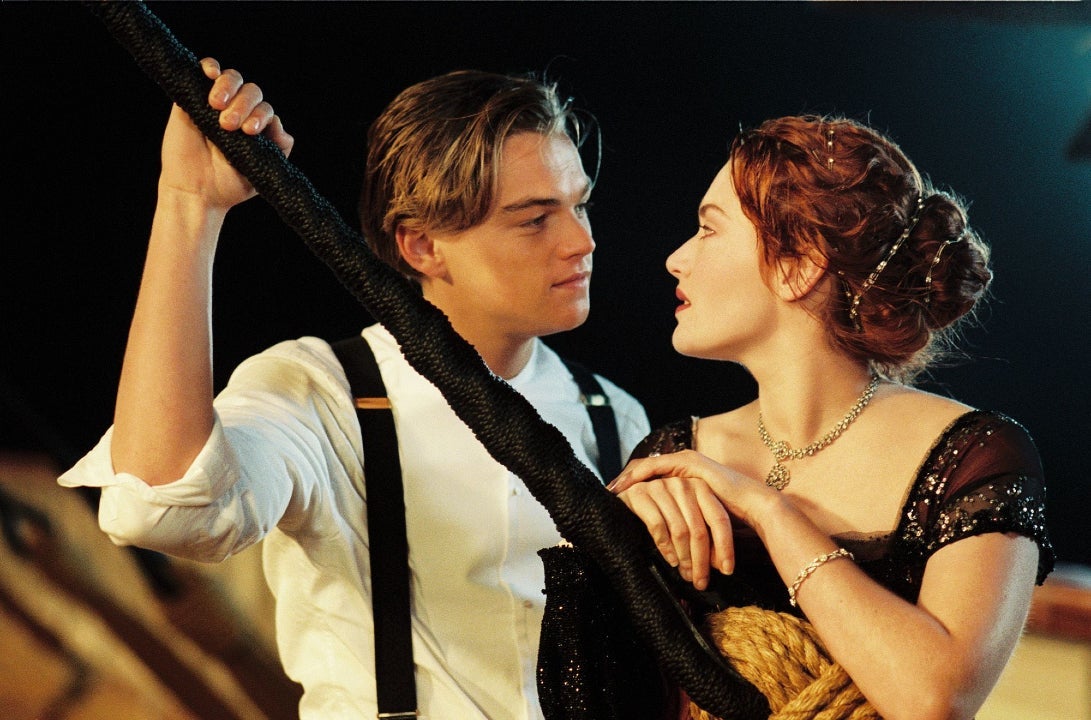
The iconic movie Titanic, directed by James Cameron, has established itself as a phenomenon in the history of cinema, ranking fourth in the list of highest-grossing films, with a total revenue of 2.264 billion dollars. This success not only highlights its commercial impact but also demonstrates its enduring presence in popular culture, being revisited in both theaters and on television by millions of viewers.
Titanic for the masses, not for him
Despite the magnitude of this success, Leonardo DiCaprio, who played Jack Dawson, has expressed his reluctance to revisit his work in Titanic. In a recent chat with Jennifer Lawrence during the Actors on Actors program, DiCaprio stated that he usually doesn’t watch his own movies, to which Lawrence joked, suggesting that his refusal to revisit Titanic was a topic worthy of laughter. This anecdote reflects not only the actor’s personality but also his humbly critical approach to his career.
DiCaprio, who has previously spoken about his reluctance to watch his films, has made few exceptions in his career. Still, it is evident that his work in Titanic is considered one of his best performances. Although the actor does not feel the need to relive his role in this romantic classic, fans continue to repeat the experience, thus demonstrating the relevance and emotional impact that Titanic has on the audience, which translates into a timeless cinematic experience.
The status of Titanic as a classic of modern cinema is complemented by the other achievements of James Cameron, who is also recognized for his work on Avatar and its sequel The Way of Water, solidifying his legacy in the industry. Thus, the 1997 film remains a milestone both technically and artistically, despite the reluctance of its protagonist to revisit it.
In a moment where cinema faces significant challenges due to the rise of reactionary movements and the decline of relevant contemporary stories, “One Battle After Another” emerges, a masterpiece by renowned director Paul Thomas Anderson. Through a complex narrative that combines the war thriller with penetrating political critique, the film becomes a safe haven and a voice for dialogue about the reality we live in. Leonardo DiCaprio like you’ve never seen him before. The plot follows Bob Ferguson, played by Leonardo DiCaprio, a former rebel fighter who, after experiencing the violence and repression of a […]
At a time when cinema faces significant challenges due to the rise of reactionary movements and the decline of relevant contemporary stories, comes One Battle After Another, a masterpiece by renowned director Paul Thomas Anderson. Through a complex narrative that combines war thriller with penetrating political critique, the film becomes a safe haven and a voice to discuss the reality we live in.
Leonardo DiCaprio like you’ve never seen him before
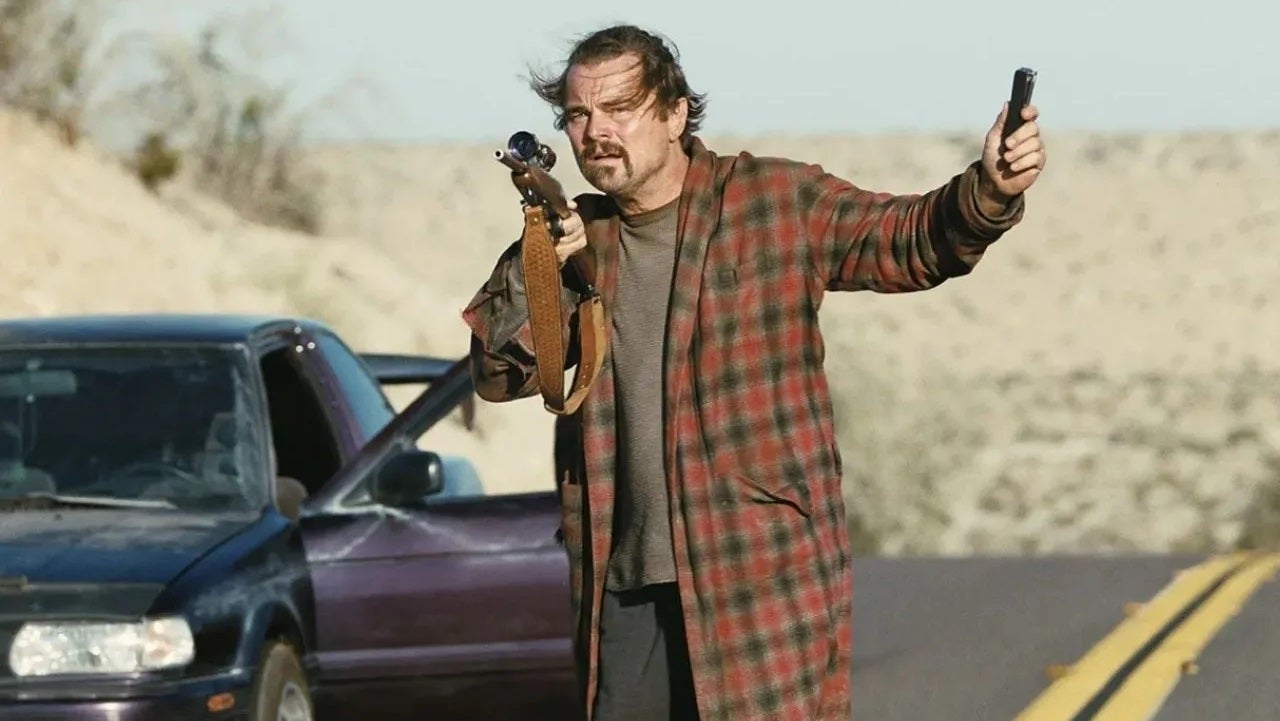
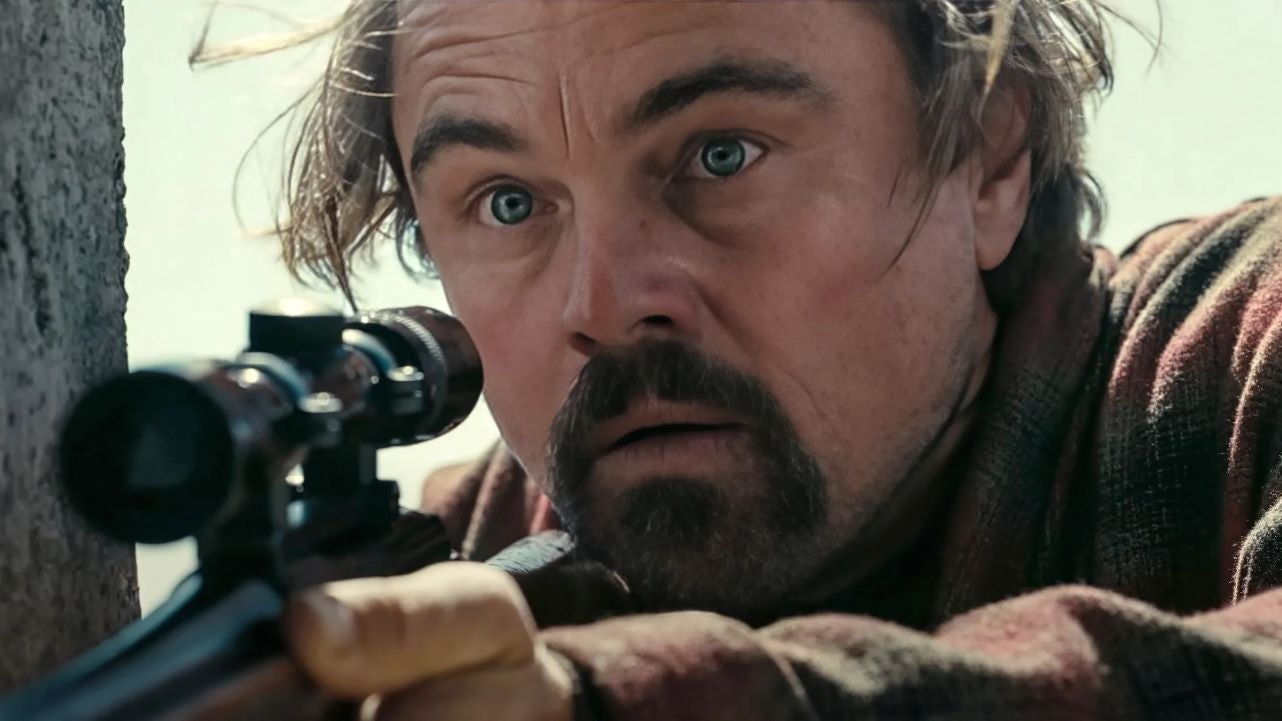
The plot follows Bob Ferguson, played by Leonardo DiCaprio, a former rebel fighter who, after experiencing the violence and repression of a military squad, struggles to raise his daughter in a context marked by fear and criticism of the system. Despite his desire to keep her away from violence, he is forced to prepare her to face an old enemy that threatens to destroy the peace he is trying to build.
Anderson, true to his distinctive style, employs spectacular visual resources, including the return of the VistaVision format, to bring this captivating story to life. However, the director does not opt for a solemn narrative; instead, he introduces a constant use of humor, ranging from the absurd to the satirical, challenging the viewer’s expectations. As the story unfolds, DiCaprio’s character is presented as a ridiculous and paranoid father, the embodiment of the tensions faced by a revolutionary movement in a world that feels increasingly oppressive.
One battle after another not only shines for its performance and hypnotizing cinematography, but it also stands out for its ability to connect emotionally with the audience, managing to express the strength of human relationships in difficult times. With a mix of drama, social criticism, and humorous elements, this film is shaping up to be one of the most important of the year, and it is expected to collect numerous awards in the coming months.
This year, cinema has been filled with blockbusters dominating the box office, especially at the end of the year, and audiovisual experiences that have little to do with cinema, but we have not been devoid of great films in the old-fashioned way. Both spectacular and captivating films visually, as well as films with great scripts and even greater performances that catch the attention of cinephiles and attract a more general audience. This has been the case for one of the most celebrated films, if not the most celebrated, of Leonardo DiCaprio. A true surprise that has caused […]
This year, cinema has been filled with blockbusters dominating the box office, especially at the end of the year, and audiovisual experiences that have little to do with traditional cinema. However, we have not been devoid of great films in the old-fashioned way. Both spectacular and visually captivating films, as well as films with great scripts and even greater performances that catch the attention of cinephiles and attract a more general audience.
This has been the case for one of the most celebrated films, if not the most celebrated, of Leonardo DiCaprio. An authentic surprise that has caused a sensation, has swept through, and despite costing a fortune, has managed to be a box office success. Being a strong contender for the 2026 Oscars. Because One Battle After Another is one of those must-see films of the year.
One battle after another is a film, to say the least, with an interesting premise. The protagonist, “Ghetto” Pat Calhoun, is a pothead with a sixteen-year-old mixed-race daughter. Except that the daughter is from another man, a military man who had a romance with his partner and who now, when he tries to enter a secret sect of secret supremacists, will attempt to kill her to hide what he considers a shameful past. Something that will set in motion a story of paranoia, secret groups, assassination attempts, and terrorist groups that will go far beyond all the characters involved.
How can such a crazy argument be explained? Basically, through two groups of proper names. On one hand, the names of its two main actors: Leonardo DiCaprio and Sean Penn. On the other hand, the names of the creators of the story: Paul Thomas Anderson and Thomas Pynchon.
Leonardo DiCaprio plays an ex-member of a revolutionary group, now a pothead without benefits, who will do anything to protect his daughter. Except perhaps quit smoking pot. Sean Penn plays a deranged far-right military man to the point of being willing to join a cult. And in both cases, they are able to give meaning to two characters that border on caricature, bringing them to life with constant tiny nuances, which could easily be the best performances of the year. Something that undoubtedly has a lot to do with who is behind the camera.
Thomas Pynchon is a writer who, for lovers of postmodern literature, needs no introduction. For those who don’t, Pynchon is considered the father and patron saint of paranoid literature, with a maximalist and absolutely deranged style, featuring characters always on the brink of schizophrenia. Combining cults, secret plans, wars in the shadows, and a poetic vein with constant references, he is regarded as one of the best, if not the best, living American writers. This also comes with something: he has also been considered absolutely impenetrable for the average person, even if he is not that difficult to read, and impossible to adapt to film, which is something that is more accurate.
At least, until the arrival of Paul Thomas Anderson. Who has successfully adapted it to film twice already.
Adapting the extremely unhinged Inherent Vice in 2014, considered Pynchon’s most accessible novel, he has now embarked on adapting another of his novels deemed simpler, Vineland, in this One Battle After Another. Or to be exact, a part of the novel. One Battle After Another offers a modulated version, much less unhinged and leaving out a large part of the novel, turning it into a grand odyssey about a father and daughter’s struggle against a society that hates them for their prejudices.
The result is a film that has taken both critics and audiences by storm. With a 95% on Metacritic, it has grossed over 200 million dollars at the box office with a budget of 130 million. All of this positions it as one of the top favorites for the Oscars, both for its lead actors and for its director, as it sits at the perfect intersection for these awards: popular enough to justify the award, but cultured enough to make it sensible to award it.
If all of this has left you curious to see it, you won’t have to wait long to do so. A battle after another arrives on December 19 on HBO Max. So get ready and set aside 162 minutes to watch it, because if a movie has the potential to be talked about throughout 2026, it’s this one.
In a recent TIME awards ceremony for Artist of the Year, Leonardo DiCaprio shared his thoughts on his career and the possibility of taking on a role as a director, something that has been of interest in Hollywood. Unlike numerous superstars who have sought to expand their creative reach in directing, such as Clint Eastwood or George Clooney, DiCaprio remains firm in his decision not to explore this option. “Some people have asked me if I want to direct. And I think ‘I would never want to direct.’ I couldn’t do something similar to what Martin Scorsese does. Why would I?” he stated […]
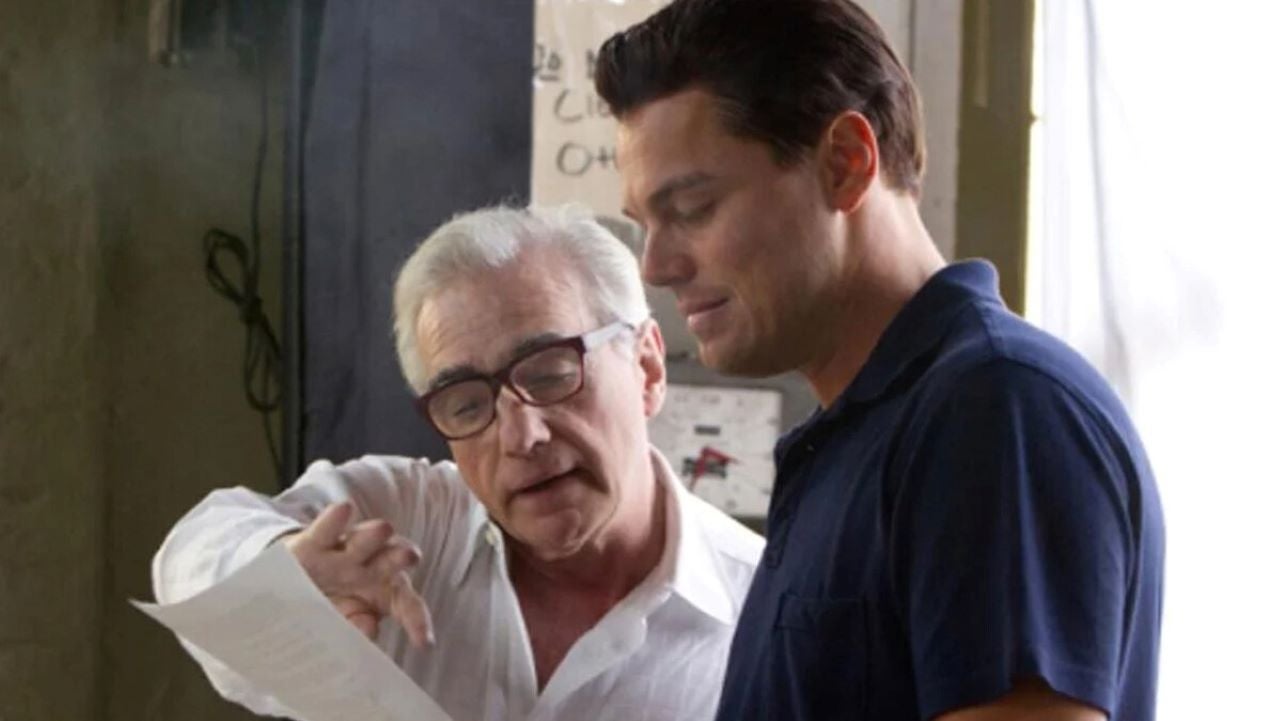
In a recent TIME awards ceremony for Artist of the Year, Leonardo DiCaprio shared his thoughts on his career and the possibility of taking on a role as a director, something that has been of interest in Hollywood. Unlike numerous superstars who have sought to expand their creative reach in directing, such as Clint Eastwood or George Clooney, DiCaprio remains firm in his decision not to explore this option. “Some people have asked me if I want to direct. And I think ‘I would never want to direct’. I couldn’t do something similar to what Martin Scorsese does. Why would I?”, the actor stated.
Leonardo DiRector
The renowned actor not only has a long career as a leading man on the big screen, but he is also on the brink of his seventh collaboration with director Martin Scorsese. The new film, titled What Happens at Night, will begin production in February and will feature actress Jennifer Lawrence. DiCaprio emphasized that his working process with Scorsese is deep and enriching, describing it as a “dialogue” in which they intensely debate for months. “We are doing that in the new film, and it is one of the deepest learning experiences”, he stated.
DiCaprio received the award in an environment fostered by a conversation with Scorsese, where both discussed not only the actor’s career but also his professional decisions. Despite the temptation to direct, the actor prefers to delve into the interpretation of complex characters, a process he considers significant in his journey. With the close collaboration he has had with Scorsese, it is no surprise that DiCaprio prefers to focus on what he does best: acting.
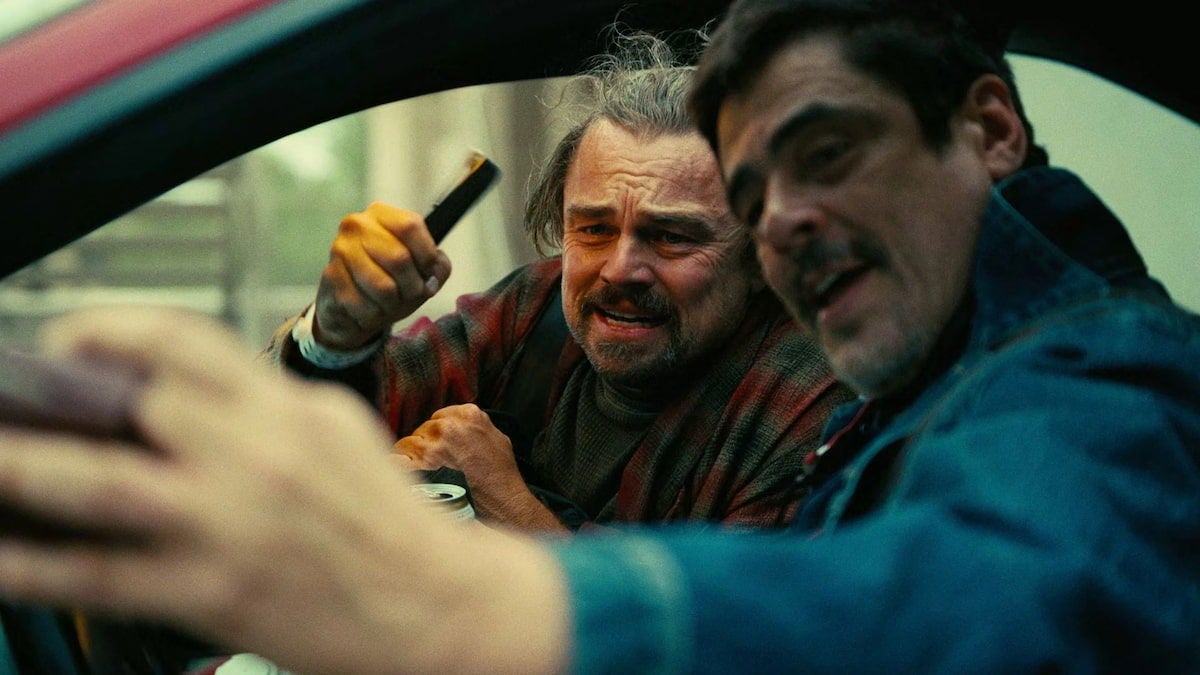
The highly anticipated film One Battle After Another, directed by Paul Thomas Anderson and starring a star-studded cast that includes Leonardo DiCaprio, Sean Penn, Teyana Taylor, Regina Hall, Benicio del Toro, and Chase Infiniti, will be available to watch at home starting December 19 on HBO Max. This release will allow viewers to enjoy the film from the comfort of their home during the holiday season. Leo, it’s your Oscar moment One Battle After Another follows the story of a declining revolutionary who faces the difficult task of saving his […]
The highly anticipated film One Battle After Another, directed by Paul Thomas Anderson and starring a stellar cast that includes Leonardo DiCaprio, Sean Penn, Teyana Taylor, Regina Hall, Benicio del Toro, and Chase Infiniti, will be available to watch at home starting December 19 on HBO Max. This release will allow viewers to enjoy the film from the comfort of their home during the holiday season.
Leo, it’s your Oscar time
One battle after another follows the story of a declining revolutionary who faces the difficult task of saving his teenage son. As the plot unfolds, the film explores themes of despair, redemption, and the struggle to find purpose in a changing world. DiCaprio’s performance, known for his intense and moving portrayals, promises to bring depth to the role of a father torn between his past ideals and the urgency of protecting his family.
The film has generated expectations not only because of Anderson’s direction, whose work has been praised on multiple occasions, but also due to the strong performances of its protagonists. The film also addresses social and political issues that will resonate with contemporary audiences, adding a layer of relevance to its narrative.
With its imminent premiere on HBO Max, One Battle After Another is shaping up to be one of the most attractive entertainment options in December, making it a title that movie fans won’t want to miss during the holidays. Undoubtedly, this film could spark conversations and debates about the themes it contains, making it a cultural event to watch for as the year comes to a close.
Leonardo DiCaprio has expressed his skepticism about the impact of artificial intelligence (AI) on the entertainment industry during a recent interview with Time magazine, which has named him ‘entertainer of the year’. In this context, the acclaimed actor laments the possible repercussions of technological advancement, especially the risk that talented and experienced professionals may lose their jobs due to automation in Hollywood. An actor who does not believe he can be replaced by AI, DiCaprio, known not only for his performances in iconic films but also for his environmental activism, raises a valid concern about the […]
Leonardo DiCaprio has expressed his skepticism about the impact of artificial intelligence (AI) on the entertainment industry during a recent interview with Time magazine, which has named him ‘entertainer of the year’. In this context, the acclaimed actor laments the possible repercussions of technological advancement, especially the risk that talented and experienced professionals may lose their jobs due to automation in Hollywood.
An actor who does not believe he can be replaced by AI
DiCaprio, known not only for his performances in iconic films but also for his environmental activism, raises a valid concern about the future of creative work. In his analysis, he suggests that AI, despite its growing presence in various fields, cannot completely replace human creativity and talent in the artistic realm. This statement resonates at a time when automation and deep learning are beginning to transform the creative landscape, generating both excitement and fears.
The actor highlights the importance of human experience and vision in the creation of art, arguing that the essence of storytelling and acting interpretation transcends what can be replicated by algorithms. DiCaprio has been an influential voice that invites reflection on how new technologies can coexist with human talent, rather than replace it. His words add a layer of depth to the current conversation about the role of AI in pop culture and the creative industries, where the search for a balance between technological innovation and the preservation of human work remains essential.
In a broader context, this debate also suggests that while AI has the potential to change the production and distribution of content, it is essential to consider how these changes affect the artists and professionals who make up the backbone of the entertainment industry.
Leonardo DiCaprio has confirmed his participation in the highly anticipated sequel to one of the most iconic thrillers in cinema, Heat, which will be directed by Michael Mann. The news is surprising considering that the actor is known for his selectivity and his tendency to avoid franchises. However, DiCaprio expressed enthusiasm for the project during an interview with Deadline, in which he emphasized that the film will be a tribute to the original, although it will feature a narrative set in the past and in the future. 30 years in the making to become The actor, who won […]
Leonardo DiCaprio has confirmed his participation in the highly anticipated sequel to one of the most iconic thrillers in cinema, Heat, which will be directed by Michael Mann. The news is surprising considering that the actor is known for his selectivity and his tendency to avoid franchises. However, DiCaprio expressed enthusiasm for the project during an interview with Deadline, in which he emphasized that the film will be a tribute to the original, although it will feature a narrative set in the past and the future.
30 years in the kitchen to become
The actor, who won an Oscar for his performance in The Revenant, has been involved in the development of Heat 2, although he admitted that they are still far from starting filming. “It’s a very personal project. We are working on it, but I can’t reveal many details, as I still don’t know who I will be playing,” DiCaprio stated. The film, according to the actor, aims to maintain the essence of Heat, a work that has left an indelible mark on the genre, but with its own identity.
Additionally, DiCaprio confirmed that a book based on the movie is now available, suggesting that the creators are cultivating not only the cinematic aspect but also the literary one. Despite the excitement surrounding this project, the actor emphasized that there is no set release date and that the development process could be lengthy. This is especially relevant given that Michael Mann, the renowned director, is 82 years old and his health could influence the future of the production.
The film community eagerly awaits more details about Heat 2, which promises to be a blend of nostalgia and evolution for a story that has influenced a generation of filmmakers and film enthusiasts.
The world of Oz is on everyone’s lips due to the premiere of the second part of Wicked. And it will continue to be so, as Leonardo DiCaprio, Chad A. Verdi, and Danny Strong have joined forces to produce Oz, a documentary that will explore the creation of the iconic film The Wizard of Oz, released in 1939. This collaboration brings together a remarkable lineup of talents, highlighting DiCaprio’s fervent dedication and his production company, Appian Way, as well as the expertise of Verdi Productions and Strong’s storytelling, known for his work in scripts and historical narratives. There is still a yellow brick road to travel […]
The world of Oz is on everyone’s lips due to the release of the second part of Wicked. And it will continue to be so, as Leonardo DiCaprio, Chad A. Verdi, and Danny Strong have joined forces to produce Oz, a documentary that will explore the creation of the iconic film The Wizard of Oz, released in 1939. This collaboration brings together a remarkable lineup of talents, highlighting the fervent dedication of DiCaprio and his production company, Appian Way, as well as the expertise of Verdi Productions and the storytelling of Strong, known for his work in scripts and historical narratives.
There is still a yellow brick road ahead
The director of the documentary, Tom Donahue, acclaimed for his previous works in Mafia Spies and This Changes Everything, has been chosen to guide this intimate and revealing look behind the scenes of one of the most beloved films in cinema history. Oz will not only focus on the technical aspects of the production but will also delve into the stories of the actors, the staff, and the cultural context of the time that brought this timeless classic to life.
The production of Oz is progressing and is currently in its development phase. This documentary promises not only to capture the magic that made The Wizard of Oz a pillar of American cinema, but it will also offer a critical analysis of the challenges and triumphs faced by the team during the making of the film. The retrospective will be complemented by interviews and previously unseen material from the time, enriching the narrative with information that film fans will appreciate.
As Oz progresses, the followers of The Wizard of Oz and filmmakers are eagerly awaiting the details of a story that has influenced generations, whether through the books, the movie, or its expanded universe.
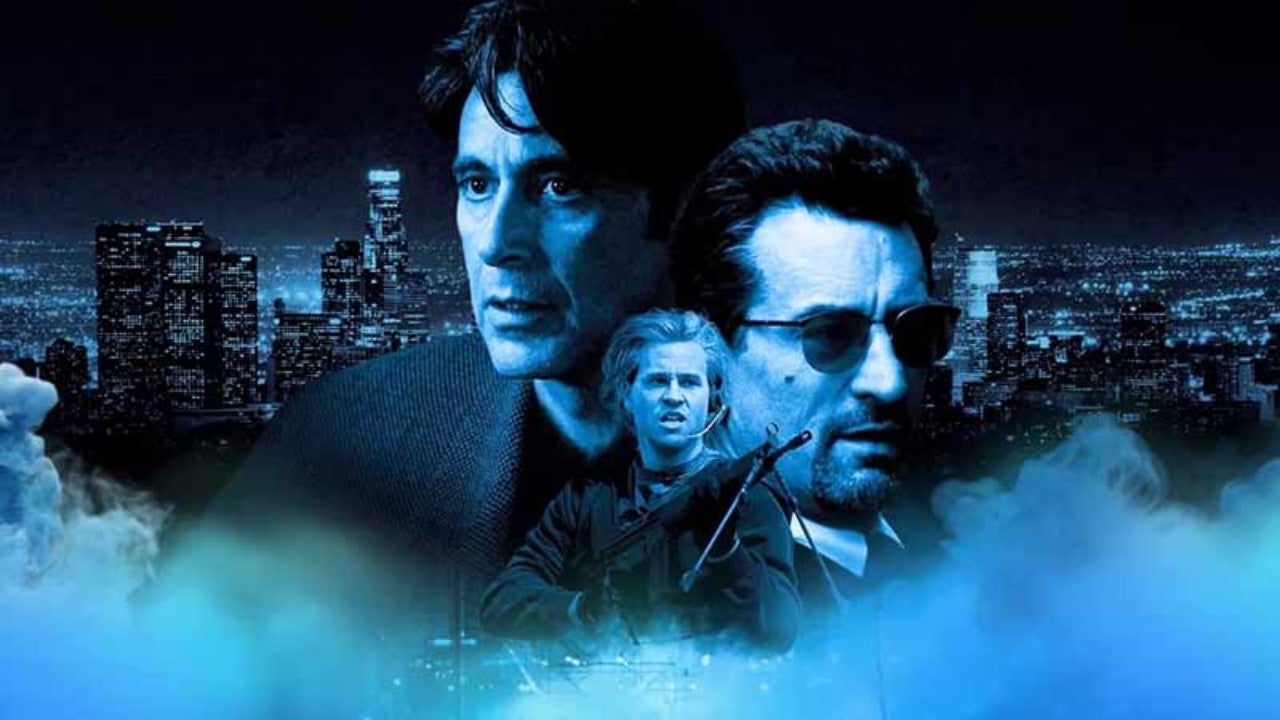
Director Michael Mann is in talks to expand the universe of his acclaimed 1995 film, Heat, with the development of Heat 2. It has recently been revealed that Christian Bale and Leonardo DiCaprio are in negotiations to join the cast, marking a potential reunion of high-caliber talent in cinema. Heat 2 is taking shape DiCaprio, according to reports, would play Chris Shiherlis, a character originally portrayed by Val Kilmer in the classic film. However, it has not yet been clarified what role Bale will take on in this highly anticipated project. Heat, although it was not a box office smash […]
Director Michael Mann is in talks to expand the universe of his acclaimed 1995 film, Heat, with the development of Heat 2. Recently, it has been revealed that Christian Bale and Leonardo DiCaprio are in negotiations to join the cast, marking a potential reunion of high-caliber talent in cinema.
Heat 2 is taking shape
DiCaprio, according to reports, would play Chris Shiherlis, a character originally portrayed by Val Kilmer in the classic film. However, it has not yet been clarified what role Bale will take on in this highly anticipated project. Heat, although it was not a box office smash upon its release, has been noted as one of the most influential films in the heist genre, inspiring contemporary filmmakers like Christopher Nolan, who has mentioned the work as a source of inspiration for his Batman trilogy.
Bale and DiCaprio would join a cast that may include iconic figures like Al Pacino, who could also return to his role as the obsessed detective in the story. Heat 2 will be based on the novel published in 2022 by Mann and author Meg Gardiner, which alternates its narrative between different time periods, exploring events before and after the plot of the original film.
Since before the release of the novel, Heat 2 has been in development, with rumors about the possible inclusion of other actors like Austin Butler. So far, the production has not set a release date, leaving fans eager for more updates on this exciting film project.
Leonardo DiCaprio, currently celebrated as one of the most talented actors of his generation, faced serious criticism in the early stages of his career, where he was often typecast as a mere teen icon. This perception not only affected his self-esteem but also the choice of his roles at a crucial stage of his professional life. DiCaprio himself has admitted that the fame following the cultural phenomenon Titanic was overwhelming, leading him to contemplate stepping away from acting due to the pressure and objectification he experienced. The man of the headbutts against the wall In this context, one of the roles […]
Leonardo DiCaprio, currently celebrated as one of the most talented actors of his generation, faced serious criticism in the early stages of his career, where he was often pigeonholed as a mere teen icon. This perception not only affected his self-esteem but also the choice of his roles at a crucial stage of his professional life. DiCaprio himself has admitted that the fame following the cultural phenomenon Titanic was overwhelming, leading him to contemplate stepping away from acting due to the pressure and objectification he experienced.
The man who headbutts the wall
In this context, one of the most forgotten roles of his career was in the movie The Man in the Iron Mask. Starring in 1998, his performance as the masked man and his twin, King Louis XIV of France, failed to convince critics and generated adverse reactions. In fact, while filming it, he claims he wanted to bang his head against a wall, absolutely frustrated. DiCaprio received a Razzie for “Worst Screen Couple,” marking a low point in his career. The film received mediocre reviews, with a score of 49 out of 100 on Metacritic and only 33% positive reviews on Rotten Tomatoes.
Despite having success at the box office, this period was emotionally challenging for DiCaprio, who, years later, revealed that the post-Titanic phase was difficult, both due to the intensity of fame and public perception. In an interview with the BBC in 2007, the actor confessed that he even considered leaving acting. However, over time, DiCaprio has managed to solidify his career with bolder and more critical choices, becoming a reference in the film industry.