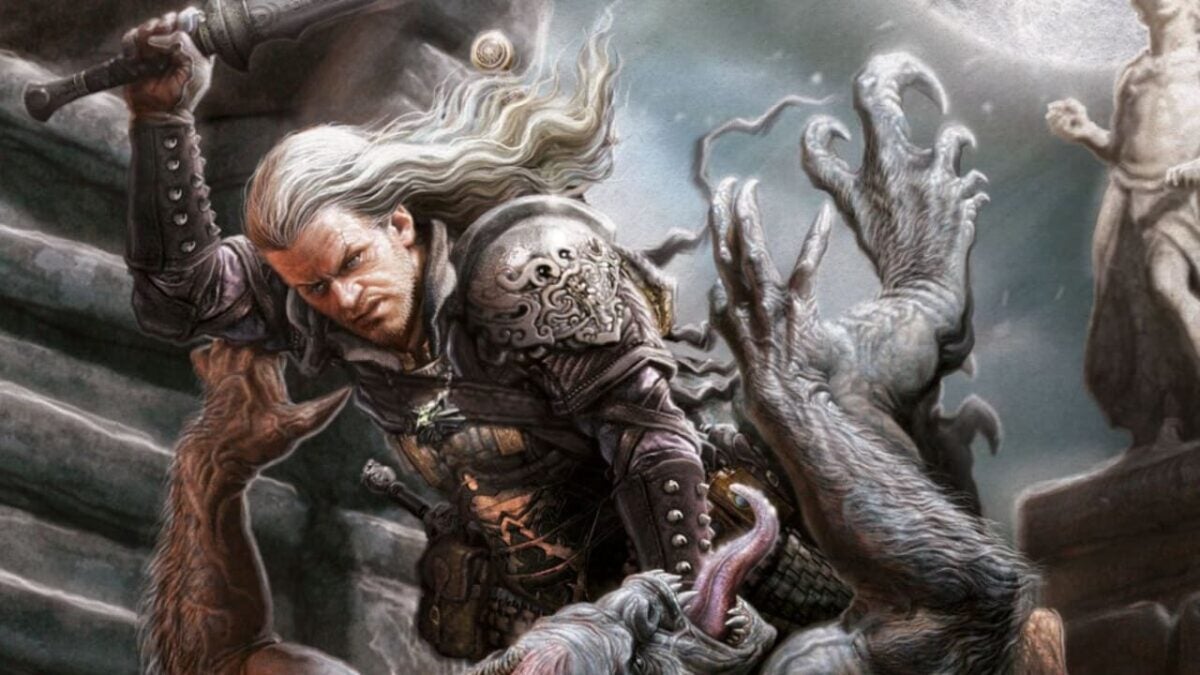
Chris Cook, CEO of Hasbro, has revealed the new policy for Dungeons & Dragons in a recent interview with GamesRadar. Stating that the future of the game lies in resembling video games and their business model more closely, he asserted that players must come to terms with the fact that “Dungeons & Dragons is a game as a service” and that this will be the policy they will follow from now on with the game. A man with a business model in mind While Cook does not clarify in the interview what exactly he means by thinking of Dungeons […]
While Cook does not clarify in the interview what he exactly means by thinking of Dungeons & Dragons as a game as a service, it seems he is referring exactly to this. Instead of having to wait for the release of the books, we can receive small periodic updates that keep us engaged and consuming constantly without having to wait a year and a half or two years until the book is ready. Thus articulating the game both in large seasonal events and smaller, more constant updates.
Something that fits perfectly with the two new initiatives from Wizards of the Coast, the developer of Dungeons & Dragons. On one hand, a seasonal release model focused on a particular event. On the other hand, weekly drops of new rules, different items, or digital cosmetics for your D&D Beyond account.
This aligns perfectly with both Cook’s policies and the decisions they have made for the near future of the game. When Cook took office, the first thing he did was declare his ambitions for Dungeons & Dragons to be digitized and to have a greater presence in the digital realm over the physical, emphasizing the need to give greater value to the computer and online game. Something that has only increased over time.
According to Cook, “books will always be an important part of Dungeons & Dragons,” but it seems he wants to change that process. Making books less important.And if that’s the case, and if games as a service like Fortnite and its microtransactions are any example, it is to be feared that he also wants to start charging us for things that until now he hasn’t been charging us for.
D&D has fans across the globe, from those who played the first pen and paper editions to those who follow the many comics, movies, video games and board games that arose from this iconic fantasy setting. D&D Beyond is a brand-new era for the game, a digital toolset which allows players to read all about the setting, make characters and plan games entirely on the web or on devices. All the elements of the hard copy books are there, but now you can edit on the fly as if building a character for a computer game.
Humble Bundle has relaunched 36 of its most popular bundles from 2025 in a special event that will take place over 12 days, concluding on December 10. This is a limited event that offers a highlighted selection of games, books, and software, allowing users to access content they may have missed throughout the year. Borderlands at a bargain price One of the most striking bundles is the “Gear Up for Borderlands 4,” which was originally launched in July and is available for $16. This bundle includes several games from the renowned Borderlands series. For fans who […]
Humble Bundle has re-launched 36 of its most popular bundles from 2025 in a special event that will run for 12 days, concluding on December 10. This is a limited-time event that offers a highlighted selection of games, books, and software, allowing users to access content they may have missed throughout the year.
Borderlands at a rock-bottom price
One of the most striking packages is the “Gear Up for Borderlands 4,” which was originally released in July and is available for $16. This package includes several games from the renowned Borderlands series. For fans who want the upcoming title, there is also a package that includes Borderlands 4 for $70, which means that by purchasing this, players get all the previous games in the series at a very attractive effective cost.
In addition to the games, the event includes other interesting bundles, such as the book bundle “Sex, Love, and Everything In Between” and the “Deluxe Dev Dream Mega Bundle,” which offers over 4,000 Unreal Engine assets. These last two are available for just over two days and highlight the variety that Humble Bundle usually offers in its collections.
However, it is crucial for interested parties to act quickly, as some bundles, such as Sniper Elite Classics and “Linux: From Beginner to Professional,” will only be available until December 9, while others, like the Team 17 and Star Trek Comic bundle, are limited until December 8 at 5 p.m. PT / 8 p.m. ET. New bundles will be added every day, so users are encouraged to visit the platform to not miss out on last-minute deals.
On the other hand, many users are eagerly awaiting the return of the classic D&D package, which has proven to be popular among the community, and it could return as part of these special offers. This expectation reflects the ongoing interest in this content from gamers.
Siempre ha habido una relación estrecha entre la literatura y los videojuegos. Y no deberíamos sorprendernos. Muchos libros son excelentes videojuegos. Algo que se demuestra con el puerto que tendremos este mismo mes de I Have No Mouth, and I Must Scream, de Harlan Ellison. Pero por cada obra que es explícita y muy… Continúa leyendo “”
There has always been a close relationship between literature and video games. And it should not surprise us. Many books make for excellent video games. Something that is demonstrated by the port we will have this month of I Have No Mouth, and I Must Scream, by Harlan Ellison. But for every work that is explicit and obviously a literary adaptation, there are several that are not. And today we want to talk to you about that. About five video games that, despite being quite well-known, you might not have realized are based on novels. And in fact, all of them are quite famous novels.
We start by cheating a little because it is true that this is the most well-known case. Although it is not in the name, it is evident that the inspiration for the S.T.A.L.K.E.R. saga is Roadside Picnic by the brothers Arkady and Boris Strugatsky. This does not mean that many people are not caught by surprise: some believe that its main source of inspiration is only Stalker, the excellent film by Andrei Tarkovsky. Which also shamelessly draws from Roadside Picnic.
But what do video games and books have in common? Essentially, everything. In both, there is an exclusion zone where strange phenomena exist, men and women enter to obtain treasures and strange mutations between fantasy and science fiction that those who venture into it must deal with. Even in the existence of a mysterious object that will grant a wish to whoever manages to reach it. Because, in the Slavic countries, Roadside Picnic is a novel that had an impact that we can only begin to sense beyond its borders.
Empire of the Ants
If it were its version from the 2000s, it probably wouldn’t ring a bell. Since it received a new version on November 7, 2024, you may have at least heard of Empire of the Ants. A real-time strategy game from Microïds, with small elements of adventure and platforming, where we must lead a community of red ants. Only this time, we will personify a particular ant. Ant #103,683.
This peculiarity is due to the fact that it is an adaptation of a science fiction novel of the same name by the writer Bernard Werber. Translated into Spanish as The Ants, it was originally published in 1991 and would expand into a whole trilogy where two stories occur in parallel: a man moves into his entomologist uncle’s house and a colony of ants lives its life in an ant-city. Until both stories intersect in a way that is only possible in a science fiction story.
Maid of Sker
Among the most interesting horror games of recent years is Maid of Sker. A survival horror heavily inspired by Outlast and Silent Hill that had a very intriguing setting: a cursed hotel from the late 19th century. But what’s interesting is that Wales Interactive, the studio, didn’t have to make anything up. Because Sker House exists in reality. And it inspired a famous three-volume novel.
The Maid of Sker is a novel written by R. D. Blackmore in 1872 that, if you have played Maid of Sker, you already know broadly what the novel is about. Because the study closely followed what Blackmore narrated, bringing it to the present and demonstrating that sometimes, all you need to make a great horror game is a 19th-century novel.
The Chaos Engine
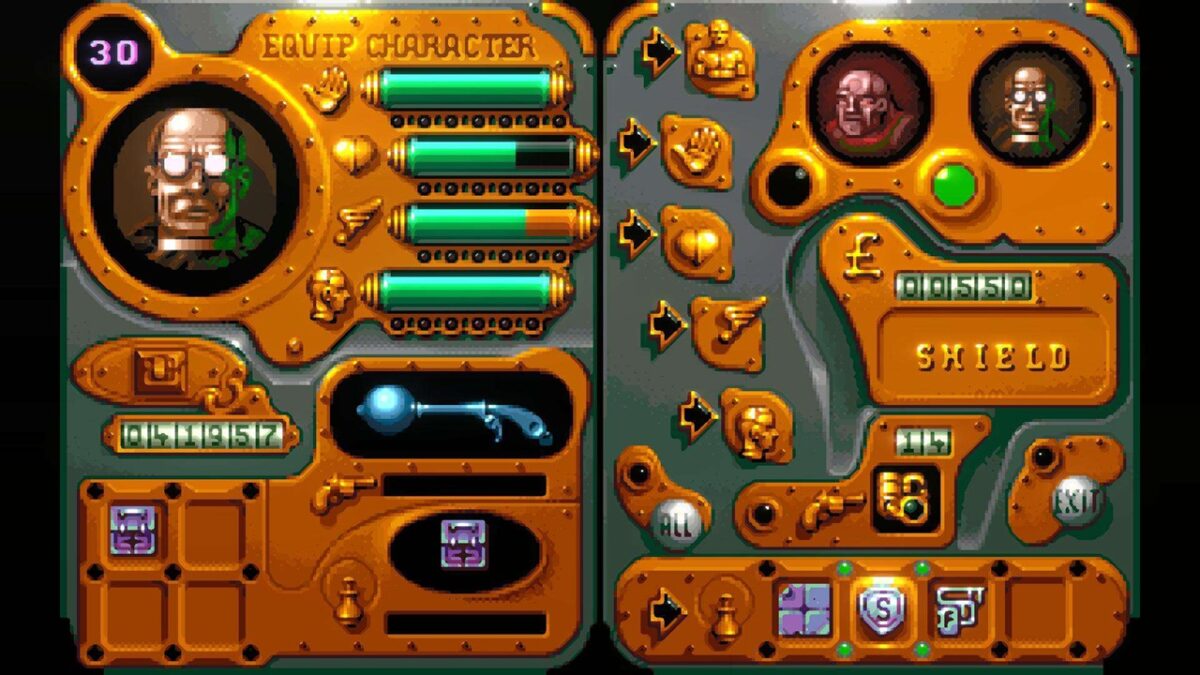
Pocos nombres inspiran tanta admiración como The Bitmap Brothers. Creando algunos de los mejores juegos de Amiga de la historia, son considerados los mayores visionarios en la historia de los videojuegos europeos. Si no a nivel mundial. Entre sus juegos más celebrados se encuentra The Chaos Engine, un excelente run-and-gun que sigue siendo un deleite jugar hoy en día, especialmente en su versión original de Amiga, que aprovechamos para destacar.
But the interesting thing is that although it is not an explicit adaptation, it is indeed very inspired by a novel. Its entire story and aesthetic are based on the novel The Difference Engine by William Gibson and Bruce Sterling, an absolutely wonderful novel that is considered the foundation upon which the bases of steampunk would be established. Although it would not be an explicit adaptation, it would serve as such a strong inspiration that it is hard not to see the relationship. And how could The Chaos Engine exist without it.
Parasite Eve
In light of the success of Resident Evil and Final Fantasy, Square decided to create something that could combine both universes. The result was an excellent game that combined survival horror, turn-based combat, and a very elaborate narrative with Parasite Eve. A game that would go on to have two sequels and that to this day is one of the franchises that, apparently, will never have a third sequel. Not because of how Square Enix focuses on other kinds of projects.
What many people don’t know is that it’s not even an adaptation of a novel. It’s a sequel to a novel. With exactly the same name. Tremendously confusing as this is, it doesn’t make the game any less playable on its own, but it does make it more interesting if you’ve read the novel. Which you won’t be able to do in Spanish, as it has only been translated into English. But to be fair, Parasite Eve also never came out in Europe, so it’s not surprising.
As you said in your newsletter, I would rather see your books pirated than this.
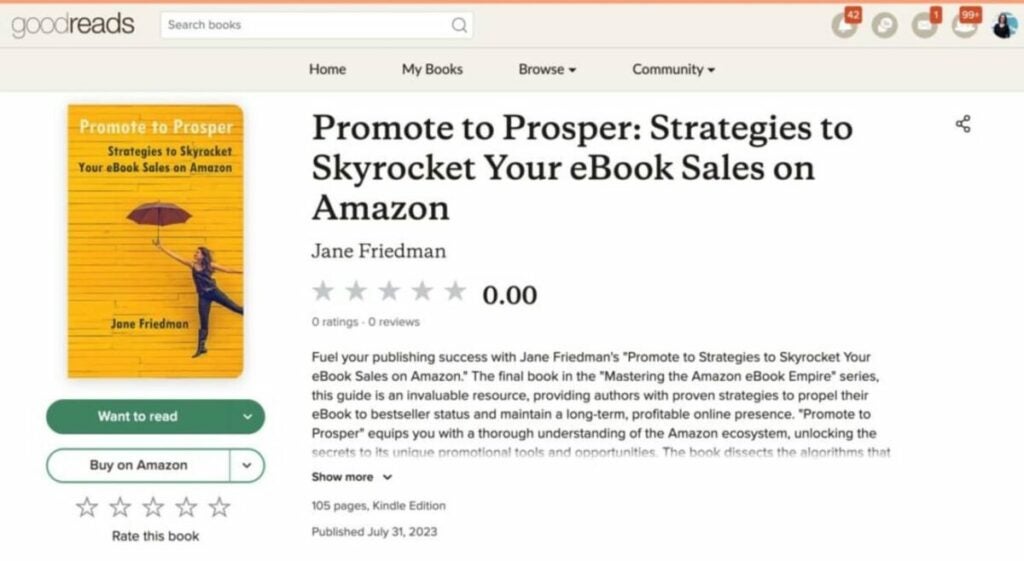
Imagine you are a successful writer: What’s the worst nightmare you can think of? If you said “being plagiarized,” it’s because you still need to catch up with the 21st century. Jane Friedman, author of books about writing like ‘The Business of Being a Writer’ or ‘How to Publish Your Book,’ woke up one day to discover that six new manuscripts of hers had been published… by an Artificial Intelligence.
It happened on Amazon, when overnight, half a dozen manuscripts signed by Jane Friedman appeared in which she hadn’t touched a single word. Neither she nor anyone else, except for a robot. As she mentioned in her newsletter, she would prefer to see her books pirated than this.
‘A Step-by-Step Guide to Creating Good Books, Building an Exciting Author Platform, and Maximizing Success,’ ‘How to Write and Publish an eBook Quickly and Make Money,’ or ‘Great Ideas: Your Guide to Writing a Bestselling eBook on Amazon’ are some of these books. It’s ironic that an artificial intelligence wants to give you guides on writing and publishing bestsellers or, even worse, provide you with good ideas so you don’t run dry.
As she tells it, she could have let them sink without reviews, but that would set a precedent after all: if you can mimic someone else’s writing style, create a book in seconds, and put it up for sale, where does real authorship stand? Seeing that these artificial monsters were being added to her Goodreads page, the author decided to take matters into her own hands and nip it in the bud.
But she’s not alone: there are authors who, in just a week, have 29 new titles that aren’t theirs. Of course, they’re not Stephen King or Danielle Steel, but rather those with a small niche who are trying to take advantage. In the end, they end up spending more time asking Amazon and Goodreads to remove their products than, well, actually working.
We might think that there’s no solution to this plague, let the AI reign over all of us, and shrug in disapproval, but it’s actually much easier than it seems: Amazon and Goodreads just need to create a way to verify authorship to easily block fraudulent books. Since this is an anecdote today and will be a reality tomorrow, they better get their act together… Or announce the ultimate victory of the machines and Skynet. Hey, who knows, maybe Jane Friedman is our Sarah Connor.
Now, exactly half a life later, he has announced that he is preparing a new novel set on the Continent.
It’s possible that you’re familiar with ‘The Witcher’ only from the third installment of the video game, or because you watched the first season of the Netflix series to see Henry Cavill showing off his muscles. However, the reality is that it all began with the fantastic novels by Andrzej Sapkowski, a Polish writer who penned his first short story at the age of 38 and introduced the world to a certain Geralt of Rivia. Now, exactly half a lifetime later, he has announced that he is preparing a new novel set in The Continent.
Call it “Witchery,” “Gerald the Magician,” or whatever you’d like – the truth is that ‘The Witcher’ has left its mark on the history of science fiction. Written words care little whether you envision them with Cavill’s face or Liam Hemsworth‘s (although we all know which one we prefer, of course). A decade has passed since the publication of ‘Season of Storms,’ which told untold adventures of Geralt amidst the tales of his earlier books, and the itch to see him riding Roach has returned.
Sapkowski has mentioned before that he has no intention of creating a sequel to ‘The Witcher,’ and anything he writes would take place before the first book or perhaps as an interquel. In an interview hosted by Fantastic Talk(s), he stated, “Yes, I am diligently working on a new ‘Witcher’ book.” Furthermore, he announces that it might take a year to finish it, but no longer.
And unlike other fantasy authors like George R.R. Martin, Sapkowski delivers on his promises. Just for comparison, ‘A Dance with Dragons’ was released in 2011, and twelve years later, Martin is still assuring us that ‘The Winds of Winter’ is about to be finished. He’s got nothing left. Polishing a couple of things here and there. Starting from scratch. Who knows what happened before.
There’s only one thing that’s really clear: considering the recent audience data, it doesn’t seem like Netflix is inclined to adapt Sapkowski’s new work, for whatever reason it may be.
Before, a house could be surrounded by books, records, DVDs, comics and video games. Now four devices are enough to have the walls of our home much cleaner… Or not?
“Let’s see when it comes out on Netflix“; “The new releases are already on Spotify”; “I’ll download it on my Kindle”; “It’s available on Game Pass”… One would think that modernity has brought not only great advancements in the art we enjoy but also differences in how we consume it. In the past, a house could be surrounded by books, records, DVDs, comics, and video games. Now, we onlyneed a few devices to keep the walls of our home much cleaner… Or do we?
Surely you have heard (or said) at some point the phrase “I’ll download it, and if I like it, I’ll buy it.” For example, you download the latest book by Laura Gallego, and after reading twenty pages, you’ve already decided that it deserves a place on your physical bookshelf. Being able to touch things used to be the only way to enjoy them fully, but now it’s a privilege reserved for the best of the best.
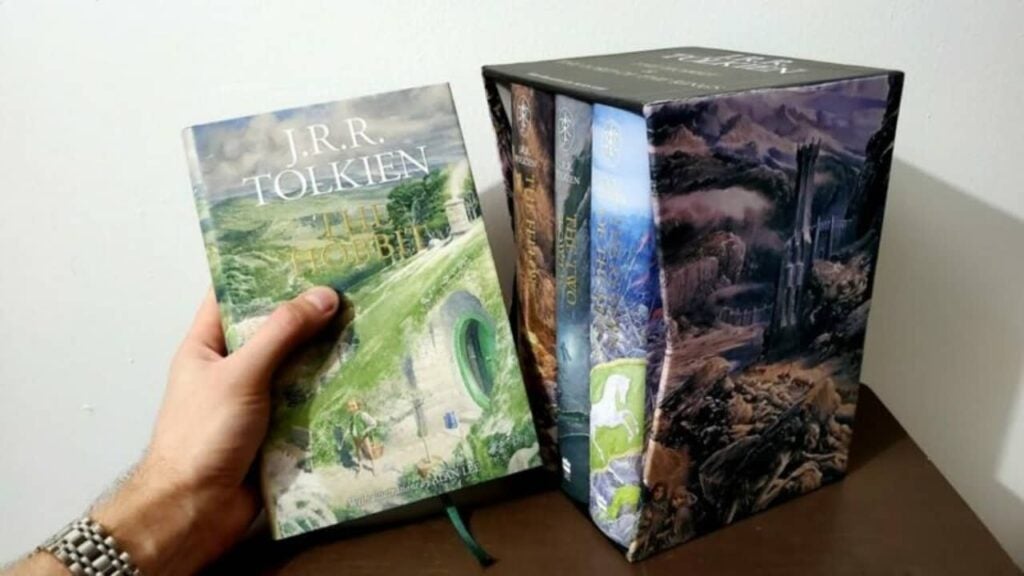
And brands know this. Perhaps that’s why they dare to release special editions with more tangible items (figurines, coins, unique booklets). Not everyone wants to fill their home with things, but those who do know how to make the most of it. Maybe you wouldn’t buy ‘The Lord of the Rings’ in a pocket-sized edition, but what about a luxury edition with gold-edged pages and giant size? Physical format serves not only as a means of consumption but also as decoration and status symbol.
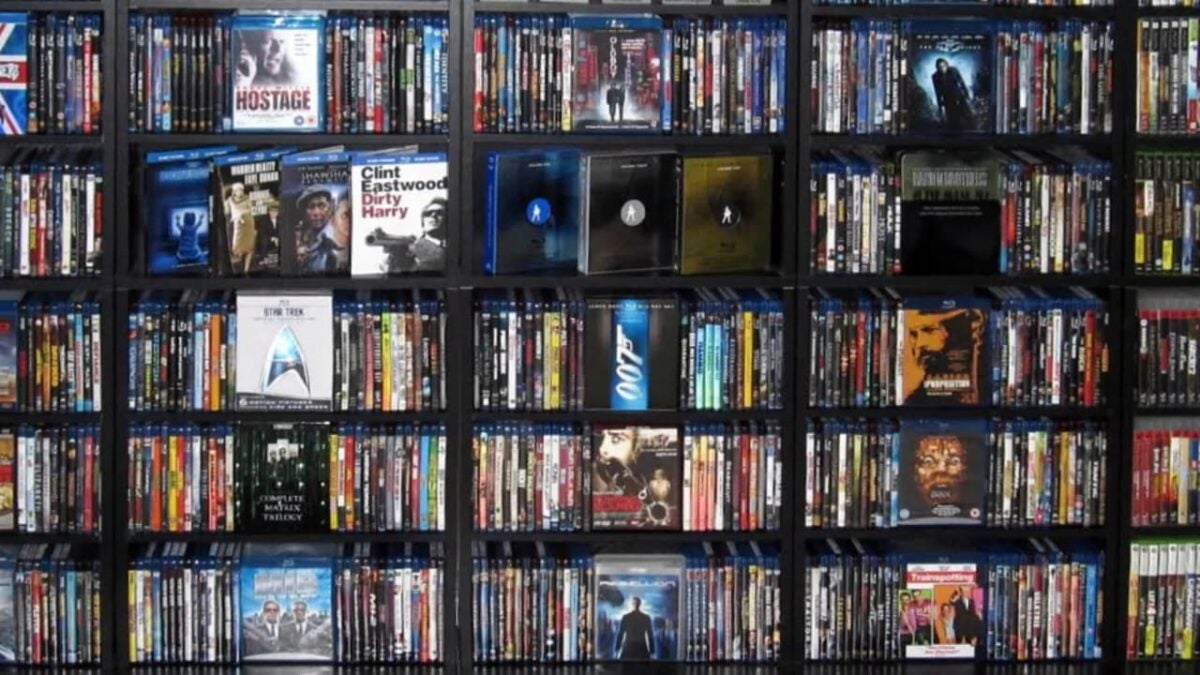
You may never actually play ‘Casablanca’ or ‘The Bridge on the River Kwai’ on your Blu-Ray player when you have them available for streaming, but owning their collector’s editions is a way to acknowledge their value, showcase your taste to visitors in your home, and hey, if the often-predicted online apocalypse ever happens, you’ll have a plan B. Despite claims that empty spaces and minimalism are trending, if you have a couple of hobbies, those empty spaces will soon be filled.
Back and forth
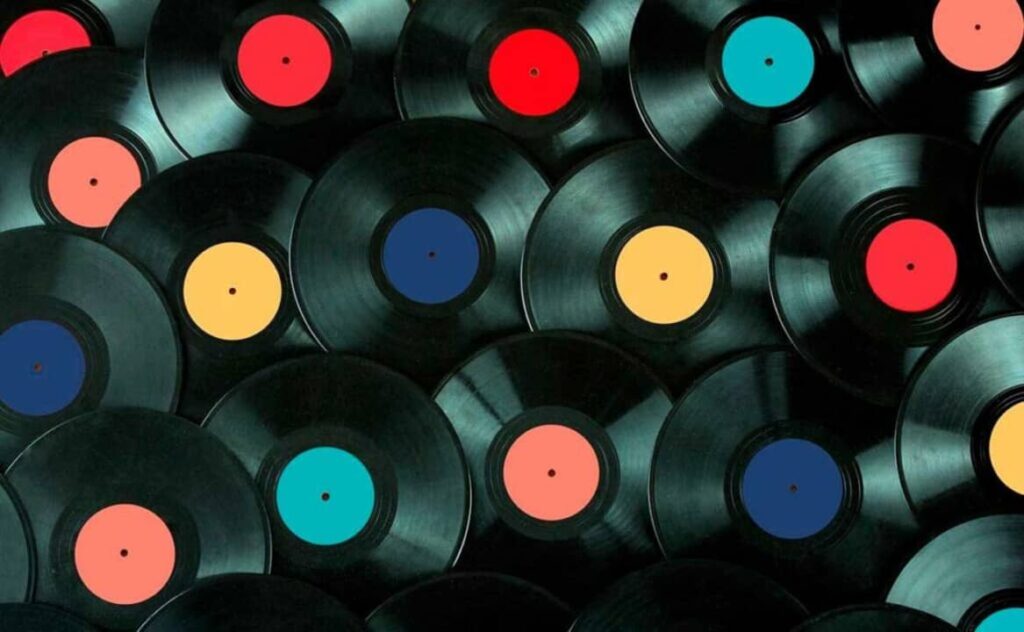
Indeed, it’s much easier to share a song with someone by simply sharing a link instead of taking the CD (or vinyl), going to their house, and leaving it there. But there’s a reason why we continue to collect vinyl records beyond their musical quality: it’s the feeling of owning something. Even if we purchase the album digitally and it comes with loaded extras, we will always feel a stronger connection to something we can manipulate, touch, and lend. It’s not just nostalgia; it’s being human.
There will be those who say, “Well, what about newspapers and magazines? They are in a crisis in their physical format.” That’s true. They lack the magic of collectability and have always been seen more as disposable content: the transition to digital is easier, especially because what we seek – current news – will always be more up-to-date on the internet than in print a day later. Magazines follow a similar path; it’s the next logical step: we don’t feel the urge to collect them, they are not fetish objects.
Despite the naysayers trying to kill off the physical format, the truth is that every year there are more and more comics and manga published, more and more vinyl records finding their place, more and more video games of all kinds and colors. Even indie games that were initially released exclusively in digital format have ended up being released in physical form due to this trend of wanting to have the good stuff encapsulated in our hands. If I have it, it means I am acknowledging it. It says something about me.
The film problem
In this new quest to see what survives in physical format, there is one format that has been fatally wounded (at least in Spain): the Blu-Ray. While in the UK and the United States it is still enjoying a sweet moment, partly thanks to collections like Criterion or Arrow, in our country, which has always been more prone to piracy, the arrival of streaming has definitively condemned movie (and series) discs to oblivion.
This is the exception: although it may seem that Spotify has killed CDs to create, in return, a revenue stream through more concerts, the truth is that vinyl records have a thriving community that has taken everyone by surprise. The same goes for books: despite Amazon’s efforts, many of us prefer to have them in our hands and be able to take them on a journey without worrying about battery life, even if it costs a little more.
Usually, we shouldn’t pay attention to those who announce “the future,” whether it comes in the form of NFTs, cryptocurrency, or digital formats, because Nostradamus 2.0 doesn’t exist. The revolution of physical space should not only be aesthetically pleasing but also fill us internally with a single glance. And that’s something a Kindle, no matter how hard it tries, will never achieve.
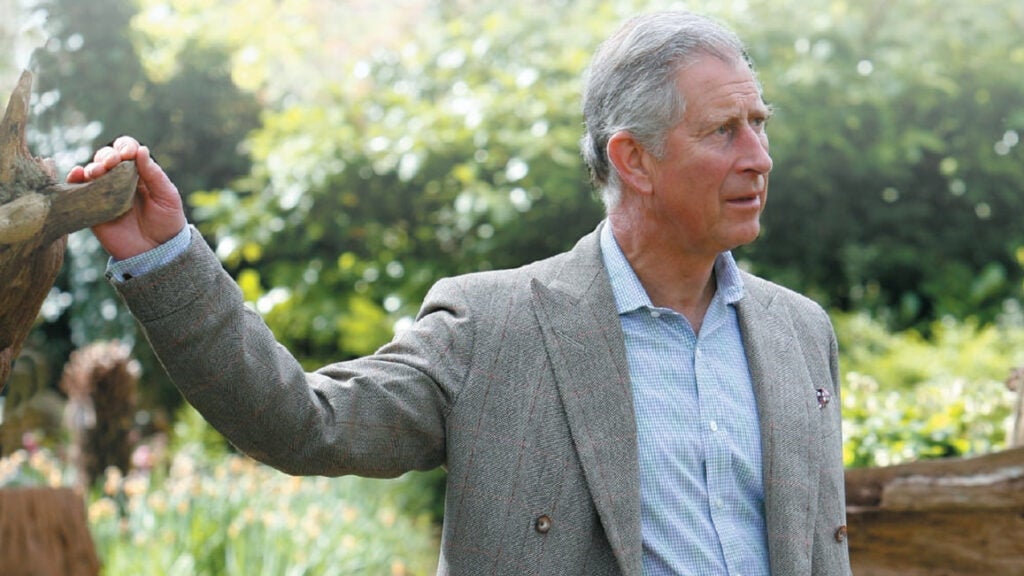
There is much more to read to understand who Prince Charles is, Camilla, why the Coronation is such an important event and, above all, why we should care so much about what happens from now on.
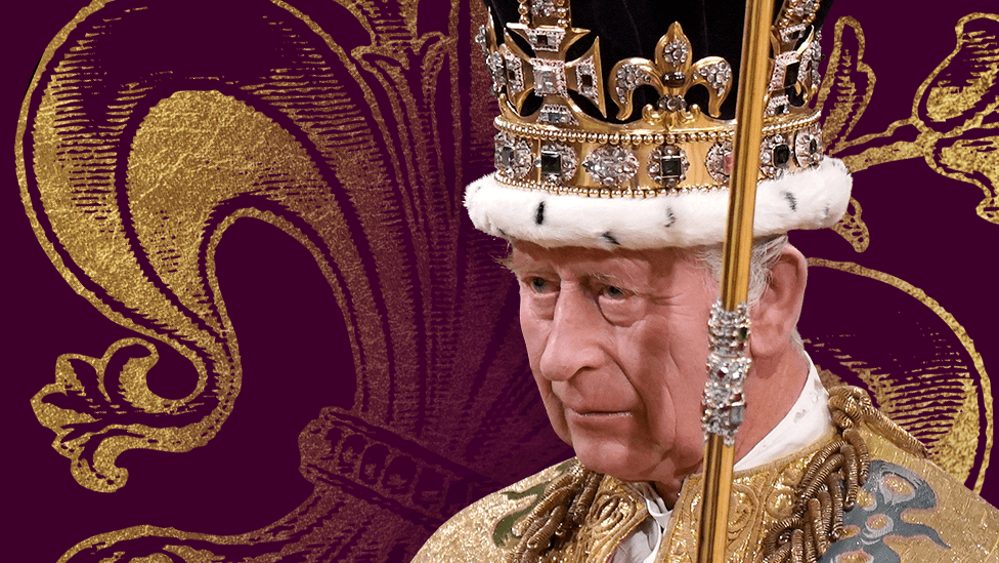
Yes, we have all inevitably thought, when the moment came when Charles III declared himself king of the English, of Joffrey during ‘Song of Ice and Fire‘, George RR Martin’s (for the moment) unfinished saga of novels. However, there is much more to read to understand who Prince Charles is, Camilla, why the Coronation is such an important event and, above all, why we should care so much about what happens from now on. Be careful, because for most of them you will need to know English. Oh, my god!
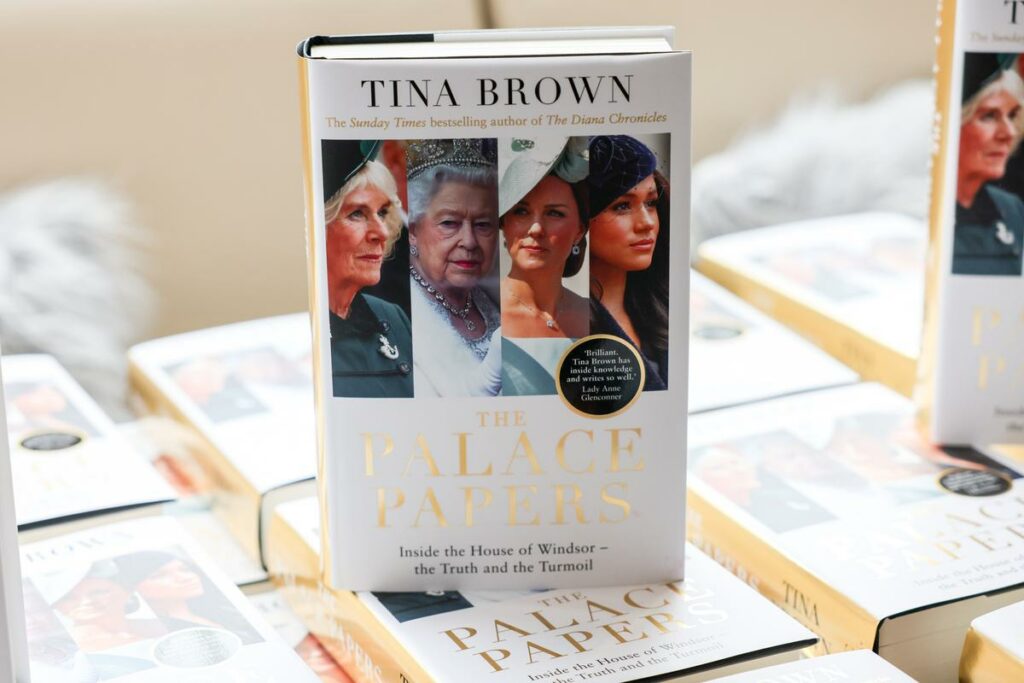
Tina Brown already told the story of Britain’s most famous family through Lady Di, cutting off at the time of her death. Now she picks up from there and moves on, ending with the passing of Prince Phillip. From dead to dead, wow. The biggest fans of the affairs and troubles inside the palace probably already know everything the essay is going to tell, but for those who don’t, it’s a perfect approach made by a person who isn’t the biggest fan of the Crown, but shares a common enemy with it – Meghan Markle.
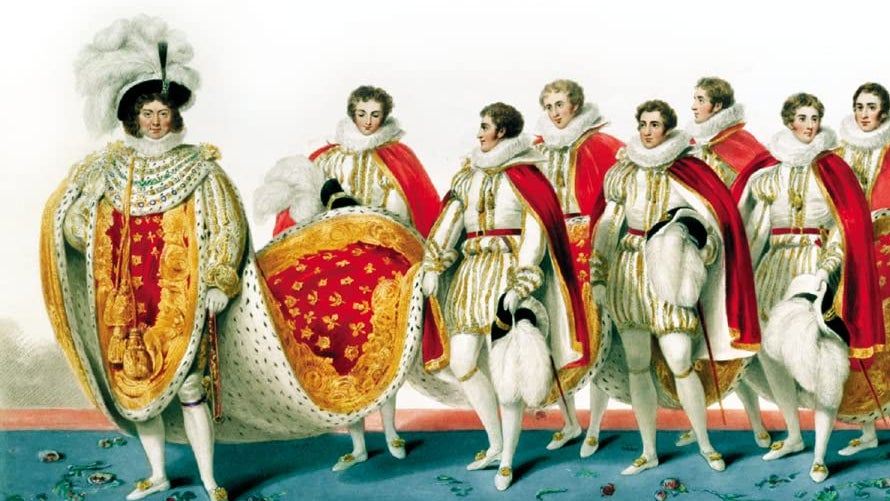
‘Coronation: A history of the British Monarchy’, by Roy Strong
Who knows? You may be interested to know all the details about the British Coronations and go beyond the typical Wikipedia article. Keep in mind that the first one for which we have specifics took place on January 6, 1066, when King Harold II rose. His reign lasted eleven months because, well, it was the time to die early. Ah! Tradition has it that he did so because of an arrow in the eye. When it comes to dying, this is one of the best ways.
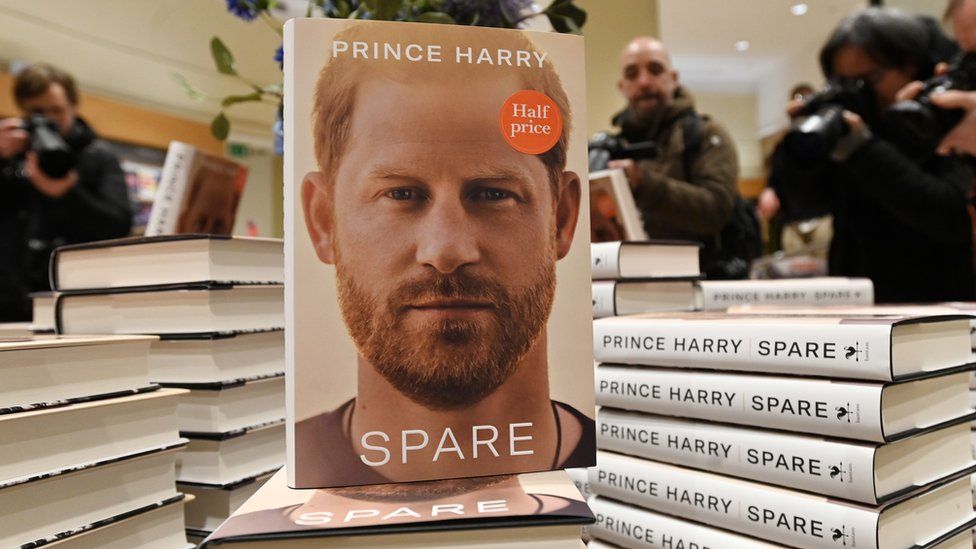
Prince Harry’s ‘In the Shadows
When Harry said he was leaving the royal family to live in the United States with Meghan, many sensed that from then on he was going to dedicate himself to capitalize on his life. And there are few more profitable ways to do it than selling a memoir in which he recounts his drama locked in a golden cage full of riches and very little freedom. If you like the fun but also the more or less amusing jokes, don’t even think about it: the rich also cry.
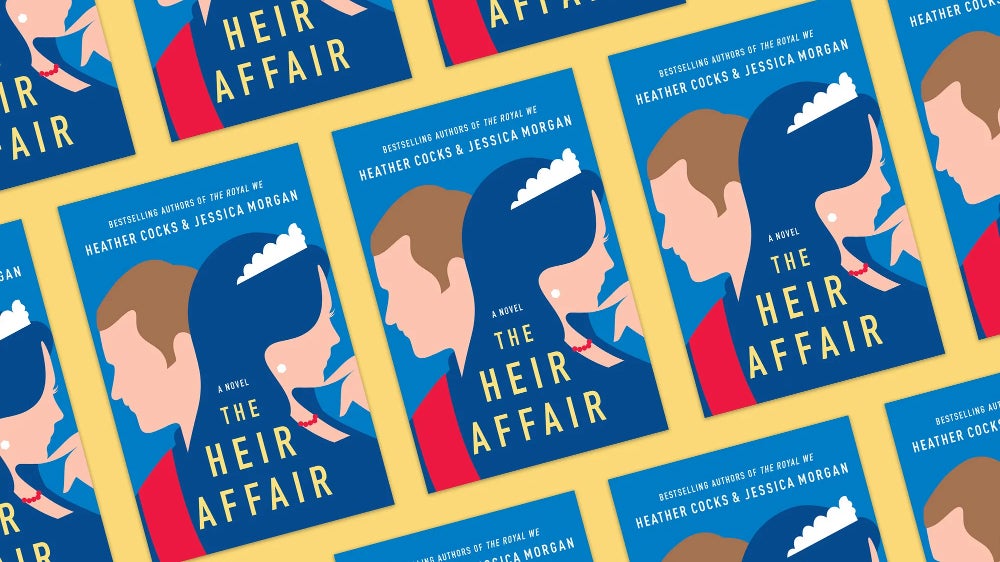
‘The royal we’ and ‘The heir affair’ by Heather Cocks and Jessica Morgan
These are not two essays, but two fictional novels based on reality that tell the story of Kate, an American girl who ends up dating the crown prince. This alone would ensure thousands of units sold, but the authors also put a lot of love and care into the novel: the only criticism is that at the end they decide to diverge from history to tell pure fiction. Without much surprise, the sequel would not please fans too much.
‘Harmony: A new way of looking at our world’, by the Prince of Wales
Deep down I am very grateful that Felipe VI has never given him the urge to write or that Froilán does not feel like telling his life story, because in the United Kingdom there are plenty of books written by the royal family. As proof, this ‘Harmony’, perpetrated by Carlos, in which he tries to raise awareness about the protection of nature and talks about climate change and other problems of our society. Just from the mouth most qualified to speak: the King of England.
‘Kohinoor,’ by William Dalrymple and Anita Anand
Among so much beautiful history and fairy tales, there is always time for a history lesson. Koh-i-noor is a 108-carat diamond that Queen Victoria appropriated in 1877. Elizabeth II refused to return it, partly because, David Cameron said, if she did, the next step would be for all countries to try to get their possessions back from the British Museum. Which wouldn’t be a bad idea, all things considered. This book tells the story of the diamond, its supposed curse and why Camilla has decided not to wear it in her crown. A gem of a book, wow.
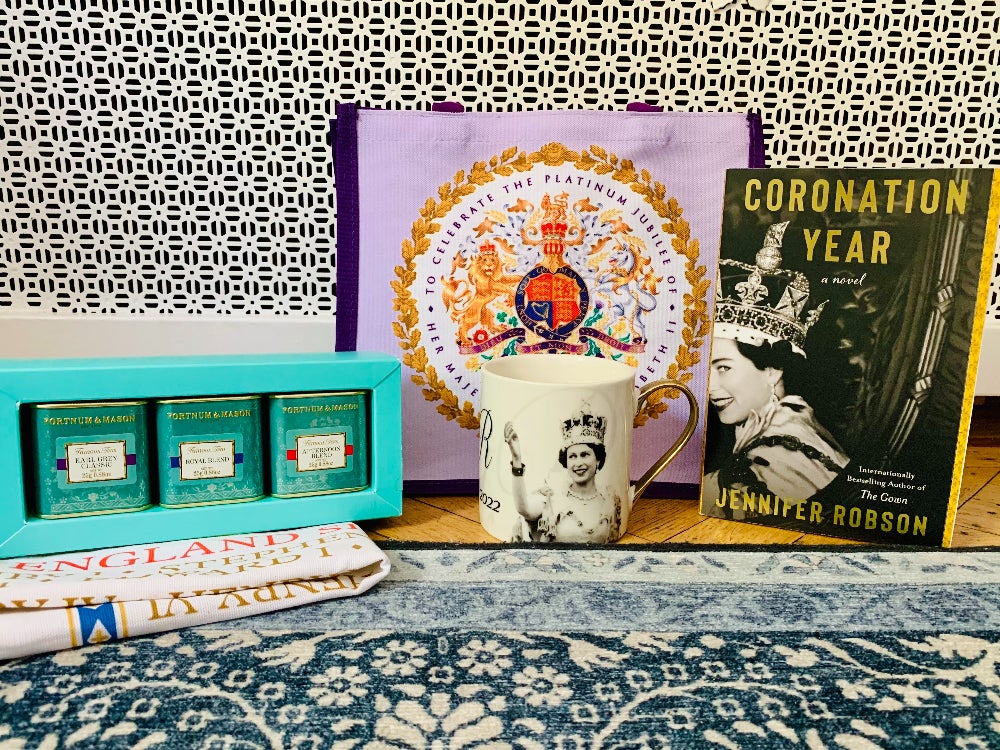
‘Coronation year’, by Jennifer Robson
The Coronation of Charles III has already taken place and will not be talked about for years as much as that of Elizabeth II. This fictional novel is about the residents of a London hotel who come together in an unexpected thriller for the subject matter. 1953, Blue Lion hotel, several people trying to get away with antagonistic goals. Not all will end well (except for the queen, who, spoiler alert, will end up reigning until 2022).
What if we told you that the King of Terror was about to throw everything away?
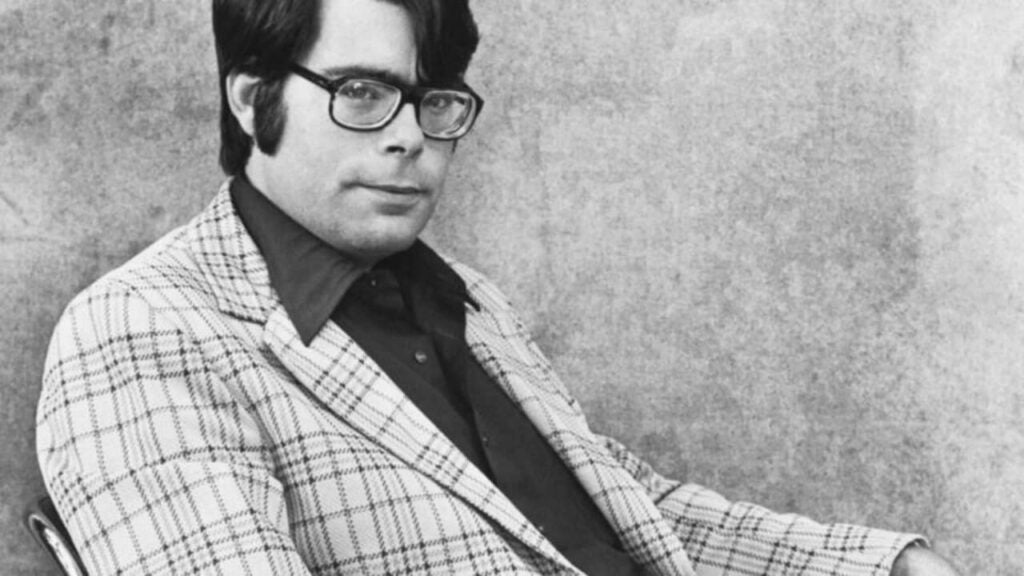
“Stephen King’s physical appearance does not reflect his tremendous intelligence as a writer.” Years ago, a book about the author introduced this caption that has gone down in history. And that King (also known as Richard Bachman) is one of the most respected and prolific authors in history: to his credit he has 65 novels, more than 200 short stories and some 60 films based on his work, to which we can add a whole host of short films, plays and even musicals. But what if we told you that the King of Horror was on the verge of throwing it all away?
1967. A twenty-year-old Stephen King manages to sell his first short story to the magazine ‘Startling mystery stories’ for 35 dollars. The story, which appeared in issue 6 of the magazine, would never be reprinted in the author’s anthologies or officially translated into Spanish (it was in a fanzine). Little by little, King was selling stories to different media while he combined it with his job as a janitor in a high school and English teacher in another. The good life.
Not that he didn’t try to write novels, of course, but they all inevitably ended up in a drawer after being rejected by different publishers. It happened to him with ‘The Long Walk’ (which would later become one of his best works) and with ‘Sword in the Darkness’, an anti-war story of 150,000 words that, as King later acknowledged, is absolutely unreadable. His wife Tabitha (to whom he has been married since 1971) and he lived in a trailer outside Hermon, Maine, and their situation showed no signs of improving. And yet…
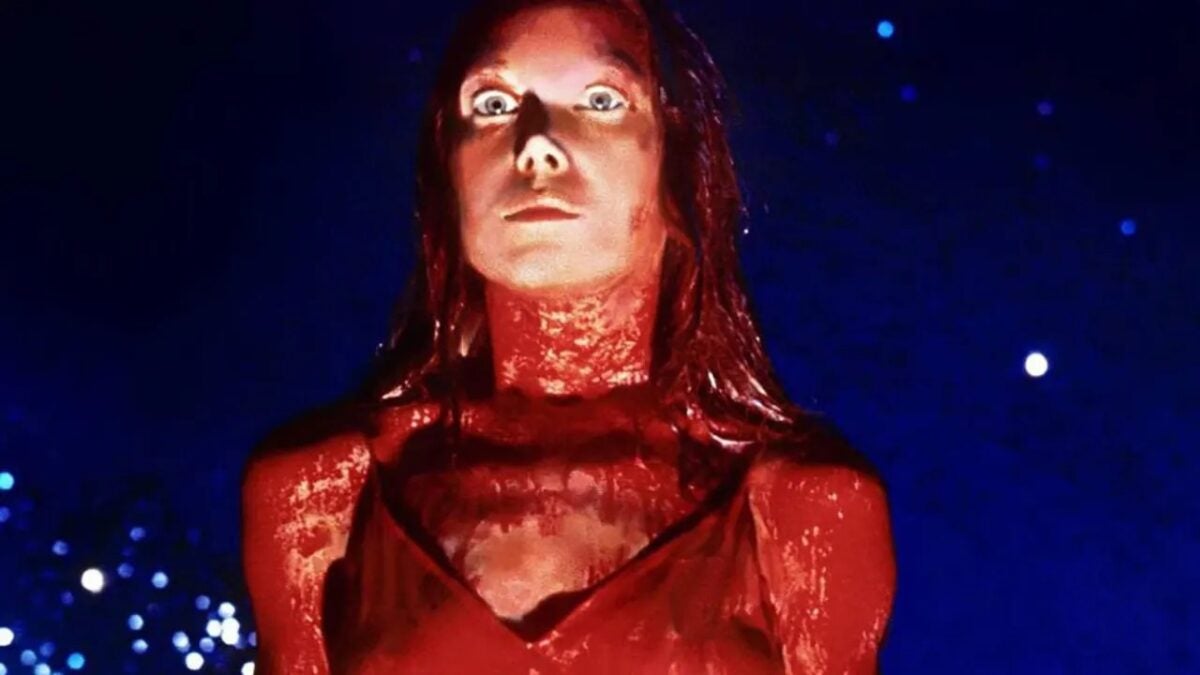
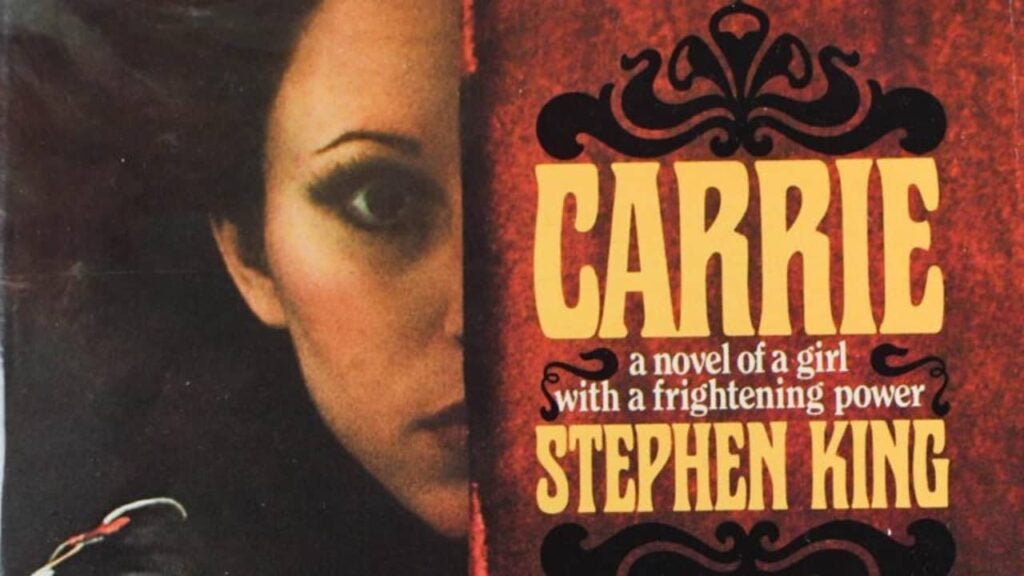
In 1971, our protagonist was cleaning the girls’ restroom at a high school when he came face-to-face with a box of feminine hygiene items and was shocked. It was a different era. Soon after, he remembered an article he had read in ‘Life’ magazine about poltergeist phenomena and telekinetic activity in teenagers. Sound familiar? Stephen King took Tabitha’s typewriter and began to write from the perspective of a high school student: one Carrie White.
To the garbage can
The basis of the story, as the author had it in his head, was similar to the beginning of the adaptation that Brian De Palma would later make: a girl starts menstruating in the showers and the rest of her classmates laugh at her. However, after three pages he decided he wasn’t doing it right: he couldn’t put himself in a woman’s point of view and he wouldn’t know how they would react. Also, Carrie didn’t end up liking him as a character because of his lack of emotional connection to her. He balled up the pages, threw them in the trash and went to sleep, thinking that the next day he would still be trapped in that life he didn’t want to have.
It was Tabitha who picked up the pages from the wastebasket the next morning and who convinced him to keep writing for one simple reason: she wanted to know how the story continued. And if her husband didn’t know how to introduce the female perspective, she would give it to him. It didn’t help him to fully understand Carrie, but he finally got it by talking to two students at his high school: one wore the same dress to class all the time because of her family’s poverty and, as a result, was being bullied. The other was growing up in a fervently religious family.
Adding the two together, telekinesis and tampons, he could get down to real writing, even though for him it was a waste of time that would never lead to anything. After 98 pages he finished it and put it in a drawer. He hated it with a passion, although that did not prevent him from reworking it in December 1972 until it became a full-fledged novel. In that novel, Carrie, at the end, destroyed an airplane after it grew horns, but his editor convinced him to change it. For whatever. To the author’s own surprise, Bingo was called: the publisher Doubleday had bought the rights and was willing to publish it.
The cow Carrie
This is what is usually told, but the truth is that he was rejected up to thirty times. Note: Thirty! Not surprisingly, Stephen King has never hidden his absolute hatred for ‘Carrie’, which he describes as clumsy and artless, but that did not stop him from releasing 30,000 copies in 1974 for which he got 2500 dollars at the time (about 15,000 today). Shortly thereafter, New American Library would pay 400,000 for the rights. It didn’t do badly: in its first year it sold a million copies and, after the 1976 movie, it was number one for weeks.
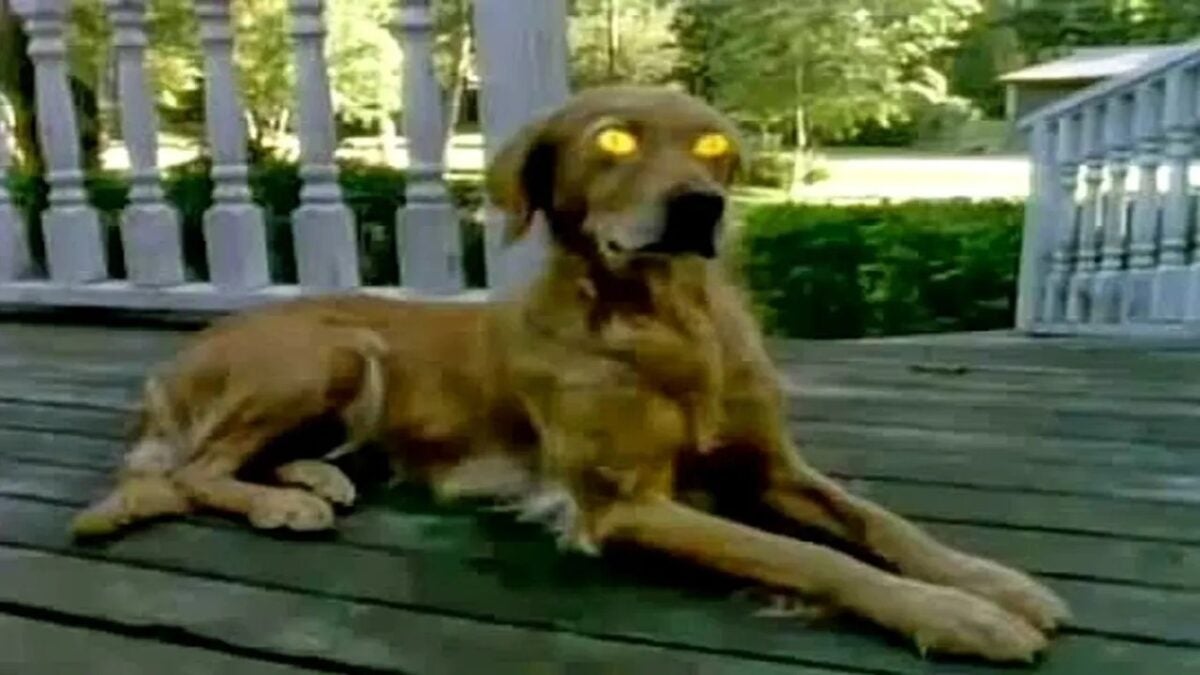
In 1975, taking advantage of the cinematic success that was to come, King published ”Salem’s Lot’ and, soon after, ‘The Shining’ and ‘Cujo’. Since then, rare is the year in which he does not publish at least one novel (or a collection of short stories). ‘Carrie’ had three film adaptations, a terrible film sequel, a musical, an episode of ‘Riverdale’ based on said musical and was on the verge of being spun off as a TV series. For such a supposedly clumsy film, not so bad.
So if you’ve ever felt like throwing everything you were writing into the recycle garbage can, let someone else take a look at it. Hey, maybe your letter to become a millionaire is resting in the trash right now.
RL Stine made gold with books, the series, spin-offs like “In search of your own nightmare”, board games and all kinds of merchandising. And meanwhile, at Scholastic they kept thinking about the easiest way to further capitalize on the success.
Perhaps nothing encapsulates better what the 90s were like than ‘Goosebumps’, both the original saga of 62 books (of which only 60 were published in Spain) and the TV series that tried to terrify a whole generation in ‘Club Megatrix’ with its well-known “Temblad, muchachos, temblad, qué miedo váis a pasar”(Tremble, boys, tremble, you’re going to be scared).
1995 and 1996 were a real “Nightmaremania”, especially in the United States (although watch out for the publication of the magazine ‘Goosebumps’ in Spain and other acts of dubious legality). RL Stine was making gold with the books, the series, spin-offs such as ‘It’s Only a Nightmare!’, board games and all kinds of merchandising. And meanwhile, Scholastic couldn’t stop thinking about the easiest way to capitalize even more on the success. They succeeded, of course. And they succeeded.
Before ‘Goosebumps’, Stine was already known in the publishing world: he wrote quickly and efficiently, and his ‘Fear Street’ novels were a success. Perhaps that is why he was asked to transform adolescent terror into children’s fears with a collection that he hesitated to write, but ended up making him world famous: even now new novels of the saga are still coming out, although without repeating the crazy success of yesteryear, of course. In July 1992, ‘Welcome to Dead House’ and ‘Stay Out Of The Basement’ were published to general indifference. Three years later, a series that would run to 74 episodes premiered.
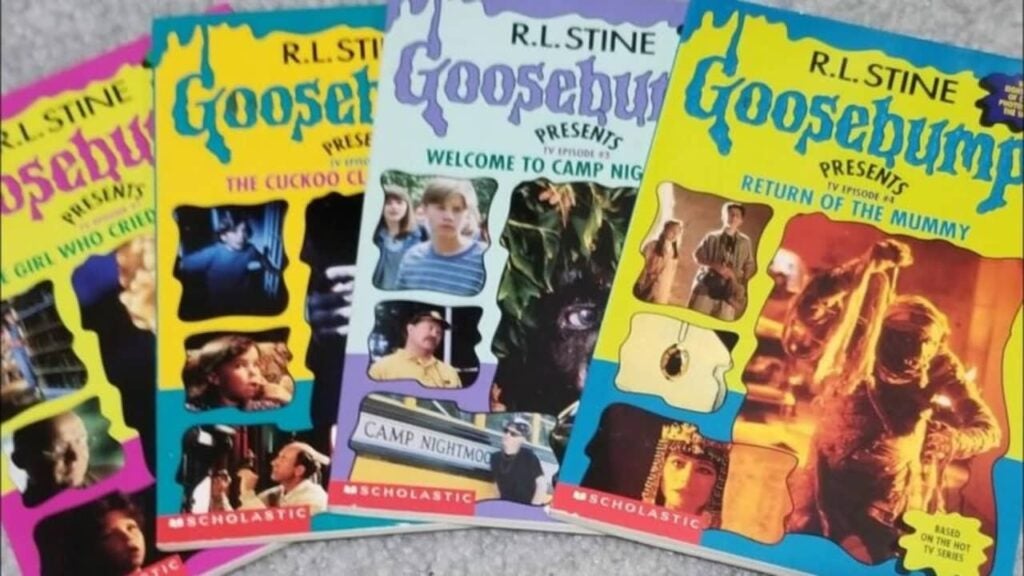
‘Goosebumps’ not only adapted 48 books from the original saga: it also brought to television short stories and a couple of books from the consequent series, ‘Goosebumps 2000’. There were even three episodes, dubbed ‘Chillogy’, which were completely new stories. In fact, there RL Stine wasn’t even credited as a screenwriter. And it was strange, because his name was on everything from novels he clearly hadn’t written to the ultimate shameless cash grab for 90’s kids: ‘Goosebumps presents’.
Each episode of ‘Goosebumps’ was based on an original book of about 120 pages. But Scholastic thought they could still make a few dollars more by releasing smaller books based on the TV episodes, in which RL Stine would only put his name on the cover, but not write a single word. The first experiment, in February 1996, was a small 57-page book based on ‘The Girl Who Cried Monster’. And the ticket machine took another turn.
Nearly twenty
One could believe that nobody would fall for such an obvious deception, but the truth is that 18 books were published between February 1996 and February 1998 by different authors, such as Carol Ellis (expert in writing books on demand for sagas like ‘Cheerleaders’ or ‘Zona Límite’), Megan Stine (not related to RL Stine and who ended up making a name for herself writing biographies for children) or Francine Hughes (who had just adapted ‘Space Jam’ and ‘Beethoven 2’ into novels). All in all, a complete fiasco.
You may be thinking about why these books existed. And, on reflection, it makes sense: it was a time without streaming, when there were almost no VHS releases of TV episodes. If you had really liked an episode, you had to hurry up and record it or wait for it to be rebroadcast. These books, which contained full-color pictures, were a way to keep it alive in your memory. In the golden age of novelizations of any kind no one thought it was a rarity. Ah, the good part was that, since they were made from scripts and not the final episodes, you could see (well, read) some unpublished scenes. That’s something.
‘Nightmares’ currently has more than two hundred novels that have made RL Stine a millionaire. Of course, it doesn’t seem that on this book day many are going to go out to the Retiro expecting to find the literary adaptations of the television adaptations of these novels for children. But at least you know they exist: not everyone does!
Literature has returned to being one of the main hobbies among Generation Z thanks, paradoxically, to TikTok.
You may have read that Generation Z searches on TikTok rather than Google. It’s not true (it was a phrase taken out of context that talked about fashion shopping habits), but it’s getting closer and closer to reality. Maybe some of you think that the influencers on Instagram, Twitter, YouTube or -in extreme cases- the press have the upper hand when it comes to recommending and turning an unknown novel into a hit with the public, but the truth is that this is the merit of TikTok and the booktokers. Don’t you know them yet?
“Addictive and quick to read books“, “Booktok books that I do recommend”, “If you’ve read it, I like you”, “Books in 60 seconds”… No matter how much the cultural establishment has tried to promote reading through campaigns and somewhat outdated comments from authors unknown to young people, the truth is that literature has once again become one of the main hobbies among Generation Z thanks, paradoxically, to TikTok. If this is all Greek to you and you were one of those who believed that TikTok was destroying culture instead of promoting it, don’t worry: we all have a boomer inside us.
Booktokers can sell out copies of books that were released four years earlier, make and break phenomena: publishers have stopped looking at the most brainy websites to focus on influencers who, in just one minute, are able to sell a book to their followers. Novels like ‘It Ends with Us’, ‘The Atlas Six’ or ‘The Seven Husbands of Evelyn Hugo’ might never have had more commercial trajectory if it weren’t for a teenager who discovered them and quickly made them viral.
The phenomenon of recommending books through videos has been around since the days of booktubers. But since 2016, the change of favorite social network has also brought with it a change in attitudes. It is no longer of interest that you convince me in ten minutes of the goodness of a new young adult novel. Now you have one. If it can be less, even better. Studies are showing that, all over the world, Gen Z took refuge in reading after the pandemic and confinement. With no friends or nights out, TikTok became a key place to have a new hobby, get ideas, recommend and devour page after page. It’s not so strange after all, is it, or don’t you rely on your friends to pick your next book?
Don’t judge TikTok by its front cover
Obviously, this phenomenon has, for publishers, the same problem as any influencer: except for very specific phenomena, it is impossible to know the real phenomenon in sales of the novels that are promoted. They know that they influence, but not how much. It is not a problem: the cost for the company to send a hundred copies is minimal for the result they can obtain.
Some may complain that great literary masterpieces such as ‘Crime and Punishment’ or ‘Don Quixote’ are not represented in this new generation of readers. Frankly, there is no need for that. At TikTok, they know how to encourage reading what they want to read: their opinion leaders keep going, novel after novel, teen saga after teen saga, browsing everything that affects them personally. Maybe that’s why we’ve seen an increase in millennial and Gen Z literature like the fabulous ‘Supersaurus’ or the very punk ‘Taller de chapa y pintura’. You have to give the reader what they want to read.
But it’s not all about recommendations: booktokers are aware that their channels should not just look like simple Teleshops or automatic recommenders, and that’s why they often upload short sketches, identifiable jokes, memes and more, following trends that transcend the community itself. TikTok has a unique language, narrative guidelines that are different from any other social network, and it was not going to be less in the literary recommendation.
Want some names to know where to start? Jot some down: @anne.r.r._@saraar_fer@libroslibroslibroslibros or @andreorowling are just a few to start with. From there, let yourself go: TikTok’s algorithm is chaotic and impulsive and nothing foretells which video will become a hit and which won’t… But it usually gets right what we want to see. And, therefore, what we’re going to read.
Sit back, enjoy and search for #booktokers in the TikTok search engine: You have to know how to adapt to the times!