Bad news from NASA: they are delaying the return mission to the Moon again

This week we mentioned that NASA was going to update us on the status of the Artemis missions, those related to NASA’s conquest of the Moon. And although we were expecting good news, the reality has been quite different. The Artemis II and III missions, planned to take American astronauts to the Moon, have been delayed. In a press conference, NASA officials reported that issues with the heat shield and life support systems would delay the launches until 2026 and 2027. On December 5, the Administrator of the […]

This week we mentioned that NASA was going to update us on the status of the Artemis missions, those related to NASA’s conquest of the Moon. And while we were expecting good news, the reality has been quite different.

The Artemis II and III missions, which planned to take American astronauts to the Moon, have been delayed. In a press conference, NASA officials reported that issues with the heat shield and life support systems would delay the launches until 2026 and 2027.

On December 5, NASA Administrator Bill Nelson, Deputy Administrator Pam Melroy, Associate Administrator Jim Free, and astronaut and Artemis II commander Reid Wiseman provided an update on the status of the Artemis program dedicated to returning American astronauts to the Moon and establishing a permanent human presence there.

Why the Artemis II and Artemis III missions are delayed

In a statement, the officials explained that the issues with the thermal shield used to protect the crew capsule upon re-entering Earth’s atmosphere and the ongoing problems with the environmental control and life support systems of the Orion spacecraft have forced a new delay in the mission schedules.

The Artemis II mission, in which two American astronauts and a Canadian astronaut would orbit the Moon, initially scheduled to fly between 2019 and 2021, was delayed until 2023. Subsequently, it was moved to September 2025. Now, it has been pushed to April 2026.

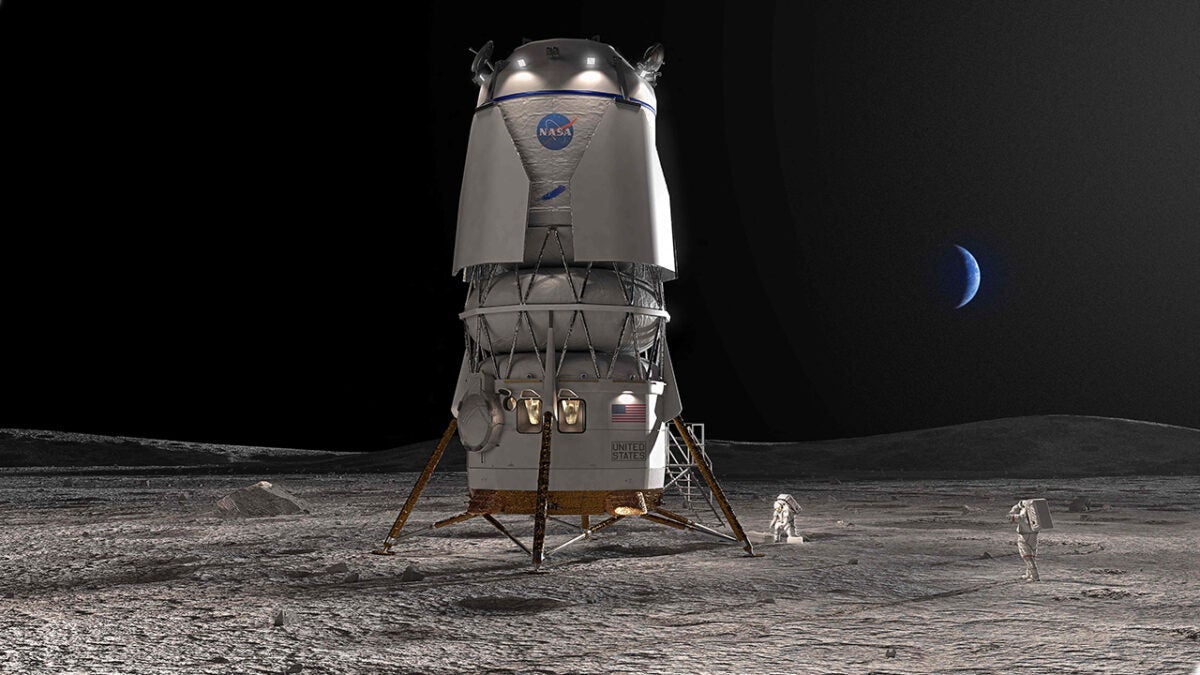
Meanwhile, Artemis III, which was supposed to allow astronauts to land at the Moon’s south pole, has been rescheduled for mid-2027 and there has been speculation about the possibility of canceling the landing or even changing the mission to low Earth orbit to test the technology.

The reasons for the delay are mainly based on the heat shield. It is the largest heat shield ever made for a manned spacecraft and is made of a novolac epoxy resin, called Avcoat, with special additives set in a fiberglass honeycomb matrix. It was originally created for the Apollo command module, but has since been reformulated to meet current environmental regulations.

The problem with the shield occurred during the uncrewed Artemis I mission. Upon entering the Earth’s atmosphere on a trajectory that mimicked a lunar return at 40,000 km/h (25,000 mph), some sections of the shield were charred and had not softened as designed.

Subsequent tests showed that the gases generated inside the material at the tremendous reentry temperatures had not escaped properly and had cracked the shield, causing pieces of it to break off.

NASA is once again exposed

The new delay is the latest in a series of embarrassments for the space agency regarding the Artemis program, the most ambitious to date and the most disastrous.

The project, which was already facing criticism about the mission’s objectives and the insistence on using outdated space shuttle technology from the seventies for the Space Launch System (SLS) launch vehicle, has been plagued by cost overruns.

With a budget that skyrockets to 93 billion dollars for 2023 and a cost of at least 2.2 billion per launch, with only one launch every two years. Compared to SpaceX, it seems that the American agency is in trouble.

This beautiful video of Earth from the International Space Station is your relaxing moment of the day

On his fourth trip to orbit, NASA astronaut Don Pettit has shared some wonderful images captured from the International Space Station (ISS) since his arrival there in September 2024. His latest work shows distant stars, city lights on Earth about 250 kilometers below, and what he describes as cosmic fireflies, which are actually Starlink internet satellites deployed by Elon Musk’s company SpaceX. As Pettit notes on Twitter, the flashes of light are sunlight reflecting off the small Starlink satellites while […]

On his fourth trip to orbit, NASA astronaut Don Pettit has shared some wonderful images captured from the International Space Station (ISS) since his arrival there in September 2024.

His latest work shows distant stars, city lights on Earth about 155 miles, and what he describes as cosmic fireflies, but are actually Starlink Internet satellites deployed by Elon Musk’s company SpaceX.

As Pettit points out on Twitter, the flashes of light are sunlight reflecting off the small Starlink satellites as they orbit the Earth more than 100 miles above the space station.

Almost 7,000 Starlink satellites in five years

After the deployment of the first Starlink satellites in 2019, SpaceX has already sent more than 6,700 to low Earth orbit. It currently has permission to deploy up to 12,000 of the satellites, but its goal is to send up to 42,000 into orbit.

This means that the number of satellite sightings from the ISS will only increase in the coming years, at an even greater rate than currently, considering that other companies like Amazon also want to send small satellites into orbit as part of their own Internet initiatives from space.

And not only astronauts can see SpaceX satellites. Astronomers have long complained that the sunlight reflecting off Starlink satellites interferes with their ability to use ground-based telescopes to view deep space.

In fact, the problem seems to have worsened since SpaceX began deploying the new V2 version of the Starlink satellite in February of last year, and disturbances in radio astronomical observations due to electromagnetic radiation emitted by the satellites have also been reported.

With SpaceX launching about 40 second-generation Starlink satellites each week, astronomers have warned that the problem is becoming increasingly serious.

SpaceX has been working to address the concerns of astronomers, but despite the efforts, some astronomers remain skeptical about the effectiveness of these measures, particularly for radio astronomy.

This NASA plane did not succeed for one reason: it had backward wings

The Grumman X-29 looks like a plane that a child assembled from a model kit without reading the instructions, hence the wings of the plane were, for the first time, placed in the opposite direction. Dear reader, innovation is not always necessary. This model can only be seen at the National Museum of the United States Air Force in Dayton (Ohio) or the NASA Armstrong Flight Research Center in Edwards (California), where there are prototypes of one of the strangest planes ever to come off the drawing board. For those who are not familiar with it, this plane (the […]

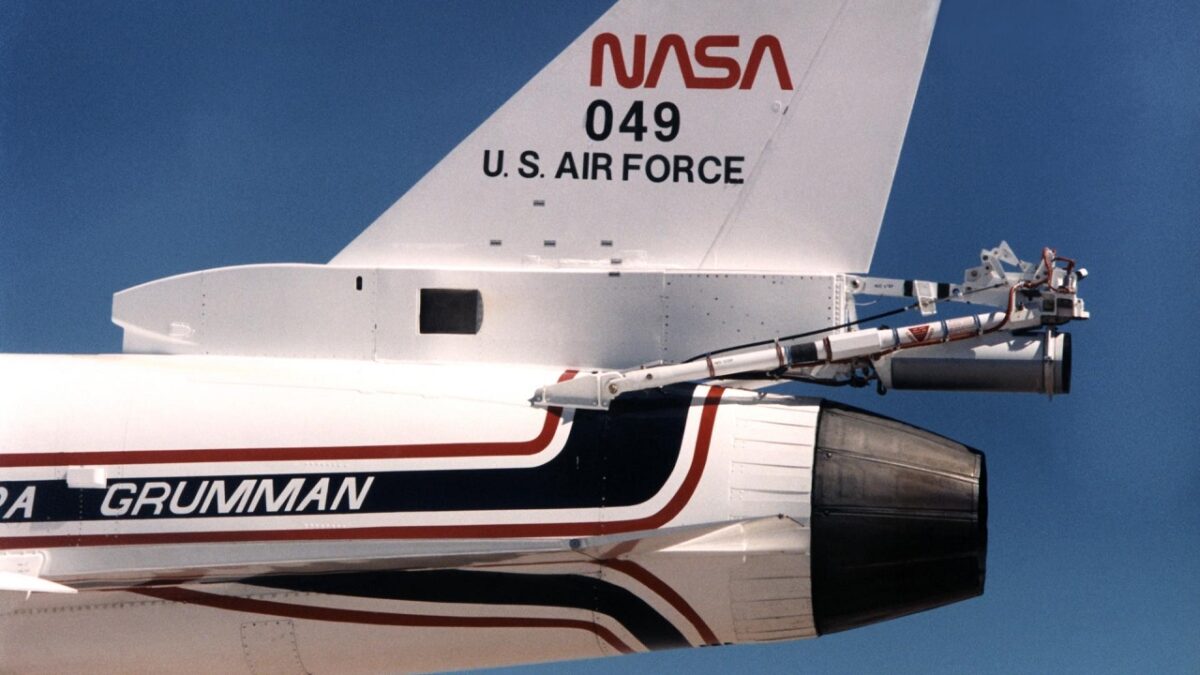
The Grumman X-29 looks like a plane that a child assembled from a model kit without reading the instructions, hence the wings of the plane were, for the first time, placed in the opposite direction. Dear reader, innovation is not always necessary.

This model can only be seen at the National Museum of the United States Air Force in Dayton, Ohio, or the NASA Armstrong Flight Research Center in Edwards, California, where there are prototypes of one of the strangest aircraft that have ever come off the drawing board.

For those who don’t know it, this plane (the Grumman X-29 of the United States Air Force) was born during the 1980s and is a fighter whose main attraction is that it has reverse wings. Let’s tell its story.

When did the idea of inverted wings arise?

In the 1930s, aeronautical engineers experimented with all kinds of wings. There were box wings, tube wings, cantilever wings, rotating wings, and wings that looked like Venetian blinds. If you could imagine a wing, someone was building it. This, in general, is the best way to break with the established norms.

One proposal was to sweep the wings forward instead of backward. The idea was that such a wing would reverse the usual flow over it. While in a backward-swept wing the air flows from the root to the tips, in a forward-swept wing the air flows from the tips to the roots. This reduces drag, increases maneuverability, and allows for flying at a steeper angle of attack.

As explained in New Atlas, the concept was put into practice by Germany during World War II with the Junkers Ju 287 jet tactical bomber. It was later incorporated into the civil aircraft Hansa Jet HFB-320 in the 1960s, but in both cases, the wings were far from successful due to the tendency of the wings to be unstable because of excessive wing flexing.

How the technology for the final design of the X-29 was achieved in 1970

In the 1970s, DARPA, the U.S. Air Force, and NASA decided to revisit the concept thanks to the development of new carbon composites that promised to make forward-swept wings more rigid without adding too much weight.

The result was the X-29, which flew for the first time in 1984 and served as a testbed until 1992. Two prototypes were built and from the beginning they had a strange but familiar profile.

The strange wings were located far back on the fuselage and, instead of tail stabilizers, they had ailerons located in front of the wings. The familiarity was due to the fact that the designers saved money by basing the design on the fuselage of an F-5 Freedom Fighter with the landing gear of an F-15.

The X-29 had quite decent performance. Its General Electric F404-GE-400 engine produced a maximum of 16,000 pounds of thrust, giving it a top speed of Mach 1.5, an operational ceiling of 50,000 feet (15,000 m), and a range of about one hour of flight.

However, as expected, it was very unstable. And this instability made it very difficult to pilot.

NASA App DOWNLOAD

Grumman’s response to the antisocial degree of aerodynamic instability of the X-29 was to install a state-of-the-art system that corrected the aircraft’s flight 40 times per second.

In many ways, the X-29 was a great success, as it provided American engineers with tons of data that would be used in subsequent aircraft designs. However, the wing design did not succeed and died with the X-29.

It's time for us to start saying goodbye to NASA's Voyagers after almost 50 years of space flight

For those who don’t know them, they are the oldest and most distant probes built by humans that are still active. They are also the only probes that have left our solar system and ventured into the vast expanses of space. Unlike many other probes, these continue to function not thanks to solar energy, like the rest, but through nuclear energy. But at some point, their mission will end. And right now is a good time to remember that. The Voyagers began as planetary missions. Their goal was to carry out the so-called Grand Planetary Tour, that is, to visit […]

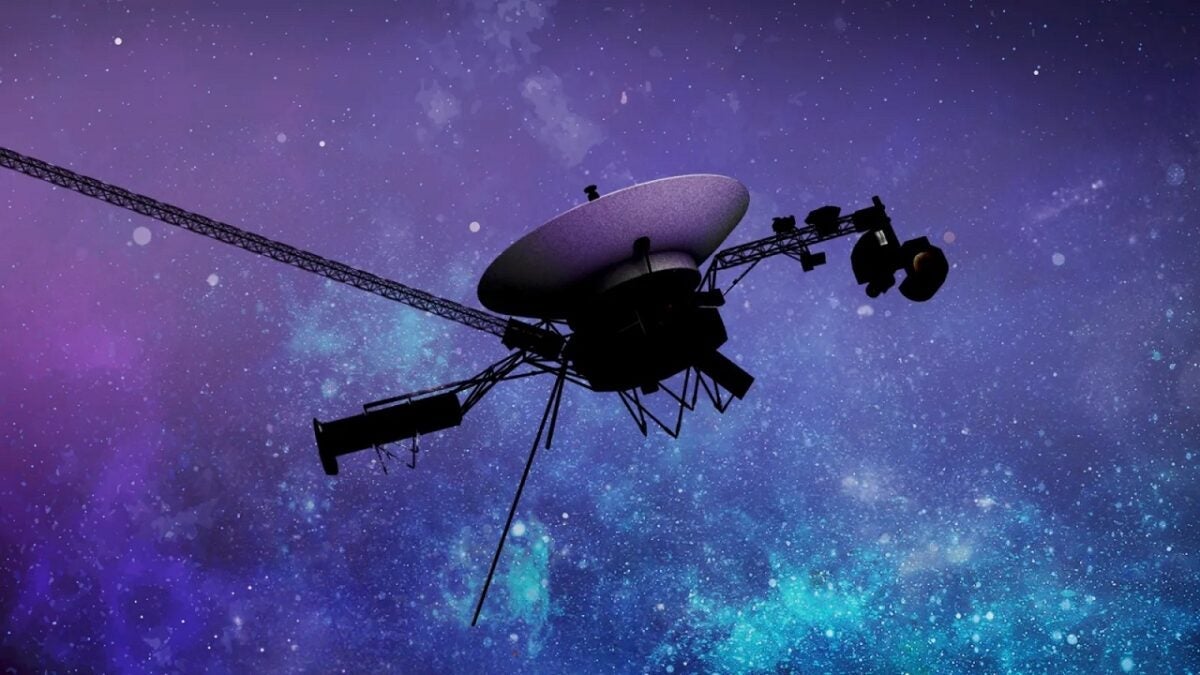
For those who are not familiar with them, they are the oldest and most distant probes built by humans that are still active. They are also the only probes that have left our solar system and ventured into the vast expanses of space.

And unlike many other probes, these continue to function not thanks to solar energy, like the rest, but due to nuclear energy. But at some point, their mission will end. And right now is a good time to remember that.

The Voyagers began as planetary missions. Their objective was to carry out the so-called Grand Planetary Tour, that is, to visit the four outer planets of the solar system through a series of flybys. Jupiter, Saturn, Uranus, and Neptune were seen in a new light thanks to the robotic cameras of the probes and their numerous scientific instruments.

Everything we know about Uranus and Neptune is thanks to the Voyagers

The ice giants Uranus and Neptune, in particular, were studied for the first and only time in history by Voyager 2, while the successful observations of Jupiter and Saturn served as a basis for subsequent interplanetary missions to these worlds, such as Galileo, Juno, and Cassini-Huygens. Voyager 1, on the other hand, had as its main objective Titan, the largest moon of Saturn and one of the most intriguing satellites of the outer solar system.

Once the planetary journeys of the Voyagers were completed, it was possible to start a new phase of the mission. After their last planetary stops, both probes reached the escape velocity for the solar system, which allowed them to break free from the sun’s gravity.

Since 2012, in the case of Voyager 1, and since 2018, in the case of Voyager 2, they have become interstellar. We know this because after those dates, the probes’ sensors showed that the charged particles coming from the sun became less numerous and energetic than those detected in the galactic environment. It was a golden opportunity to study the boundaries of the solar system and the environment outside of it.

An atomic heart, its secret to longevity

Reaching such a distance is only possible with the right energy source. Many probes use solar panels, but if they get too far from the sun, they become useless (the farthest probe using them is Juno, which orbits around Jupiter).

The secret of the Voyagers lies in their atomic heart: both are equipped with three radioisotope thermoelectric generators, or RTGs, small power generators that can produce energy directly on board. Each RTG contains 24 spheres of plutonium-238 oxide with a total mass of 4.5 kilograms.

Plutonium-238 is an unstable isotope, which means it undergoes radioactive decay. The plutonium atoms in RTGs release alpha particles (composed of two protons and two neutrons) that collide with the RTG container and heat it. The heat is converted into electricity.

But over time, the plutonium on board depletes and the RTGs produce less and less energy. The Voyagers are slowly dying. The nuclear batteries have a maximum lifespan of 60 years.

NASA App DOWNLOAD

In order to conserve the remaining energy of the probes, the mission team is gradually shutting down the various instruments of the probes that are still active.

There are four active instruments remaining, including a magnetometer, as well as other instruments used to study the galactic environment, with its cosmic rays and interstellar magnetic field. But these are in their final years. In the next decade, the 2030s, the batteries of both probes will run out forever.

Boeing’s Starliner is emitting strange sounds, and nobody at NASA knows what they are

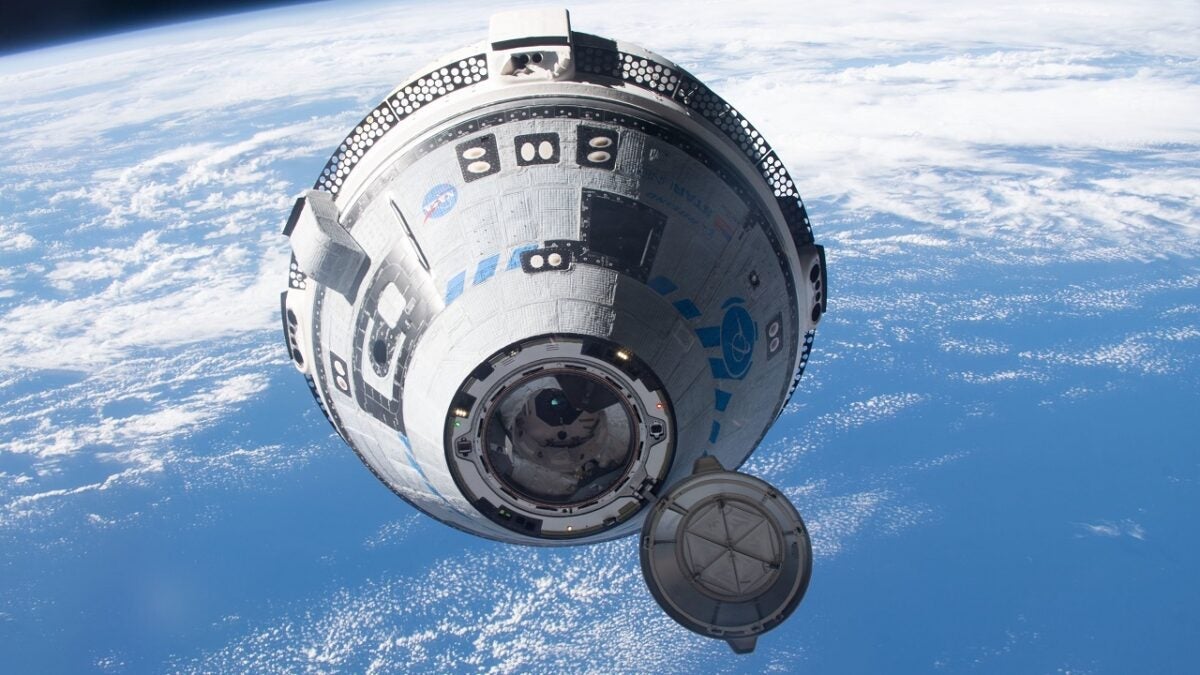
We have been following Boeing’s troubled spacecraft for months: from its construction to its launch, everything has had issues. And the worst part is that this headache is far from over for the astronauts, NASA, and Boeing itself.

The commander of the Starliner, astronaut Barry ‘Butch’ Wilmore, asked mission control in Houston on Saturday why the test capsule had started emitting strange noises through a speaker.

At first, the sounds were not audible, then Wilmore, 61, captured a better recording: an annoying and perpetual glitch, similar to the ping pulse of a submarine sonar.

‘I’m going to let them scratch their heads and see if they can understand what’s going on,’ Wilmore said over the radio with his southern accent and the self-assurance that only an astronaut can have.

A problem – they don’t know where it comes from or what causes it

The flight controllers seemed to not immediately know the cause or origin of the noise. Neither NASA nor Boeing, the developer of the spacecraft, responded to media inquiries about the sounds on Sunday, and it was unclear if the problem persisted.

Wilmore only noticed one unusual thing at the time of communication: the sound coming from the speaker. He stated that there were no other issues or strange configurations inside the capsule.

Although the US space agency recently decided that Wilmore and his crewmate, pilot Sunita ‘Suni’ Williams, would not return in the Starliner but in a SpaceX Crew Dragon capsule, the Starliner remains docked to the International Space Station about 250 kilometers above Earth. It is expected to remain there until it departs for an unmanned robotic landing on Friday, September 6th.

If everything goes according to plan, the Starliner will land at the White Sands Missile Range in New Mexico, about six hours later. A parachute system and airbags will cushion its fall onto the desert shortly after midnight on September 7th.

The failures are the latest in a series of issues related to the Starliner, which was launched from Cape Canaveral (Florida) in June for its first manned test flight.

Provide electricity to the Moon with lampposts the size of the Statue of Liberty

The company Honeybee Robotics has outlined a plan to build a kind of electrical network on the Moon, with a network of towers the size of the Statue of Liberty that contain solar panels and batteries that provide power and communications, and even act as streetlights.

NASA App DOWNLOAD

More than 50 years have passed since humans last set foot on the Moon, but NASA’s Artemis mission plans to send them back soon. And this time, to stay: the program aims to establish a permanent presence on the lunar surface and in lunar orbit, laying the groundwork for eventually traveling to Mars.

Building a human colony on the Moon will of course require some infrastructure. Companies like Nokia are helping to establish 4G networks for communications, and Northrop Grumman is developing a lunar railway concept for the transportation of astronauts, materials, and equipment.

What are these lunar streetlights that harness solar energy?

This is part of the Lunar Architecture Capabilities Study at 10 Years (LunA-10), and Honeybee Robotics has been selected as part of that same initiative to develop a new infrastructure technology called LUNARSABER.

Of course, it is an acronym that apparently stands for “Lunar Utility Navigation with Advanced Remote Sensing and Autonomous Beaming for Energy Redistribution.”

Each LUNARSABER would be a deployable package that would turn into a 100-meter tall tower, according to another acronym: DIABLO—Deployable Interlocking Actuated Bands for Linear Operations.

Each tower contains a mix of solar panels, batteries, wireless power transmission and communication equipment, and even lights. They could generate energy from the two consecutive weeks of sunlight that the lunar surface experiences, store it locally, and save it for the following two weeks of darkness.

Honeybee has built two types of solar panels. One is an “origami bellows” that wraps around the mast, providing 360-degree coverage to capture sunlight from any angle. The other deploys large sails and tracks the location of the Sun in the sky to keep them at the optimal angle. Deployed near the South Pole of the Moon, the team claims it allows access to nearly 95% of sunlight throughout the year.

Specialized and dust-resistant plugs located at the bottom could power the equipment locally. Alternatively, the construction of a network of these poles in line of sight with each other could allow them to transmit their energy and wireless communication signals over long distances, effectively establishing a lunar network that connects different outposts and even vehicles.

Useful uses of solar power stations

Let’s suppose, for example, that a vehicle runs out of energy in the middle of a lunar night and there are 8 days until sunrise. A nearby LUNARSABER could aim a beam of concentrated sunlight at its solar panels to make it work again.

The lights fixed to gimbals on the outside could even act as streetlights, breaking the darkness of the fifteen-day night and keeping the first human settlers safe from alien attacks.

NASA App DOWNLOAD

It’s a fun science fiction concept, but of course, there are many things that need to go right before LUNARSABERs are distributed throughout the Moon. The original plan of NASA was for humans to return this year, but now it has been delayed until late 2026. The implementation of such a large infrastructure would happen much later, if it ever happens.

65 years of the NASA meatball: The original logo is still alive despite its detractors

During the 1960s, there was nothing else talked about in the country, especially since they landed on the moon. However, Neil Armstrong and his team did it with a logo painted on the rocket that, to be generous, wasn’t liked by everyone.

On October 4, 1957, the Soviet Union launched the spacecraft Sputnik 1 into space, unknowingly marking the beginning of the space age. In the United States, feeling that they were falling far behind in space exploration, they quickly established the NASA just eight months later. Throughout the 60s, there was no other topic of conversation in the country, especially after they reached the moon. However, Neil Armstrong and his team did it with a logo painted on the rocket that, to be generous, not everyone liked.

NASA DOWNLOAD

The meatballs go to space

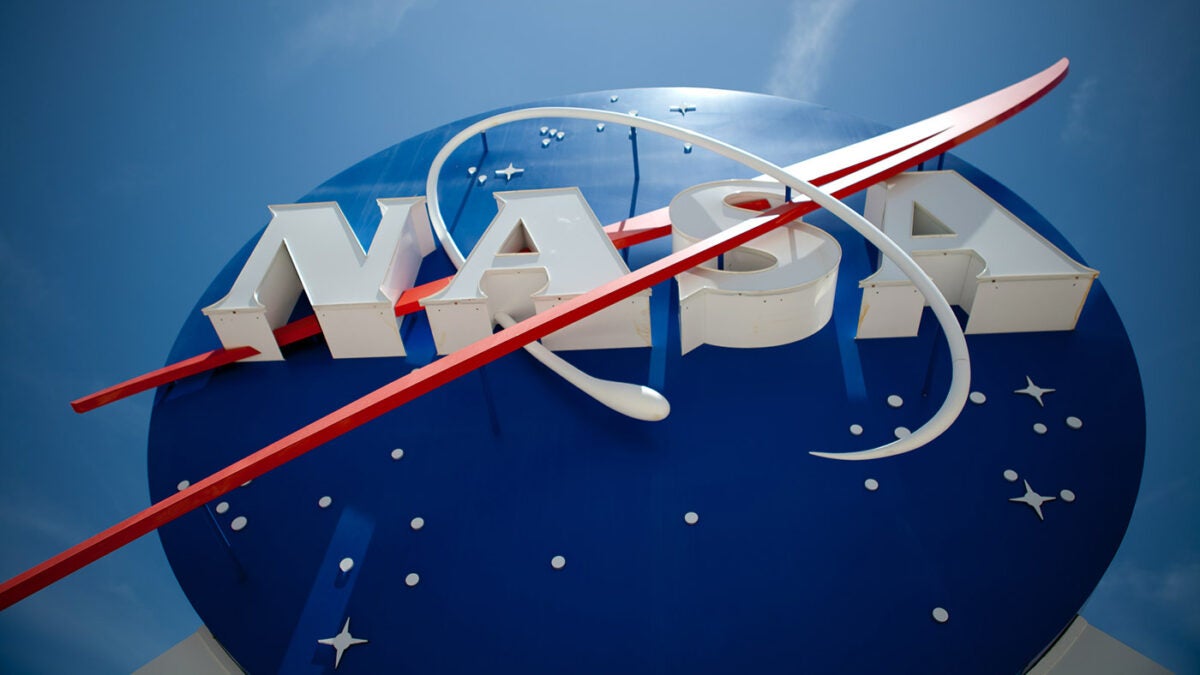
James Modarelli, one of the workers of the government organization, created in 1959 the emblem that we all recognize as NASA and that they knew there, in a very unceremonious way, as “the meatball”. But the truth is that, as much as it was not liked at the time, from a marketing point of view it is perfect because it has everything: the stars represent space, the red V represents aeronautics, the circular orbit around the name represents space travel, and its round shape represents a planet. It is definitely well thought out.

But in 1975, they decided it was time to end “the meatball” and switch to a more modern logo: the agency turned to what was called “the worm”, a red logo in which only the word “NASA” was written without the horizontal bars of the A. They tried, yes, but nobody liked it too much, but the insistence on not returning to the original logo made it last until 1992.

They had to accept it: people liked the meatball, it represented the best days of the organization and, in fact, it has become the official logo of the NASA since then, even though they have different icons for each of their projects. 65 years later, Modarelli’s work is still relevant. By the way, the author retired in 1979 and lived until 2002, enough to see his icon where it should be: in the spotlight.

NASA DOWNLOAD

NASA explains how solar energy works with an online game

NASA has achieved a magnificent milestone that they’ve been working on for decades. After several experiments with laser beams, they managed to obtain nuclear fusion. To better explain how solar energy works and how we can harness it, you can check out the Helios browser game.

Let’s first look at the NASA announcement about the achievement. Since 1950, scientists have been working on developing nuclear fusion as a way to produce cleaner energy that doesn’t harm the environment. It happens naturally on suns and other stars when two atoms collide. Recently, NASA appears to finally have some progression in this field.

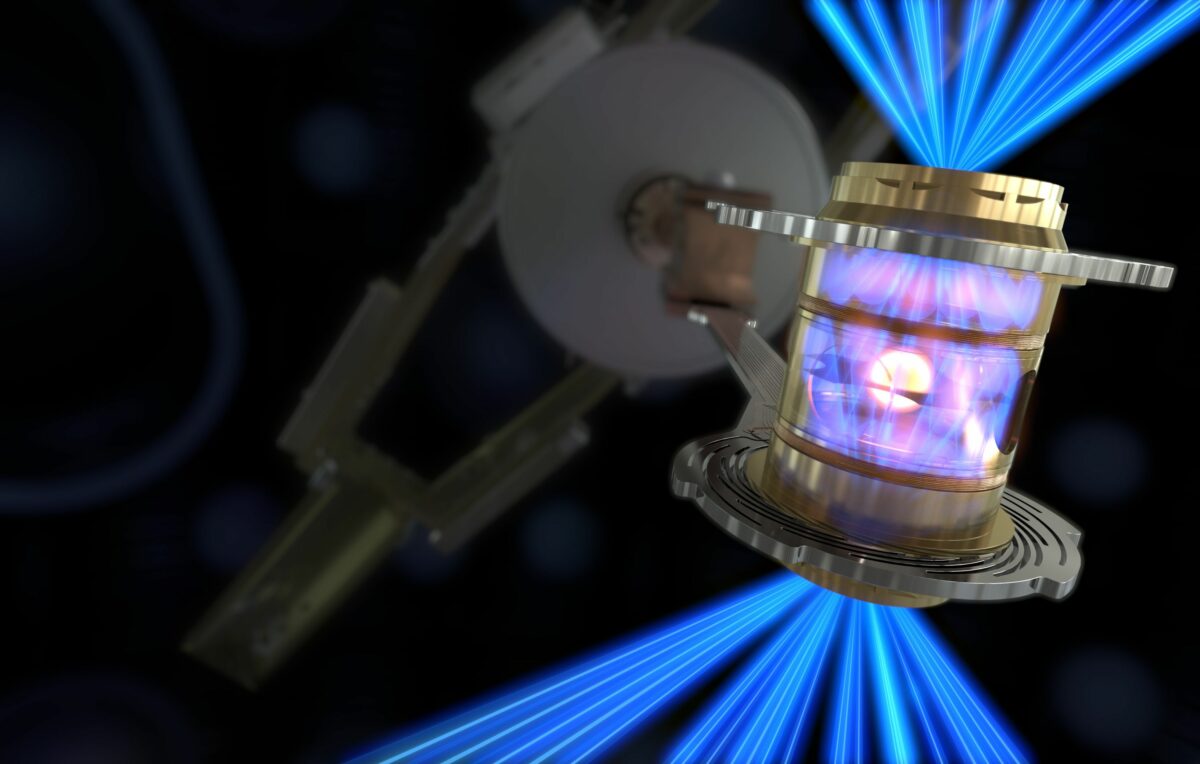
The experiment consisted of 192 laser beams shooting at a single target of fuel made up of hydrogen isotopes. A diamond shell encased this fuel pellet. What resulted was more energy coming out of the pellet than going in, which is exactly what was needed. 

You see, the nuclear fusion between hydrogen atoms in space releases clean energy as a result. As they say, energy can’t be created or destroyed, only transferred. So when these atoms collide, the resultant energy needs to go somewhere. And human beings want to replicate this action so we can harness that resultant energy.

NASA explains how solar energy works with an online game

Of course, shooting 192 laser beams to make that energy isn’t ideal. It’s a start, though. It shows us that we’re well on our way to being able to make nuclear fusion happen for a brighter, healthier, cleaner future.

If you’re still confused, go check out that Helios browser game. You start by connecting two protons to make a neutron and then add two more protons to the neutron to make an atom. When you have two atoms ready, you simply throw them together to cause the nuclear fusion explosion.

As Doctor Octavius said in Spiderman 2: The power of the sun in the palm of [our hands].

NASA explains how solar energy works with an online game

First black hole picture released

Discover what makes this picture so special.

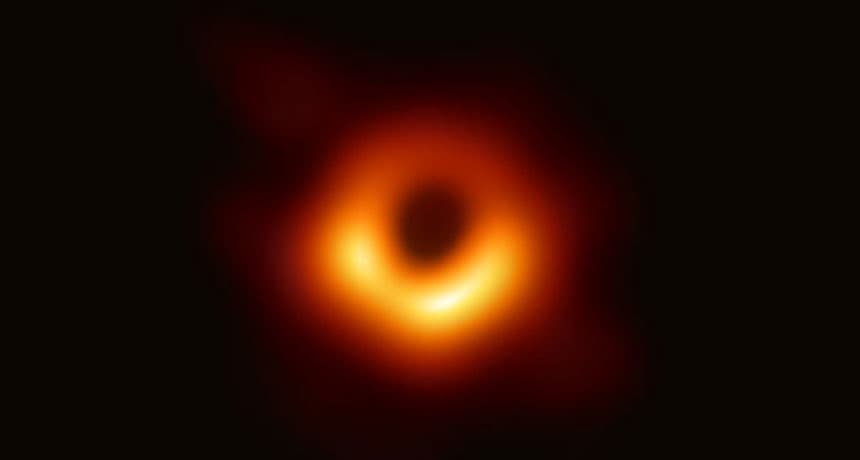
Is it the Eye of Sauron? Is it some marmalade someone spilled on the carpet? Nope, this is actually the first-ever image of a black hole.

Black hole

It might not look as exciting as what a Christopher Nolan movie or Soundgarden song might depict. However, it is, without a doubt, a monumental achievement in space exploration.

The image was captured by the Event Horizon Telescope with the help of NASA scientists and spacecraft. This black hole currently sits about 55 million light-years away in galaxy M87. It is more than six times bigger than the sun. 

Members of the scientific community have taken to social media to express their joy at the milestone.

“History books will be divided into the time before the image and after the image,” said Michael Kramer from the Max Planck Institute for Radio Astronomy.

As for us, we’re just sad that Opportunity didn’t live to see this day.

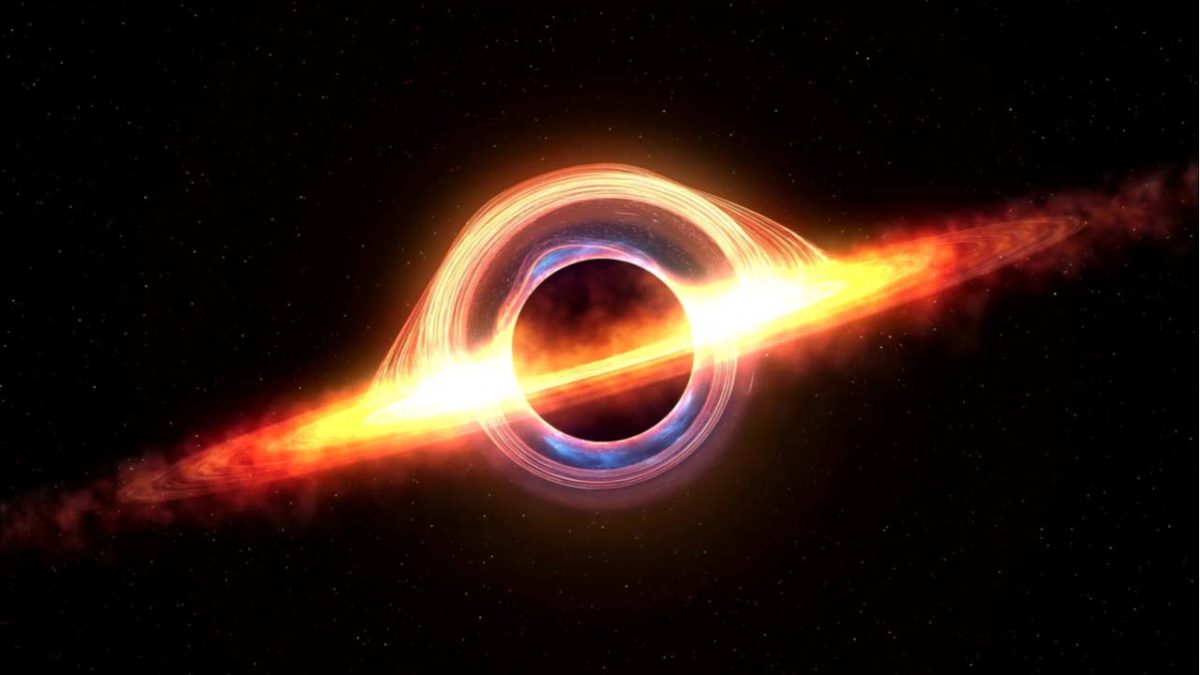
The shadow of the black hole is in the center of the image. The bright red and yellow color is actually light being sucked into the black hole.

The Event Horizon Telescope does not look like any sort of traditional telescope you are picturing. The “telescope” is the size of the Earth.

The team takes measurements to collect data with satellite dishes. The dishes are located in North America, South America, Europe, and Antarctica. This technique is called radio observation. 

“This is an amazing accomplishment by the EHT team,” said NASA’s director of the astrophysics division Paul Hertz “Years ago, we thought we would have to build a very large space telescope to image a black hole. By getting radio telescopes around the world to work in concert like one instrument, the EHT team achieved this, decades ahead of time.”

If the data is collected at the same time, scientists can use it to produce an image. The data for this black hole came in two years ago, and scientists have been forming it into a clear image since then. If that sounds confusing, just remember that scientists initially thought this was impossible.

The image is the first step in more research toward massive black holes, event horizons, and gravity itself.

“We have achieved something presumed to be impossible just a generation ago,” said EHT project director Sheperd S. Doeleman. “Breakthroughs in technology, connections between the world’s best radio observatories, and innovative algorithms all came together to open an entirely new window on black holes and the event horizon.”

Explore Mars from home

Discover why NASA is researching the terrain on a Canadian island.

Mars AstronautOn average, Mars is about 140 million miles (approximately 225 km) away from the Earth. The average person most likely won’t get to explore the surface of the red planet in their lifetime, but new technology has made it possible to bring the red planet to your screen.

A team of NASA scientists has been conducting research on Devon Island off the coast of Canada. The island’s terrain is similar to what astronauts would encounter on Mars, and this research will help NASA understand what awaits them in the harsh, unyielding climate of our planetary neighbor. Google released this video about the scientists and their research.

Through Google Street View, you can now explore Devon Island, too.

More resources for Mars-lovers

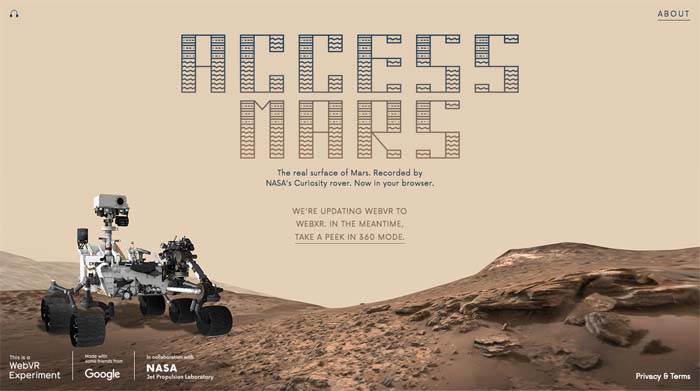
In 2012, the Curiosity Rover landed on Mars and began shooting photos of the planet’s surface. Since then, the rover has taken about 200,000 photos, all of which have been sent back to NASA’s Jet Propulsion Labs who have been working to convert the images into a 3D model. In 2017, NASA partnered with Google Creative Lab to create Access Mars, where you can explore a 3D model of the planet from your browser.

Access Mars

And if that doesn’t scratch your interplanetary itch, Lockheed Martin created a virtual reality app called Mars Walk. After placing your phone in a VR headset, you can get a full view of Mars while a narrator tells you about expeditions to Mars, and what they learned from their research. You can also visit the Curiosity rover and visit your virtual space module.