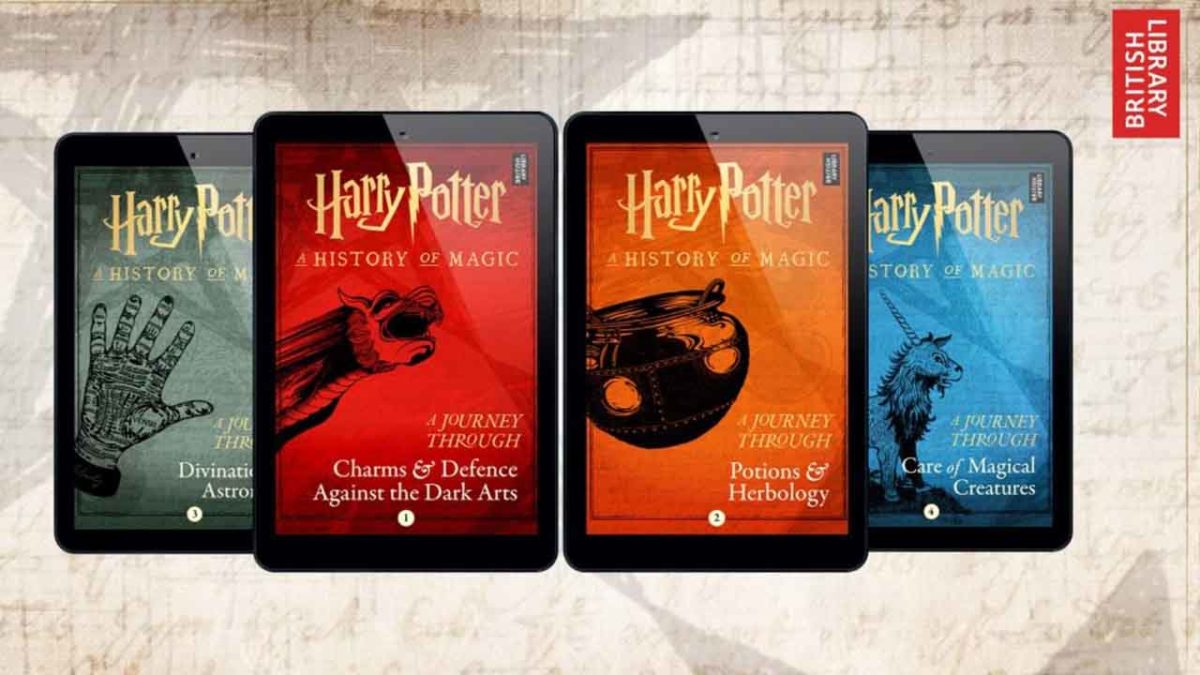
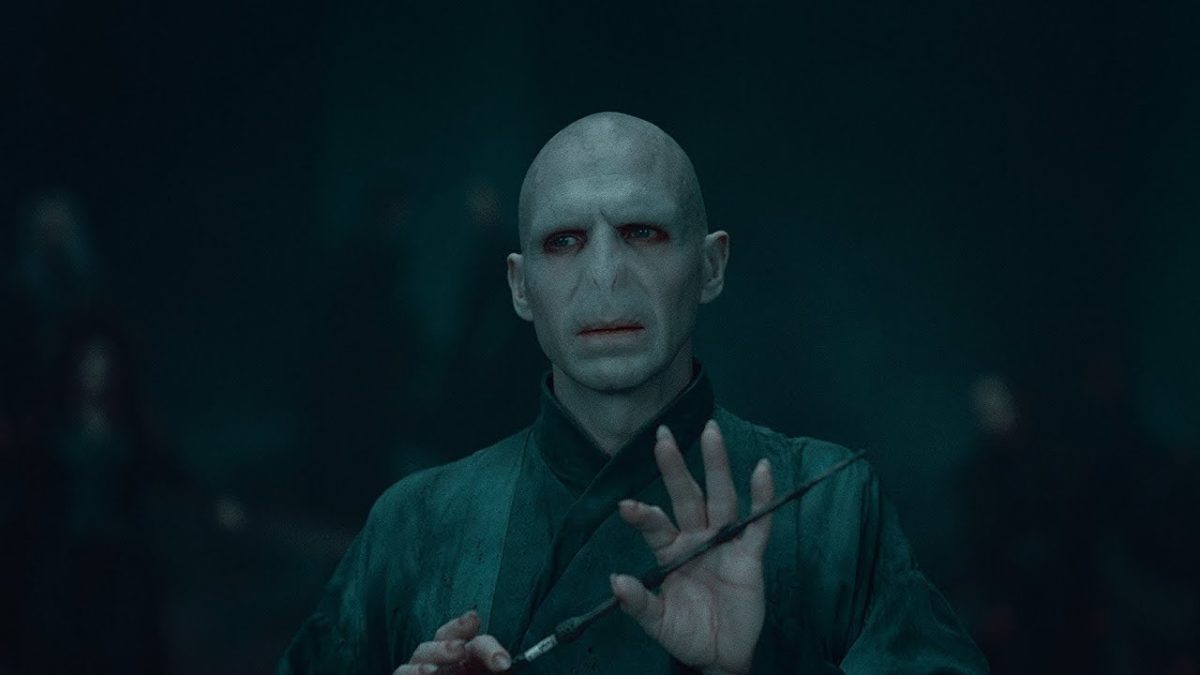
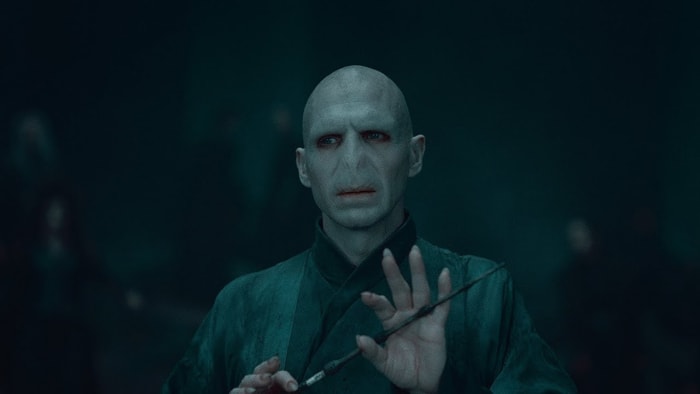
J.K. Rowling will release four new short stories about Harry Potter’s time at Hogwarts.
Author J.K. Rowling will be releasing four brand new Harry Potter short stories starting on June 27. The stories will be available to listen to worldwide through Pottermore.
These will not be full-length books dealing with Harry’s adventures after the events of “Harry Potter and the Deathly Hallows.” Instead, the stories will be short tales about magical lessons taught to Harry and his friends during their time at Hogwarts.
The books will cover potions and herbology, care of magical creatures, charms and defense against the dark arts, and divination astronomy.
The book about charms and defense against the dark arts and the one about potions and herbology will be released on June 27. The other two will be released soon after, according to the Pottermore website.
The short stories will also consist of notes, manuscript pages, and sketches. They are available for preorder on Amazon and cost $2.99 each.
Each book will have illustrations by London-based artist Rohan Daniel Eason.
We do not have full details about what the books will entail, but we can make a few guesses. These are just guesses, but they’re educated guesses. Honestly, we just hope Rowling doesn’t give us more stories on wizard bathroom practices.
Hogwarts didn’t always have bathrooms. Before adopting Muggle plumbing methods in the eighteenth century, witches and wizards simply relieved themselves wherever they stood, and vanished the evidence. #NationalTriviaDay
The book about caring for magical creatures will more than likely feature the wonderful gamekeeper Hagrid.
The book about defense against the dark arts might really throw us for a loop. It seems like the students of Hogwarts have a new defense against the dark arts professor in every book. Given his popularity, we expect that Remus Lupin will make his way back to the story.
As for the book on potions, we better get to read more about Professor Snape.
Even though we aren’t getting a continuation of the story, we’ll never complain about getting more Harry Potter stories.
Find great books and recommendations with Goodreads!
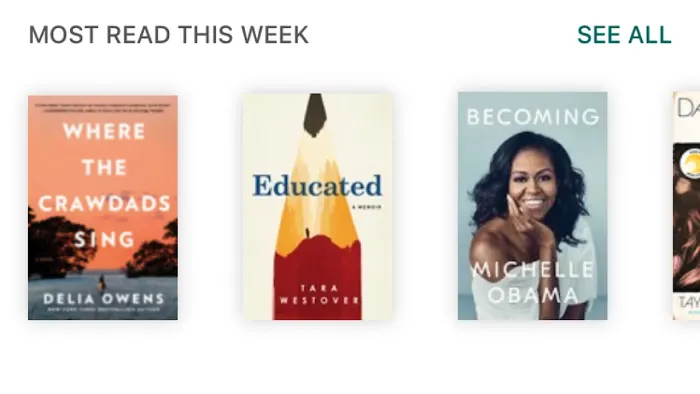
Gather around, literature lovers! It’s time to learn about a great app to help you find new books to add to your collection. If you don’t already know about Goodreads, you’re in for a treat. With Goodreads, you can find new books and catalog them as you finish them. Add friends by email or social media account so you can see what everyone else is reading too!
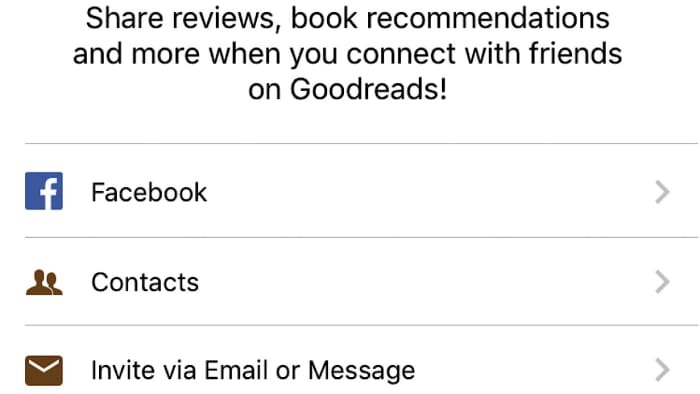
After you sign up, you’re prompted to find other friends who have the app. You can sign into your Facebook account, see who signed up from your phone contacts, or invite people that don’t have Goodreads yet by email or text.
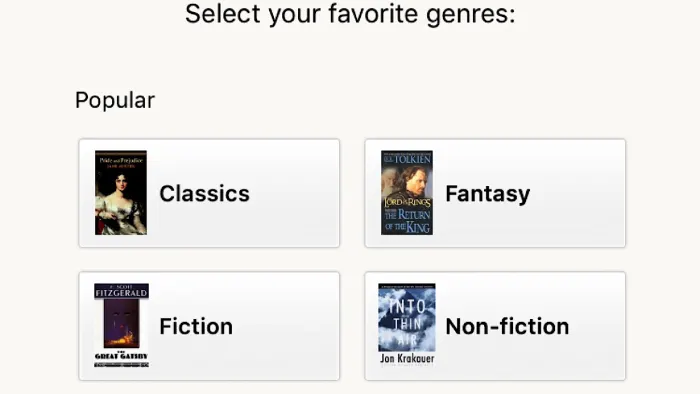
Next, select your favorite genres. By doing so, the app will have a ballpark idea of what you like and it will add recommendations accordingly. Every single genre you can think of is included.
Do you love the Lord of the Rings and Harry Potter series? Add fantasy. Is Fifty Shades of Grey your thing? Romance is what you’re looking for. How about Manga? That’s here to choose from, too. It’s alphabetized, which is convenient if you’re looking for something specific. You can choose as many as you want.
Based on what you chose, you’ll be shown books which fall into those categories. If you’ve read any of them, rate them on a scale of one to five stars to narrow down your recommendations. If you don’t want to do this or don’t recognize any of the books, don’t worry, you can skip this step. Recommendations only really start to appear after you’ve rated 20, but you’ll have plenty of chances to rate more as you use the app.
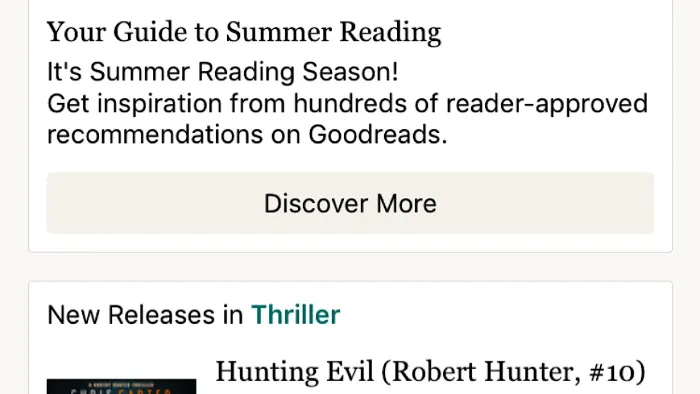
Once all of that is out of the way, Goodreads takes you through a tutorial of how to use the app. On the home page, you’ll see new releases in the genres that you selected earlier, options to set reading goals, and opportunities to join reading challenges. At the top of the page, you can search for something specific by typing the title of the book, the author, or the ISBN number.
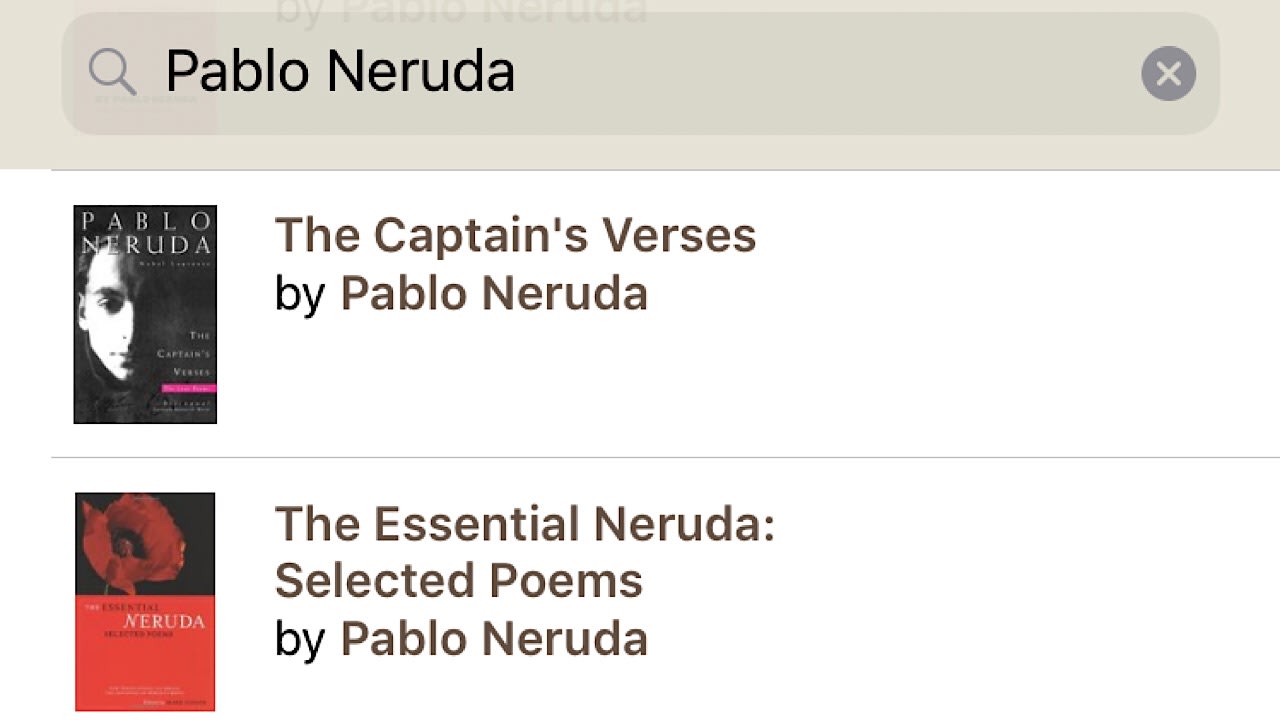
Let’s say you really love the poetry of Pablo Neruda and want to see if you’ve missed any of his collections. Type in his name and a few published works will appear. Cut down on results by selecting ‘author’, and you’ll see everything in Goodreads’ catalog by Neruda.
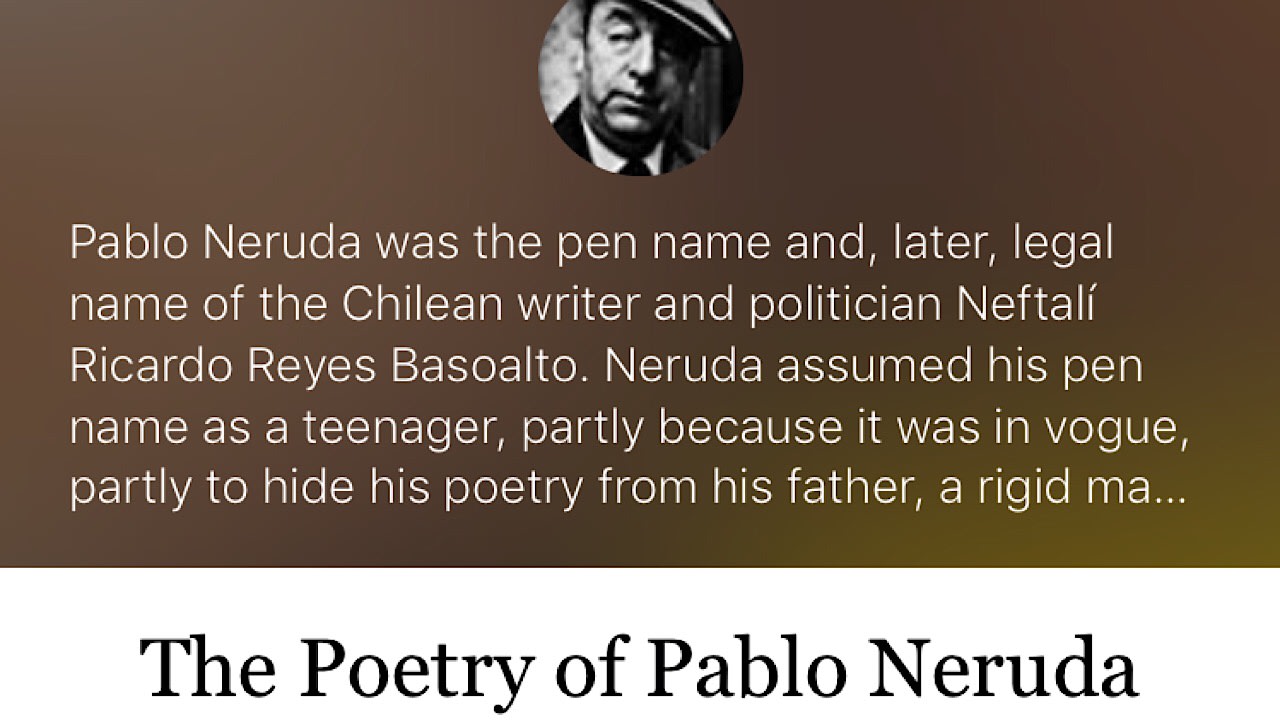
After making a selection, you be taken to the book’s main page and you can see a ton of information like a short description, an author biography, and ratings and reviews from other users who have read the book.
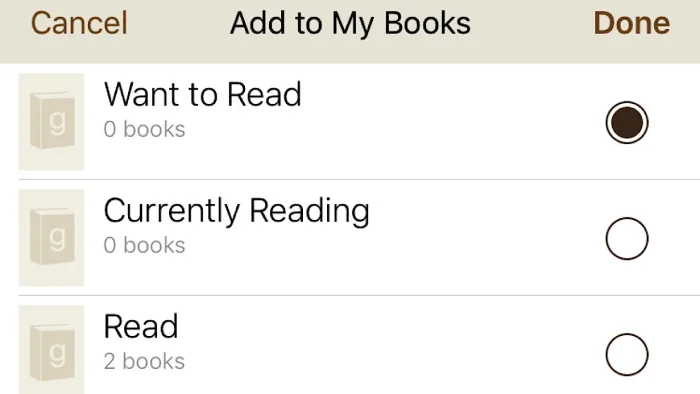
You can save this book to your shelves to refer back to later, or just to keep track of all of the books that you read. There are three shelves that you can choose from in the beginning, ‘want to read’, ‘currently reading’, and ‘read’.
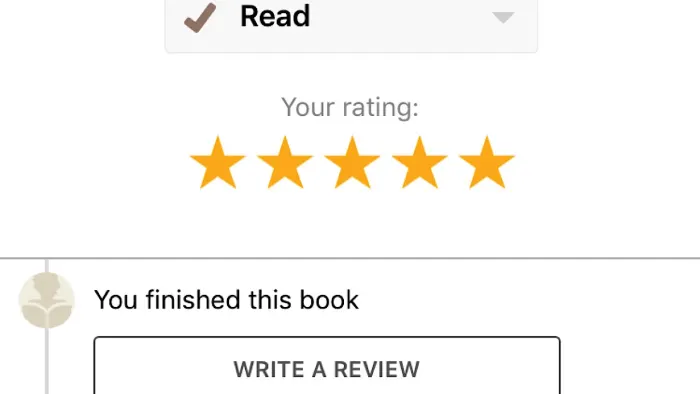
If you have not yet read it, tap ‘want to read’, ‘done’, and you’re all set for the next time you’re at the library or a book store. Once you’ve finished the book, tap on the ‘my books’ tab at the bottom of the screen and then your ‘want to read’ shelf. Move the book to the ‘read’ shelf, and then rate it. You can also write a review of your own, and if you loved the book, you can see other books like it at the bottom of the page.
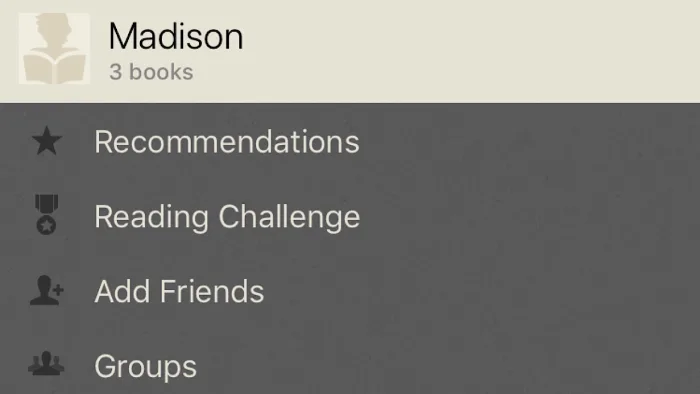
In the ‘more’ tab, you can find your profile and edit your privacy settings so that your shelves can only be viewed by you or people that you’ve accepted as friends. Keep track of reading challenges, groups that you’ve joined, send messages to friends and view their shelves, and view the books voted best of the previous year by other Goodreads users.
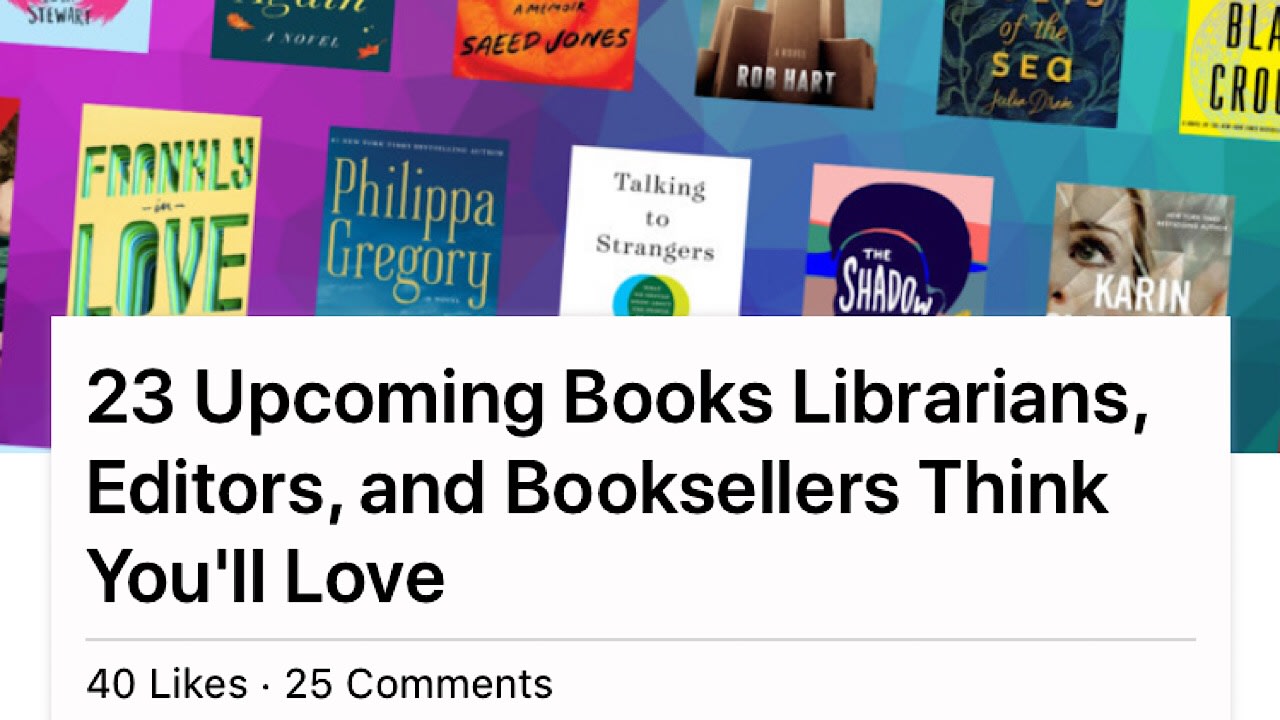
If you’re looking for recommendations, tap on the ‘search’ tab. You can explore by genre, look at featured lists, popular books that people are reading, and new releases. Remember to add books that you think you’ll like to your shelves!
Goodreads is truly a reader’s best friend. Whether you’re into biographies or comic books, the app has everything you need to find new and amazing books to dive into and to keep track of your library no matter the size. Goodreads is available on iOS, Android, and PC.
What’s your book of the summer for this year? Let us know!
Rivet listens to kids read out loud and can even help with pronunciation.
Google is most famous for web searches and its big-name apps like Gmail, Google Maps, and Google Chrome. Beyond its core products, however, Google casts a wide net developing and releasing apps that cover many different aspects of our lives. From cultural heritage preservation to online video game streaming, Google has a lot of apps that do a lot of things. We can now add Rivet, an app that teaches kids to read, to this ever-growing list of software. Rivet has just left the beta testing stage and is now available on Android smartphones, tablets, iPads, iPhones, and Chromebooks.
Rivet listens to kids read out loud and can even help with pronunciation
Google makes a compelling case for the need for an app that teaches kids how to read. The search giant points out that struggling readers are, “unlikely to catch up and four times less likely to graduate from high school. Unfortunately, 64 percent of fourth grade students in the United States perform below the proficient level in reading.” You’d be forgiven for thinking we can all read just fine, but it doesn’t appear to be so. This is why Google has developed Rivet, to help kids learn to read at a young age.
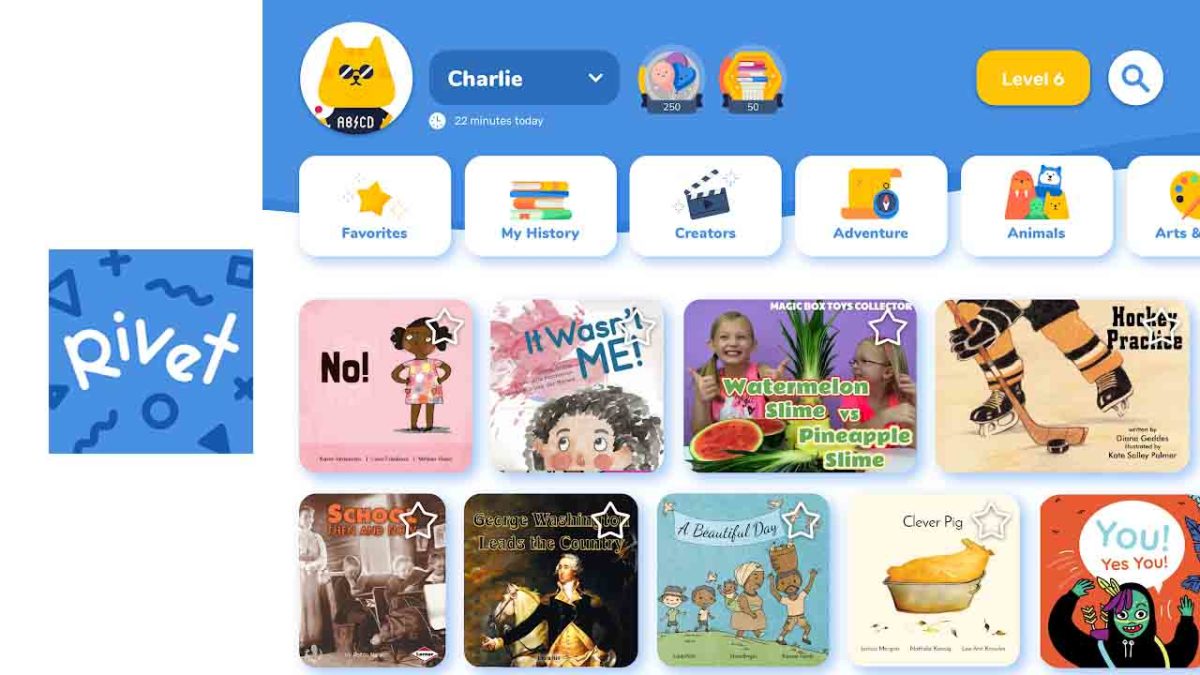
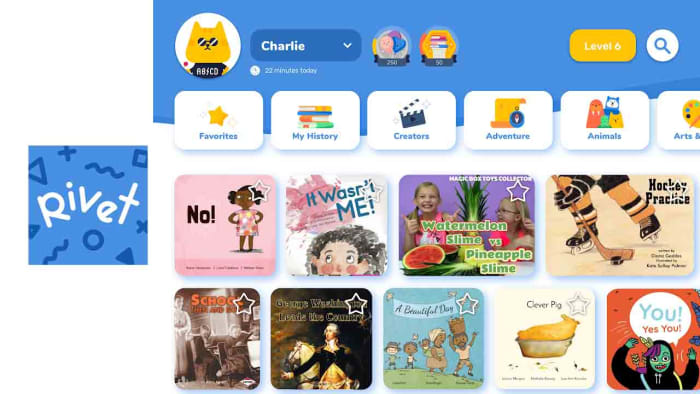
Straight off the bat, Rivet has some very impressive stats, giving users access to over 2,000 free books split into categories like topic and reading level to help them learn to read. The blog post announcing Rivet’s release also promises that this number will keep growing as Google will continue to add books to it moving forward.
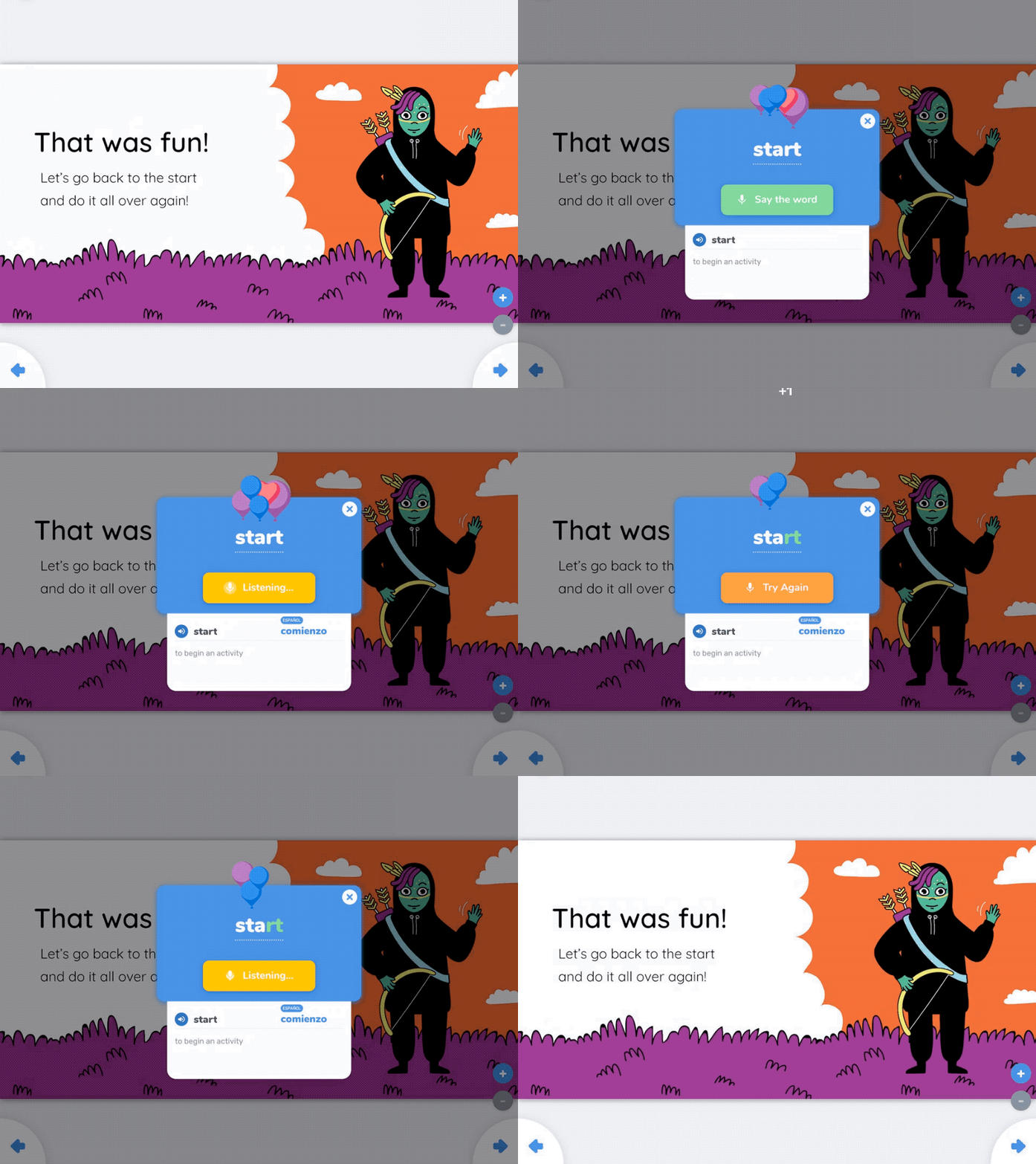
On top of the large library, however, as you’d expect from a Google product, Rivet has some very interesting tech-based features that will help it get the job done. The app can listen to children reading aloud and then offer visual cues should it hear them pronounce a word incorrectly. The app also offers audio clips so that the children can hear words pronounced correctly and makes the whole process of learning to read and pronounce words properly feel like a game.
Another good Rivet feature is the Follow Along feature. When activated, Follow Along will read out full pages on a selection of books, just like a teacher would in class or a parent at home, and the child can follow the story via the words on the page.
Rivet is designed to give kids the ability to learn to read even if they don’t have somebody there to teach them. It does a good job of it too; the app helps when they get stuck and actively teaches them as they move up through reading levels.
The trouble is that the app only offers its teaching capabilities on a limited number of the 2,000 books in its library (for now). Not all the books have full audio support. Google is likely to work on bringing full support to more books in the future. If it can do that, it is highly likely that Rivet will help a lot of kids learn to read at a high level and develop strong reading habits.
How would an dark wizard achieve immortality? Cracking the code to the Elixir of Life? Almost. Drinking unicorn blood? Too hard to obtain. Murdering people and splitting your soul into corrupt fragments to be stored in random objects? Now we’re talking!
If you’re trying to count the seven Horcruxes on your fingers, or can’t remember how Harry, Ron, and Hermione could possibly have found all of them in the span of one book, we’re here to help. Here are Voldemort’s horcruxes, their locations, and how they were destroyed:
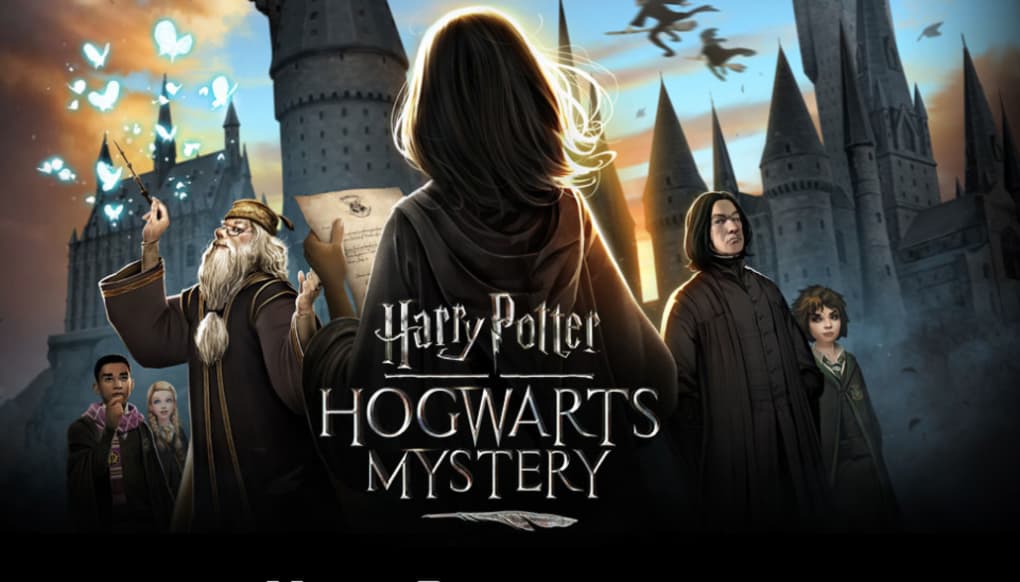
A beginner guide to Harry Potter: Hogwarts Mystery
“Ginny poured out her soul to me, and her soul happened to be exactly what I wanted.”
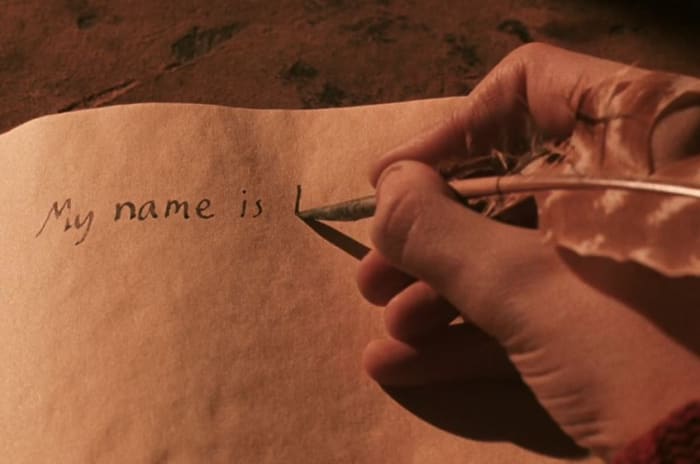
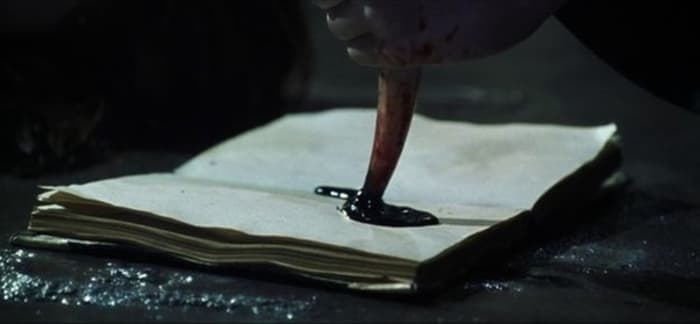
Tom Riddle kept a diary in 1943, and in his sixth year made the book into his first Horcrux. To create it, he murdered Myrtle Warren and infused his soul into its pages, using the diary as a weapon to prey on people (like poor Ginny) years later.
“The diary to me is a very scary object,” said J.K. Rowling on the subject, “a really, really frightening object. This manipulative little book, the temptation particularly for a young girl to pour out her heart to a diary, which is never something I was prone to. You could understand when he started writing to see these things coming back to him, and the power of that, that secret friend in your pocket.”
Basilisk venom is one of the few sources potent enough to destroy a Horcrux
“I was unworthy to unite the Deathly Hallows … and here was final proof.”
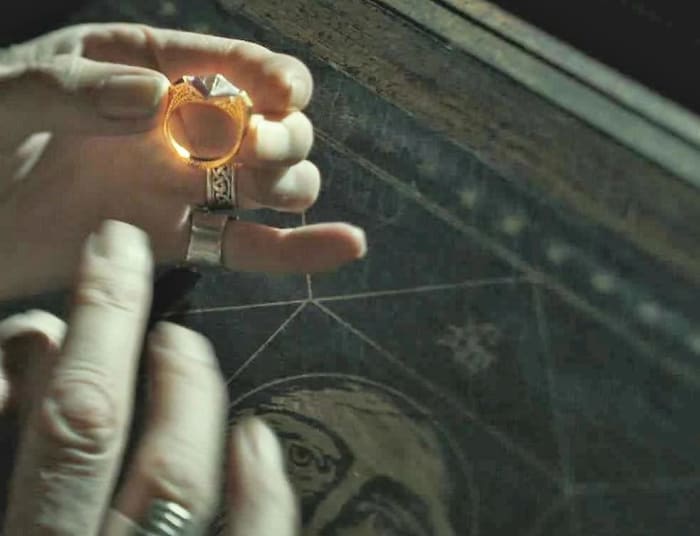
Marvolo Gaunt’s ring was a very unique – and extremely powerful – object in that it was both a Horcrux as well as one of the three Deathly Hallows. Passed down the line from Salazar Slytherin, the ring was stolen from Morfin Gaunt by a young Tom Riddle, at the same time that he murdered his own father and muggle grandparents. When Dumbledore tracked down the ring, he recognized that it was, in fact, the famed Resurrection Stone, the Hallows he’d been searching most of his life for. In wearing the dark object, he was cursed – it would have been fatal were it not for the quick intervention of Snape. Even so, it left Dumbledore with only one year of life, as he explains in “Harry Potter and the Half-Blood Prince.”
The ring was too tempting a prize for both Dumbledore and Voldemort.
Uncovering what the ring was, Dumbledore used the sword of Godric Gryffindor to destroy it. He then took the Resurrection Stone and placed it inside the Snitch, as a gift to Harry Potter – to be opened only after accepting that he must die at the hands of Voldemort.
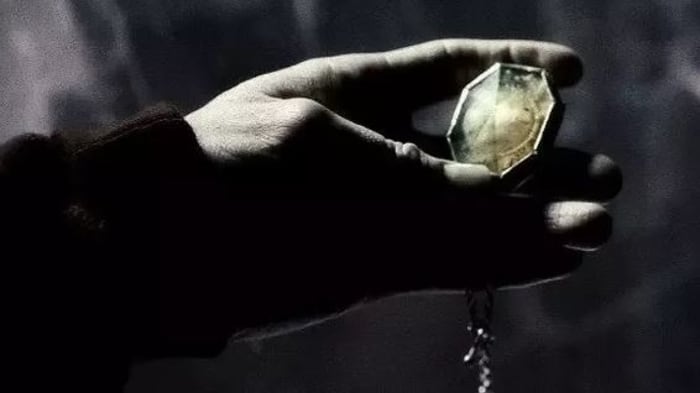
3. Slytherin’s Locket
Umbridge wore the locket while doling out sentences to half-bloods.
One of the most infamous of the Horcruxes, a locket was found by Harry and Dumbledore during their final adventure together – to the cave where Riddle often went in his youth. Tragically, thought this adventure drained even more life from Dumbledore, the locket was a fake. The real horcrux was in the Ministry of Magic, where it was kept by a mysterious Regulus Arcturus Black, before falling into the hands of Dolores Umbridge.
“… there was nothing inside but for a scrap of folded parchment wedged tightly into the place where a portrait should have been.”
After obtaining the locket, Harry, Ron, and Hermione still lacked the means of finding it. This resulted in them having to share turns wearing the dark artifact. Eventually, Snape’s patronus led Harry to the sword of Godric Gryffindor – the key to destroying Horcruxes. Shortly after, Ron uses the sword to break the Horcux.
4. Hufflepuff’s Cup
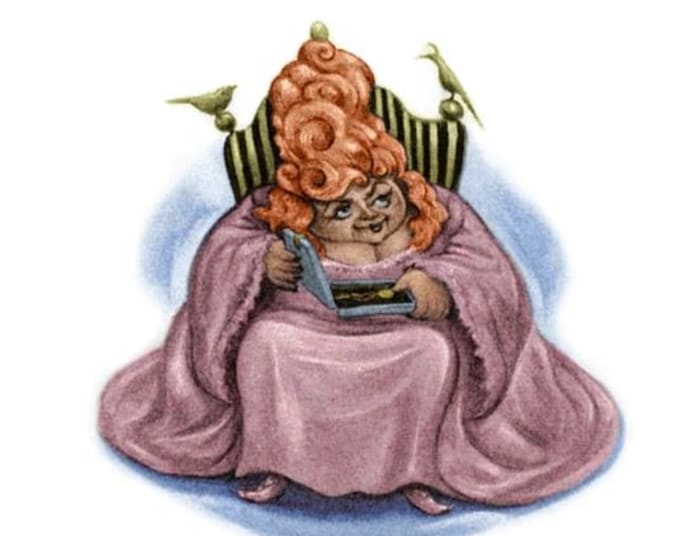
The keeper of both Salazar’s locket and Hufflepuff’s goblet
Tom Riddle actually acquired two Horcruxes in 1961 from the same woman: Hepzibah Smith. Infatuated with the young Riddle, Hepzibah imprudently showed him both Salazar’s locket and Hufflepuff’s goblet when he came over to visit on behalf of Caractacus Burke. Riddle poisoned Hepzibah and framed her house-elf for the crime, using her death to infuse the goblet with part of his soul.
The trio search Lestrange’s vault for the infamous goblet.
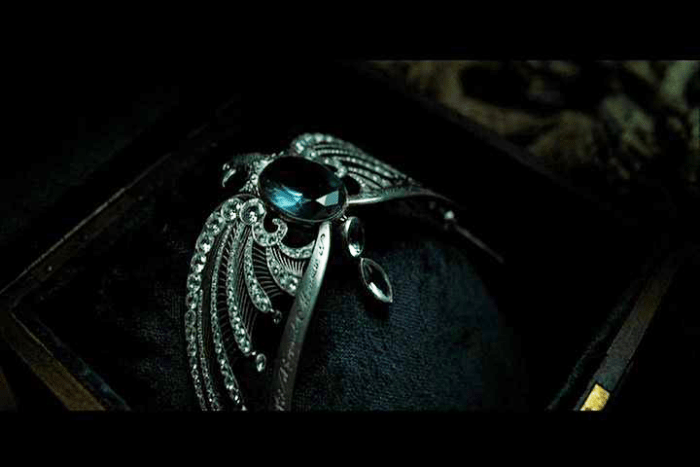
“A tiara said to grant wisdom to the wearer. It was lost for centuries before it became a Horcrux.”
Voldemort had a tendency to favor the original founders of Hogwarts when he looked for artifacts of power strong enough to house his soul. From Rowena Ravenclaw, he took a diadem. After finding the tiara and killing an Albanian merchant to infuse his soul into it, Riddle then chose to hide the tiara back where he’d originally uncovered it: Hogwarts, in the Room of Requirement. Crabbe and Goyle find Harry in the room, and in the ensuing fight the room, along with the diadem, is destroyed by Fiendfyre.
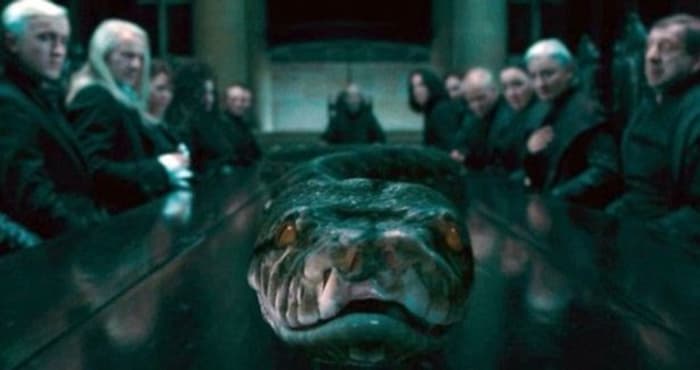
6. Nagini
“Dinner, Nagini,” said Voldemort softly.
After his attempt to kill the infant Harry, Voldemort was severely weakened. In the woods of Albania, the phantom-like form of Voldemort tried to inhabit animals to survive, but only snakes could bear having him inhabit them. Psychically and physically, Nagini helped nurse Voldemort back to health, and their bond was only strengthened when he made her a Horcrux.
Voldemort loved to use Nagini as a weapon, but after his Horcruxes were threatened, he kept the snake close. Neville, however, was able to kill it during the Battle at Hogwarts, decapitating it with the Sword of Gryffindor.
The seventh Horcrux?
Harry going to meet his fate in the Forbidden Forest
There was never meant to be a seventh Horcrux. Voldemort meant to maintain his own body as the seventh, maintaining what he believed to be a number of power. When he attempted to murder the infant Harry Potter, however, he accidentally turned Harry into a Horcrux himself, leaving him with the lightning bolt scar. This is the reason behind the prophecy of “neither can die while the other survives.”
The fate of a fractured soul, forever trapped in purgatory.
When Voldemort used the killing curse on Harry, it destroyed the Horcrux he had inadvertently stored inside of him. How did Harry survive the killing curse? The first time it was because his mother’s love saved him. The second time … well, it’s best explained by Dumbledore:
Hopefully, our guide will help you keep track of what’s what next time you’re watching “Deathly Hallows,” and remember that if you “tamper with the source of life, be prepared for consequences of the most extreme and dangerous kind!”
If you’re a fan of Harry Potter, you’re bound to love these books as well.
Sadly, we don’t have the ability to say “Accio,” and summon a good book for us to read.
After immersing yourself in the magical world of Harry Potter for decades, it can be hard to find another book series that is quite as captivating. Despite the fact that the series develops new content, there has only been one major book publication since it ended in 2007.
This has left many fantasy bookworms wishing for another series to come along and steal their hearts. Well, if you’re one of these fans, then you’ll be happy to learn about some of these other amazing young-adult fantasy series.
Whether you prefer a hard copy, an audiobook, or reading on through Kindle, we got you covered.
This series follows the same pattern as Harry Potter. It starts with a normal person entering into a world of magic and wonder and slowly escalates to massive mythical battles.
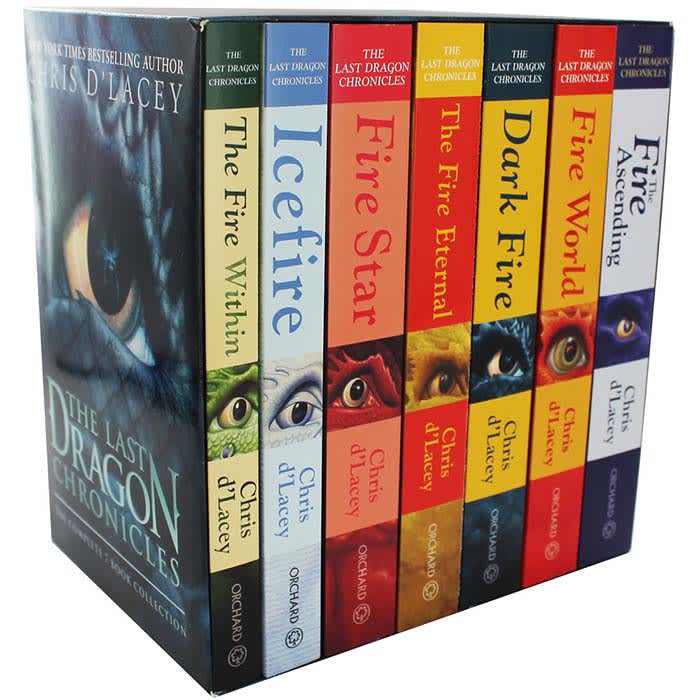
“The Last Dragon Chronicles” follows the story of a young writer, David, as he moves into the spare bedroom of Liz and her daughter Lucy. Liz is a potter who specializes in creating clay dragons.
Slowly, David starts to realize there is something mystical about these dragons, and the plot develops from there. It’s a great fantasy series to invest your time into, especially for young adults.
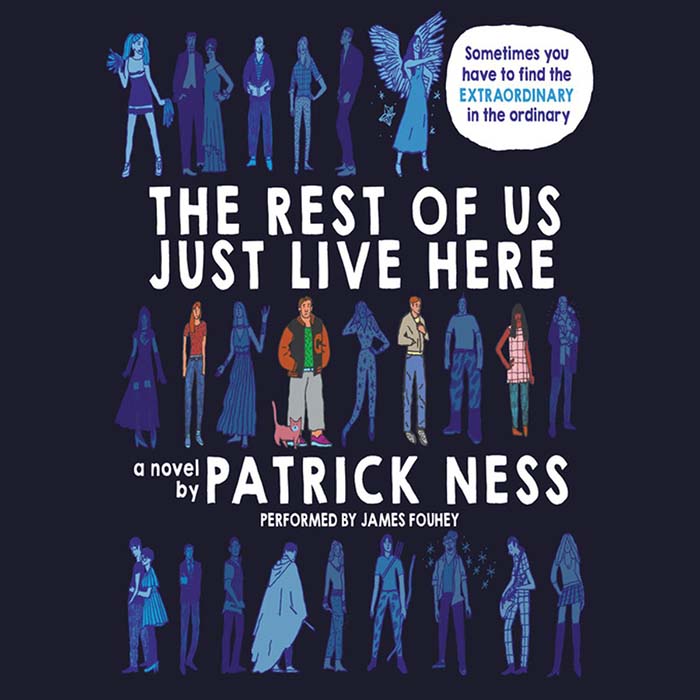
The Rest of Us Just Live Here
Sometimes when watching a movie like “The Avengers,” or reading a book from the Harry Potter series, you often wonder about the common person. What thoughts go through their head living in such a fantastical world? If these thoughts ever crossed your mind, we’d recommend “The Rest of Us Just Live Here.”
In a world where superheroes and magic are all around them, the heroes of this story are just average kids going about their day. “The Rest of Us Just Live Here” takes a unique look on magical worlds. The book asks the question, “What about the average people?” Fans of fantasy books will enjoy this unique take on magic.
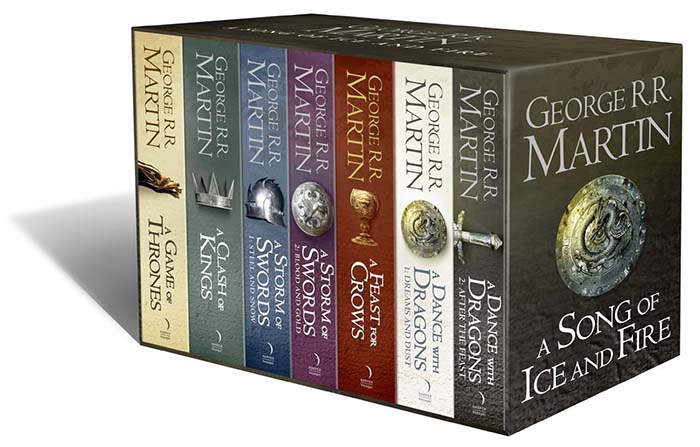
A Song of Ice and Fire (aka Game of Thrones)
We’re gonna guess you’ve heard of this series.
Game of Thrones is one of the most popular television programs right now. It closely follows the storyline of the books that inspired it, George R.R. Martin’s “A Song of Ice and Fire.”
This series is not only immersive, but it is incredibly long. The books are still being published, and the community of fans is constantly growing. If you want a novel series and fandom as large as Harry Potter than there is no better book series to turn to than”A Song of Ice and Fire.”
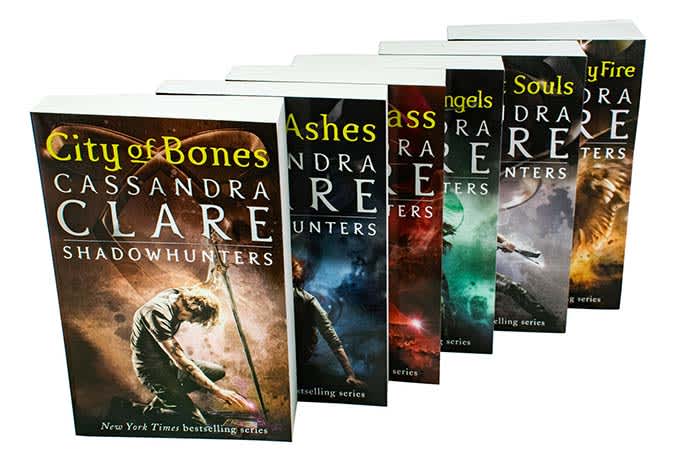
Like Game of Thrones, “The Mortal Instruments” is a massive novel series that has been growing popular through TV and film. The story follows Clary Fray as she discovers she has angelic blood and is destined to fight demons and other dark creatures.
Also, make sure you don’t confuse this series with the book “Mortal Engines.” That’s also a decent series, but we’d recommend “Mortal Instruments” first.
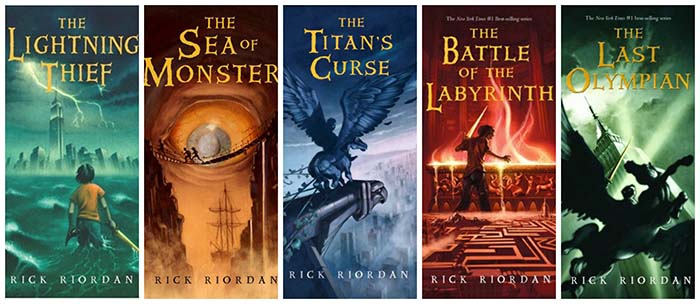
Percy Jackson & The Olympians
Fans of mythology will love this series. While the movies weren’t as successful as some book-to-movie adaptations, the Percy Jackson book series is incredible.
Percy Jackson is a modern-day boy who finds out he is the son of the Greek god, Poseidon. Along with his fellow demi-human companions, he learns about the hidden world of the gods.
While this series has ended, the author has continued to write other books in the same universe. Many of these follow other mythology like Roman, Norse, and Egyptian.
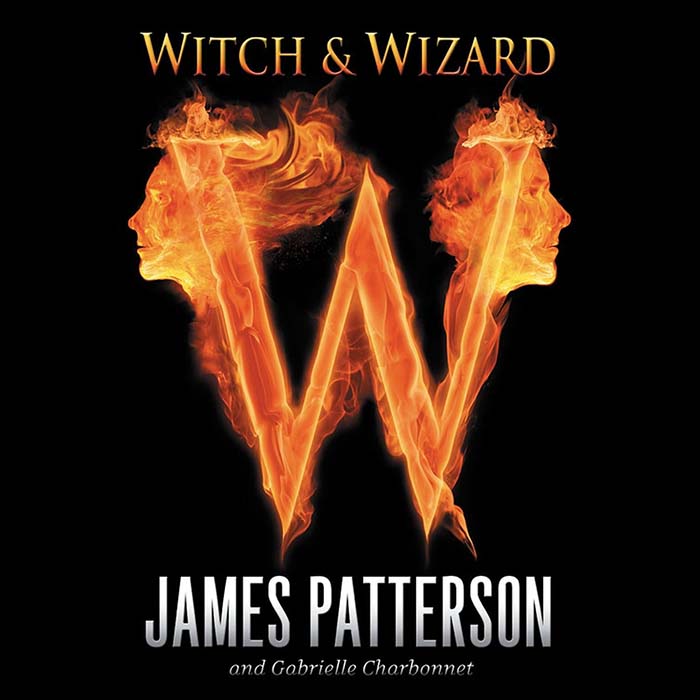
Witch & Wizard
James Patterson is a popular author in the world of young adult fantasy. “Witch & Wizard” happens to be one of his few series that flew a little under the radar when it first came out.
It follows the story of two siblings who recently discovered they have magical abilities. The story has a unique perspective on a dystopian world where magic has been banned. The siblings slowly learn about the magical side of their world as they try to escape from the government that’s hunting them.
Whereas magic is commonplace in the Harry Potter series, you might enjoy this fresh take with “Witch and Wizard.”
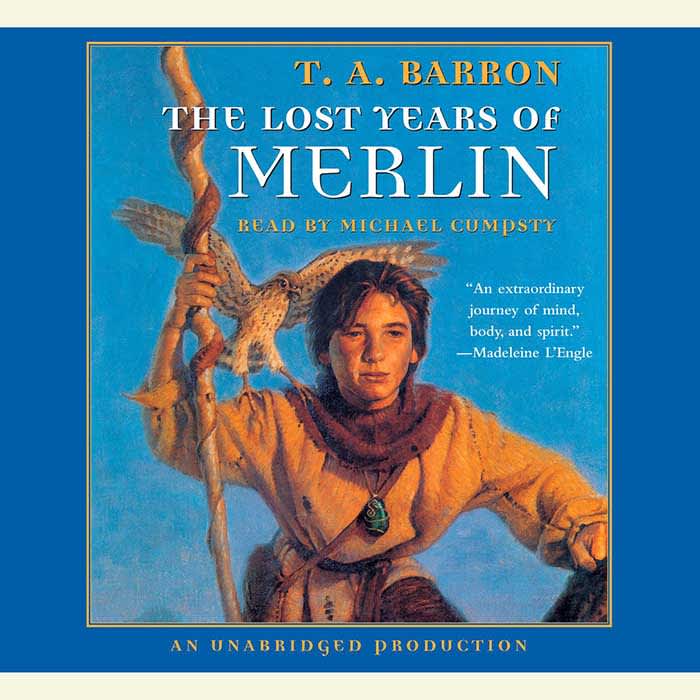
Merlin (The Lost Years) series
Move over Potter, this series follows the OG wizard.
Instead of depicting Merlin as the old man we typically see in books and film, “Merlin: The Lost Years” follows his adolescence. The books lead up to his later life as King Arthur’s mentor. Anyone who loved Harry’s coming-of-age story will also love Merlin’s.
Bringing the magical world to you
With all these books being added to your reading list, you should probably get an e-book reader to make things easier.
No matter which series you end up reading, you are sure to find something that interests you. Be sure to tell us in the comments below what is your favorite book series!
You’ve finished your book. Now here’s how to get published.
Many novelists will eventually arrive at the same place: they have a fantastic book, which possibly took hundreds of hours to complete. They endured the daily struggle of writing, had friends and family members read their masterpiece, and want to finally become published…
The answer might just be a literary agent!
A good agent can provide invaluable help by suggesting professional editors to review your work. They can direct your future plans to prepare you for a literary career. And, of course, they may have personal connections to publishers interested in your genre of writing!
Finding an agent takes courage…but if you’ve made it this far, you’re ready.
How to find a literary agent for your novel
The Traditional Process, Bare Bones
First off: we have the traditional path to finding an agent. Here are the three very basic steps:
1. Find agents and create a list. Your writing will define what you search for. If your novel is a fantasy romance targeted at Young Adults, you can narrow down your search (and trust us, narrowing is good).
2. Research and organize the options! Many resources will tell you a lot about agencies; however, once you have a solid list in place, visit their websites. Everything from the design to the agent descriptions will let you know if the business works for you!
3. Send query letters. Lots of query letters. And make sure they’re all personally addressed to individual agents! Again, if you’re not sure which agent to contact, or how to reach them, the website probably has the answer. Let it be your guide.
So, if you’ve written your query letter well, selected the right agents, and have a product that’s right for the current market…you still may hear “no” multiple times before someone takes a bite! Don’t worry: have your manuscript ready, keep writing on other projects, and wait to see what happens. If an agent asks to see your work, they’ll have instructions on how to move forward. Congratulations!
In the meantime, let’s go back through the process in more depth:
If you’re not sure what literary agents are around, start here!
At this moment, Writer’s Market 2019 can be found on Amazon.com. The section on Literary Agents provides a large list of professionals, from A to Z, alongside a good deal of info: contact info, member agents, what they represent, how to contact them, and the representation terms (to name the most important points).
Use the guide however you like! Our method went something like this:
Go through the agents alphabetically. Before reading an agency’s name, check what they represent to make sure it includes your genre – in our case, this had to be “Young Adult” at the very least, with bonuses for “Fantasy”, “Action”, and “Adventure.”
Once you confirm an agency represents the right genre, check if Writer’s Market mentions the specific agents interested in those fields.
At this point, categorize the agency/agent as “Definitely,” “Yes,” or “Sure, why not?” If you’re wondering, we reserved the latter section for agencies without much info. But as long as they had Young Adult listed, who knows if it’s a gem in disguise?
You have the list, you’re pretty sure you know which agencies are good. Visit the website and make sure it’s true!
Surprise, surprise: one of your top picks may have a sketchy website. On the other hand, the agency with a brief description may have a minimalist website used by super-agents who prefer to rely on their contacts and industry knowledge. You never know!
At this stage of the game, you have three goals only:
1. Finalize your agency list. You now see the online faces of the agencies, so decide what’s what! And don’t fret too much: you’ll probably query most of them anyway, the order simply dictates which come first.
2. Check submission policies. Different agencies will ask for specific things. One representative might want a logline, a one or two-sentence description of the entire story. Others may ask for a two-page treatment, your biography, and the first three chapters!
(Alright, we admit: that note may belong in the “Forming Query Letters” category below. But then again… if a good agency makes you jump through a thousand crazy hoops to submit, you may want to factor that in!)
3. Choose specific agents, figure out how to contact them. This will make your life easier in the long run!
Forming/Sending Query Letters
There are many good resources for writing a great query letter, such as the explanation from NY Book Editors, titled, “How to Write a Darn Good Query Letter.”
The simple version goes like this: put your best foot forward in a one-page letter that conveys your novel’s plot and purpose. The soul, abbreviated.
For time reasons, we’d like to share a few technical details that may influence the art of querying: the online form, letters, and emails. These are three large categories of querying we’ve encountered!
Online form
Online forms are easy! And weird.
The gist is: many agencies now ask that querying authors complete pre-set forms. The process feels like an Indeed.com or Brassring job application: just fill out the sections and hit “send!”
While it may feel a tad impersonal, don’t miss the blessing in disguise! Online forms tell you exactly what the agency wants, but you can still make every part of the submission shine.
If the idea of a form doesn’t sit well with you, no worries! Table the agency at the moment, and come back later.
If, on the other hand, you crave a simple formula, you might even be tempted to submit when first visiting the website. Convenience isn’t always a bad thing if appreciated and used properly!
letters
The rare, ancient ancestor of modern queries!
Perhaps in the interest of saving copious amounts of paper (and time opening letters), you won’t get the chance to send letters too often. Good news? Agencies that want physical submissions might be dedicated businesses looking for similarly dedicated writers, who are willing to put in the effort of constructing a real package. Might be.
emails
Emails take up a huge portion of query letters now, thanks to their speed and environmental sustainability. How does this affect you?
First, when sending emails, most agencies will not open attachments. Those that do will probably ask for them specifically, such as a Microsoft Word document for chapters. If this isn’t the case, we recommend putting everything into the email.
(But what if they ask for the first three chapters? Yep, even then! Attachments have long been used to spread viruses, businesses have to be wary.)
Second, don’t fall into the trap of sending one email to multiple agents. We’ve said it multiple times but it bears repeating: every query letter should be personally addressed to the agent you wish to query unless their information is unavailable (some agencies operate this way).
Tips and tricks for writing a novel in Google Docs
First off, wait! We’ve had agencies respond days, months, and even a year later. No lie. There’s no telling if they’ll respond in time. On that note-
Be very careful about checking in with agencies! Some will state a response time, such as “three weeks,” and advise you check in after that. Others say nothing, and it may be best to wait in those situations.
Finally, if you’re hearing “no” across the board, we have a few suggestions:
1. Don’t get discouraged! Denial happens to most successful writers, often hundreds of times.
If you’re like us, however, you may not be discouraged by the rejection as much as the wait. In that case, keep yourself moving. Keep writing, work, spend time with family, enjoy life. Emphasis on “keep writing.”
Find a nice place to kill time, eh?
2. Never assume the reason. The agent you contacted may: not be perfect for selling your book, have a lot on their plate, or even decided on quitting the business to become a Twitch streamer. Who the heck knows?
Admittedly, your novel could need work. It may not be timely. It may be targeted at a niche genre, or a saturated genre.
The very best response for a true writer? Keep writing. Build experience, develop new projects, or perfect old ones.
Conclusion
A bit of personal advice: we found the writing and querying process to be an empowering experience even when a book doesn’t touch base with agents. You still feel the pride and accomplishment of displaying your work boldly, and the experience makes you sure of success in the future. Best of luck!
It may seem strange to think about book YouTubers, since YouTube is a media form often blamed for the decline of book reading. Nevertheless, these YouTubers can make any book reader feel at home with their vast knowledge of the literary world. Many of them will read along with you, and create the perfect atmosphere for those looking for some sort of online book club. They also often feature recommendations and book hauls. Here are some of the best ones you can find:
Quirky and unique, Ben is the perfect YouTuber to watch if you’re looking for someone relatable. He also has great book recommendations, that are sure to grab your interest. While many BookTubers are heavily focused on YA novels, Ben branches a bit outside of this. He’s particularly great for those who like to indulge in the fantasy genre.
With a regular upload schedule and a strong personality, Ariel is among the more community-based BookTubers. She is highly interactive and quite funny to watch. She also has interest in books that are unpopular, so if you already watch many BookTubers, she’ll be giving you suggestions that many of the others pass over.
Known for her frequent book hauls and book reviews, Kat is a great BookTuber for anyone looking to find some great recommendations and avoid some potentially popular disappointments. She also collaborates with other BookTubers, so her channel ends up being one with many familiar faces. You’ll also end up seeing her on other channels for this same reason.
Sasha mixes typical YouTube humor with book reviews, creating an expected but delightful channel. Most BookTubers are pretty calm and low energy compared to the average daily vlogger. They also refrain from having as many jump-cuts as well. Sasha takes a completely different approach by being a more vlog-style personality in her book reviews. This can be very comforting for people who are used to the high energy that YouTubers tend to have.
While not a traditional “BookTuber,” Jenny Nicholson tends to focus more on ironic Millennial digestion of pop culture. This leads to many comments on books, fanfiction, and movies that creates an interesting and hilarious experience. If you’re looking for something more geek-oriented and not exclusively book-related content, then she’s definitely worth checking out.
Most people are familiar with the Green brothers, especially John Green for his book, “The Fault in Our Stars.” No matter how you feel about John’s books, any book lover is sure to enjoy their deep talks about different literary concepts and devices on their YouTube channel. John, in particular, has many interesting videos on literature and pop culture.
Known for her rant reviews, Lily is a hilarious watch for anyone frustrated with plot holes and various book problems that commonly occur. This makes her unique, since most BookTubers tend to be quite positive. Lily can come across as more “real” than others in this category. She has an aggressive passion that fuels many of her book rants. She doesn’t upload as frequently as some other channels, but she is definitely worth checking out.
A high energy YA fantasy reader, Christine covers a lot of common pop-culture books and media that anyone is sure to be familiar with. She’s also great to watch if you’re into writing yourself. Despite focusing on many popular books, she brings some unique insight to the world of BookTube, as she tries to commentate on the unmentioned aspects of books. She’s also great to watch if you want to be involved in the conversation of popular books, but don’t have time to read them yourself.
If you’re looking for more books to read online, be sure to check out the best e-reader apps to get the best reader experience!