How to keep viewers watching YouTube videos

YouTube has shown that its algorithm is drastically different from Google’s, focusing more on viewer behavior than on thematic depth. While Google’s search engine rewards authority and content depth, YouTube prioritizes whether users enjoy and engage with the presented material. According to Todd Beaupré, YouTube’s product lead for growth and discovery, the platform seeks to understand not only what viewers do but also how they feel during their viewing time. Retaining viewers is the ultimate goal. The SEO strategies that […]

YouTube has shown that its algorithm is drastically different from Google’s, focusing more on viewer behavior than on thematic depth. While Google’s search engine rewards authority and content depth, YouTube prioritizes whether users enjoy and engage with the material presented. According to Todd Beaupré, YouTube’s product lead for growth and discovery, the platform seeks to understand not only what viewers do but also how they feel during their viewing time.

Retaining viewers is the ultimate goal

The SEO strategies that are effective for blogs do not translate well to YouTube. Many B2B professionals have tried to apply typical blog optimization tactics, such as keyword research and the use of metadata, but their effectiveness is limited on this social network. Instead, it is estimated that up to 90% of the most successful videos use custom thumbnails, which have a much greater impact on users’ click decisions than keywords or tags.

In addition, audience retention is a crucial factor. If a video loses most of its viewers in the first 15-30 seconds, it is very likely that it will not receive further recommendations, regardless of the quality of the content. This means that content creators must avoid long introductions or animations that may quickly bore the audience.

For B2B companies, it can be advantageous to treat YouTube as a media brand and build a relationship with viewers before asking them to take any action, such as visiting a website or downloading a document. By doing this, more credibility can be generated and greater long-term engagement can be fostered.

In summary, by adjusting the strategy towards a behavior-based approach, brands can leverage the potential of YouTube as an effective discovery engine in the B2B space.


Meta and Google launch open-source MMM tools to improve advertising measurement

The growing privacy regulations are redefining how advertisers measure their campaigns. In light of the accelerating loss of signals and the complexity of omnichannel advertising, marketers are turning back to Marketing Mix Modeling (MMM) as a holistic and privacy-safe solution. This approach allows for the analysis of aggregated data over time to uncover correlations between marketing activities and their outcomes. The importance of MMM Platforms like Meta and Google have embraced this trend by launching open-source MMM tools, such as Robyn and Meridian. These […]

The growing privacy regulations are redefining how advertisers measure their campaigns. In light of the accelerating loss of signals and the complexity of omnichannel advertising, marketers are turning back to Marketing Mix Modeling (MMM) as a holistic and privacy-safe solution. This approach allows for the analysis of aggregated data over time to uncover correlations between marketing activities and their outcomes.

The importance of MMM

Platforms like Meta and Google have embraced this trend by launching open-source MMM tools, such as Robyn and Meridian. These platforms aim to democratize access to advanced measurement techniques, offering marketers the ability to customize their models to fit the specific needs of their businesses. This shift also promotes collaboration and continuous improvement of the models over time, unlike vendor solutions that operate as black boxes.

In addition, the incorporation of artificial intelligence and automation is accelerating the MMM process by facilitating data ingestion and modeling, thus enabling the delivery of more agile and real-time insights. This evolution towards agile models, which generate weekly or biweekly analyses, has become a standard for brands that require real-time adaptability.

Retail media networks are integrating MMM capabilities to measure performance in both digital environments and physical stores. Given the increase in advertising spending in these media, MMM becomes essential to assess the total impact of campaigns, taking into account dynamics such as digital shelf and promotions, using data provided by retailers. This measurement strategy, which includes incremental testing and platform reporting, offers advertisers a more comprehensive and reliable view of their performance across different channels.

Google’s Pixel 10 Pro Set to Upgrade PWM Dimming Rate to 480Hz

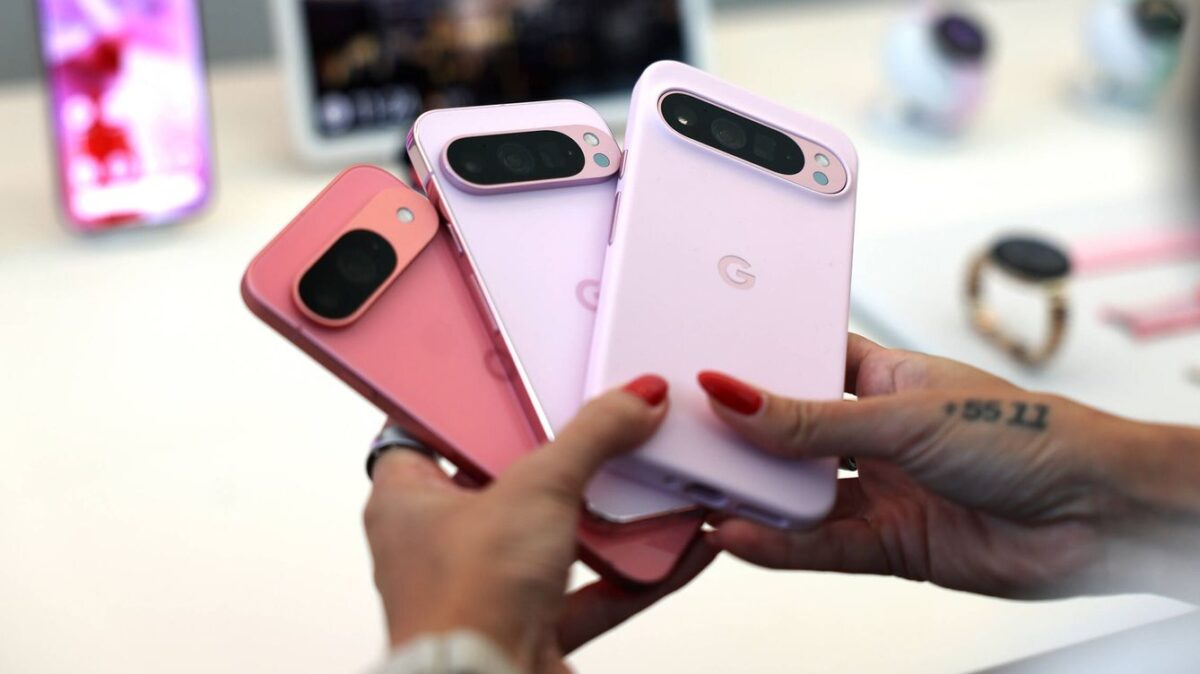
The imminent release of Google’s flagship Pixel 10 series is generating buzz as leaks about the devices trickle in.

Notably, reports suggest that the Pixel 10 Pro may see an upgrade in its Pulse Width Modulation (PWM) dimming rate to 480Hz, a step up from the current 240Hz seen in earlier models.

This enhancement mirrors similar updates made by Samsung with its Galaxy S24 and S25 series. However, it appears that this upgrade may not extend to the standard Pixel 10 model.

Google’s Pixel 10 Pro Set for Upgraded PWM Dimming Rate

Despite the increase to 480Hz, industry experts remain skeptical about whether this adjustment will satisfactorily address existing issues related to flicker sensitivity.

The current rate still falls short of meeting the IEEE standards, which recommend a minimum PWM rate of 1920Hz to alleviate flicker discomfort. Competing devices from brands like Honor have even pushed the envelope further, achieving PWM rates of up to 4320Hz.

In discussions with Android Authority, it was revealed that Google is reportedly aware of these flicker sensitivity issues and is investigating potential enhancements for the Pixel 10 series.

There are hints suggesting the inclusion of an additional accessibility setting aimed at users with sensitive eyes, which could further improve the PWM dimming rate. Phones from manufacturers like OnePlus and Motorola have already adopted similar features, aiming to ensure a more comfortable viewing experience.

Despite these hopeful signals, concerns remain. Users with flicker sensitivity, such as the author of the report, express ongoing discomfort while using Pixel devices due to their high brightness levels coupled with lower PWM rates.

As anticipation builds for the Pixel 10’s announcement in the coming weeks, it remains to be seen if Google can effectively address these criticisms and improve the overall user experience.

Google Pixel 10 Faces Performance Challenges Against Pro Models

The upcoming Google Pixel 10 series is generating buzz, but recent leaks have raised concerns over the base model’s competitiveness in a market increasingly dominated by high-performance devices.

According to an exclusive report from Android Headlines, only the Pixel 10 Pro and Pro XL will come equipped with a vapor chamber, a critical feature that helps dissipate heat and enhances overall performance.

This means that the Pixel 10 may struggle to keep pace with its Pro counterparts.

Base Model Lacks Vapor Chamber and Wi-Fi 7, Raising Concerns for Pixel 10

This exclusion mirrors the strategy Google employed with the Pixel 9 series, which similarly limited advanced cooling technology to the Pro models. Critics argue that this differentiation strategy could hinder the Pixel 10’s appeal, making it a tougher sell for consumers looking for reliable performance in a more affordable package.

The absence of a vapor chamber could lead to overheating issues, particularly during demanding tasks, diminishing the user experience.

Further complicating matters, the base Pixel 10 will lack support for Wi-Fi 7, a feature included in the Pixel 9 base model. As consumers increasingly prioritize connectivity, this omission raises eyebrows since both models are likely to share the same modem, potentially limiting the Pixel 10’s capabilities against other devices on the market.

Additionally, the Pixel 10 will not feature Ultra Res Zoom or Ultra Stable video recording, although it is expected to boast a telephoto lens. While this makes sense from a marketing standpoint—encouraging consumers to opt for the Pro models for advanced camera features—it may further diminish the base model’s standing in an ever-competitive landscape.

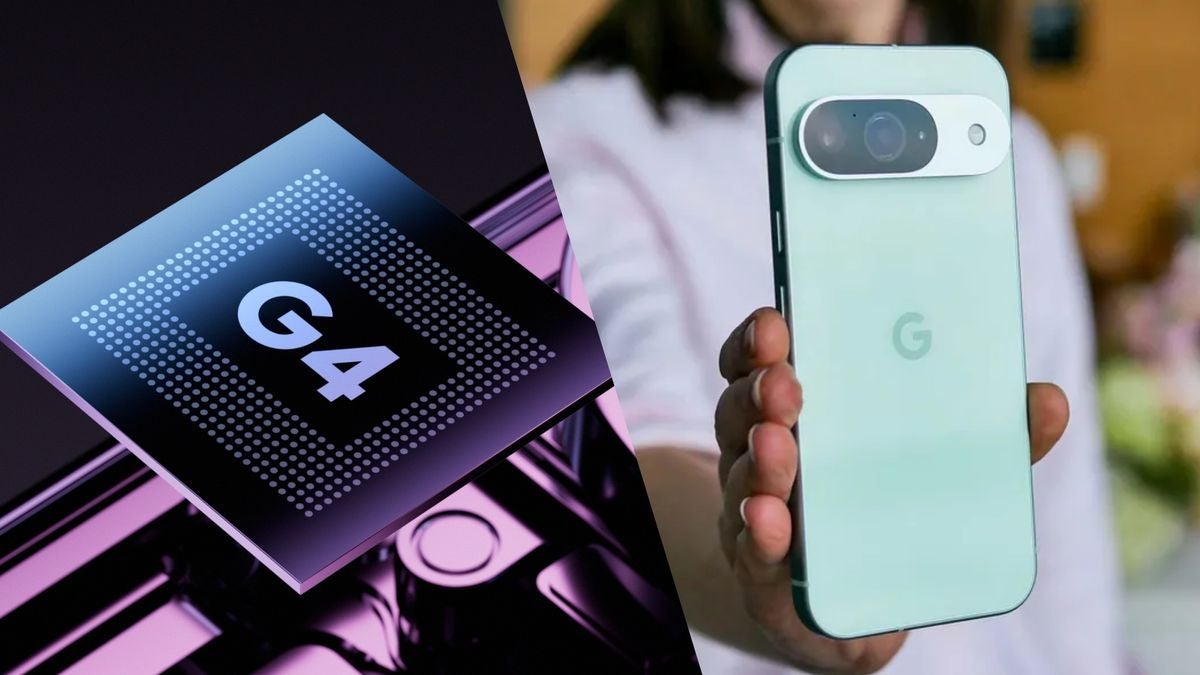
As speculation grows about the efficiency of the new Tensor G5 chip, which could mitigate performance gaps, the Pixel 10’s success remains uncertain. With the launch approaching, will Google be able to close the performance chasm between the base and Pro models, or will the Pixel 10 follow the trend of being overshadowed by its more powerful siblings? Only time will tell.

Google Pixel 6a phones have started catching fire

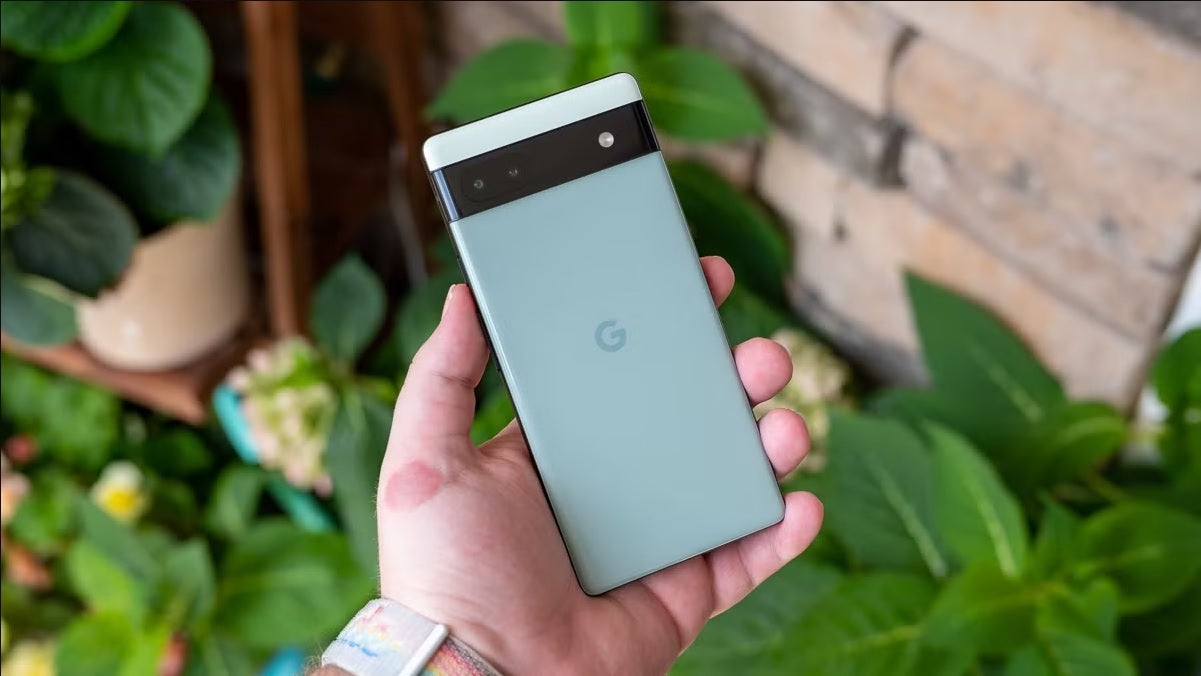
Google is preparing a significant update for its Pixel 6a that will throttle battery capacity and charging speed in response to safety concerns regarding overheating.

Reports have surfaced linking the device to incidents of swollen batteries and potential fire hazards, prompting the tech giant to act decisively.

Through an upcoming software rollout, the Pixel 6a will reduce battery capacity after users reach 375 charge cycles, a move aimed at preventing further overheating issues.

Pixel 6a Users Warned About Battery Risks After 400 Charge Cycles

This isn’t the first time Google has faced challenges with overheating batteries; a similar issue occurred with the Pixel 4a, which led to the company offering free replacements and compensation to affected users.

Now, as the Pixel 6a approaches its update milestone, Google is reiterating its commitment to user safety. In a recent communication, the company advised users to consider battery replacement once they hit 400 charging cycles, highlighting the seriousness of the problem.

They will also be launching a dedicated web portal to facilitate the battery replacement process, although this platform is not yet live.

The Pixel 6a was initially lauded for offering a more affordable entry into Google’s ecosystem, featuring the company’s proprietary Tensor chip. The device is still set to receive system updates until 2027, which underscores Google’s intention to support it long-term despite the brewing battery issues.

Yet, the upcoming Android 16 update will serve as both a blessing and a challenge for Pixel 6a users. As it introduces Material 3 design elements, it will concurrently implement restrictions aimed at battery safety. Reports of the device catching fire in some cases have made waves on platforms like Reddit, further amplifying concerns about its battery performance.

As Google navigates these issues, existing Pixel 6a owners should consider trying the beta version of Android 16 QPR1, which includes the new warnings and adjustments. However, be mindful that beta versions can come with their own set of challenges until the final update rolls out later this summer.

It's all bad news on Google

Google has announced a reduction in its workforce that will affect approximately 200 employees in its global business unit, specifically in a department responsible for sales and partnerships. This measure is part of a broader cost-cutting move, as the company shifts its focus towards data centers and artificial intelligence, aiming for a transformation in its business model. In a statement, Google explained that these changes are designed to “promote greater collaboration and expand our ability to serve our customers quickly and effectively” 200 layoffs in […]

Google has announced a reduction of its workforce that will affect approximately 200 employees in its global business unit, specifically in a department responsible for sales and partnerships.

This measure is part of a broader movement of cost-cutting, as the company is shifting its focus towards data centers and artificial intelligence, aiming for a transformation in its business model.

In a statement, Google explained that these changes are designed to “promote greater collaboration and expand our ability to serve our customers quickly and effectively.”

200 layoffs at the heart of the company

This cut is the most recent in a series of layoffs that have occurred at the company, which had already cut hundreds of positions in its Pixel and Android departments, as well as in human resources, in early February 2025.

Although the reduction of 200 employees represents a smaller percentage of Google’s total workforce, which in December 2024 was approximately 183,000, it remains an unwelcome decision for those affected.

It is worth remembering that in January 2023, the company carried out mass layoffs, sending 12,000 workers home, which is approximately 6% of its global workforce.

It’s not just Google that is making these adjustments. Other major tech companies like Meta, Microsoft, Amazon, and Apple have also carried out layoffs throughout this year.

Meta, for example, recently laid off around 100 employees from its reality labs unit and 3,600 more in February. Microsoft has made several minor adjustments, while Amazon and Apple have also revised their workforces.

Google and Apple are fighting over a key issue: the metrics

Eddy Cue, SVP of Apple, recently testified in a trial that the use of search in Safari experienced its first decline in April, suggesting a possible shift of users towards AI alternatives like ChatGPT. This statement has provoked a significant response in the market, leading to an 8% drop in Google’s stock, indicating investors’ concerns about the future of the search giant. However, Google has formally objected to Cue’s comments through a blog post, stating that it continues to see growth in […]

Eddy Cue, SVP of Apple, recently testified in a trial that the use of search in Safari experienced its first decline in April, suggesting a possible shift of users towards artificial intelligence alternatives like ChatGPT.

This statement has provoked a significant response in the market, leading to an 8% drop in Google’s shares, indicating investors’ concerns about the future of the search giant.

However, Google has formally objected to Cue’s comments through a blog post, stating that it continues to see growth in search participation, including queries from Apple devices.

The decline of searches in Safari: a sign of changing user preferences?

In its statement, Google highlighted that it continues to see an increase in total queries and that the new search features have made its platform more useful for users.

The disparity in the interpretations of usage metrics raises questions. While Cue may specifically refer to searches within the Safari browser, Google focuses on the use of its applications on Apple devices, suggesting that there could be trade-offs in search traffic between platforms.

It is worth noting that Cue’s comments were made in the context of a trial reviewing whether the lucrative search agreement between Apple and Google should continue, assessing whether Google maintains an anticompetitive monopoly in the search market. It is in Apple’s interest for this agreement to remain, as it generates tens of billions of dollars annually for the company.

Additionally, Cue announced that Apple plans to incorporate alternative search providers powered by artificial intelligence, such as Anthropic and Perplexity, into Safari in the coming months, which could further change the competitive landscape in online search.