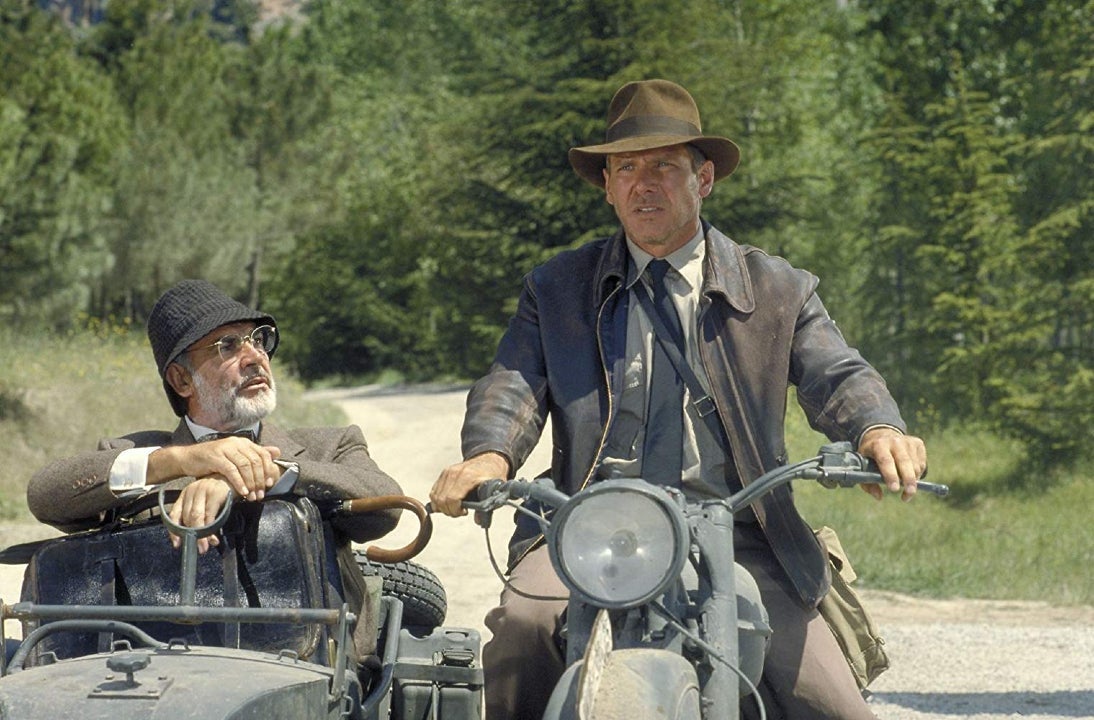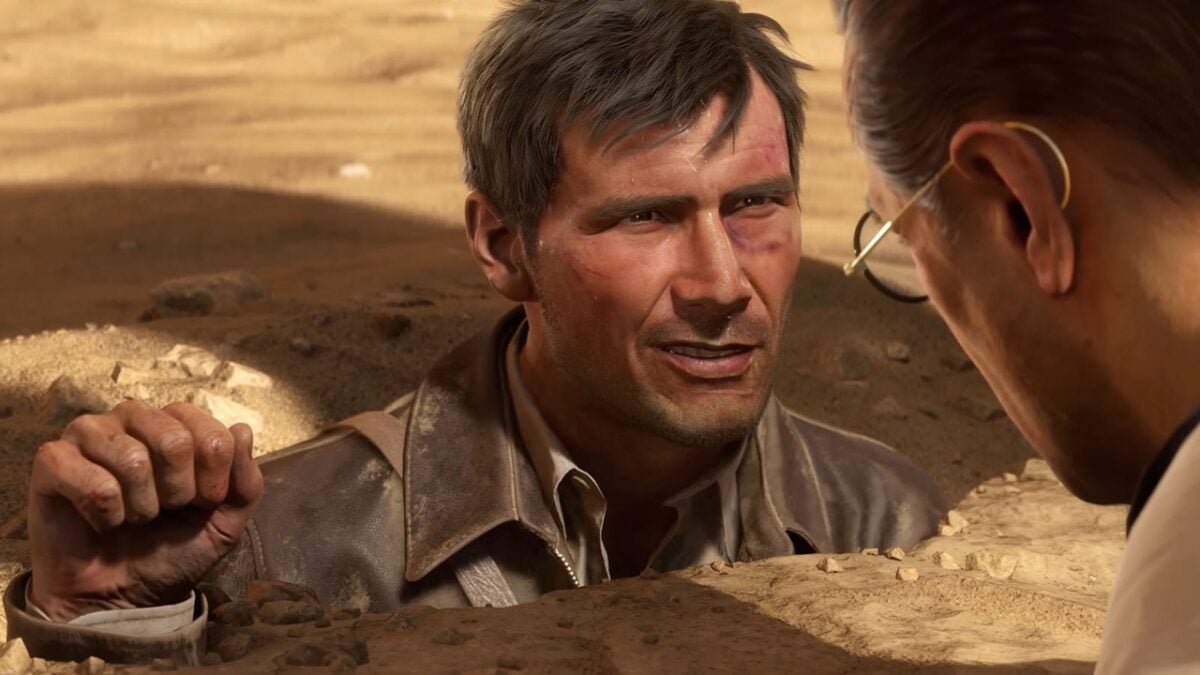
The scar on Harrison Ford’s chin, a distinctive feature of the iconic archaeologist Indiana Jones, has a fascinating origin that transcends the screen. This characteristic cut is the result of a car accident in his youth, which occurred at a time when seat belts were still a novelty. While trying to adjust his seat belt, Ford suffered an accident that left a permanent mark on his face, before becoming one of Hollywood’s most recognized stars.
A legendary scar
Interestingly, when the production team of The Last Crusade, the third installment of the saga, was finalizing details, they decided to integrate this real scar as a narrative element of the character. In one of the most memorable scenes of the movie, a young Indiana faces a lion, resulting in the wound that gives rise to his famous scar. This clever device not only enriches the story but also reflects a trend in current cinema, where screenwriters seek inspiration from reality to enhance their narratives.
Throughout the saga, Indiana Jones has been a character full of adventures and challenges, and the scar on his chin adds a layer of depth and authenticity to his character. It is a clear example of how filmmakers can turn a detail from real life into a cinematic myth. Instead of hiding or ignoring his scar, the brave decision was made to give it context within the narrative, thus showcasing the creativity and ingenuity that can arise when real life and fiction are merged.
This approach not only makes Indiana Jones more relatable, but also establishes a connection with the audience, reminding us that behind every character, there is a story that deserves to be told.