How to measure your internet speed

Tired of slow internet speeds? Launch this test to see where you’re lagging!

Internet speeds

After paying an obnoxiously high price for fast internet speeds, you hop on your laptop only to be subjected to painfully slow speeds. What’s going on?

Measuring the speed of our internet connection is important. Whether we think that there’s a problem or we simply want to check how it is at that precise moment, speed rules. We scoured the internet and found the best tool for measuring your internet speed, and what the data means. Luckily, our internet was running pretty fast.

How to calculate it

internet cables

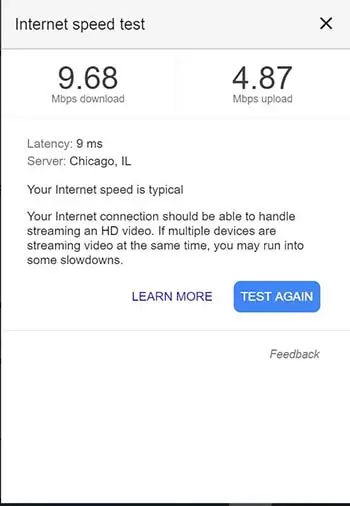
To find out what speed we have in a specific moment, you must conduct a speed test. There are dozens of options, but Google has the easiest one to find. Google “internet speed test,” and just click the button at the top of this page.

The Google speed test works with Measurement Lab and transfers a data packet of fewer than 40 megabytes.

The process lasts less than 30 seconds and we recommend closing programs that are slowing you down. In addition, the test works better if the connection is via cable instead of Wi-Fi.

If you really want to make your computer run faster, we would recommend MacPaw. Don’t be fooled by the name, MacPaw products are available for both Mac and PC. 

What does each value mean?

The speed test has two results: the download and the upload. The download refers to the speed data moves from the web to our computer.

Internet speed test

The upload, on the other hand, is the opposite process. Our PC is responsible for sending information through the network to the servers that are performing this speed test.

With the combination of both figures, you can get a decent idea of how fast your internet is performing.

What is latency?

Latency measures how quickly you get a response from the server. Low response times are important for real-time apps, like video calls and online gaming, according to Google.

Latency is expressed in milliseconds since the values ​​obtained are very small. However, latency can make a big difference. If you’re into online gaming, poor latency means your game will be very laggy. 

Try a VPN!

If you’re looking for a decent VPN service to try out on your computer, we would recommend Express VPN. By clicking this link, you can get 15 months of Express VPN for the price of 12!

Net neutrality voted to return (maybe)

The net is saved! Or is it…?

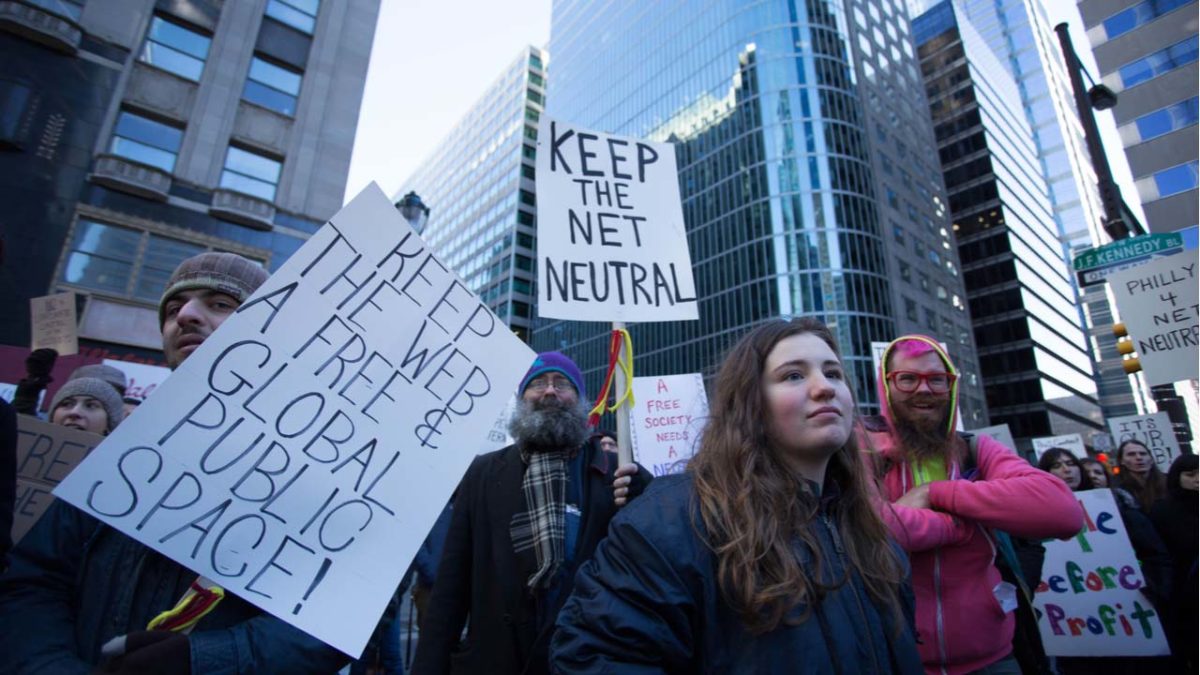
Fans of a free internet, rejoice! The FCC has voted to restore net neutrality.

Net neutrality has been a bit of a controversial subject throughout the years. To better understand net neutrality, the Wall Street Journal made a short video:

The vote does not mean that net neutrality has been restored just yet. The bill still has to go through the Republican-controlled Senate, and President Trump himself. 

The response

Trump took to Twitter in 2014, bashing net neutrality and comparing it to the Fairness Doctrine from the 1940s. 

FCC chairman Ajit Pai has been a long-time advocate for removing net neutrality. After the vote was made, Pai released a statement on Twitter.

You may remember Pai released this video to try to convince Americans that ending net neutrality would be a good thing. It did not go well.

The lawsuit

After the FCC voted to remove net neutrality, more than 20 states petitioned the FCC.

Ultimately, about two-dozen attorneys general sued the FCC, calling the decision “illegal.”

According to the lawsuit,  removing net neutrality violates the Administrative Procedure Act. The FCC cannot make “arbitrary and capricious” changes to existing policies such as net neutrality.  It disregarded evidence on industry practices and possible harm to consumers and businesses.

“The repeal of net neutrality would turn internet service providers into gatekeepers – allowing them to put profits over consumers while controlling what we see, what we do, and what we say online,” Attorney General Eric Schneiderman said. “This would be a disaster for New York consumers and businesses, and for everyone who cares about a free and open internet. That’s why I’m proud to lead this broad coalition of 22 Attorneys General in filing suit to stop the FCC’s illegal rollback of net neutrality.”

At the start of February, the FCC finally responded to the lawsuit in a statement from FCC Commissioner Geoffrey Starks.

“Today in federal court, this FCC is attempting to explain why it ignored the evidence before it and hastily abandoned the carefully crafted, common sense Open Internet framework established in 2015. In the process, it ignored the will of millions of people who made their support for a free and open internet crystal clear. Like many others, I am paying close attention,” Starks said

Starks continued, “We know that consumers cannot count on the good will of big business to protect their interests. Unfettered access to the open internet provides a gateway to opportunity. Strong, enforceable rules empower consumers to make sure they get the service that they pay for and expect. I strongly believe that the FCC made the right call with the framework it established in 2015, and I am hopeful that these critical consumer protections will soon be restored.”

What can we expect to happen?

If you are wondering how what fate may befall this bill from the FCC, this video from the 1970s may enlighten you.

Stranger things have happened during the Trump administration, so net neutrality may very well return. About 90% of Americans are in favor of a free internet provided by net neutrality. That said, senators and the president could pass the bill to gain support come election time. 

If net neutrality is restored, fans of a free internet everywhere will rejoice. Until that day comes, we won’t hold our breath.

3 reasons to use a VPN besides downloading movies

If you are going to navigate the internet in 2019, you have to have a VPN.

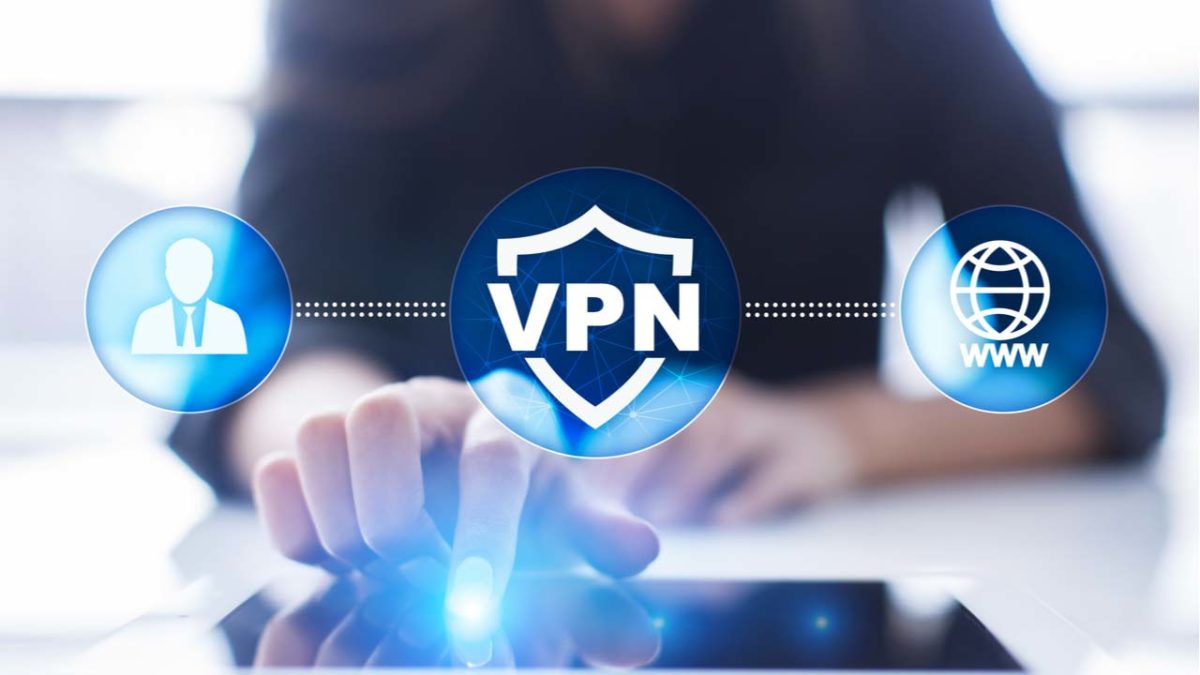
VPN functionVPNs, or virtual private networks, are most often referred to in the context of illegal streaming or dark web stuff.

However, a VPN is actually an essential tool, especially if you use Wi-Fi in a lot of public places.

If you are looking for some VPN options, we have a few options for you:

8
Browsec VPN - Free and Unlimited VPN Download Free ►
9
Betternet Free VPN Download Free ►
8

There are a lot of misconceptions about what a VPN is and why you might use one. Below, we’ll look at three reasons why you really should be using one, whether or not you’re torrenting up a storm.

3 reasons you should be using a VPN

1. Increase security wherever you are

One of the biggest advantages of using a VPN is it increases our online safety. It’s annoying that we have to think about this all the time. But remember, we live in an era where data breaches happen almost as often Facebook gets involved in another scandal.

Brands and ISPs can access our digital whereabouts if we’re not careful. To make matters worse, hackers are getting savvier by the day.

A VPN connects your PC to a private server, which could be located anywhere. Your web traffic passes through the server, rather than your computer. The websites you visit will think you’re visiting from the server’s location.

That little trick makes it difficult for anyone to get a clear sense of your browsing history.

If you’re using public Wi-Fi at the library or a coffee shop, VPNs protect you from hackers trying to steal your credentials.

2. Create some space between you and your service provider

Guy in data centerAs you’ve probably heard by now, the FCC has rolled back some of the net neutrality rules that were in place during the Obama era.

The new rules allow internet service providers (ISPs) to essentially police themselves. So long as ISPs are transparent about their terms of service they can more or less do what they want. One of those things is discriminating based on content. If you’re using a P2P site, your ISP might slow your network connection.

With a VPN, your ISP can’t easily see what content you’re looking at —  allowing information to flow freely, regardless of content.

VPNs and piracy are a match made in heaven. The VPN, of course, offers a safeguard from those Comcast or AT&T letters scolding you for downloading one too many new releases.

3. Bypass geographic restrictions

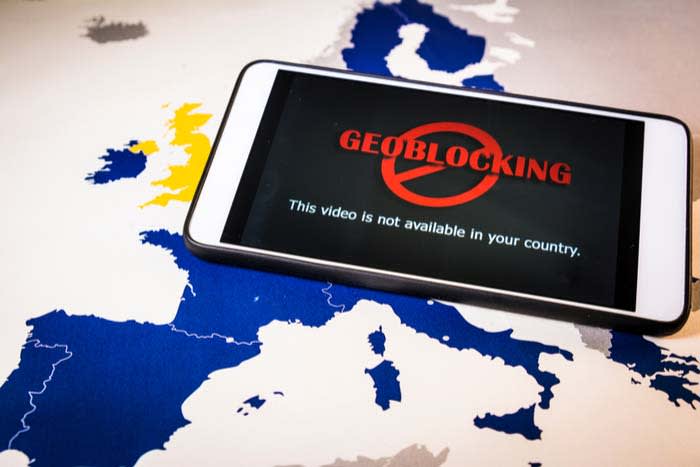
Geo-blockingIf you travel to other countries, a VPN is a must. It protects you against threats lurking on public Wi-Fi networks, and it also allows you to get around internet access laws that vary by country.

For example: if you were to travel to China, you should be able to access your favorite sites from your country without any issue.

Alternatively, a VPN can open up a whole world of content possibilities by overriding geo-blocking efforts.

You’ll get some more mileage by using your VPN to watch Canadian Netflix or current BBC releases we can’t easily stream elsewhere.

The legality of bypassing geo-blocking efforts isn’t exactly clear. Laws vary by country. Companies like Netflix claim that bypassing geo-restricted content violates their terms of service.

The reason streaming companies care about this issue is that there are some copyright and licensing concerns. The concerns are typically associated with where certain shows and movies are allowed to air.

What VPNs DON’T do

VPNs provide an excellent service to internet users across the globe, but they don’t do everything.

For one, VPNs don’t offer 100% anonymity. They’ll protect you against your run-of-the-mill hacker. However, if someone is out to get you like a malicious attack or a government investigation, it won’t help much.

If you live in a country with strict censorship laws, a VPN might help you log onto some sites like Facebook or Twitter. Unfortunately, accessing the full-breadth of the open web might not be possible.

In this case, users should look toward a service like Tor that allows for private web browsing.

Tor Browser Download Free
10

Conclusion

People are increasingly concerned about their digital footprint and how it might be used against them in the future.

Adding a VPN to your technology stack can give you a layer of protection, along with some unique conveniences.

While VPNs can’t protect you from every internet boogeyman, they do put some space between you and your browsing history. Think of a VPN as one piece of your larger cybersecurity strategy. Just remember that it’s not the complete package.

Can we (and should we) build a new internet?

We know today’s internet is broken. Are we ready for something new?

future internet

The idea of a new internet goes beyond being a key plot point in “Silicon Valley.”

With data breaches, ISP monopolies, and the whole fake news trash fire taking over the digital space, it’s understandable that one might want to hit delete on the whole internet.

We technically have the technology to make a new internet. It’s here, and chugging along like a clunky prototype. But the point is, we could pull a re-do on the web if we really wanted.

The problem is getting people to switch away from an existing system with oh, just 3.2 billion+ users is no small feat. And those aforementioned prototypes tend to come with a blockchain component — which sounds all well and good. BUT — a good chunk of that 3.2 billion truly has no idea what a blockchain is — much less how it works.

So… some challenges stand in the way. Still, there are some advantages to a hypothetical clean slate.

Here are a few reasons that maybe, starting over isn’t such a bad idea.

Why we might want to consider a total re-do of the internet

The net neutrality factor

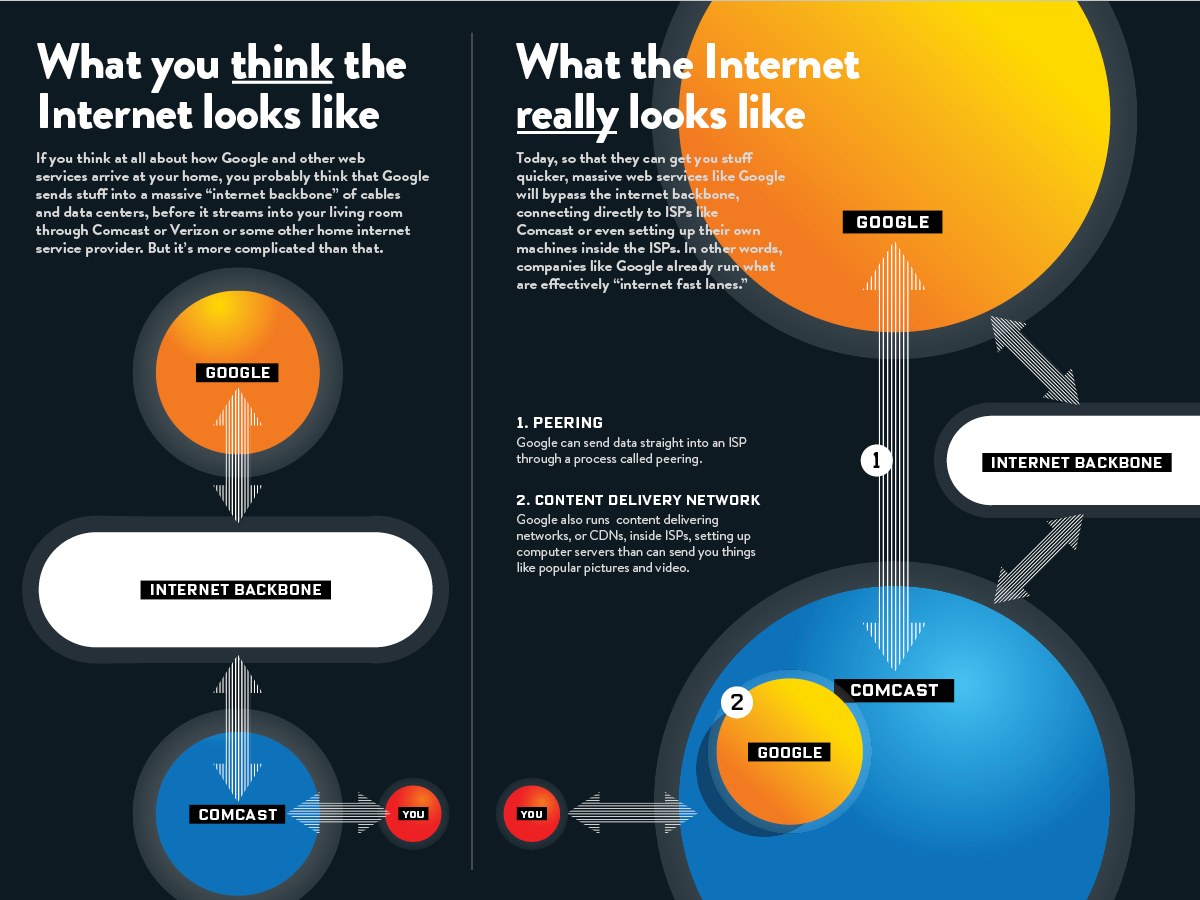
Technically, no one owns the internet. But, a select few companies make up the “backbone” of the internet. The backbone is the primary data route that provides networking access to a handful of companies like AT&T, Comcast, Google, and others. The way that it’s set up is, we need to sign up with a provider to access the internet.

If that doesn’t make sense, refer to this “backbone graphic” courtesy of High Tech Forum:
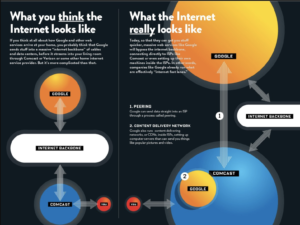
internet backbone graphic

These ISPs don’t necessarily run the internet, but they do control how you can access it. The end of net neutrality means that all web traffic is no longer treated equally. The old rules prevented ISPs from offering paid access to digital fast lanes or blocking traffic.

Now, ISPs can collect more data and can search and share user search history.

Since the ruling, people have begun looking at “new internets” more seriously.

In some cases, communities are banding together to break free of ISP control. Take for example the Equitable Internet Initiative, a community-owned wireless internet that bypasses ISP control.

If you’d like to learn more about the project, you can check out this short video:

Users don’t come first anymore

The idea of a user-first internet is an exciting one. Even Mr. Internet himself, Tim Berners-Lee, is behind it and working to create an open sourced project, Solid, which seeks to restore the power and agency of web users.

We’re at a strange crossroads where the biggest tech companies — and now, even smaller ones — are collecting data about us and using that to drive profits under the guise of better engagement.

The challenge with adoption lies in the fact that while we can get angry reading about black box data storage systems, we generally don’t notice that there’s any violation taking place. Some of the high profile breaches have captured the public’s attention, but there’s still this issue of convenience and resistance to change.

Do we want to change from Google Docs to Graphite Docs, from Twitter to Mastodon? Or get used to an encrypted email system?

Well, some of us might.

And there are some obvious benefits. But the average internet user often feels that they don’t have much to hide — so what if Facebook knows where I shop or the same ads keep stalking me around the web? No biggie.

Back to the idea of Solid. Berners-Lee says that the platform is designed to work on our existing internet, but that users will create their own pods — essentially a personal data store — allowing them to decide where their data lives and who has access.

Developers will need to integrate Solid into their apps and websites. As of now, there are only a handful of developers doing so. Still, this vision paints a picture of users adding a layer of active consent into their internet activity.

Decentralized internet

internet

There’s an awful lot of promise associated with the idea of the decentralized internet. Those proponents of the idea — from startup founders to activists — talk about decentralization as this beacon of hope. It’s a digital utopia that aims to solve all of our social justice woes and keep our online activity super secure.

One of the key benefits of a decentralized internet is the idea that artists, coders, and writers can share their creations with the world, without the risk of someone stealing their work. Blockchain-based internet could help keep digital assets secure — released if and when someone pays up.

On the flip side, there’s something about the method of creating a permanent online identity that’s a bit unsettling.

Like the idea that a blockchain record could hypothetically stick around permanently is great if you’re looking at it through the lens of severe internet bullying or criminal activity.

But when you consider it in the context of — say, an embarrassing comment or bad review, it could hurt you down the line. When stuff like that happens in the real world, it’s generally limited to a smaller circle and forgotten.

To succeed, the new internet must learn from old mistakes

The internet once represented this positive force of global connectivity.

Today, it’s become the scapegoat for our most pressing social problems. We’re talking about inequality, hate speech, violence, and of course, social isolation.

While net neutrality alone makes a strong case for starting over, we still need to face the mess we made on our current internet, lest we make the same mistakes.

Maybe it comes down to new regulations that limit the reach of tech giants like Facebook. Perhaps it’s creating better decentralized tools that connect with all users, not just the super techy among us.

In the end, the internet is a digital reflection of the world — something we can make better, sure — but there’s no quick fix.