The BBC has confirmed its partnership with YouTube to launch exclusive and live content on the popular video platform, starting with coverage of the Winter Olympics scheduled for February. This agreement reflects the commitment of the British public broadcasting corporation to connect with a younger audience that primarily consumes content online and is therefore moving away from traditional television. Television is no longer what it used to be The BBC’s strategy aims to attract a new generation of creators and producers in the UK. Through […]
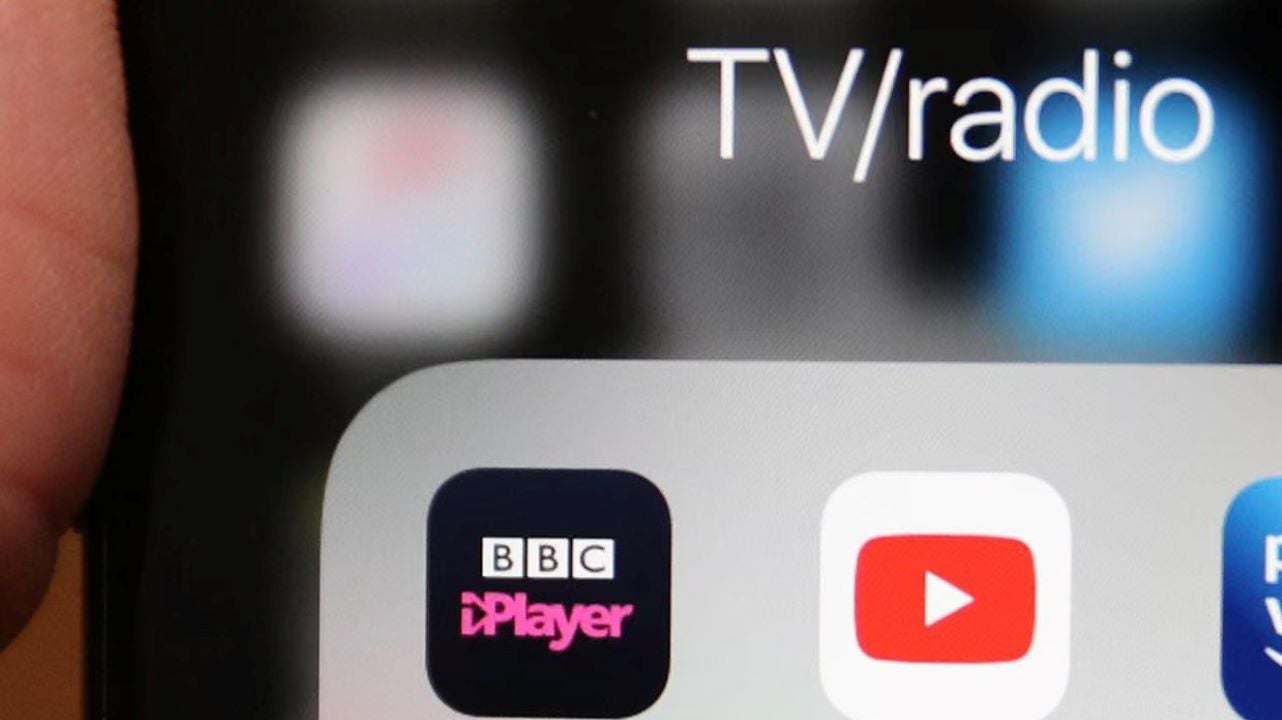
The BBC has confirmed its partnership with YouTube to launch exclusive and live content on the popular video platform, starting with coverage of the Winter Olympics scheduled for February. This agreement reflects the commitment of the British public broadcasting corporation to connect with a younger audience that primarily consumes content online and is therefore moving away from traditional television.
Television is not what it used to be
The BBC’s strategy aims to attract a new generation of creators and producers in the United Kingdom. Through dedicated channels, the corporation intends to offer original and fresh programming, especially aimed at children and young audiences. This move is not limited to the production of series but will also include news with innovative formats that foster a deeper connection with fans, as well as collaborations with brands and creators.
The introduction of this content on YouTube also suggests a significant integration with BBC iPlayer, allowing programming created for the video platform to be accessible through the BBC’s streaming service.
However, certain challenges persist regarding the quality of the content that traditional networks can offer on digital platforms. There is an urgent need to innovate and not simply replicate what already works, which can become a significant challenge. The BBC will have to demonstrate that it can provide valuable content that genuinely resonates with the audience in a competitive and constantly evolving landscape.
The video game Quarantine Zone: The Last Check, released in January 2026, has quickly conquered the Steam market, standing out as one of the best sellers with nearly 5,000 reviews and a 77% positive rating. This title presents itself as a reinterpretation of the acclaimed Papers, Please, but set in a zombie apocalypse, where the guards must decide who lives and who dies in the face of an unknown virus. A game that is sweeping among streamers The game invites players to take on the role of an inspector at a checkpoint, where they must inspect citizens for […]
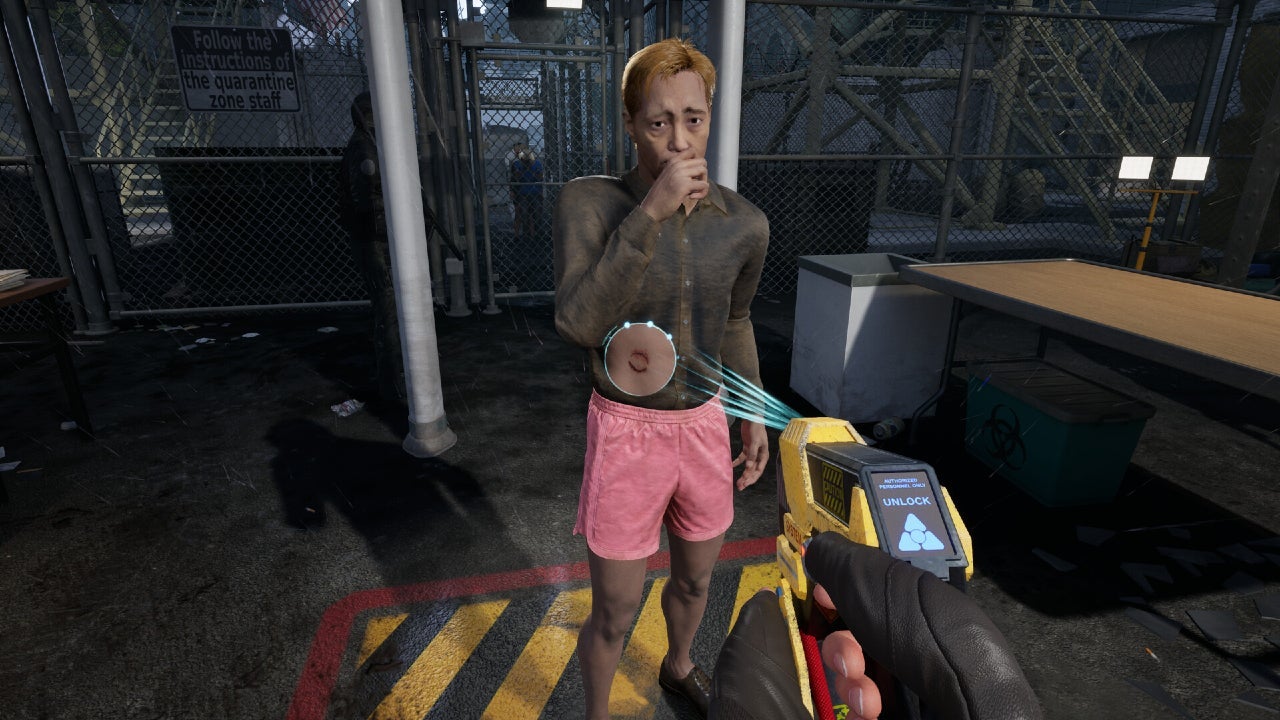
The video game Quarantine Zone: The Last Check, released in January 2026, has quickly conquered the Steam market, standing out as one of the best sellers with nearly 5,000 reviews and a 77% positive rating. This title is presented as a reinterpretation of the acclaimed Papers, Please, but set in a zombie apocalypse, where the watchers must decide who lives and who dies in the face of an unknown virus.
A game that is taking the streaming world by storm
The game invites players to take on the role of an inspector at a checkpoint, where they must inspect citizens for symptoms of the virus. However, despite its intriguing premise, the game’s development has received criticism for its lack of depth and the routine that sets in with moral decisions. Unlike Papers, Please, which is filled with ethical dilemmas and deduction elements, Quarantine Zone feels monotonous, with a simple checking process that lacks the excitement expected in high-tension situations.
The developers, Brigada Games, have tried to diversify the experience by including base management mechanics and a shooting minigame, although these additions have been perceived as ineffective and, in some cases, boring. Critics suggest that the experience would benefit from a more narrative-focused approach and survivor control, creating more varied and morally complex scenarios.
Despite these criticisms, the success of the game highlights the importance of an engaging premise and the effect of promotion through influencers, a crucial aspect in the current landscape of video games. With the combination of a powerful idea and effective advertising, Quarantine Zone: The Last Check is changing the dynamics of the game in the PC market.
Streaming prices have increased by almost 20% in December 2025, according to inflation data from the Bureau of Labor Statistics. This increase is part of a broader context of inflation that has affected various categories in the consumer price index, where entertainment stands out as one of the most impacted sectors. The first to suffer the cut are the less established services. Numerous streaming services have raised their rates throughout 2025. Disney+ implemented a price increase in September, while HBO Max did so in October. Other services like Spotify also […]
Streaming prices have increased by almost 20% in December 2025, according to inflation data from the Bureau of Labor Statistics. This increase is part of a broader context of inflation that has affected various categories in the consumer price index, where entertainment stands out as one of the most impacted sectors.
The first to suffer the cut are the least established services
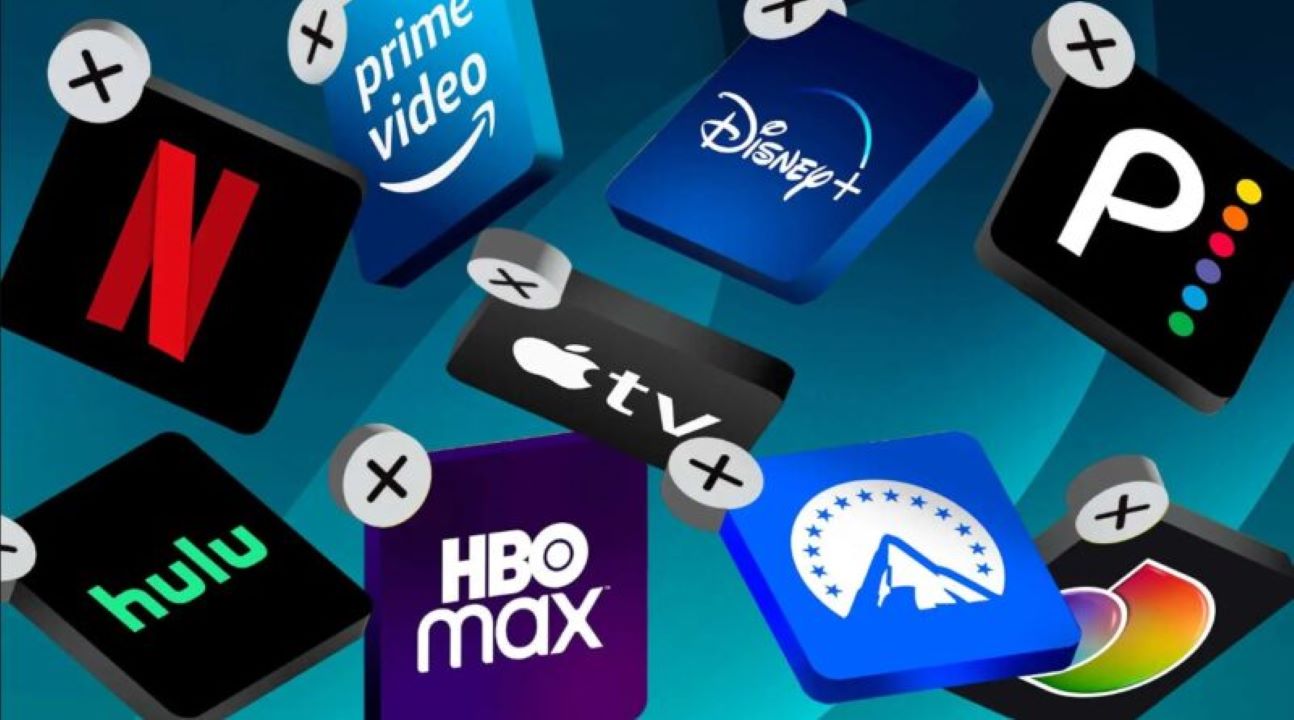
Numerous streaming services have raised their rates throughout 2025. Disney+ implemented a price increase in September, while HBO Max did so in October. Other services like Spotify are also considering price hikes for next year. These changes are particularly concerning for consumers who, due to inflation, are adjusting their budgets and are more likely to cut back on their entertainment spending.
In this situation, families tend to prioritize more established streaming services, such as Netflix, which have sports rights, at a time when purchasing power is increasingly limited. The fragmentation of streaming rights for sports contributes to fans facing the need to navigate multiple subscriptions. For example, some NFL games are available through Amazon Prime Video, ESPN Unlimited, and YouTube TV, forcing fans to acquire several costly subscriptions to access the events they want to watch.
Consumers seem willing to keep entertainment in their lives, but if fees continue to rise, the number of services they are subscribed to is likely to decrease. With ongoing concerns about inflation and rising costs, the streaming landscape could face significant changes in the coming years.
The recent research report from Digital i has revealed that the number of subscribers at the ad-supported level of Netflix has experienced a 14% growth compared to the previous year. This increase occurs in a competitive context where the streaming service struggles to expand its user base in an increasingly saturated market. More Netflix than ever Despite this growth, Prime Video continues to lead in terms of subscribers, significantly surpassing Netflix in this metric. According to the data, approximately 40% of active users in the segment […]
The recent research report from Digital i has revealed that the number of subscribers at Netflix’s ad-supported tier has experienced a 14% growth compared to the previous year. This increase occurs in a competitive context where the streaming service struggles to expand its user base in an increasingly saturated market.
More Netflix than ever
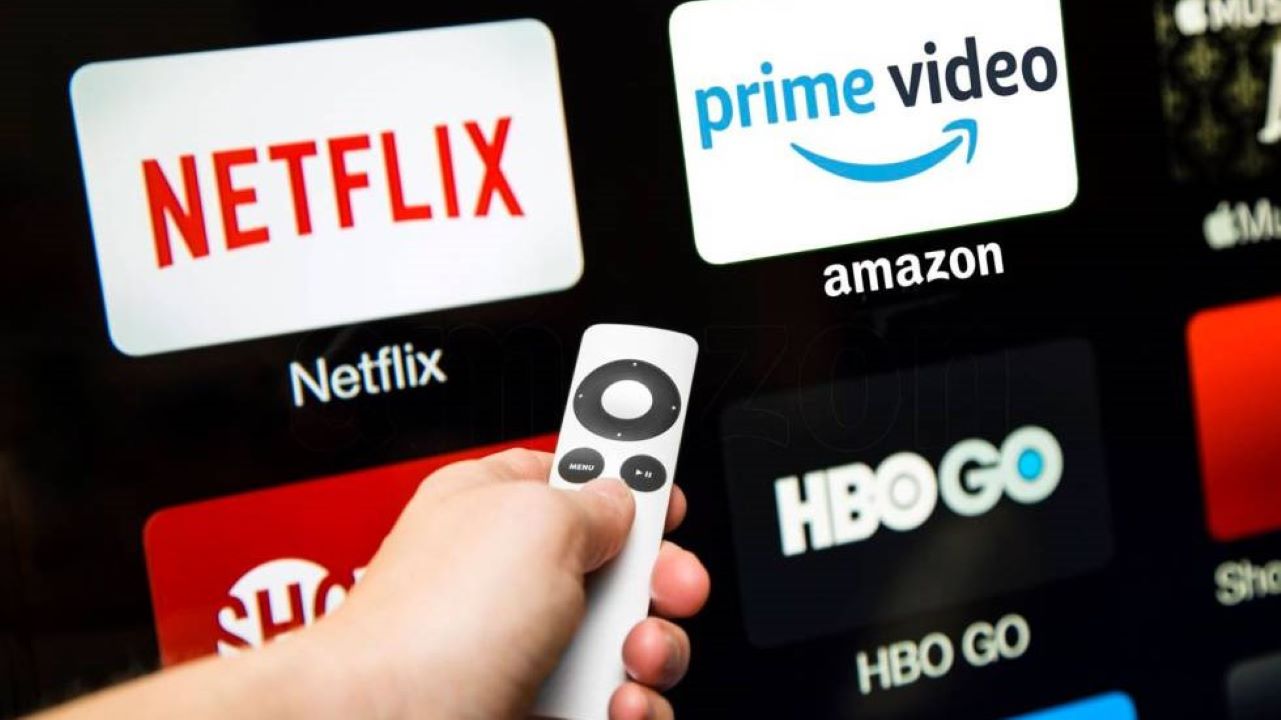
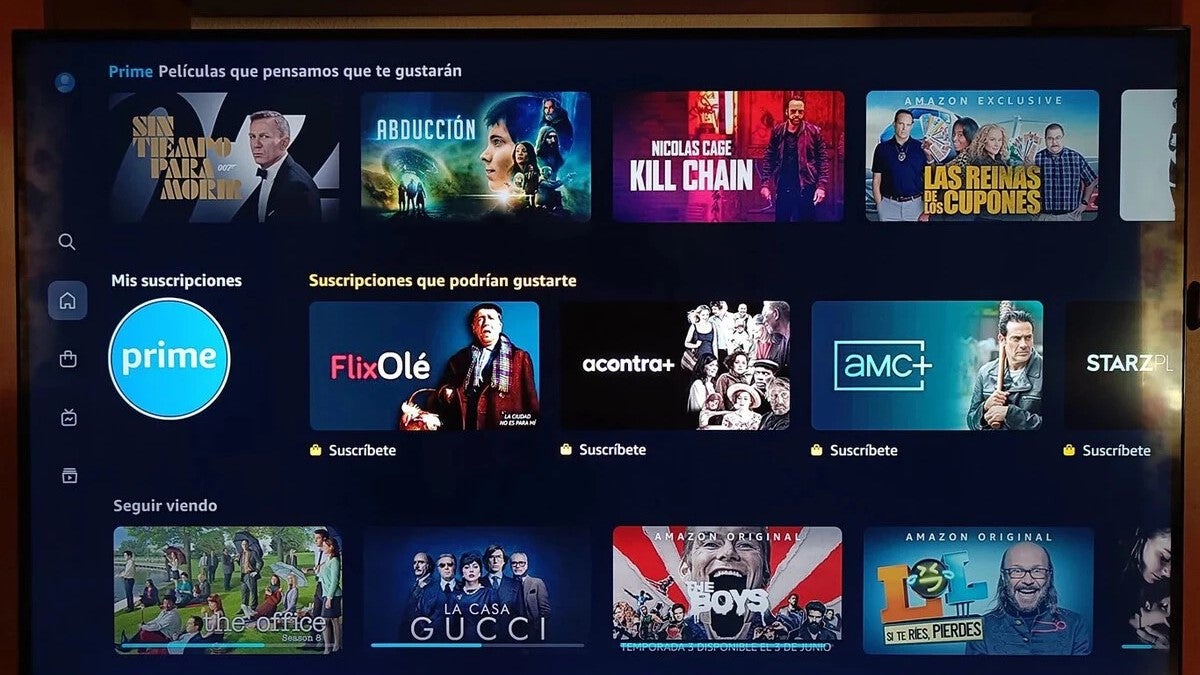
Despite this growth, Prime Video continues to lead in terms of subscribers, significantly surpassing Netflix in this metric. According to the data, approximately 40% of active users in the streaming segment are subscribed to Prime Video, reflecting Amazon’s strong position in the digital entertainment industry.
The research covers a period of 12 months, from the fourth quarter of 2024 to the end of the third quarter of 2025. During this time, other factors influence market behavior, such as the growing popularity of exclusive and original content on both platforms. This phenomenon indicates a shift in consumer preferences, where the quality and variety of content seem to play a crucial role in the subscription decision.
While Netflix focuses on diversifying its offerings through the implementation of ad-supported tiers, Prime Video’s growth strategies seem to be more effective so far. In this scenario, competitors like Hulu and Disney+ are also ramping up their efforts to attract new subscribers, which could divert some attention and resources from the leading platforms.
Moreover, this growth in Netflix’s advertising segment suggests that the company is finding effective ways to attract an audience that prefers lower rates in exchange for ads, although there is still a long way to go to catch up with its direct competitors. This situation invites reflection on the future of streaming and how platforms will adapt to the changing demands of their users.
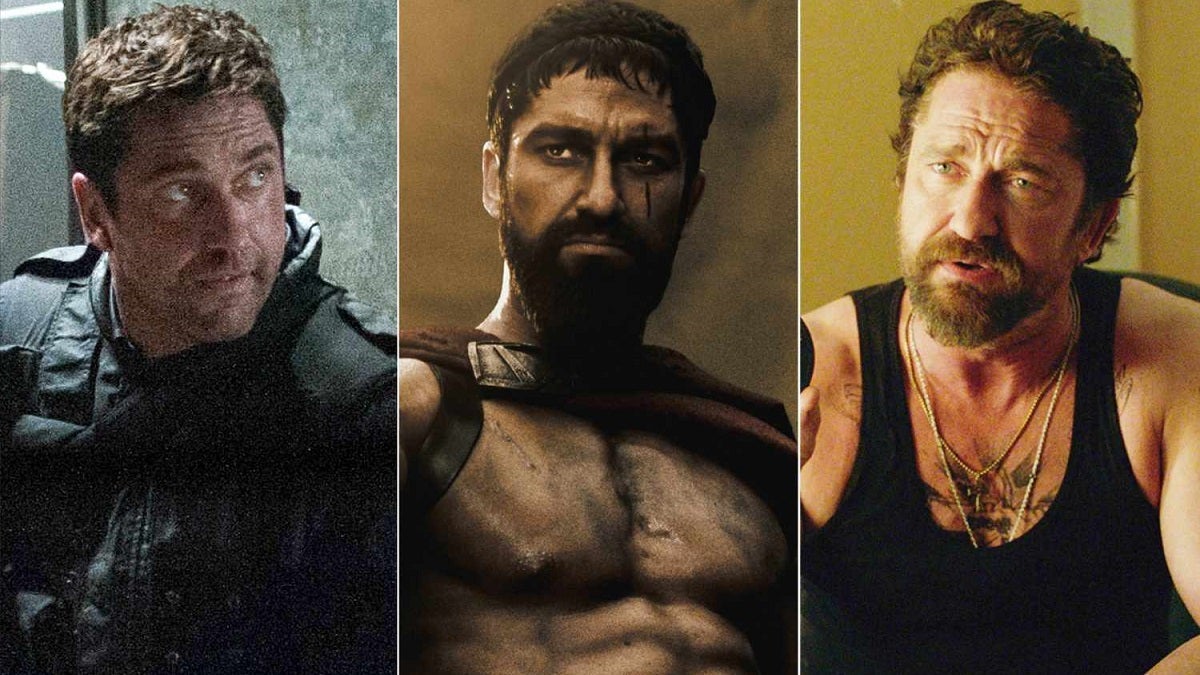
The movie Greenland 2: Migration is presented as the sequel to the successful action thriller starring Gerard Butler, Greenland (2020). The first installment, which premiered in December 2020 during the pandemic, not only received good reviews but also achieved remarkable performance thanks to its release on streaming platforms, becoming an unexpected success. In this sequel, the narrative follows the Garrity family as they must leave their refuge in Greenland to face new challenges after the impact of the comet. Following the success of the first film, it’s time to give the sequel a chance The […]
The first installment, which premiered in December 2020 during the pandemic, not only received good reviews but also achieved remarkable performance thanks to its release on streaming platforms, becoming an unexpected success.
In this sequel, the narrative follows the Garrity family as they must leave their shelter in Greenland to face new challenges after the comet impact.
After the success of the first movie, it’s time to give the sequel a chance
The concept of the plot follows a familiar path, where the family is caught in radiation storms while searching for a new home. Despite their aspirations to go beyond a survival story, the film has been criticized for its excessive dialogue and moments that affect the viewer’s experience.
Critics of Greenland 2: Migration, whose release has generated expectations due to the impact of the first film, suggest that it is better to watch the original on HBO Max instead of spending money on this sequel, which has received a low rating of 2 stars out of 5.
Exclusive look at the devastated world of ‘GREENLAND 2: MIGRATION’
It was mentioned that, although there are some moments that recall the magic of the first episode, the sequel largely offers nothing new and often feels like a less effective copy of the original.
Critics point out that the new film, directed by Chris Sparling, aims to provide a richer content experience, but ultimately fails to maintain the tension that characterized its predecessor. This has led many to advise that, while ‘Greenland 2: Migration’ may be entertaining, it is not essential to see it in theaters and it is suggested to wait for it to be available for streaming.
In 2025, there was a significant movement in the entertainment industry, marked by the purchase of Warner Bros. Discovery by some of the biggest figures in the sector. This consolidation phenomenon is part of a broader trend that is expected to affect the streaming landscape this year, with possible corrections after two decades of fierce competitiveness driven by Netflix’s business model. Is this the beginning of the end? According to industry experts like Jennifer Kohl from VML and Andrew Frank from Gartner, we are witnessing a moment of reconciliation between Hollywood and Silicon Valley. This could […]
2025 closed with a significant movement in the entertainment industry, marked by the purchase of Warner Bros. Discovery by some of the biggest figures in the sector. This consolidation phenomenon is part of a broader trend that is expected to affect the streaming landscape this year, with possible corrections after two decades of fierce competition driven by Netflix’s business model.
Is it the beginning of the end?
According to industry experts, such as Jennifer Kohl from VML and Andrew Frank from Gartner, we are witnessing a moment of reconciliation between Hollywood and Silicon Valley. This could result in growth focused on streaming content, as platforms seek to innovate and diversify their libraries.
AI-driven personalization is gaining prominence, with a focus on data collection to enhance user experience and increase the effectiveness of advertising on streaming platforms. Kohl emphasizes that content providers are increasingly interested in using data about their users’ preferences to offer more accurate recommendations.
As the creator economy continues to merge with original content production, the competition between streaming services and short video platforms, such as YouTube and TikTok, will intensify. DeVeaux mentions that, since all services are competing for the same limited user time, it will be essential to offer engaging content to maintain the audience’s attention.
Finally, a closer collaboration is expected between advertisers, streaming platforms, and retailers to address accountability issues and optimize advertising in streaming media. This synergy could change the way content is distributed and consumed, allowing all market players to adapt to the new dynamics of digital consumption.
Anime stands out because it has curious and interesting premises. While most fiction series try to stay as close to reality as possible, in the world of Japanese animation, they have no problem presenting the most outlandish scenarios. Sometimes, some are truly fascinating. That’s why it shouldn’t surprise us that one of the most promising animes of this year we just started has as its subject animal evolution. And that its theory is that the next step after humans is once again the monkey. The Darwin Incident is a manga written and illustrated by […]
Anime stands out because it has curious and interesting premises.While most fiction series try to stay as close to reality as possible, in the world of Japanese animation, they have no problem presenting the most outlandish scenarios. Sometimes, some are truly fascinating. That’s why it shouldn’t surprise us that one of the most promising animes of this year we just started has as its subject animal evolution. And that its theory is that the next step after humans will be, once again, the monkey.
The Darwin Incident is a manga written and illustrated by Shun Imezawa that is published in Monthly Afternoon, one of the largest seinen magazines for adult men in Japan. With over one and a half million copies in circulation, winning the fifteenth Taisho Award in 2022 and the twenty-fifth Excellence Award at the Japan Media Arts Festival, it was only a matter of time before it was adapted into an anime. And the moment has arrived.
A series about ecology and social relations
But what is The Darwin Incident about? It all begins when an animal rights organization breaks into a biological research laboratory to free the animals they are experimenting on. In the process, they discover something as aberrant as it is strange and fascinating: a chimpanzee is pregnant. What’s so unusual about that? That the result of the pregnancy, Charlie, is a humancè, a hybrid of human (from the father) and chimpanzee (from the mother).
Adopted by a couple of humans who want them to have as normal a life as possible, the story begins when Charlie, at fifteen, starts going to high school. Although it is difficult at first, because he doesn’t know how to relate to other kids his age, there he meets Lucy, a girl who will not only become his friend but will also help him navigate the complex social reality of humans with all its contradictions and unspoken rules.
If this alone would already provide material for an excellent series about a person trying to adapt to a foreign and hostile environment, the reality is that The Darwin Incident is not limited to that. Although there is also much about Charlie’s school life, how he relates to humans, learns their customs, and how being half chimpanzee plays an important role in his relationships, but even more so the fact that he grew up isolated from other children, it soon becomes an intense political thriller as different political groups try to instrumentalize his existence. Leading to various revelations, twists, and decisions that Charlie will have to make not only about his future but also about how society will continue to treat animals.
Directed by the studio Bellnox Films, this is their first anime production. But that doesn’t mean they lack experience. Under the umbrella of Kadokawa Corporation, Bellnox Film is led by CEO Koji Kajita, who was the CEO of David Productions, famous for the anime adaptation of JoJo’s Bizarre Adventure and the remake of Captain Tsubasa. This is evident in the remarkable staff of the series, with Katsuichi Nakayama and Naokatsu Tsuda as directors —directors of Evangelion: 3.0+1.01 Thrice Upon a Time and the JoJo’s Bizarre Adventure series from its inception to Vento Aureo— and Shinichi Inotsume handling the scripts, who was responsible for the scripts of the first seasons of JoJo’s Bizarre Adventure and Food Wars!: Shokugeki no Sōma.
With the study’s history, which mainly comes from a quality-verified studio like David Productions, and knowing the quality of the manga, it is to be expected that The Darwin Incident will become one of the animes of the season. If not of the year. Therefore, if you are interested in a thriller with a different premise, a story about a protagonist trying to learn to live in a society that feels alien to him, or simply want to be there for what could be the next big hit in anime, you shouldn’t miss The Darwin Incident, now available weekly on Prime Video.
The adaptations of Stephen King’s works have had a mixed history, and the 2017 film The Dark Tower, directed by Nikolaj Arcel and starring Idris Elba and Matthew McConaughey, is considered one of the most disappointing. Its negative reception, both from critics and the public, led to the cancellation of any continuation of the saga, which is based on a series of eight books and some short stories. However, the outlook has brightened with the confirmation of new projects in development. Mike Flanagan, known for successful adaptations of King such as ‘Doctor Sleep’, has announced […]
The adaptations of Stephen King’s works have had a mixed history, and the 2017 film The Dark Tower, directed by Nikolaj Arcel and starring Idris Elba and Matthew McConaughey, is considered one of the most disappointing.
Its negative reception, both from critics and the public, led to the cancellation of any continuation of the saga, which is based on a series of eight books and some short stories. However, the outlook has improved with the confirmation of new projects in development.
Mike Flanagan, known for successful adaptations of King such as ‘Doctor Sleep’, has announced that he is working on a series for Amazon Prime Video based on ‘The Dark Tower’.
Flanagan has emphasized that he already has several finished scripts and has assured that his priority is to create an adaptation that respects and surpasses the legacy of the 2017 film. In statements to Empire, he indicated: “We can’t let that be the last word. We really can’t.”
The cast members are still kept secret, but it is likely that Flanagan will turn to actors who have collaborated with him on previous projects, which could include familiar faces for fans of his works.
Although the adaptation process is complex, Flanagan remains optimistic and committed to bringing the gunslinger’s journey to the screen in a way that does justice to King’s original story.
Before the release of ‘The Dark Tower’, fans of Stephen King will be able to enjoy a new adaptation of ‘Carrie’, which is expected to arrive on Prime Video this year. With these projects underway, fans of the master of horror have much to look forward to in the near future.
In October 2025, 45.7% of the total television viewing time in the United States corresponded to streaming platforms, a clear increase from the 40.5% recorded in October 2024. This trend underscores a significant shift in consumer behavior towards online content, which promises to transform the advertising landscape in the coming years. Will prices remain stable in 2026? According to projections, spending on connected TV (CTV) advertising is expected to surpass spending on traditional television advertising by 2028, reaching $45.96 billion, compared to $32.45 billion […]
In October 2025, 45.7% of the total television viewing time in the United States was attributed to streaming platforms, a clear increase from the 40.5% recorded in October 2024. This trend underscores a significant shift in consumer behavior towards online content, which promises to transform the advertising landscape in the coming years.
Will prices remain the same in 2026?
According to projections, spending on connected television (CTV) advertising is expected to surpass spending on traditional television advertising by 2028, reaching $45.96 billion, compared to $32.45 billion estimated for 2025. Despite these advances, many companies face a deficit in formulating effective strategies for CTV advertising and lack essential data, which could limit their potential earnings in this expanding field.
The streaming ecosystem is currently dominated by giants like Netflix, YouTube, Disney, and Amazon. However, potential consolidation and mergers among these platforms could alter the balance of power in the sector. Despite this dynamic, streaming services have continued to raise their prices; the average cost of the top 10 paid services in the U.S. has increased by 12% in 2025, accumulating double-digit increases since 2022.
This increase in prices seems to be driving the growth of ad-supported streaming platforms. As we move into 2026, it is unlikely that the consolidation of platforms or the rise in prices will slow down, which will give media companies the urgent need to replace the decline in advertising revenue from traditional television with gains from subscriptions and ad-supported viewing.
Streamer Nukie has completed an impressive video game marathon by finishing all the 3D games in the The Legend of Zelda saga in a total time of 89 hours, spread over four days of continuous streaming. This ambitious challenge, which included classics like Ocarina of Time to the most recent Tears of the Kingdom, was notable for its goal of achieving 100% in each of the titles, a considerable challenge given that some of these games, like Breath of the Wild, can require hundreds of hours to complete all their missions and secrets. Four days without […]
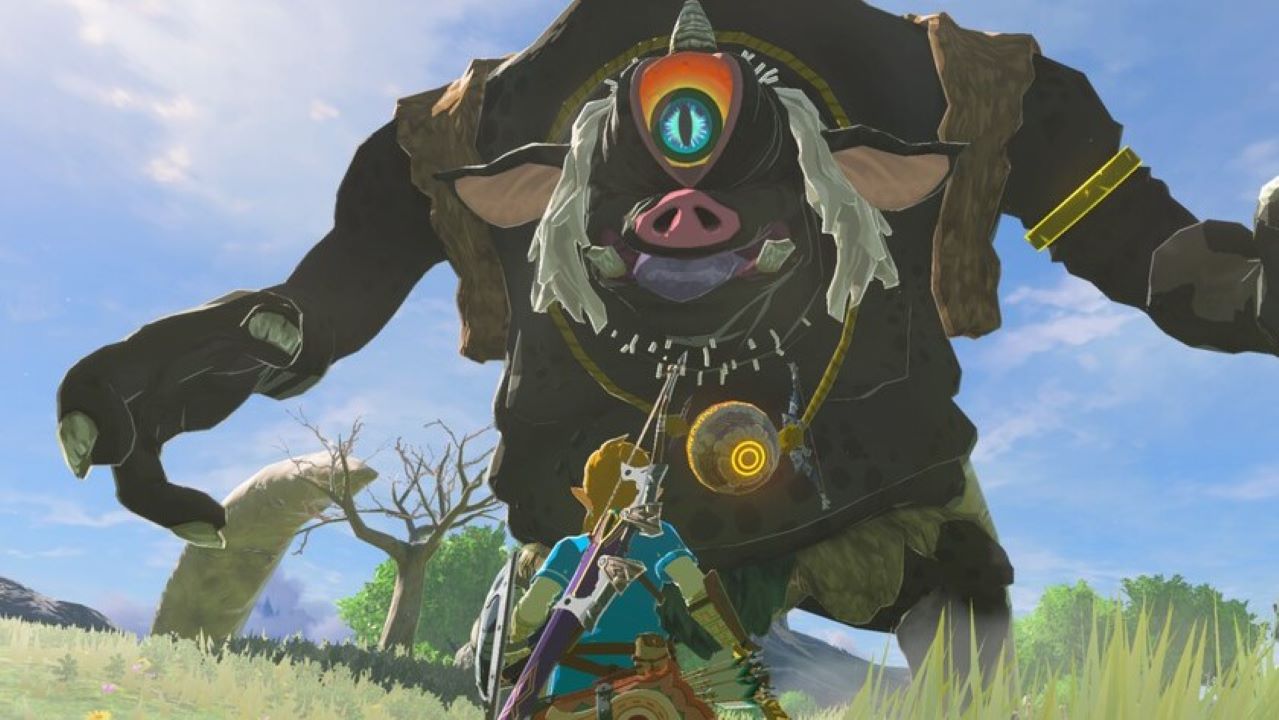
The streamer Nukie has completed an impressive video game marathon by finishing all the 3D games in the The Legend of Zelda saga in a total time of 89 hours, spread over four days of continuous streaming. This ambitious challenge, which included classics like Ocarina of Time to the most recent Tears of the Kingdom, was notable for its goal of achieving 100% in each of the titles, a considerable challenge given that some of these games, like Breath of the Wild, can require hundreds of hours to complete all their missions and secrets.
Four days without sleep… And playing
With six years of dedication in preparation for this feat, Nukie developed a strategy that allowed him to perform the speedrun efficiently. During the stream, the streamer had medical assistance to ensure his well-being, and despite the intensity of the challenge, he stated that he did not suffer any health issues. However, he urged others not to attempt to replicate his experience without taking the necessary precautions, highlighting the importance of taking care of one’s health when participating in extreme activities.
The Nukie community closely followed the challenge, which attracted around 5,000 viewers during its live hours. The popularity of these events highlights a growing phenomenon in streaming culture, where gamers take on extraordinary challenges to capture the audience’s attention. While these types of challenges are impressive, they raise questions about the extreme limits that some streamers are willing to cross in search of notoriety.
Despite the health concerns surrounding this type of marathon, Nukie was ecstatic after his achievement, stating on social media: No one can stop me, I’m on top of the world, which invites reflection on the thin line between entertainment and personal well-being in the world of streaming.