Be very careful using AI as a doctor, because it can make you worse

Consumers are increasingly adopting generative artificial intelligence (GenAI) as a common tool for seeking health information, considering it more effective than traditional search engines. This trend reflects a significant shift in how people access medical information, as many see AI as a convenient and personalized resource for discussing health topics that require specific questions and follow-up. Be very careful with AI and health However, the use of GenAI carries inherent risks. The irregular reliability of these tools increases the possibility of medical misinformation, […]

Consumers are increasingly adopting generative artificial intelligence (GenAI) as a common tool for seeking health information, considering it more effective than traditional search engines. This trend reflects a significant shift in the way people access medical information, as many see AI as a convenient and personalized resource for discussing health topics that require specific questions and follow-up.

Be very careful with AI and health

However, the use of GenAI carries inherent risks. The irregular reliability of these tools increases the possibility of medical misinformation, which can lead to wrong decisions and a false sense of security among users. A recent study indicates that up to 25% of doctors have noticed that the information provided by GenAI often conflicts with their own medical advice, adding an additional level of concern about its use.

In light of this situation, it is suggested that doctors ask their patients about their use of AI tools to search for health information during consultations. At the same time, medical organizations must position themselves as the primary source of medical guidance. It is crucial that these institutions provide online resources that explain how information generated by AI may be outdated, incomplete, or incorrect, with the aim of educating patients on the proper use of these technologies.

With AI positioning itself as the new Dr. Google, the challenge for healthcare professionals and marketers will be to respond to this new era of information searching, ensuring that patients have access to well-founded and quality medical advice.

8.5 million dollars: one of the largest robberies due to a Chrome extension

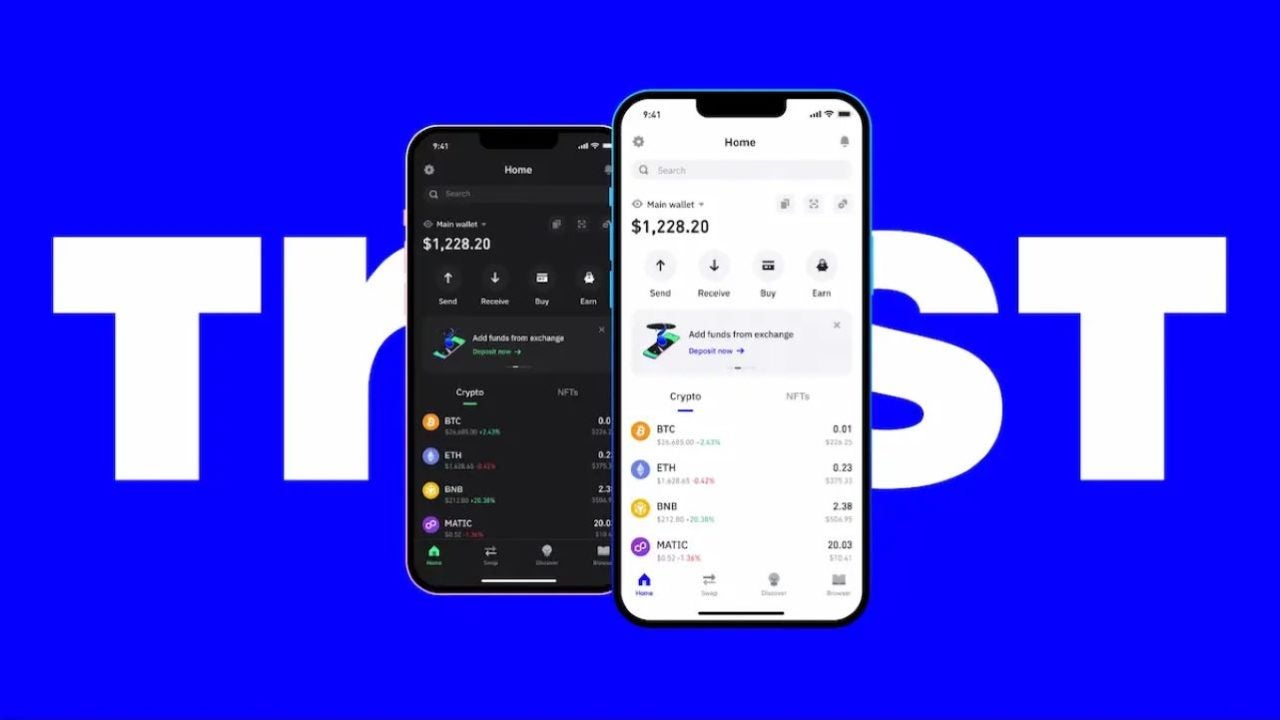
The hacking of the Trust Wallet Chrome extension, which occurred in November 2025, has exposed serious vulnerabilities in the company’s security, resulting in a theft of approximately 8.5 million dollars in assets. In a post-incident analysis, Trust Wallet revealed that the secrets of its GitHub repository were exposed, allowing the attacker to access the source code of the extension and the Chrome Web Store (CWS) API key. A million-dollar theft With full access to the CWS API thanks to the leaked key, the attacker managed to […]

The hacking of the Trust Wallet Chrome extension, which occurred in November 2025, has exposed serious vulnerabilities in the company’s security, resulting in the theft of approximately 8.5 million dollars in assets. In a post-incident analysis, Trust Wallet revealed that the secrets of its GitHub repository were exposed, allowing the attacker to access the source code of the extension and the API key for the Chrome Web Store (CWS).

A million-dollar robbery

With full access to the CWS API thanks to the leaked key, the attacker was able to upload malicious versions of the extension without going through the usual Trust Wallet review process. A malicious domain, “metrics-trustwallet[.]com”, was registered, where a trojanized version of the extension was distributed, designed to steal users’ mnemonic phrases and provide unauthorized access to their wallets.

This attack occurs in a broader context of a software supply chain incident known as Sha1-Hulud. This attack has affected multiple companies, allowing attackers to introduce malicious code through commonly used development tools. The new version of this malware, Shai-Hulud 3.0, has arrived with improvements in obfuscation and reliability, which could make its detection more difficult.

In light of this event, Trust Wallet has initiated a refund claim process for the victims, handling each case individually to protect against fraud. The company has also implemented additional monitoring capabilities and controls related to its launch processes, in order to prevent future incidents of this nature.

In a message following the attack, Trust Wallet warned about a million users of its extension to update to version 2.69, after a malicious update was made available. The recovery of stolen assets and the restoration of user trust will be essential in the coming months for the platform.