Michael, the biopic based on the life of Michael Jackson, promises to be one of the great movies of the year. It has plenty of reasons. Jackson is an iconic figure in pop, surrounded by great controversies and who, at one point in his career and for more than two decades, was of paramount importance to music. Declaring that his importance is equivalent to that of The Beatles may be exaggerated, but it wouldn’t be too far from the truth.
With a budget of around 200 million dollars, Lionsgate Films has absolute faith that it could be one of the movies of the year. That’s why they have enlisted one of the most iconic directors in Hollywood today. A man who doesn’t direct the most renowned films, but knows how to generate money, create a stylish movie, and above all, has great experience in making music and visuals blend perfectly. Because if there’s one man who can do this job, it’s Antoine Fuqua.
The origins of the music video
Born in 1965 in Pittsburgh, Pennsylvania, Antoine Fuqua did not start out dreaming of directing movies. He first studied electrical engineering, hoping that it would open the doors to piloting jets in the military. What made him change his mind? Two things. On one hand, the films of Akira Kurosawa, and particularly, the scripts of his regular collaborator, Shinobu Hashimoto, which made him realize the value of justice, sacrifice, and honor. On the other hand, a childhood in a troubled neighborhood, surrounded by violence, and a teacher who guided him towards art to steer him away from it, revealing to him that another possible world existed for him.
His career as a director began at Propaganda Films. Founded in 1986, this was the most important production company of the 90s and 00s. Specialized in music videos and television commercials, it created a pathway for professionals to hone their skills and create the best possible productions. They started by making music videos, then moved on to making television commercials, and with a portfolio of completed productions, they took the leap to direct their own films. Having huge success stories like David Fincher, Michael Bay, Michel Gondry, Spike Jonze, Zack Snyder, Gore Verbinski, or Antoine Fuqua himself.
He started directing music videos in the 90s and he didn’t direct videos for just anyone. Among his clients were Prince, Stevie Wonder, and Toni Braxton, but there was one music video in particular that put him in the eye of the storm. In 1995 he would direct the music video for Gangsta’s Paradise by Coolio, which featured an extremely popular Michelle Pfeiffer, and which would be used to promote Jerry Bruckheimer’s next movie: Dangerous Minds. One of the highest-grossing and most popular films of the year.
After this, the path was clear. And he prepared to make the leap to cinema. Something he did successfully, although not without his share of stumbles.
A man to invest in
His first two films, Replacement Killers and Bait, were not exactly box office hits. The latter was an absolute failure. But they were also low-budget films that allowed him to sign on for a third, which would indeed explode in popularity. In 2001, he released Training Day, a perfect blend of police thriller and action movie, would showcase Antoine Fuqua’s best qualities: an incredible ability to shoot action, impeccable staging, and excellent direction of actors. Especially when that actor is Denzel Washington.
In the following twelve years, he released films that were box office and critical successes such as King Arthur, Shooter, and Southpaw. Without dominating either the box office or critical reception, they managed to establish a perfect balance: they were liked by both critics and the public enough to have more than decent budgets and not only recover them but also double them. Achieving substantial profits while giving prestige to their producers. Something that gave him the opportunity to make the film that would originate the trilogy that ultimately elevated him to stardom: The Equalizer.
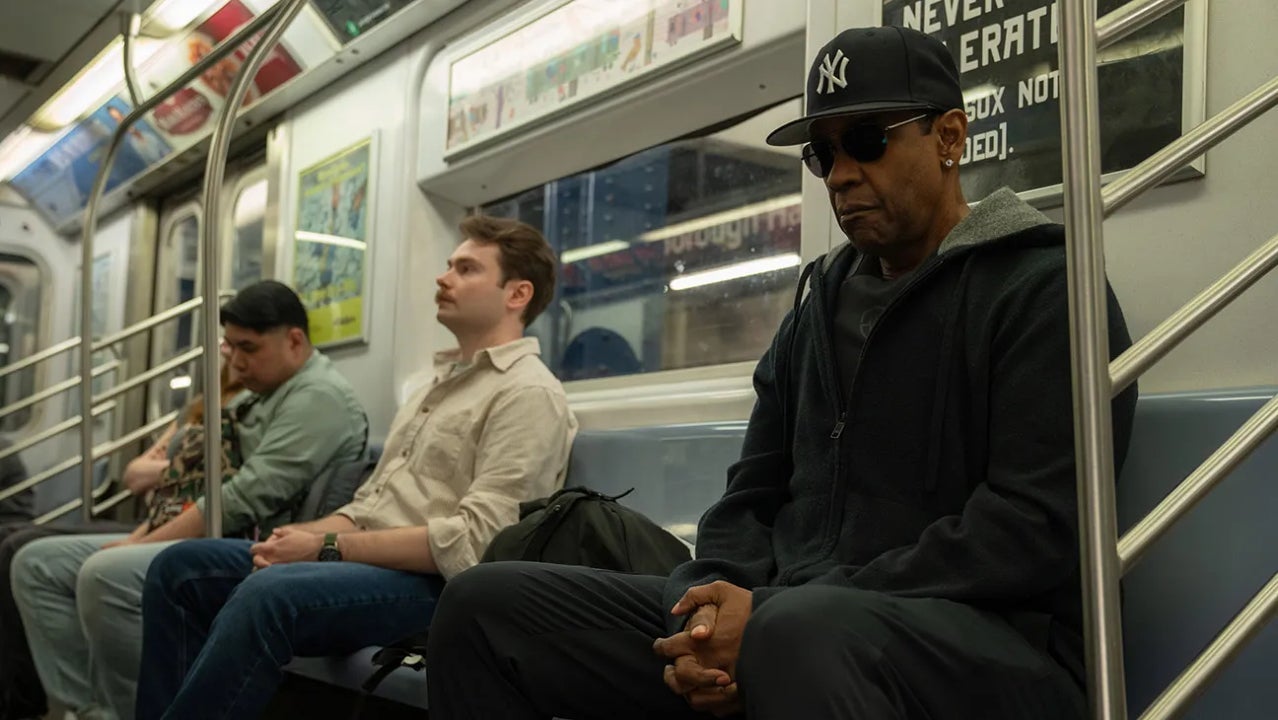
Released in 2014 and based on an 80s series of the same name, the premise is simple. A former marine gets involved in tricky situations with the mafia and makes sure that the mobsters cease to exist in this world forever. With Denzel Washington as the lead, the movie is violent, frantic, and packed with emotion. This is why, with a modest budget of around 70 million, it managed to gross just over 190 million.
This has led to two other films in the franchise, released in 2018 and 2023. Always putting at the center its excellent eye for action, staging, and the tremendous presence of Denzel Washington, the films have never failed at the box office. Always with a budget between 60 and 70 million and making around 190 million, they have achieved something tremendously unusual in the film world: staying consistent over time and not losing traction with the passing of the installments. Something that only another highly regarded franchise in recent action cinema, like John Wick, can boast.
Now Fuqua releases Michael, the biopic about Michael Jackson. Although critics are divided over its approach, overlooking everything related to his accusations of pedophilia, one thing is clear: it is a film full of style and knows how to use music. Will that be enough to attract the audience and justify its budget of 200 million dollars? That remains to be seen. But Fuqua has shown that if anyone can do it, it’s him.