This crab soulslike is what you need to relieve your Elden Ring cravings.

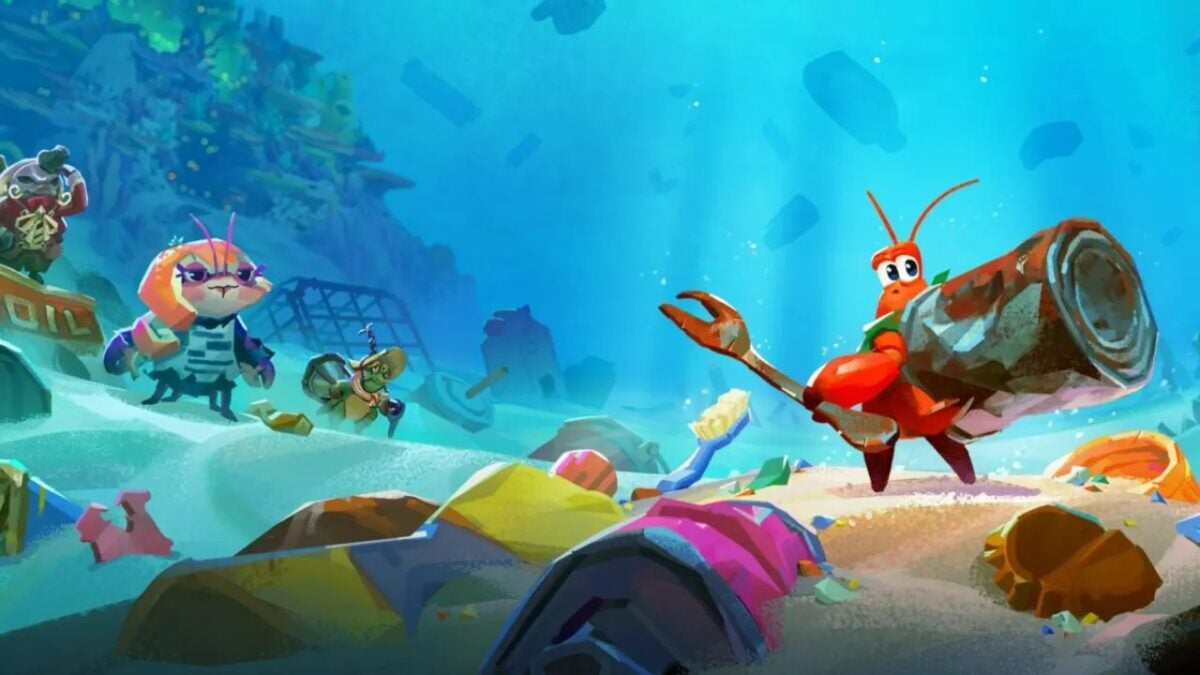
Another Crab’s Treasure is a Dark Souls-style game that invites us to step into the shoes of the most unlikely hero of the ocean: a hermit crab.

If there is a trend in the world of video games that everyone imitates, it is that of From Software. Everyone wants to make their own soulslike. The game that is like a Dark Souls, but with a little twist of their own. The reality is that it seems that no one knows how to do it gracefully. Practically all attempts so far have been disappointing, showing that From Software has something special. Unique. That, or other studios have limited themselves to copying where they should be inspired.

Because, recently, a small indie study has shown that it is possible to make a soulslike with personality and that truly feels satisfying. Not as a mere copy, but something else. Because at Aggro Crab, when they decided to make their indie soulslike, they decided to follow the path that no one had followed: that of parody.

Another Crab’s Treasure puts us in the shoes of a hermit crab, named Kril, who one day is told that he has a huge debt with the baroness who controls those lands. Because he has been unintentionally evading taxes, his house and shell are expropriated, and Kril decides to go to the ocean to discuss with the baroness the possibility of recovering his house. But between the baroness’ refusal to return his shell and the environmental pollution that is destroying and driving the other animals crazy, Kril will become the unlikely hero that the ocean needs.

One of the main charms of Another Crab’s Treasure is that it is a delightful game with a great sense of humor. It has constant wordplay, visual jokes, and a fair amount of slapstick, making it an excellent comedy game. But all of this is enhanced when we accept that, in addition, it is a parody of the Souls games. It looks at them with as much admiration as affection, not allowing itself to be trapped by their influence.

-60%
Another Crab's Treasure

From: Instant-Gaming

12€ 30€

By parody here we don’t mean satire. A parody doesn’t have to be mocking; it can simply imitate what is being parodied, giving it a twist. Which is the case of Another Crab’s Treasure. A game where deranged knights attack us from so far away that it takes almost ten seconds for them to reach us. Huge shells allow us to level up or travel between them. Or in general, characters give us cryptic references and the game invites us to think about it through the environmental narrative that Dark Souls integrated so well into the collective unconscious.

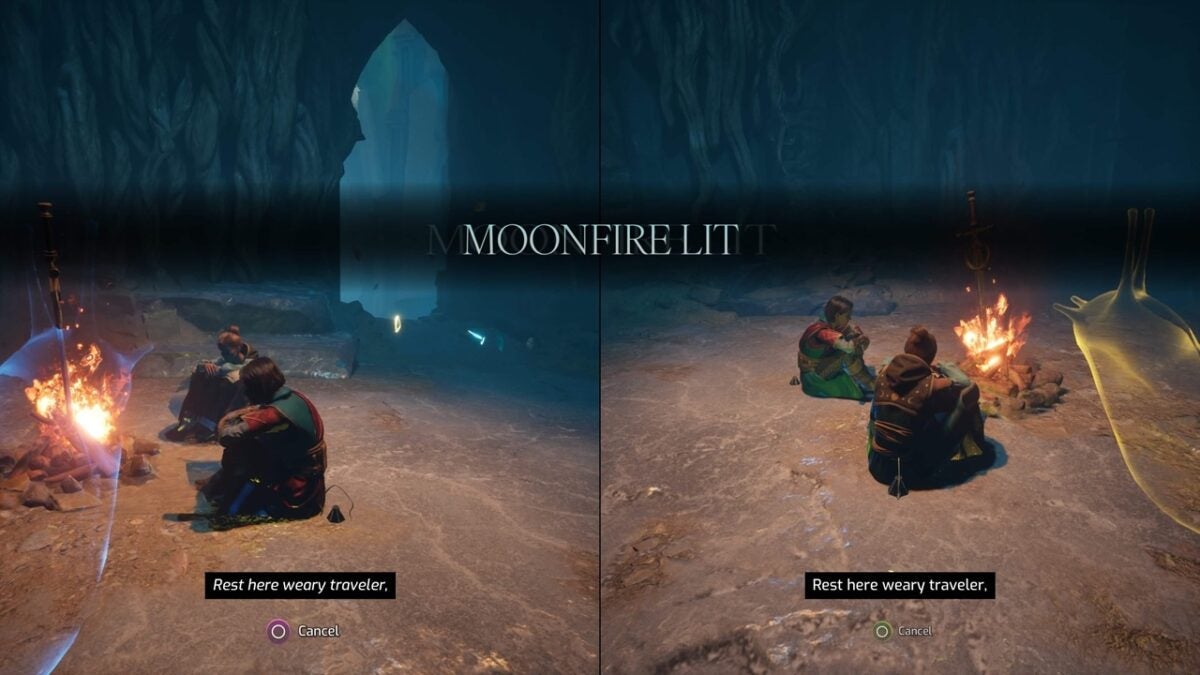
In fact, Another Crab’s Treasure, at its core, is a soulslike. If you know the button configuration of any From Software game, you know the one of Another Crab’s Treasure. Instead of souls, there are microplastics, instead of bonfires, there are magical shells. But there is one thing that sets the game apart. The shells.

As Kril is a hermit crab, it doesn’t wear armor, but different shells. To protect ourselves, we will have to hide inside it, which will cause structural damage. If it suffers too much, our shell will break. In addition, each shell has its own associated magical power, which we can use by spending umami, making the selection of the shell an important strategic element. We not only want the shell with the most defense for its weight, but we also have to consider how we are going to play and what spells each one offers us.

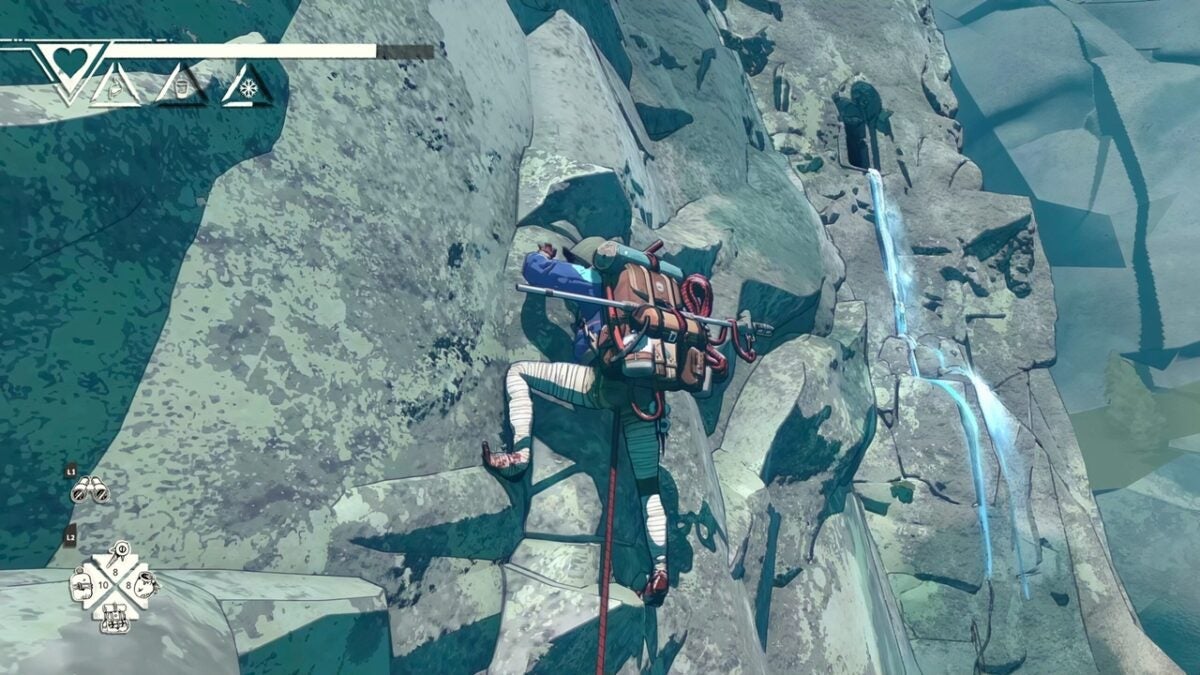
Another thing that sets it apart from From Software games is its platforming. With many jumping sections, with a Sekiro-style grappling hook, in the game we will have to do a lot of platforming throughout its 12-15 hours. The problem is that the jumps are usually very tight and the controls are not always perfect, making some of these sections a bit more complex. Although never anything so important as to be serious.

In addition, this is a game by Aggro Crab. An indie studio of 12 people. It is normal for it not to have the same finesse as a game by From Software, a studio of 288 people with 28 years of experience. Its small control frictions and slightly crazy jumps are a logical price to pay for the wonderfulness of the rest of the game.

Because Another Crab’s Treasure can say something that most soulslikes can’t: it has personality. It wants to talk about capitalism, the environment, what it means to have a home. It wants to have a dark touch, but it wants to be a cute, fun, and funny game; sometimes even with a quite dark humor, reminiscent of Monty Python. Because it’s not just another attempt to be Dark Souls. It’s something else. And something that any Souls fan, who wants a true twist on the concept, should try.

-60%
Another Crab's Treasure

From: Instant-Gaming

12€ 30€

Another Crab’s Treasure is available for Nintendo Switch, PlayStation 5, Xbox One, Xbox Series X, Xbox Series S, Xbox Cloud Gaming, PC, and GamePass. And it is the perfect game to alleviate the wait until the arrival of the Elden Ring expansion.

Some of the links added in the article are part of affiliate campaigns and may represent benefits for Softonic.

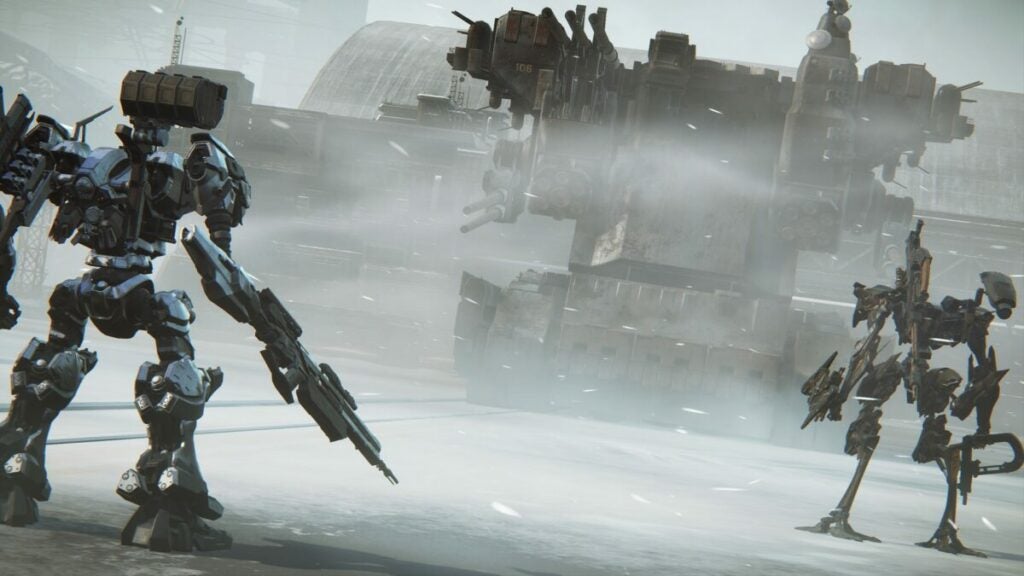
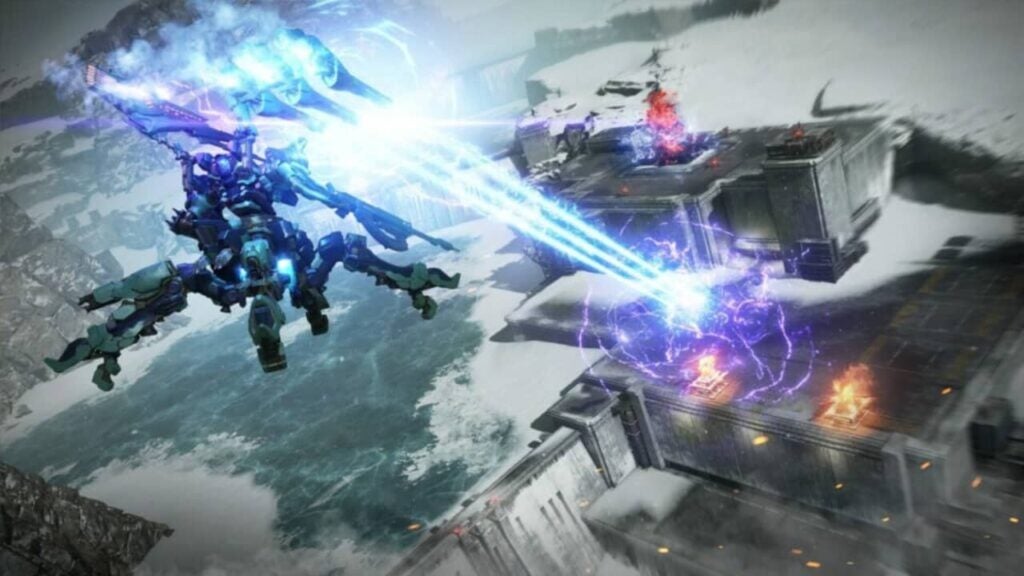
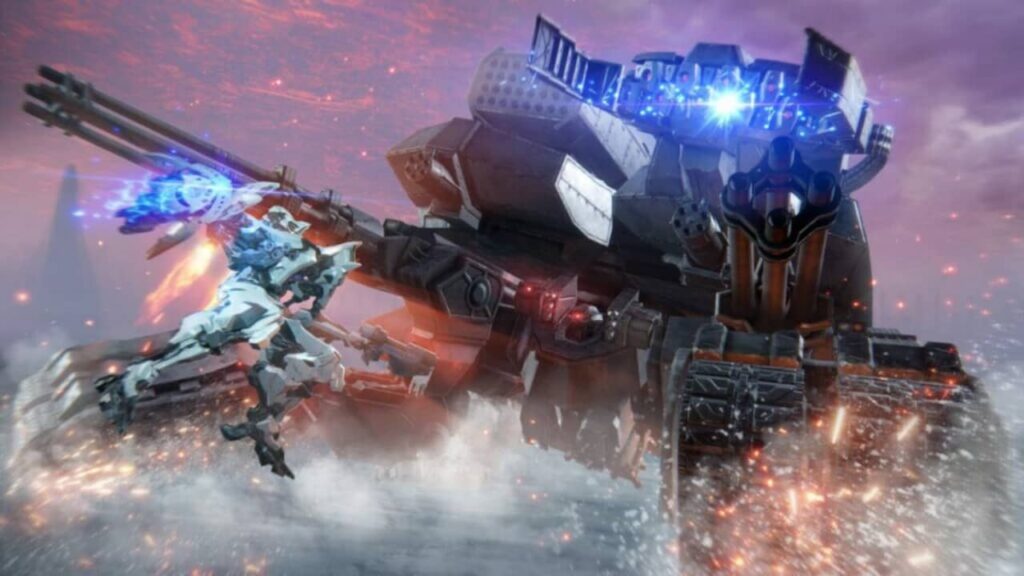
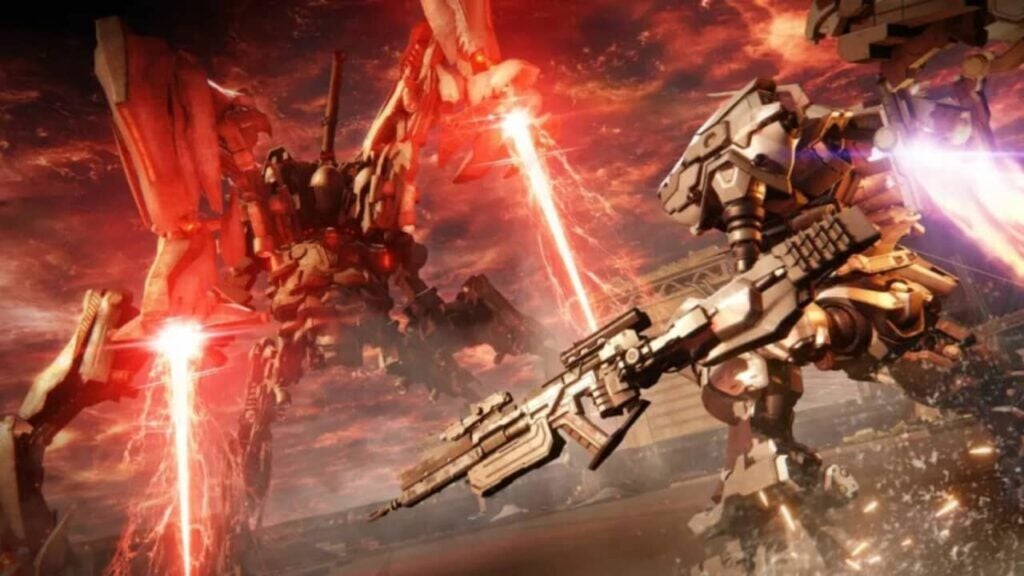
Armored Core VI: Fires of Rubicon – Your Essential Guide Before Diving In

Armored Core VI: Fires of Rubicon is an excellent game, but it’s also a game that can be difficult, so here are some tips.

While summer usually isn’t the best time of year for video games, this year is an honorable exception. Due to delays, the avoidance of competing with other major titles, and specific decisions from certain big studios, we have a very eventful August full of announcements that would typically have occurred between February and April or between September and November. That’s why it’s impossible for anyone not to have something to sink their teeth into during the holidays. Even if what excites them are giant robots.

Steam DOWNLOAD

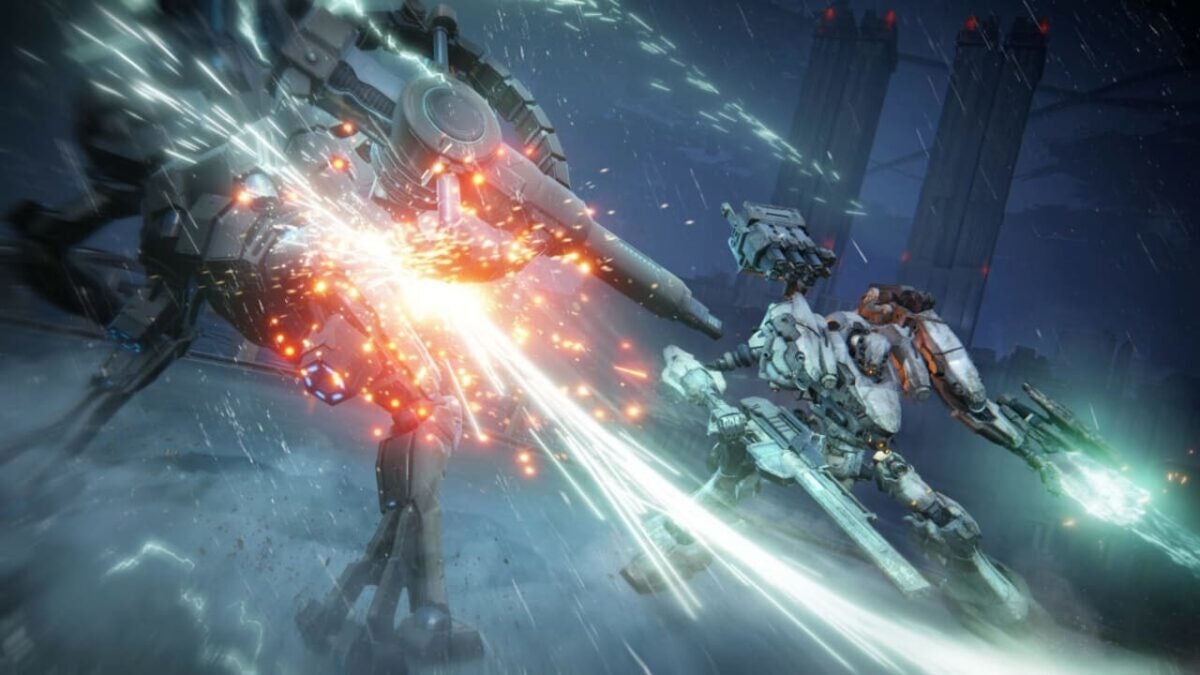
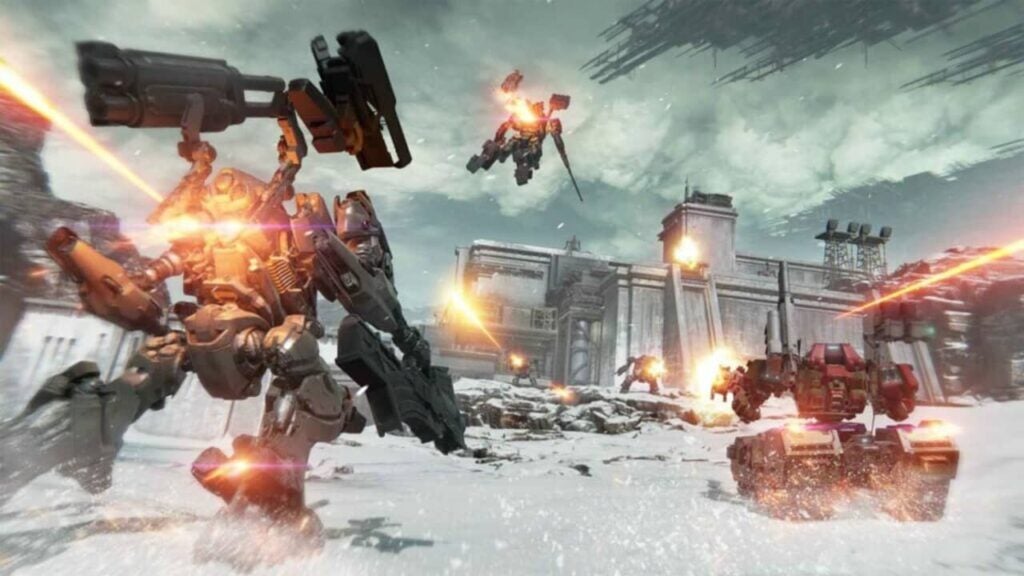
The latest from From Software, the creators of Dark Souls and Elden Ring, is a mecha game. For the uninitiated, that means giant piloted robots. Although calling it new is a bit misleading. Armored Core is a franchise that has been around since the first PlayStation era and is revered as one of the deepest when it comes to customizing these giant robots. That’s why, at first glance, it might seem intimidating. But it doesn’t have to be! Not if you have our help.

That’s why we’re going to provide you with five tips to make sure the game doesn’t give you a hard time. Because while it’s true that Armored Core VI: Fires of Rubicon is a rather unique game with a rich history, it’s not necessarily a difficult game. You just need to learn to speak its language. And we’re going to show you how to do it.

The thruster is your best friend

You’re piloting a several-ton machine. Moreover, it doesn’t have wheels; it has legs. That means its movement is slow and very, very heavy. If you try to move like in a shooter game, using the left stick to achieve agile and smooth movement, you’ll die constantly. The first thing you need to learn is that if mechs have thrusters on their back, it’s meant to be used. To be used constantly. What do we mean by “constantly”? Literally every second of gameplay. That’s why we’ll provide you with a summary of each and every one of them.

Just remember one thing: all of this consumes EN (and you won’t be able to do it if you don’t have EN), unless we say otherwise. The EN bar recharges when we are on the ground and not using any ability that consumes EN.

  • Vertical Thruster (Hold A/X Button): Similar to jumping, but by holding it, you stay in the air for a certain amount of time. Necessary to avoid the blast radius of missile explosions and to move in the air to engage airborne enemies in melee attacks.
  • Quick Thruster (Press X/Square Button and a direction): Perform a quick dodge, highly useful for evading melee strikes and projectiles.
  • Assault Thruster (Press Left Stick): Propel forward rapidly. This not only makes you move much faster but also catches your enemies off guard, quickly positions you, and deals more damage—essential if you want to engage in close combat or land a shotgun blast.
  • Movement Thrust (Press B/Circle Button): Your mech activates the thrusters to move instead of its mechanical steps. This significantly increases your speed and doesn’t consume EN. Always activate movement thrust to navigate the environment and stay mobile in combat while you recharge the EN bar. You don’t want to be dodging bullets with a robot limited to leg movement speed.

Don’t skip the tutorials

You might think that you’ve played enough action games in your life to never need another tutorial again. Well, you’re mistaken. Unless you’re a veteran of the series, you need the tutorials because Armored Core operates on its own terms. Its customization system is quite complex, and when you add to that an equally complex mechanical system, learning it takes a more than reasonable amount of time.

After all, it’s not just about learning the specifics of each limb controlling a weapon or the different types of propulsion. It’s also about understanding the different configurations, weapons, radars, and heads. Even the fact that this is a game where movement is 100% in 3D. If you don’t learn to fly and control the amount of EN you have left, don’t expect to get any platinum medals. Let alone defeat any bosses. That’s why you shouldn’t skip the tutorials — don’t say we didn’t warn you.

Steam DOWNLOAD

Your mech’s legs matter

We understand that in other games, legs might not be something you even consider, but seriously, we’re not joking: legs are important in Armored Core. So much so that your mech’s gameplay style will completely change based on the type of legs you equip. Bipedal legs are all-around, capable of doing a bit of everything without excelling in any particular aspect. Inverted limbs are excellent for quickly transitioning between ground and aerial combat, making them outstanding targets that are hard for distant foes to hit. Quadrupedal legs allow for extended periods of floating, turning into mini battle stations. Tank legs allow you to carry much more weight and heavier equipment, turning them into walking fortresses of cataclysmic power.

What are the best legs? It depends on the mission’s requirements and your play style. When in doubt, bipedal mechs will always get the job done gracefully. But a well-configured specialized mech will easily accomplish what a biped might struggle to achieve.

Save your settings

Armored Core is a game that, from its origins, has been based on spending more time designing mechs than using them in combat. And that’s perfectly fine—it’s part of the charm. Therefore, please, save every mech design you create. You have 100 save slots, so running out of space is unlikely. Save every mech configuration that has helped you overcome a particular mission, because it’s almost certain that it will come in handy in the future. That’s the essence of the game—constantly switching between mechs and configurations. Don’t be afraid to change. The beauty of this game lies in adapting your mech to suit each mission. The idea of getting attached to a single build and never changing it is reserved for games from other companies, not From Software.

Auto-lock is what keeps you alive

This may sound sacrilegious to anyone who is not a veteran of the franchise —for the veterans, not so much because, well: they’re used to entries where manual aiming doesn’t even exist as such—, but you’re going to have to put your gamer pride aside. Auto-lock is going to save your life in practically every situation.

You can choose not to use it. We understand that if you come from Souls or Elden Ring, and you’ve spent many hours, you’ve already gotten used to not using it, but Armored Core is a different beast. Manual control is much more delicate and complex, highly dependent on the particular parts of your mech. That’s why you should take advantage of the auto-lock feature, which you can use by clicking the right stick. You’ll have plenty of time to switch to manual aiming once you get used to the wonders of this fascinating game.

Steam DOWNLOAD

Some of the links added in the article are part of affiliate campaigns and may represent benefits for Softonic.

5 most frustrating levels in gaming history

See the levels that made us rip our hair out.

The purpose of a video game is singular; they are meant to help us forget about our stressful lives for a few hours by providing us with a fun, stimulating experience. Sometimes, game developers forget about this basic and obvious concept, which is the only explanation we can think of as to why these levels exist. You all know what we’re talking about: those levels that are so insanely frustrating that you see red and throw your controller in a futile, primal effort to exert some sort of control over the game.

This article will be filled with spite and ANGER as we will never forgive these levels for wasting hours of our precious childhoods.

5.  Level 2 – The Lion King

lion king game hardest levels ever

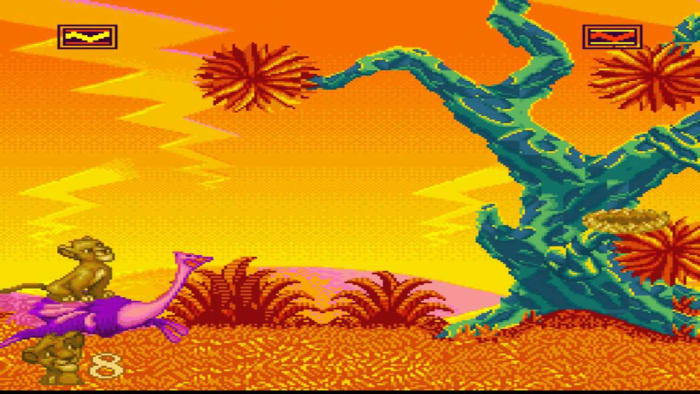
Making a game based on the most beloved animated movie of all time seems like a no-brainer right? The Lion King video game sold millions of copies on SNES, Sega Genesis, and PC, but most people never made it past the second level. This level, based on the movie’s colorful “I Just Can’t Wait to Be King” song, is one of the most notoriously frustrating levels in all of gaming. It’s a combination of many factors: the confusing maze of monkeys (think Donkey Kong Country’s barrel cannons but worse), the incredibly precise double jump segment, and missing jumps and slamming into trees.

Difficult levels have their place in games, sure. But why would you make the second level so hard and confusing, especially in a game aimed at children? Whoever designed this level deserves to be fed to lions at their local zoo.

4. Pachinko Machine- Super Mario Sunshine

Super Mario Sunshine often gets unfairly criticized compared to its contemporaries. It didn’t revolutionize gaming like Super Mario 64, and it didn’t have the brain-twisting worlds of Super Mario Galaxy, but in our opinion, it deserves to stand tall among the other 3D Mario classics.

What it DOES need to get criticized for is its collection of extremely frustrating levels. It’s like the genius designers of 3D Mario games saved all their horrible level ideas and sprinkled them throughout Sunshine. Who could forget cleaning the electric manta ray goop off the beach? Or the surgical precision required to roll a watermelon down a hill for the Watermelon Festival? Even among all that madness, the pachinko level stands out as the most maddening level in Mario history.

I don’t know who needs to hear this right now but let it be known: pachinko machines are not fun. They are barely more stimulating than slot machines, and the only reason people tolerate them is that they sometimes give you money. There is absolutely zero circumstance where we want to play a pachinko machine for the sole purpose of entertaining ourselves. This frustration increases tenfold when Mario is the pachinko ball, the camera is unusable, and the controls are incredibly tedious and imprecise. Even getting to the level is an enormous pain because you have to wait for gaming’s slowest boats to take Mario to the secret entrance.

3. Blighttown – Dark Souls

blighttown most frustrating levels ever dark souls

For those who have played Dark Souls, this entry requires zero explanation. For those who haven’t, let us try to explain.

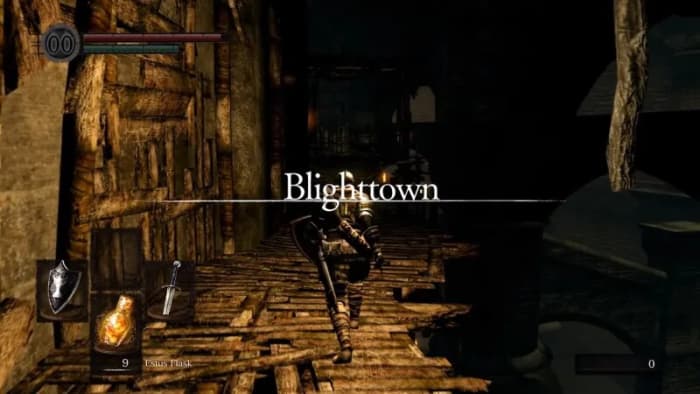
In the original release of Dark Souls, Blighttown was barely functional from a technical standpoint. It was the only area of the game with significant frame drop, and it felt like playing a slideshow at certain points. While this was horrible, this issue was fortunately fixed in newer versions of the game.

Even without all of the technical issues, Blighttown is still a nightmare in a game specifically marketed as a grueling, unforgiving slog. The first part of the level is vertically based, meaning that one wrong step sends you plummeting to your doom. The place is littered with masked blow dart shooters, who fire poisonous darts that are so hard to see that they mine as well be microscopic. And if more than two darts hit you, God help you, because you’re going to be dying a slow death via poison.

Even if you make it to the bottom of that hellish wooden structure, the bottom of the level is a giant swamp. You’re forced to walk through the swamp to proceed, and the bog water not only slows you down but is poisonous for good measure. Game mechanics that slow movement are unfun, getting poisoned is unfun, and all you’re left with in Blighttown is a swampy stew of misery.

The biggest slap in the face is that the boss you fight at the end of this swampy hellhole is one of the easiest in the entire game. It should be noted, however, that this may just be due to players channeling their intense, unbridled Blighttown rage onto the poor creature.

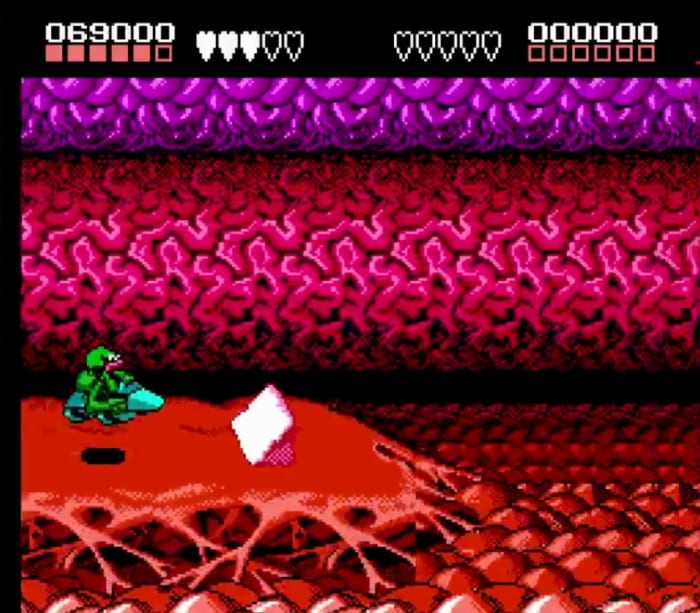
2. Turbo Tunnel – Battletoads

battletoads turbo tunnel frustrating

The NES days were filled with difficult games. For some sadistic reason, developers thought that because they couldn’t make very long games, they should make very difficult games, because if you retry a level ten thousand times that technically adds more replay value! Nowhere is this more important than level 3 of Battletoads.

Battletoads is already an incredibly difficult game, but this fun little racing section is what truly cements its place in the depths of Hell. The player must memorize a blazing fast race course in order to dodge and jump over barriers. Seriously, just look at this:

We know several people who played this game growing up but we don’t know a single person who has beaten this level. The Battletoads devs must’ve been a huge inspiration to the Lion King devs because this racing section also appears early in the game. Apparently, the concept of a gradual difficulty curve was not invented back then, and for that reason, we wish unending misery and a plague of frogs upon the Battletoads team.

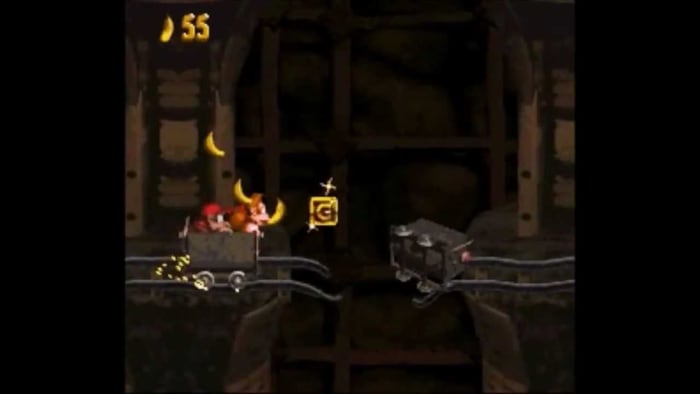
1. Minecart Levels – Donkey Kong Country series

donkey kong country mine cart levels frustrating

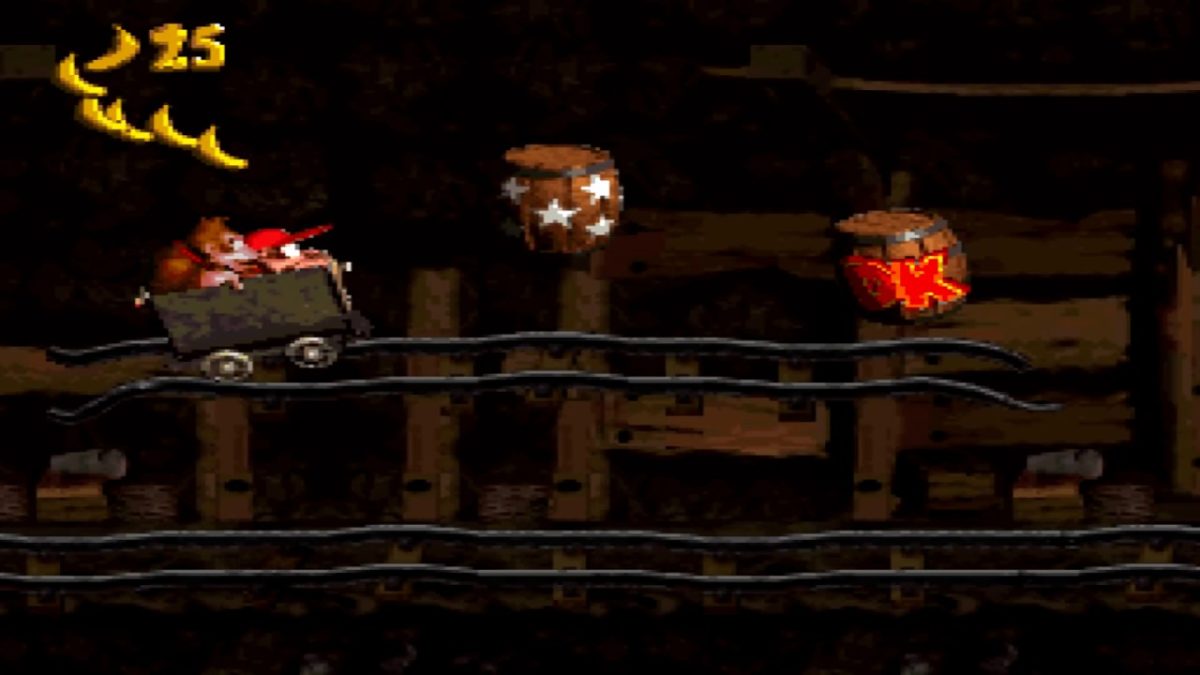
We have a love-hate relationship with the Donkey Kong Country series. While it was one of our favorite franchises, there are so many rage-inducing unholy levels that it was hard to narrow it down for this list. From the icy barrel cannon level, to the suffocating water levels, to literally EVERY parrot level, the DKC games were chock-full of sadistic, blackhearted level designs.

Still, even among all of the trials and tribulations that the poor apes must face, nothing in the series compares to the minecart levels. Unlike other levels, minecart sections have you uncontrollably speeding ahead in a cart on a track, leaving you with little control of your own fate. It’s up to you to have an Olympic level of reflexes and spatial awareness to make pixel-perfect jumps, dodge enemies, and hit fuel/timer barrels.

These levels are examples of the worst humanity has to offer. They filled us with a white-hot rage, the type of rage that causes rational men to do irrational things. Through burning tears and sweaty palms, we eventually managed to beat these levels, but not without sacrificing a part of my soul. To whoever designed these levels, you can take a golden banana and shove it where the sun don’t shine.

What was the most frustrating level you ever played? Let us know (or don’t, and spare us from suffering).

Top 5 most memorable boss fights in video game history

Meet the 5 bosses who brought gamers to their knees. How many have you beaten?

You’ve finally made it to the end of the dungeon. You’re low on health and out of potions, and you’re tired. Luckily, the exit is in sight. Right in front of it, however, is a giant clearing with a save point, which can only mean one thing: boss battle.

Boss battles are some of the toughest and most iconic parts of most games The satisfaction of finally taking out a boss that’s been repeatedly kicking your ass is unmatched by anything else in gaming. Here are some of the toughest, weirdest, and overall most memorable bosses in video game history.

Top 5 most memorable boss fights in video game history

5. Mike Tyson – Punch-Out!!
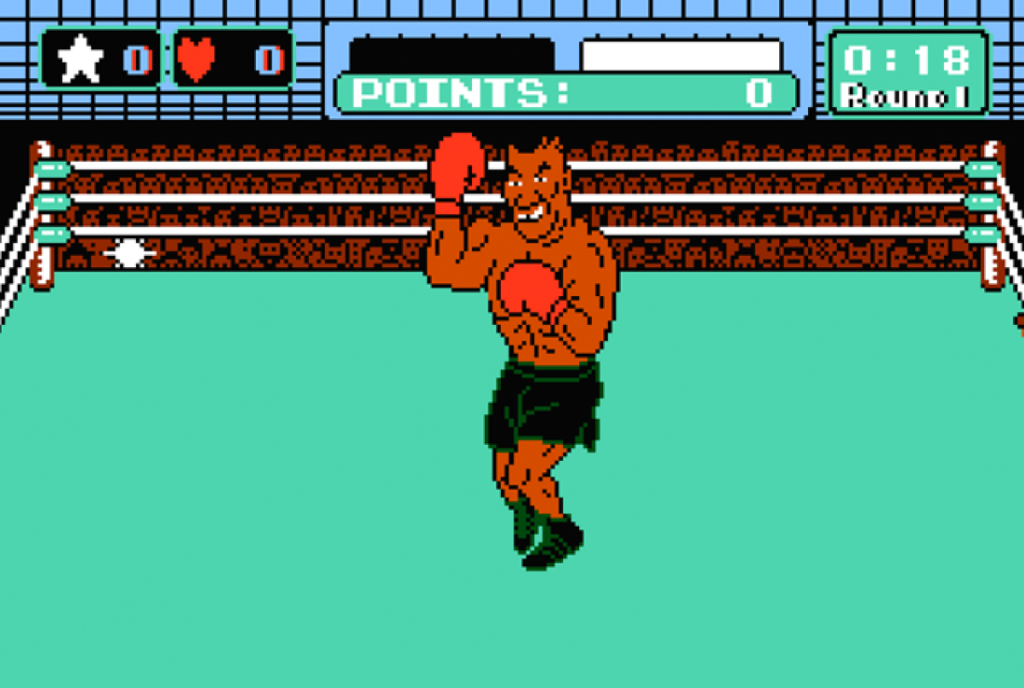
It may seem strange to younger readers that one of the boss fights on this list is based on an actual person, but Mike Tyson in the NES classic Punch-Out!! is no joke. His jabs are blindingly fast and his tells are way more subtle than the other opponents. Watch out for his uppercut, as it can KO poor Little Mac in one blow! Honestly, I’m pretty sure it’d be easier to fight Mike Tyson in real life.

Hilariously, Tyson himself had never actually played the game until 2014, where he fought his pixelated counterpart on The Tonight Show. He lost, but if you think about it, it’s kind of a win-win.

4. Shao Kahn – Mortal Kombat
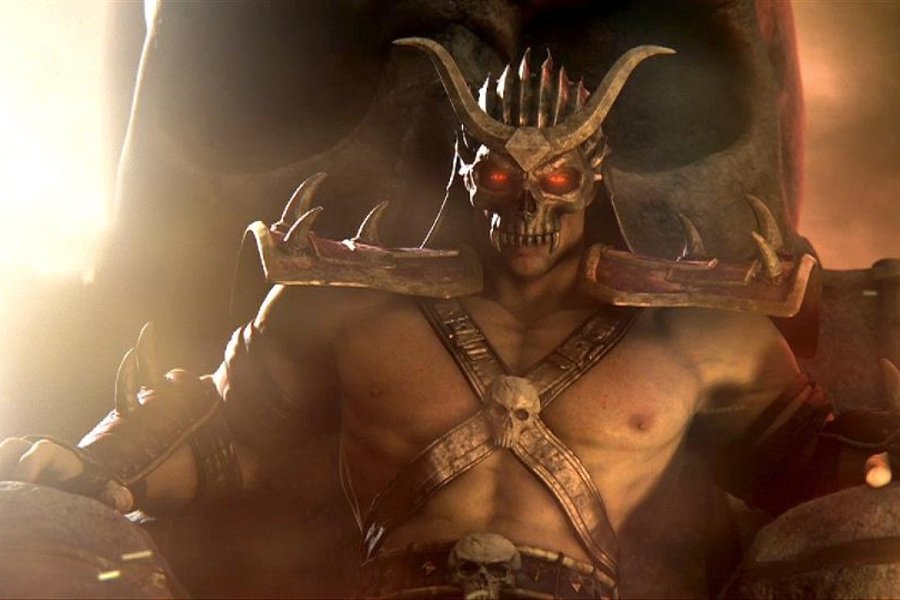
Most fighting game bosses don’t play by the rules, and Shao Kahn is no exception. Kahn was designed at a time when arcades were everywhere, and video game developers made games with the intention of sucking as many quarters out of kids as possible. Mortal Kombat 2 and 3 are fantastic arcade fighting games, but their final boss Shao Kahn alone probably made arcades hundreds of dollars in quarters.

Unlike other characters, Shao Kahn has super armor on most of his moves. In fighting games, super armor is when a character takes damage but doesn’t flinch, allowing them to power through your attacks. His attacks are also incredibly fast and powerful, and if he hits you with his giant hammer, your character sits stunned for years, allowing him to lay down the smack. Oh, and before you can even fight him you have to take down his pet tiger/man/four-armed thing Kintaro. Worst of all, you know what he says when he beats you?

“It’s official, you suck!”

Kahn caused me countless hours of agony as a kid and as a grown man I still can’t beat him. Maybe someday I’ll be able to beat him and finally get that payback Fatality.

3. Psycho Mantis – Metal Gear Solid
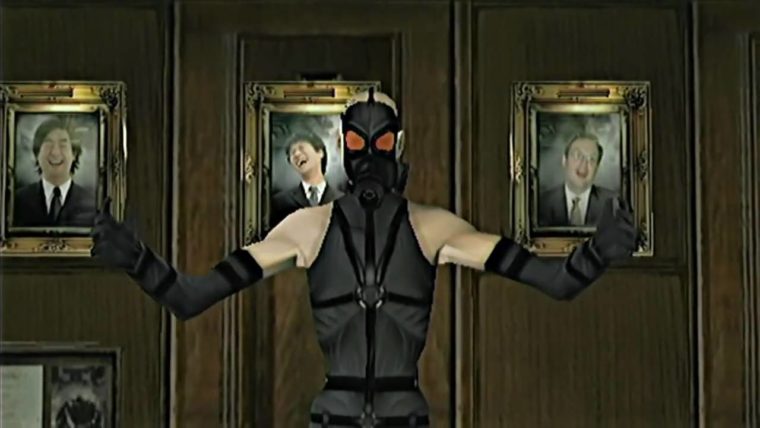
When Metal Gear Solid came out on PS1 back in 1998, it revolutionized the gaming landscape with its deep storytelling, stealth gameplay, and technical prowess. It’s considered one of the greatest and most influential games of all time, and its hero, Solid Snake, has become a gaming icon. One of the most iconic parts of an already fantastic game is a boss fight against the psychic soldier Psycho Mantis.

Using his telepathic abilities, Psycho Mantis messes not only with Snake, but with the player themselves. He can black out the screen and mess with your controller inputs, forcing you to switch the controller to the player 2 slot. Most memorably, Psycho Mantis can read the player’s memory card and comment on the games that are stored there to mess with their heads. in the original PS1 version, he’ll ask the player about Castlevania, and in the Gamecube remake, he’ll mention Mario, Zelda, and Super Smash Bros.

Psycho Mantis is arguably the best example of a video game breaking the fourth wall. His “mindreading” abilities are more than just a gimmick, they serve the story and help build his character.

2. Yellow Devil – Mega Man
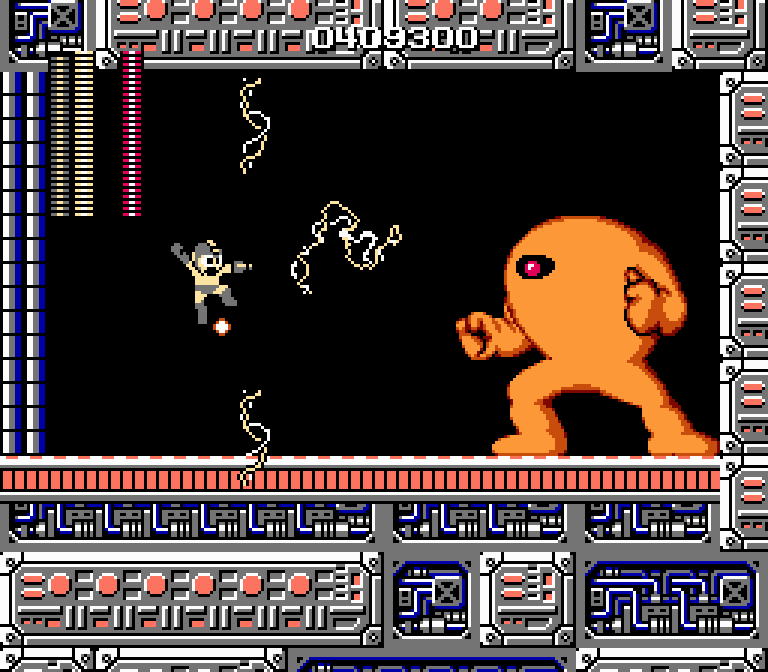
The Mega Man NES games are absolute masterpieces of side-scrolling shooters. The characters are charming, the controls are tight and responsive, and the music is unquestionably the best of the 8-bit era. The games were also famous, however, for their high level of difficulty, due in no small part to the series’ famous bosses. While Dr. Wily sent all manner of Robot Masters to fight Mega Man, perhaps none are as iconic or long-lasting as the Yellow Devil.

As the name implies, the Yellow Devil is a hellish creature. His body is made of deadly yellow goo that shoots out at Mega Man. By shooting out pieces of himself, the Yellow Devil can move around the stage, reforming himself as he goes. His eye is his only weak spot, but it can fire deadly energy blasts that home in on Mega Man.

While his attacks are relatively simple, fighting the Yellow Devil is an exercise in patience. He challenges every skill you’ve learned up to that point, including your timing, jumping, and shooting. Winning the battle is all about keeping cool, because if you mess up your timing and become tilted, it’s all downhill from there. (Or you could use the famous “pause” trick to make your Electro-beam blasts count as multiple hits with one shot… but that’s cheating.)

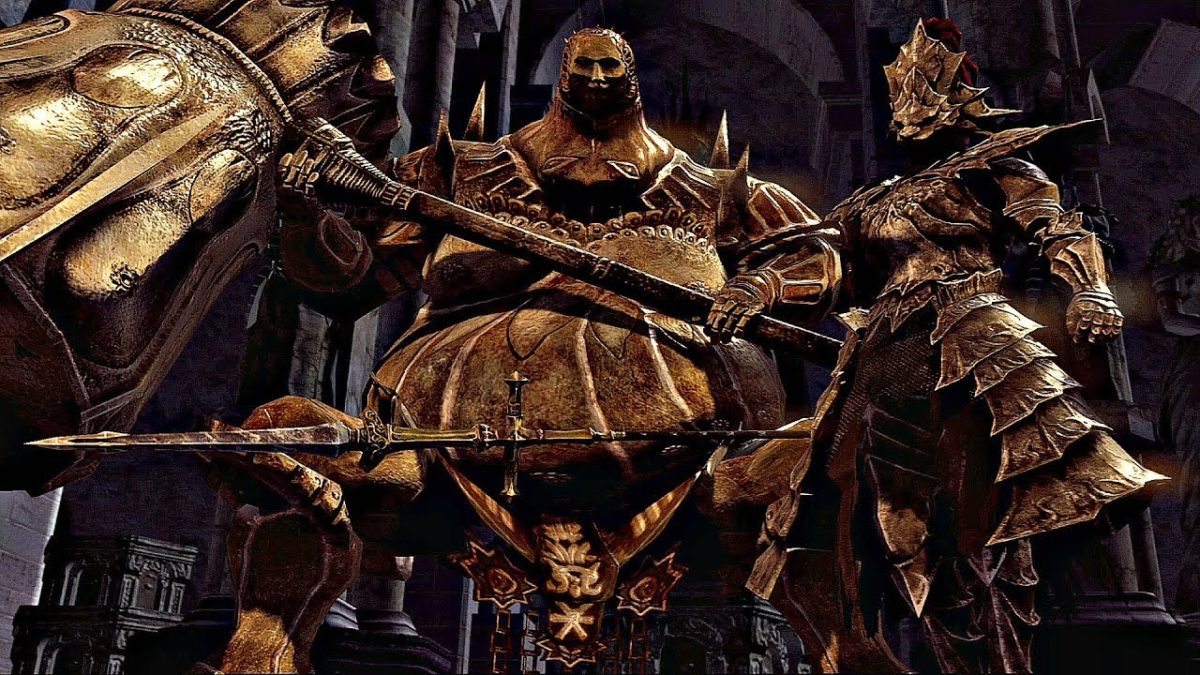
1. Ornstein & Smough
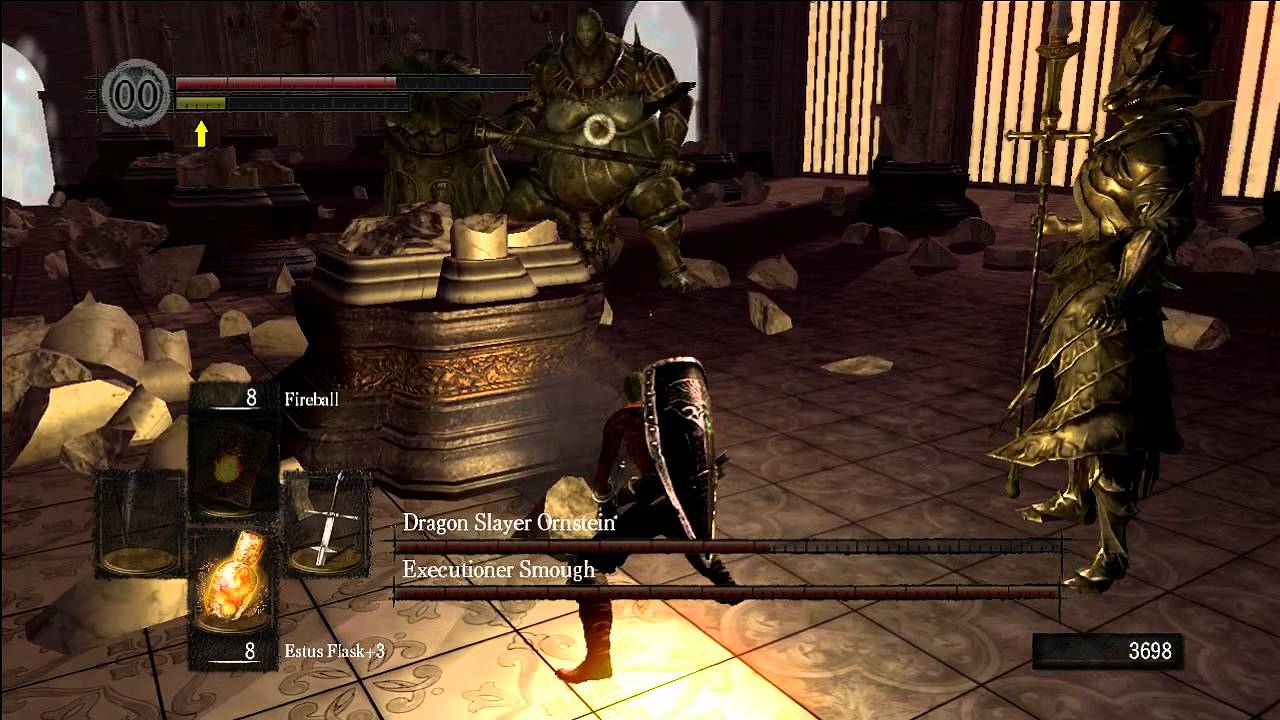
Dark Souls is widely considered one of the hardest games ever made. The game is unforgiving and brutally punishing, yet fair. Every mistake you make is your own, and the only thing that’s stopping you from beating the game is your perseverance to try over and over again. With that being said, Ornstein and Smough can make even the most hardened Dark Souls veteran scream with rage.

This dynamic duo fights the player simultaneously. Smough is a big boy who towers over the player, wielding a hammer that can crush even the tankiest player in one or two hits. His buddy Ornstein is the exact opposite; he’s quick and nimble with a lightning spear, popping up out of nowhere to impale you and shower you with electric fury. While fighting one of these bosses on their own would be very difficult but manageable, fighting both of them at the same time is maddeningly difficult. If you manage to defeat one of them, the survivor absorbs the corpse of the other, refilling their health and increasing their size and power.

Like the Yellow Devil, fighting these two is about keeping your head, though it’s incredibly hard not reacting to the adrenaline pumping through your veins when you get close to beating them after dying dozens of times. Beating them is totally worth it though, and you can rest easy and celebrate loudly that you’ve taken down one of the toughest boss fights in video game history.

Have you beaten these bosses? Are there any big ones we missed? Let us know!