If you are a forgetful person, this robot will help you find what you have lost

Technology exists to make people’s lives easier. One of the most common problems that many people face, for example, is not knowing where they have left a particular object. Well, with the robot from the University of Waterloo, any lost object will be quickly found thanks to its sensors.

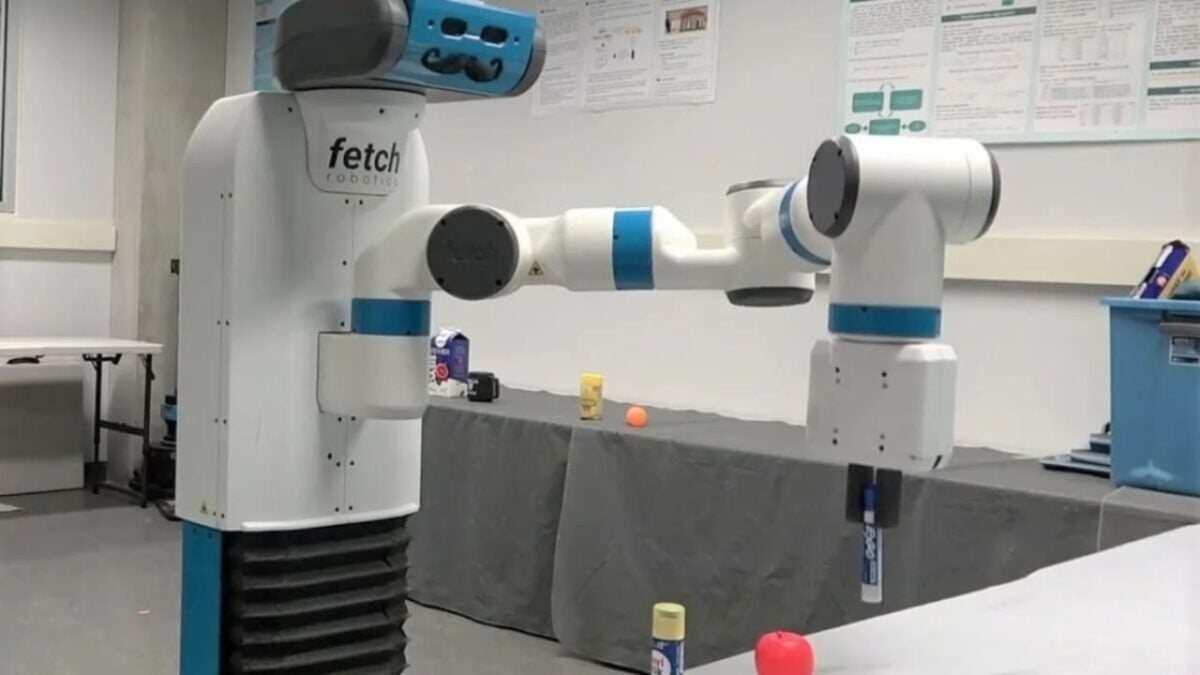
This robot, from the University of Waterloo, has the necessary sensors to find any object you have misplaced. In the development of this system, where Artificial Intelligence also plays a role, multiple iterations have been applied. Working in harmony, these iterations manage to find all kinds of objects.

Google Find My Device DOWNLOAD

Finding objects at home

The operation of this robot is simpler than it may initially seem. It is equipped with cameras that identify various objects around it, and with its limb-like mechanisms, it can identify and pick up the object we tell it has been lost. In this way, the robot will work to quickly find what the user needs.

This robot is intended as a support method for people with special needs, providing them with a system that allows them to find any lost object. The robot is still in the testing phase, and its design is not the most functional yet, but the tests conducted by the University of Waterloo have been successful, and they hope to assist many people in the future.

Artificial Intelligence also has valuable applications for the common good of people.

Technology at the service of the individual

It is always positive when technology is aligned with the interests of people, whether it involves significant assistance or everyday aspects of life. Clearly, finding objects at home might be a mundane task for many individuals, but for households with members suffering from dementia or Alzheimer’s, a more refined system of this kind could make a significant difference in improving that person’s quality of life.

It is crucial for technology to revolve around people in this context so that the social impact of this progress is positive. In fact, even the United States has started to take serious measures to prevent Artificial Intelligence from being used against the common good.

Google Find My Device DOWNLOAD

Armored Core VI: Fires of Rubicon – Your Essential Guide Before Diving In

Armored Core VI: Fires of Rubicon is an excellent game, but it’s also a game that can be difficult, so here are some tips.

While summer usually isn’t the best time of year for video games, this year is an honorable exception. Due to delays, the avoidance of competing with other major titles, and specific decisions from certain big studios, we have a very eventful August full of announcements that would typically have occurred between February and April or between September and November. That’s why it’s impossible for anyone not to have something to sink their teeth into during the holidays. Even if what excites them are giant robots.

Steam DOWNLOAD

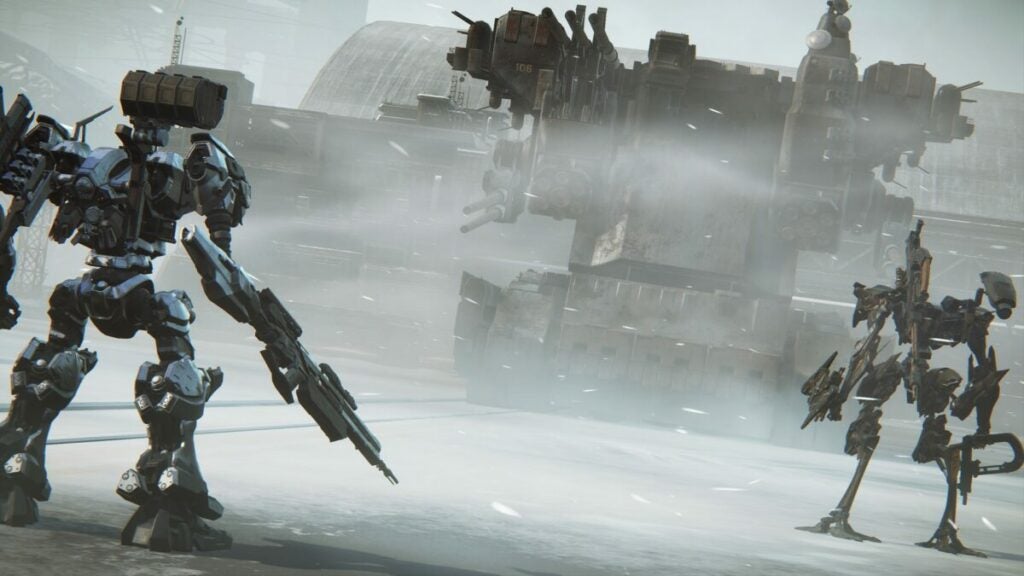
The latest from From Software, the creators of Dark Souls and Elden Ring, is a mecha game. For the uninitiated, that means giant piloted robots. Although calling it new is a bit misleading. Armored Core is a franchise that has been around since the first PlayStation era and is revered as one of the deepest when it comes to customizing these giant robots. That’s why, at first glance, it might seem intimidating. But it doesn’t have to be! Not if you have our help.

That’s why we’re going to provide you with five tips to make sure the game doesn’t give you a hard time. Because while it’s true that Armored Core VI: Fires of Rubicon is a rather unique game with a rich history, it’s not necessarily a difficult game. You just need to learn to speak its language. And we’re going to show you how to do it.

The thruster is your best friend

You’re piloting a several-ton machine. Moreover, it doesn’t have wheels; it has legs. That means its movement is slow and very, very heavy. If you try to move like in a shooter game, using the left stick to achieve agile and smooth movement, you’ll die constantly. The first thing you need to learn is that if mechs have thrusters on their back, it’s meant to be used. To be used constantly. What do we mean by “constantly”? Literally every second of gameplay. That’s why we’ll provide you with a summary of each and every one of them.

Just remember one thing: all of this consumes EN (and you won’t be able to do it if you don’t have EN), unless we say otherwise. The EN bar recharges when we are on the ground and not using any ability that consumes EN.

  • Vertical Thruster (Hold A/X Button): Similar to jumping, but by holding it, you stay in the air for a certain amount of time. Necessary to avoid the blast radius of missile explosions and to move in the air to engage airborne enemies in melee attacks.
  • Quick Thruster (Press X/Square Button and a direction): Perform a quick dodge, highly useful for evading melee strikes and projectiles.
  • Assault Thruster (Press Left Stick): Propel forward rapidly. This not only makes you move much faster but also catches your enemies off guard, quickly positions you, and deals more damage—essential if you want to engage in close combat or land a shotgun blast.
  • Movement Thrust (Press B/Circle Button): Your mech activates the thrusters to move instead of its mechanical steps. This significantly increases your speed and doesn’t consume EN. Always activate movement thrust to navigate the environment and stay mobile in combat while you recharge the EN bar. You don’t want to be dodging bullets with a robot limited to leg movement speed.

Don’t skip the tutorials

You might think that you’ve played enough action games in your life to never need another tutorial again. Well, you’re mistaken. Unless you’re a veteran of the series, you need the tutorials because Armored Core operates on its own terms. Its customization system is quite complex, and when you add to that an equally complex mechanical system, learning it takes a more than reasonable amount of time.

After all, it’s not just about learning the specifics of each limb controlling a weapon or the different types of propulsion. It’s also about understanding the different configurations, weapons, radars, and heads. Even the fact that this is a game where movement is 100% in 3D. If you don’t learn to fly and control the amount of EN you have left, don’t expect to get any platinum medals. Let alone defeat any bosses. That’s why you shouldn’t skip the tutorials — don’t say we didn’t warn you.

Steam DOWNLOAD

Your mech’s legs matter

We understand that in other games, legs might not be something you even consider, but seriously, we’re not joking: legs are important in Armored Core. So much so that your mech’s gameplay style will completely change based on the type of legs you equip. Bipedal legs are all-around, capable of doing a bit of everything without excelling in any particular aspect. Inverted limbs are excellent for quickly transitioning between ground and aerial combat, making them outstanding targets that are hard for distant foes to hit. Quadrupedal legs allow for extended periods of floating, turning into mini battle stations. Tank legs allow you to carry much more weight and heavier equipment, turning them into walking fortresses of cataclysmic power.

What are the best legs? It depends on the mission’s requirements and your play style. When in doubt, bipedal mechs will always get the job done gracefully. But a well-configured specialized mech will easily accomplish what a biped might struggle to achieve.

Save your settings

Armored Core is a game that, from its origins, has been based on spending more time designing mechs than using them in combat. And that’s perfectly fine—it’s part of the charm. Therefore, please, save every mech design you create. You have 100 save slots, so running out of space is unlikely. Save every mech configuration that has helped you overcome a particular mission, because it’s almost certain that it will come in handy in the future. That’s the essence of the game—constantly switching between mechs and configurations. Don’t be afraid to change. The beauty of this game lies in adapting your mech to suit each mission. The idea of getting attached to a single build and never changing it is reserved for games from other companies, not From Software.

Auto-lock is what keeps you alive

This may sound sacrilegious to anyone who is not a veteran of the franchise —for the veterans, not so much because, well: they’re used to entries where manual aiming doesn’t even exist as such—, but you’re going to have to put your gamer pride aside. Auto-lock is going to save your life in practically every situation.

You can choose not to use it. We understand that if you come from Souls or Elden Ring, and you’ve spent many hours, you’ve already gotten used to not using it, but Armored Core is a different beast. Manual control is much more delicate and complex, highly dependent on the particular parts of your mech. That’s why you should take advantage of the auto-lock feature, which you can use by clicking the right stick. You’ll have plenty of time to switch to manual aiming once you get used to the wonders of this fascinating game.

Steam DOWNLOAD

Some of the links added in the article are part of affiliate campaigns and may represent benefits for Softonic.

Innovative Robotics: Bender’s Great-Great-Grandfather? The First Robot with Eye Indicators

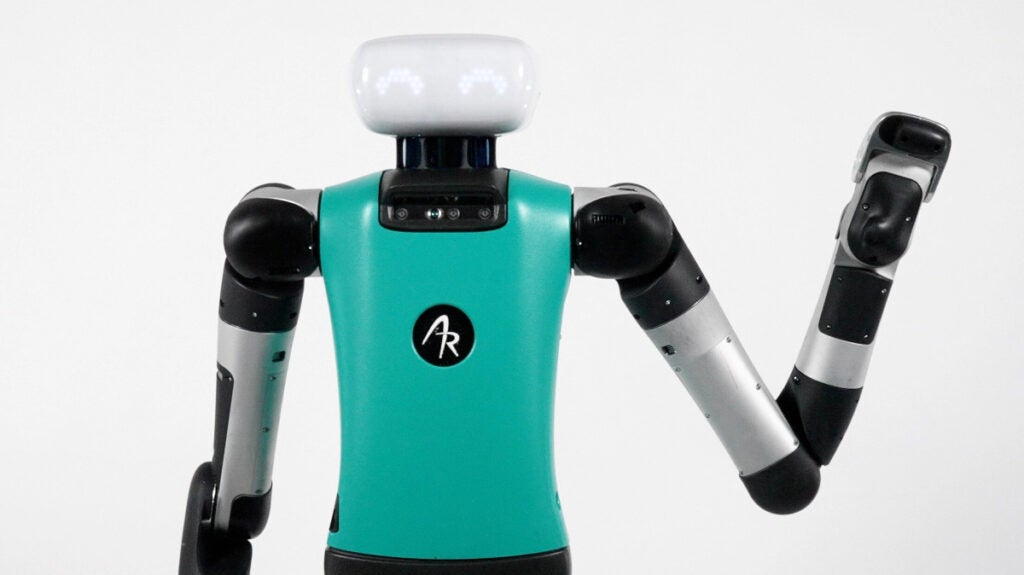
Agility Robotics has decided to take that headless bipedal contraption and put one with eyes on it, supposedly to improve human-robot interaction.

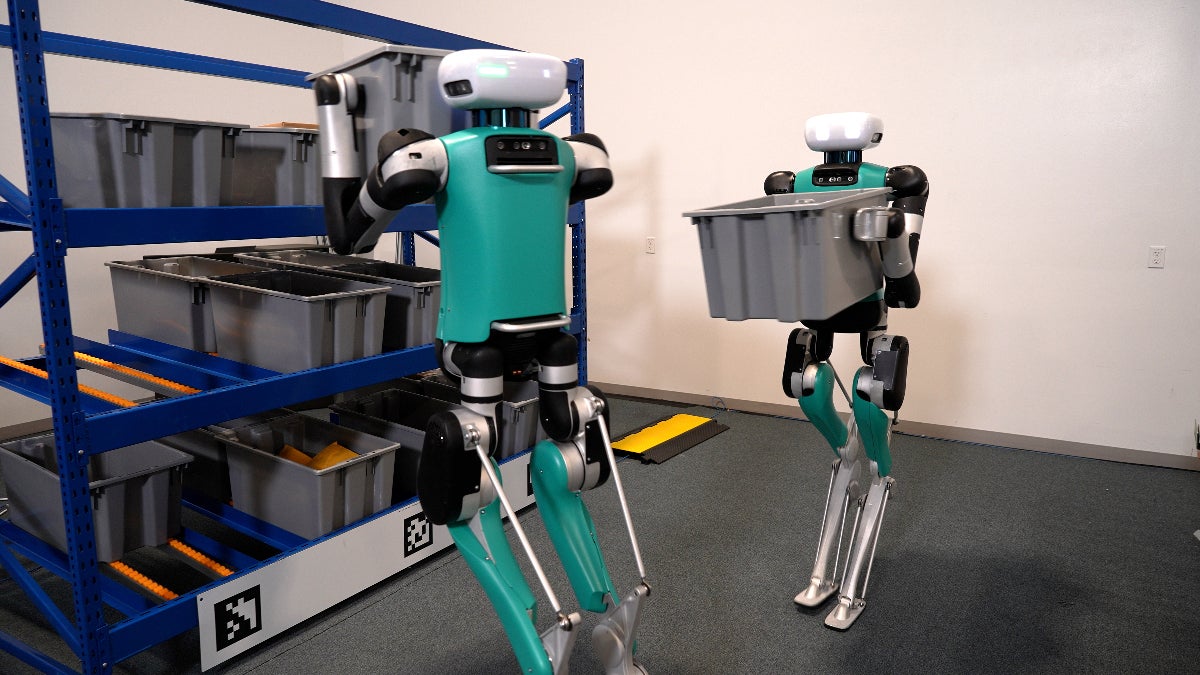
“Robot”, in its more classical Slavic variant, means “forced labor”. And, at the moment, robots, having no human feelings whatsoever, that’s exactly what they do for us. But rarely has the future hit us so head-on as with Digit, created in 2020 by Agility Robotics for Ford and tasked with packaging and distributing courier services. What no one imagined is that three years later, that robot would look almost human.

Kiss my shining metallic eyes

Agility Robotics has decided to take that headless bipedal contraption and put one with eyes on it to supposedly improve human-robot interaction. Digit is created to improve operations in company warehouses, and to avoid collisions of any kind, the eyes will now serve as the lights of a car, and will show when it is about to turn and to which location.

You may be afraid that robots, especially as artificial intelligence becomes more and more latent, will take away human jobs, but Jonathan Hurst, co-founder of Agility Robotics, thinks otherwise: “When people and robots work together in logistics operations, working conditions improve for people, warehouse efficiency improves, the distribution chain moves better. Everybody wins.

At the moment, Digit’s activities are not very varied. It can walk, jump and crouch, but its main function is to pick up and put down different types of objects up to 15 kilograms. One can only imagine that, in the future, with the technological advancement of ChatGPT and other artificial intelligence mechanisms, Digit could become just another companion to chat with. And then we will have reached the ultimate science fiction.

Instagram’s bot problem is getting worse

Instagram bots aren’t only annoying, but they also represent a much bigger problem.

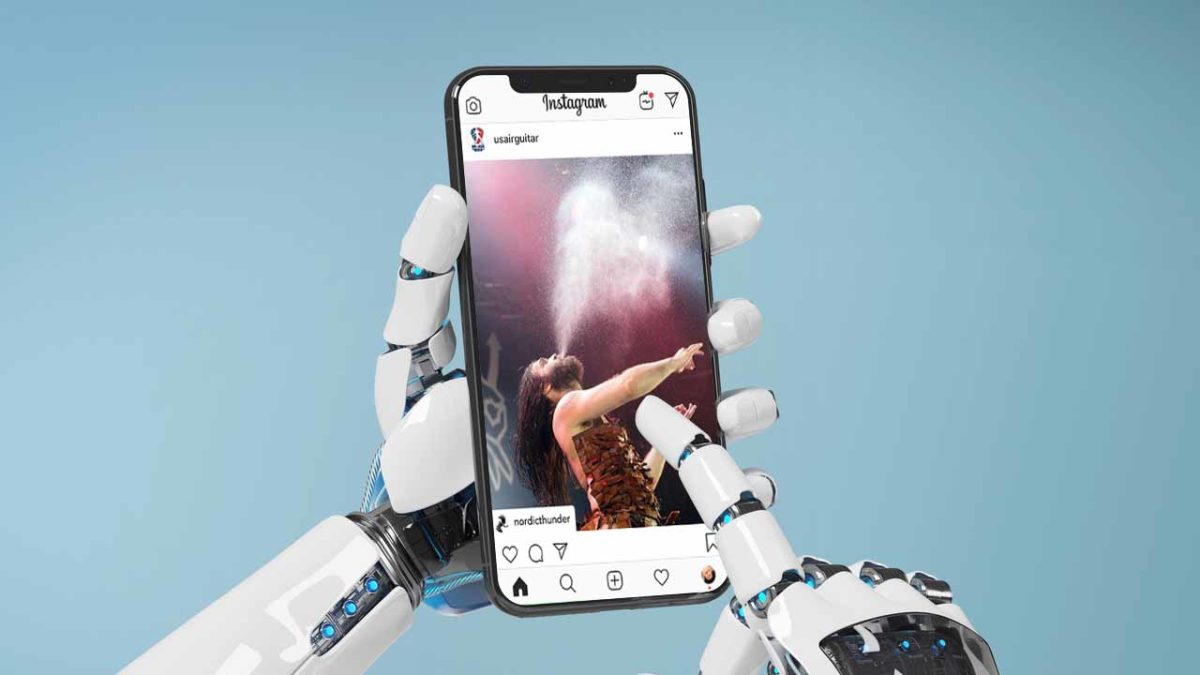
Instagram robot

Late last fall, Instagram announced a crackdown on the fakers, frauds, and robots ruining the space for everyone else.

It seems that Instagram’s harassment problems are on the rise, despite the fact that the social media platform has made a concerted effort to fight back. However, the automated apps people use to increase likes, comments, and follows still have the upper hand.

Facebook has also sued a New Zealand company for selling fake engagement metrics on Instagram after issuing repeated warnings and suspensions on the associated accounts.

Despite their efforts, it seems that 2019 is a great year for bots. Here’s a quick look at what’s going on.

Instagram Download Now ►
7

NSFW bots

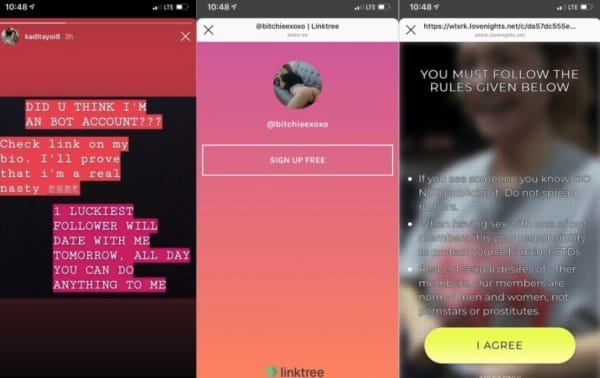
Sure, Instagram has a pretty firm no-nudity stance. Unfortunately, that hasn’t stopped an influx of bots using explicit content to deceive users.

According to Engadget, there’s been a rise in these spammy profiles containing videos of naked or semi-naked women. These profiles are designed to get users to look at their accounts, then sign-up for pornographic subscriptions.
spam bots

Somehow, when these bots comment, they get a ton of likes, which makes them show up in a more prominent location on others’ profiles. These porn-promoter types are more embarrassing than anything, unless you click on them, that is.

Vice wrote a whole piece that dove into the world of NSFW bots and found that many of them are part of these affiliate schemes that rely on intermediary landing pages to collect leads.

It’s the same technique shady marketers have long been using to sell male enhancement products and face creams on Facebook, only to loop them into a monthly subscription scam.

There’s a whole section dedicated to using these fake accounts to generate clicks on Black Hat World. Black Hat World is an SEO forum where people share tips for “cheating” the system.

Black hat forum instagram spam

We’ve all seen these bots, as well as other fake followers. And while most of us simply block them and move on, fake accounts can undermine your security. Bots may be friending you so that they can hit you with a phishing attack via DM.

Follower fakery

Follower counts on Instagram have become a measure of success, a badge signifying popularity, that even those with as few as 1,000 followers have the potential to monetize.

Because brands are capitalizing on the power of leveled-up word-of-mouth, many users have turned toward automation apps. These apps like InstarocketProX and Boostio to help increase follower counts.

These apps often require the user to hand over their account credentials, a monthly fee, and in exchange, they’ll like, comment, and follow on your behalf.

Instagram has started cracking down on this activity. Popular apps like Intagress and Hashtagpirate have been shut down.

Commenting bots deliver embarrassing or inappropriate messages more often than not. An influx of inauthentic likes or follows water down the platform’s value — if you never know if anything is real, what’s the point, right?

Toxic content and misinformation

Woman surprised by phone

Toxic content problems exists on Instagram, too. Instagram may well be the new breeding ground for the spread of misinformation, especially for our youngest conspiracy theorists.

The above article looks at the recent influx in far-right influencer content like the American Identity Movement. They are a white supremacist movement that posts “relatable content” on Instagram through the same tactics as your typical fashion and beauty influencers use to connect with fans.

While the posters behind these accounts are not bots themselves, bots are doing a lot of the heavy lifting when it comes to spreading false information.

What’s Instagram doing about this?

Instagram

Between the NSFW spammers and the AI-driven “talent scouts,” Instagram has a few problems to work out. While they might not be on the scale of say, Facebook or YouTube’s, something still needs to be done.

While the platform has done a better job than Facebook, cracking down on harmful content, wrangling all the spammers, trolls, and other bad actors are no small feat.

Instagram’s new policy explicitly bans inauthentic content. This means that they’ll strip accounts with fake followers, likes, and comments using AI-backed moderation tools (bots against bots).

Any accounts found to be using third-party apps to fudge their engagement numbers will see fake likes and followers removed and be prompted to reset their password. Third-party apps often hold the profile owner’s credentials.

Because Instagram has become a major source of income for brands and influencers alike, more accounts will inevitably turn to third-party apps to artificially boost the popularity of posts.

Inauthentic activity warning on Instagram

How to get rid of bot problems on your own

If you use your Instagram account for marketing purposes or you have a sizable following, bots can do some harm to your reputation. On a broader scale, they can inflate marketing costs.

First, check the followers to posts ratio. Accounts with thousands of followers but no content likely aren’t real.

You can block bot accounts by clicking on the profile, then selecting “block from the three-dot drop-down in the right corner of the screen.

how to block instagram botIf the bot is of the malicious or pornographic variety, then you may want to report the account to Instagram for further investigation. If they find that the bot that violates its community guidelines, they’ll let you know.

In the meantime, whatever you do, don’t give your credit card information to those porn bots.
Amazon reveals job-replacing robots

Are Amazon’s packaging robots bad news for the U.S. workforce?

Amazon

An efficient, automated future may be on the horizon, but who’s getting caught in the crossfire?

Amazon has revealed plans to add robots to its packaging facilities that would box up deliveries. This role is currently filled by human beings, but Amazon intends to introduce these robots to the majority of their facilities, potentially eliminating over 1,500 jobs.

Despite earning goodwill for creating thousands of jobs through its packaging facilities (in addition to millions in tax cuts and subsidies from the U.S. government), Amazon is pushing for as much automation as possible in its facilities. Realizing the negative press this push is getting them, an Amazon representative stated:

“We are piloting this new technology with the goal of increasing safety, speeding up delivery times and adding efficiency across our network. We expect the efficiency savings will be re-invested in new services for customers, where new jobs will continue to be created.”

The boxing robots are apparently not intended to replace jobs, but rather to fill open positions. Boxing jobs at Amazon facilities have extremely high turnover rates due to the physical stress of standing and packing for 10 hours a day. Amazon claims that its boxing employees won’t be replaced by these robots, but rather, when these employees inevitably leave, their positions will be permanently replaced by the robots. This implies that Amazon will simply wait for most of their boxing workforce to quit so that they can replace them with automation.

The robots are known as CartonWrap, and they are up to five times more efficient at boxing deliveries than humans. Employees are expected to box multiple deliveries per minute for hours on end, and while the typical employee can box around 150 deliveries an hour, the robots can box around 600 to 700.

Boxing orders is just one part of the packaging process, and human employees still pick up orders and add them to the conveyor belt among other things. Amazon is, however, attempting to add automation to these areas too. One of the biggest hurdles of warehouse automation is a machine’s ability to pick up a wide variety of items gently. Creating a robotic hand that can delicately pick up anything from a drinking glass to a lawnmower is no easy feat of engineering. Amazon is currently working with Boston startup Soft Robotics to solve this problem, which could potentially eliminate one of the biggest advantages human employees have over robots in the near future.

By getting millions in subsidies for building packaging plants and creating jobs across the U.S. and then aggressively replacing that labor force with automation, Amazon is having its cake and eating it, too. Aggressive automation will surely lead to PR trouble for the delivery giant in the future, as well as a strained relationship with the U.S. government. As American jobs are slowly drained by automation, it may be time to rethink our race for efficiency.

How food delivery robots encourage college students to eat better

Discover how these tiny delivery robots made students healthier.

It’s very easy to miss breakfast as a college student. The pounding headache and blurred vision that follows a diligent night of “studying” can make it difficult to get out of bed, much less make breakfast. Fortunately for students, the future is now, as California startup Starship Technologies is testing out food delivery robots on college campuses.

The little robot that could

starship food delivery
What sounds more futuristic than ordering food via Starship?

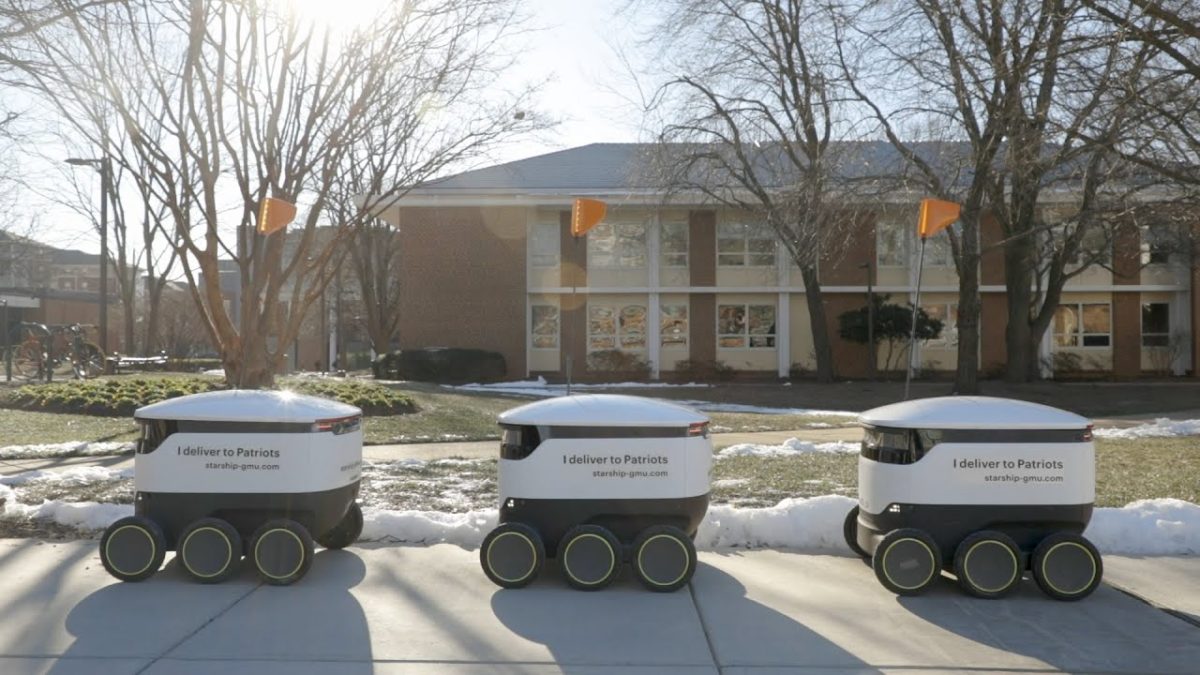
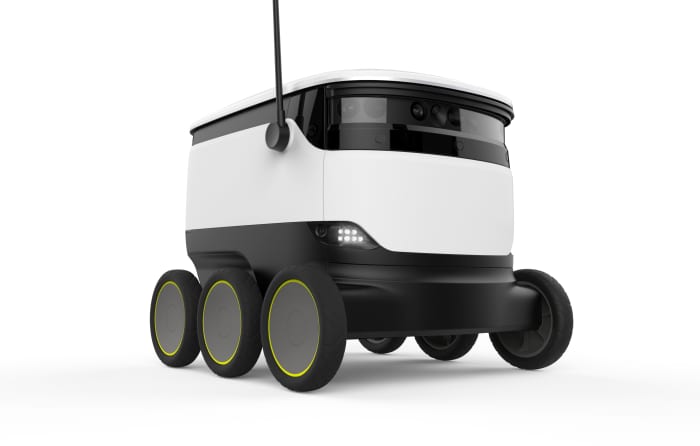
Each one of the little robots uses its six adjustable wheels to move autonomously. Sensors and cameras completely surround the robot, allowing it to be aware of its surroundings. The cameras and sensors feed into the robot’s “memory,” highlighting areas that are troublesome to navigate (such as a crack in the sidewalk) to make sure those areas are easier to traverse in future deliveries. The robot can even use its sensors to read street lights, preventing them from becoming robotic roadkill. Each of the robot’s wheels can raise and lower, letting it climb over curbs and other obstacles without issue.

The robots travel at a blazing 4 mph and make deliveries in 15 minutes or less, and each robot can hold a whopping 22 lbs of food. You may think that these slow robots containing pounds of delicious food would be prime targets for desperate college students, who would like nothing more than to crack open the poor things and devour their insides. Surprisingly, Starship reported that even after thousands of deliveries they have not encountered any instances of theft or vandalism. Even if someone tried to rob the robot, it has a few security measures.

First, the lid to the robot is tightly sealed, making it impossible to open through brute strength. The only way to unlock it is via a special code texted to the people who ordered the food. Second, the robot’s aforementioned cameras would surely catch the thief in the act. Most importantly, the robot has a built-in location system that tells Starship its position down to the inch. If somebody were to steal the robot, Starship would know exactly where it is, and would accordingly prepare a daring rescue.

How robots changed the way students ate

food delivery robot
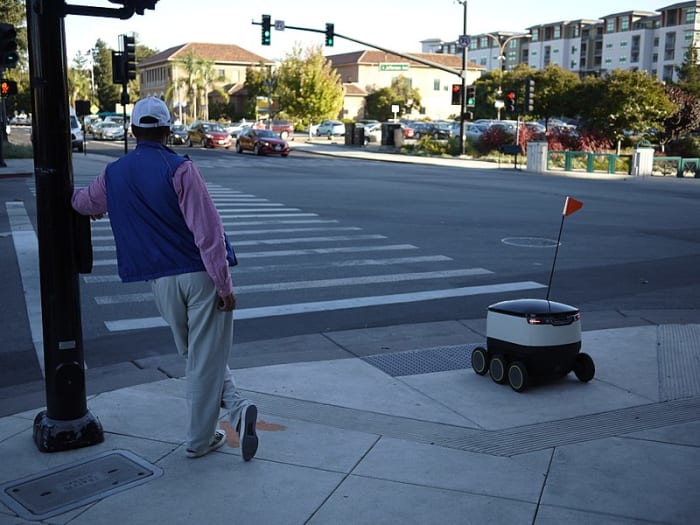
A man stares longingly at the road while a robot continues on its delicious journey

Starship claims that over 88% of college students skip breakfast, usually due to a lack of time. It really is the most important meal of the day; eating breakfast gives you energy, improves your mood, and improves mental and physical performance. It should go without saying that students should eat breakfast to do their best, but the hectic and brutal grind that is college often leaves one with little time to spend on their well-being.

Fortunately, Starship has reported that the introduction of delivery robots to campus has seen the number of breakfast orders rise significantly, which not only makes students healthier but contributes thousands of dollars to local businesses. Breakfast has become so popular, in fact, that it’s surpassed dinner as the most requested meal of choice.

Research has repeatedly shown that when it comes to food, college students value price and convenience above all else. The number of options and low pricing of delivery services like Uber Eats and GrubHub has led to an explosion in popularity on college campuses.

Would you use food delivery robots if they were in your area? Have you used one before? Let us know!

Should we teach robots to analyze body language?

If a robot can scan your body language, what will that mean for your future?

robots

The idea of robots learning body language is at once terrifying and potentially very cool.

On the one hand, the idea that there are these public-facing machines that can analyze subtle cues at work or in a social setting is unsettling.

We’ve all been subject to the amateur body language expert who likes to tell people how they feel. The worst, right?

Now, robots are increasingly learning more about our subtle facial expressions and closed-off stance. But it’s not all bad. See, this next step in understanding could make it easier to work with our future colleagues.

Here’s a little more about where we’re at with robots and body language.

The next phase in natural language processing

Natural Language Processing (NLP) is gaining a lot of traction these days. The market is expected to grow to over $16 billion by the year 2021, as more businesses get wise to the benefits of NLP.

Much of this growth can be chalked up to marketing efforts — where companies who can afford it are incorporating customer service chatbots, mining reviews for sentiment, and collecting as much data as they can — faster than ever.

But, increasingly, researchers have started paying attention to body language, too. Humans communicate with more than the written word, and robots stand to help us more if they fully understand our language.

Better collaboration is on the horizon

robot coworker

Robots are already in the mix. But, they’ve long been confined to performing pre-programmed functions. As Cornell engineering professor, Guy Hoffman told MIT’s Sloan Review, researchers are increasingly exploring how machines can work with us.

Hoffman says that subtle changes (like programming robots to nod when receiving instructions) can have a positive impact on the humans working with the machine. Whether we’re conscious of it or not, robots have the ability to affect our behavior.

So, programming some human-like behaviors into bots could give us more positive feelings about the changes associated with integrating AI into our lives.

Artist Madeline Gannon has echoed this same idea, albeit in a different way. Gannon is an installation artist interested in how we interact with machines — which she refers to as “animals.” Through these interactive art projects, Gannon explores how humans and bots relate to one another, as well as how programming body language can help us become more comfortable with robots.

Essentially, Gannon programs robots to respond to human behavior—and while she admits it’s something of a one-sided relationship, that little tweak makes them more accessible — not necessarily a cold and mechanical job-stealing machine.

It’s essential that robot body language is used for good

This piece from Carnegie Mellon University looks at the process of training robots to recognize hand signals and other nonverbal cues. This technology can help machines detect the nuances that exist in nonverbal communications.

One key benefit is the potential use in group settings, allowing robots to detect peoples’ moods or determine whether it’s appropriate to interrupt someone.

There’s also the potential to help people with dyslexia or autism quickly analyze others’ behavior — picking up on cues they otherwise might not notice.

The article mentions that this technology could be used to enable new approaches to treating behavioral issues or conditions such as depression, as well.

Ultimately, this concept initially made us bristle, as algorithmic analyses have made their way into the job hunting process in some dark ways. If robots are scanning us — they better be friendly, right?

In any case, the idea of a friendly coworker is better than the one who doesn’t quite understand context or stares blankly when you say something. Whether we deal with humans or robots, we feel better when our conversation partner “hits the ball back.” Because we’re inevitably going to deal with machines in a more personal way, pre-programmed cues may be able to help us cope with the changes.

Pizza Hut announces robotic mobile pizza factory

Would you eat a pizza made by a robotic truck?

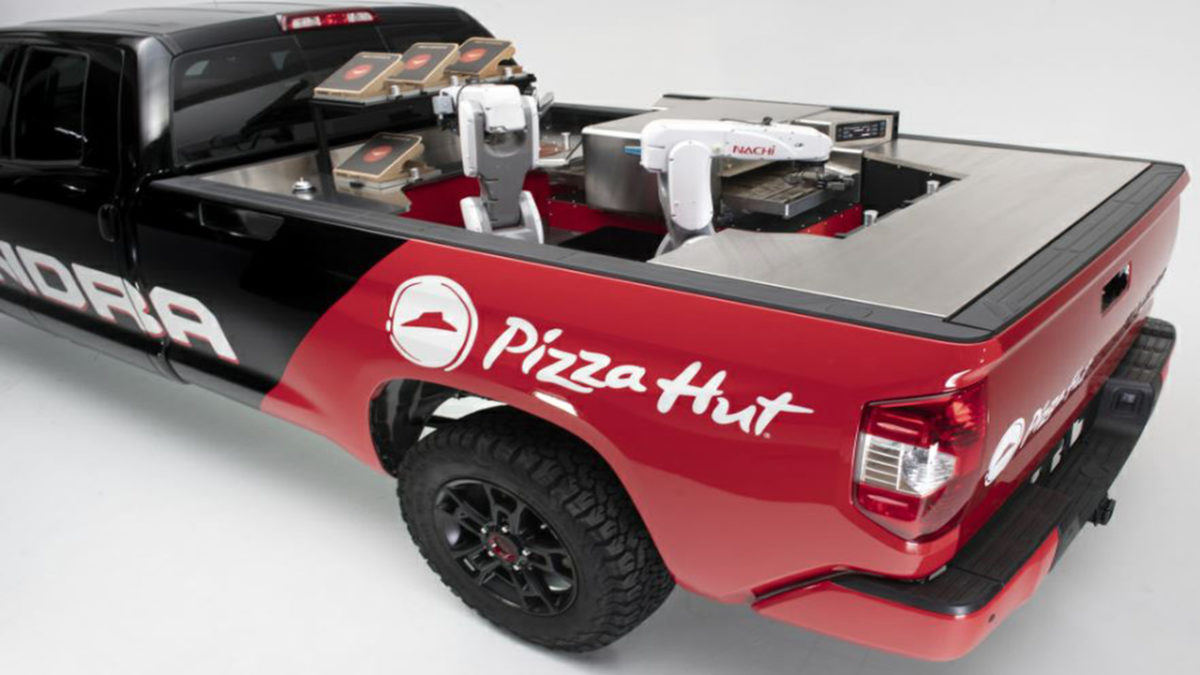
As the fast food market heats up, Pizza Hut is rolling out robots to cut down on wait times. Partnering with Toyota (which is currently attempting to create self-driving cars with Uber), Pizza Hut has created a robotic pizza maker that sits in the bed of a truck. Take a look:

This robot, named the Tundra PIE Pro, is able to cook pizzas on the way to customers’ houses, ensuring that the pizza is nice and warm as soon as it arrives. The Tundra PIE Pro is also emission free, which is surprising of a robot of that size and power.

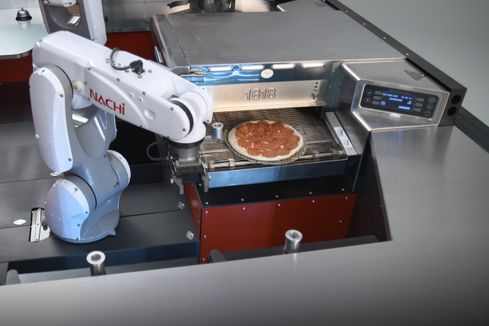
When an order is placed, the TPP uses its robotic arm to take the correct pizza out of the fridge and into the oven. After six or seven minutes, the pizza is cooked. Another arm then reaches into the oven and places the pizza on a cutting board. The arm then slices the pizza into six even slices and places it into a box. As it stands, a driver would physically deliver the pizza to the door once the TPP arrives at its destination. However, in the future Toyota will use its self-driving technology to skip the driver altogether, making pizza delivery a completely automated experience.

Pizza Hut isn’t the only fast food chain experimenting with futuristic technology. Rival Domino’s Pizza used unmanned drones to deliver pizzas to hungry customers in New Zealand last year. Domino’s cited the quick delivery times, as the drones would be able to fly over traffic and travel quickly and directly to customers.

Additionally, Chipotle used drones to rain down burritos on starving Virginia Tech students in a scene that can only be described as Heaven on Earth.

Pizza Hut has revealed that it plans to use the technology within months. As more advanced technology is used by common fast food chains, it remains to see what will happen to their employees. Because the technology is still in its infancy, they hopefully won’t have to worry about their livelihoods just yet.

What do you think about robotic pizza makers? Is it a gimmick or the future? Let us know!