Beyond dragons and dungeons: Discover new worlds with these RPGs for beginners

Surely more than once, tired of always playing a Catan, a Carcassonne or a Trivial, you have thought about getting started in role-playing games.

Using the magic staff you found in the realm of Folvendat, you make your way through the enemies across all dimensions and stand before the door to Avernus. The door is red and heavy, and from within it comes a stinking stench, pure sulfur. Not even Fertrenn’s enhanced eyesight can see beyond it. When you try to open it you find that it is locked tight, protected by Idilssur’s spell, and the magic staff begins to lose strength and power. What do you do?
level 20 DOWNLOAD
Un programa gratuito para Android, creado por TwinCoders.

What you need to play role

Surely more than once, tired of always playing a Catan, a Carcassonne or a Trivial, you have thought about getting started in role-playing games. You’ve seen how they played in ‘E.T’ and ‘Stranger things‘, but you have no idea how to start, what game you should buy, you don’t even know what it is! Don’t worry: keep an eye on your inventory, roll the dice and get ready to maximize your powers, because we’re going to tell you what it is and how to role-play.

When it comes down to it, the most basic things you need are friends, pencil, paper and imagination. After all, a role-playing game is a collaborative story in which one person narrates what happens and the rest of the players act as their characters would, varying the story. But of course, said like that it is not very funny. Therefore, and although there are dozens of variants, it is normal that each character has some associated characteristics.
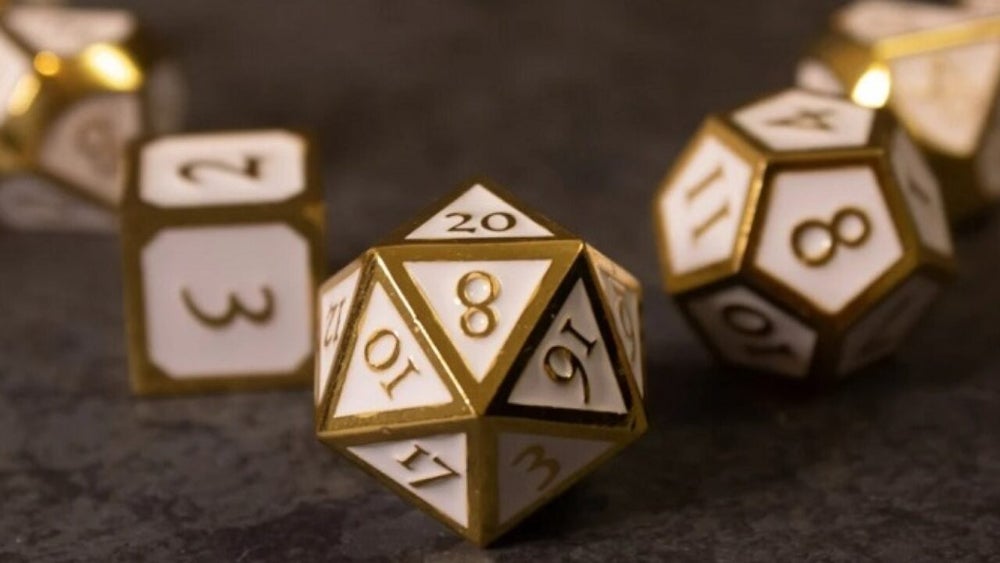
Whether decided by the player or decided by luck with the dice, the characteristics (strength, intelligence, charisma, etc.), usually added to the result of a die, indicate whether what you want to do is going to work out well or whether you are about to screw up and send everything to hell.

Imagine that you are a powerful warrior with enhanced attack and strength attributes and that, when you want to attack an enemy, you roll the maximum possible: you will not only hit that kobold with a sword, but you will do it better than expected (hitting the henchman next to him, for example). Now, imagine that you are a very intelligent gnome but with a very low attack that wants to hit a guard in the back and, on top of that, the stealth roll is low: it is more likely that instead of hitting him you hit yourself in the foot and, with the scream, you alert the whole castle. Things that happen.
But a lot of numbers have no real interest if your character doesn’t have a life: you must think about where he comes from, what his goal is, his friendships, his enemies, his alignment, his tastes. Come on, create a life out of nothing that you can play and evade reality. You can also create a nine-to-six worker who spends his evenings watching TV and sending WhatsApps, but the role may fall into the “boring” category.

The master’s degree

Okay, you already have your character. You know how he talks, you’ve drawn a picture of him and you’ve even imagined what will be his star phrase (“Eat my sword, knave!”), but he won’t do anything without the master. Call him Game Director, Dungeon Master or Narrator, the system is always the same and what differentiates the role from a regular board game: there is someone who knows what can happen, makes the decisions of the enemies and non-playable characters and holds your destiny in his hands.

There is a rule written in the role that indicates that the final decision of the master is the one that counts: if you have fallen down a ravine and a fire monster has devoured you, don’t try to change its mind while the monster is digesting. It’s time for your companions to mourn the fallen warrior and for you to create a new character. When you arrive ready to play, the master will have already spent several hours preparing the game, so the least you can do is, at least, have a little respect for him and bring the supplies. Keep in mind that an average role-playing game usually lasts about three hours!

Although you, as a player, will have to learn some basic rules (how to investigate, attack, etc.), it is the master who will have to learn most of the manuals to decide in the fairest way possible. He is also the person who will know your secrets and will dose them throughout the games. Note: you can also be a master. The problem is that this is the job to which very few are destined. It is not paid. Literally.
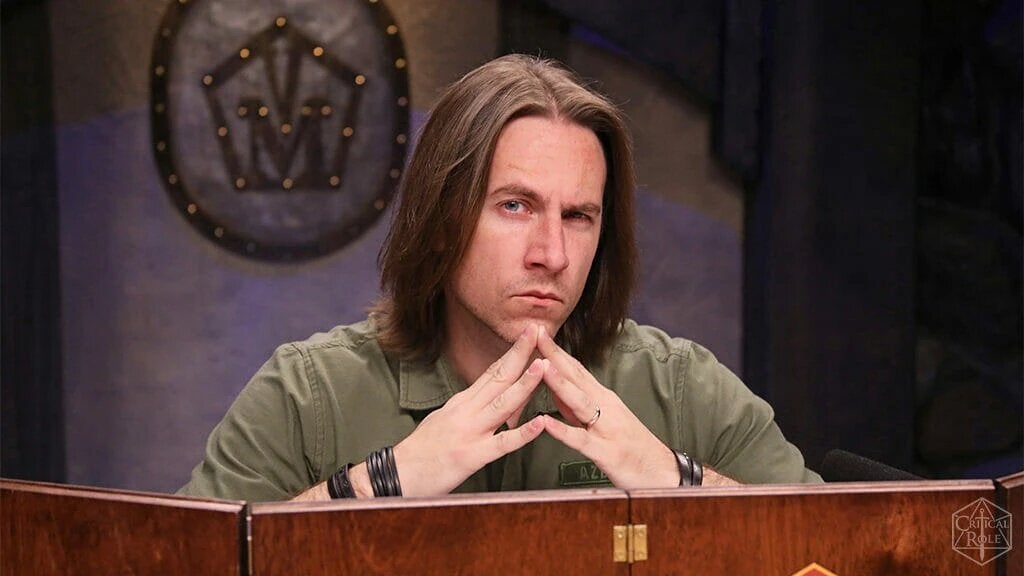
Some games to start with

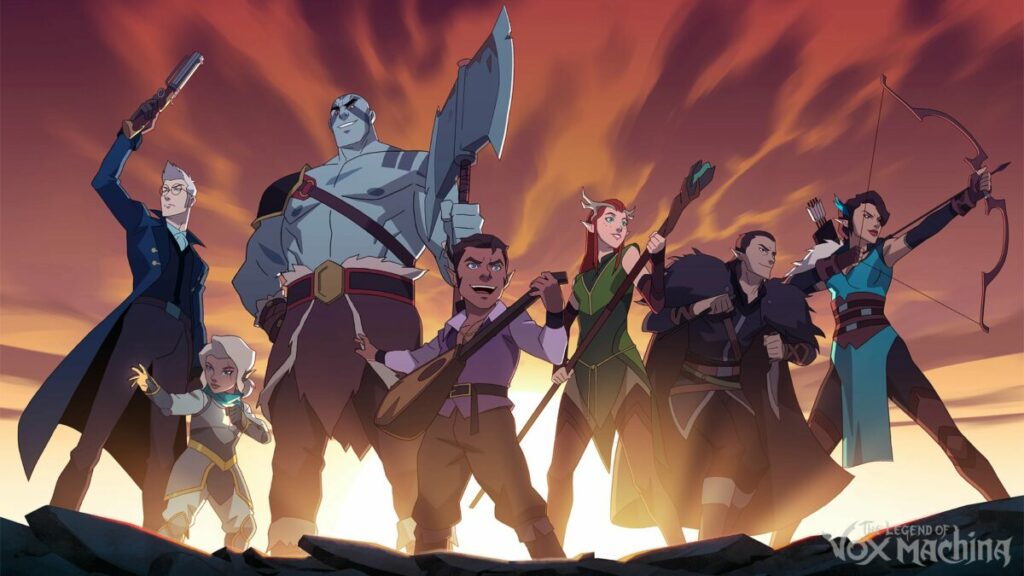
Get a few sets of dice (4, 6, 10, 10, 12 and 20-sided, although there may be more) and decide which game to start with. Surely your head immediately went to Dungeons & Dragons‘, and no wonder: it was the first role-playing game in history 50 years ago and is still the king (as proof, the great ‘The Legend of Vox Machina’ in prime video). But although 5E is much more narrative and simplified, deep down you don’t want to study two manuals of 300 pages each before rolling a single die, do you?

There are other options for simpler games that are no less fun or deep. In fact, D&D itself knows this and that’s why it has a starter box with the simplified manual and a story with which to start rolling dice almost immediately. But why not try other options? ‘Fiasco’, for example, is special because it has no narrator. In it, with very few rules, you can create great stories in a group. Of course, you need a very creative group.
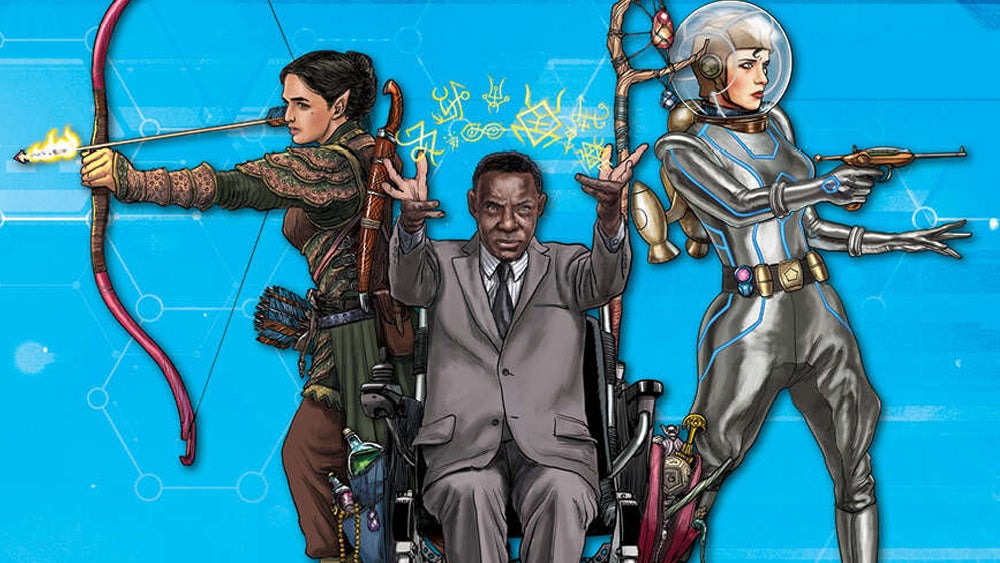
Imagine that you are attracted to the idea of playing role-playing games but set in your own world, only having some basic rules. For that there is ‘FATE Accelerated’, a game with which you can literally play whatever you want. Or, why not, ‘Call of Cthulhu‘, whose rules, once you know them, are not so complex compared to the Lovecraftian mystery adventure it can give you.

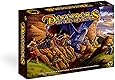
There are even role-playing games that only have two pages of rules – you can even make up your own if you have the time! At this point, you can play a game playing practically anything you want, from slashers to soap operas (watch out for ‘Passion of Passions’). If you thought role-playing was just about axe-wielding medieval adventures, you’re very wrong: there’s a whole world out there to play! Don’t get overwhelmed, choose a manual to start with, get your friends together… And let the fun begin.
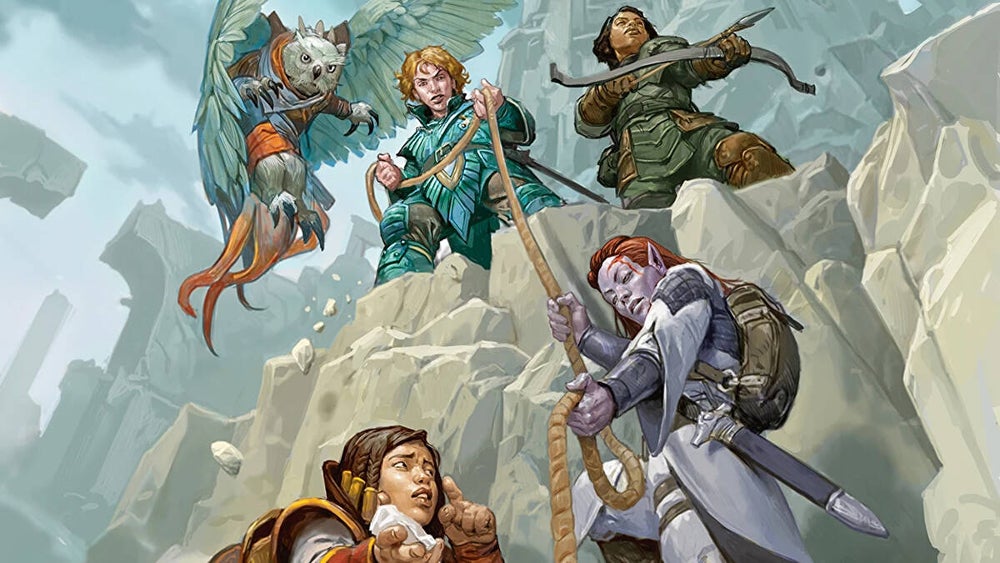
To finish

Once you have finished your first game, you have a question to solve: Do you intend to end it here or do you want to make a campaign and keep the same characters for years (or days, depending on the expertise and type of game)? If you choose the latter, get ready for adventure, romance, unexpected twists, deaths, friends and battles. Or don’t. You decide, after all, how to spend three hours every week with your friends. Isn’t that the best thing about role-playing?
Ready to Join the Adventure? A Guide to Starting Your Dungeons & Dragons Journey
In your usual store you will find hundreds of D&D manuals. And you just wanted to know if you were going to like it! Don't worry: we'll tell you everything you wanted to know about the most famous role-playing game in the world.

Surely more than once in your group of friends there has been someone who has wanted to form a group to play ‘Dungeons & Dragons‘. Since the arrival of Critical Role and the popularity of Twitch, more or less everyone has been curious to leave everything behind, learn a bit of magic, pick up a sword and set off to explore the Forgotten Realms. But of course, when it comes down to it, where to start? In your usual store you’ll find hundreds of D&D manuals. And you just wanted to know if you were going to like it! Don’t worry: we tell you everything you wanted to know about the most famous role-playing game in the world.

50 years ago…

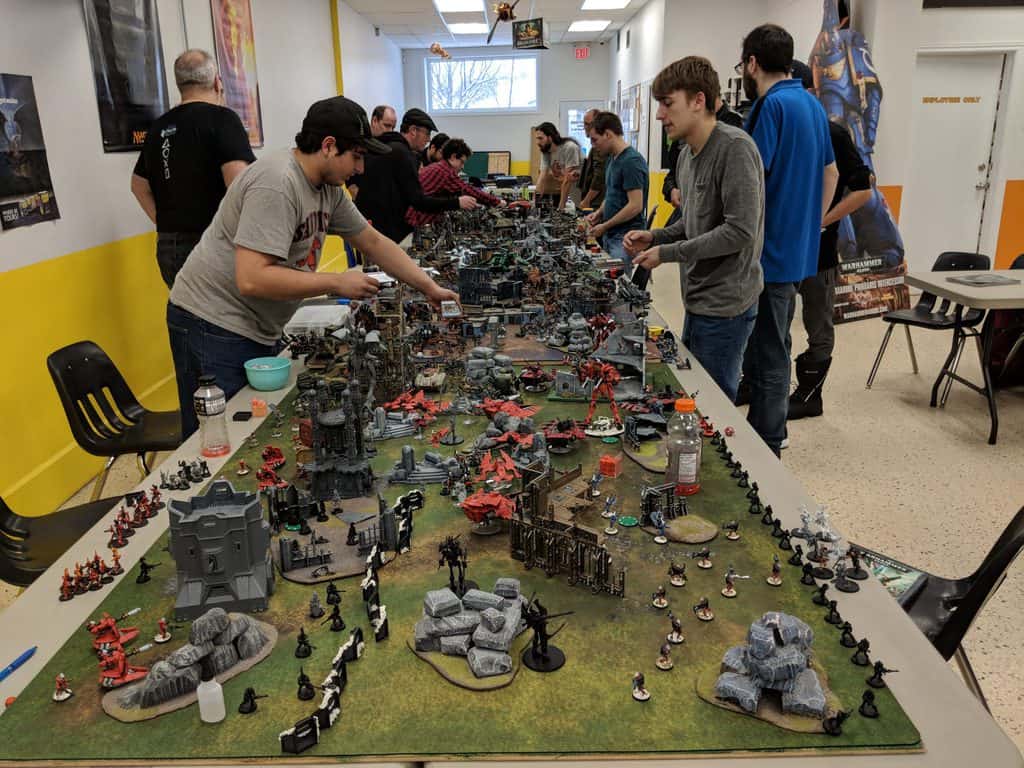
At the beginning of the 70’s, in the United States, board games were reduced to those that families could play: ‘The game of life’, ‘Monopoly’, ‘Connect Four’… The current boom in which we can take a ‘Gloomhaven’ or an ‘Exploding kittens’ to the table is terribly recent. If back then you wanted to find something of complexity you had to go to the tables of the young (and not so young) where they played what some have considered the pre-role-playing game: wargames.

Or, to put it in English, the war games that are still popular today. For example, the humorist Javier Cansado is a great fan of painting figurines and sending them to fight in the Napoleonic wars. These were realistic games in which two armies faced each other: the armies were not made up of fantastic creatures and fighters, but of Napoleonic soldiers or soldiers from the American Civil War at the Battle of Gettysburg. A party, come on. And among those gamers there was a thirty-something so fanatic that he had even set up one of the first conventions in history (the now ultra-famous Gen Con)… in the basement of his house: Gary Gygax.

Gygax did not know that she was destined to change the world of board games forever. In fact, more out of curiosity than anything else he helped create the game ‘Chainmail’, set in the Middle Ages with realistic battles, which had a small appendix explaining how to play with wizards, dragons, orcs, elves or… hobbits. With permission from JRR Tolkien? Of course not.

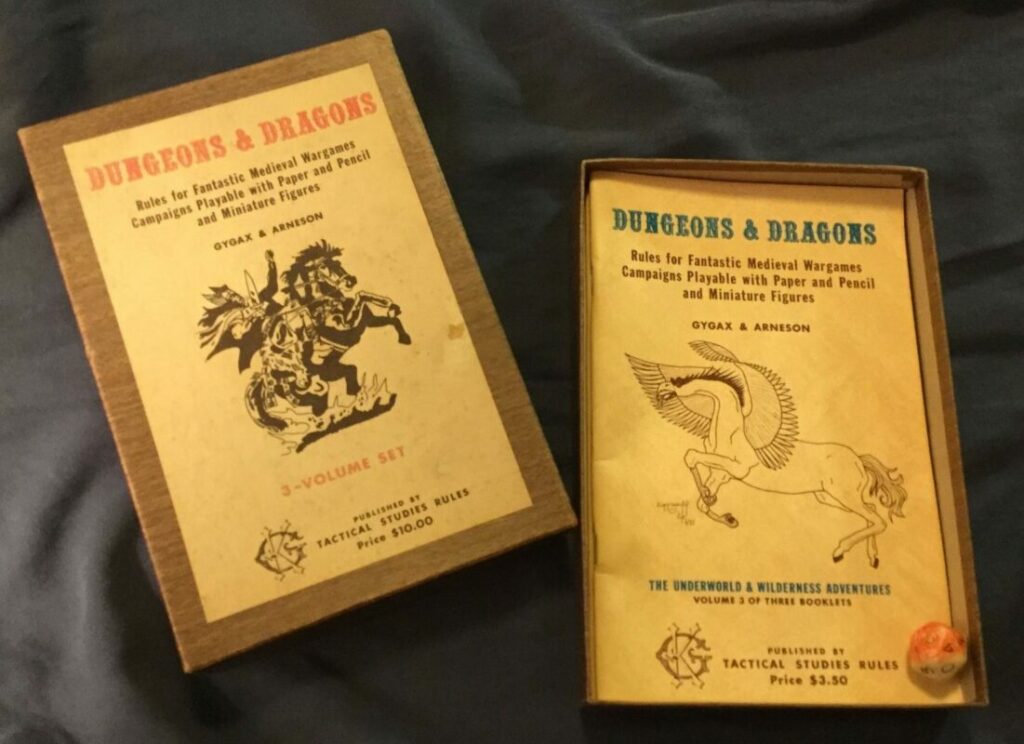
And you know what happens when you introduce a change, no matter how small, to a group of fans? A large part of them will angrily reject it. Chainmail’ had three editions but it didn’t seem that Gygax was going to become more than just a fan… Until 1974 when he released ‘Dungeons & Dragons: Playable medieval fantasy wargame campaigns with paper and pencil and miniatures‘. And the world changed forever… Even though this was not a role-playing game. Among other things, because nobody knew what a role-playing game was.

You the barbarian, you the archer

Actually, it cannot be said that this first edition of D&D was a role-playing game as we understand it now. In fact, a “referee” was supposed to be able to manage groups of up to 50 people at the same time – imagine doing that in a game right now if it’s already hard for four players to control themselves! This was a wargame at its core, but with one essential change that made it special: instead of moving armies, each person played with an original and unique character, which over the course of a campaign could evolve.

At no time was role-playing assumed as part of the experience, but the players adopted it naturally. Playing Napoleon’s army was not the same as playing Elf Langolier. Five years later, wargames took a back seat: the 80s were to be dominated -always in the United States, mind you- by D&D. In high schools, colleges… And on television.

Although now it may seem to us a thing only of a small group, really D&D, in its day, was an absolute devotion. So much so, that in 1983 began what for many was the first contact with the game: the cartoon series that, although it may seem impossible now, caused controversy in its day because of its violence. In total, 27 episodes co-produced by Marvel and Toei that coincided with the decision that ‘Dungeons and Dragons’ was a public danger.

https://www.Youtube.com/watch?v=tXGVb9Oal38u0026ab_channel=Generaci%C3%B3nMillennials

The satanic panic

There was no proof, but that has never stopped a generation from being frightened by what a more modern one does. Overnight, murder cases began to be linked with ‘Dungeons & Dragons’: mothers’ associations even pretended that before every episode of the very innocent series, warnings were issued that the franchise was linked with violent deaths.

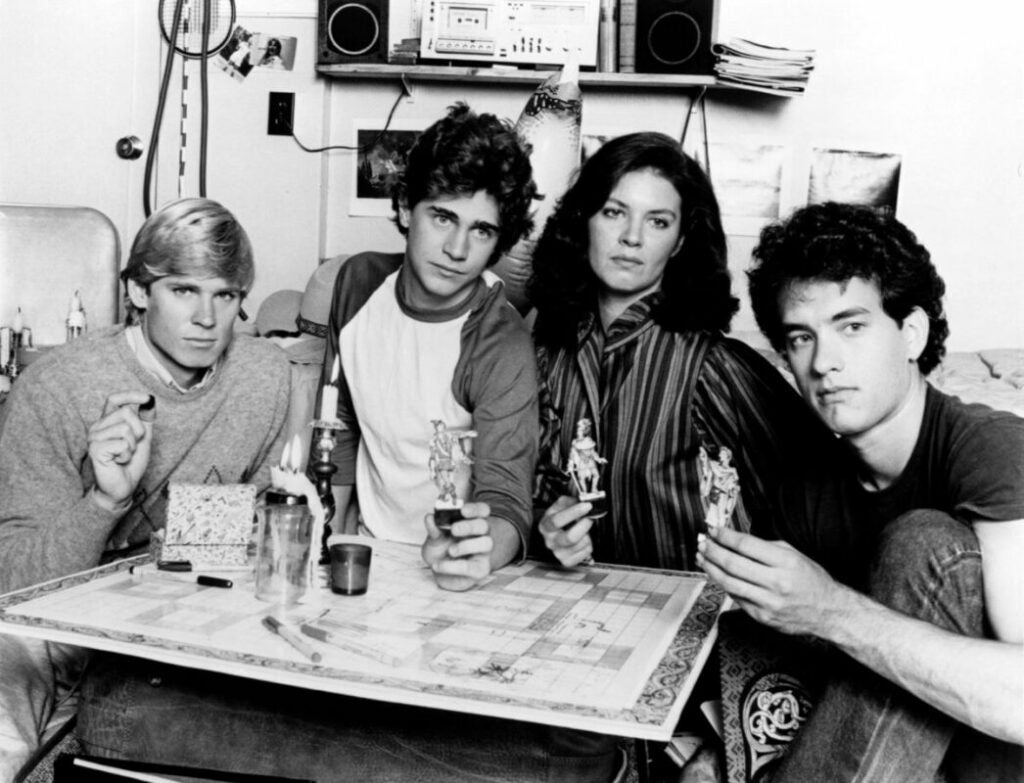
Even Tom Hanks’ first starring role was in a 1982 anti-game pamphlet movie called ‘Monsters and Mazes’! In fact, at the time it was thought that playing the game led you to look up how to kill enemies in real life. Patricia Pulling, the mother of a child who committed suicide in the same year that the Tom Hanks movie appeared, claimed that there were 150 D&D-related deaths: “The child who is easily obsessed can end up looting graves while searching for objects needed to perform occult rituals, and is only one step beyond the need for blood”.

It may seem silly (because it is), but in the United States, which welcomed the board game with open arms, it gradually sank into marginalization. It ceased to be a game for everyone and only for a few, viewed with suspicion and a certain fear. Even in Spain, in 1999, ABC even linked it with Hitler and Marilyn Manson. Almost nothing. A year later, the third edition of D&D did not end up pleasing the fans (although more than the infamous 3.5) and the horrifying movie ended up sinking its fame completely.

The return

For a while it seemed that video games, even those based on D&D, had killed tabletop role-playing forever, but then came Twitch, Critical Role, Vox Machina and thousands of games played around the world in podcasts, live, videos, with celebrities, with voice actors, with anonymous. D&D was once again the king of fantasy. And no one could ever throw away its fame again.

And that brings us back to the beginning: if you want to play Dungeons & Dragons, what manuals do you need? If you want a recommendation, you can read most of the online rules on Wizards of the Coast’s own website, but it is possible that, instead of leaving your eyes and to always have something to consult, and in the absence of the Basic Box, you want the Player’s Handbook. This is the essential one, the one that has everything: the race, the class, the archetypes, how to set up each character and the adventures of the world.

As you progress, and especially if you have no idea how to make a game, you will need the Dungeon Master’s Manual and the Monster Manual. These are the three essentials (all three must be of the same edition, preferably 5E), to which you can add all sorts of additions. As for adventures, if you don’t want to create them yourself, there are entire manuals, such as Ravenloft, Strahd or the one that comes in the Basic Box, The Lost Mines of Phandelver (which I personally don’t find amazing, but it is true that, for convenience, it is one of the most played ones).

Dungeons & Dragons’ has become more than just a role-playing game. More and more, people are expressing themselves through their characters, their claims, their internal struggles, their powers and their relationships within their world. If you could be anything, what would you choose to be? What twist would you give to your character? How would you be with others? Maybe it’s time to pick up your die of 20 and find out.

Dungeons & Dragons community takes a stand against new license royalty rules, and wins

Wizards of the Coast (WotC), the infamous publisher of the legendary Dungeons & Dragons tabletop game, was about to release a draft statement about updated regulations. In it, Hasbro and WotC were going to claim royalties from any use of its license or related sales. Thanks to a leak of the draft, the D&D community took a stand, signing petitions and withdrawing from the game completely. Thankfully, D&D Beyond issued another statement, changing the stance.

The initial plan was for WotC to release an official statement of the draft updated open license agreement on January 12, 2023. When some parts of the document leaked online, the new changes became clear. Hasbro and the D&D publisher were planning on placing royalties on any content or games that held the brand name. Hasbro was looking to take at least 25% of the sales.

The community went into an uproar. Many of them used the open license to create new adventures, setting the stage for decades of gaming and quests. During lockdown, D&D became increasingly popular as an RPG tabletop game. Dungeon Masters and content writers also published their work to make sales and spread their tales to others around the world.

When it was apparent that Hasbro and WotC were looking to cash in on their creations, many D&D players in the community pulled out. They even signed petitions, showing how disgusted they are by this turn of events.

So, what did Hasbro and WotC do? They turned the tables and said the leaked information was understood. In a D&D Beyond statement, they said that they weren’t targeting the community. Instead, they grew tired of large corporations making money off their license without remuneration, such as in games, movies, and NFTs. Apparently, the draft update to the open license regulations will now be amended to reflect what they claim they meant.

That doesn’t mean that all is forgiven. The community expected an apology, where none was received. Also, many players are still leaving after what they deem a distasteful move on WotC’s part. We’ll have to wait and see what the new license rules look like, if they ever get published.

I often play D&D with my children at home, and we sometimes make up our own adventures. I actually considered making my own adventure book with quests last year, being a fantasy author. Making quests and creating suspense is something I rather love doing.

Now, however, I guess I’ll put those plans on the back burner to see what happens. Many of us have been waiting to see what the upcoming D&D series and movie will be like. If they don’t proceed with fining those of us creating adventures in the D&D universe, perhaps I’ll proceed with publishing my stories.

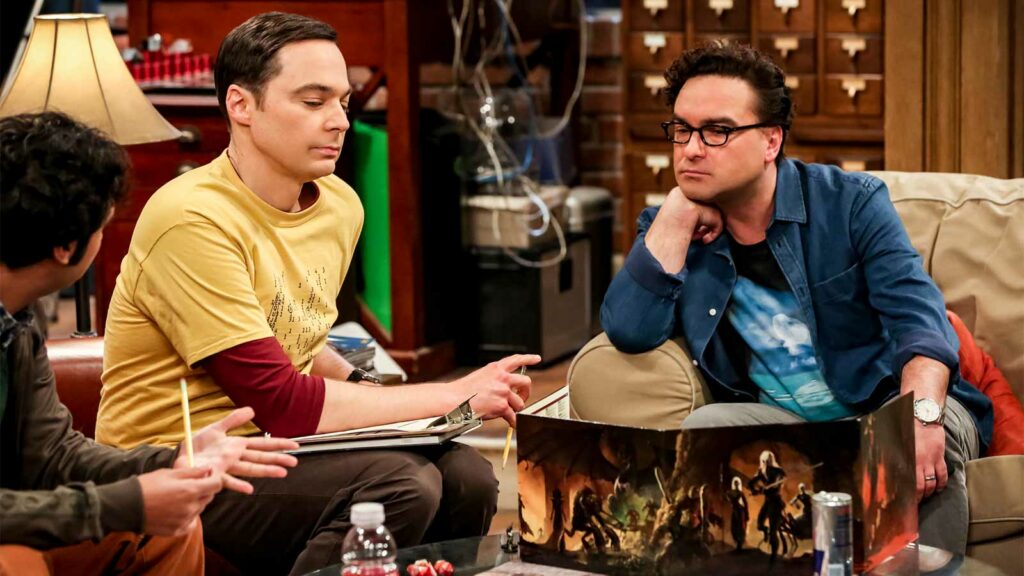
I would have loved to have seen Sheldon and Leonard’s reactions to this in The Big Bang Theory.

Dungeons & Dragons community takes a stand

Game to Grow fights mental illness with Dungeons & Dragons

Discover how role-playing games are helping kids fight mental illness.

When you’re a kid, it’s hard to save the world. You’ve got grades to keep up, sports teams and school plays to try out for, friends to make, and parents to please. It’s even harder to save the world when you’re a teenager with depression, social anxiety, or Autism. Saving the world is only possible if you can first save yourself, and a company called Game to Grow is helping kids do both.

Dungeons and Dragons party
Rebecca might be shy, but her level 9 paladin can inspire her allies through the darkness.

Founded in 2017, Game to Grow is a non-profit organization that uses tabletop gaming to improve people’s lives – specifically Dungeons & Dragons.

What makes DnD such a good choice right off the bat is that it’s a role-playing game. If you can immerse yourself in a fantasy world and invest in the zany exploits of your character, suddenly you’re not a little boy who had a bad day at school, or a teenager who just had a fight with her parents. Movies, books, and video games are all escapist fun, but tabletop gaming does two things that no other medium can match:

First, the heart and soul of the character is up to you. Dungeons & Dragons goes much deeper than vicariously living through a Marvel hero, or poking and prodding a character creation menu in a video game. There’s no Mass Effect dialogue wheel in DnD; you say whatever you want. There are no invisible walls either; you can go where you want.

Victims of depression often describe themselves as feeling trapped, like their course is set and they have no control over their own lives. Dungeons and Dragons puts you in the shoes of an altogether different character, charting an altogether different path. With that agency comes a rare liberation – what you do matters, and more importantly who you are matters!

Dungeons and Dragons
Take a stand against mental illness

Second, and just as important, is that with tabletop gaming you’re with a group. You’re sharing space, making conversation, and working together to complete an objective. It’s a hands-on experience that gently nudges players towards a collaborative effort and achieving something that they could not do alone.

A DM (who serves as the game’s moderator) sets the stage and it’s up to you how you want your character to tackle the obstacles. These obstacles could be clearing a dungeon or slaying a monster, but could just as easily be negotiating with townspeople, attending a costume ball, or interfering with kingdom politics. Maybe you’re afraid to embark on such a daunting task … but your character isn’t!

The mission

No matter what the quest of the week happens to be, Game to Grow has a bigger mission they’re weaving into the plot: Targeting your own personal issues, and empowering you to conquer them.

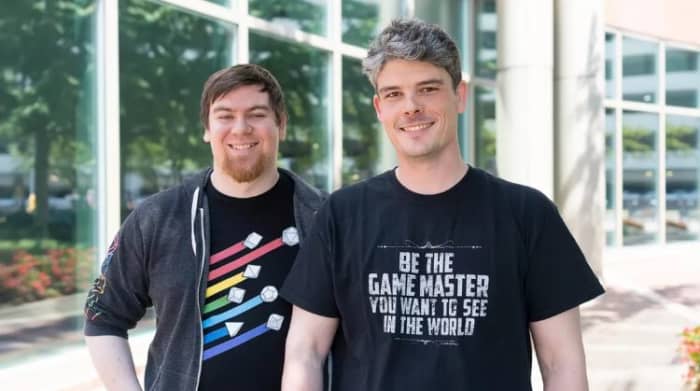
“Part of what we do is we say you are yourself and that is OK,” says company founder Adam Davis. “You can participate and we can celebrate your uniqueness and your unique skill set.” He and co-founder Adam Johns have been using this formula for over eight years. Today they see over 50 kids a week, many of whom are on the Autism spectrum, and the result is a system that’s just as – if not more – effective than official therapy or psychiatry.

Adam Johns considers the company “agnostic to diagnosis,” explaining that “even when kids report that they’re doing fine, a lot of times that’s because they’ve never had an opportunity to know what it is to have a friend and know what it is to feel connected. When they come to our groups they build that connectedness, they build that opportunity for relationship with other kids.”

Game to Grow Adam Davis Adam Johns
The Game to Grow founders have been teaching kids to fight the good fight for almost a decade

Game to Grow has since expanded the company, training teachers, librarians, community leaders, and even therapists in their methodology.

“We know we’re never gonna run groups across the world,” admits Adam Johns. “Instead, we’d rather train other people to get their own group started.” Kids or parents who fear the social stigma of therapy are more willing to say “I’m going to DnD tonight” over “I’m seeing my therapist.” As such, Game to Grow has a 94% retention rate, and kids are excited to come back for the next adventure.

“We see kids that are burned out on therapy,” says Johns, “but they come to our group, week after week. It’s the one thing they don’t want to miss.”

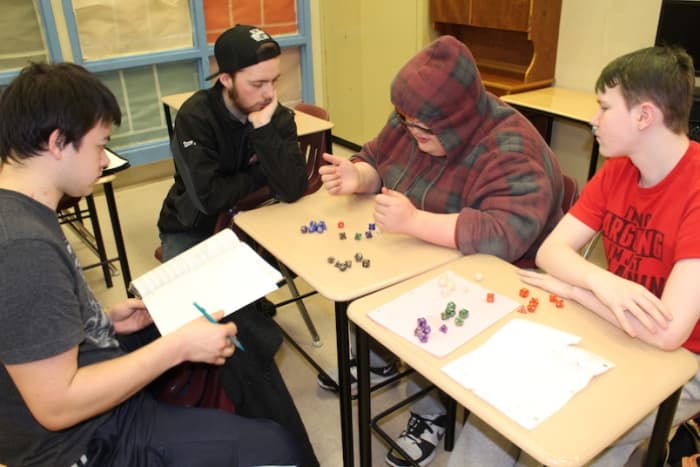
Dungeons and Dragons tabletop gaming
Friends who slay dragons together stay together

It’s awesome to see tabletop gaming being used as a medium to help people overcome their anxiety, and we hope to see that same creative initiative catch on and become more mainstream in today’s society, one dungeon at a time!

Best tabletop alternatives to Dungeons & Dragons

Tired of Dungeons and Dragons? Try one of these alternatives!

Dungeons and Dragons

When most people think of pen and paper (or “tabletop”) RPGs, they immediately think of Dungeons & Dragons. While this may be the most popular, there are hundreds of tabletop games, with at least a dozen new games coming out each year.

While D&D might not be for everyone, there is bound to be at least one tabletop game that catches your interest. Here are some of the best alternatives to look into.

Best D&D alternatives for tabletop gaming fans

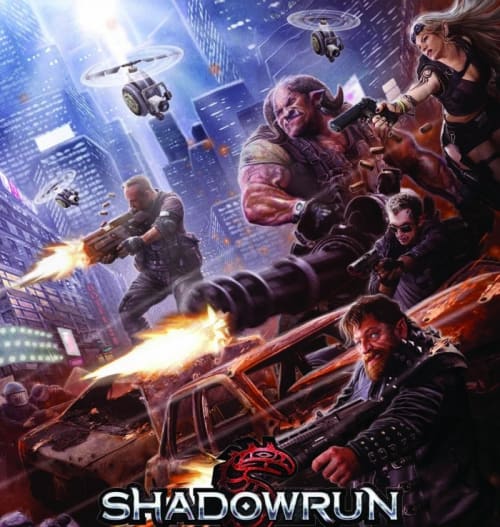
Shadowrun

Shadowrun

While most high fantasy games like D&D are set in the past, Shadowrun is set in the distant future. It retains many magical elements of standard high fantasy games, such as varying races and magical abilities.

The game’s backdrop is cyberpunk rather than a mythical landscape. The game also uses a freeform skill system instead of actual classes. This makes character abilities incredibly customizable. This is a perfect game for anyone who enjoys futuristic settings.

Shadowrun Returns Download ►
7

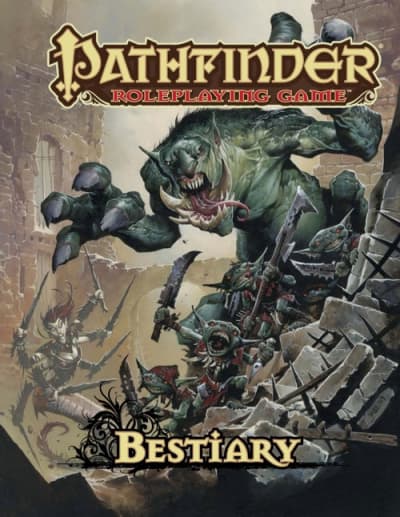
Pathfinder

Pathfinder

The main competitor to D&D, Pathfinder is another high fantasy tabletop game that uses the same engine as Dungeons and Dragons. In fact, Pathfinder was actually created as an extension of D&D 3.5 editions.

As such, the gameplay between the two is very similar. Pathfinder is typically a good choice for anyone who wants more options. D&D only creates a finite amount of content per edition. Certain races and classes have to be homebrewed if you want to play them in a D&D campaign.

Pathfinder has continued to build on the same content, giving you dozens of options to choose from. This makes it a particularly good alternative to 3.5 fans, as it’s basically the same game but with more content.

Pathfinder Spellbook Download ►
7

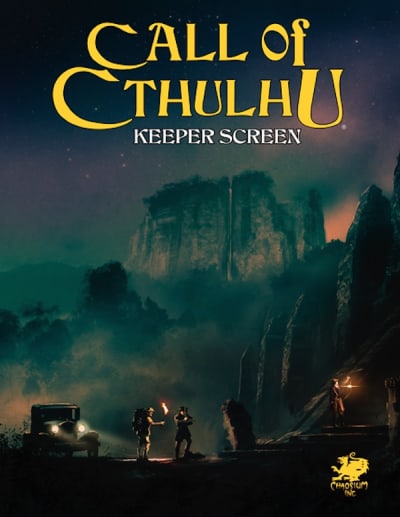
Call of Cthulhu

Call of Cthulhu

Like D&D, Call of Cthulhu is a tabletop RPG from the ’80s that remains popular decades after its release. This is one of the oldest survival horror games, and it has created many spinoffs throughout the years.

The story follows the same adventures of the original H.P. Lovecraft’s “Call of Cthulhu” story. Players are regular people dropped into a mysterious world. The classes are based on normal professions, and give unique abilities to the players based on their past.

Players have to worry about both their physical and mental health in order to survive. The game is well known for major player deaths throughout an entire campaign.

Call of Cthulhu Download ►
10

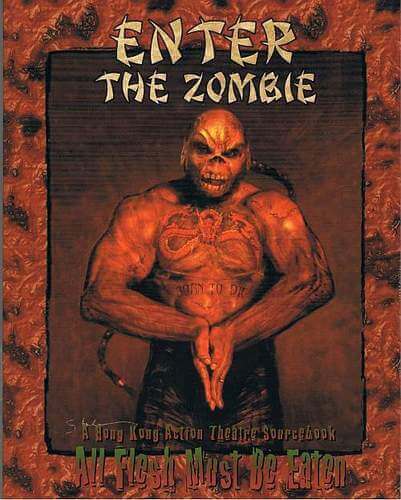
All Flesh Must Be Eaten

All Flesh Must Be Eaten

Have you ever wanted to live out an episode of “The Walking Dead?” Well, this is the perfect RPG to live out your zombie apocalypse nightmares with your friends.

All Flesh Must Be Eaten’s expansions have made it possible to experience almost any version of “zombie” and “zombie fighters.” This gives GMs and players a lot of choices in how they envision the zombie apocalypse will go down. 

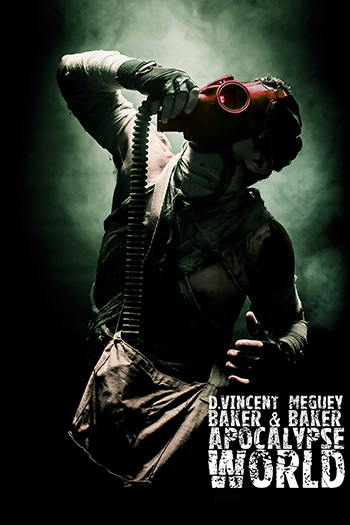
Apocalypse World

Apocalypse World

As one of the most successful Kickstarter RPGs, Apocalypse World is the first game to use the Powered by the Apocalypse engine. The game has one of the most unique GM roles ever developed, as there is no prior planning for the MC.

The MC, along with the players, develop the backstory and settings of their post-apocalyptic world. Players each follow a player book based on their class and develop a shared history together. This game has been the inspiration for other popular RPGs like Dungeon World and Monster of the Week.

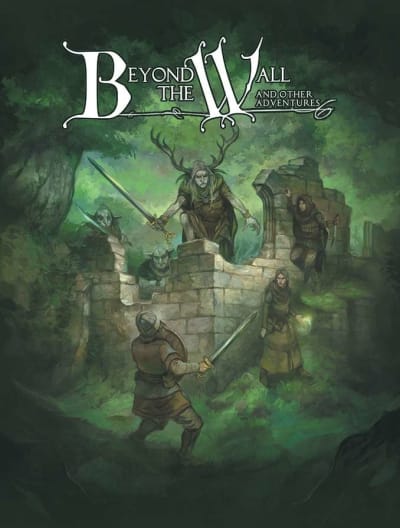
Beyond the Wall and Other Adventures

Beyond the Wall

If you’re new to roleplaying games, then there is no better campaign to play then Beyond the Wall. This game features a simple and easy-to-learn system. The scenarios and character sheets are pre-built, so there is no need to take the time in coming up with new characters or situations. It requires no planning and low maintenance to keep the game going. This is the easiest RPG to get into when you want to have a small and fast campaign.

In conclusion

One of the best things that non-D&D tabletop games tend to have in common is how easy it is to be a GM. While D&D can require hours of planning before a game even begins, many of these games have preestablished settings and situations, making it a much easier adjustment. So, if you’re looking to GM for the first time, you may want to try one of these games before going to D&D.

6 best board games for tabletop fans

Grab any of these games and summon your friends for a night of fun!

Fans of tabletop games, like Dungeons & Dragons, may find it difficult to enjoy simple, storyless board games like Monopoly or Sorry. Thankfully, there is a surprisingly large selection of board games that allow for the same level of customization and storytelling that tabletop games have. This can be great for people who don’t have a GM for their tabletop sessions, or just want a different kind of storytelling game to play with their friends. Here are some of the best available.

Best board games for tabletop fans

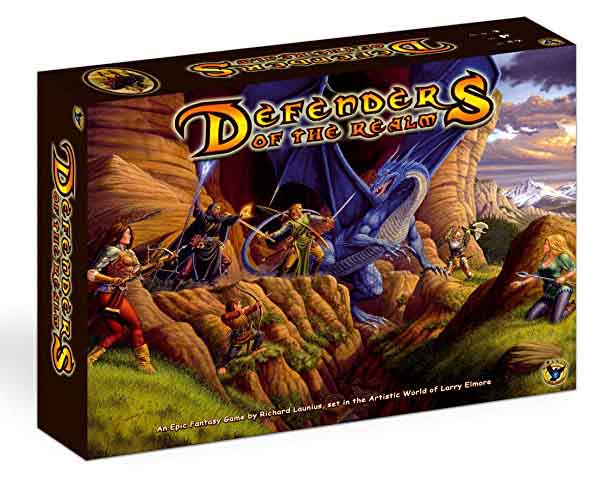
6. Defenders of the Realm

defenders of the realm

This board game is probably the closest to Dungeons and Dragons that we’ll ever get, barring actual D&D games like Dungeon Quest. Defenders of the Realm provides heavy storytelling, and character classes similar to D&D. The game is cooperative, and the players win or lose as a group, as they try to defeat four evil generals and save their kingdom. The random encounters through this adventure can be challenging, and force the players to work together like a regular tabletop team.

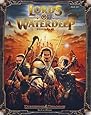
5. Lords of Waterdeep

One of a few board games based off an actual Dungeons & Dragons campaign, this game takes place in the world of Waterdeep, and changes your role from traveling hero to ruler of a kingdom. Instead of being the hero you would be in the D&D version of this campaign, you play as the lords who hire the heroes. This makes the game far more strategic, which can be interesting for those who are used to more adventure-based action.

As an alternative to playing this as a board game, this game has also been adapted into a mobile app for both Android and iOS.

D&D Lords of Waterdeep Download now ►
8

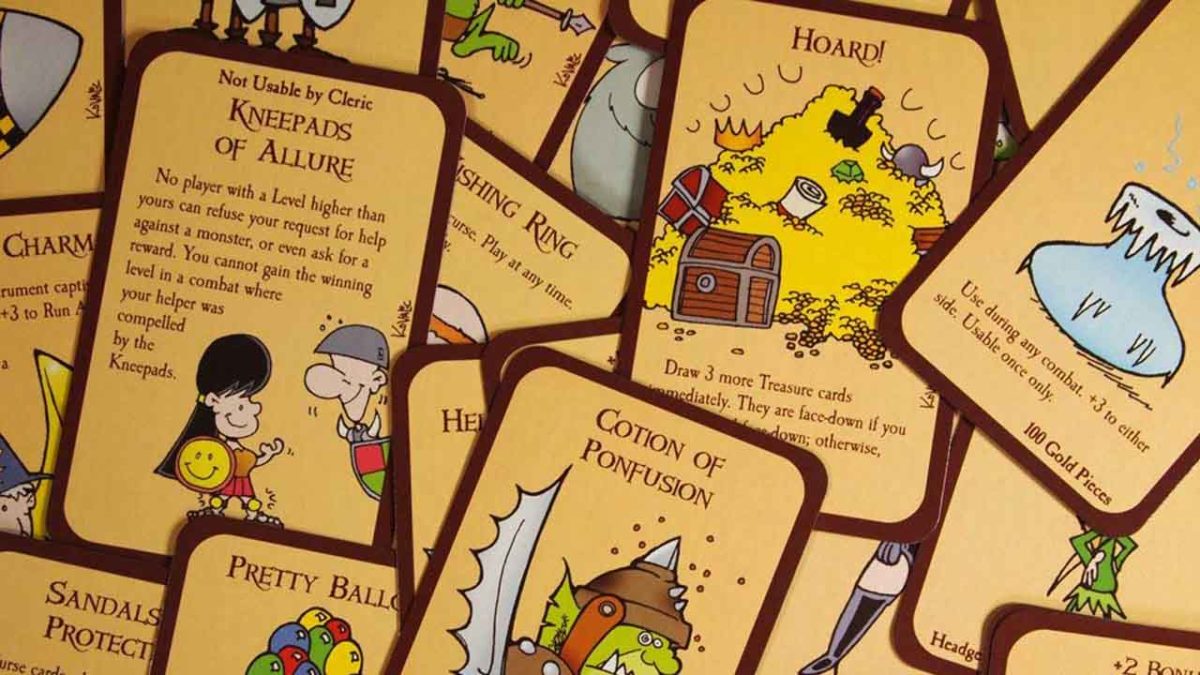
4. Munchkin

munchkin

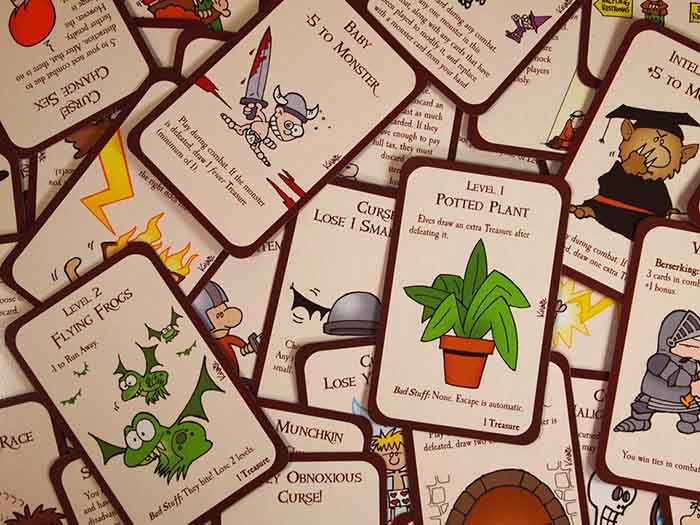
Like a few other games in this genre, Munchkin is more of a card game than a board game, but the setup is still similar. This game is unique among other tabletop-esque games as it has a large focus on character building rather than on a storyline. The goal of the game it to level up your character to the max level before anyone else. As you gain cards, your character gains different traits, which are typically wacky and wild. Munchkin is particularly good for parties.

Munchkin

From: Amazon

3. Mice and Mystics

mice and mystics

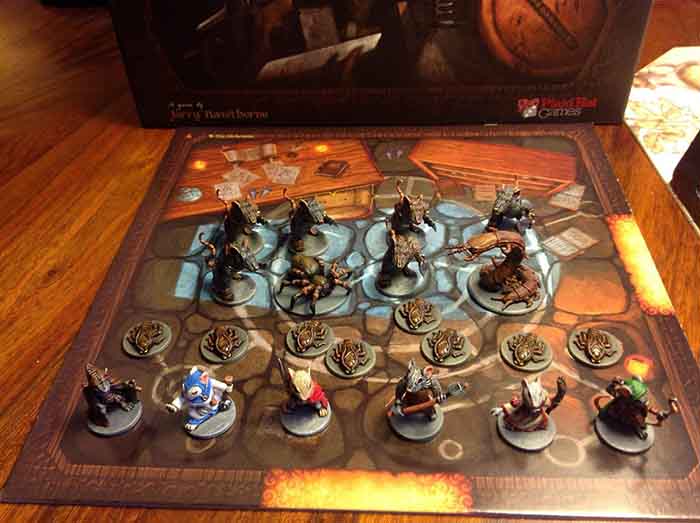
This game is essentially the opposite of Munchkin. While Munchkin focuses on character building and minimal storytelling, Mice and Mystics is a deep in-depth storytelling game with little character building (at least character building that the players can do). This game tells the story of the mouse prince and his comrades trying to defeat evil in the castle. Each game session plays similar to a session of D&D. This includes the length of each game, so expect sessions that last well over an hour.

2. Betrayal on the House on the Hill

Betrayal At House On The Hill

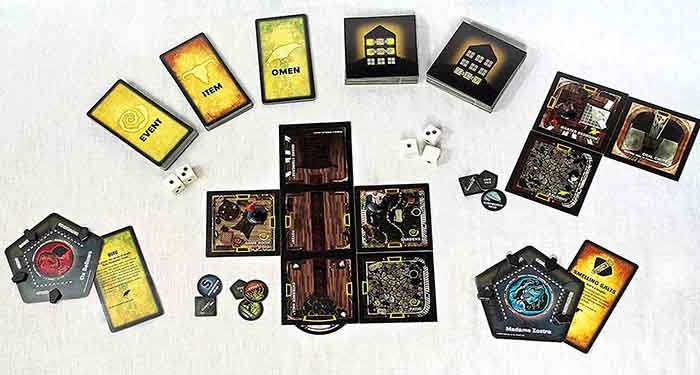
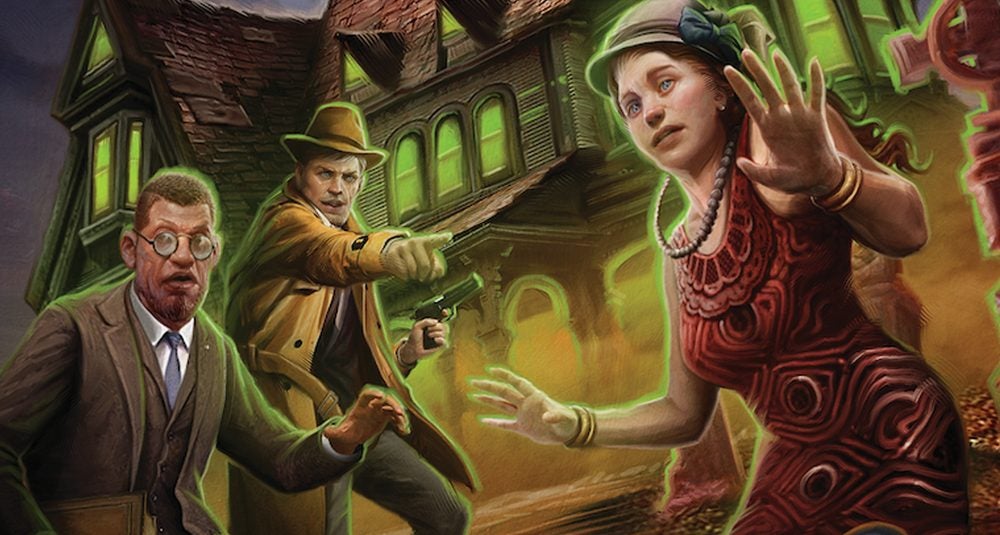
Anyone who is a fan of this genre has probably heard of this game. Betrayal takes the story of a group of haunted house investigators. After some time of investigating, one of the team members becomes a traitor and has to defeat the rest of the party. The exact circumstances of the betrayal are based on the haunt scenario that gets activated. There are dozens of scenarios, so this game can be replayed over and over again. It can be exciting before the game starts, since you don’t know which side of the betrayal you’ll end up being on.

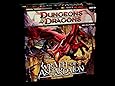
1. Wrath of Ashardalon

Dungeons and Dragons: Wrath of Ashardalon

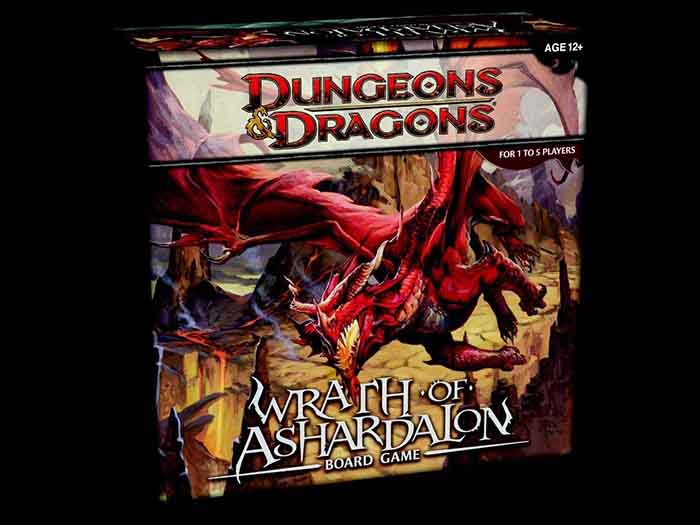
Wrath of Ashardalon is basically the fantasy version of Betrayal. There are a variety of scenarios that the players can be put in, and the players slowly build the board map as they move throughout the lands. Each time a tile is revealed, some kind of encounter or event occurs. This game active and high-energy. Wrath of Ashardalon can be a good replacement for D&D players who want more consistent action, or lack a DM to manage their games.

Like Lords of Waterdeep, there are some adventure board games that get adapted to mobile apps after some time. Our Softonic Solutions page has detailed great mobile adaptions to try out if you prefer playing on your phone.

Top 5 Dungeons and Dragons podcasts

Love D&D? We’ve got 5 great podcasts to try!

dungeons and dragons

Many people don’t have the time or social circles to play D&D themselves on a regular basis. With dozens of podcasts to choose from, D&D podcasts can be a great way to supplement this adventure, or just have a few laughs. Here are the top D&D podcasts that you should check out.

Top 5 Dungeons & Dragons podcasts

5. The Glass Cannon

The Glass Cannon is a great podcast for people interested in tabletop games but haven’t had the chance to play any themselves. They do a great job at helping the listener understand what’s going on, while still providing a great and humorous campaign story. Also note that unlike the other podcasts on this list, The Glass Cannon typically plays Pathfinder instead of D&D.

4. Sneak Attack

While most Dungeons and Dragons podcasts focus on the comedic aspects of D&D, Sneak Attack tends to have a much deeper narrative than some other homebrew campaigns. It is definitely worth checking out, if you’re interested at getting deeply invested in the lore and story of a campaign.

3. Critical Role

If you’re apart of nerd culture then you’ve probably heard of Critical Role. This show features a variety of popular nerd-culture icons, including the famous voice actor: Matthew Mercer. This show is so popular, that a homebrew class created for it, Blood Hunter, was eventually officially released by Wizards of the Coast.

2. Drunks and Dragons

If you think Dungeons and Dragons can get pretty crazy while sober, then imagine doing it drunk. Drunks and Dragons is a hilarious podcast that has won a variety of awards for its exceptional editing and colorful group of characters.

1. The Adventure Zone

Probably the second most popular D&D content after Critical Role, if not the most popular. The Adventure Zone features the three McElroy brothers and their father as they play a series of incredibly comedic homebrew D&D games. It is deep and humorous, with a truly memorable and engaging story.

There are mountains of D&D podcasts out there, but each of these has stood the test of time and prevailed due to their immersive stories, characters, and humor. All of them are worth checking out!