Nintendo has officially confirmed that in the coming months it will release a revised model of the Switch 2 with a removable battery. This model, initially only available in Europe, aims to comply with current European regulations that state that all electronic devices must have replaceable batteries starting February 18, 2027. A more eco-friendly console This is a necessary move by Nintendo, as they would not be able to sell the console otherwise, but it is a bit clumsy. Although the regulation will not come into effect until February of the year that […]
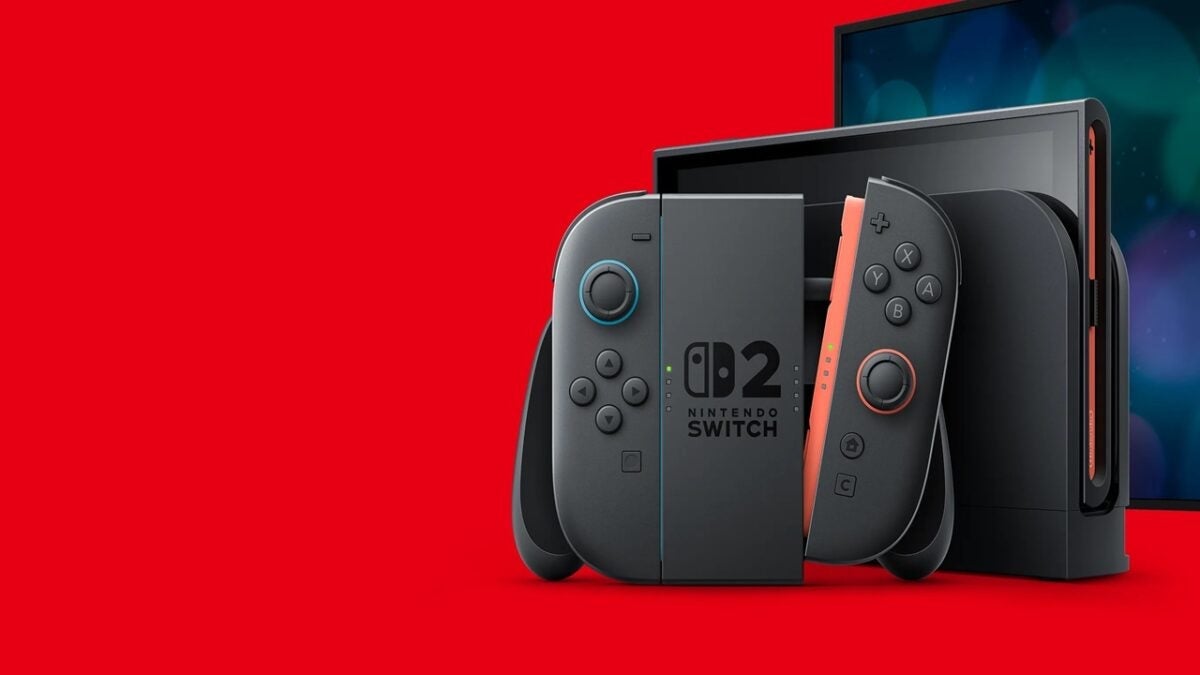
Nintendo has officially confirmed that in the coming months it will release a revised model of the Switch 2 with a removable battery. This model, initially only available in Europe, aims to comply with current European regulations that state that all electronic devices must have replaceable batteries starting February 18, 2027.
A more eco-friendly console
This is a necessary move by Nintendo, as they wouldn’t be able to sell the console any other way, but it’s a bit clumsy. Although the regulation will not come into effect until February of next year, it was approved in 2023, which means that by the time of the Nintendo Switch 2’s release, they were already aware of this regulation and had no reason to release a version of the console without a removable battery in the first place, complicating their production tasks even further.
In this regard, Nintendo has stated that “Nintendo products fully comply with these requirements, and Nintendo fully cooperates with the authorized regional institutions to facilitate the proper collection and environmentally respectful recovery or disposal of its batteries”. Emphasizing that it is among their plans to strictly adhere to European laws.
While there is no concrete news on this yet, it is possible that this will also affect the Joy-Con 2 and the Switch 2 Pro Controller 2. With model numbers BEE-012 and BEE-014 and BEE-008 respectively, and since Nintendo has stated that “for current products whose model numbers start with ‘BEE’, future compliant versions will have unique model numbers and the additional code ‘OSM’ visible on the packaging”, everything points to the fact that these could also have new versions with removable batteries. Therefore, for Europe, it seems that we will soon have a much more eco-friendly Nintendo Switch 2.
Netflix has made recent cuts to its product team in Europe, specifically in the Creative Studio department. This reduction is part of a broader restructuring within the company, aimed at optimizing resources at a time when competition in the streaming sector is intensifying. Is Netflix in trouble? The Creative Studio at Netflix operates as an internal creative agency, made up of a team of designers and producers dedicated to generating global marketing for the platform. This team is responsible for creating trailers in the app, brand initiatives, and content for live experiences, […]
This reduction is part of a broader restructuring within the company, aimed at optimizing resources at a time when competition in the streaming sector is intensifying.
Is Netflix in trouble?
The Netflix Creative Studio operates as an internal creative agency, made up of a team of designers and producers dedicated to generating global marketing for the platform.
This team is responsible for creating trailers in the app, brand initiatives, and content for live experiences, playing a crucial role by acting as a bridge between the content, product, and marketing sectors.
These cuts could have a significant impact on how Netflix produces and promotes its content, given that the Creative Studio is essential for connecting the multitude of series and movies that the company releases with its audience.
Since its launch, Netflix has been investing in innovating its marketing strategy. However, the decision to reduce staff in this area suggests that the company is prioritizing adjustments to its operational structure to be more efficient. Netflix executives may be evaluating new ways to focus their creative and marketing efforts in light of the current challenges in the industry.
As the industry progresses, changes like these in creative teams are expected to influence the quality and the way Netflix productions are presented, which in turn will impact the user experience.
Sovereign Infrastructure as a Service (IaaS) spending in Europe is expected to experience significant growth in the coming years, rising from 6.7 billion euros in 2025 to over 23.1 billion in 2027, representing a tripling during this period. This growth reveals an increasing demand for local technological solutions and a response to concerns about technological sovereignty. Europe, currently the third region in IaaS spending, behind North America and China, is projected to have growth that will likely double that of these two superpowers. Sovereign spending […]
Spending on sovereign Infrastructure as a Service (IaaS) in Europe is expected to see a significant increase in the coming years, rising from 6.7 billion euros in 2025 to over 23.1 billion in 2027, representing a tripling during this period.
This growth reveals an increasing demand for local technological solutions and a response to concerns about technological sovereignty.
Europe, currently the third region in spending on IaaS, behind North America and China, is expected to experience growth that will likely double that of these two superpowers.
BREAKING: 🚨🇪🇺
Europe is moving to replace U.S. tech firms with local ones.
An EU Parliament resolution urges digital sovereignty, cutting reliance on U.S. giants like AWS, Azure, and Google Cloud, and promoting a European “Eurostack.” pic.twitter.com/DgN58aMwjK
Sovereign spending on IaaS in Europe will triple by 2027
According to projections from Gartner, spending on sovereign IaaS worldwide could reach $80.4 billion in 2026 and $110.6 billion in 2027, while Europe could even surpass North America in spending for that year.
This drive is largely fueled by the demand from governments, regulated industries, and critical services, which are more inclined to migrate to local solutions.
Despite this trend, Gartner predicts that only about one-fifth of current workloads will shift from large global providers to local providers, suggesting that this change will be more gradual.
In addition, total technology spending in Europe is projected to reach 1.5 trillion euros by 2026, driven by the interest of various sectors in areas such as artificial intelligence, cybersecurity, and, of course, digital sovereignty.
The senior analyst at Gartner, Rene Buest, highlights that major cloud providers will need to acknowledge and adapt to the sovereignty concerns of each country in order to effectively compete with local options.
Europe’s focus on technological sovereignty is set to alter supplier dynamics and infrastructure options for several years, placing the continent in a unique position within the global technological landscape.
The European Commission has confirmed that it detected and contained a security incident that affected the central infrastructure responsible for managing staff mobile devices. The event, identified on January 30 through internal telemetry, resulted in unauthorized access to a limited subset of identifiable information, specifically names and mobile numbers of employees. It is important to highlight that the intrusion was limited to the management layer and did not compromise end devices during the attack. Mobile issues The affected systems were isolated and subjected to cleaning procedures for a total of approximately nine […]
The European Commission has confirmed that it detected and contained a security incident that affected the central infrastructure responsible for managing staff mobile devices. The event, identified on January 30 through internal telemetry, resulted in unauthorized access to a limited subset of identifiable information, specifically names and mobile numbers of employees. It is important to note that the intrusion was limited to the management layer and did not compromise end devices during the attack.
Mobile Issues
The affected systems were isolated and subjected to cleaning procedures for a total of approximately nine hours, a time that demonstrates a mature incident response capability. The rapid containment of the incident prevented lateral movements from the management infrastructure to the mobile fleet, effectively neutralizing the risk of a larger security breach.
The incident occurred shortly after the implementation of significant updates to the EU’s cybersecurity governance framework, including the new cybersecurity package and the Cybersecurity Act 2.0. This legislation introduces critical controls to mitigate risks associated with high-risk providers, as well as strict security requirements across the 18 critical sectors defined by the NIS2 Directive.
CERT-EU (Computer Emergency Response Team for EU institutions) leads the defense of the digital perimeter of the Commission, continuously monitoring threats. The knowledge gained from this incident will directly influence the ongoing development of the Commission’s defensive capabilities, ensuring that proactive measures are taken against future threats in a high-risk environment.
The implemented strategies will facilitate collaboration among member states and the effective communication of intelligence on threats, which is essential to address the frequent hybrid attacks that threaten essential services today.
Twitter, previously recognized as the cultural epicenter of expression on the internet, is going through a significant crisis three years after Elon Musk’s acquisition and the rebranding to X. In a period of five months, the platform has lost 11 million users in Europe, reflecting an “exodus” of users seeking alternatives. This situation has been exacerbated by a change in policies and the influence of Musk’s new leadership. Dying of success, at least temporarily In this context, Pommu emerged, a new platform created by DLSite, known in Japan for its catalog […]
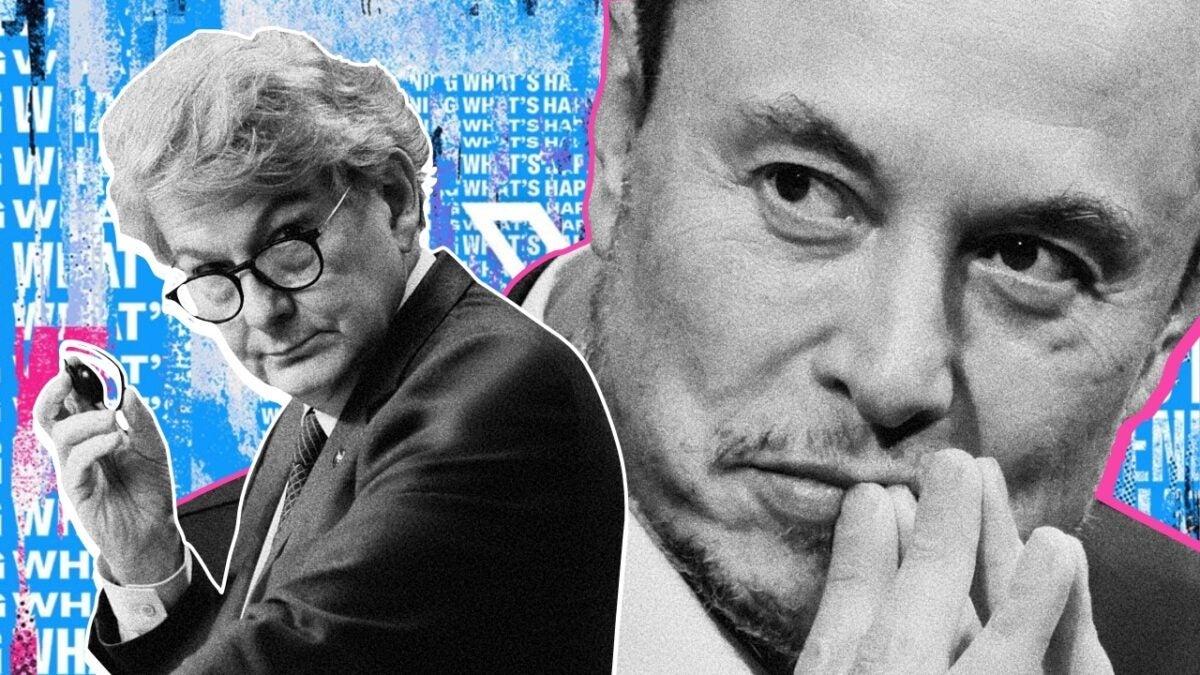
Twitter, previously recognized as the cultural epicenter of expression on the internet, is undergoing a significant crisis three years after Elon Musk’s acquisition and the rebranding to X. In a period of five months, the platform has lost 11 million users in Europe, reflecting an “exodus” of users seeking alternatives. This situation has been exacerbated by a change in policies and the influence of Musk’s new leadership.
Dying of success, at least temporarily
In this context, Pommu emerged, a new platform created by DLSite, known in Japan for its catalog of comics and video games. Pommu was launched as an alternative focused on artists and the otaku community. However, shortly after its launch, the platform became overwhelmed with adult content, exceeding the management capabilities of its team. The unusual flow of traffic, along with technical errors, led to the temporary suspension of its use, as ongoing maintenance issues were reported.
Despite warnings about a safe and friendly space, the presence of foreign trolls affected the user experience, further highlighting the need for effective solutions in the field of social media. Meanwhile, Threads, Meta’s alternative, has reached a new milestone by surpassing X in daily users for the first time, recording 128.2 million compared to Musk’s network’s 124.7 million. Despite the rise of Threads, Bluesky, another refuge for Twitter exiles, has maintained a more stable user base, although it has also recently faced a decline in its daily user numbers.
Together, these events underscore an increasingly competitive landscape for social media platforms, where user loyalty is increasingly threatened, and new alternatives must navigate significant challenges to achieve stability.
The distribution of hardware and video games is going through a critical moment, characterized by constant price increases and changes in consumption habits that affect both online wholesalers and physical stores. A recent example of this situation is Costco’s decision to remove the Xbox section from its websites in the United States and the United Kingdom, leaving users without access to consoles, accessories, and games from Microsoft Gaming. In contrast, the pages dedicated to PlayStation and Nintendo remain active, which some analysts interpret as an indication of the weakening of the Xbox brand in […]
The distribution of hardware and video games is going through a critical moment, characterized by constant price increases and changes in consumption habits that affect both online wholesalers and physical stores. A recent example of this situation is Costco’s decision to remove the Xbox section from its websites in the United States and the United Kingdom, leaving users without access to Microsoft Gaming consoles, accessories, and games. In contrast, the pages dedicated to PlayStation and Nintendo remain active, which some analysts interpret as an indication of the weakening of the Xbox brand in the market.
Xbox, a brand without a future?
The withdrawal of Xbox could be related to Microsoft’s strategy to focus on digitalization, launching versions of consoles without a disc drive. However, the lack of an official explanation from both Costco and Microsoft leaves open the possibility that we are facing a system error that does not correctly detect related searches. Nevertheless, the situation does not surprise many, especially considering that some European stores have already begun to stop selling Xbox games.
In addition to this, Microsoft has announced a price increase for the Xbox Series in the United States starting October 3rd. According to the company, this adjustment is due to “changes in the macroeconomic environment” related to tariffs imposed in the past. With this new pricing structure, the Xbox Series S (512 GB) will cost $400, while other versions will see even greater increases, reaching $799 for the Xbox Series X Galaxy Black with 2 TB. These decisions have raised concerns among consumers and industry analysts about the future of the console in an increasingly competitive market.
The Stop Killing Games movement, initiated by content creator Ross Scott, has gained relevance in the video game industry following Ubisoft’s decision to shut down the servers of The Crew. This movement seeks to question the legality and ethics of publishers who decide to close games that have already been sold to consumers. During a shareholders’ meeting, Ubisoft’s CEO, Yves Guillemot, was asked about the goals of the movement and stated that games are not meant to “last forever.” Statements that go against consumers Guillemot emphasized that “a service is provided, […]
The Stop Killing Games movement, initiated by content creator Ross Scott, has gained relevance in the video game industry following Ubisoft’s decision to shut down the servers of The Crew. This movement seeks to question the legality and ethics of publishers who decide to close games that have already been sold to consumers. During a shareholders’ meeting, Ubisoft’s CEO, Yves Guillemot, was asked about the goals of the movement and stated that games are not meant to “last forever.”
Statements that go against consumers
Guillemot emphasized that “a service is provided, but nothing is set in stone and, at some point, the service may be discontinued.” The CEO stated that the company is working to minimize the impact on players, but the reality is that “support for all games cannot last indefinitely.” These statements come in a context where Ubisoft is facing a lawsuit over the closure of The Crew servers.
The Stop Killing Games movement has also received criticism from the association Video Games Europe, which warns that proposals to keep older games alive could limit developers’ freedom and increase creation costs. This dilemma resonates throughout the industry, as it is not just Ubisoft that is closing titles. BioWare has announced the closure of Anthem for January 2026, and Sony’s Concord was discontinued shortly after its release.
These server shutdowns and the discussion about their legality and ethics reflect a shift in the perception of the value of video games, raising important questions about the relationship between publishers and consumers in a rapidly evolving market.
Death Stranding 2: On The Beach is one of the most anticipated games of the year. The most anticipated game of the year, except for GTA VI. And for some people, even without the exception. And it’s no wonder. Death Stranding was for many media the GOTY of 2019 and it’s not surprising. It showed that Hideo Kojima had a lot to say outside of Konami and Metal Gear and that, in addition, it was possible to create a game where the act of walking was extremely tense and satisfying. Now he has to double down, because we already know how good they are […]
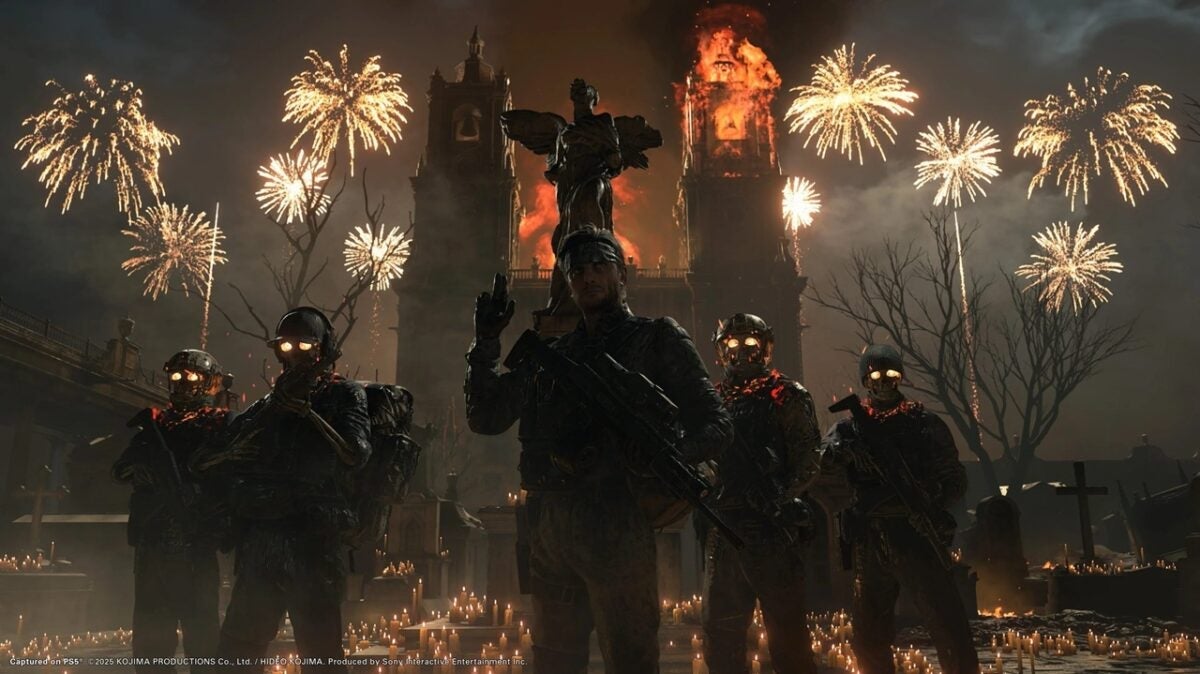
Death Stranding 2: On The Beach is one of the most anticipated games of the year. The most awaited game of the year, except for GTA VI. And for some people, even without the exception. And it’s no wonder. Death Stranding was for many media outlets the GOTY of 2019 and it’s not surprising. It showed that Hideo Kojima had a lot to say outside of Konami and Metal Gear and that, in addition, it was possible to create a game where the act of walking was extremely tense and satisfying.
Now it has to raise the stakes, because we already know how good their systems are. They must surprise us with something different, something better, because we already know the secrets of what Death Stranding is. At least, as a concept. And that’s why we are going to clarify everything we know. And everything we think we know.
Price, release date, booking and other important recent information
To begin, let’s start with the most recent news. Last Sunday, March 9, there was a special presentation about Death Stranding 2: On The Beach where new information about the game was revealed. With a new trailer lasting over ten minutes, the most interesting part is that it gave us a release date: next June 26 exclusively for PlayStation 5. The exclusivity is more than justified, considering the quality of the graphics presented in the trailer, showcasing a new graphical benchmark for the current generation of consoles.
In addition, it was also confirmed what the main theme of the game is. Titled To the Wilder, it is a song composed by Woodkid and talks about opening new paths and not getting carried away by the possibility of walking already known and worn paths, which are traps that keep us stuck in our lives. Something that may also be a nod to what we will see in this sequel. Or in the concert series Stranding Harmony, which will begin on November 8 and will tour around the world, playing the soundtrack of the now saga of Kojima’s games.
On the other hand, if you can’t wait to pre-order the game, you’ll still have to do just that. Wait a little longer. Because you won’t be able to do it until March 17, with three different editions: a standard edition, a digital deluxe edition, and a collector’s edition for €79.99, €89.99, and €249.99 respectively. The latter is only available on PlayStation Direct.
Everything we know for sure about the game
About the story, we still don’t know much. It seems to take place eleven months after the end of the first game and that the consequences of the first game have not been as positive as one might expect. Something that will lead us to once again step into the shoes of Sam Porter Bridges, brought to life by the famous actor Norman Reedus. Once again accompanied by Léa Seydoux as Fragile, Nicolas Winding Refn as Heartman, and Troy Baker as Higgs Monaghan, joining the cast are Elle Fanning, Sioli Kutsuna, Luca Marinelli, George Miller, Debra Wilson, Fatih Akin, Alastair Duncan, and Alissa Jung as Tomorrow, Rainy, Neil, Tarman, Doctor, Dollman, The President, and Lucy respectively.
From here on, we speculate freely
Up to this point, the information. From here on, we start to speculate. And the trailer has made us imagine quite a bit of what could happen in the game. To begin with, it seems that Sam and Fragile may have established some kind of romantic relationship and that, because of this, upon Higgs’ return when he comes back in search of Lou, Sam’s daughter, Fragile tries to save her at the cost of her own life. This gives Sam an even more personal reason to confront the situation this time.
At the same time, it seems that we will have new mechanics. It appears that battles will be much more common in this sequel, but it gives the impression that this is because The Beach no longer has the same effects on the planet. Whether it’s because the chiral crystals are changing the world and that separation between worlds no longer exists, or because entire parts of the game do not occur exactly in our world, it seems that combat will have a much greater weight in this sequel. Especially highlighting what seem to be battles with and against giant creatures, perhaps the most spectacular moments of its predecessor.
On the other hand, from what they say in the trailer, it seems that we are leaving the US to go to another continent. If we look at the name of the figure in the collector’s edition, it is Magellan, the famous Portuguese explorer who discovered America. If we add to that the fact that at one point a character says that the former US is exporting its form of culture to this other continent, it seems quite evident that the new place we are going to travel to is Europe. Something that was already hinted at in the original, suggesting that the situation in Europe was subtly different from that of the US.
And there also lies the impression of where the themes of the game may reside. The militarism of ancient USA, seeking to expand into other territories, and the use of AI, as it suggests that part of the problem of what is happening is the automation of distributions, could be the cause or consequence of the new uprising of Higgs, now with what is clearly a paramilitary group with sectarian overtones.
We won’t have to wait long to know if we were right
In any case, this last part is mere speculation. We do not know for sure what will happen in Death Stranding 2: On The Beach. Fortunately, we won’t have to wait long. As we have pointed out, it will be released exclusively for PlayStation 5 on June 26, ending the intrigue of what the genius Hideo Kojima has cooked up this time.
DEATH STRANDING 2: ON THE BEACH is a premium action game from Sony Interactive and 505 Games. Directed by renowned video game designer Hideo Kojima, this serves as the highly anticipated sequel to the 2019 Death Stranding. This game aims to explore another mission, this time beyond the borders of the United Cities of America. Sam returns, this time with companions, once again seeking a way to save humanity while raising Louise.