You might soon be able to share your Facebook posts via WhatsApp

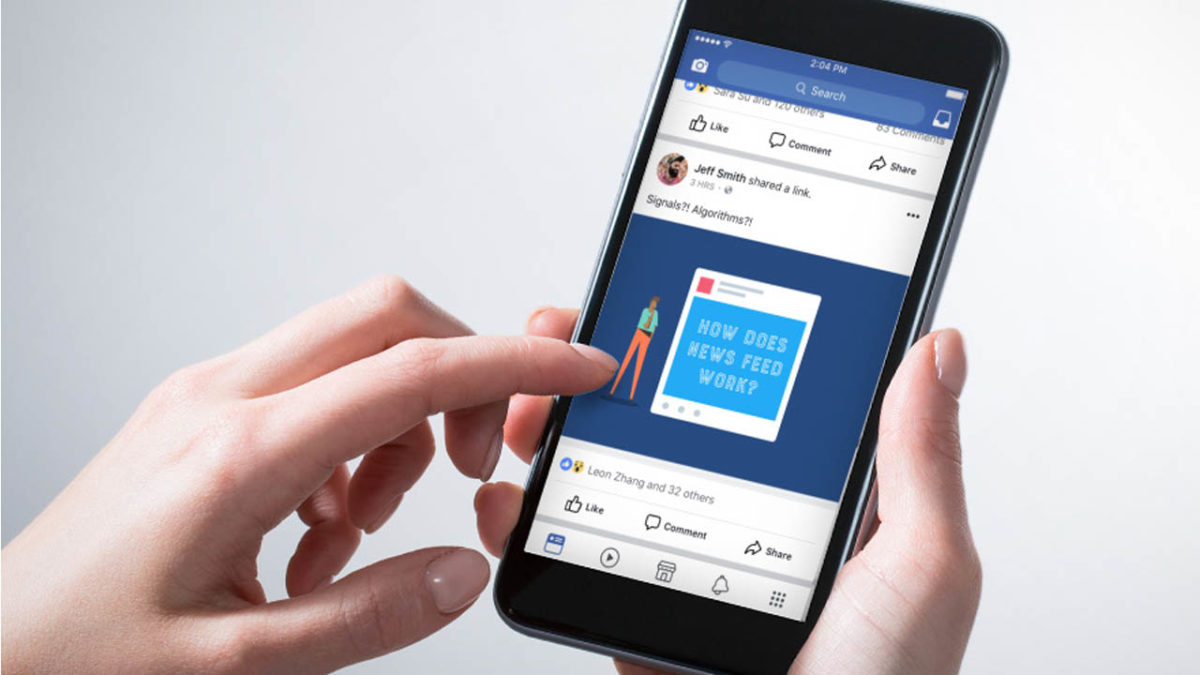
People are reporting on Twitter that the Facebook mobile app now includes a Share to WhatsApp button. This new button allows users to share their Facebook posts with friends on WhatsApp quickly. You can already do this of course, but it currently takes a lot more than simply clicking a button.

This new button appears to be only a test, for now at least, as only some people have reported seeing it. Facebook is yet to announce anything about a share to WhatsApp button, so we can only guess that we’re waiting to gauge public opinion on the matter before they press ahead with a broader release.

You’ll find the Share in WhatsApp button underneath the Write Post button when you click the standard share button on your post.

Facebook (Mobile) Download
8

This button is similar to Facebook’s Send in Messenger button. It is another example of Facebook making it easier for users to communicate across its multiple platforms and slip from one to another with a minimum of effort.

Do you think a Share to WhatsApp button for Facebook is a good idea? Let us know below.

WhatsApp Messenger Download WhatsApp
8

Facebook is preparing a “Don’t Like” button, but it’s not what you think

The “Don’t Like” button has been on Facebook users’ wish lists for a long time. After years waffling, the social giant may have caved: a “Don’t Like” button may appear on FB in upcoming months… but there are some conditions.

7

According to media in the United Kingdom, Facebook has tested this button on 5 percent of its North American users. Rather than a thumbs down, it would be more like a negative vote or downvote, and would be used to flag posts or comments that may be considered malicious or disrespectful.

So, the idea behind this “Don’t Like” button isn’t to express disagreement (for that, we’ve already got the “angry face” reaction), but rather to report inappropriate content on the platform. Also, it would come with another button, upvote, that would show preference for certain content.

The system of upvotes and downvotes is similar to “karma” on some sites or votes on platforms such as Reddit and Quora, which highlight one post above the rest.

Reddit: The Official App Download Now
8

By encouraging the best comments, Facebook users would work to self-moderate, which would help the company determine what its audience is really interested in.

The end goal of all this would be to stop “fake news,” a plague to Facebook and other networks like YouTube.

In any case, all this work won’t be left to users: just this week, Facebook announced that it will establish offices in Barcelona with a team solely dedicated to moderating and verifying content. It’s clear that, besides the good work by users, more professional tools are needed to fight against fake info.

What do you think about the premiere of this “Don’t Like” button? Do you think users will use it correctly?

These are the 104 new emojis coming to your phone in 2019

A flamingo, falafel, new clothing items, icons that represent inclusion… and even a sloth! These icons, plus nearly a hundred other images, have been proposed by the Unicode Consortium to become emojis in 2019.

The Unicode Consortium is the organization in charge of designing and proposing new emojis that operating systems and apps have to include over time. Though we’re still waiting for the 2018 emojis to come to most devices, Unicode has already presented its suggestions for the upcoming year.

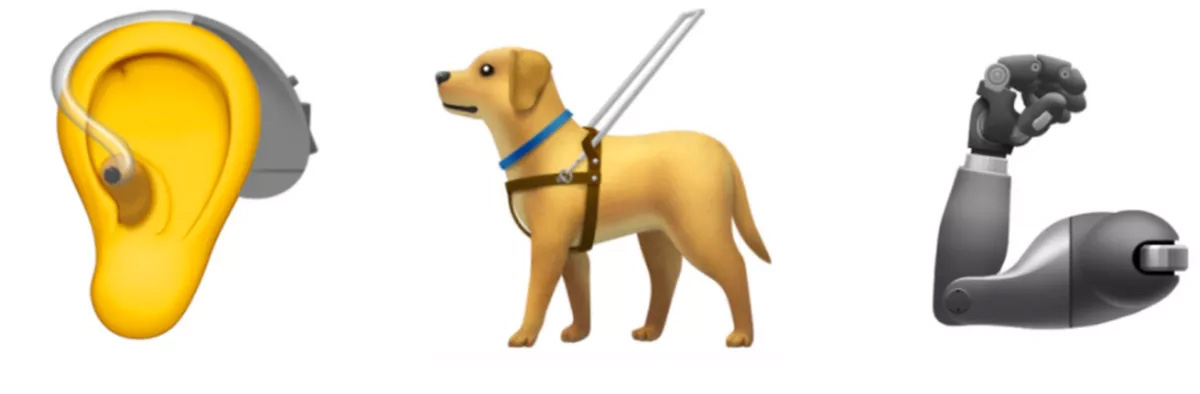
Like previous editions, Unicode is committed to inclusion, adding several icons that represent functional diversity: an ear with a hearing aid, two types of wheelchairs, a prosthetic arm or leg, a guide dog…

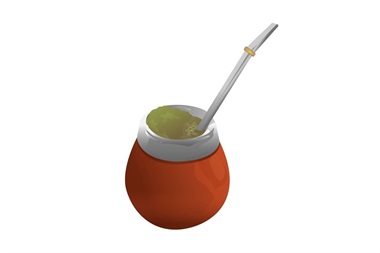
It also considers the unique characteristics of some countries, adding typical foods and drinks, such as mate in South America, or different icons of Hindu culture like the sari and a temple.

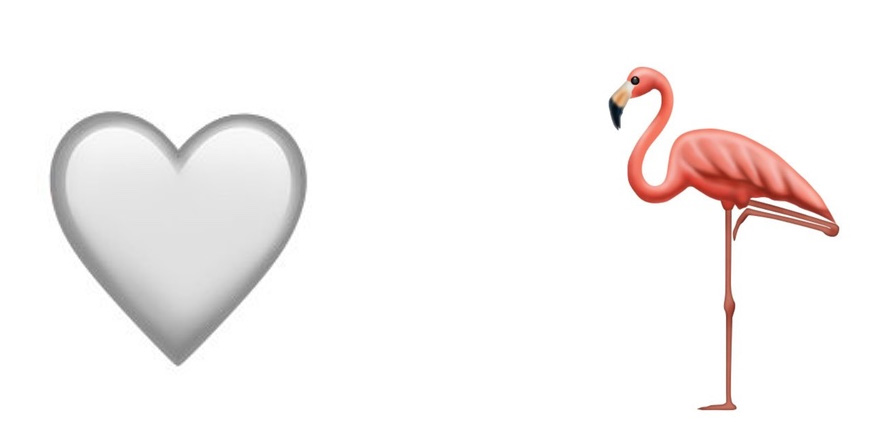
And, of course, emojis have to keep up with trends: what would a chat be today without adorable animal emojis such as flamingos, otters, and orangutans?

New colored hearts and other symbols will also be available.

Remember, Unicode’s suggestions are the first step of the process. This means that not all 104 icons may end up on every operating system, not to mention how each system uniquely adapts them (remember the controversy over gun emojis).

You can see the full list of 2019 Unicode candidates here.

WhatsApp Messenger Download WhatsApp
8

What emoji would you still like to see on WhatsApp and other programs? Tell us your suggestions in the comments! Maybe we’ll give the Unicode Consortium ideas for their 2020 list!

How to make custom frames for your Facebook profile picture

Ever wonder how people get those temporary frames on their Facebook profile pictures? Generally speaking, those frames come from the company itself, which makes an exclusive tool available for people to decorate their photo for whatever reason. It may be for a holiday, in solidarity of a catastrophe, a sports event, etc. The possibilities are endless. Today, we’ll show you how to make custom frames for your Facebook profile picture.

Facebook Access Facebook
7
Facebook Lite Download Facebook Lite
7

How to make custom frames for your Facebook profile picture

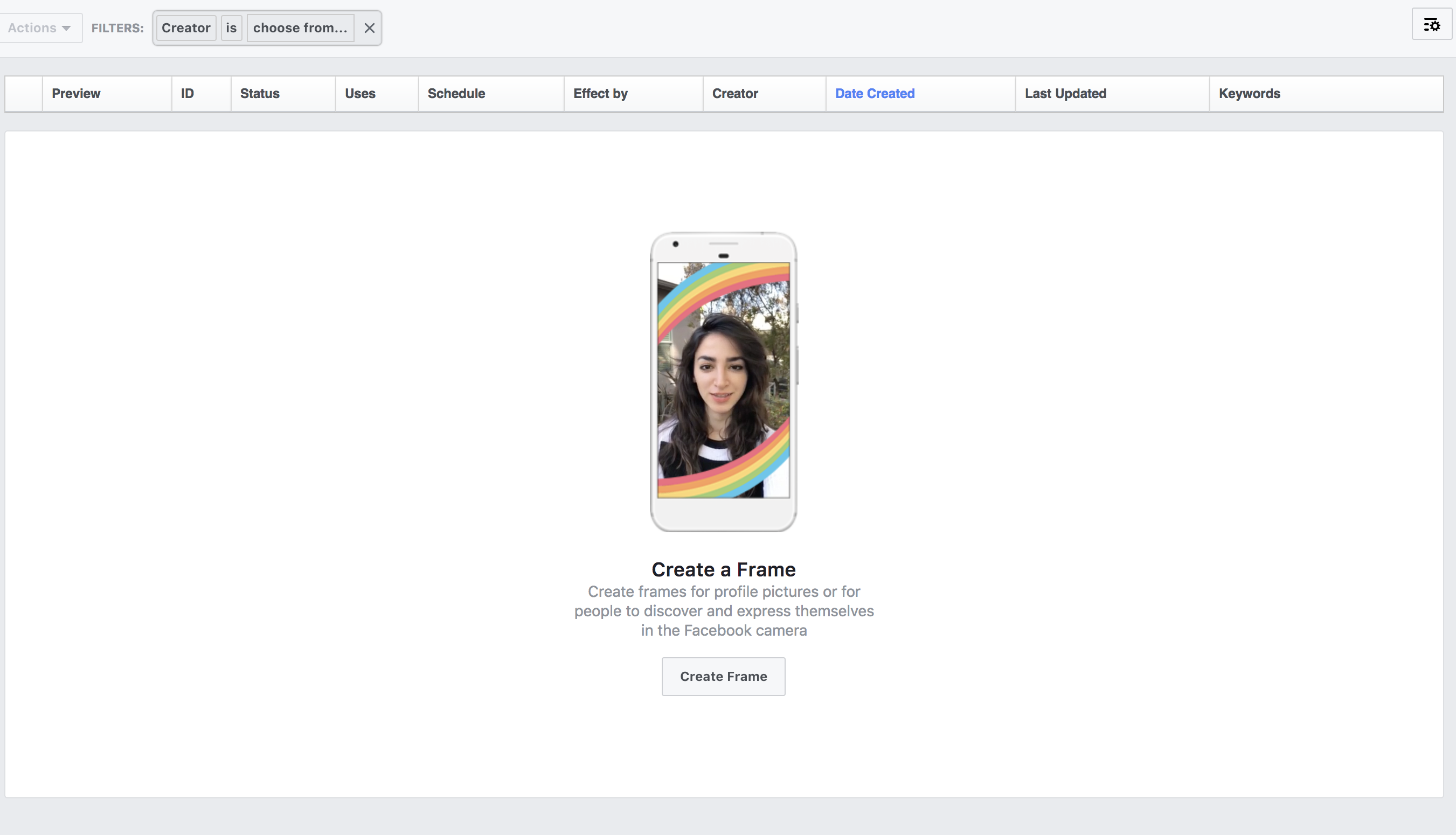
Relatively recently, Facebook began allowing users to design their own frames. To do this, go to this URL and click on “Create frame.” Go for it! We’ll wait.

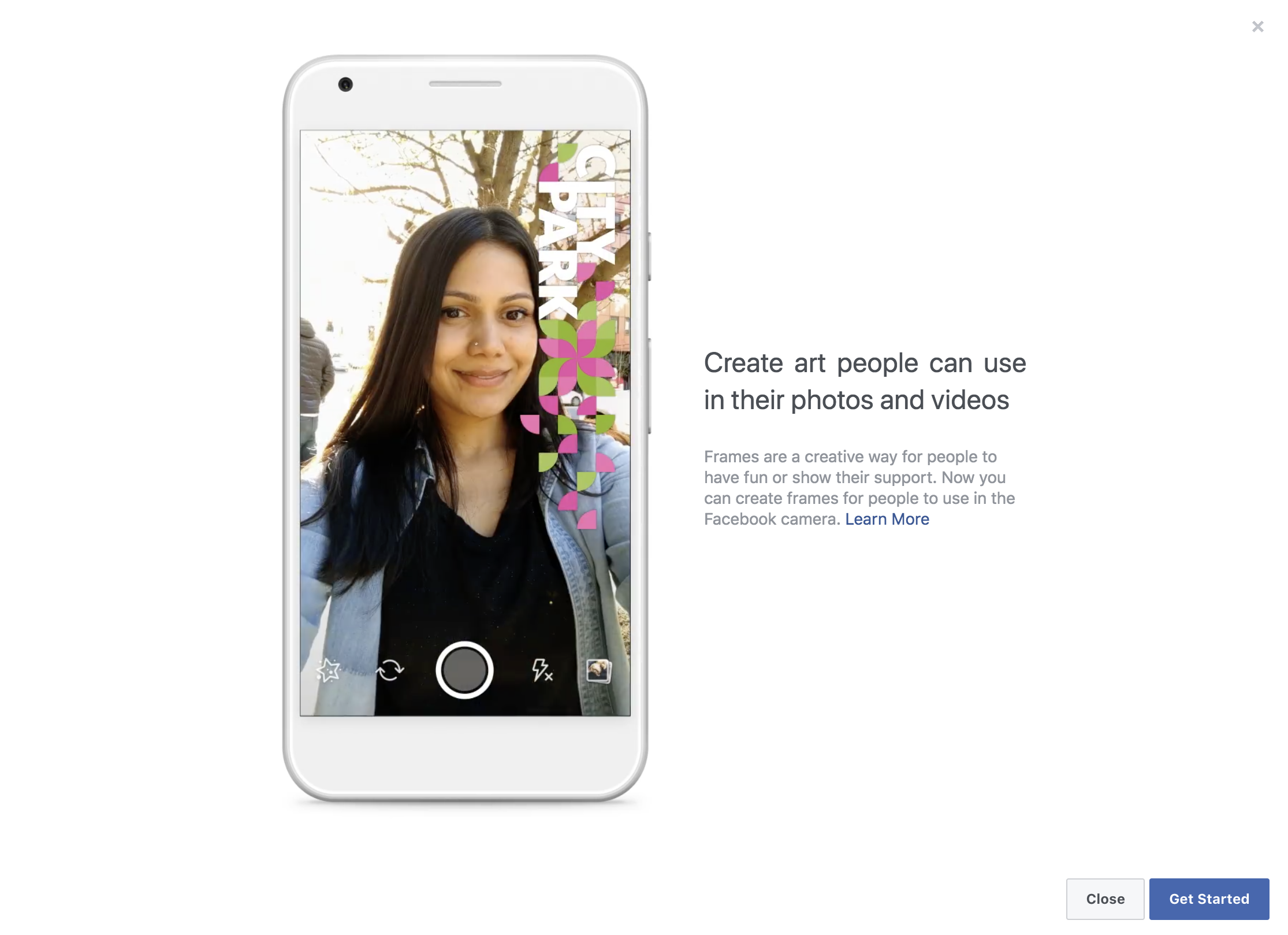
On the next screen, it’s just an explanation of what you’re doing, so click on “Get started.


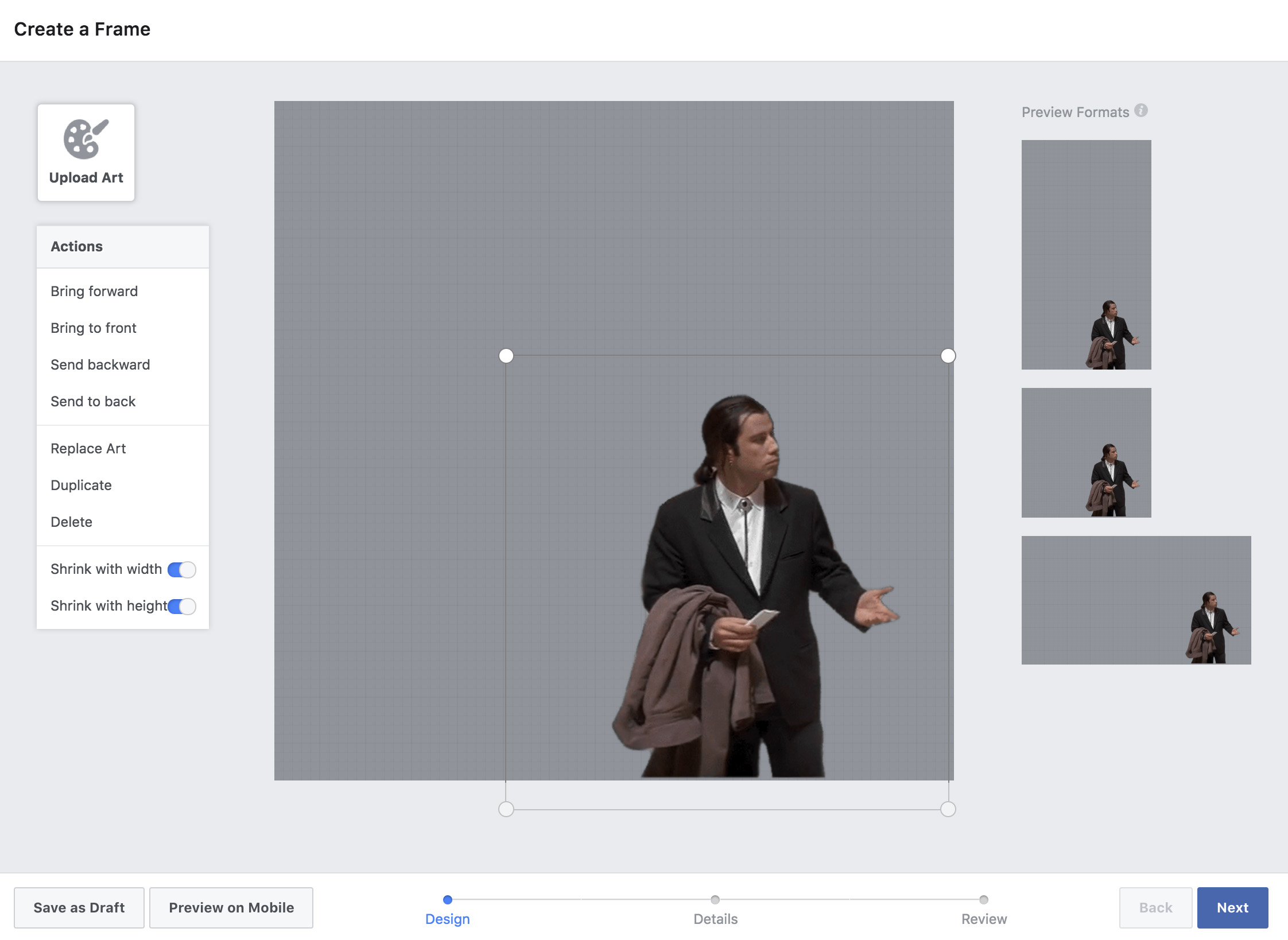
Okay, now you’re ready to create your frame. First, you must “Upload a design” in PNG format. PNGs have transparent backgrounds, so they’ll appear to hover above your standard profile picture. You can find PNGs with a quick Google search or whip them up in Photoshop. Once you have your masterpiece, upload it by dragging and dropping or using the “Upload Art” button in the upper left corner.

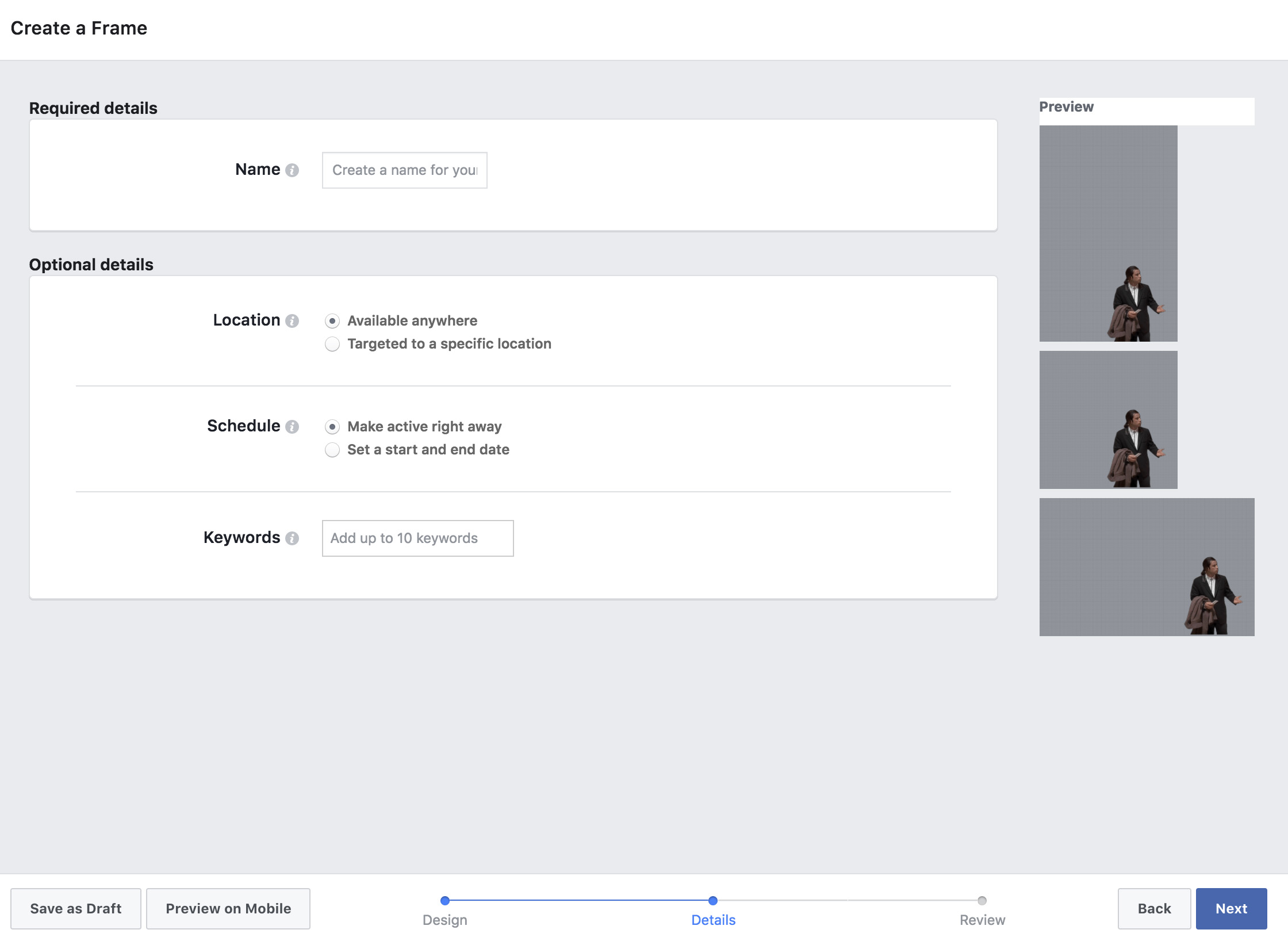
Once you’ve done that, you can resize it and place it wherever you like. On the top right, you’ll see different formats available, so you can also think about the device it will be displayed on. When everything’s ready, click on “Next” and add a “Name,” as well as set the “Location,” “Calendar” and “Keywords.” Click “Next” when you’re good to go.

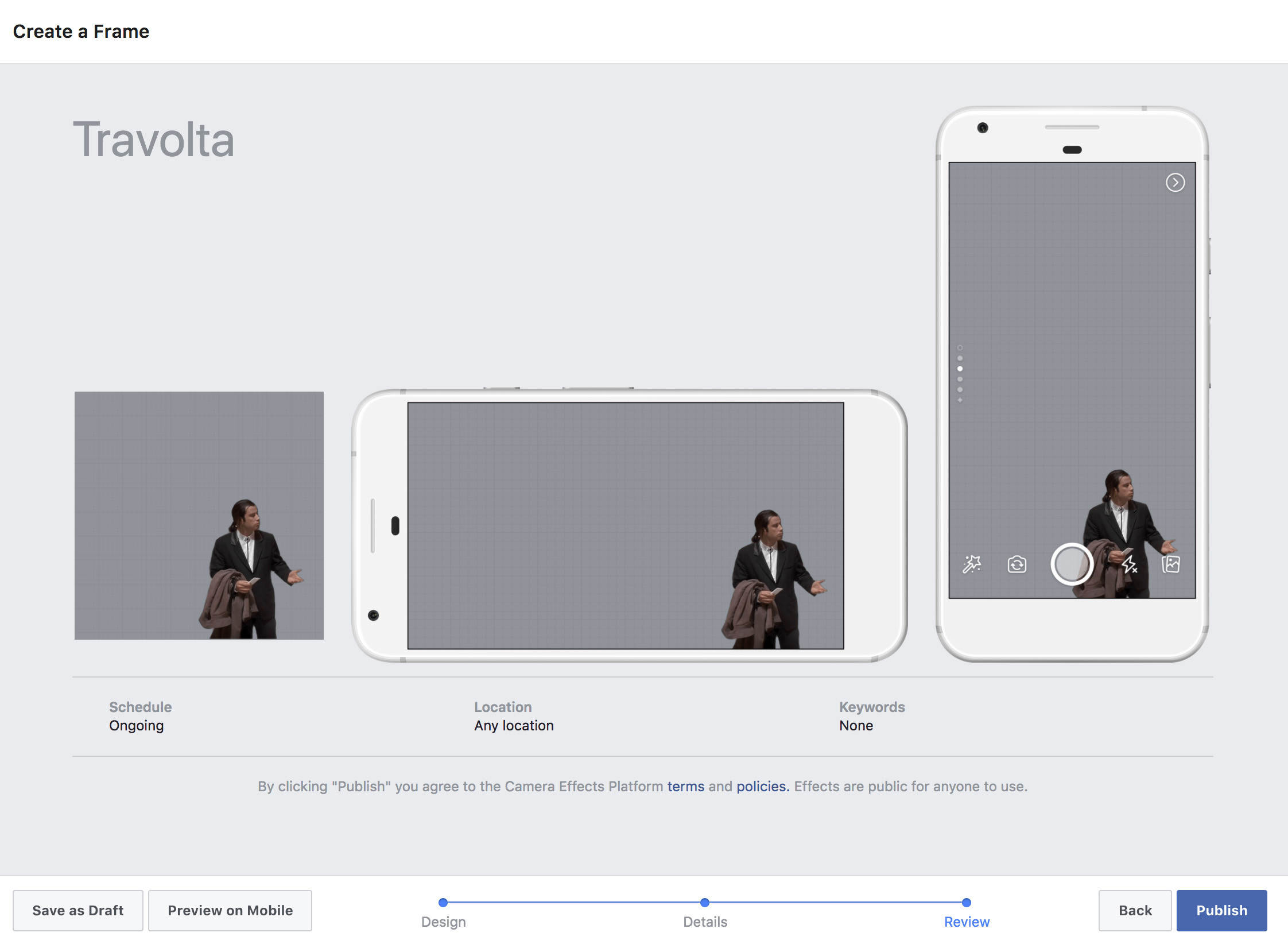
Here’s the final step. Check carefully how your design looks with your profile photo. Facebook will create a simulation with a cell phone display, so you can see how the photo will look to other users. As soon as you click “Publish,” you’ll have created your custom frame, which is ready to be used both by other users and you, of course. That’s it! You’re done!

What updates can we expect for WhatsApp?

A new WhatsApp update has been added to the Google Play Beta program. The guys over at WABetaInfo have put together a little breakdown of what we can expect once the features being tested in the beta version get a wider rollout. There is still no Sticker availability but it looks like WhatsApp are working on a Double Sticker function for future updates. Other cool functions added via the new update include a Location Sticker, a Dismiss as Admin feature, and Priority Messages. Let’s take a look.

WhatsApp Messenger Download WhatsApp
8

Location Stickers allow you to add a signpost to your favorite places to your WhatsApp messages. There are two different styles of Location Stickers, which you can check out below.

Image Via: WABetaInfo

Dismiss as Admin is aimed at WhatsApp group messages. The new feature gives group admins the power to demote other admins without having to remove them from the group. Until now, kicking other admins out of the group entirely was the only way to remove their admin privileges. To dismiss an admin, hold your finger on their name in the group chat menu. The option should then pop up in the drop-down menu.

Image via: Gadgets 360

High Priority gives you more control over the push notifications. If you enable High Priority, then your incoming WhatsApp notifications will be pinned to the top of your notification center. This feature will only be available on phones with Android version 5.0 or higher. To enable High Priority, open Settings and then tap Notifications. High Priority should be at the top of the screen if you have the latest beta version of WhatsApp installed on your phone.

Are you a member of WhatsApp’s beta testing program? If you’d like to try out the latest WhatsApp features before everybody else gets their hands on them, you should give it a try. We’ll be posting a guide to accessing beta versions of apps, games, and programs soon, so remember to keep checking in with us.

How does the Facebook News Feed work?

The Facebook News Feed has been all over the place the last few years. Updates from family and friends slowly disappeared to be replaced by news and features from publishers, which then turned into fake news that resulted in some incredibly strange geopolitical developments. World-altering elections aside, Facebook users haven’t been happy with the News Feed for some time now.

Facebook knows that we want more updates from our personal connections and are working to put more and more of them in our feed. To help explain how Facebook ranks the content and posts that you see in your News Feed, Adam Mosseri who is head of Facebook’s News Feed team published a recent blog post. According to Mosseri, the Nerws Feed ranking system has four elements that it considers:

“…the available inventory of stories; the signals, or data points that can inform ranking decisions; the predictions we make, including how likely we think you are to comment on a story, share with a friend, etc; and a relevancy score for each story.”

Facebook Access Facebook
7

To explain how these four elements come together Mosseri put together a video to walk you through how the Facebook News Feed accomplishes its mission to “Connect people with the stories that matter to them most.”

How Does News Feed Work?

Posted by Facebook on Friday, October 20, 2017

Considering the social and political impact of Facebook, transparency on the News Feed is welcome. It is definitely worth your time to check out the video and bring yourself up to speed with the basic factors determining what you see in your Facebook News Feed. With elections coming up this year on both sides of the Atlantic, we can expect this issue to be a hot topic in the weeks and months ahead.


It gets even worse for Facebook

Source: Venture Beat

You could feel sorry for Facebook if it wasn’t for how badly it has handled everything since last week’s Cambridge Analytica scandal hit the headlines. The bad news for the all-seeing social network this week comes in the form of Facebook users posting online years’ worth of contacts and call histories that they’d found when downloading all of the data that Facebook had been gathering on them. The worse news was how Facebook handled it, and you can probably guess how it went about it. Facebook blamed the user.

That’s right. If Facebook has been storing all of your call data, it’s your own damn fault. Apparently, Facebook only gathers all of this information if you give it permission and only does it to improve your experience when using Facebook Lite and Messenger. This fact may technically be true, but the fact that the people posting all this info online seem oblivious to it only highlights further how Facebook has been hoodwinking Facebook users. Surely know it won’t be long before we see Zuckerberg testifying in front of Congress.

5 Reasons Why I Deleted My Facebook Profile

facebook-trashpng.pngWith #deleteFacebook trending across all social networks due to the Cambridge Analytica data breach scandal, we thought we’d take another look at when one of our writers decided to make the fateful move way back in 2010.

Written by Tom Clark on August 19th, 2010.

Yesterday, I deleted my Facebook profile. Assuming I don’t relent within the next two weeks, it will then disappear, entirely. Forever. Upon announcing these glad tidings to James (he sits next to me) and on Twitter, the general response I got was “Why would you do that?”.

It’s true, removing oneself from a network as huge and overarching as Facebook may at first look a little extreme. Perhaps even a tad sociopathic. But it needn’t be that way. Just because I’ve stopped using Facebook, that doesn’t mean I’m planning to relocate to the mountains and await the Mayan apocalypse in wide-eyed solitude.

There are plenty of reasons why deleting your Facebook profile might be a good idea. Here are five that convinced me:

1. Getting Things Done

It’s not like I was so hooked on Facebook that I never got anything else done. But Facebook is carefully designed so that it becomes practically the only website you ever use. And what that means is that sending a quick message to a friend via Facebook inevitably results in looking at photos of a colleague’s summer holiday or getting involved in some water-cooler style discussion about the political issue of the day. Facebook’s time consuming, distracting and doesn’t really add any value to my life. I’ll get more done without it.

2 – Facebook Isn’t My Blog

My problem is that I can’t resist a good argument and it doesn’t take much provocation for me to stick my oar in. For various reasons, Facebook doesn’t engender a very high level of debate. Not the level you’ll find elsewhere, anyway, which makes it even more frustrating than arguing with trolls on my own blog. Rather than risk massive hypertension, I’ve opted for the best cure: prevention.

3 – Lack Of Image Control

As I’ve mentioned before, I’m not particularly concerned by privacy online. I’m generally open about my identity because I’m careful not to act embarrassingly or offensively online. And save for a couple of slip-ups, that’s a policy which has worked. What I have less control over is people on Facebook uploading photos and tagging me in them. I’m not famous, so I can’t imagine why anyone would want to have more than one photo of me watching a band or sitting in a chair. No Facebook profile? No photos tagged with my identity. (BTW – if you are concerned about privacy, do not read this interview with a Facebook employee).

Google Photos Download Google Photos
7

4 – The (Worst) Apps (In The World)

Except for Scrabulous, and when I’ve had to test one at work, I’ve never used any of the ‘social’ games that have helped to make Facebook so popular. Jon’s withering criticism of Farmville hits the nail on the head, and I’m inclined to agree with this article which warns of the anti-social nature of such apps. It’s not just the apps, of course: it’s the nagging, faintly depressing invitations and updates from those of your Facebook friends who are easily entertained enough to spend hours clicking away. You start to think: how come so many people I’m friends with now seem like extras from Idiocracy? I don’t want to feel like that: I’m better off without Facebook.

5 – Facebook Is So Over, Anyway

Well, this might not be true quite yet. But it’ll happen soon. Social networks traditionally don’t have a life expectancy above about five years (that is, from launch to peak traffic). Facebook is different, in that it’s a better-designed site than its predecessors and its development team seems quite quick to react to new trends. But will you be using Facebook in 10 years time? No. Nor will I, because I’ve already left it. That makes me an early-abandoner, which means I’m cool. Cooler than you are, anyway.

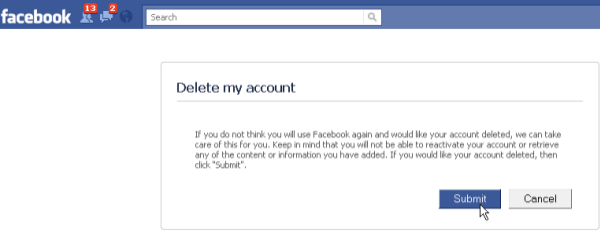
(How to delete your Facebook profile)

facebook-account-deletion.png

Visit this page and follow the prompts. Then leave your account for 14 days. After this time, your account will be erased. You won’t be able to restore it, so be careful! I’ve got a backup account anyway, just in case.

This article was originally published on Aug 19th, 2010.

Are you going to #deleteFacebook? We’d love to know in the comments below what you’re thoughts are on the whole Cambridge Analytica scandal.
 

Just how bad is the Facebook data breach?

Source: The Washington Post/Getty Images

It is getting to the point now where if you believe that Facebook is an innocent bit of fun, you’re likely a naïve child who is totally unaware that the world does not revolve around your own experience. Fortunately, however, children and young people, in general, are switching off from the social network behemoth as it staggers from crisis to crisis because mum and dad have made Facebook uncool.

The lame factor is the least of Facebook’s problems at the moment, however, as the latest crisis is so big that it could see head honcho Zuckerberg hauled in front of government officials to explain how his creation has reeked so much damage. This is, of course, the Cambridge Analytica crisis, which has seen millions of Facebook users’ details land in the hands of politically motivated actors, seemingly devoid of any moral compass and who are willing to use the data they’ve amassed in the service of the highest bidder.

Even if you’re a Trump supporter in the US or a Brexit supporter in the UK, the fact that Cambridge Analytica has been pitching to Russian Oil companies, likely under the auspice of Putin, should have alarm bells ringing. Thanks to Facebook, these people have been able to steal your data and are willing to sell it and the insights they’ve gained from it to the highest bidder, even if that highest bidder will act against your best interest.

The latest Facebook data breach is both shocking and awful and amounts to nothing short of a coup against democracy and freedom. Sort it out, Mark!

Google and Facebook making money off of prostitution


Source: John D McHugh/ AFP

Lawmakers in the UK are looking at a potential law that will require online platforms like Facebook and Google to take more responsibility for the content shown on their platforms. The calls for the change in law have come after it came out that both Google and Facebook have been making money off advertisements for pop-up brothels.

What makes this whole sordid affair even worse, is that a number of the brothels that have been advertising on the Google and Facebook have been found to be involved in human trafficking and the exploitation of sex-workers.

A similar bill is being pushed through US Congress that targets internet firms that, “knowingly assist, support or facilitate” content that leads to trafficking. In particular, the US bill is designed to tackle sites like Backpage.com that are packed with sex ads, many of them trafficked women or teenage runaways.

If laws on both sides of the Atlantic come into force, it’ll mean the web giants will no longer be able to turn a blind eye to the types of content and services advertised on their platforms.